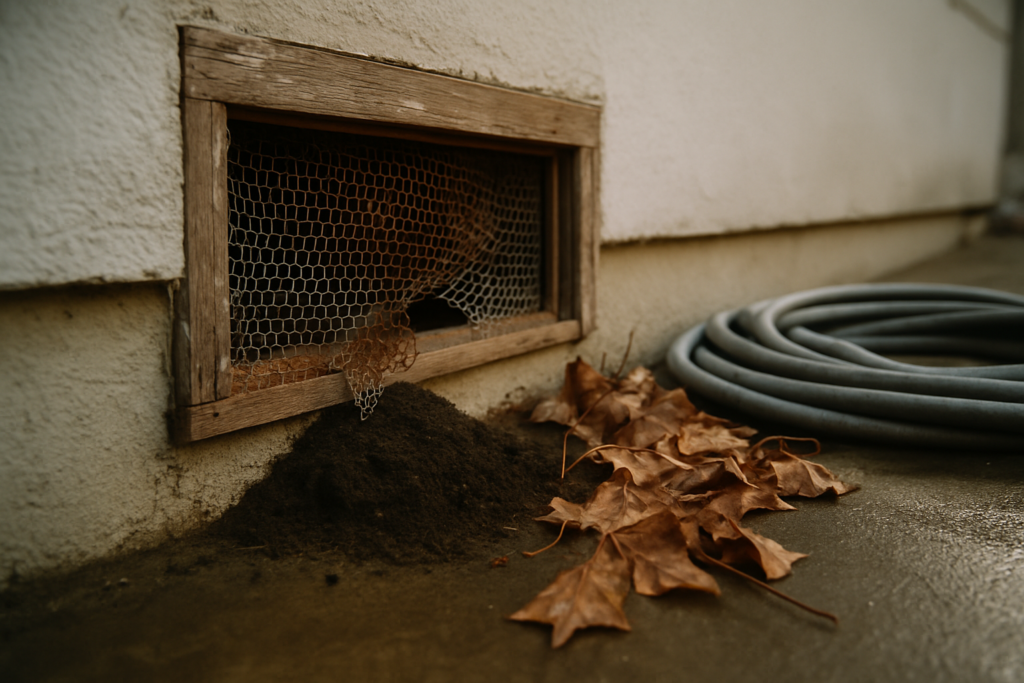
Dealing with gophers in your Santa Cruz County garden can be really frustrating. These burrowing pests can destroy your lawn, vegetable patch, or flower beds almost overnight. They leave a trail of dirt mounds and damaged plant roots behind them.
While traps and professional help are good solutions, creating a garden with gopher resistant plants is your best first defense. By choosing the right plants, you can grow a beautiful garden that naturally keeps these pests away. The coastal climate here in places like Aptos and Capitola is perfect for growing plants that gophers hate.
This guide will show you seven powerful gopher resistant plants. They not only protect your garden but also add beauty and nice smells. From herbs like lavender to bright flowers like marigolds, you'll find great options for your garden.
1. Lavender (Lavandula species)
Lavender is a great choice for gardeners in Santa Cruz County. It's a beautiful plant that is also very useful. Known for its purple flowers and calming smell, it is one of the best gopher resistant plants you can find. Its power comes from the strong essential oils it makes, which gophers find very unpleasant.
The secret to lavender's power is its strong scent. Gophers use their sense of smell to find food underground. They will avoid areas that smell like lavender. This makes it a great natural wall to protect other plants in your garden.

Why Lavender Works So Well
Using lavender to keep pests away is a proven method. For example, many vineyards in Napa Valley plant lavender around their grape vines to protect them. These vineyards see less damage from underground pests.
By planting lavender in your yard, you create a protective border. It's a great choice for lining walkways or surrounding your vegetable garden. It also attracts helpful pollinators like bees. For homeowners looking for eco-friendly solutions, lavender is a powerful, non-toxic choice. You can learn more about these kinds of strategies by exploring green pest control options.
Planting Tips for Maximum Gopher Resistance
To get the most from your lavender, you need to plant it correctly. Follow these simple tips:
- Ensure Good Drainage: Lavender does not like soggy soil. Plant it in raised beds or on small mounds so water drains away.
- Give It Full Sun: This herb needs at least six to eight hours of direct sunlight each day. Sun makes its oils stronger, which makes it better at repelling gophers.
- Space Plants Correctly: Leave about 18 to 24 inches between each lavender plant. This helps air move around them and keeps them healthy.
- Create a Barrier: For the best results, plant lavender around the entire edge of your garden. You can also plant it next to specific plants you want to protect.
2. Marigolds (Tagetes species)
Marigolds are a bright and classic choice for Santa Cruz gardeners. These flowers are known for their cheerful orange and yellow colors. But their real strength is their natural ability to keep away underground pests like gophers.
Marigolds' power comes from chemicals in their roots. These chemicals release a strong smell into the soil that gophers hate. Gophers, who rely on their sense of smell, will avoid digging in areas with this scent. This makes marigolds a fantastic natural barrier.

Why Marigolds Work So Well
Using marigolds to stop pests is a very old trick. For a long time, gardeners have planted marigolds next to tomatoes and peppers to protect them. Community gardens often use thick borders of marigolds to keep gophers out of their vegetable beds.
By adding marigolds to your garden, you are using a proven, eco-friendly method. They are perfect for making a colorful border around your vegetables or rose bushes. For local homeowners looking for smart pest solutions, marigolds are a simple but effective tool. You can find more ideas for protecting your plants with professional garden pest control.
Planting Tips for Maximum Gopher Resistance
To get the best gopher-repelling power from marigolds, plant them smartly. Follow these tips:
- Plant Densely: Create a thick, solid border around plants you want to protect. A few marigolds are not enough; a dense row creates a stronger smell barrier.
- Choose French Marigolds: For the best results against gophers, choose French marigolds. They produce the strongest repellent smell.
- Provide Full Sun: Marigolds need at least six hours of direct sunlight per day to grow strong and produce their pest-repelling scent.
- Deadhead Regularly: Pinch off the old, dead flowers. This tells the plant to make more blooms, which keeps it healthy and strong all season.
3. Rosemary (Rosmarinus officinalis)
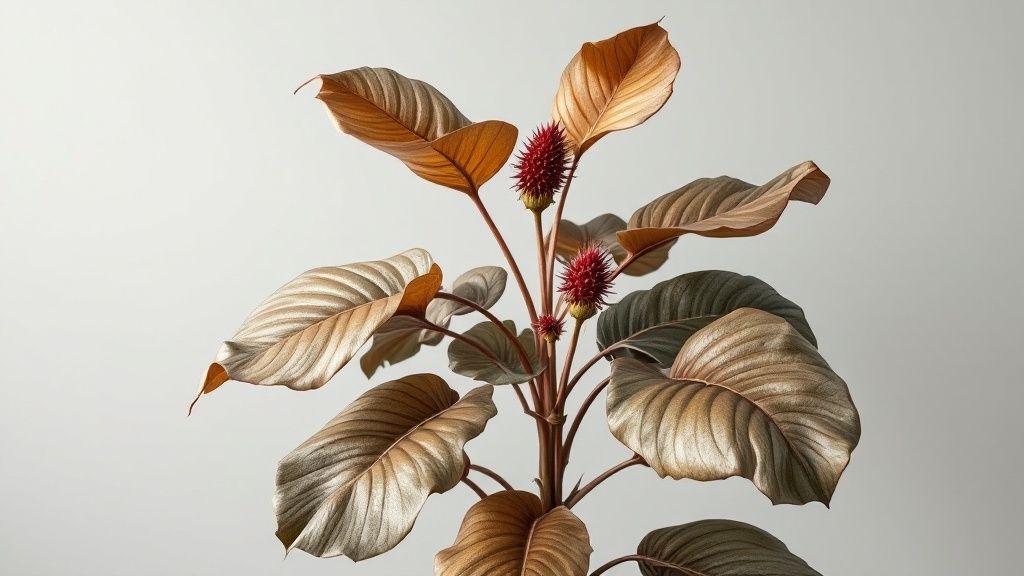
Rosemary is a fantastic herb for gardens in Santa Cruz County. It offers more than just flavor for your cooking. This tough, evergreen plant is known for its strong, pine-like smell, making it one of the most reliable gopher resistant plants you can grow.
The plant’s defense comes from its strong oils. Gophers and other rodents have sensitive noses and find the smell of rosemary very unpleasant. Gophers, who navigate by smell underground, will avoid soil that has this strong scent. This makes rosemary a perfect natural fence to protect your garden.
Why Rosemary Works So Well
Rosemary's ability to keep pests away is a proven technique. For example, many garden designs use rosemary hedges as living fences. These hedges keep pests out while looking great all year.
By adding rosemary to your yard, you are setting up a strong, low-maintenance defense. It’s a great choice for planting along property lines or around raised garden beds. Besides keeping gophers away, rosemary also attracts helpful bees. This fits in with smart pest control strategies, like those used in organic aphid control.
Planting Tips for Maximum Gopher Resistance
To make sure your rosemary grows well and protects your garden, proper planting is important. Use these simple tips:
- Prioritize Drainage: Rosemary needs soil that drains well. Plant it in sandy soil, on a slope, or in raised beds to keep its roots from getting too wet.
- Give It Full Sun: Rosemary needs at least six to eight hours of direct sunlight every day. This helps it produce the strong oils that repel pests.
- Space for Growth: Some rosemary plants can get quite large. Space them three to four feet apart to give them room to grow.
- Prune for Health: Trim your rosemary after it flowers. This encourages it to grow bushier and stronger, which keeps its defensive power up.
4. Castor Bean (Ricinus communis)
For homeowners who want a big, dramatic plant with serious defensive power, the Castor Bean is a top choice. This fast-growing plant adds a tropical look with its large, star-shaped leaves. More importantly, it is one of the most powerful gopher resistant plants because it is naturally poisonous.
The entire Castor Bean plant is toxic to animals, including gophers. Gophers can sense this and know to stay away. This creates a strong chemical barrier, stopping them from digging anywhere near it. Its presence alone signals danger and protects your other plants.
Why Castor Bean Works So Well
The Castor Bean’s power comes from its natural toxicity. For years, large gardens have used it as a backdrop that also protects other ornamental plants from pests. Some farmers even plant rows of it to shield their valuable crops from rodent damage.
It is very important to know that all parts of the Castor Bean plant are extremely poisonous if eaten by people or pets. You should only plant it in gardens where children or animals will not be able to access it. For careful gardeners in Santa Cruz County, it offers an effective defense against gophers.
Planting Tips for Maximum Gopher Resistance
Because this plant is toxic, careful planning is a must. Follow these tips for safe and effective use:
- Handle with Care: Always wear gloves when touching any part of the plant, including its seeds and leaves.
- Strategic Placement: Plant Castor Bean far away from play areas, pet zones, and vegetable gardens to prevent anyone from accidentally eating it.
- Control Its Spread: To keep the plant from spreading on its own, remove the spiky seed pods before they open up.
- Provide Full Sun: Castor Bean grows best in full sun and well-drained soil. A sunny spot will help it grow big and strong.
5. Daffodils (Narcissus species)
Daffodils are a cheerful and powerful flower for any Santa Cruz County garden. They signal the start of spring with their bright colors. Besides being beautiful, these bulbs are one of the most reliable gopher resistant plants you can choose. Their power comes from natural toxins that are poisonous to gophers and other rodents.
The real secret of daffodils is their underground defense. The bulbs, which stay in the soil all year, are full of these toxins. Gophers, who live and eat underground, quickly learn to avoid areas where these poisonous bulbs are planted. This creates a long-lasting, invisible barrier that protects your garden beds.
Why Daffodils Work So Well
Using daffodils as a pest deterrent is a classic strategy. Gardeners have planted daffodils as protective borders for generations. Public parks and landscapers often plant large groups of daffodils in areas with a history of gopher damage.
By planting daffodils, you are not just adding color. You are investing in a pest control solution that lasts for years. They are perfect for surrounding vegetable gardens or planting in large clusters on your lawn. While the flowers are a temporary treat, their underground protection is permanent. If you already have a gopher problem, you can learn more about how to get rid of gophers and make a complete plan.
Planting Tips for Maximum Gopher Resistance
To get the most pest-repelling power from your daffodils, smart planting is key. Follow these simple tips:
- Plant in the Fall: For beautiful spring flowers, plant daffodil bulbs between September and November.
- Dig Deep: Plant bulbs about 6 inches deep and 4 to 6 inches apart. This protects them and helps them grow strong.
- Let Foliage Fade: After the flowers die, let the green leaves turn yellow on their own. The leaves soak up sunlight to recharge the bulb for next year.
- Plant in Masses: For the best look and the most effective gopher barrier, plant daffodils in large groups instead of single lines.
- Divide When Crowded: Every four or five years, if you see fewer flowers, it's time to dig up and divide the clumps. This refreshes the plants and lets you expand your gopher-proof barrier.
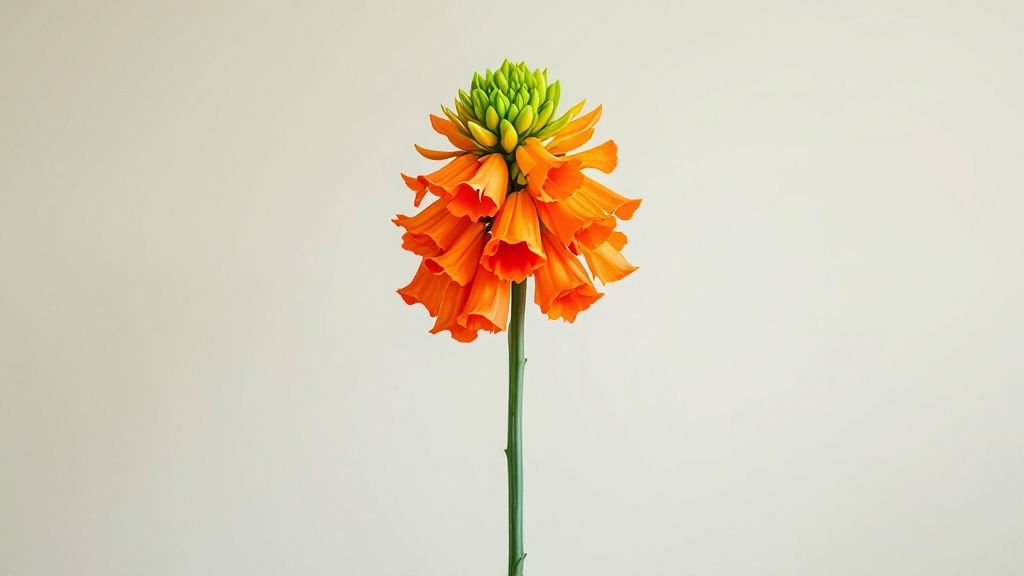
6. Crown Imperial (Fritillaria imperialis)
Crown Imperial is a stunning plant for Santa Cruz gardeners who want something that looks amazing and also stops pests. This tall spring flower is one of the most unique gopher resistant plants because of its strong, musky smell. The skunk-like odor comes from the bulb itself, creating an underground scent barrier that gophers hate.
The secret to its power is a natural chemical that gives the bulb its smell. Gophers use their sense of smell to find food and navigate. They are repelled by this scent in the soil. This makes Crown Imperial a strategic and beautiful way to protect other plants in your garden.
Why Crown Imperial Works So Well
The power of Crown Imperial is a well-known secret among gardeners. For centuries, European gardens have used these flowers to protect prized tulips and lilies from burrowing animals. The strong smell creates a "no-go zone" for gophers, forcing them to dig their tunnels elsewhere.
By planting Crown Imperial bulbs, you are basically setting up a natural underground fence. They work especially well when planted among other bulbs or along the edges of garden beds where gophers are a problem. While the smell is strong enough to bother rodents, people usually don't notice it unless the bulb is disturbed.
Planting Tips for Maximum Gopher Resistance
To use the full gopher-repelling power of Crown Imperial, you need to plant it correctly. Follow these tips:
- Plant Bulbs on Their Side: Crown Imperial bulbs have a dip on top. To keep water from collecting and causing rot, plant the big bulbs on their side.
- Ensure Excellent Drainage: This plant needs well-draining soil. If you have heavy clay soil, mix in some compost or use raised beds.
- Plant at the Right Depth: Dig holes 6-8 inches deep for the bulbs. This depth helps protect the bulb and support the tall flower stalks.
- Provide Sun: These plants do best in a spot that gets at least six hours of sunlight per day.
- Space for Impact: For a good deterrent and a beautiful look, space bulbs about 12 inches apart.
7. Mint (Mentha species)
Mint is a strong and fast-growing choice for gardeners in Santa Cruz County who need to deter gophers. Famous for its refreshing smell, this herb is also one of the most effective gopher resistant plants. Its strength comes from the menthol in its leaves and roots, which creates a sharp smell that gophers find very offensive.
The secret to mint's power is its strong chemical defense. Gophers, who use their sense of smell to get around underground, will stay away from areas that smell so strongly of mint. This makes mint a great natural shield for your vegetable beds and flowers.
Why Mint Works So Well
Mint’s power is well-known in home gardens and organic farming. Its aggressive roots create a dense underground wall of repellent oils that gophers won't cross. Some organic farms plant mint as a natural border to keep pests out of their fields without using chemicals.
By planting mint, you are using a powerful deterrent that works all on its own. It's a great choice for creating a protective zone around your garden. Not only does it repel gophers, but it also gives you fresh herbs for your kitchen. You can learn more about using natural solutions like this by exploring natural pest control for your home.
Planting Tips for Maximum Gopher Resistance
To use mint's repellent power without it taking over your garden, smart planting is key. Follow these tips:
- Contain the Spread: Mint spreads very quickly. Always plant it in pots or raised beds to keep its roots from invading other areas.
- Choose the Right Location: Mint likes morning sun and some afternoon shade, which is perfect for Santa Cruz's climate.
- Harvest Regularly: Trim your mint plants often. This encourages them to grow bushier and produce more of the strong oils that repel pests.
- Divide Plants: Every two to three years, divide your mint plants to keep them healthy and strong.
- Ensure Good Drainage: Plant mint in well-draining soil to prevent its roots from rotting.
8. Alliums (Allium species)
Alliums, the plant family that includes onions, garlic, and chives, are a strong and pretty addition to any list of gopher resistant plants. These plants are known for their unique chemicals, including sulfur. These create a sharp smell that, while great for cooking, is very unpleasant to gophers, causing them to stay away.
The strong scent from the bulbs, roots, and leaves creates a natural underground barrier that gophers will not cross. This makes alliums a great choice for companion planting. They can protect the roots of nearby vegetables, flowers, and grasses. With types ranging from huge ornamental onions to small, edible chives, alliums offer a perfect mix of beauty and practical gopher protection for Santa Cruz County gardens.
Practical Applications and Success Stories
Alliums are used in all kinds of gardens to repel gophers naturally. In flower gardens, landscapers often plant tall Giant Alliums as dramatic centerpieces that also act as gopher barriers. Vegetable gardeners often plant chives and garlic chives along the edges of raised beds to protect root vegetables like carrots and potatoes.
Planting Tips for Maximum Effectiveness
To use the full pest-repelling power of your alliums, try these planting tips:
- Plant in Fall for Spring Blooms: Most allium bulbs should be planted in the fall before the first frost. This gives them time to grow roots for a beautiful show in the spring and summer.
- Interplant to Hide Foliage: Allium leaves often turn yellow before the flowers are done blooming. Plant them next to leafy plants like hostas or daylilies to hide the dying leaves.
- Successional Planting: Plant different kinds of alliums that bloom at different times. This will extend their protective power and keep your garden looking good all season.
- Full Sun and Good Drainage: Like most bulbs, alliums do best in places with at least six hours of direct sun and well-draining soil to prevent the bulbs from rotting.
Their effectiveness as a natural deterrent makes alliums a smart choice for a pest management plan. You can learn more about how these plants fit into a larger strategy by understanding the ideas behind green pest control.
9. Euphorbia (Euphorbia species)
The Euphorbia family offers a diverse and powerful group of gopher resistant plants. They are valued for both their unique look and their strong defense system. These plants range from low ground covers to tall, striking ones. They all share one thing: a milky, white sap that is toxic and irritating to animals. When a gopher bites into a Euphorbia root, this sap is released, creating a bad experience that teaches them to stay away.
This built-in chemical defense makes Euphorbias a great choice for creating a gopher-proof barrier. The sap not only deters gophers but also other pests like deer and rabbits. This makes them a multi-purpose solution for protecting your other plants. Their many shapes, textures, and colors allow them to fit into almost any garden style, from modern dry gardens to lush Mediterranean gardens in Santa Cruz County.
Practical Applications and Success Stories
Euphorbias are a key part of drought-tolerant and pest-resistant garden design. In gardens that get little water, species like Euphorbia characias are used to provide structure and color while keeping gophers out. Dry gardens throughout California often feature different spurges that need little water and actively repel destructive rodents.
Planting Tips for Maximum Effectiveness
To add Euphorbias to your gopher-resistant garden, follow these key tips:
- Handle with Care: Always wear gloves and eye protection when pruning or handling Euphorbias. The milky sap can cause serious skin and eye irritation. If sap gets on your skin, wash it off right away.
- Prioritize Drainage: Almost all Euphorbias need well-draining soil. They can easily get root rot in heavy, wet soil. Add compost to clay soil or plant them in raised beds.
- Choose the Right Species: With over 2,000 species, it’s important to pick a Euphorbia that fits your climate and garden size. Research types to make sure they will grow well in your area.
- Provide Ample Sun: Most Euphorbias do best in full sun, which helps them grow strong and dense. This also makes the color of many popular types brighter.
Frequently Asked Questions About Gopher Resistant Plants
Do gopher resistant plants really work?
Yes, they can be very effective. Plants like lavender, rosemary, and daffodils release strong smells or contain toxins that gophers naturally avoid. Planting them creates a barrier that makes your garden a much less attractive place for gophers to dig.
How many repellent plants do I need to plant?
For the best results, you should plant them as a border or in large groups. A single marigold won't do much, but a thick row of them around a vegetable garden creates a strong scent barrier. The more you plant, the more effective the defense will be.
Will these plants harm my pets?
Some gopher resistant plants can be toxic to pets if eaten. Castor Bean is extremely poisonous and should be avoided in yards with pets or children. Daffodil bulbs are also toxic if ingested. Plants like lavender, rosemary, and mint are generally safe. Always check if a plant is pet-safe before planting.
Can gophers still damage my garden if I have these plants?
While these plants are a great deterrent, a very determined or hungry gopher might still try to cross the barrier. They are most effective as a preventative measure. A single gopher can dig up to 300 feet of tunnels in one day, so an existing severe infestation may still require professional help.
What is the most powerful gopher resistant plant?
Plants that are toxic, like daffodils and castor beans, are often the most powerful deterrents because gophers learn to avoid them completely. However, for a safe and effective option, strong-smelling plants like lavender and rosemary are excellent choices that also offer other benefits to your garden.
When Plants Aren't Enough: Professional Gopher Control
Creating a strong garden in Santa Cruz County means working with nature. By using plants like lavender, rosemary, and daffodils, you build a powerful first line of defense. These gopher resistant plants act as natural deterrents, making your yard less appealing to these pests.
This strategy is great because it offers long-term, eco-friendly benefits. Instead of fighting gophers after they arrive, you are creating a space they are less likely to invade in the first place. A garden with a mix of gopher-repelling plants is healthier and requires less work. It lets you enjoy your yard without worrying about underground threats.
Taking the Next Step: When to Call a Pro
While planting these species is a great long-term strategy, it has its limits. If you already have a large gopher population, plants alone might not be enough to stop them. A single gopher can cause a lot of damage before your new plants have time to grow.
If you are seeing fresh dirt mounds every day or finding your plants' roots have been eaten, it’s a clear sign you have a serious problem. A single gopher can create several mounds per day.
Key Takeaway: A smart planting strategy is your best long-term defense, but a severe gopher problem often needs immediate professional help to prevent more damage.
Knowing when to call for help is important. When your beautiful garden becomes a battleground, it's time to bring in experts. They can look at the situation and use a solution that is both effective and safe for the environment. Don't wait until the damage gets worse.
Combining your knowledge of gopher resistant plants with professional gopher control is the best way to reclaim your yard. This ensures that once the current gophers are gone, your garden is ready to keep new ones away. It's the most effective way to protect the beautiful space you’ve worked so hard to create.
Ready to take back your yard from destructive gophers? While gopher resistant plants are a great defense, West Pest Co. provides the expert gopher control you need to handle active problems in Santa Cruz County. Contact us today for a free estimate and let us help you protect your beautiful landscape.