Finding unwanted guests like ants, spiders, or worse in your sanctuary can be unsettling. While reaching for a chemical spray might seem like a quick fix, concerns about safety for your family, pets, and the local Santa Cruz County environment are valid. The good news is that effective pest management doesn't have to mean harsh chemicals. This guide provides a comprehensive roundup of proven methods for natural pest control for home, empowering you to protect your space responsibly.
We will dive into seven powerful, eco-friendly strategies that are both effective and sustainable. From ancient minerals that shred insect exoskeletons to harnessing the power of nature's own predators, you'll learn actionable steps to create a pest-free environment. These aren't just vague tips; they are detailed, practical solutions you can implement today. While this article focuses on DIY techniques, sometimes a ready-made solution is convenient. For a broad approach to eco-friendly management, consider products like the Given Gather No Harm Bug Spray for personal protection against biting insects.
This listicle will break down the science, application, and specific targets for each method, ensuring your home remains a safe and comfortable haven for everyone, except the pests. Let's reclaim your home.
1. Diatomaceous Earth (DE)
Diatomaceous Earth (DE) is a standout in the world of natural pest control for the home due to its simple yet powerful mechanical action. This fine, chalky powder is composed of the fossilized remains of microscopic aquatic organisms called diatoms. While harmless to the touch for humans and pets, its microscopic particles are incredibly sharp and abrasive to insects with exoskeletons. When crawling pests like ants, roaches, fleas, or bed bugs cross a line of DE, the sharp edges scratch their waxy outer layer, causing them to dehydrate and die.
Unlike chemical insecticides that rely on poison, DE works physically, meaning insects cannot develop a resistance to it. This makes it a reliable, long-term solution for persistent pest problems. It's particularly effective as a defensive barrier, preventing insects from entering your home or accessing specific areas like pantries and pet food bowls.
How to Use DE for Pest Control
To use Diatomaceous Earth effectively, a targeted and light application is key. The goal is to create a fine, barely-visible layer that pests will unknowingly crawl through.
- Identify Hotspots: Locate insect trails, entry points, and hiding places. Common areas include along baseboards, under appliances, in cracks and crevices, around window sills, and across doorways.
- Apply a Thin Layer: Use a powder duster, bellows, or a simple shaker (like an old spice jar with holes poked in the lid) to apply the DE. Avoid creating large clumps, as insects will simply walk around them.
- Ensure Safety: Always use food-grade DE indoors, especially if you have children or pets. While non-toxic, the fine dust can be an irritant if inhaled, so wearing a simple dust mask during application is recommended.
- Maintain the Barrier: DE is only effective when it is dry. After cleaning, mopping, or a rainstorm (for outdoor applications), you will need to reapply the powder to maintain its pest-killing properties.
For those looking to implement this method, you can often purchase Diatomaceous Earth (DE) directly from specialized garden or pest control suppliers. Homeowners frequently report a 70-90% reduction in ant and roach activity within two to three weeks of consistent application.
The following graphic summarizes the primary benefits of using DE for natural pest control.
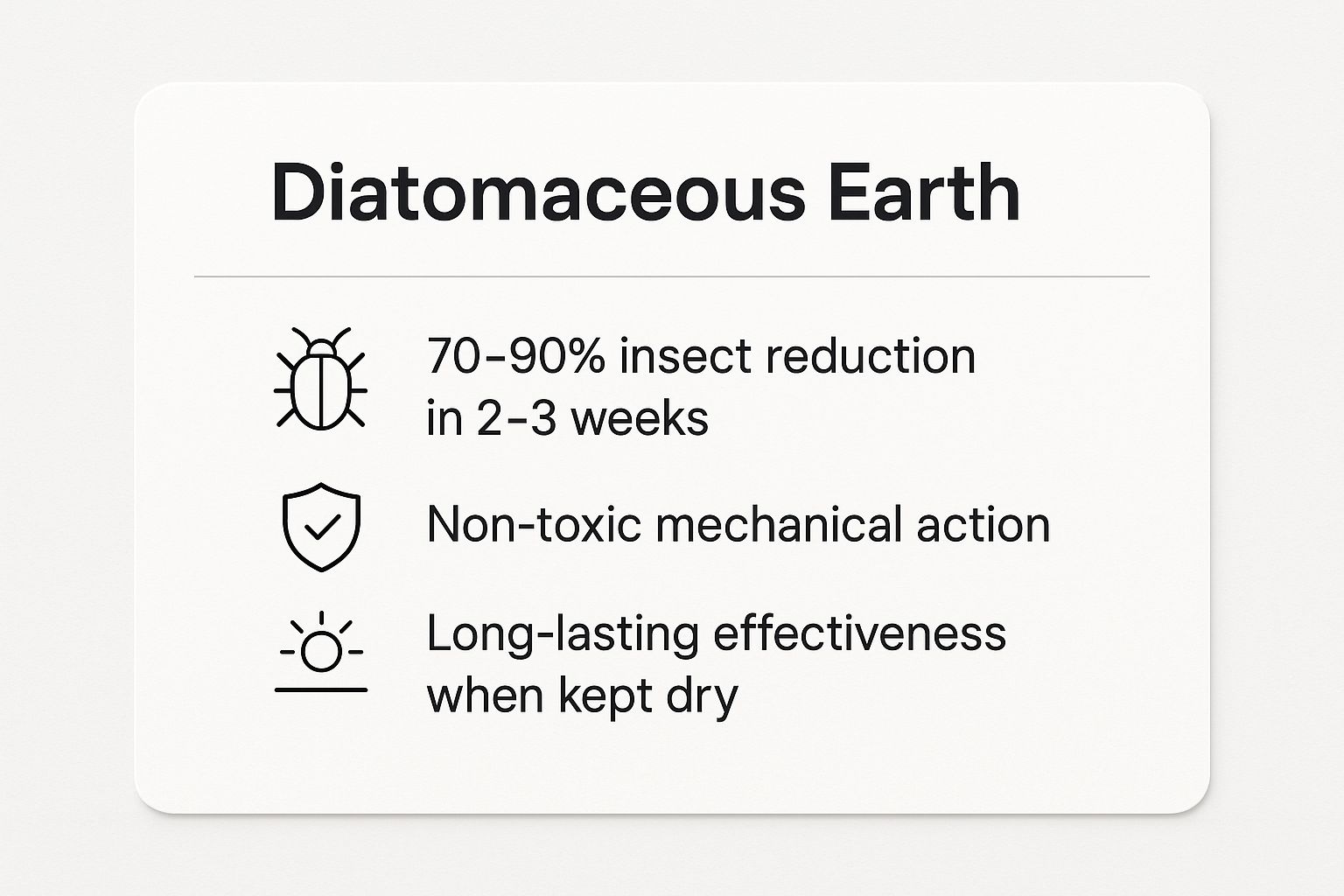
As highlighted, the non-toxic action and lasting effectiveness when kept dry make DE a superior choice for creating a safe and persistent pest barrier inside your home.
2. Essential Oil Sprays
Essential oil sprays offer a fragrant and effective approach to natural pest control for the home, harnessing the potent aromatic compounds found in plants. These oils are not just pleasant scents; they contain natural chemicals that can repel, disorient, or even harm common household pests. The strong aromas of oils like peppermint, tea tree, lavender, and eucalyptus can overwhelm the sensitive scent receptors of insects and rodents, masking the smells that attract them to your home or creating an invisible barrier they are unwilling to cross.
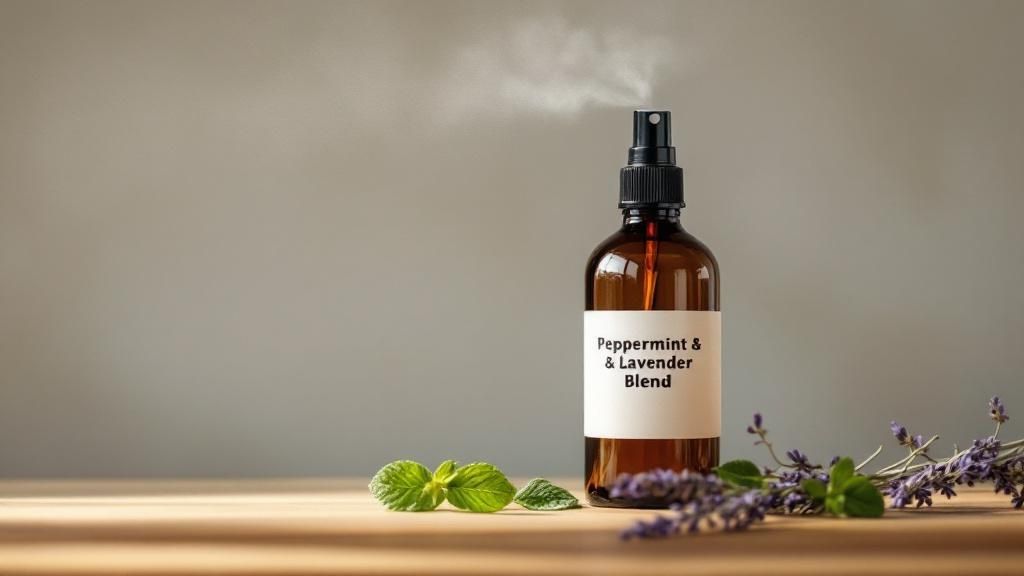
Unlike synthetic chemical pesticides that use neurotoxins, essential oils work by disrupting pest behavior and physiology in a more organic way. For instance, peppermint oil is a well-known repellent for spiders and mice, while a spray containing tea tree oil can effectively erase the pheromone trails left behind by ants, preventing the rest of the colony from following. This method provides a multi-sensory defense that is both powerful and generally safe for use around living spaces.
How to Use Essential Oil Sprays for Pest Control
Creating and using your own essential oil pest spray is simple and can be customized to target specific invaders. The key is proper dilution and consistent application.
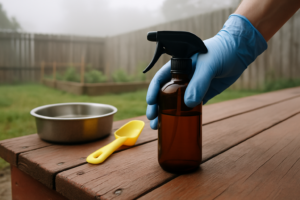
- Create Your Mixture: For a general-purpose spray, mix 10-20 drops of your chosen essential oil (or a combination) per one cup of water in a clean spray bottle. Add a few drops of a natural, unscented dish soap to act as an emulsifier, which helps the oil and water mix properly.
- Target Specific Pests: Use peppermint oil for spiders and mice along baseboards and in basements. Apply a tea tree oil spray to wipe down countertops and entryways to deter ants. Place cotton balls soaked in lavender oil in closets and drawers to repel moths.
- Test and Apply: Before spraying broadly, always test the solution on a small, inconspicuous area of any surface (like fabric or wood) to check for potential staining or damage. Once confirmed safe, spray directly onto problem areas.
- Refresh Regularly: The scent of essential oils fades over time, so you will need to reapply your spray every few days or at least weekly to maintain its repellent effects. This is especially important after cleaning.
For families seeking non-toxic solutions, essential oil sprays are an excellent tool. You can find more information about creating a secure environment by exploring options for child-safe pest control.
Many homeowners appreciate the dual benefit of this method: it deters pests while also leaving behind a fresh, pleasant aroma. As a highly customizable and easy-to-implement strategy, essential oil sprays are a top choice for a proactive, natural pest control for home defense.
3. Beneficial Insects Release
Beneficial Insects Release is a proactive and highly effective form of biological pest control that leverages nature's own predator-prey dynamics. This method involves intentionally introducing specific predatory or parasitic insects into your garden or around your home to target and eliminate harmful pest populations. Instead of chemicals, you're deploying a living army of allies, such as ladybugs that devour aphids or lacewings that consume a wide variety of soft-bodied insects and their eggs.

This approach creates a self-regulating ecosystem where pest numbers are kept in check naturally. It is an excellent example of natural pest control for a home garden, as it not only solves an immediate problem but also builds a more resilient environment. For instance, home gardeners often see an 80-95% reduction in aphid populations after releasing ladybugs, and greenhouse growers rely on predatory mites to control destructive spider mites without harming their crops.
How to Use Beneficial Insects for Pest Control
Success with beneficial insects hinges on proper timing and creating a hospitable environment for them to thrive. Releasing them correctly ensures they stay and get the job done.
- Identify the Pest: First, correctly identify the pest you are targeting. Different beneficial insects prey on different pests, so a proper match is crucial for success. For example, use parasitic wasps for whiteflies and ladybugs for aphids.
- Release at the Right Time: Release your beneficial insects during the cool hours of the early morning or evening. This encourages them to settle in your garden rather than immediately flying away in the midday heat.
- Provide Food and Water: Ensure a small, consistent water source is available, like a shallow dish with pebbles. Having flowering plants nearby also provides nectar and pollen as an alternative food source, keeping your beneficials happy and local.
- Avoid Pesticides: Do not use chemical pesticides before or after releasing your insect allies. Even organic sprays can harm the beneficial insects you've introduced, rendering the method ineffective.
Many specialized suppliers, like Nature's Control and ARBICO Organics, offer a variety of insects for purchase. While this method is primarily for outdoor and garden spaces, it creates a buffer that significantly reduces the number of pests attempting to enter your home. You can find more details about how natural predators work by exploring what insects eat mosquitoes.
4. Soap and Oil Solutions
Soap and oil solutions are a cornerstone of natural pest control for the home, offering a highly effective, contact-based method for managing soft-bodied insects. These sprays work through a dual-action physical process. The soap component, typically a potassium salt of fatty acids or a mild, non-detergent dish soap, dissolves the waxy outer layer of insects like aphids, mealybugs, and spider mites. This breakdown of their protective cuticle leads to rapid dehydration and death.
When combined with horticultural oils like neem, canola, or cottonseed oil, the solution's effectiveness is amplified. The oil coats the pests, their larvae, and their eggs, blocking their spiracles (breathing pores) and causing them to suffocate. This combination doesn't just kill on contact; it can also offer a degree of residual deterrence, making it a powerful tool for both active infestations and preventative care, especially for houseplants and garden vegetables.
How to Use Soap and Oil Solutions for Pest Control
Proper mixing and application are crucial for maximizing results while protecting your plants. The goal is to thoroughly coat the pests without harming the plant foliage.
- Create the Solution: For a basic insecticidal soap, mix 1 to 2 tablespoons of a mild, pure soap (like Dr. Bronner's castile soap, avoiding degreasing detergents) into one quart of water. To create a soap-oil spray, add 1 to 2 teaspoons of horticultural or neem oil to this mixture. Shake well to emulsify.
- Test a Small Area: Before spraying an entire plant, always test your solution on a small, inconspicuous leaf. Wait 24-48 hours to check for any signs of damage or discoloration, as some plants can be sensitive.
- Apply Thoroughly: Using a spray bottle, coat all surfaces of the affected plant, paying special attention to the undersides of leaves where pests like to hide. The solution must make direct contact with the insects to work.
- Time Your Application: Apply sprays during the cooler parts of the day, such as early morning or late evening. This prevents the solution from evaporating too quickly and minimizes the risk of leaf burn from direct sun exposure. For sensitive plants, consider rinsing the foliage with plain water a few hours after application.
Homeowners and gardeners frequently turn to this method as a first line of defense, with many reporting the successful elimination of aphid and spider mite infestations on indoor and outdoor plants after just a few consistent applications.
5. Companion Planting
Companion planting is a time-tested horticultural strategy that leverages the natural abilities of plants to create a synergistic, pest-repelling garden ecosystem. This method involves strategically placing certain plants near each other to deter harmful insects, attract beneficial predators, and improve overall plant health. Many aromatic plants like herbs and flowers release strong scents or natural chemical compounds that confuse, repel, or mask the scent of vulnerable plants, making them less attractive to pests.
Unlike single-application treatments, companion planting creates a living, continuous defense system. It’s an excellent form of natural pest control for home gardens, vegetable patches, and even container gardens on patios and balconies. By choosing the right plant pairings, gardeners can significantly reduce their reliance on chemical sprays and foster a more balanced, self-regulating environment. This approach is championed by gardening experts like the Rodale Institute and has been popularized for decades through books like Louise Riotte's Carrots Love Tomatoes.
How to Use Companion Planting for Pest Control
Effective companion planting goes beyond simply placing a few herbs in the garden. It requires thoughtful placement and an understanding of how different plants interact.
- Identify Problem Pests: Determine which pests are targeting your plants. For example, if aphids are attacking your peppers, planting basil nearby can help deter them. If nematodes are an issue for your tomatoes, interplanting marigolds is a proven solution, with studies showing they can reduce nematode populations by 60-90%.
- Create Protective Borders: Plant strong-scented herbs like mint, rosemary, or lavender along the borders of your garden beds or near house entry points. A barrier of mint, for instance, is known to effectively deter ants and even mice from approaching your home.
- Interplant Throughout the Garden: Instead of creating separate sections, mix your companion plants in with your vegetables and flowers. Planting garlic or chives among rose bushes can help repel aphids, while placing nasturtiums near squash can trap squash bugs.
- Maintain Plant Health: For the best results, ensure your companion plants are healthy and well-maintained. Prune them regularly to encourage vigorous growth and the release of their pest-repelling aromatic oils.
For those looking to explore this method, gardening resources like Burpee Seeds offer detailed charts and guides on successful plant pairings. Homeowners often find that a well-designed companion planting scheme not only reduces pest damage but also increases biodiversity by attracting helpful pollinators like bees and butterflies.
6. Boric Acid Baits
Boric acid is a potent, naturally occurring mineral that serves as a highly effective stomach poison for common household pests. Derived from boron, this substance, often found as a white powder, disrupts the metabolism of insects like ants, cockroaches, and silverfish. When mixed with a sweet or fatty attractant, it creates an irresistible bait that insects consume and, crucially, carry back to their nests. This transfer mechanism is what makes boric acid a cornerstone of natural pest control for home, as it targets the entire colony, not just the individual foragers you see.
Unlike contact killers, boric acid works slowly enough to allow pests to return to their colony, sharing the lethal bait with others, including the queen. This ensures a comprehensive elimination of the infestation from the inside out. Its low toxicity to humans and pets when used as directed, combined with its ability to eradicate entire colonies, makes it a superior and strategic choice for long-term pest management.
How to Use Boric Acid Baits for Pest Control
Proper placement and formulation are essential for maximizing the effectiveness of boric acid baits while ensuring safety. The key is to create a bait that is attractive and accessible to pests but contained and out of reach for children and pets.
- Identify Target Pests & Pathways: Observe where you see pest activity. For ants, this is often along kitchen counters and baseboards. For roaches, it's typically under sinks, behind appliances, and in dark cupboards.
- Create or Place Baits: You can create a simple bait by mixing one part boric acid with three parts powdered sugar for ants, or with a small amount of peanut butter for roaches. Place this mixture in small, shallow containers like bottle caps. Alternatively, use commercial gel baits or pre-made, tamper-resistant bait stations from brands like Terro or Combat.
- Strategic Placement: Position the baits directly in the pests' path but out of sight and reach. Place them in the back of cabinets, under refrigerators, along pipe entry points, and deep within pantry shelves. Applying a very thin dusting of pure boric acid powder into wall voids or deep cracks can provide long-term protection against silverfish and roaches.
- Safety and Maintenance: Always keep boric acid baits away from children and pets. Clearly label any homemade bait containers. Check the baits regularly and replace them monthly or as soon as they are consumed to maintain the pressure on the pest population.
Many homeowners report achieving over 90% elimination of ant colonies within two to four weeks of consistent bait placement. Similarly, property managers often use boric acid dust in wall voids and behind fixtures for lasting cockroach and silverfish control in apartment complexes.
7. Physical Barriers and Traps
Physical barriers and traps represent a foundational strategy in natural pest control for the home, focusing on prevention and capture rather than chemical intervention. This approach uses mechanical methods to block pests from entering your living spaces or physically trapping those already inside. By creating an impenetrable defense, you can drastically reduce the need for reactive treatments. This includes everything from simple door sweeps and window screens to targeted tools like sticky traps and copper tape.
Unlike sprays that degrade over time, physical barriers offer a constant, passive form of protection. Their effectiveness lies in their simplicity and permanence, making them a crucial first line of defense. Research shows that proper sealing and exclusion techniques can reduce insect entry by up to 90%, proving that a little proactive work goes a long way in maintaining a pest-free environment.
How to Use Physical Barriers and Traps
Effective implementation requires a thorough inspection of your home and a combination of blocking entry points and strategically placing traps. The goal is to make your home as uninviting and inaccessible as possible.
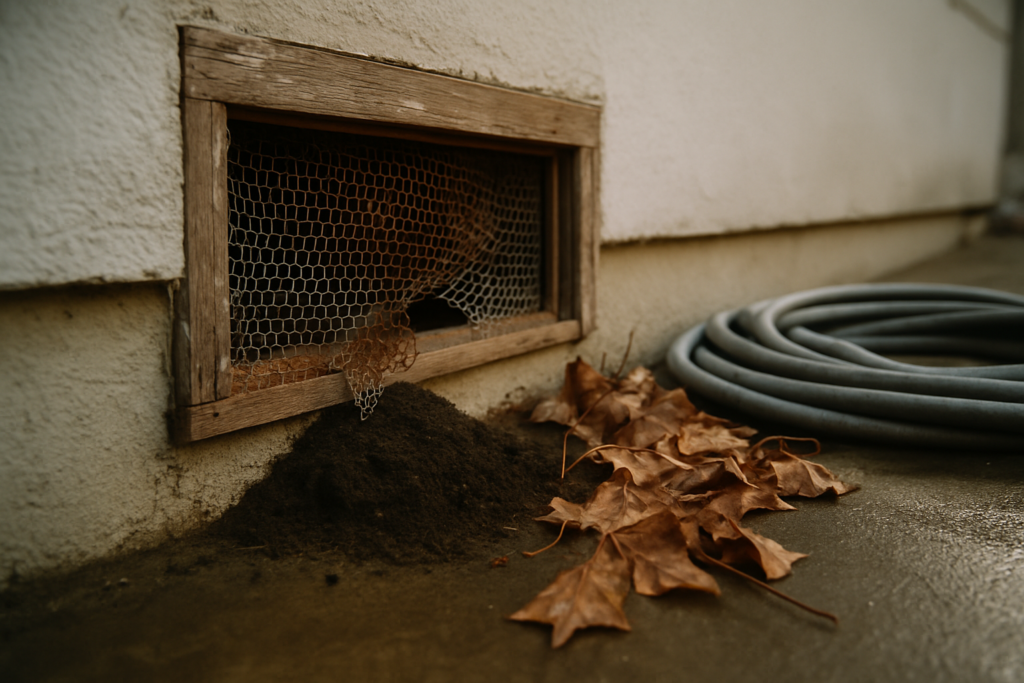
- Seal Cracks and Gaps: Carefully inspect your home’s foundation, walls, and utility entry points. Use caulk to fill small cracks, and stuff larger gaps with steel wool, as rodents and insects cannot chew through it.
- Install and Maintain Screens: Ensure all windows and doors have tight-fitting screens without any rips or tears. A high-quality door sweep is also essential for blocking the gap underneath exterior doors.
- Use Targeted Traps: Place yellow sticky cards near houseplants or in greenhouses to capture flying pests like fungus gnats and whiteflies. For slugs and snails in gardens or planters, applying copper tape creates a barrier that delivers a harmless but unpleasant shock, effectively repelling them.
- Secure Food Sources: A highly effective form of physical barrier against many common household pests, especially pantry invaders, involves securing your food properly. Investing in non-toxic food storage solutions with airtight seals prevents pests like moths and weevils from accessing and contaminating your supplies.
For those wanting to dive deeper into fortifying their home, you can learn more about physical barriers from West Pest Co.. Many homeowners find that combining these exclusion methods with other natural pest control for home techniques provides the most comprehensive and long-lasting results.
7 Natural Pest Control Methods Compared
| Pest Control Method | Implementation Complexity 🔄 | Resource Requirements ⚡ | Expected Outcomes 📊 | Ideal Use Cases 💡 | Key Advantages ⭐ |
|---|---|---|---|---|---|
| Diatomaceous Earth (DE) | Moderate – requires careful dry application | Low – inexpensive powder | 70-90% insect reduction in 2-3 weeks | Crawling insects, indoor/outdoor dry areas | Non-toxic, long-lasting when dry, no resistance |
| Essential Oil Sprays | Low – easy spray application, frequent use | Medium – ongoing purchase or DIY | Variable, frequent reapplication needed | Repelling diverse pests, home use, small areas | Natural, pleasant scent, family and pet safe |
| Beneficial Insects Release | High – requires timing, habitat, conditions | Medium to high – purchasing live insects | Long-term, season-long control | Gardens, greenhouses, sustainable pest control | Natural ecosystem balance, multiple pest targeting |
| Soap and Oil Solutions | Low to moderate – direct application needed | Low – common household items | Effective on contact for soft-bodied insects | Gardens, indoor plants with soft pests | Inexpensive, safe, no harmful residues |
| Companion Planting | High – planning and maintenance over time | Low to medium – plants and space | Gradual pest reduction, long-term protection | Gardens, farms, biodiversity enhancement | Sustainable, enhances biodiversity, dual purpose |
| Boric Acid Baits | Moderate – must be placed strategically | Low – inexpensive minerals | High effectiveness, colony elimination possible | Ants, roaches, silverfish control | Long-lasting, highly effective, low human toxicity |
| Physical Barriers & Traps | Moderate – installation and upkeep required | Medium – materials and maintenance | Immediate reduction of targeted pests | Entry points, flying insects, slugs | Non-toxic, immediate effect, reusable |
When DIY Isn't Enough: Partnering with a Professional
Navigating the world of home pest control can feel empowering, especially when armed with the effective, eco-friendly strategies we've explored. From the microscopic sharpness of diatomaceous earth to the strategic placement of companion plants, you now have a robust toolkit for managing many common household invaders. These methods, including essential oil sprays, soap and oil solutions, and boric acid baits, offer a powerful first line of defense that prioritizes the health of your family, pets, and local Santa Cruz County environment.
The true value of mastering these techniques lies in reclaiming control over your living space. By implementing physical barriers, setting targeted traps, and even welcoming beneficial insects into your garden, you shift from a reactive to a proactive mindset. This approach not only addresses current pest issues but also builds a resilient, less attractive environment for future infestations. It's about creating a harmonious home ecosystem where pests simply don't find the resources they need to thrive.
Recognizing the Limits of DIY Pest Control
While DIY natural pest control for home is highly effective for minor to moderate issues, it's crucial to recognize when a problem has escalated beyond your control. Certain situations demand the expertise, equipment, and certified products that only a professional can provide.
Consider calling for expert help if you encounter:
- Persistent Infestations: You've diligently applied multiple methods, but the pests keep returning. This often indicates a hidden, large-scale source that requires a professional inspection to uncover.
- High-Risk Pests: Intrusions by termites, bed bugs, certain species of ants, or aggressive stinging insects like wasps and hornets pose significant risks to your property's structural integrity and your family's health. These pests require specialized, aggressive treatment protocols.
- Widespread Problems: If you discover pests in multiple rooms or across large areas of your property, it suggests a well-established colony that DIY methods may not fully eradicate.
- Uncertainty and Stress: Sometimes, the simple stress of not knowing the extent of an infestation or how to properly handle it is reason enough. A professional provides not just a solution but also peace of mind.
The Professional Advantage: Eco-Conscious Expertise
For homeowners and property managers in Santa Cruz County, escalating a pest issue doesn't mean you have to abandon your commitment to environmental responsibility. A professional service like West Pest Co. bridges the gap between DIY natural methods and industrial-strength chemicals. Led by expert Matthew West, their team specializes in low-impact, eco-friendly solutions that are tough on pests but gentle on the surrounding ecosystem. They combine thorough inspections with customized, integrated pest management (IPM) plans that solve the immediate problem and prevent its return, ensuring lasting protection for your home, garden, or business.
Don't let a persistent pest problem diminish your quality of life. For reliable and environmentally responsible pest management in Santa Cruz County, trust the award-winning experts at West Pest Co. to deliver a solution that aligns with your eco-conscious values. Visit West Pest Co. to schedule a consultation and experience the peace of mind that comes with professional, low-impact care.