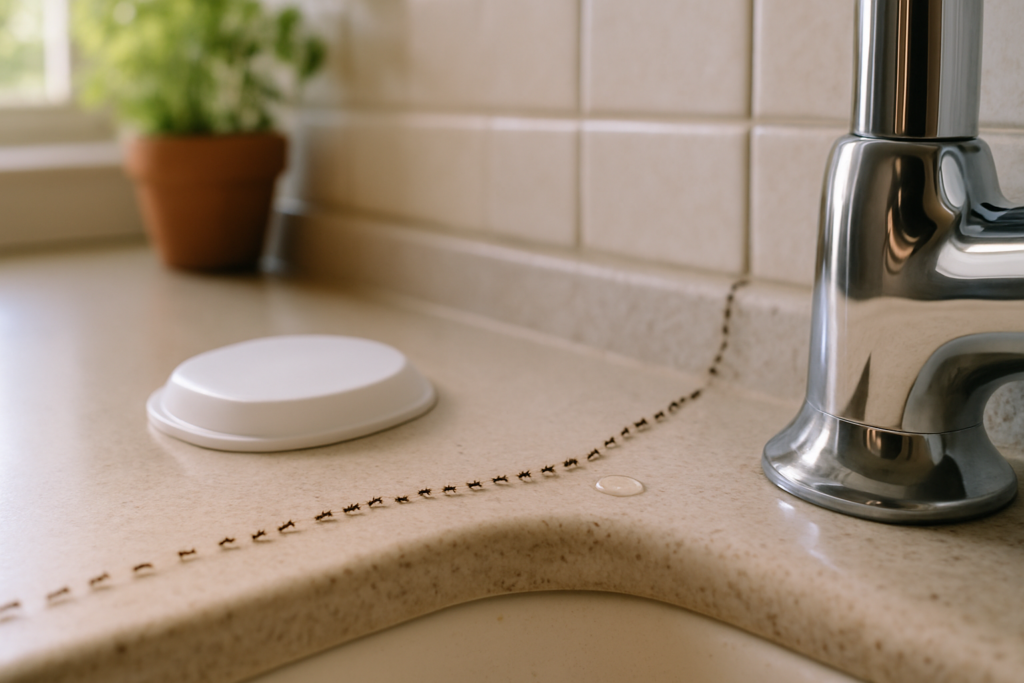
Catching the fruit flies buzzing around your house is easier than you might think. It all starts with a simple trap made from things you already have. The best method is a DIY trap using apple cider vinegar and a drop of dish soap. The vinegar attracts the flies, and the soap breaks the water's surface so they can't escape.
Placing these small traps near problem spots, like your fruit bowl or sink, is the first step to taking back your kitchen.
Why Fruit Flies Are Suddenly Everywhere in Your Kitchen
It can be unsettling when your Santa Cruz kitchen is suddenly full of tiny flies. They seem to appear out of nowhere. You're not imagining it. This is a very common problem, especially for those of us who enjoy local produce from our farmers' markets.
But these pests don't just magically appear. They have an amazing sense of smell that leads them straight to your home.
The Science Behind a Sudden Invasion
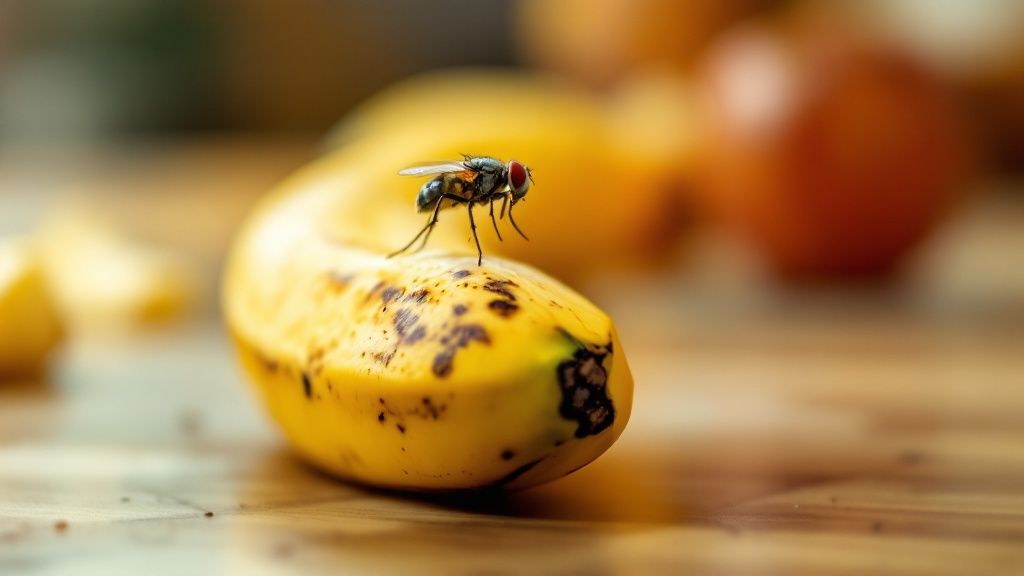
Fruit flies are experts at smelling the gasses from ripening fruit. That bowl of fresh Aptos strawberries or the bananas on your counter are sending out a huge invitation. Once they find a food source, their life cycle goes into high gear.
Here’s the shocking part: a single female fruit fly can lay up to 500 eggs in her short life. Those eggs hatch in just 24-30 hours. This is how a few flies can turn into a huge swarm in about a week. This fast reproduction makes the problem seem to appear overnight.
Your kitchen is a perfect place for them to live:
- An Endless Buffet: Overripe fruit, spilled juice, or even a little wine in a bottle is a feast for them.
- Prime Breeding Grounds: Slow drains, damp sponges, and garbage disposals are their favorite places to lay eggs.
- The Perfect Climate: Our coastal air here in Santa Cruz County adds humidity that these pests love.
These tiny pests are more than just annoying. According to the USDA, the United States saw a major fruit fly outbreak in the 2023-2024 season, reminding us how quickly a small problem can grow.
Knowing what attracts these pests is half the battle. It's also helpful to understand https://westpestco.com/what-attracts-cockroaches-to-your-home/ to keep your entire home pest-free.
Building a Better DIY Fruit Fly Trap That Works
You don't need fancy gear to get rid of fruit flies. In fact, you can make the best traps in a few minutes with things you already have at home. These simple, non-chemical traps are a great first line of defense.
This visual guide shows how easy it is to make a reliable DIY trap.
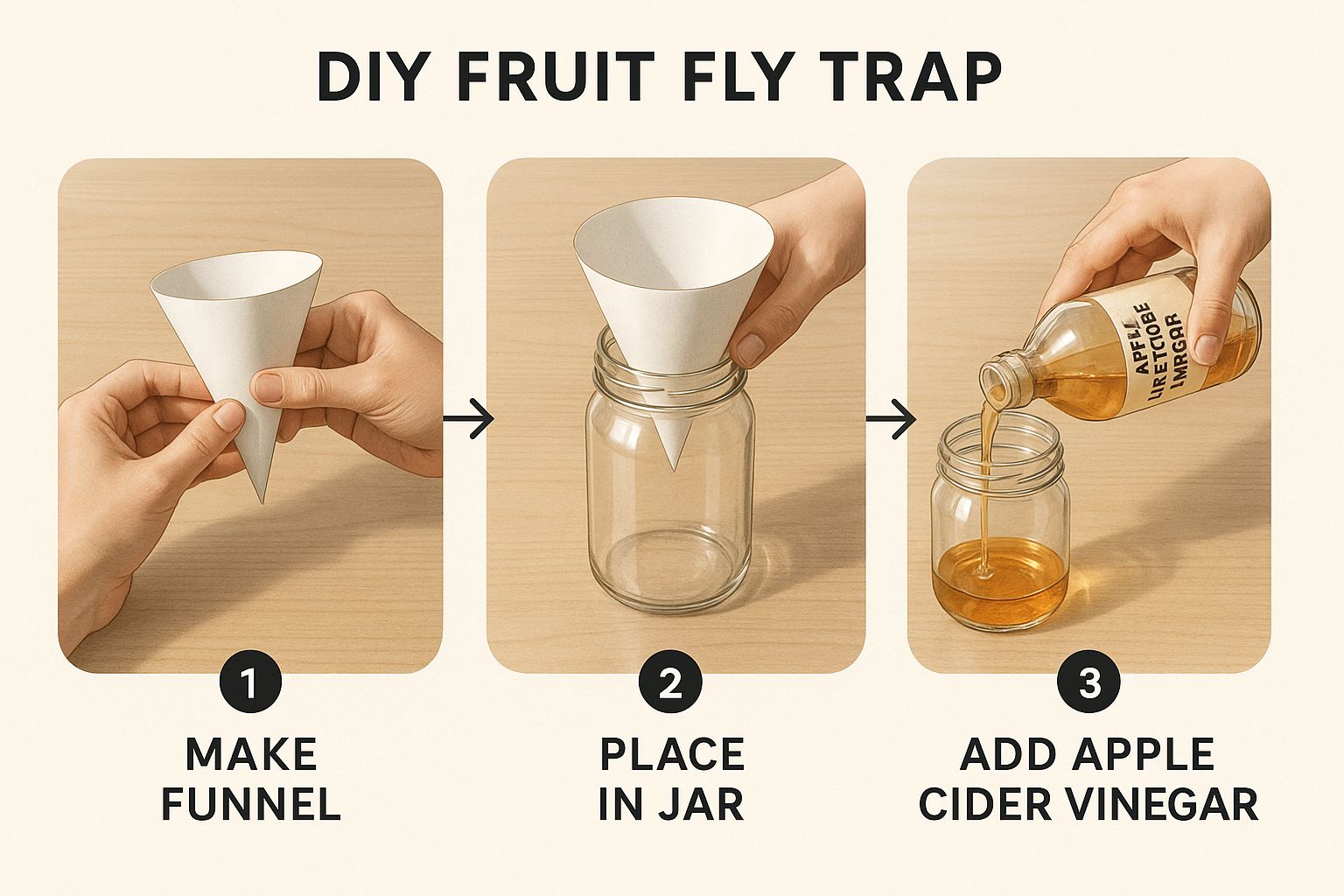
The plan is simple: attract the flies with a scent they love and then make it impossible for them to get out.
The Classic Apple Cider Vinegar Trap
This is the most popular method because it works so well. Fruit flies are drawn to the smell of fermentation, and apple cider vinegar smells like their favorite meal: rotting fruit.
To make one, pour about an inch of apple cider vinegar into a small jar. Then, add one drop of dish soap. This is the most important step. The soap breaks the surface tension of the vinegar. Without it, flies can just land on the liquid, drink, and fly away. The soap makes them sink and get trapped.
Want to make it even harder to escape?
- Roll a piece of paper into a funnel.
- Put the narrow end into the jar, but don't let it touch the vinegar.
- Tape the cone in place. This creates a one-way entrance.
Flies will follow the scent down the funnel, but they aren't smart enough to fly back out. I like to put these traps near hotspots like the fruit bowl, sink drain, or compost bin.
The Leftover Wine and Dish Soap Method
If you have an open bottle of red wine, you have another perfect trap. Fruit flies love the fermented grapes in wine just as much as vinegar. This method is even easier.
Just leave a little red wine in the bottle and add that important drop of dish soap. The bottle's narrow neck works like a natural funnel, trapping the pests inside. It’s an easy way to use up those last few sips.
Key Takeaway: The goal of any DIY trap is to lure fruit flies with a fermenting scent and prevent their escape. Both vinegar and wine are excellent attractants, but adding dish soap is the non-negotiable step that makes these traps effective.
The flies in your kitchen are part of a huge global family. There are about 4,000 species of fruit flies worldwide. You can read the full research about their global impact and diversity if you want to learn more.
Eliminating Hidden Fruit Fly Breeding Grounds
Setting traps is a great first step, but to get rid of fruit flies for good, you have to find the source. Traps only catch adult flies. They do nothing to stop the hundreds of eggs waiting to hatch. To break the cycle, you need to find and clean their hidden breeding spots.
Fruit flies lay their eggs in moist, rotting organic matter. While ripe bananas are an obvious spot, their favorite places are often out of sight. This is especially true here in Santa Cruz, where many of us have gardens or indoor compost bins.
Where Fruit Flies Are Really Hiding
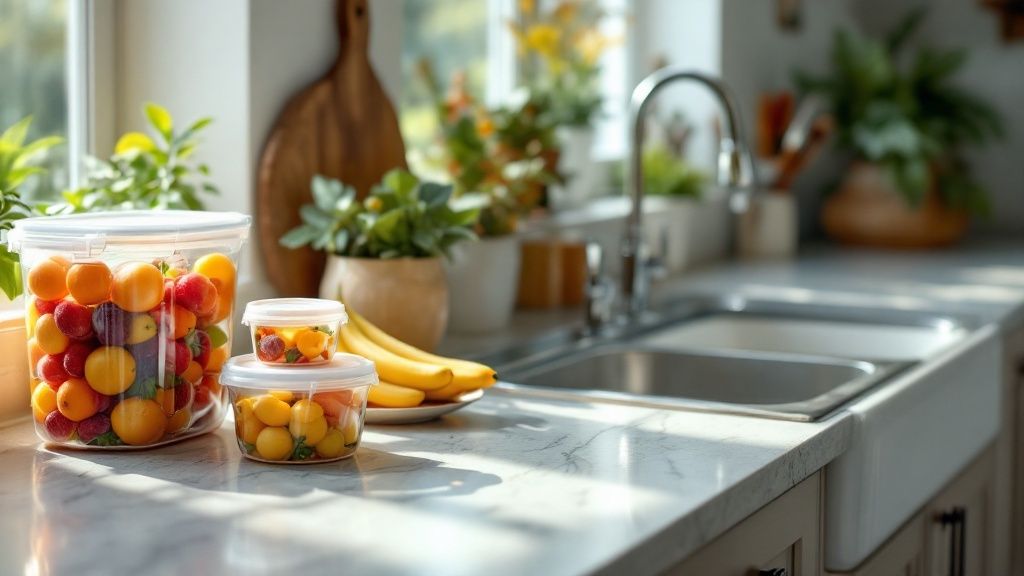
It's time to look beyond the fruit bowl. A deep search of your kitchen is needed because even a small amount of gunk can support a large population.
A common hidden spot is the kitchen sink. A dirty or clogged drain is a five-star hotel for fruit flies to lay eggs. Learning how to effectively unclog sinks without harsh chemicals not only helps your plumbing but also removes a major breeding ground.
These tiny pests cause a lot of damage to crops. They reduce fruit and vegetable yields by 10% to 30% worldwide. This is why controlling them is a major priority for farmers in California.
A Checklist for Finding Breeding Spots
Use this checklist to inspect common but often-missed hotspots. Finding and cleaning these areas is the most important step to ending your fruit fly problem.
- Damp Sponges and Dishrags: A sour-smelling sponge is a paradise for fruit flies.
- Garbage Disposals: Run it with ice cubes and citrus peels to clean out the gunk.
- Bottom of Trash Cans: Sticky residue often collects under the bag, creating a perfect nursery.
- Recycling Bins: Check for unrinsed soda cans or wine bottles. One drop is enough.
- Mops and Mop Buckets: Make sure they are clean and totally dry after each use.
- Refrigerator Drip Pans: This hidden tray can collect moisture and grime.
Pro Tip: Don't forget to check under your large appliances. I've found huge infestations that started with a single piece of fruit that rolled under the fridge.
Dealing with a constant fly problem can be frustrating. If you've cleaned everywhere and still see flies, it might be time for professional help. Our experts specialize in home pest control in Santa Cruz and can find even the most hidden sources.
Smart Habits for a Permanently Fly-Free Home
Once you have trapped the adult fruit flies and cleaned their breeding grounds, the final step is to make sure they don't come back. This means adopting a few simple habits to make your kitchen a no-fly zone. Being consistent is the key.
Preventing a problem is always easier than fighting one. This new mindset starts the moment you bring produce into your Santa Cruz home.
Daily Routines for a Pest-Free Kitchen
Small, everyday actions make the biggest difference. Fruit flies are always looking for moisture and rotting food, so your goal is to cut off their access.
A great first habit is to rinse all fruits and vegetables as soon as you get home. This simple step can wash away any eggs that may have come with them.
Also, add these tasks to your daily routine for a strong defense:
- Refrigerate Ripe Produce: Don’t let a very ripe banana or bruised apple sit on the counter. Put it in the fridge to slow the ripening process and hide the scent from flies.
- Wipe Down Surfaces: Clean up spills, crumbs, and sticky spots on counters and floors right away. A single drop of juice is a feast for these pests.
- Manage Your Drains: Once a week, pour boiling water down your kitchen sink. This clears out the gunk where flies love to lay eggs.
- Take Out Trash and Compost: Empty the trash, recycling, and compost bins daily, especially if they have fruit or vegetable scraps.
Using a consistent cleaning routine is your best defense. Creating an effective home cleaning schedule helps keep your whole home clean and less inviting to all pests.
By making these small changes, you remove the food and breeding sites that fruit flies need to survive.
But what if you keep a clean kitchen and still have a swarm of flies? That could be a sign of a hidden issue. Knowing when to call pest control can save you time and frustration.
When Your Fruit Fly Problem Needs a Professional
DIY traps and good cleaning habits usually work for a few fruit flies. But what if you've cleaned every drain, set out traps, and the swarm keeps growing?
If you’re fighting a losing battle, it’s a strong sign of a bigger issue. A constant infestation often points to a hidden breeding ground you can’t see, like a slow leak under the dishwasher or a forgotten potato in the back of a pantry.
Sometimes, the pests aren't even fruit flies. They could be drain flies or fungus gnats, which look similar but need a different removal plan. If your efforts aren't working, it’s time to stop the cycle. Knowing when to call for professional pest control services is key to solving a stubborn problem for good.
At West Pest Co., our approach to pest control in Santa Cruz is about finding the root cause. We don’t just treat the flies you see; we find the source and use eco-friendly solutions for lasting peace of mind.
If you feel like you’ve tried everything and the flies are still winning, don’t wait. A professional inspection can find the source you missed and provide a permanent solution.
Contact West Pest Co. today for a free estimate.
Frequently Asked Questions About Fruit Flies
When you're dealing with these tiny pests, a lot of questions come up. As Santa Cruz County homeowners, we've heard them all. Getting the right answers is the first step to taking back your kitchen.
How long does it take to get rid of fruit flies?
If you use traps and clean well, you should see a big difference in just 3-4 days. However, their entire life cycle from egg to adult takes about a week. To completely break the cycle, you'll need to stay on top of it for up to two weeks.
Are fruit flies and gnats the same thing?
No, they are different pests. That's why the same traps don't always work for both.
- Fruit flies are usually tan with red eyes. You'll find them buzzing around your fruit bowl.
- Fungus gnats are darker, look like tiny mosquitoes, and hang out near houseplants in moist soil.
Why do I have fruit flies with no fruit on the counter?
This is a common problem. Fruit flies are resourceful and don't just rely on your fruit bowl. They can find other places to breed. Check your sink drains, garbage disposal, and sticky recycling bins from old soda or wine. We've even found them breeding in damp mops.
Can West Pest Co. help with a severe fruit fly problem?
Absolutely. When DIY traps and cleaning aren't enough, it usually means there's a hidden breeding source you can't find. That's where we come in. For ongoing issues, a seasonal home pest control plan in Santa Cruz is often the best solution. We can find the root cause and use effective, eco-friendly strategies to get your home back to normal.
If you've tried everything and you're still swatting at fruit flies, don't let the frustration build. The experts at West Pest Co. are ready to help you find a lasting solution. Contact us today for a free estimate!