Finding rats in your home can be unsettling. The key to solving the problem for good is a clear, step-by-step process.
First, you need to confirm you have rats. Next, seal every possible entry point to keep more from coming in. Finally, you must remove the ones already inside using safe and effective methods. Following these steps gives you a real, long-term solution.
Confirming a Rat Problem in Your Santa Cruz Home
It often starts with a strange sound. You might hear faint scratching from the attic late at night or notice something is out of place in your garage. These are common first signs of a rodent problem.

Before you can fix the issue, you have to be sure that rats are the cause and not another type of pest.
Here in Santa Cruz County, our beautiful coastal climate is perfect for rodents. From the wooded hills of Scotts Valley to the seaside neighborhoods of Capitola, rats are always looking for food, water, and shelter. Your home offers all three. According to a 2021 study by the University of California, urban rat populations have seen significant increases in recent years due to milder winters.
Telltale Signs of an Infestation
Knowing how to tell the difference between rats and mice is important. They behave differently and need different solutions. Rats are creatures of habit and leave behind clues that are easy to spot once you know what to look for.
A careful check of your property, inside and out, will give you the answer you need.
Quick Guide to Identifying Rat Infestation Signs
Use this checklist to spot the common signs that rats have moved into your property.
| Sign | What to Look For | Common Locations in Santa Cruz Homes |
|---|---|---|
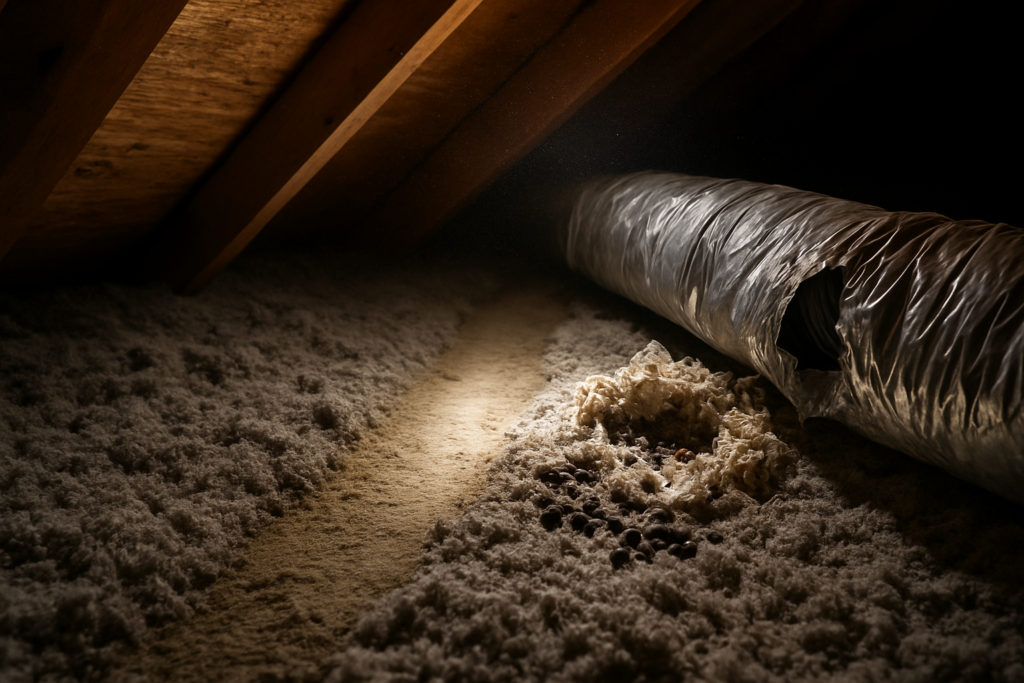
| Droppings | Dark, pellet-shaped droppings, about 1/2 inch long with pointed ends. | Behind appliances, under sinks, in pantries, along garage walls, and in attics. |
| Gnaw Marks | Small, rough chew marks on wood trim, plastic pipes, electrical wires, and even outdoor deck furniture. | Baseboards, wiring in crawl spaces, food packaging, and wooden support beams. |
| Rub Marks | Dark, greasy smudges left by their oily fur along walls and baseboards they use as "runways." | Crawl spaces, basements, along foundation walls, and behind stored boxes. |
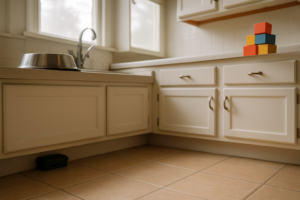
| Strange Noises | Scratching, squeaking, or scurrying sounds, especially noticeable at night when the house is quiet. | Coming from inside ceilings, within walls, or under floorboards. |
Finding this kind of evidence can be stressful. But it’s the first step toward getting your peace of mind back.
Pro Tip: When you’re inspecting, focus on the quiet, undisturbed areas of your home. Attics, crawl spaces, and cluttered garage corners are prime real estate for rats to build their nests.
A detailed assessment helps you understand how big the problem is. For a professional evaluation, a home pest inspection in Santa Cruz can find hidden entry points you might miss. This professional insight is often the best first step.
The Real Dangers Lurking in Your Walls
It’s easy to ignore a scratching sound you hear at night. But a rat problem is more than just a nuisance. When rodents move in, they bring serious health and safety risks into your Santa Cruz home.
Once you understand the dangers, you will see why it's so important to act fast. Proactive rodent control protects your family’s well-being and your home.
Health Risks: A Hidden Threat
Rats can carry diseases. Their droppings, urine, and saliva can contaminate surfaces like kitchen counters and pantry shelves. These unseen hazards put your family at risk.
A few of the major health concerns include:
- Hantavirus: This is a rare but serious respiratory illness. It's spread by breathing in dust from dried rodent urine or droppings.
- Salmonellosis: If rats get into your food, they can spread Salmonella bacteria, leading to severe food poisoning.
- Rat-Bite Fever: This bacterial illness can be transmitted through bites, scratches, or handling a dead rat.
Every surface a rat touches becomes a potential point of contamination for your loved ones and pets.
Property Damage: More Than Just a Mess
Besides health risks, rats cause a lot of physical damage. Their teeth never stop growing, so they are always chewing on things to wear them down. Your home has plenty of materials for them to chew on.
This constant gnawing leads to serious issues:
- Electrical Fires: Rats often chew on the plastic insulation around electrical wires. This can expose live wires and create a fire hazard inside your walls.
- Structural Weakening: They shred attic insulation to build nests, which hurts your home's energy efficiency. They also gnaw on wood beams, pipes, and drywall.
The longer an infestation goes on, the more expensive the damage becomes. What starts as a small issue can turn into a major home repair nightmare. Climate change is leading to warmer temperatures, which allows for more rat reproductive cycles. You can read more about how climate change impacts rat populations to get the bigger picture.
Given the high stakes, professional rodent control services santa cruz are the safest and most effective choice. Experts don't just get rid of the current pests. They focus on rodent proofing homes in santa cruz to prevent them from coming back. When you look for top-rated rodent control santa cruz, you’re investing in a complete strategy to protect your family and your property.
How to Create a Rat-Proof Barrier for Your Home
The best way to get rid of a rat problem for good is to make sure they can never get back inside. This strategy is essential for long-term success. Creating a solid barrier is the only way to break the cycle of infestation.
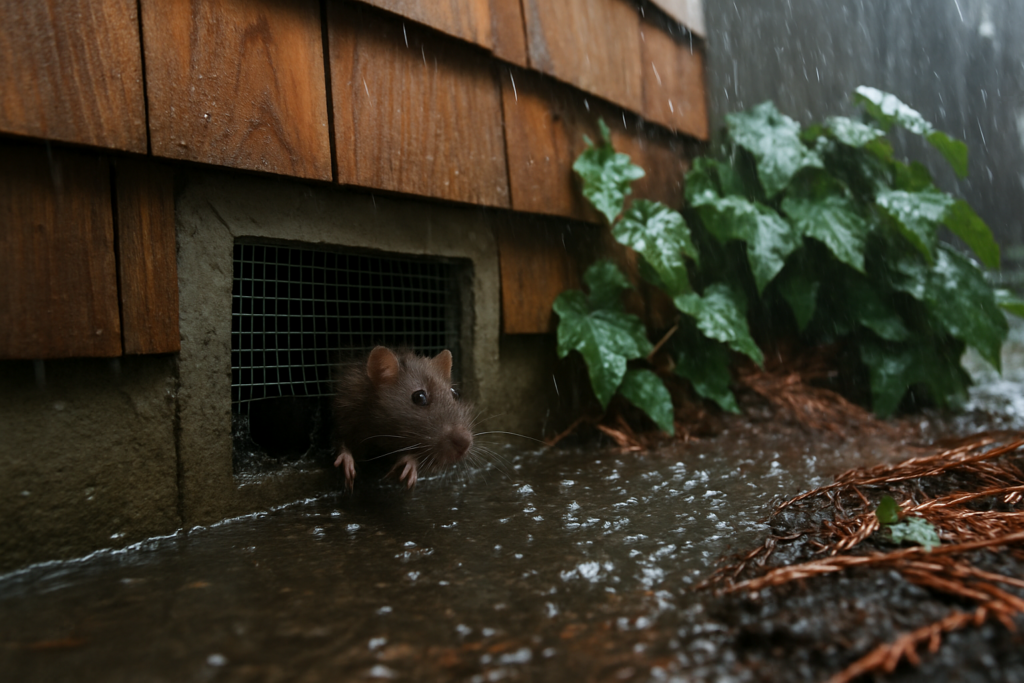
This is where expert rodent proofing homes in Santa Cruz makes a difference. A rat can squeeze through an opening the size of a quarter, so this work has to be very precise. Even a tiny mistake can become a highway for pests.
Identifying Your Home's Weak Points
Every home has potential entry points. This is especially true with the varied landscapes across Santa Cruz County. From older homes in Aptos to new builds in Scotts Valley, rats are experts at finding structural weaknesses.
Grab a flashlight and inspect your home's exterior. Pay close attention to these common problem areas:
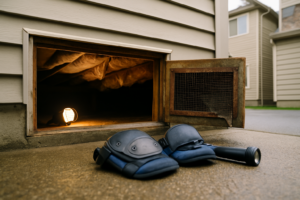
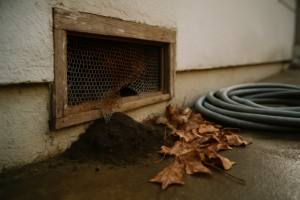
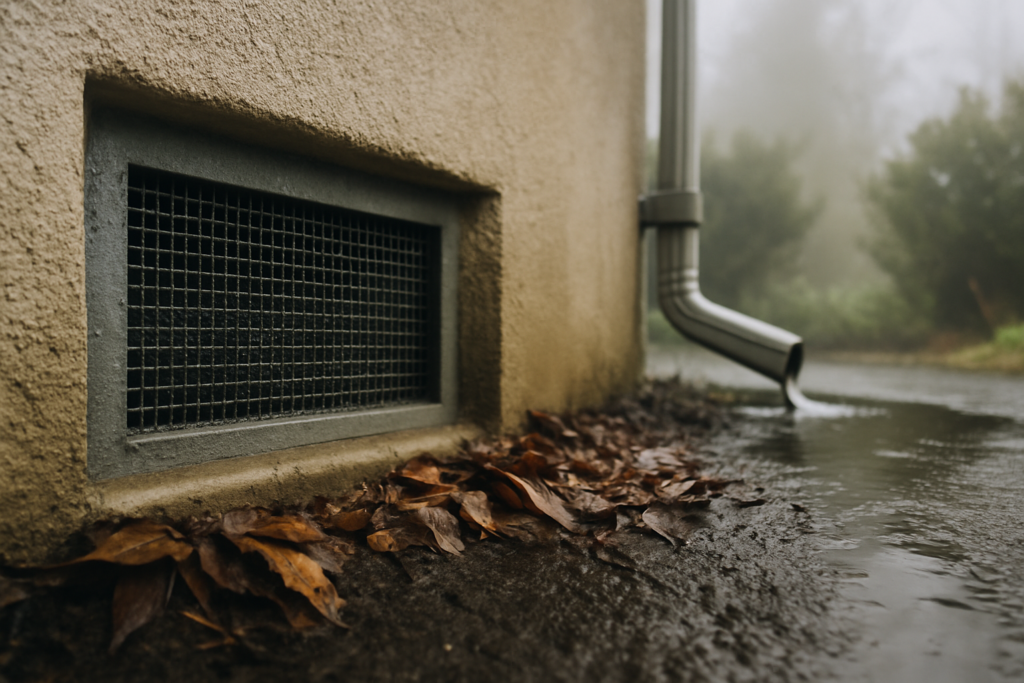
- Foundation and Vents: Look for cracks in the foundation or gaps around crawl space vents. An unscreened vent is like an open door.
- Utility Entry Points: Check every spot where pipes, wires, or utility lines enter your house. Gaps around plumbing under sinks are classic entryways.
- Roof and Eaves: Look at your roofline for gaps where the wall meets the roof, damaged soffits, and uncovered chimney flues. Rats are great climbers.
- Doors and Windows: Damaged weather stripping around your doors or windows can create a gap large enough for a young rat.
Key Takeaway: To succeed, you have to think like a rat. Look for any hole or crack you could fit a finger into. Sealing these gaps is the most important step you can take.
Sealing Gaps for Lasting Protection
Once you find the weak spots, you have to seal them with materials rats can't chew through. Don't use common caulking or foam—a rat will gnaw right through it.
Instead, use durable materials made for rodent exclusion:
- Steel Wool: Pack small holes tightly with steel wool. The coarse fibers irritate their teeth, and they will give up.
- Hardware Cloth: Use this sturdy wire mesh to cover larger openings like vents or gaps under decks.
- Mortar or Cement: For cracks in the foundation, a patch with cement provides a permanent, chew-proof seal.
Making Your Yard Less Inviting
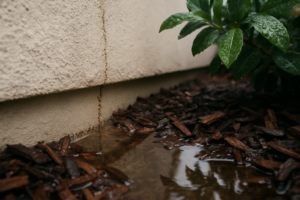
Your property can either attract rats or send them away. An overgrown yard provides cover for rodents to sneak up to your home. The goal is to create a clean, open space around your foundation.
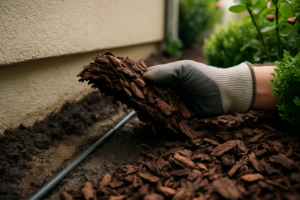
Start by tidying up your landscaping. Trim back tree branches that touch your roof. Keep your lawn mowed and get rid of piles of wood or debris where they could hide. Always use trash cans with tight-fitting lids and never leave pet food out overnight.
Exploring Safe and Effective Rodent Removal Options
You’ve sealed up every crack around your home. That’s a huge first step. Now it’s time to deal with the rats that are already inside. Choosing the right removal method is important for the safety of your family, pets, and our local Santa Cruz County wildlife.
It’s tempting to use poison baits, but they carry massive risks. Poisons can cause secondary poisoning. This happens when a hawk, owl, or cat eats a poisoned rat and gets sick or dies. At West Pest Co., we advise against using these poisons to protect our coastal ecosystem.
Adopting an Integrated Pest Management Approach
A much safer strategy is Integrated Pest Management (IPM). This isn't just a single action; it's a whole philosophy. IPM combines trapping, exclusion, sanitation, and monitoring to create a complete defense.
The point of IPM is to solve the current problem while making sure it doesn't happen again. It uses the least hazardous methods possible. It’s about outsmarting pests, not just reacting with harsh chemicals.
A Comparison of Common Rodent Control Methods
When it comes to getting rid of rats in your house, trapping is the most direct and eco-friendly route. But not all traps are the same. Here’s a quick rundown to help you compare the most common rodent removal techniques.
| Method | Description | Pros | Cons / Risks |
|---|---|---|---|
| Snap Traps | Classic spring-loaded traps designed for a quick, humane kill. | Inexpensive, highly effective when placed correctly, reusable, no poison risk. | Can be a danger to pets and children if not placed carefully; requires handling the dead rodent. |
| Electronic Traps | Battery-powered traps that deliver a high-voltage shock. | Quick and humane kill, fully contained for safety, indicator light signals a catch. | More expensive than snap traps, requires batteries, not suitable for outdoor use. |
| Live-Catch Traps | Cages that capture rodents alive for relocation. | No-kill method, considered the most humane option by some. | Relocating rodents is often illegal and ineffective; they may return or die from stress. Requires frequent checking. |
| Poison Bait Stations | Secured stations containing toxic rodenticide bait blocks. | Highly effective at eliminating large infestations with minimal effort. | Poses a significant risk of secondary poisoning to wildlife and pets; rodents can die in walls, causing odors. |
Trapping offers effective control without the risks that poisons introduce to our environment.
Different Trapping Systems Up Close
Trapping is both an art and a science. The best choice depends on where the activity is and your comfort level.
- Snap Traps: These are the standard for a reason. Modern versions are humane and kill instantly. The key is placing them along "rat runways"—the paths they travel along walls.
- Electronic Traps: These are high-tech, enclosed versions of a snap trap. They lure a rat inside and kill it with a quick shock. They are a great choice for homes with kids or pets.
- Live-Catch Traps: These traps capture rats alive. While it sounds kind, it is full of problems. Relocating a rat is stressful for the animal, and it often just becomes someone else's problem.
Strategic placement is everything. This quick visual gives you an idea of how different methods stack up.
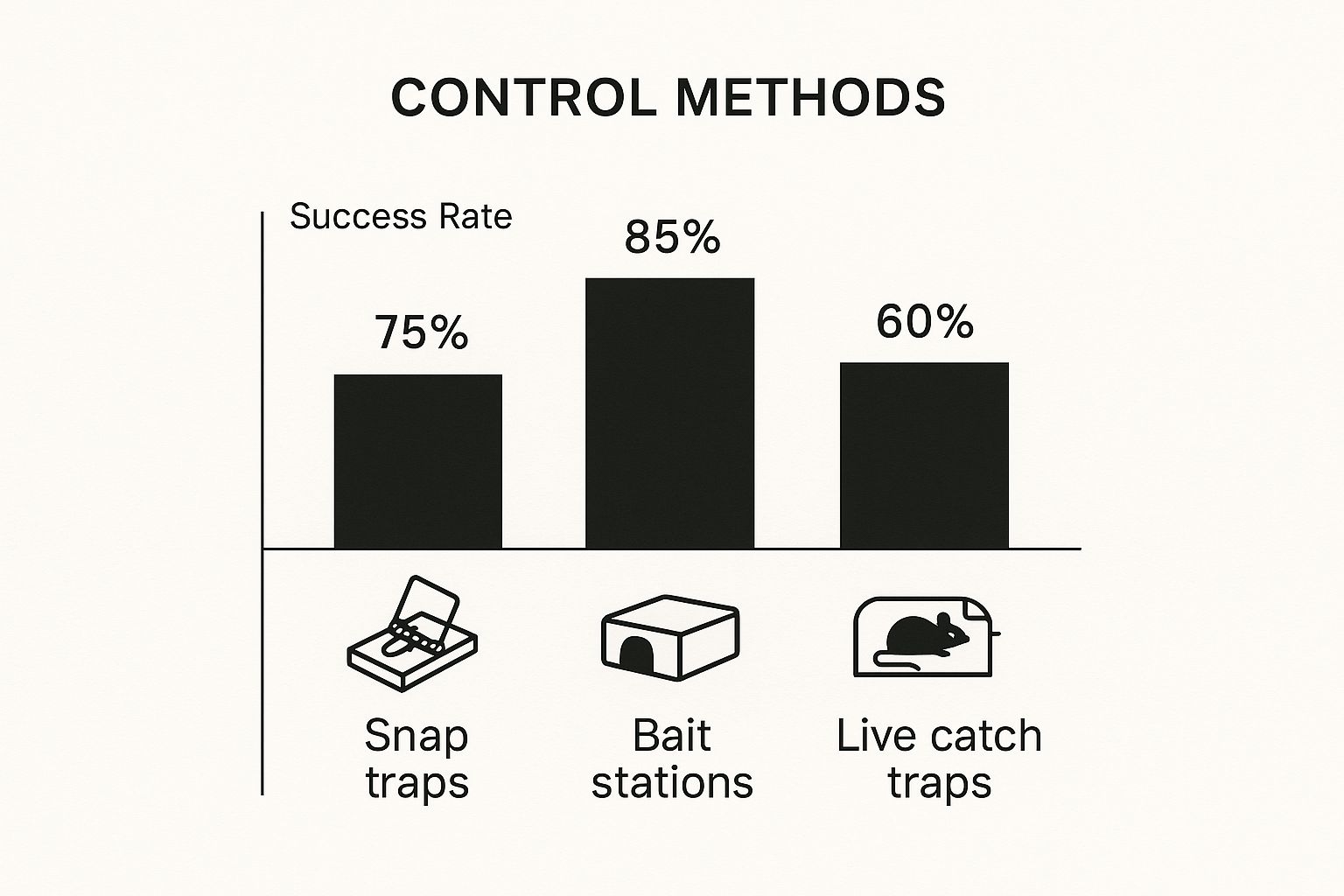
The takeaway is clear. While bait is effective, a good trapping strategy can be just as successful without putting our local wildlife at risk.
Why Professional Services Make a Difference
Trying to figure all this out on your own can be hard. That's where calling a professional helps. Experts in rodent control services santa cruz know how to create an IPM strategy for your property. We can spot high-traffic runways, pick the perfect trap, and handle removal safely.
A professional service doesn’t just set a few traps and leave. We provide a complete solution. This includes removal, follow-up monitoring, and advice for long-term prevention. This is much better than a scattered DIY effort. For more information, you can learn about our general pest control services in Santa Cruz and how we put safety first.
Finding Top-Rated Rodent Control in Santa Cruz
Even with your best efforts, a rat problem can get out of hand. When the scratching in the walls won't stop, it’s a sign the infestation has grown. At that point, calling a professional is the smartest and safest move.
Choosing the right company is a big decision. You need a team that knows how to get rid of rats and respects your home and our Santa Cruz environment. Finding a truly top-rated rodent control santa cruz provider means looking for a company that is genuinely effective.
Key Qualities of a Reputable Pest Control Company
Not all pest control services are the same. A professional company will be transparent about its credentials.
Before you book an inspection, make sure any company you consider has:
- Proper Licensing and Insurance: This is required. A licensed company follows state standards, and insurance protects you and your property.
- Local Experience: Pest problems in Santa Cruz County are unique. A local company has experience with the rats common here and our coastal climate.
- Positive Reviews and Testimonials: See what other homeowners in areas like Aptos and Capitola are saying. Look for reviews that mention professionalism and effectiveness.
A truly professional company will never pressure you. They should be willing to answer all your questions and provide clear information.
Questions to Ask Before You Hire
Once you have a shortlist of companies, it’s time to call them. How a company answers your questions says a lot about its approach.
Here are a few essential questions to ask:
- What methods do you use for rodent removal? Find out if they prioritize eco-friendly options like trapping and exclusion.
- How do you ensure the safety of my children and pets? They should explain their safety protocols for any products used in your home.
- Is your service a one-time fix or a comprehensive plan? The best rodent control services santa cruz offer a full inspection, exclusion work, and follow-up visits.
- Do you offer a service guarantee? A reputable company stands by its work. Find out what happens if the rats come back.
Why a Comprehensive Plan Matters Most
The goal isn't just to get rid of the rats you have now. It's to make sure they never come back. That’s why a complete plan is so important. A quick fix might solve the problem for a few weeks, but a full strategy solves it for good.
This is where expert rodent proofing homes in santa cruz is the key to a lasting solution. A top-tier service will focus on identifying and sealing every entry point. This exclusion work, combined with trapping and sanitation advice, creates a strong defense for your home. You can explore what goes into the best rodent prevention plan for a Santa Cruz home. This commitment to a full solution provides true peace of mind.
Frequently Asked Questions
Dealing with a rat problem brings up a lot of questions. We hear the same concerns from homeowners all over Santa Cruz County. Here are some straight answers to the questions we get asked most often.
How can I tell if I have rats or mice?
Getting this right is important because the solutions are different. The easiest way to tell is by what they leave behind.
- Rat Droppings: These are about 1/2 inch long with blunt ends, like an olive pit. You will find them in piles in the attic or garage.
- Mouse Droppings: These are much smaller, like grains of rice (1/4 inch long). They are scattered all over, not in piles.
Also, check for gnaw marks. Rats have bigger teeth, so the damage they cause to wood or plastic will look rougher.
How long does it take to get rid of a rat infestation?
There is no single answer. It depends on the size of the rat population and your property. A small issue might be solved with trapping in about a week.
An established colony in your walls or attic will take longer, often several weeks. A professional plan includes trapping, exclusion work, and monitoring. This careful approach is the fastest way to a permanent solution.
Are "natural" or DIY rat repellents effective?
Many Santa Cruz residents prefer natural solutions like peppermint oil or ultrasonic sound devices. In our experience, these are not very effective.
Peppermint oil might keep a rat away from a tiny spot, but it won't make a colony leave your attic. Rats also get used to the noise from ultrasonic devices. For a real infestation, DIY repellents are no match for proven methods like exclusion and trapping.
Is it safe to clean up rat droppings myself?
You can, but you must be very careful. Rat droppings can carry diseases like Hantavirus, which can become airborne.
If you clean it yourself, follow these safety steps:
- Air It Out: Open doors and windows for at least 30 minutes first.
- Gear Up: Wear rubber gloves and a high-quality mask.
- Don't Sweep or Vacuum: This kicks dangerous dust into the air.
- Soak Everything First: Use a bleach solution (1 part bleach to 10 parts water). Spray the droppings and let it sit for 5-10 minutes.
- Wipe and Double-Bag: Use paper towels to wipe up the mess. Seal it in a plastic bag, then put that bag inside another sealed bag.
For heavy messes, calling a professional for cleanup is the safest choice.
What should I do if I find a dead rat?
Never touch a dead rodent with your bare hands. Wear disposable gloves and use a shovel to pick it up. Place it in a plastic bag, seal it, then put it inside a second bag. Dispose of it in an outdoor trash can. Afterward, wash your hands thoroughly.
Of course, if you’re using professional rodent control services Santa Cruz, your technician will handle all removal for you.
Will getting rid of rats attract other pests?
This is a myth. In fact, the opposite is true. The holes rats used to get inside are open invitations for ants, spiders, and other pests. By putting a solid rodent proofing homes in santa cruz plan in place, you're not just stopping rats—you're sealing your home against future invasions. Knowing the common signs of a pest infestation can also help you stay alert.
When you partner with a top-rated rodent control Santa cruz professional, you’re investing in total home protection.
At West Pest Co., we understand how stressful a rat infestation can be. If you're ready to protect your home with a safe, effective, and lasting solution, contact us today for a free estimate. Let our local experts give you back your peace of mind.