When someone says "green pest control," what comes to mind? For many, it's a fuzzy term that sounds nice but lacks a clear definition. Let's cut through the noise. At its heart, green pest control is a smarter, more modern way to manage pests by focusing on long-term prevention instead of just spraying chemicals reactively.
Think of it as preventative wellness for your home. The goal isn't just to kill the bugs you see today; it's to figure out why they're there in the first place and then remove their access to the food, water, and shelter they need to thrive. It’s about creating a healthier, less inviting environment for pests using low-impact, common-sense solutions.
What Is Green Pest Control, Anyway?
The term "green" can feel a bit vague, but in the world of pest management, it represents a massive shift in philosophy. Traditional methods often feel like emergency surgery—a reactive, aggressive application of harsh chemicals to knock down a problem that's already out of control. Green pest control, on the other hand, is proactive and strategic.
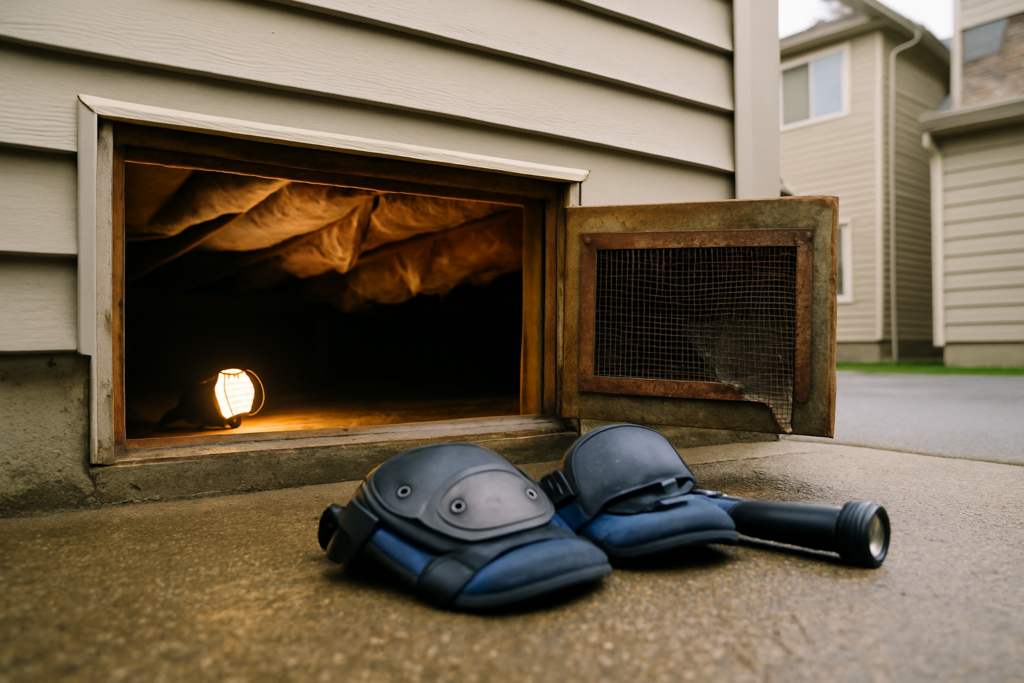
This modern approach is built on a foundation known as Integrated Pest Management (IPM). Instead of grabbing a powerful spray bottle as the first line of defense, an IPM professional acts more like a detective. They thoroughly investigate your home to understand pest behavior, identify entry points, and uncover the root causes of an infestation.
The whole idea is to make your home naturally unappealing to pests. This is accomplished through a clear hierarchy of control methods:
- Prevention: This is the foundation. It involves sealing cracks, fixing leaky pipes, and securing food sources.
- Physical & Mechanical Control: If prevention isn't enough, the next step is using traps, barriers, and other non-chemical tools.
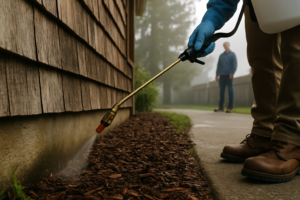
- Targeted, Low-Impact Treatment: Only when absolutely necessary, the final step involves using the least-toxic, most effective products available, applied with surgical precision.
A Smarter, More Sustainable Approach
The real goal of green pest control isn't just to kill pests—it's to break the cycle of infestation for good. By addressing the "why" behind the problem, it delivers a much more durable and lasting solution. This focus on sustainability and safety is why the green pest control market is seeing explosive growth. Projections show its value soaring from USD 3.72 billion to an incredible USD 9.63 billion by 2033, all driven by people like you demanding healthier options for their homes. You can discover more insights about this growing market and its impact.
This shift in thinking is best understood when you compare the old way with this new, more thoughtful approach.
Green Pest Control vs Conventional Pest Control
| Feature | Green Pest Control (IPM) | Conventional Pest Control |
|---|---|---|
| Primary Goal | Long-term prevention and root cause removal. | Immediate eradication of existing pests. |
| First Action | Inspection, monitoring, and exclusion (sealing entry points). | Application of broad-spectrum pesticides. |
| Chemical Use | Used as a last resort; prioritizes targeted, low-toxicity products. | Primary method; often uses broad, heavy chemical application. |
| Environmental Impact | Minimal impact on non-target species and local ecosystems. | Higher risk to pollinators, pets, and local wildlife. |
| Home Environment | Creates a healthier indoor space with fewer chemical residues. | Can leave behind lingering chemical odors and residues. |
| Long-Term Efficacy | High. Addresses the source of the problem for lasting results. | Often requires repeat treatments as new pests move in. |
As you can see, the difference is more than just the products used—it's a complete change in strategy from reactive to proactive.
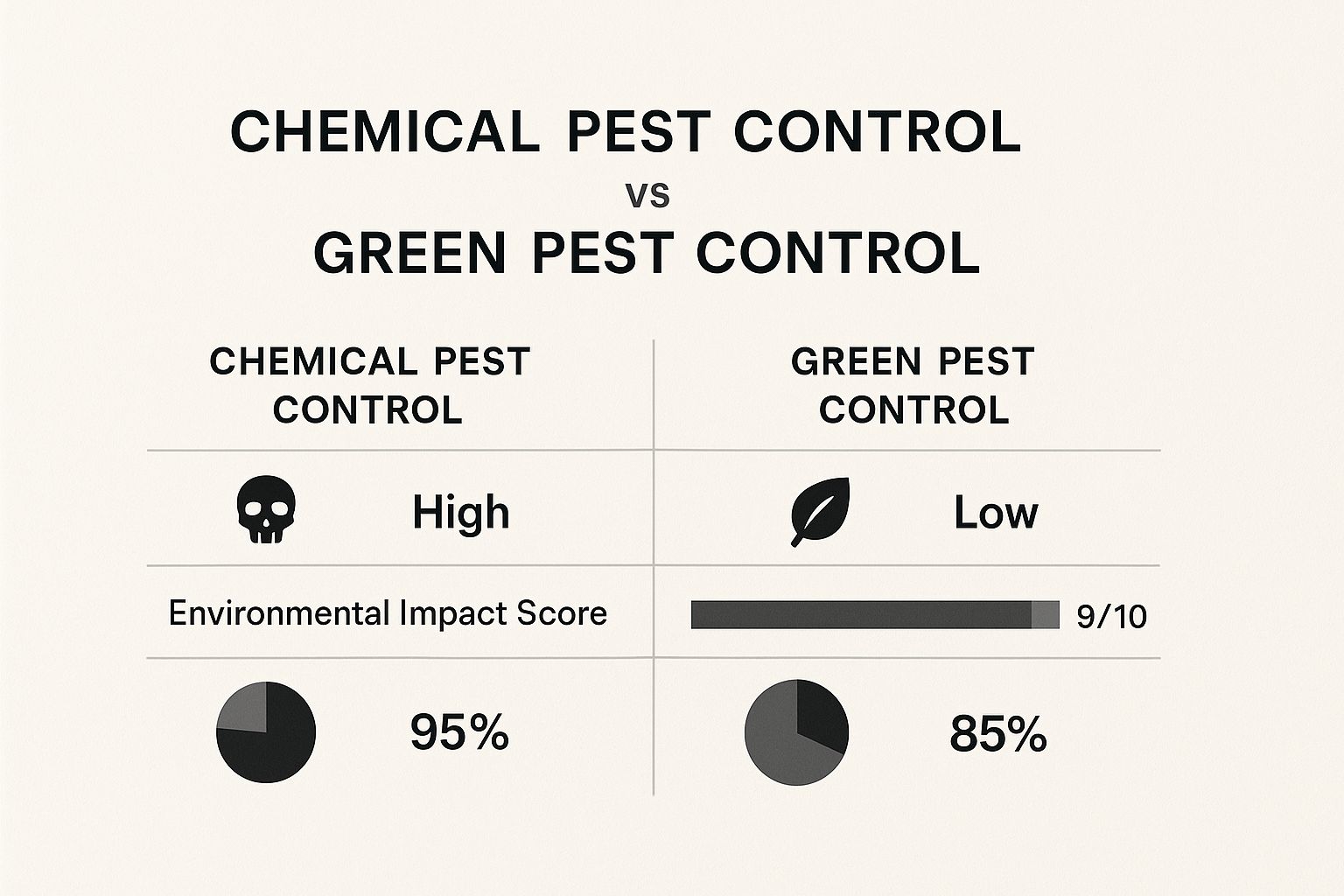
While traditional methods might seem effective at first glance, they often come at a steep cost to your home's long-term health and the surrounding environment.
Why It Matters For Your Home
Ultimately, choosing green pest control means opting for a system that values your long-term peace of mind. It’s about creating an environment where pests simply struggle to survive, rather than constantly fighting back against new waves of invaders. This isn't about letting pests win; it's about outsmarting them.
A plant knows how to fight for itself; it actually has built-in defense systems. All you have to do is give it the ideal conditions so that it can focus on fighting for itself. The same principle applies to your home’s ecosystem.
By focusing on exclusion and smart environmental management, you not only solve the immediate pest problem but also fortify your home against future issues. It's a holistic method that benefits your family's health, protects local pollinators and wildlife, and, in the end, delivers far more effective and lasting results.
Thinking Like a Pest to Beat a Pest

Truly effective green pest control isn’t about finding a more powerful spray; it’s about having a much smarter strategy. It all starts with a fundamental shift in how you think—instead of just reacting to invaders, you learn to proactively manage your home’s ecosystem. At its heart, this means learning to think like a pest to figure out what draws them in, how they're getting inside, and what makes them want to stick around.
This proactive mindset is the real engine behind Integrated Pest Management (IPM). Rather than waiting for an infestation to blow up, an IPM approach treats your home like a fortress that needs its defenses constantly managed. The goal is to make your property an unwelcome stop for pests long before they even consider moving in.
Setting Realistic Action Thresholds
A huge part of this strategy is setting an action threshold. This is just a fancy term for the point when a pest’s presence becomes a real problem that actually needs a response. A single spider in the garage or one ant on the patio? That’s usually not it. An invasion isn’t one bug; it’s a whole population.
The goal of green pest control isn't a sterile, pest-free environment—that's biologically impossible. The real goal is to maintain a healthy balance where pests are kept below a level that threatens your health, safety, or property.
Getting this concept helps stop overreactions. It keeps you from grabbing a can of bug spray at the first sign of life, which often does more harm than good. Instead, it pushes you toward observation and a measured response, which is the signature of a genuinely effective green pest control plan.
The Power of Identification and Prevention
You can’t form a good game plan if you don’t know who you're up against. Is that a harmless cellar spider or a potentially dangerous brown recluse? Are those carpenter ants, which can destroy wood, or just sugar ants looking for a snack? Correct pest identification is non-negotiable, because different pests need completely different solutions.
Once you know what you’re dealing with, you can unleash the most powerful tool in the IPM arsenal: prevention. Prevention is all about denying pests the three things they absolutely need to survive and set up shop.
- Food: Keep pantry items in airtight containers, wipe up spills right away, and don’t leave pet food out overnight.
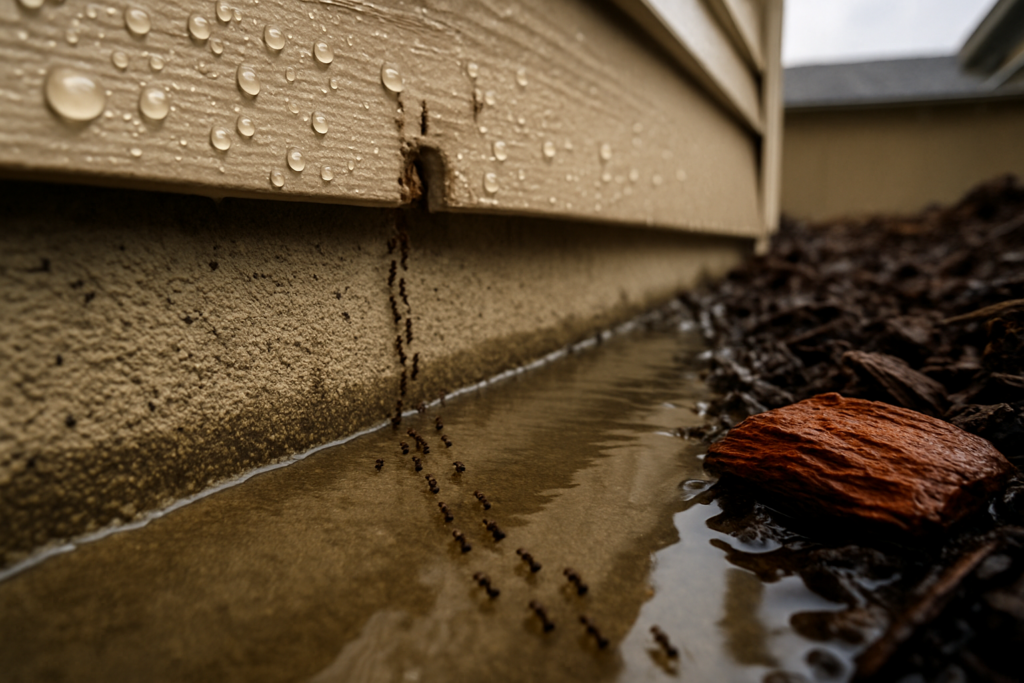
- Water: Fix leaky faucets and pipes, make sure water drains away from your foundation, and get rid of any standing water in your yard.
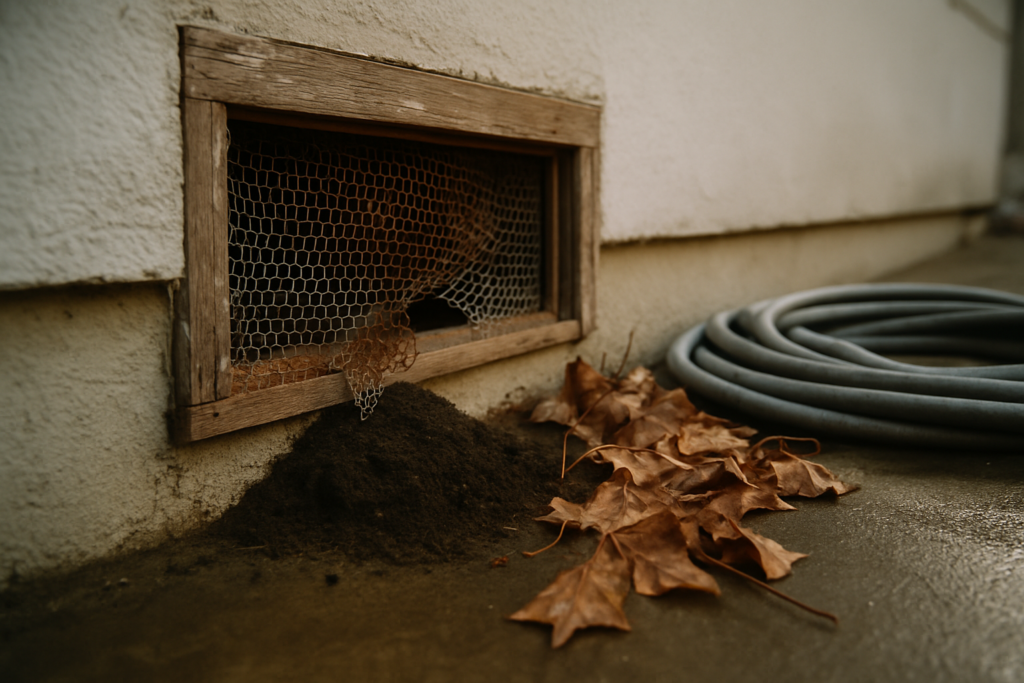
- Shelter: Seal up cracks and gaps around windows, doors, and where utility lines enter the house. Fix torn window screens and install door sweeps.
These simple steps are far more powerful in the long run than any chemical treatment because they solve the problem at its source.
Following the Control Hierarchy
When prevention isn't quite enough and a pest population crosses your action threshold, IPM follows a clear, logical order of operations. This ensures the least disruptive and lowest-toxicity methods are always tried first.
- Physical and Mechanical Controls: This is your first line of active defense. It includes hands-on things like setting physical traps (snap traps for rodents, sticky traps for insects), installing barriers, and even using a vacuum to suck up visible pests.
- Biological Controls: In some cases, especially outdoors, this means letting nature do the work by encouraging natural predators. For instance, attracting ladybugs to your garden can keep aphid populations in check, creating a tiny, self-sustaining ecosystem.
- Low-Toxicity Treatments: Only as a last resort, when other methods fall short, will a professional look at using targeted treatments. These aren’t the old-school, broad-spectrum sprays that kill everything. Instead, they’re specific, low-impact products like boric acid baits for ants or botanical oils, applied with precision only where needed.
By sticking to this hierarchy, you make sure the solution fits the problem. It's a thoughtful, escalating approach that puts safety and sustainability first, making your home a healthier place for your family while still effectively managing those unwanted guests.
Your Go-To Eco-Friendly Pest Control Toolkit
Moving from theory to practice is where green pest control really shines. It’s one thing to understand the philosophy, but it's another thing entirely to have a set of practical tools you can actually use. Consider this your go-to guide, breaking down the proven, low-impact methods for handling the most common pests we see in Santa Cruz homes.
Think of these techniques not as standalone magic tricks, but as specialized tools in your Integrated Pest Management (IPM) strategy. Each one is designed for a specific job, working together to make your home far less welcoming for pests without reaching for harsh chemicals. Let’s get you equipped with the right tool for the right job.
Smart Solutions for Managing Insects
When it comes to insects like ants, spiders, and those pesky garden pests, the green approach is all about using their own biology against them. Instead of a chemical sledgehammer, we use clever, precise tactics that disrupt their life cycles or create simple yet effective barriers.
These methods are targeted to minimize harm to the good guys, like bees and butterflies. They’re the frontline defenses you can deploy after you’ve already sealed entry points and cleaned up food sources.
Here are some of the most effective tools in your insect-fighting arsenal:
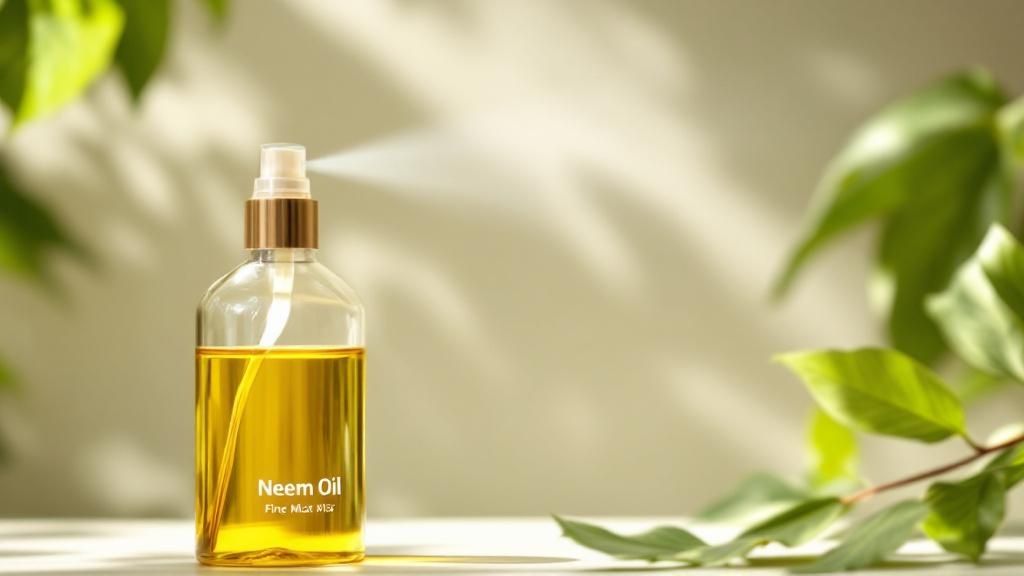
- Botanical Insecticides: These are powerful, plant-derived oils that mess with an insect’s ability to feed, grow, or reproduce. Neem oil, for example, is a classic that disrupts hormones in many soft-bodied insects like aphids and mites.
- Pheromone Traps: This is as targeted as it gets. These traps use synthetic versions of an insect’s mating scent to lure specific pests—like pantry moths or certain beetles—onto a sticky surface. This effectively pulls them out of the breeding population without bothering any other species.
- Physical Barriers: Sometimes, the simplest solution is the best one. Diatomaceous earth, a fine powder made from fossilized algae, is an amazing physical weapon. To a small insect, its microscopic edges are like walking over razor wire, causing dehydration and death without any chemicals.
Key Insight: The real beauty of these methods is their specificity. A pheromone trap won't accidentally catch a ladybug, and diatomaceous earth is only a threat to insects with exoskeletons, making them fundamentally safer for your home's ecosystem.
For targeted issues like garden pests, combining these approaches can be incredibly effective. If you're dealing with aphids, for instance, knowing how to apply these concepts is key. Our guide on organic aphid control offers deeper, actionable steps for protecting your plants.
Effective Strategies for Rodent Control
Rodents like mice and rats demand a different, but equally strategic, approach. The most important principle of green rodent control is exclusion—making it physically impossible for them to get inside in the first place. This is the single most critical and long-lasting solution.
A mouse can squeeze through a hole the size of a dime, so a thorough inspection is non-negotiable. Once you’ve sealed all potential entry points with durable materials like steel wool and caulk, you can address any rodents already inside.
Rodent Management Tools
| Method | How It Works | Best Use Case |
|---|---|---|
| Snap Traps | A classic mechanical device providing a quick, humane kill when placed correctly along rodent runways. | Ideal for immediate removal of a small, known population already inside your home. |
| Exclusion | Sealing all cracks, gaps, and holes in your home's foundation, siding, and roofline to block entry. | This is the foundation of all rodent control and provides the most permanent solution. |
| Live Traps | Captures rodents without harming them, allowing for release away from your property (check local regulations first). | Best for those who prefer not to kill the animal, but requires you to check it promptly. |
This multi-faceted approach isn't just a niche idea; it's a cornerstone of the modern pest control industry. The demand for safer, smarter solutions is growing fast, reflecting a major shift in what homeowners want. In fact, the U.S. pest control market, valued at USD 6.1 billion, is seeing a surge in demand for green solutions in sensitive places like schools and hospitals. This trend is pushing the entire industry toward more sustainable practices, backed by new tech in monitoring and application. You can explore the full analysis of pest control market trends to see how the industry is evolving.
By arming yourself with this toolkit, you’re empowered to make informed, responsible choices for a healthier and more secure home.
The Real-World Benefits of Going Green
So, why even think about green pest control? The reasons go way beyond just being “eco-friendly.” When you decide to adopt this smarter approach, you unlock a wave of real, tangible benefits for your family’s health, your home’s durability, and even your wallet.
It’s really about shifting your mindset. Instead of relying on temporary chemical fixes, you move toward lasting, whole-property solutions. This change in strategy creates a healthier living space from the inside out and gives you peace of mind you just can't get from a spray can.
Protecting Your Family and Pets
Let’s be honest—the biggest advantage of green pest control is the immediate boost in your home's safety. Traditional pesticides can leave behind residues on floors, furniture, and in the air. That’s a real concern for curious kids and pets who live their lives close to these surfaces.
Eco-friendly methods, on the other hand, always put non-chemical solutions first. When a treatment is actually needed, it involves targeted, low-toxicity products applied with precision. This approach drastically cuts down your family's exposure to harsh substances, creating an environment where you can all breathe a little easier.
The core principle is simple: A pest-free home shouldn't come at the cost of your family's well-being. Green methods ensure you achieve both safety and effectiveness without compromise.
This isn’t just a niche idea anymore; it’s becoming the new standard. The global pest control industry, on track to hit USD 44.3 billion by 2034, is growing because of this exact demand for safer, non-toxic solutions. As both consumers and regulators lean into integrated and biological methods, the market is rewarding companies that put health first. You can read the full research about these market shifts.
Long-Term Value and Durability
While a conventional chemical spray gives you a quick knockdown, it almost never solves the root problem. Pests will simply come back once the chemicals wear off, trapping you in an endless cycle of treatments and calls to the exterminator. Green pest control is designed to break this cycle by going straight to the source.
Think of it this way:
- Sealing Entry Points: Blocking the hole a mouse is using is a permanent fix. Spraying for that mouse is not.
- Removing Food Sources: Wiping out an ant’s food trail is far more effective in the long run than just spraying the few ants you happen to see.
- Managing Moisture: Fixing a leaky pipe that attracts cockroaches provides a more durable solution than any chemical could.
These kinds of preventative measures don’t just offer superior, lasting pest protection—they often benefit your home in other ways. For instance, sealing cracks and gaps to keep pests out also boosts your home's insulation, which can help lower your energy bills. For a deeper look at these strategies, you might be interested in our guide to natural pest control methods.
This focus on durable, preventative solutions means you spend less time and money fighting the same old infestations year after year. It's a genuine investment in the long-term health of your property, delivering value that a temporary chemical spray just can't match.
How to Hire a True Green Pest Control Pro

Choosing a partner for your home’s pest management is a big decision. With so many homeowners looking for safer options, plenty of companies are happy to slap a "green" label on their services. But not all of them truly follow the principles of green pest control. The last thing you want is to pay for an eco-friendly service only to get conventional chemicals in a bottle with a green leaf on it—a sneaky practice called "greenwashing."
To find a legitimate and effective professional, you need to know what you’re looking for. It comes down to asking the right questions, knowing what to listen for, and spotting the red flags. A true green pest control pro doesn’t just sell a service; they partner with you to create a healthier home based on a thoughtful, scientific philosophy.
Ask About Their IPM Philosophy
The first and most important thing to ask about is their commitment to Integrated Pest Management (IPM). A genuine green provider should be able to explain their IPM process clearly and with confidence. It shouldn't just be a buzzword they throw around; it should be the foundation of their entire business.
Ask them to walk you through a typical service call. A good answer will always start with a detailed inspection and monitoring—not with what they plan to spray. If a company immediately jumps to talking about products before they’ve even diagnosed the problem, that's a major warning sign they aren't a true IPM practitioner.
Questions to Vet Their Process
You need to dig a little deeper than just "Are you green?" Here are the kinds of questions that will separate the real experts from the pretenders:
- "What does your inspection process involve?" A thorough answer will cover looking for pest entry points, sources of food and water, and signs of activity, both inside and out. It’s a detective-work phase.
- "How do you determine when treatment is necessary?" They should talk about hitting "action thresholds" and using monitoring tools, not just a one-size-fits-all spray schedule.
- "What non-chemical methods do you use first?" You want to hear them talk about exclusion (sealing up gaps), installing physical traps, and modifying the habitat to make it less inviting for pests.
A key red flag is any company promising a one-time "magic green spray" that solves all your problems. True green pest control is an ongoing process of management and prevention, not a single quick fix.
Dig Into the Products They Use
When chemical treatments are necessary, a legitimate company will be completely transparent about what they use. Don't be shy about asking for specifics. A vague answer like, "Oh, we just use safe, eco-friendly products," isn't good enough. You have a right to know what they are and why they were chosen for your specific situation.
Also, ask if their technicians are specifically trained to apply low-impact products. This is critical. Even the "greenest" products can be ineffective or even harmful if they aren't used correctly.
Look for third-party validation to back up their claims. While not every great company will have them, these certifications are a strong indicator of a serious commitment:
- GreenPro Certification: This is a highly respected credential from the National Pest Management Association that shows a company follows strict standards for green service.
- EPA Safer Choice: This label applies to specific products, but a company that prioritizes using them is clearly committed to lower-toxicity options.
By asking the right questions, you can cut through the marketing fluff and find a partner who is genuinely dedicated to safe, sustainable, and effective green pest control. This careful vetting process ensures you invest in a company that protects not just your home from pests, but also your family's health and our beautiful Santa Cruz environment.
Adapting Green Pest Control for Santa Cruz
General green pest control principles are a great starting point, but making them work in Santa Cruz County means thinking like a local. Our unique blend of coastal fog, redwood forests, and sunny canyons creates a perfect environment for certain pests to thrive. Adapting your strategy to this reality is the secret to lasting success.
Our mild, often damp climate is a huge factor. It gives pests a year-round breeding ground that they just don't get in places with harsher weather. This means proactive, preventative measures aren't just a good idea here—they are absolutely essential to keeping your home protected.
Targeting Our Local Pests
While we get our share of common household invaders, a few really stand out in the Santa Cruz area because of our environment. A smart green pest control plan zeros in on these specific threats first.
Here are the primary culprits and how our climate gives them an edge:
- Argentine Ants: These tiny invaders love our moist soil. When things get dry, they march indoors in massive numbers looking for water, which makes moisture control a critical first line of defense.
- Termites: That constant dampness from the coastal fog creates ideal conditions for both subterranean and drywood termites. They can silently cause major structural damage if you're not paying attention.
- Roof Rats: Living so close to canyons and lush greenbelts means roof rats are always nearby. They are expert climbers who use overhanging tree branches as highways right into your attic and crawl spaces.
Understanding these local pressures is what allows you to really fine-tune your Integrated Pest Management (IPM) strategy for maximum impact.
Localized IPM Strategies for Your Home
Instead of a one-size-fits-all approach, your efforts should directly counter the advantages our local environment gives these pests. That means focusing on exclusion and environmental tweaks tailored to Santa Cruz life.
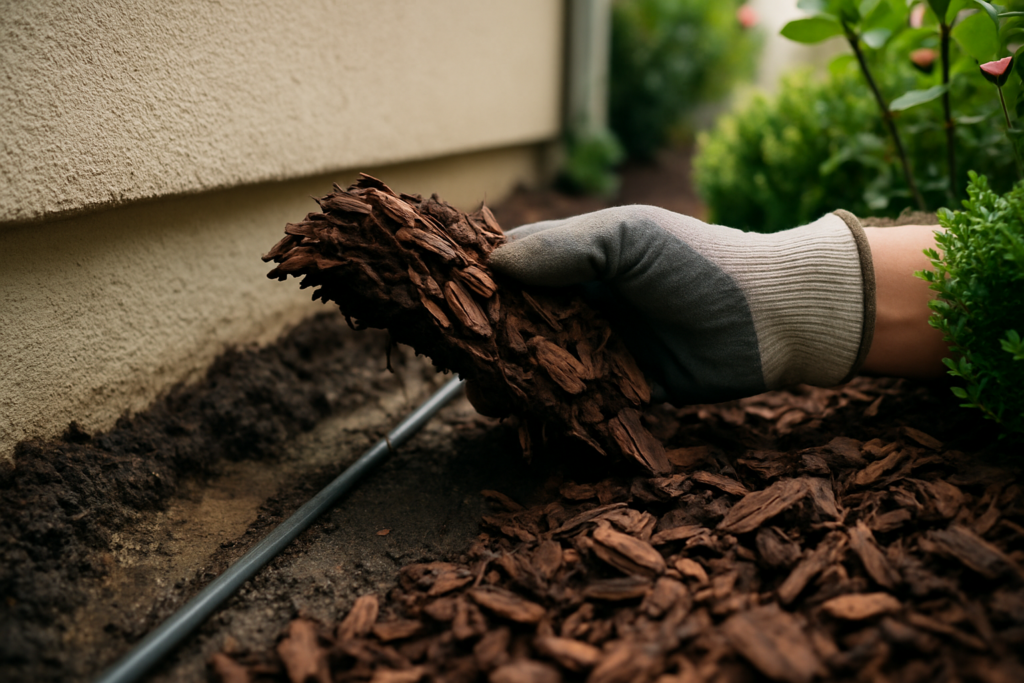
For instance, meticulous moisture control is non-negotiable. This means fixing leaky outdoor spigots, making sure water drains away from your foundation, and managing your irrigation to deny ants and termites the water they’re so desperate to find. For a closer look at how these solutions work, check out our guide on eco-friendly pest control treatments in Santa Cruz County.
The goal is to make your home an island of inhospitable territory in an otherwise pest-friendly landscape. By removing easy access to food, water, and shelter, you turn your property into the least attractive option on the block.
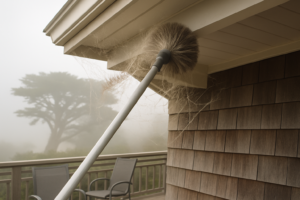
Smart landscaping also plays a huge part. Trimming tree limbs so they don't touch your roofline cuts off a major rodent highway. Keeping your yard clear of fallen fruit and managing your garbage bins properly can make a big difference against opportunistic yellow jackets and other nuisance insects common in our area. Finally, sealing up entry points around your home’s foundation and roof is your best defense against both rodents and insects looking for a place to stay. When you put these localized tactics into action, you create a tough, sustainable defense system.
Common Questions About Green Pest Control
Making the switch to a smarter, more modern pest management strategy usually brings up a few questions. That's completely normal. This is a different way of thinking about pest problems, so let’s walk through the most common concerns to help you feel confident in your decision.
Is Green Pest Control Really as Effective?
Yes, absolutely—but it measures "effective" in a smarter way. Traditional methods often rely on a quick chemical knockdown, which feels effective at the moment but rarely addresses the root cause of the infestation.
Green pest control is truly effective because it focuses on a durable, long-term solution. Instead of just spraying the ants you see today, we focus on eliminating the scent trails they follow, cutting off their food sources, and sealing the entry points they use to get inside. This strategy breaks the cycle for good, providing far more reliable protection than a temporary chemical fix ever could.
Does It Cost More Upfront?
Sometimes, the initial visit for a comprehensive green pest control plan can be slightly higher than a single conventional spray. That's because the first service is much more thorough—it involves a detailed inspection and often includes exclusion work, like sealing the small gaps and cracks pests use to invade your home.
But this proactive approach almost always saves you money down the road. By preventing future infestations, you eliminate the need for repeated emergency calls and chemical treatments. Think of it as investing in a permanent repair for your home rather than constantly paying for temporary patches.
How Long Until I See Results?
This really depends on the specific pest and how serious the infestation is. While physical methods like trapping can deliver immediate results, the full power of a green strategy builds over time as we make your home an unwelcome place for pests.
You might see a huge drop in pest activity within a few days, but the real "result" is the long-term peace of mind you get from a secured, well-managed property. It’s about achieving lasting control, not just a quick kill.
Can I Combine DIY Efforts with Professional Services?
Absolutely! In fact, that's one of the best ways to guarantee success. Professional green pest control is designed to be a partnership. A trained technician can handle the expert-level inspection, exclusion work, and targeted treatments that require specialized knowledge.
Meanwhile, your ongoing efforts—like keeping kitchen counters clean, managing moisture under sinks, and just keeping an eye out for new activity—reinforce everything we do. This teamwork creates the strongest possible defense for your home.
Ready to create a safer, more resilient home environment with a trusted local expert? West Pest Co. provides reliable, eco-friendly pest solutions designed for Santa Cruz County. Schedule your thorough inspection today!