Getting rid of gophers for good isn’t about one magic bullet. It’s a process that starts with solid identification, moves to trapping, and ends with prevention. While trapping is the most reliable, non-toxic way to solve the problem, you first have to be absolutely sure you’re chasing the right pest. Get that wrong, and you’re just wasting time while your yard gets worse.
Is It Really a Gopher Digging Up Your Yard? How to Get Rid of Gophers!
Before you even think about setting a trap, you need to be 100% certain a gopher is your culprit. I’ve seen countless homeowners get this wrong, mistaking gopher damage for the work of moles or voles. It’s an easy mistake to make, but it leads to using the wrong control methods, which costs you time, money, and your sanity as the destruction continues.
Think of proper identification as your first strategic win. Each of these pests requires a totally different game plan. Using mole repellents on a gopher that’s busy yanking your prize-winning carrots underground is a recipe for frustration.
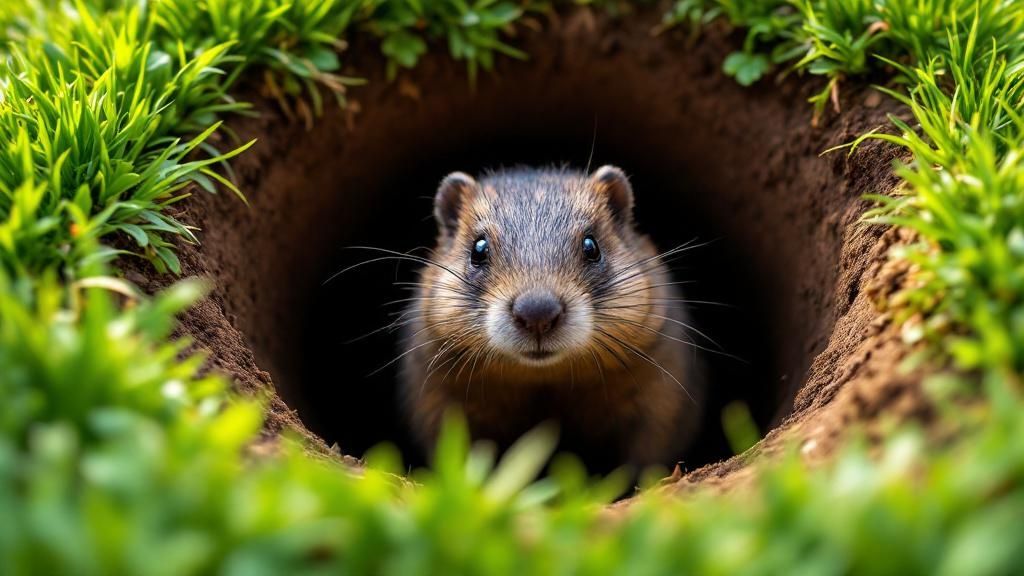
Reading the Telltale Signs
The most definitive evidence of a gopher is the unique dirt mound it leaves behind. Unlike the perfectly symmetrical, volcano-shaped hills that moles create, a gopher mound is distinctly crescent or horseshoe-shaped. If you look closely, you’ll find a dirt plug off to one side, which is how they seal the tunnel entrance. Gophers are obsessive about hiding their doorways from predators and light.
Beyond the mounds, the damage itself tells a story. Gophers are herbivores, and they go straight for plant roots. The damage they cause is both distinct and devastating:
- Vanishing Plants: A classic sign. One day you have a healthy sunflower or head of lettuce, and the next it’s just gone—pulled straight down into the earth from below, leaving almost no trace.
- Root Damage: Gophers love to chew on the roots of trees and shrubs. This often causes mature plants to wilt, turn yellow, or die suddenly without any obvious cause above ground.
- Gnawed Utilities: They are notorious for chewing through underground utility cables and plastic irrigation or sprinkler lines, which can lead to mysterious leaks and expensive system failures.
Pocket gophers are incredibly efficient excavators. A single gopher can move tons of soil in a year, creating a massive tunnel network that can cover up to 2,000 square feet. This extensive burrowing is precisely what makes them so destructive. Taking a few minutes to confirm you see their classic crescent mounds will save you weeks of frustration.
Gopher vs Mole vs Vole: A Quick Identification Guide
Still not sure what you’re up against? This quick guide will help you spot the differences based on the clues they leave behind. Getting this right is the most important step.
| Pest | Mound and Tunnel Evidence | Primary Food Source | Typical Damage Seen |
|---|---|---|---|
| Gopher | Crescent-shaped mounds with a dirt plug on one side. | Plant roots, bulbs, tubers | Plants disappearing underground, severed roots, chewed lines |
| Mole | Volcano-shaped mounds with a central hole. Surface tunnels are raised ridges. | Grubs, earthworms, insects | Raised tunnels crisscrossing the lawn, disturbed soil |
| Vole | No mounds. Above-ground runways in grass, about 1-2 inches wide. | Grass, stems, bark, seeds | Girdled tree trunks, gnawed stems, eaten seedlings |
Once you’ve correctly identified your pest by the mounds and damage, you can confidently move on to choosing the right strategy to take back your yard.
Effective Gopher Trapping Techniques
When you’re looking for a reliable, non-toxic way to get rid of gophers, trapping is your best bet. But success isn’t about just tossing a trap near a mound. It takes a bit of strategy and a good understanding of how gophers operate. The goal is to intercept them in their main travel routes, not the little side tunnels they use just to push out dirt.
First things first, you have to locate the main tunnel. Think of this as the gopher’s personal highway. Start by finding the freshest mound—the one with dark, moist soil. You’ll notice the gopher plugs the tunnel entrance on the crescent side of the mound. Now, grab a probe (a long screwdriver or a similar sturdy rod works perfectly) and start poking the ground about 4 to 12 inches away from that dirt plug. You’ll feel some resistance, then a sudden 2-inch drop. That’s it. You’ve just found the main runway.
Choosing and Setting Your Traps
Once you’ve found the tunnel, it’s time to get the right tools for the job. Common and highly effective trap types include the Macabee, Cinch, or Gophinator. While they each work a bit differently, the placement strategy is the same. After you dig a small opening to expose the main tunnel, you’ll see it shoots off in two directions. This is your chance to strike.
A classic rookie mistake is setting only one trap. Gophers are incredibly territorial and will immediately investigate any light or air that gets into their sealed tunnel system. By placing traps in pairs—one facing each direction in the tunnel—you essentially double your chances of catching the gopher, no matter which way it approaches from.
Securing your traps is just as crucial as placing them correctly. Always tie a wire or some strong string from the trap to a stake you can plant above ground. This makes it easy to pull the trap out and, just as importantly, prevents a scavenger from making off with your trap and your catch.
Perfecting Your Trapping Approach
Gopher trapping is a method that’s been proven time and again by both homeowners and pest control pros, especially for managing smaller populations. The absolute best time to set your traps is during fall and spring when gophers are most active, digging new tunnels and kicking up fresh mounds.
You can bait your traps with treats like lettuce, carrots, or even a smear of peanut butter. However, many professional-style traps are designed to work perfectly unbaited; the gopher triggers them simply by trying to plug the open hole you created. If a trap sits untouched for 48 hours, it’s a good sign that you should move it to a different, more active tunnel system. For more great insights, you can find a wealth of information about gopher trapping techniques on diypestcontrol.com.
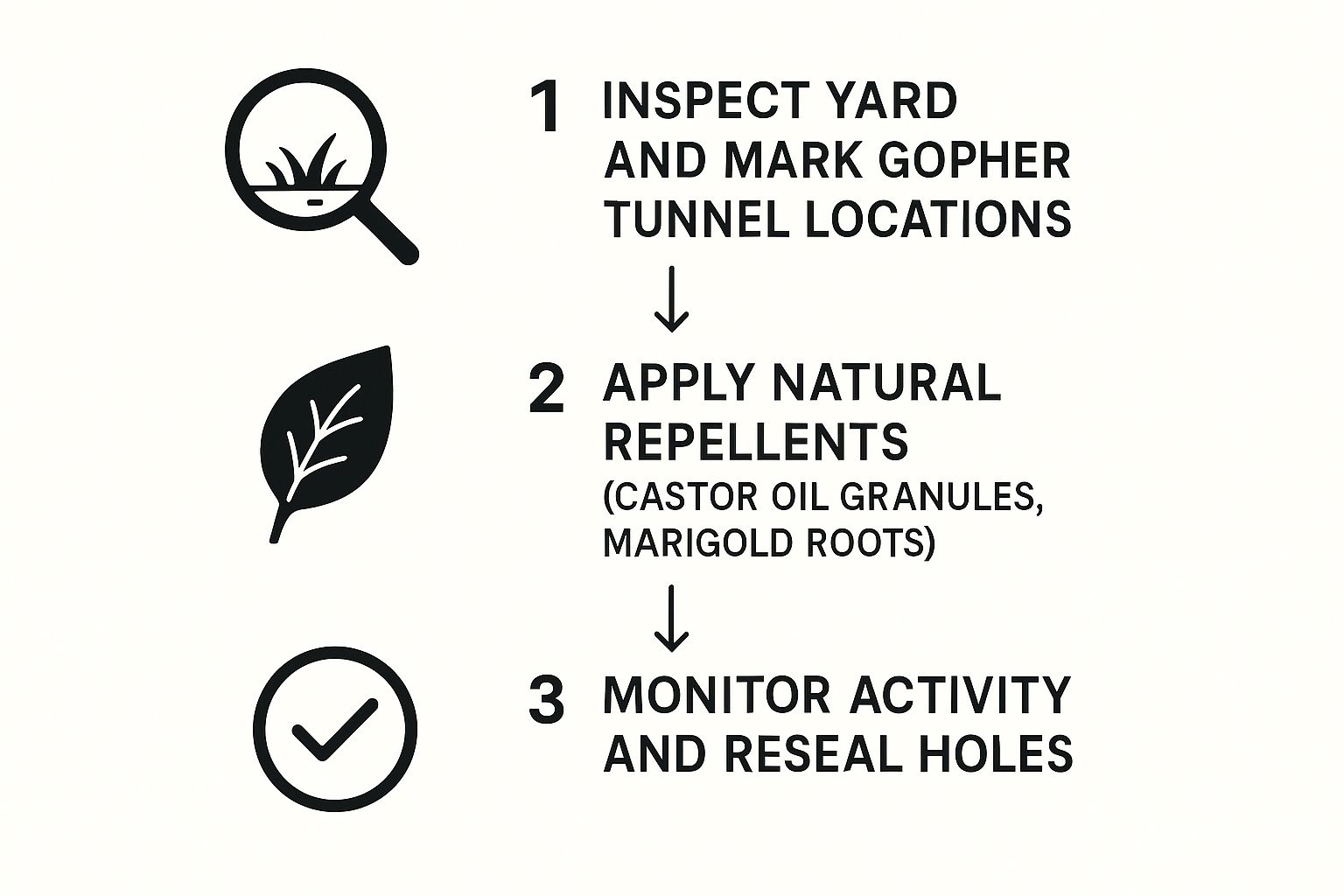
As you can see, the most effective gopher management plans combine active removal with strategies to make the area less inviting for any future visitors.
One final, critical tip: always wear gloves when handling and setting your traps. Gophers have a surprisingly sharp sense of smell, and leaving your human scent on a trap can make them suspicious enough to avoid it entirely. It’s a small detail, but it can make a huge difference.
Persistence is your greatest ally here. Don’t get discouraged if your first attempt doesn’t work out. Just relocating the traps to a fresh mound is often all it takes to find success.
A Realistic Guide to Baits and Fumigants
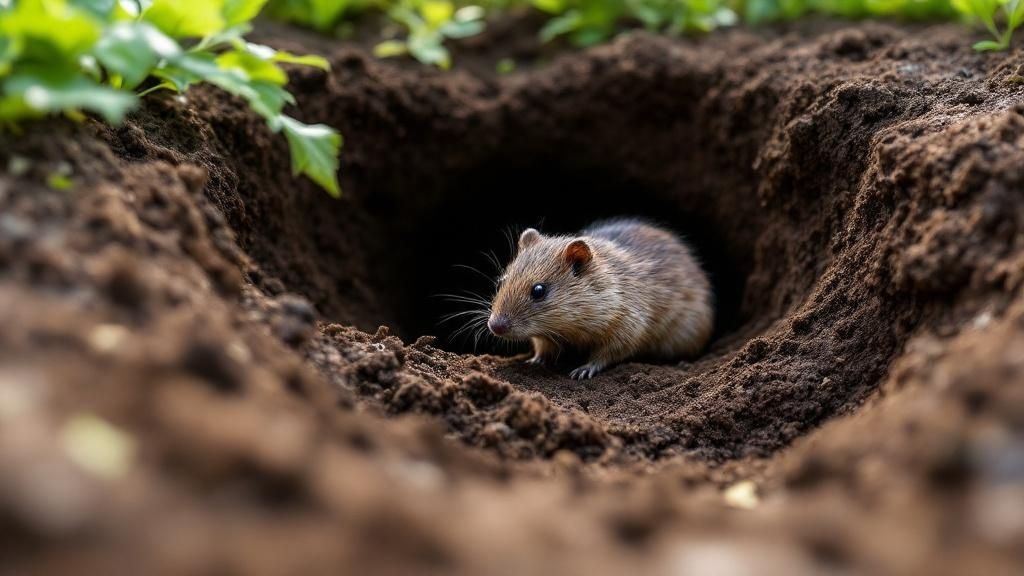
When you’re dealing with a large-scale gopher invasion, sometimes trapping alone just won’t cut it. This is where chemical controls like baits and fumigants enter the picture. While they can be incredibly effective, these methods demand absolute respect and precise handling. Think of them as a serious step up from traps, and know that they aren’t the right fit for every situation.
Using these products incorrectly won’t just fail to solve your gopher problem; it also creates a significant risk for pets, kids, and the local wildlife you actually want around. The entire strategy hinges on delivering the treatment directly into the gopher’s sealed burrow system, ensuring it never makes contact with anything on the surface.
Understanding Gopher Baits
Gopher baits are usually grain-based pellets or blocks that have been treated with a toxicant. The game plan is simple: you introduce this lethal food source into the gopher’s main tunnel system, where the solitary animal will eventually find and eat it. But safety has to be your top priority. Never scatter bait on the surface of your lawn. It’s illegal, completely ineffective, and incredibly dangerous.
To use bait the right way:
- Find the Main Tunnel: Just like setting a trap, you’ll need a probe to locate a primary runway. These are typically 4 to 12 inches below ground.
- Make a Small Opening: Carefully create a hole just large enough to get the bait inside.
- Place the Bait: Use a long-handled spoon or a specialized bait applicator to drop the recommended amount directly into the tunnel.
- Seal It Up: Immediately plug the hole with a rock, a chunk of sod, or another solid object. This blocks out light and prevents anything on the surface from getting to the bait.
For widespread infestations, especially in agricultural settings, toxic baits are often the most practical solution. Research has shown that baits containing strychnine or zinc phosphide can significantly reduce gopher populations when applied correctly inside the burrow system. Combining baiting with other methods can often be a cost-effective strategy for heavy infestations. You can read the full research on integrated gopher management for more details on these findings.
The Truth About Fumigants
Fumigants, which you might see sold as “gasser” cartridges or “smoke bombs,” are designed to release a lethal gas inside the gopher’s tunnel network. For this to have any chance of working, two things absolutely must be true: the soil conditions have to be right, and every single exit tunnel must be sealed.
Gophers are surprisingly clever. If they detect gas, their first instinct is to rapidly seal off sections of their tunnel with dirt, which effectively saves them. Because of this, fumigants work best in dense, moist soils like clay that help contain the gas. They are almost completely ineffective in dry, sandy, or loose soil because the gas simply escapes through the ground before it can do its job.
While these chemical options can get the job done, they aren’t for everyone. If you’d rather take a less intensive route, exploring eco-friendly options is a fantastic alternative. For those interested, we have a whole guide on natural pest control with different strategies. Whatever you choose, always read and meticulously follow the manufacturer’s instructions to make sure you get rid of gophers safely and effectively.
Creating a Gopher-Resistant Landscape
Once the immediate threat is gone, the real work begins. Getting rid of the gophers you have now is only half the battle—long-term victory comes from making your yard a place they don’t want to return to. This means shifting your mindset from reactive trapping to proactive, permanent defense.
The most effective long-term solution is creating physical barriers they simply can’t cross. This is especially true for protecting high-value spots like a vegetable garden or the delicate root systems of new trees. It’s definitely a labor-intensive approach, but the payoff is years of gopher-free peace of mind.
Installing Underground Barriers
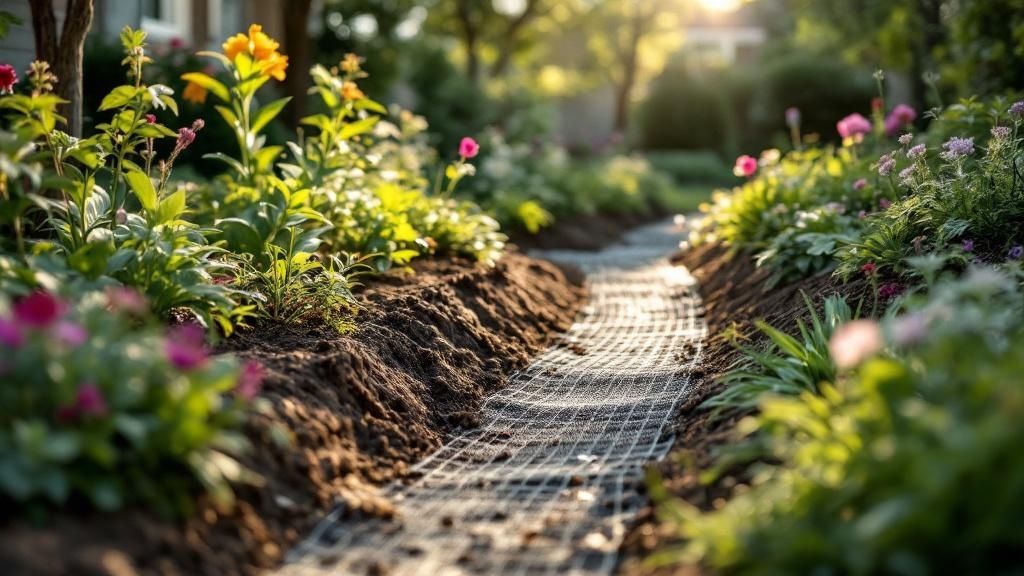
The gold standard for gopher prevention, hands down, is installing underground fencing. This involves digging a trench around the area you want to protect and burying gopher wire or hardware cloth.
- Depth is Key: The barrier has to be buried at least 2 feet deep to work. Gophers are expert diggers, but they rarely bother going deeper than that for their main tunnels.
- Add a Lip: At the bottom of your trench, bend the last 6 inches of the mesh outward at a 90-degree angle. This creates an “L” shape that stops any particularly determined gopher that tries to dig underneath it.
- Above-Ground Protection: You’ll want to leave at least 1 foot of the mesh sticking out above the ground. While it’s rare, gophers can travel over land, and this extra height keeps them from just climbing over.
For individual plants, like a prized rose bush or a new fruit tree, you can create gopher baskets from the same wire mesh. You just place these around the root ball during planting. While it won’t protect your entire lawn, it’s an excellent way to safeguard specific, vulnerable plants from becoming a gopher’s next meal.
Keep in mind that a well-defended yard is more than just gopher-proof. Beyond targeting these specific burrowers, a healthy landscape often requires addressing a variety of unwanted visitors. For a comprehensive guide on general plant pest control methods and maintaining a vibrant garden, you might find useful information on Homegrown Garden.
Deterrents and Home Remedies: A Realistic Look
A lot of homeowners ask about repellent plants and other home remedies. While some of these methods have passionate followers, their effectiveness is often debated and really lacks scientific backing. Plants like gopher spurge and daffodils are said to deter gophers, but a hungry gopher will often just dig right past them to get to a tastier food source nearby.
Similarly, things like sonic stakes and castor oil granules are popular DIY options. Some people swear by them, but many others find they provide little to no real protection. It’s best to view these methods as a minor deterrent rather than a foolproof solution.
When you’re dealing with complex or recurring issues, especially with garden pests, it helps to understand what professional-grade solutions look like. Exploring options for gopher and garden pest control in Santa Cruz County can give you deeper insights into a truly comprehensive plan. Building a resistant landscape often means combining physical barriers with smart planting and, when needed, expert intervention.
When to Call a Pest Control Professional
Sometimes, the battle against gophers feels less like a weekend project and more like a full-time, unwinnable war. You’ve set the traps, tried the repellents, and maybe even experimented with baits, but every morning still reveals fresh, crescent-shaped mounds of dirt on your lawn.
This is often the tipping point. It’s where a determined DIY approach just can’t keep up with a persistent or widespread infestation. Knowing when to wave the white flag and call in reinforcements is a key part of your strategy. If you notice a sudden explosion of new mounds or the damage is creeping dangerously close to your prized vegetable garden or your home’s foundation, it’s a clear sign the problem is escalating beyond your control. At this stage, professional help isn’t just an option—it’s necessary to prevent serious, costly damage.
The Professional Advantage
Hiring an expert isn’t admitting defeat; it’s about leveling up your strategy with expertise and equipment you simply can’t buy at the hardware store. Pest control professionals bring tools and techniques that are far more advanced than what’s available to the average homeowner, including specialized machinery and restricted-use products that require a state-issued license.
Their arsenal often includes some heavy-duty solutions:
- Burrow-Builder Machines: These incredible devices create artificial tunnels underground and automatically dispense bait deep within the gopher’s network. This dramatically improves the effectiveness of baiting programs, especially across larger properties.
- Carbon Monoxide Systems: With specialized equipment, pros can inject pressurized carbon monoxide directly into the burrow system. It’s a method that is quick, highly effective, and leaves zero residual chemicals behind in your soil.
- Advanced Baiting and Trapping: Professionals have access to a wider variety of baits and traps. More importantly, they have the experience to read gopher activity and know exactly where to place them for the fastest results.
For large-scale agricultural operations, pros might even employ methods like injecting filtered vehicle exhaust into burrows, a testament to the powerful solutions they can bring to the fight. Colorado State University Extension’s guide on managing pocket gophers details many of these professional-grade control measures.
Vetting a Reputable Company
Once you decide it’s time to call for help, choosing the right company is crucial. You’re looking for a team that is not only effective but also responsible, transparent, and preferably local. A locally owned and operated company with a solid track record and positive community feedback is always a great place to start.
A truly reputable pest control expert will do more than just get rid of your current gophers. They should conduct a thorough inspection, clearly explain their proposed treatment plan, discuss both conventional and eco-friendly options, and provide a concrete strategy for long-term prevention.
This comprehensive approach is the difference between paying for a temporary fix and investing in a lasting solution. To get a better sense of what a full-service treatment involves, you can explore the various pest control services offered by experienced professionals. Making an informed choice means you can confidently hand over the problem, knowing your property is finally in capable hands.
Still Have Questions About Gopher Removal?
Even with a solid game plan, getting rid of gophers can feel like a bit of a guessing game. A few tricky questions always seem to pop up right when you’re in the middle of the fight.
Let’s clear up some of the most common uncertainties homeowners run into. Think of this as a troubleshooter’s guide to help you refine your approach and manage your expectations.
How Long Does It Take to Get Rid of Gophers?
Honestly, the timeline for gopher removal is all over the map. If you get lucky and place a trap perfectly in a main tunnel on your first try, you might catch the resident gopher in just 24 to 48 hours. For a small problem with one to three gophers, a week of strategic, consistent trapping might be all you need.
But if you’re dealing with a larger infestation or relying mostly on baits, it could take several weeks before you notice a real drop in new mound activity. Gophers are solitary, but you could easily have a few separate territories overlapping on your property.
The real answer depends on the population size, your chosen methods, and your persistence. Don’t get discouraged if you don’t see results overnight. Often, the key is just moving a trap to a fresher mound.
Will Gophers Eventually Leave on Their Own?
It’s a nice thought, but the answer is almost certainly no. A gopher’s entire life is about establishing and defending its turf. If your yard provides good soil for digging and plenty of roots to eat, it has everything it needs to settle in for the long haul.
Unlike some pests that migrate, gophers are fiercely territorial. They claim a burrow system and stick to it. Simply waiting them out isn’t a viable strategy—it just gives them more time to tear up your lawn, garden, and underground sprinkler lines.
What Is the Most Humane Way to Handle Gophers?
If you want to be as humane as possible, the best approach is to focus on exclusion rather than removal. By creating physical barriers, you can make your yard an unattractive place for gophers without directly harming them.
- Underground Fencing: The most effective non-lethal solution is installing gopher wire mesh under an entire lawn or around the perimeter of a garden bed. It’s a ton of work upfront, but it creates a permanent barrier they simply can’t cross.
- Gopher Baskets: When planting individual trees, shrubs, or roses, wire baskets placed around the root ball are a fantastic choice for targeted protection.
Live trapping is another option, but whether it’s truly “humane” is up for debate. Relocating a trapped gopher is often illegal, puts immense stress on the animal, and significantly lowers its chances of surviving in a new, unfamiliar territory.
Do Gopher Gas Bombs Actually Work?
The effectiveness of fumigants, often sold as “gopher gassers” or “smoke bombs,” is a real mixed bag. Their success depends almost entirely on your soil conditions.
These products can work, but only if you meticulously seal every single tunnel exit to keep the gas contained. Gophers are also incredibly smart; they can sense the gas and will quickly plug their tunnels with dirt, sealing themselves off in a safe pocket.
Fumigants tend to work best in dense, moist soils like clay, which helps trap the gas. If you have dry, sandy, or loose soil, the gas usually escapes too quickly to be lethal, making the whole effort a waste of time and money.
Are you tired of fighting a losing battle against gophers? The experts at West Pest Co. have the professional-grade tools and local knowledge to solve your problem quickly and effectively. Contact us today for a thorough inspection and a customized gopher control plan!