Direct Answer: Natural cockroach repellents don’t eliminate an infestation — they shift it. Until you find and address the entry points, cockroaches will keep finding new routes in.
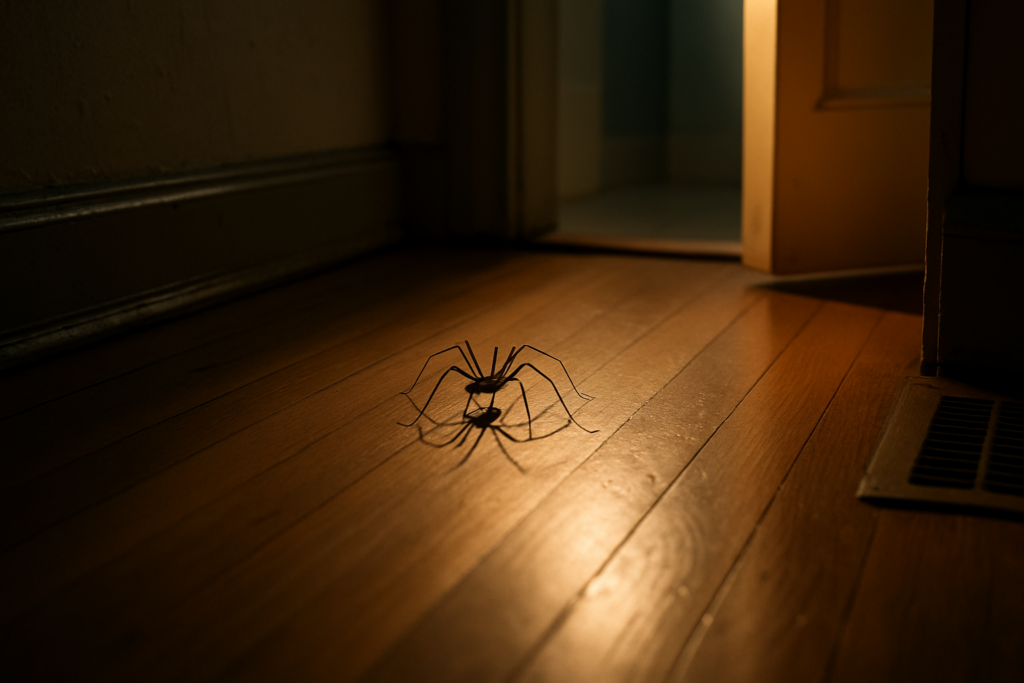
You’ve sprayed the perimeter. You’ve tried peppermint oil, bay leaves, cedar chips, and whatever else the internet recommended. And yet, a few weeks later, there’s another cockroach running across your kitchen floor at midnight. It’s one of the most frustrating cycles a homeowner can get stuck in.
In Santa Cruz County, this cycle happens more than it should — and the local climate is part of the reason. The coastal fog and mild winters that make this area beautiful also mean cockroaches never fully go dormant here. In communities like Capitola and Live Oak, where humidity stays elevated year-round, cockroaches can stay active and feeding through January and February. Most homeowners expect pest pressure to ease off in winter the way it does inland. In this county, it usually doesn’t.
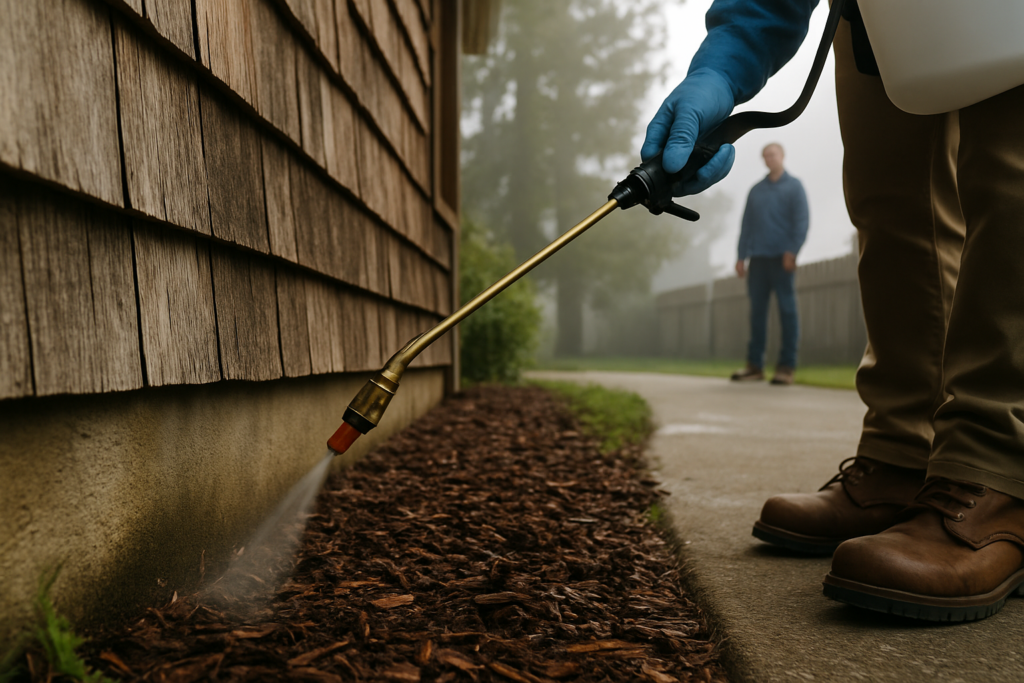
This article isn’t a list of deterrents to try next. It’s an honest look at why scent-based repellents delay the problem rather than address it — and what a real inspection actually looks for that a spray bottle never can.
The Problem With Repelling Cockroaches Instead of Removing Them
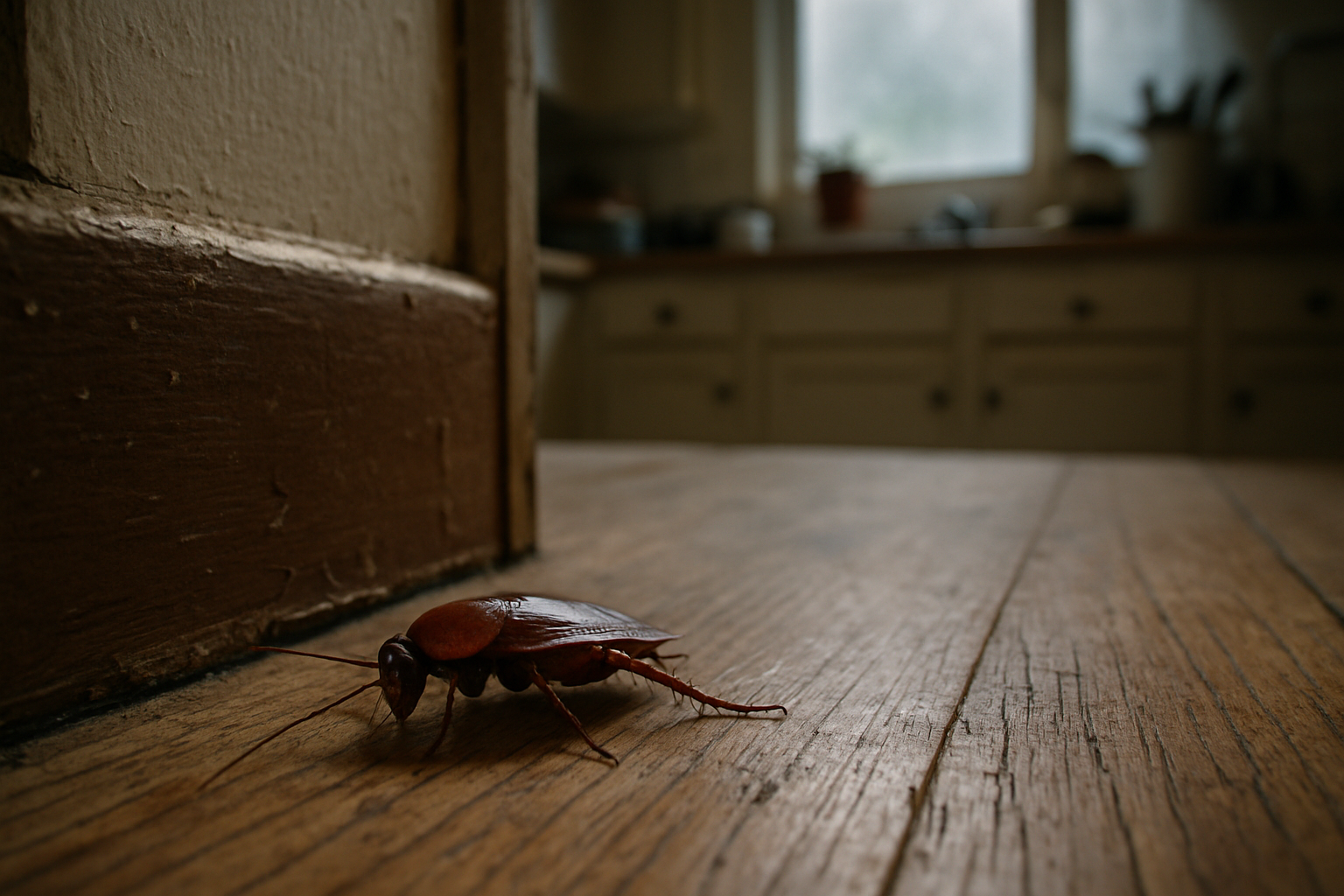
Cockroaches don’t follow food trails the way ants do. They explore broadly, squeeze through gaps as narrow as a credit card, and establish harborage in places that have nothing to do with where you last saw one. When you spray a deterrent in one spot, you’re not removing cockroaches — you’re redirecting them.
That distinction matters a lot in older Santa Cruz-area homes. The bungalows and beach cottages common along the Westside and in Seabright were built in an era before pest-proof construction was a consideration. They typically have:
- Multiple unsealed pipe chases running through walls between units or floors
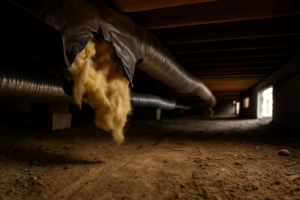
- Crawlspaces and subfloor voids that connect freely to interior wall cavities
- Gaps behind cabinets and around plumbing that weren’t designed to be sealed
- Aged weatherstripping and door sweeps that no longer create a real barrier
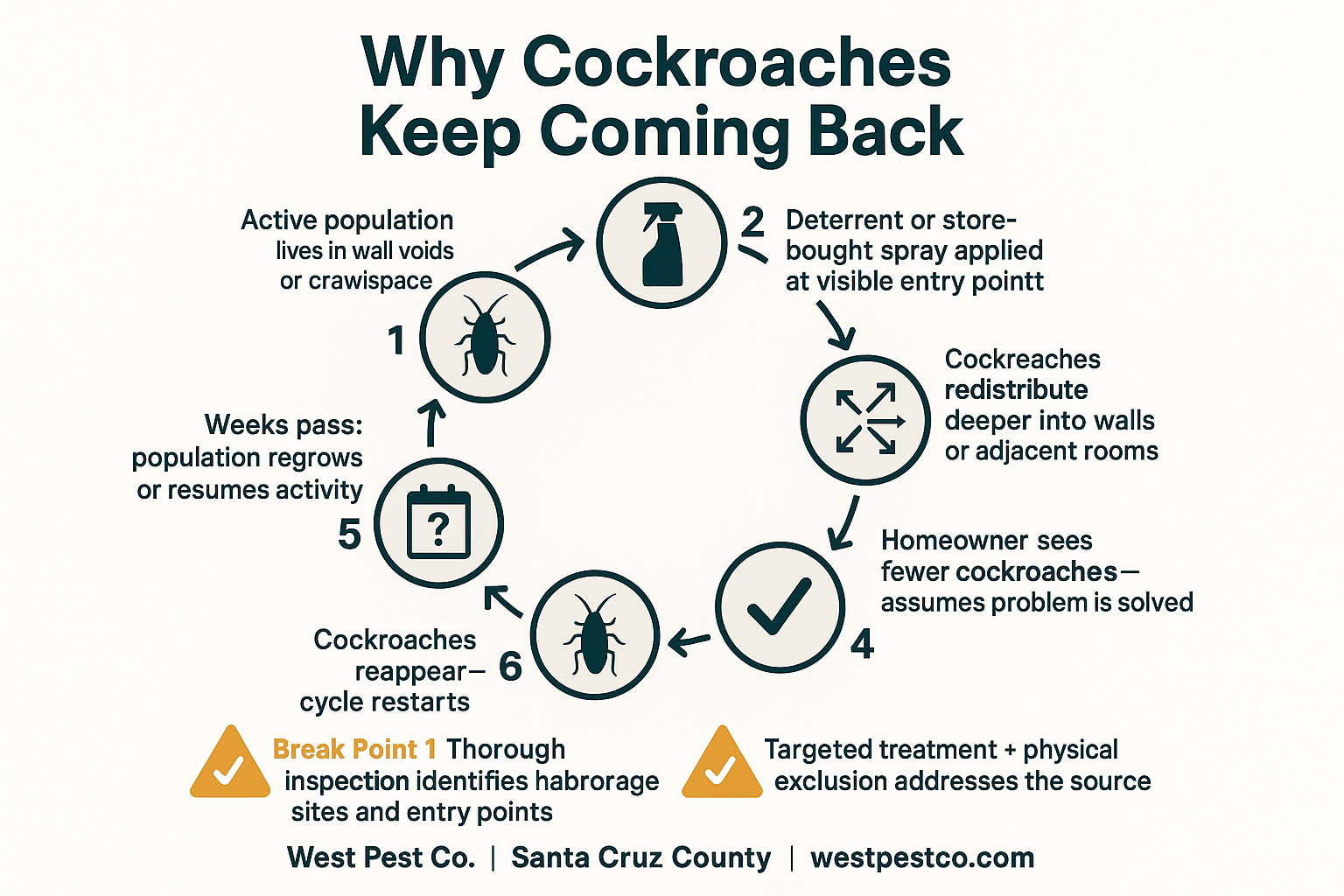
Spray a natural cockroach deterrent at one entry point and the population doesn’t leave — it migrates. They move deeper into the wall, into an adjacent room, or into a void you never knew existed. The infestation doesn’t shrink; it redistributes.
This is why so many homeowners describe the same frustrating pattern: treat one area, stop seeing activity there, and then find them somewhere else a month later. The cockroaches aren’t coming back. They never fully left.
Why Santa Cruz’s Climate Makes This Worse Than You’d Expect
Most pest control advice online is written for climates with hard winters — places where cold temperatures interrupt cockroach activity and give homeowners a natural reset. That logic doesn’t apply along California’s Central Coast.
Santa Cruz County’s year-round fog and moderate humidity create near-ideal conditions for German cockroaches and other species to remain active through the months when homeowners aren’t thinking about them. A cockroach population that’s been quietly living in a wall void through November and December will still be there, and growing, when March arrives.
The seasonal window that people elsewhere use to deep-clean, seal up, and reset simply doesn’t exist here in the same way. By the time a Santa Cruz homeowner notices cockroaches again in spring, the population has typically been active for months without any visible sign. That’s why the first sighting is rarely an early warning — it’s usually a signal that a larger population has already established itself somewhere out of sight.
For homeowners researching a cockroach deterrent after months of failed DIY attempts, this context is worth sitting with. The goal isn’t to find a better spray. The goal is to understand why the building itself is allowing re-entry in the first place.
The Cockroach Re-Entry Cycle (And Where It Actually Breaks)
This diagram shows why the cycle keeps repeating — and the two points where it can actually be interrupted.
What a Real Inspection Looks For — vs. What a Spray Visit Does
There’s a pattern that comes up often in the reviews and call records for West Pest Co.: homeowners who had already hired one or two other companies before calling, without success. One reviewer put it plainly — Matthew “solved the issue on his first visit” after two other companies had come and gone.
That outcome comes down to what happens before any product is applied. A routine spray visit treats surfaces. A thorough inspection treats the building.
Here’s what a real cockroach inspection is actually looking for:
- Harborage sites — warm, humid, dark voids where cockroaches spend most of their time (not just where they’re seen)
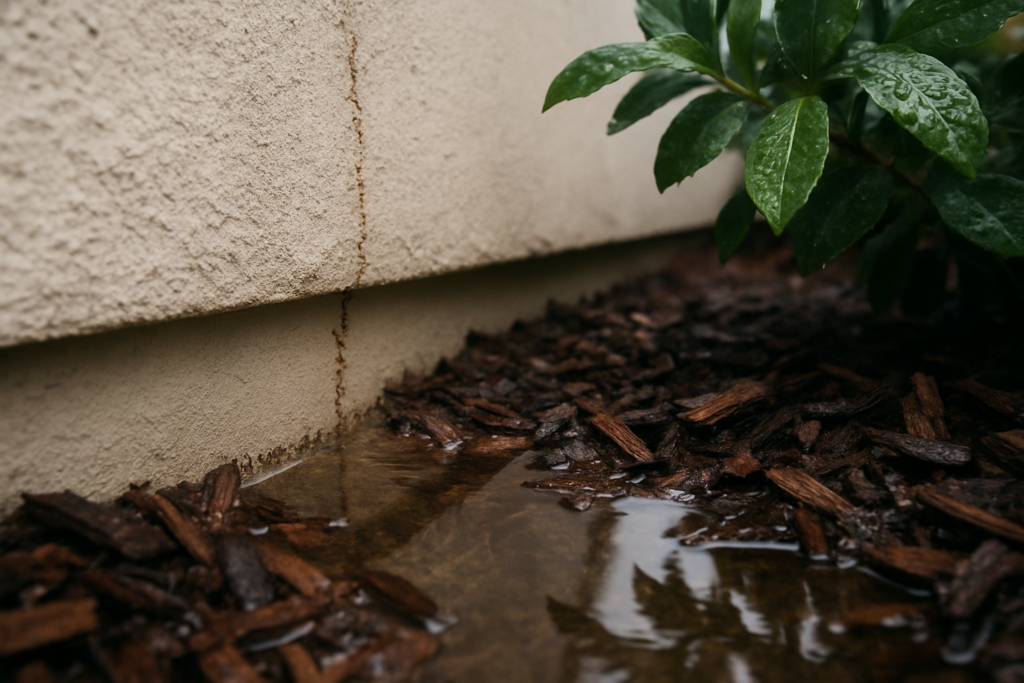
- Moisture sources — slow leaks under sinks, condensation around pipes, and standing water in crawlspaces that cockroaches seek out
- Structural gaps — cracks in the foundation, unsealed conduit penetrations, gaps around plumbing where it enters the wall
- Evidence of activity — egg casings, shed skins, and fecal spotting that indicate where the population is densest
- Traffic patterns — grease marks along baseboards and cabinet edges that show where cockroaches travel regularly
Many of these indicators are in places a homeowner would never think to look. You can read more about what this process actually involves in what pest inspectors look for that homeowners usually miss.
The point is that a spray applied without this information is largely guesswork. It may reduce visible activity for a few weeks, but it doesn’t address where the population is living — and that’s the question that actually needs an answer.
One customer who had dealt with both a mouse problem and a recurring insect issue described Matthew’s approach this way: he went under the house, found the source in both cases, explained the mechanism of what was happening, and walked her through the solution rather than just spraying and billing. That’s the difference between treating a symptom and treating a problem. If you’re curious about how this process compares to a standard inspection, the difference between a pest inspection and a regular home inspection is worth a read.
Natural Cockroach Deterrents vs. Professional Treatment: What Each Actually Does
This comparison isn’t about which option costs more — it’s about what each one is actually capable of accomplishing.
| Approach | What It Does | What It Can’t Do |
|---|---|---|
| Peppermint oil / essential oils | Creates a temporary scent barrier at treated surfaces | Doesn’t affect cockroaches already inside walls or voids |
| Bay leaves / cedar | May deter cockroaches from a very localized area | No effect on harborage sites or established populations |
| Store-bought perimeter spray | Kills cockroaches that walk across treated surfaces | Doesn’t reach hidden populations; doesn’t seal entry points |
| DIY bait stations | Can reduce population over time if placed correctly | Placement without inspection often misses highest-activity zones |
| Professional inspection + targeted treatment | Identifies harborage, treats at the source, addresses entry points | Not a permanent fix — structural gaps may require follow-up exclusion work |
The Entry Point Question Is the One Worth Asking
After the inspection, the most important conversation isn’t about which product to use. It’s about how cockroaches are getting in and where they’re staging once inside.
For a lot of Santa Cruz County homes — especially the older stock in Seabright, the Westside, and beach-adjacent neighborhoods in Aptos — complete exclusion isn’t realistic without significant construction work. There are simply too many pipe chases, wall voids, and foundation gaps to seal every one with spray or caulk alone. A good technician will be honest about that.
What targeted treatment can do is reduce the active population, disrupt harborage sites, and make the environment significantly less hospitable. That’s a realistic and meaningful outcome — it’s just different from the idea that one spray visit solves everything permanently.
Homeowners who’ve been through the DIY cycle and are considering whether to stop handling the pest problem on their own often describe the same turning point: they realized they kept treating what they could see instead of what they couldn’t. The entry point question reframes the whole problem.
Frequently Asked Questions About Cockroach Deterrents and Re-Infestations
Do natural cockroach repellents like peppermint oil actually work?
They can deter cockroaches from crossing a specific treated surface — temporarily. But they don’t affect populations living inside walls, under appliances, or in crawlspaces. If you have an active infestation, scent-based deterrents will shift where you see cockroaches, not how many there are.
Why do cockroaches keep coming back after I spray?
Most store-bought sprays only kill cockroaches that walk across the treated surface. The bulk of the population is usually in a void or harborage site you haven’t located — and they’re not going anywhere. Until the source is identified and treated directly, re-emergence is almost guaranteed.
Is it worse to have cockroaches in an older home?
Older homes do tend to offer more harborage opportunities — more gaps, more aged plumbing penetrations, more uninsulated wall cavities. Santa Cruz County’s older bungalow and beach cottage stock is particularly vulnerable because those homes were built without modern pest-exclusion standards. That doesn’t mean the problem can’t be addressed — it just means a thorough inspection matters more, not less.
Do cockroaches go away in winter in Santa Cruz?
Generally, no. The coastal humidity and mild temperatures in Santa Cruz County mean cockroach activity doesn’t follow the same seasonal pattern as inland California. Communities like Capitola and Live Oak tend to see sustained activity even in the coldest months. Don’t assume a quiet winter means the problem resolved itself.
How do I know if I have a bigger infestation than I think?
If you’re seeing cockroaches during the day, that’s usually a sign the population is large enough that they’re getting pushed out of hiding by competition. Other indicators include fecal spotting along baseboards, a faint musty odor, and egg casings behind appliances or under sinks. One cockroach seen at night is a different situation than cockroaches appearing in multiple rooms at various times of day.
What should I expect from a professional cockroach treatment?
A thorough visit starts with an inspection — not a spray. The technician should identify where cockroaches are living, not just where they’re appearing. Treatment is then applied at harborage sites, entry points, and traffic areas. One visit may significantly reduce activity, but follow-up is sometimes needed depending on the severity and the structure of the home. Expect honest communication about what’s realistic, not a guarantee of permanent elimination.
Still Seeing Cockroaches After Multiple Attempts?
West Pest Co. serves homeowners throughout Santa Cruz County — from the Westside and Seabright to Aptos, Capitola, and Watsonville — and Matthew West has been voted Best Pest Control in Santa Cruz two consecutive years for exactly the kind of thorough, honest work that breaks this cycle. If you’re ready to stop guessing and find out what’s actually happening in your home, reach out directly at (831) 430-8402 or visit westpestco.com to get in touch.