Quick Answer
Ants return after treatment because most over-the-counter products only kill the workers you can see, leaving the colony, and its queen, untouched underground. Without eliminating the source of the infestation, new workers are continuously sent out to forage, making recurring activity almost inevitable. Effective ant control requires identifying the colony location, using treatments that reach the nest, and addressing the conditions that originally attracted them.
For a lot of homeowners, this starts with the same frustrating scene. You wipe down the counter, spray the trail, things look quiet for a day or two, and then the ants are back in the same spot.
If you're asking why do ants keep coming back even after treatment?, the short answer is that the ants you see aren't the whole problem. They're the visible edge of a hidden colony, a lot like cutting the top off a weed while the root stays alive under the soil.
Introduction
That repeat activity doesn't always mean you did nothing. More often, it means the treatment only reached the foragers and never got to the colony that keeps replacing them.
In Santa Cruz County, this is especially common because ants stay active for long stretches of the year. Mild weather, moisture, and easy food sources around the home give colonies plenty of chances to recover and re-establish.
If you're curious why ants keep following the same routes indoors, West Pest Co. also has a helpful explanation of can ants smell food.
The Hidden Colony Why Killing Foragers Is Not Enough

The biggest mistake people make is treating the ants they can see as if those ants are the infestation. They aren't. They're the workers sent out to look for food and water.
A colony can hold up to 10,000 workers or more, and a queen can lay up to 800 eggs per day. Traditional sprays often kill only 10-20% of visible foragers, leaving 80-90% of the colony intact, including eggs and larvae that can hatch into new workers within 2-4 weeks (Western Pest Services, why ants return).
Why surface sprays feel effective at first
When you spray a trail on the counter or along a baseboard, you get immediate results. Dead ants show up fast, and that feels like progress.
But that's a cosmetic win, not a colony win. If the queen survives, the colony keeps producing replacements.
Practical rule: If a treatment only kills the ants you can watch moving, it usually hasn't solved the underlying problem.
Why the nest matters more than the trail
Think of a trail as a supply line. The workers on it are doing a job for a much larger system hidden in soil, behind siding, under concrete, or inside a wall void.
That's why the same kitchen corner can become active again even after repeated spraying. The colony still has a reason to send workers back there.
A lot of homeowners also run into trouble because they rely on random products without knowing how they work. This breakdown of do ant traps really work and what Santa Cruz pros recommend is useful if you're trying to sort out what helps and what only looks helpful for a few days.
What needs to happen
Effective ant control targets the colony, not just the visible traffic. That usually means identifying the species, figuring out where activity is starting, and using a treatment the workers carry back instead of one that only repels or kills on contact.
That's also why recurring ants after a DIY attempt are so common. The colony isn't gone. It's still operating, and your home is still on its map.
Common Reasons Your Ant Treatments Are Failing
Some homes have one obvious trail. Others have ants showing up in a bathroom, then the kitchen, then around a window a week later. That pattern usually points to a treatment problem, not bad luck.
Repellent products can push the problem around
Many store products work by repelling ants or killing them on contact. That can break up a visible line, but it can also make the colony shift routes.
Instead of marching across one baseboard, ants may start appearing under a sink, near a slider, or along another exterior wall. To the homeowner, it looks like a brand-new infestation. In practice, it's often the same colony responding to pressure.
The wrong treatment gets cleaned up too soon
This is a common one. A homeowner sees more ants around bait and assumes the product backfired.
In reality, bait often works by drawing workers in so they can carry it back to the nest. If the bait gets wiped away too early, the treatment never finishes the job.
More ants right after treatment doesn't always mean failure. In many cases, it means the ants have found the material that's supposed to reach the colony.
Trails stay active even after the crumbs are gone
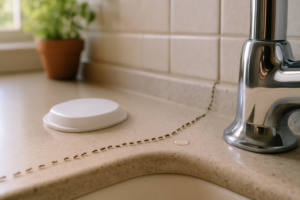
Ants don't just remember where food was. They leave chemical trails that guide the next wave of workers.
If those trails stay in place, new foragers keep returning to the same counter edge, cabinet seam, or threshold. Even a very clean house can have a recurring ant issue when those pathways remain active.
Santa Cruz homes create easy ant conditions
Around Santa Cruz County, ants don't need much of an opening. A tiny gap under trim, a damp area near an exterior faucet, pet food, fruit on the counter, or irrigation close to the foundation can keep pressure on a house.
Older homes can be especially tricky because they often have more small entry points and more hidden voids. Newer homes aren't immune either, especially when landscaping, mulch, or moisture give ants a comfortable route right up to the structure.
If repeated self-treatment has you stuck in the same cycle, this guide on 5 times DIY pest control fails and what to do in 2026 lays out the turning point pretty well.
A simple way to judge the situation
If ants have come back more than once after spraying, or if you're seeing trails in multiple rooms, it's worth assuming the colony itself was never addressed.
At that point, using more of the same product usually just repeats the same result. The method has to change.
The Santa Cruz Factor Why Local Ants Are So Persistent

Santa Cruz County gives ants a long working season. Moisture, mild temperatures, and shaded areas around homes let colonies stay active when colder inland areas might slow them down more sharply.
That matters because homeowners often expect one good summer treatment to carry them much longer than it does. Here, colonies often slow down, then rebound when conditions improve.
Argentine ants are a local headache
One reason ant problems can feel so stubborn is the behavior of common California species such as Argentine ants. They don't always act like a single, isolated nest in one obvious spot.
The larger network is what makes single-point spraying so disappointing. You may hit one trail and still leave the broader colony system untouched.
Local climate changes how treatment should be approached
In a drier or colder climate, there may be a more distinct off-season. In Santa Cruz, homes often deal with lower but persistent pressure through much of the year.
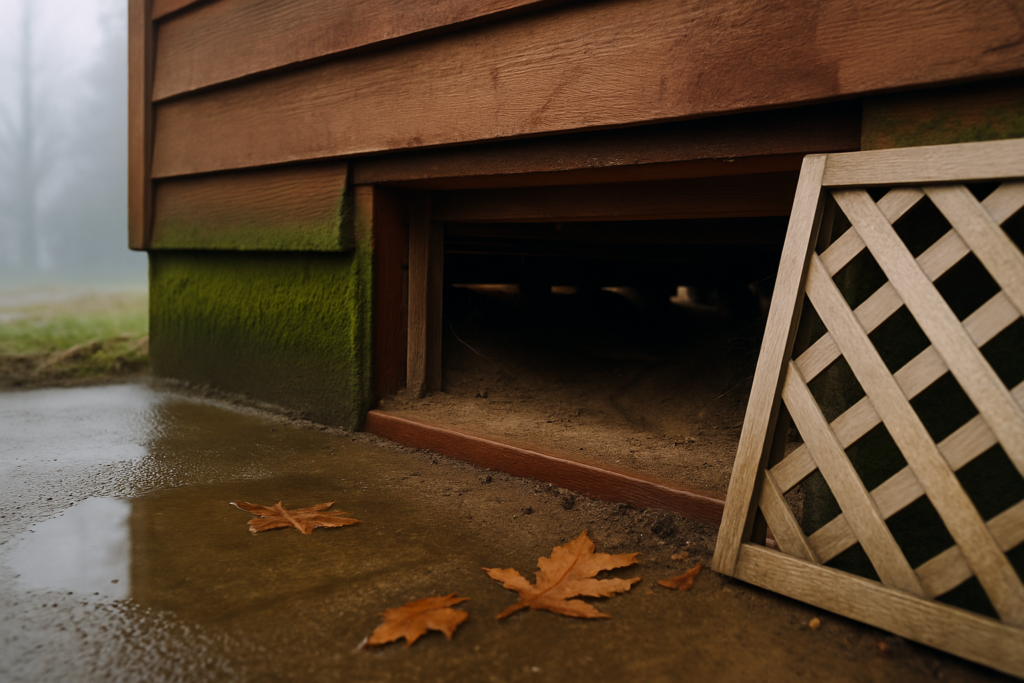
That means a one-size-fits-all approach usually falls short. Inspection matters more here because the source may be tied to irrigation, crawlspace moisture, exterior cracks, or vegetation touching the house.
For a broader local picture, West Pest Co.'s article on Santa Cruz pest seasons are expanding and why this is the case gives useful context.
In this area, recurring ants usually aren't a sign that the house is dirty. They're usually a sign that local conditions are helping the colony stay active.
A Better Approach How Professional Ant Control Works

Professional ant control starts with inspection, not guessing. The technician looks at where ants are entering, where they are foraging, what conditions are supporting them, and which treatment type fits that ant behavior.
What a targeted treatment is trying to do
A bait-based plan works very differently from a quick spray. Instead of driving ants away from a trail, the goal is to let workers pick up treatment and carry it back into the colony.
Post-treatment activity often increases by 50-200% within 24-72 hours due to bait attraction, and this effect is part of 80% of professional ant controls (Thomas Pest Services, why there are more ants after treatment). That short-term increase is often the part homeowners find hardest to trust.
What homeowners should do during that window
The main job is patience. If a technician places bait in an active area, don't spray over it and don't wipe it away unless you've been told to do so.
Support the treatment by doing the basics well:
- Keep competing food down: Store sweets, pet food, and pantry items tightly so the bait remains the easier target.
- Fix moisture sources: Drips under sinks and damp exterior areas keep ants interested in staying nearby.
- Watch the pattern: New trail location, time of day, and room-to-room movement can help refine treatment.
- Seal once activity drops: Caulking too early can trap ants inside or shift them to another route.
One option homeowners look at when they want a more systematic plan is ant control in Santa Cruz County, especially after repeated DIY failures.
Why integrated methods usually work better
The strongest approach combines inspection, targeted treatment, and prevention. That can include baiting, exclusion, sanitation guidance, and follow-up based on what the ants do after the first visit.
If you want to understand that method better, this explanation of what is integrated pest management and a smart eco-friendly solution is worth reading.
Don't judge an ant treatment only by what you see in the first day or two. Judge it by whether activity tapers off after the colony has had time to circulate it.
Practical Steps for Troubleshooting and Prevention

If ants keep returning to the same spots, troubleshooting needs to be practical. Start with where you see the trail, then work outward to entry points, food access, and moisture.
Ant pheromone trails can remain detectable on surfaces for days or even weeks despite normal cleaning, and 70-80% of recurring ant issues stem from persistent untreated trails rather than entirely new colonies (Steri-Fab, ants keep returning to the same spot).
Clean for scent removal, not just appearance
A counter can look spotless and still guide ants back. Focus on wiping the full route, including backsplash edges, cabinet faces, window sills, and floor lines where ants were traveling.
Try this checklist:
- Use thorough wiping pressure: A quick swipe isn't enough when the goal is to break a scent path.
- Follow the full trail: Clean beyond the visible cluster. Ants often approach from farther back than expected.
- Repeat for several days: One cleaning may not be enough if scouts are still re-marking the route.
Check where the house gives ants an easy opening
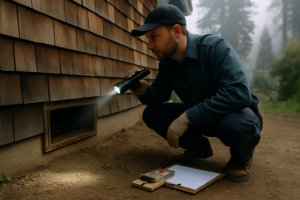
Walk the exterior and look low and slow. Around utility penetrations, foundation cracks, worn door sweeps, window trim gaps, and hose bibs are common problem spots.
Inside, pay attention to bathrooms, kitchen plumbing penetrations, laundry rooms, and any place with steady moisture. If trails keep appearing near landscaping, reducing excess debris and old decaying wood can help. In some yards, broader cleanup projects matter too, and this guide on how to remove tree stumps is a useful reference when old wood and damp areas are contributing to pest harborage.
Make the property less attractive
Small changes help more than people think:
- Trim vegetation back: Branches and groundcover touching the house create easy travel routes.
- Manage food habits: Rinse recyclables, store fruit, and don't leave pet bowls down overnight if ants are active.
- Reduce standing moisture: Irrigation overspray and slow leaks support foraging.
- Track repeat zones: If ants keep returning to the same wall or room, that clue matters.
None of these steps replaces colony-targeted treatment, but they do make the treatment work better and reduce the chances of ants re-establishing the same pattern.
Frequently Asked Questions About Ant Treatments
Q: Why am I seeing more ants after treatment?
A: That can happen when bait is doing its job. Post-treatment activity can rise for a short period because workers are being drawn in and carrying material back to the colony. What matters is whether the activity starts tapering off rather than spreading unchecked.
Q: How long does it take for ant treatment to work?
A: It depends on the colony, the species, and the treatment method. Contact sprays act fast on visible ants, but colony-targeted work takes longer because the material has to move through the nest. That's why immediate results and lasting results aren't the same thing.
Q: Should I clean up bait if I don't want ants in the kitchen?
A: Usually, no. If bait was placed intentionally, cleaning it too soon can interrupt the process and leave the colony alive. If you're unsure whether a material is bait or just active foraging, ask your technician before wiping it away.
Q: Are natural methods enough for recurring ants?
A: Sometimes they help with cleanup, exclusion, or short-term reduction, but recurring infestations often need a more targeted plan. If you want a homeowner-friendly overview of lower-toxicity ideas, this article on how to kill ants naturally can be a useful starting point.
Q: When should I stop trying to handle it myself?
A: If ants have returned after repeated self-treatment, or if they're showing up in multiple rooms, it usually means the method isn't reaching the colony. That's the point where inspection and a different strategy make more sense than another round of spray.
Q: How much does professional ant treatment cost?
A: There isn't one flat price that fits every home. Cost depends on the size of the property, the severity of activity, where ants are nesting, and whether follow-up is needed. The practical next step is to get an estimate based on your layout and ant pressure.
Your Local Partner in Pest Control
Recurring ant problems usually need local judgment, not generic advice. In Santa Cruz County, treatment has to account for moisture, long activity seasons, and the way common local ants use exterior conditions to keep pressing back into the home.
West Pest Co. is a locally owned company, and that local familiarity matters when ant patterns change from neighborhood to neighborhood. The company also offers treatment options that can be customized for the household, including conventional, eco-focused, and no-chemical approaches, so the plan can match both the pest issue and the client's comfort level.
Call to Action
If you're still dealing with the same ant trail after repeated treatment, a fresh inspection can usually clarify what's being missed. To talk through the problem or request an estimate, visit westpestco.com or call West Pest Co. at [confirm with client before publishing].
Sources
Western Pest Services. "Why Ants Return." Year not provided. https://www.westernpest.com/blog/why-ants-return/
Thomas Pest Services. "Why Are There More Ants After My Ant Treatment." Year not provided. https://thomaspestservices.com/atlas-theme-blog/post/why-are-there-more-ants-after-my-ant-treatment
Steri-Fab. "Ants Keep Returning Same Spot." Year not provided. https://www.sterifab.com/post/ants-keep-returning-same-spot
If ants keep reappearing despite repeated treatments, the colony is likely larger or better-hidden than DIY products can reach. Santa Cruz ant control from a licensed team locates and eliminates the source — not just the scouts.
If ants keep coming back even after treatment, West Pest Co. can help identify what is driving the activity and whether the issue is the trail, the entry points, or the colony itself. A quick conversation or estimate is a low-pressure way to figure out the next step.
.lwrp.link-whisper-related-posts{
margin-top: 40px;
margin-bottom: 30px;
}
.lwrp .lwrp-title{
}.lwrp .lwrp-description{
}
.lwrp .lwrp-list-container{
}
.lwrp .lwrp-list-multi-container{
display: flex;
}
.lwrp .lwrp-list-double{
width: 48%;
}
.lwrp .lwrp-list-triple{
width: 32%;
}
.lwrp .lwrp-list-row-container{
display: flex;
justify-content: space-between;
}
.lwrp .lwrp-list-row-container .lwrp-list-item{
width: calc(25% – 20px);
}
.lwrp .lwrp-list-item:not(.lwrp-no-posts-message-item){
}
.lwrp .lwrp-list-item img{
max-width: 100%;
height: auto;
object-fit: cover;
aspect-ratio: 1 / 1;
}
.lwrp .lwrp-list-item.lwrp-empty-list-item{
background: initial !important;
}
.lwrp .lwrp-list-item .lwrp-list-link .lwrp-list-link-title-text,
.lwrp .lwrp-list-item .lwrp-list-no-posts-message{
}@media screen and (max-width: 480px) {
.lwrp.link-whisper-related-posts{
}
.lwrp .lwrp-title{
}.lwrp .lwrp-description{
}
.lwrp .lwrp-list-multi-container{
flex-direction: column;
}
.lwrp .lwrp-list-multi-container ul.lwrp-list{
margin-top: 0px;
margin-bottom: 0px;
padding-top: 0px;
padding-bottom: 0px;
}
.lwrp .lwrp-list-double,
.lwrp .lwrp-list-triple{
width: 100%;
}
.lwrp .lwrp-list-row-container{
justify-content: initial;
flex-direction: column;
}
.lwrp .lwrp-list-row-container .lwrp-list-item{
width: 100%;
}
.lwrp .lwrp-list-item:not(.lwrp-no-posts-message-item){
}
.lwrp .lwrp-list-item .lwrp-list-link .lwrp-list-link-title-text,
.lwrp .lwrp-list-item .lwrp-list-no-posts-message{
};
}