Do ant traps really work? The short answer from our Santa Cruz pros is yes. But their success depends on a big "if"—if you use the right trap for the specific ant invading your home. Getting rid of ants for good isn't about killing the ones you see; it's about taking out the entire hidden colony.
Dealing with a constant trail of ants can be frustrating. This guide explains how ant traps work, why your store-bought traps might be failing, and what our local experts recommend for Santa Cruz homes.
The Professional Answer on Ant Traps in Santa Cruz
When you see ants marching across your kitchen counter, your first thought might be to grab a spray can. But any seasoned pro will tell you the real solution is to turn their own social structure against them. This is where bait traps come in, and they're the core of modern ant control.
The concept is simple: worker ants find the bait, a mix of food and a slow-acting insecticide. They carry this "food" back to the nest and share it with everyone, including the queen. This process gets the bait to the heart of the problem, causing the colony to collapse from the inside out.
Why Professionals Prefer Baits Over Sprays
For stubborn local species like the Argentine ants common in Santa Cruz County, baiting is much more effective than sprays. Here’s why we almost always choose bait:
- It Targets the Source: Sprays only kill the foraging ants you can see. Meanwhile, the queen and the nest are safe, ready to produce thousands more replacements.
- It Avoids Scattering: Spraying an ant trail can cause the colony to panic and split into smaller colonies—a phenomenon called "budding." Your one ant problem can suddenly turn into three or four.
- It’s More Eco-Friendly: Targeted bait stations keep the insecticide contained. This minimizes chemical exposure, making them a safer choice for homes with pets and children.
The global market for ant control products is expected to climb to $658.2 million by 2033, which shows how vital effective baits and traps have become in managing infestations.
This infographic breaks down the effectiveness rates for the most common types of traps.
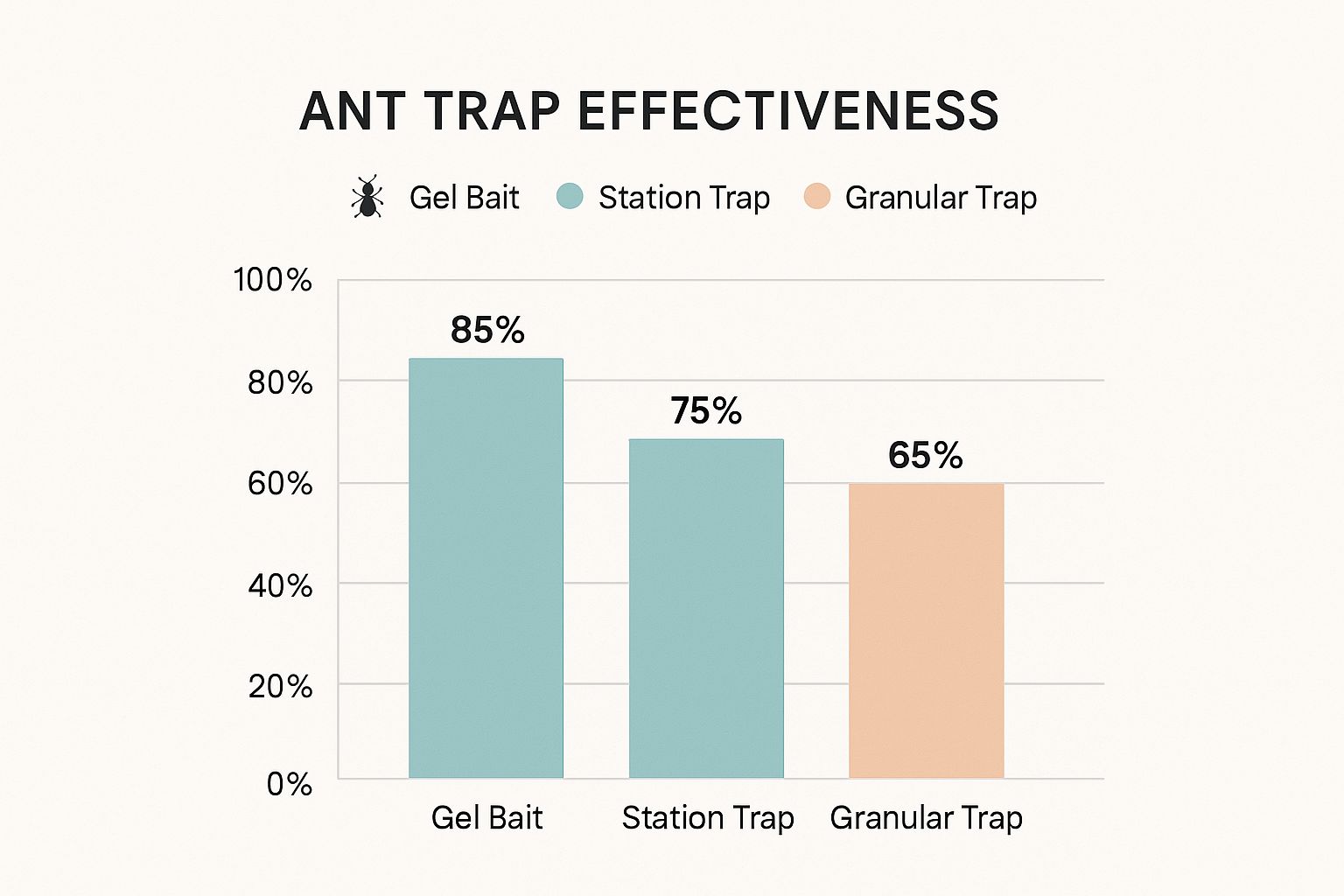
As you can see, the delivery method matters. While a store-bought trap is a single tool, a professional approach is a complete strategy. It starts with identifying the ant species and creating a custom treatment plan. That’s the difference between a temporary fix and the lasting results you get from a pest control service in Santa Cruz.
How Ant Traps Turn a Colony's Strengths Against It
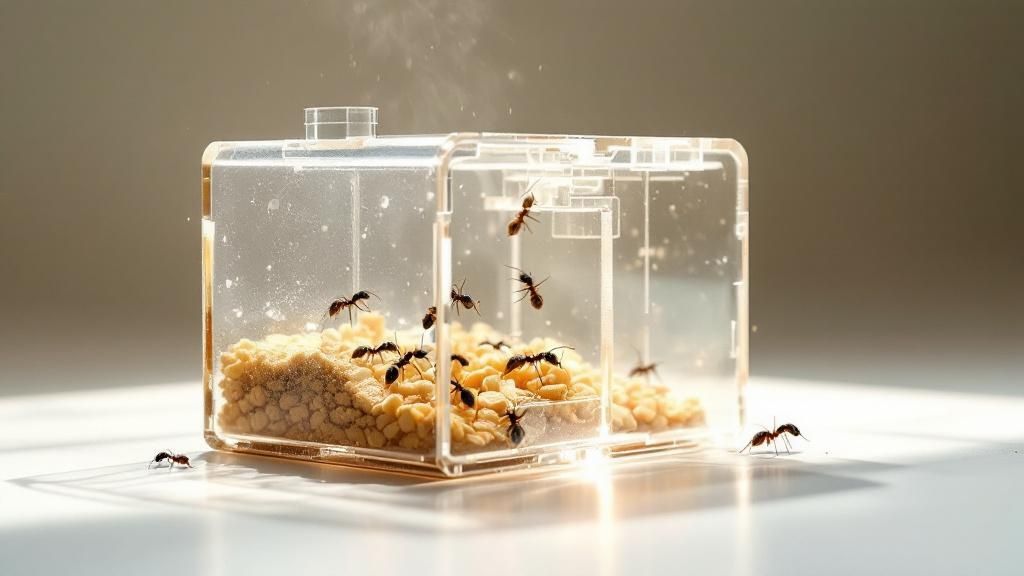
To understand how ant traps work, you have to think like an ant. The colony you're fighting is like a massive, hidden city with the queen at its center. The thousands of worker ants you see are just the delivery drivers for this city.
The goal isn't to stop those drivers. It's to send a "Trojan Horse"—the bait—back to the city's command center. The trap's clever design uses their greatest strength, their instinct to share food, against them.
The Science of the Slow-Acting Bait
Effective ant baits are intentionally slow-acting. This delay is critical because it gives the forager ant enough time to make the journey back to the nest.
Once there, it shares the poisonous meal with other ants, the larvae, and most importantly, the queen. This sharing process, called trophallaxis, is what makes bait traps so powerful.
The widespread use of this strategy is no accident. In fact, bait-formulated ant traps make up about 46.2% of the global ant control market because they exploit this exact social behavior to wipe out entire colonies. You can learn about the ant control industry's reliance on bait systems to see just how dominant this approach is.
A Pro's Perspective: "We see it all the time in Santa Cruz homes. A homeowner sprays an ant trail, and a week later, the ants are back. That's because they only killed the foragers. Bait traps are the only way to ensure the product reaches the queen and stops the problem at its source."
Sugar vs. Protein: What Your Ants Want
Not all baits are created equal, and a colony's dietary needs can change. A professional pest technician in Santa Cruz knows that identifying the ant species is the first step to choosing the right bait.
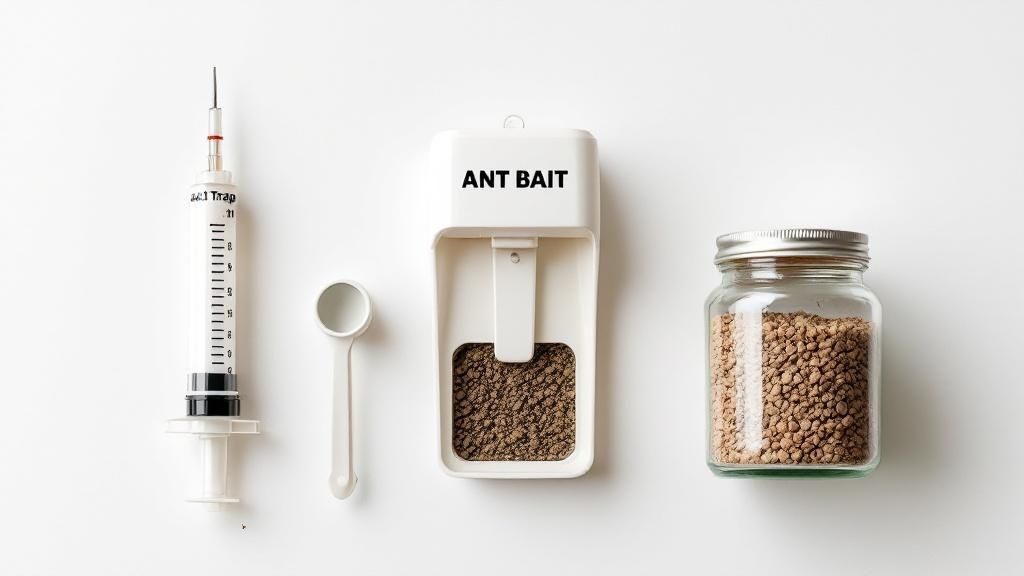
- Sugar-Based Baits: These are perfect for species like Argentine ants, the most common invaders in Santa Cruz homes. They have a sweet tooth and are drawn to sugary gels, especially in spring and summer.
- Protein-Based Baits: Other ant species might seek proteins and fats, particularly when the colony is growing. Granular baits often cater to this need.
Trying to use a protein bait for a sugar-loving ant is a common reason DIY traps fail. At West Pest Co., our technicians first identify the ant species in your home. Then, we select a professional-grade bait that we know they'll carry back to their nest. This targeted approach is key to getting reliable results.
Identifying Common Ants in Santa Cruz County
To get rid of ants for good, you have to know what you're up against. Ever wonder why that generic trap you bought at the hardware store didn't work? It was likely not designed for the specific ant species in your home.
Here in Santa Cruz, Aptos, and Scotts Valley, one particular ant is the culprit behind most of the calls we get. Not all ants are the same. Their diets, nesting habits, and colony structures can be very different. A bait that one species loves might be ignored by another.
This is why a professional ID is the most important step in any ant control plan.
The Argentine Ant: The King of Kitchen Invaders
If you’re seeing a straight, single-file line of tiny, dark brown ants heading for your sink or pantry, you’re almost certainly looking at Argentine ants (Linepithema humile). They are the #1 pest we deal with in Santa Cruz County. These invaders are famous for creating massive "supercolonies" that can house millions of ants and dozens of queens.
What makes them such a problem for homeowners?
- They love sugar. Their diet is mostly sugary stuff, which is why they invade kitchens. This gets worse during our dry coastal summers when their natural food sources outside disappear.
- They have multiple nests. Unlike ants with a single, deep nest, Argentine colonies are spread out. They create shallow nests under rocks, in garden mulch, or along sidewalk cracks, making them hard to wipe out.
- They build ant "highways." They lay down strong scent trails that thousands of workers follow. This creates the persistent lines you see on your floors and countertops.
Other Notable Ants in Our Area
While Argentine ants are most common, a few other species pop up in local homes. Knowing how to spot them can give you clues about where they’re coming from.
Odorous House Ants: These tiny black ants are known for the rotten coconut smell they give off when crushed. Like Argentine ants, they’re after sweets and often nest in wall voids or under flooring. The good news is their colonies are much smaller, making them easier to control.
Carpenter Ants: These are the big guys. Carpenter ants are larger and can be black or reddish-black. They are more than a nuisance—they dig tunnels in wood to build their nests, which can lead to structural damage. You can learn more about the risks they pose and find out if carpenter ants are dangerous in our detailed guide.
Here in Santa Cruz, our unique coastal climate impacts ant behavior. Mild, damp winters let colonies grow, and dry summers send them into our homes for food and water. Understanding these local cycles is the secret to effective, year-round prevention.
Common Reasons Your Store-Bought Traps Are Failing
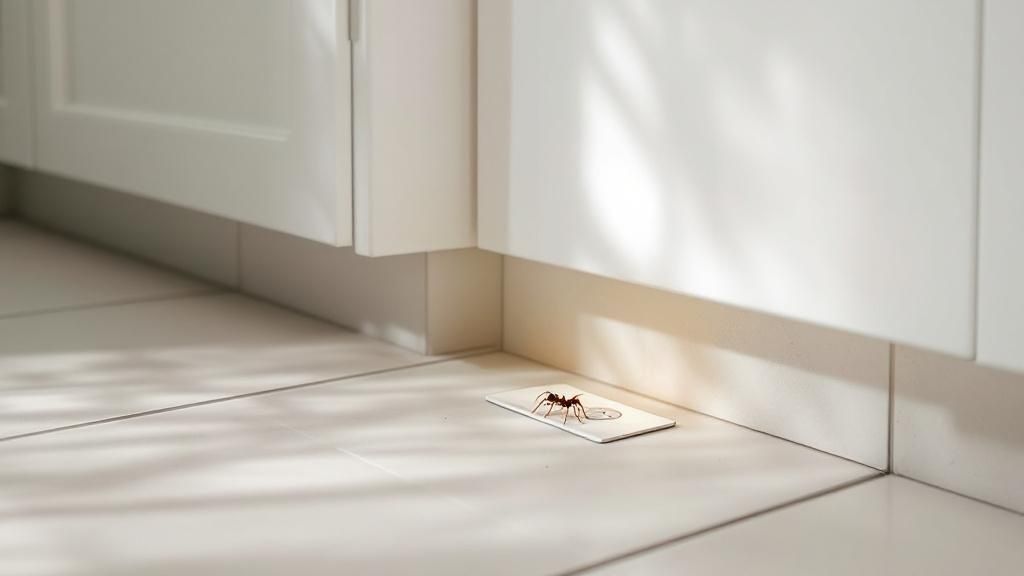
It’s a story we hear often from homeowners in Santa Cruz. You’ve placed ant traps in all the right spots, but the line of ants across your kitchen floor just gets longer. If this sounds familiar, you're not alone. DIY ant traps often fail for reasons that go beyond the product itself.
The problem isn't usually that the trap is useless. It’s that a critical piece of the puzzle is missing. Getting rid of ants is a game of strategy. You need the right bait, the perfect placement, and the right conditions for it all to work.
You Are Using the Wrong Bait
One of the biggest mistakes is using the wrong "flavor" of bait. Here in Santa Cruz, we're dealing mostly with Argentine ants, and they have a serious sweet tooth. Using a protein-based bait on them is like offering a toddler a kale salad instead of a cookie—they'll just walk past it.
A colony’s diet can also change with the seasons. In the spring, they might want protein. But in the dry summer months, they're desperate for sugar and water. A pro knows how to identify the ant and figure out what they're hungry for right now.
Your Placement Is Off
Ants are creatures of habit. They follow invisible chemical highways called pheromone trails. If you place a trap even a few inches off this path, they will never know it's there.
A Pro Tip From Santa Cruz: We always place bait stations directly in the line of an active ant trail. Don't put it near the trail; put it right on it. This forces the ants to interact with the bait, making it almost certain they’ll carry it back to the colony.
You Are Sabotaging Your Own Efforts
Believe it or not, your cleaning habits could be the problem. Many household cleaners, especially those with strong smells like citrus or bleach, disrupt ant trails. If you scrub the area around the trap, you might be wiping away their scent map.
Here are a few other ways people unknowingly ruin their own efforts:
- Spraying the Ants: Don't spray the ants you see around a bait station! Those are the workers you need to carry the poison back to the nest.
- Leaving Out Other Food: Crumbs, sticky spots, or an open pet food bowl provide competition. This makes your trap much less appealing.
- Giving Up Too Soon: Getting rid of a large colony takes time. It can take a week or more for the bait to circulate through the nest.
Science backs this up. Research on fipronil-laced baits, a common active ingredient in professional products, showed major success in controlling invasive Argentine ants. These studies confirm that targeted baiting is the most reliable way to handle the ant problems we face in Santa Cruz. You can read the full research about ant bait efficacy to see the data for yourself.
For more tips on winning the battle in your home, check out our guide on how to effectively kill kitchen ants.
Expert Tips for Making Ant Traps More Effective
Getting real results from ant traps is all about strategy. It’s more than just setting out a trap and hoping for the best. With a few simple tweaks, you can dramatically increase the odds that your traps will knock out the colony.
The most important rule is placement. Ants travel along invisible scent highways called pheromone trails. You have to place your bait station directly in the path of an active trail. This guarantees they’ll find the bait and tell the rest of the colony.
Prepare the Area for Success
Another critical step is to eliminate all competing food sources. Ants are opportunists, and if there’s an easier meal nearby, they’ll go for that instead. Before setting out traps, get your kitchen and other affected areas spotless.
- Clean Up Crumbs: Wipe down every counter, sweep the floors, and check under appliances.
- Secure Pet Food: Store pet food in airtight containers as soon as feeding time is over.
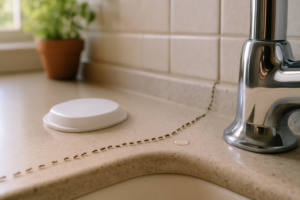
- Fix Leaks: Ants are always looking for water, especially during Santa Cruz’s dry summers. A tiny drip from a faucet is an open invitation.
By removing other options, you make the bait in your trap the most attractive thing on the menu. This is a key part of Integrated Pest Management (IPM), a strategy focused on long-term prevention. You can learn more in our guide on how to prevent ants in the house.
Be Patient and Resist the Urge to Spray
Finally, you have to be patient. It can take several days—and sometimes a couple of weeks—for a bait trap to wipe out a large colony. You might even see more ants at first, which is a good sign! It means the workers have taken the bait and are carrying it back home.
A Pro's Advice: "Whatever you do, resist the urge to spray the ants you see swarming the trap. These are the very ants you need to carry the bait back to the queen. Spraying them will break the cycle and ruin your progress."
This patient strategy is why West Pest Co. recommends using eco-friendly baiting over spraying chemicals. It’s a smarter, more responsible, and far more effective approach.
When to Call a Professional for Ant Control
DIY ant traps can be a good first step for a few stray ants. But how do you know when a minor nuisance has become a full-scale infestation that needs an expert?
Sometimes, calling a professional isn't giving up—it's a strategic move to get a long-term solution. Certain signs are clear giveaways that the problem is beyond what store-bought products can handle.
If you’re seeing ants in the kitchen and the bathroom, that’s a major red flag. This usually means the colony is huge and has set up nests inside your walls. Likewise, if you're battling the same ant invasion every spring, your DIY efforts are not solving the root problem.
Signs It's Time for Professional Help
Spotting the clues of a serious ant problem early can save you frustration. It’s probably time to call an expert when:
- You See Recurring Infestations: If ants return to the same spots year after year, the main colony is well-established nearby.
- Ants Appear in Multiple Rooms: Widespread activity is a sure sign of a massive colony that DIY traps can't handle.
- You Can’t Identify the Ant: Knowing the species is critical for choosing the right bait. Misidentification is a top reason DIY treatments fail.
- You Find Frass: Finding small piles of what looks like sawdust (called frass) could mean you have carpenter ants, which can damage your home.
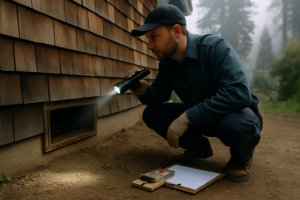
At West Pest Co., we start with a detailed inspection to identify the ant species and map their trails. This allows us to build a customized, eco-friendly treatment plan that targets the entire colony, not just the foragers you see.
Knowing when to call pest control is the first step toward taking back your home. A professional visit ensures you get the right diagnosis and a targeted treatment that’s both effective and safe for your family. We don’t just put a band-aid on the problem; we give you preventative advice to keep your Santa Cruz home ant-free.
Frequently Asked Questions
Homeowners across Santa Cruz often ask us about how ant traps work. Here are some answers based on what our team sees in the field every day.
Is it normal to see more ants after putting out a trap?
Yes, it is—and it's a great sign. A swarm of ants around a new trap means they've found the bait and are accepting it. The first ants lay down a chemical trail, called a pheromone, to tell their nestmates where to find the food. Don't spray them! Let these workers deliver the bait back to the hidden queen and colony.
How long does it take for ant traps to work?
The timeline depends on the colony size and ant type. For a small nest, you might see a big drop in ant traffic in a few days to a week. For the huge supercolonies of Argentine ants in Santa Cruz County, you have to be patient. It can easily take two weeks or more for the bait to circulate through the network.
Are professional ant baits safe for my pets and family?
Yes. Your family’s safety is our top priority at West Pest Co. We use professional-grade, eco-friendly baits inside sealed, tamper-resistant stations. This targeted approach keeps the active ingredient contained and out of reach of curious kids or pets. It's much safer than spraying liquid insecticides around your home.
Can I use ant traps both indoors and outdoors?
You absolutely should. The most effective ant control strategies involve both indoor and outdoor treatments. Placing bait stations outside along your home’s foundation intercepts foragers before they get inside. This creates a protective barrier and tackles the colony at its source.
Why do my ant traps stop working after a while?
Traps can stop working for a few reasons. The bait may have dried out, or the colony's dietary needs might have changed. Sometimes, other food sources (like crumbs or pet food) are competing with your trap. Regular cleaning and replacing old traps is key to staying effective.
You shouldn't have to share your home with ants. If you're tired of seeing trails in your kitchen and want a lasting, eco-friendly solution, it's time to call the local experts. West Pest Co. provides trusted ant control for homes and businesses across Santa Cruz County.
Ready to get rid of ants for good? Request a free consultation online or call us today.