It’s a question every Santa Cruz homeowner has probably asked: can ants really smell that one tiny crumb I dropped?
The answer is a definite yes. Ants have an incredible sense of smell, much stronger than our own. They use this power to find food with surprising accuracy. Their secret lies in their antennae, which act like tiny chemical detectors, constantly "tasting" the air for smells.
Why Your Kitchen Is an Ant Magnet
Dealing with a line of ants marching across your kitchen counter can be frustrating. It often seems like they appear from nowhere, but their arrival is not random. It's the result of their powerful sense of smell turning your home into a treasure map of tempting scents.
Understanding how they operate is the first step to keeping them away for good.
For an ant, your home is a buffet of smells. They navigate their world using scent with amazing precision. Here’s a quick look at what makes your Santa Cruz home so attractive to them:
- Sugar and Sweets: Ants are experts at detecting sugary foods from a distance. A tiny drop of juice, a few sugar granules, or a sticky spot on the counter is like a giant neon sign for an ant.
- Grease and Proteins: It’s not just about sweets. Ants are also drawn to grease splatters from dinner and protein-rich crumbs from pet food or leftovers.
- Moisture Sources: Especially during dry spells in areas like Scotts Valley, ants will search for water. A damp sponge, a leaky pipe under the sink, or a pet's water bowl can be as appealing as a plate of cookies.
An Expert Sense of Smell
Ants are so good at finding food because they have a highly developed olfactory system. That’s a fancy way of saying they have an amazing sense of smell.
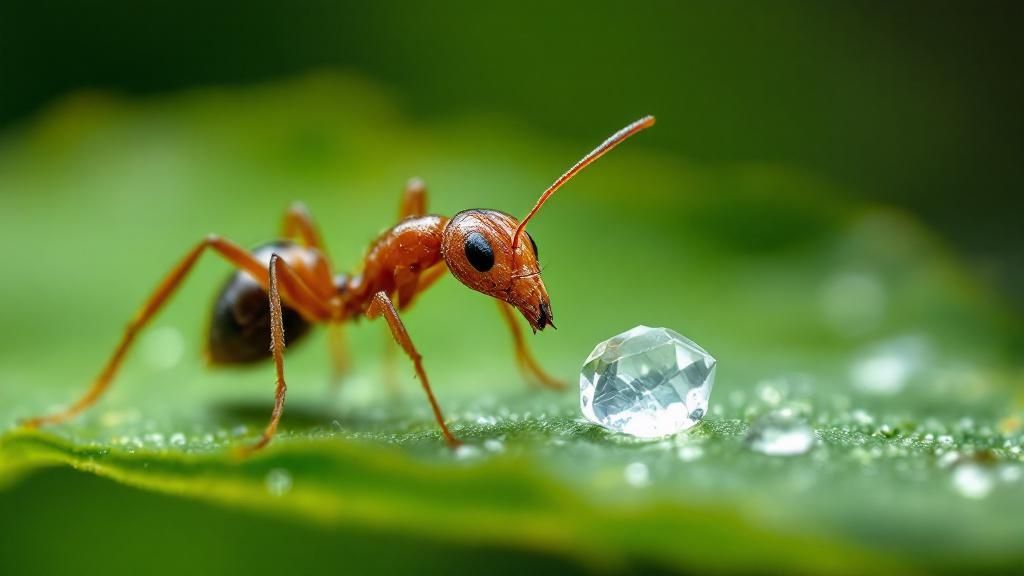
Scientific studies confirm this. Research shows that ants can easily tell the difference between food types. For example, one study found that ants showed a significant preference for liquid sugar-based baits over other options.
Let's compare their senses to our own to see how powerful their smelling ability is.
Ant Olfactory Senses vs. Human Senses
| Sensory Feature | Ants | Humans |
|---|---|---|
| Primary Tool | Antennae with thousands of chemical receptors | Nose with olfactory receptors |
| Sensitivity | Detects parts per billion | Detects parts per million |
| Communication | Uses smell (pheromones) to create trails | Primarily uses sight and sound |
| Range | Can follow scent trails for long distances | Limited, short-range detection |
As you can see, it's not a fair comparison. An ant's world is built on smells we can't even notice.
This incredible sense of smell is why a small spill can quickly lead to a full-blown ant invasion. A single scout ant finds the food, then leaves a chemical trail to tell the whole colony where to find it.
For more tips on stopping them, check out our guide on how to get rid of ants naturally.
The Science Behind An Ant's Sense of Smell
To understand how ants find a crumb so quickly, we need to look at their most powerful tool: their antennae. These aren't just simple feelers. An ant's antennae are complex sensory organs covered in hundreds of special receptors. These receptors let them understand the world through smell with amazing detail.
Think of each antenna as a high-tech toolkit. This kit contains tiny sensory hairs called sensilla. Each type of sensilla has a specific job. Some detect the sweet smell of sugar, while others pick up chemical messages left by fellow ants.
How Antennae Receptors Work
The process works like a key fitting into a lock. Scent molecules from food float through the air. When a molecule finds its matching receptor on an ant's antenna, it "unlocks" it. This triggers an electrical signal that travels straight to the ant's brain.
This system is very efficient. It doesn't just tell the ant that food is nearby. It also tells them what kind of food it is and which direction to go. Some ant species have over 400 different types of odor receptors, according to research published by Vanderbilt University. This allows them to tell apart a huge variety of scents.
This diagram shows how scent molecules lead to foraging behavior through the ant's advanced smelling system.
The image highlights the ant's ability to detect smells at very low levels. This is why even the smallest crumb can cause a big response.
An Unrivaled Sense of Smell
This biological setup makes an ant's sense of smell far more powerful than ours. Their world is full of chemical information that is invisible to us.
An ant's olfactory system is so sensitive that it can detect certain chemical compounds at concentrations as low as a few parts per billion. This means they can follow faint, hours-old scent trails or locate a hidden food source from a significant distance.
This amazing sensitivity explains why one drop of juice in your kitchen can seem to bring an entire army of ants overnight. It's not magic; it's a masterpiece of natural engineering at work.
Pheromone Trails: The Invisible Ant Superhighway
Beyond just smelling food, an ant's sense of smell is key to its most impressive skill: creating invisible roadmaps for the colony. When a scout ant finds a meal in your kitchen, it does something clever on its way back to the nest.
It lays down a trail of chemicals called pheromones. This trail acts like a scented path that other worker ants can easily follow with their antennae. This is how a few ants can quickly turn into a full-blown invasion. For homeowners in Aptos and Capitola, this is why a small spill can lead to a massive ant problem in just a few minutes.
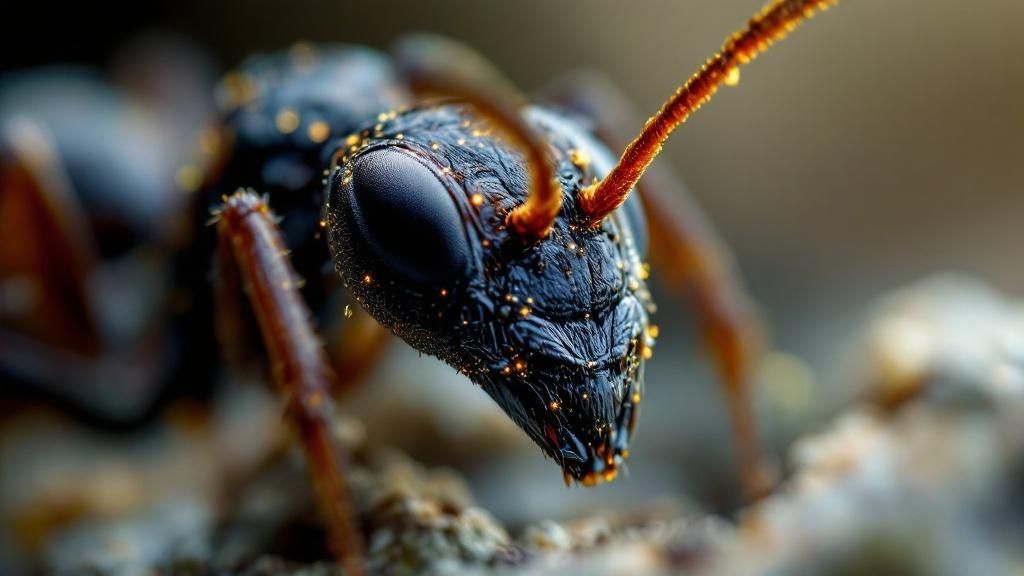
This group behavior is what makes ants such persistent pests. The more ants that follow the trail, the stronger the pheromone signal gets. Each ant reinforces the path, creating an "ant superhighway" from their nest to your pantry.
A Dynamic Communication System
This system is effective because it's dynamic. The chemical trail isn't permanent. As the food source runs out, ants stop reinforcing the trail. The pheromones then naturally fade away. This prevents the colony from wasting energy on a route that no longer leads to food.
The strength of a pheromone trail is directly related to the number of ants using it. This feedback loop is why a tiny crumb can quickly attract hundreds of ants, as each new arrival makes the "road sign" bigger and brighter for the others.
This is why quick and thorough cleanup is your best defense. When you remove the food source and wipe away the invisible trail, you are erasing their map. Understanding this is a key part of learning how to keep ants away for good.
Breaking the Pheromone Cycle
To stop an ant invasion, you must do more than just get rid of the ants you see. The real goal is to disrupt their chemical communication.
Here’s what you can do to break the cycle:
- Clean Spills Immediately: Don't give a scout ant the chance to lay down the first trail.
- Use a Vinegar Solution: Wiping surfaces with a 50/50 mix of white vinegar and water can neutralize the pheromone trail, making it harder for other ants to follow.
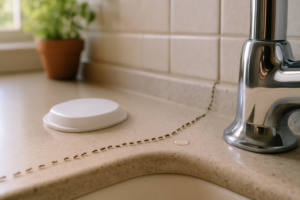
- Seal Entry Points: Use caulk to fill small cracks where ants are getting in. You have to cut off their superhighway at the source.
By interrupting this pheromone system, you can make your Santa Cruz home a much less inviting place for these pests.
What Smells Attract Ants to Your Home?
Now that we know how powerful an ant's sense of smell is, let's discuss what that means for your home. To protect your property, you need to know which scents are rolling out the welcome mat for ants. This is key to stopping an infestation before it starts.
The persistent Argentine ants found all over Santa Cruz County are drawn to many household smells. Some are obvious, but a few might surprise you. Knowing these triggers helps you find potential trouble spots in your home.
The Most Common Ant Attractants
Ants are opportunistic foragers, which means they aren't too picky. However, they have favorites—foods that provide the energy their colony needs to grow. A crumb from a Scotts Valley bakery treat or a forgotten sticky spill is enough to start an ant trail to your countertop.
Here are the top smells that bring ants into your home:
- Sugary Substances: This is the big one. Spilled soda, sugar on the floor, honey drips, open jam jars, and overripe fruit are powerful magnets.
- Grease and Proteins: It’s not just sweets. Greasy residue on the stovetop, crumbs from pet food, or tiny bits of meat are also highly attractive. These provide building blocks for the colony's growth.
- General Food Crumbs: Any leftover food particles—from bread, crackers, or chips—release scents that scout ants can easily find.
- Moisture: Water is life, especially during dry Santa Cruz summers. Ants actively seek out water from leaky faucets, damp sponges, and pet water bowls.
- Pet Food: A bowl of pet food left out all day is a constant, fragrant food source for ants. Both wet and dry food emit strong scents.
It's worth noting that many of these items attract other pests too.
Ants are not the only pests drawn to these common household items. Interestingly, many of the same food and moisture sources are also primary attractants for other unwelcome guests. You can learn more by reading our guide on what attracts cockroaches to your home.
Here’s a quick breakdown of common household items that attract ants.
Common Household Items That Attract Ants
| Attractant | Primary Reason for Attraction | Prevention Tip |
|---|---|---|
| Fruit Bowl | High sugar content in ripening or overripe fruit. | Store ripe fruit in the refrigerator or sealed containers. |
| Pet Food Bowls | Consistent source of protein and carbohydrates. | Clean bowls daily and store unused food in airtight containers. |
| Trash Cans | Lingering food residue, spills, and moisture. | Use cans with tight-fitting lids and take trash out regularly. |
| Leaky Pipes/Faucets | A reliable source of much-needed moisture. | Inspect under-sink plumbing and fix any leaks promptly. |
| Honey/Jam Jars | Sticky, sugary residue on the outside of containers. | Wipe down jars and bottles with a damp cloth after each use. |
| Crumbs on Floor | Easy-to-access carbohydrates and fats. | Sweep and vacuum kitchen and dining areas daily. |
| Dirty Dishes | Leftover food particles and moisture in the sink. | Wash dishes promptly or rinse them thoroughly before leaving overnight. |
By being mindful of these attractants, you can make your home a much less inviting place for ants. Simple habits are your most effective first lines of defense.
How to Use Smells to Keep Ants Away
Now that you know how strongly ants are drawn to certain scents, you can use that knowledge to your advantage. Fighting scent with scent is a smart, eco-friendly strategy for protecting your Santa Cruz home. By introducing smells that ants hate, you create a natural barrier.
Many of the best repellents are likely already in your kitchen. This makes them a safe first line of defense, especially if you have pets or small children. These smells work by overwhelming an ant's sensitive antennae, scrambling their ability to follow trails or find food.
Natural Scents Ants Hate
Certain strong scents are very unpleasant to an ant's delicate senses. You can use these to make areas like kitchen counters, window sills, and doorways less appealing to scout ants.
Here are a few of the most effective options:
- Peppermint Oil: The sharp, minty smell is a well-known ant deterrent. Soak a few cotton balls in peppermint essential oil and place them in corners or under the sink.
- Citrus Peels: Ants dislike the acidic smell of citrus. Place orange, lemon, or grapefruit peels near entry points or in garden beds.
- Vinegar: A solution of equal parts white vinegar and water is a great tool. Wiping surfaces with it cleans and also erases the pheromone trails ants use to navigate.
- Cinnamon and Cloves: These spices are too strong for ants. Sprinkle ground cinnamon or place whole cloves across ant pathways to disrupt their communication.
For those interested in learning more about environmentally friendly pest management, exploring various natural pest control methods can provide more ideas for your home and garden.
Setting Realistic Expectations
While these natural repellents are excellent for deterring a few scout ants, it's important to be realistic. They are most effective as a preventative measure and may not be enough to stop a large, established infestation.
For a solid defense, you should combine these scent-based tactics with other preventative actions. If you see a persistent line of ants day after day, a much larger colony is likely nearby. In that situation, just blocking one path won't solve the root problem.
For more detailed strategies, our guide on https://westpestco.com/how-to-prevent-ants-in-the-house/ provides a helpful action plan.
When to Call a Professional for Ant Control
DIY prevention tricks and natural deterrents are great first steps for a few stray ants. But some situations are too much for a spray bottle and need a professional touch. Knowing when to make that call can save you time, money, and stress.
If you are seeing endless ant trails, finding them inside sealed containers, or noticing little piles of sawdust along baseboards, you're dealing with more than a few scouts. These are signs of an established infestation, meaning a large, hidden colony is living in your home.
When the Problem Is More Than Skin Deep
Dealing with local species like the resilient Argentine ants common in Santa Cruz County is a different challenge. Their colonies can have multiple queens and grow to millions of ants, making them very tough to get rid of. A store-bought spray might kill the ants you see, but it won't touch the nest. They'll just come back.
Plus, ants can be a health risk. They often walk across unsanitary surfaces before marching across your kitchen counters. Ants can pick up and spread bacteria like E. coli, potentially contaminating your food.
A professional approach targets the entire colony at its source. Instead of just treating the symptoms, we focus on eliminating the nest for a real, lasting solution. That way, the problem doesn't keep returning.
At West Pest Co., our eco-friendly solutions are designed to get to the root of the problem while keeping your family and pets safe. If you're in a losing battle with a persistent ant invasion, professional help is often the fastest way to reclaim your home.
Frequently Asked Questions About Ant Senses
Homeowners across Santa Cruz County often have the same questions about ant behavior. Here are clear answers to help you understand what's happening in your home.
Can ants smell through walls or sealed containers?
Ants cannot smell through a solid wall or a perfectly sealed container. However, they are experts at finding scents leaking from tiny cracks and imperfect seals that are invisible to us. A container you think is airtight might be releasing a few odor molecules, which is all an ant needs to investigate.
How far can ants smell food?
The exact distance depends on the ant species and the strength of the scent. More importantly, they follow pheromone paths left by other ants. A scout ant might find food by chance and lay down a chemical "superhighway." The rest of the colony can then follow this trail from a surprisingly long distance.
Do ants have noses?
No, ants do not have noses like we do. They "smell" their world using their antennae. These are covered with hundreds of tiny sensory receptors called sensilla that pick up chemical cues from the air. This system lets them find food, identify nestmates, and follow complex pheromone trails.
Why do ants seem to ignore some foods?
Ants can be picky, and their needs change. If the colony has plenty of sugar, they might search for protein-rich foods to feed their young. Other times, a food source might not be strong enough to get their attention, especially if a more appealing option is nearby. Their foraging is an efficient search for the best energy source for the colony.
Once ants find a reliable food trail inside your home, DIY sprays rarely eliminate the colony. Santa Cruz pest control from a licensed professional targets the source, not just the trail.
If you're tired of battling persistent ant trails, it’s time to bring in the experts. West Pest Co. offers eco-friendly, effective ant control solutions tailored to your Santa Cruz County home. Contact us today for a free estimate and reclaim your space!