It's tempting to grab a store-bought spray when you spot pests in your Santa Cruz home. You want a quick, affordable fix. But often, these DIY efforts only make the problem worse, wasting time and money while letting infestations grow. The truth is, effective pest control is more complex than just spraying what you see. From our coastal climate in Santa Cruz County to the specific behaviors of pests like Argentine ants and rodents, many factors can turn a simple DIY job into a major headache.
This guide breaks down the top 5 times DIY pest control fails (and what to do in 2026) with new insights and updated strategies. We will explore the common pitfalls homeowners in Aptos, Scotts Valley, and across the county fall into. You will learn why these attempts fail and how you can avoid them. When considering tackling pests yourself, it's important to research various methods, such as understanding how to use effective natural pest control with neem oil.
However, even the most well-researched DIY approach has its limits. We will cover the specific signs that indicate it’s time to put down the spray bottle and call in a professional. For those tougher jobs, seeking help from a team like West Pest Co. ensures a safe, effective, and eco-conscious solution tailored to your home’s unique needs. Let’s dive into the scenarios where going it alone can lead to more trouble than it's worth.
1. Failure #1: You Treat the Symptoms, Not the Source
One of the biggest mistakes in DIY pest control is focusing only on the pests you see. That ant trail in your kitchen or the flea on your rug is just a symptom of a much larger, hidden problem. Store-bought sprays and bombs only kill the pests on the surface. They do not eliminate the colony in your walls or the eggs hidden in your carpet.
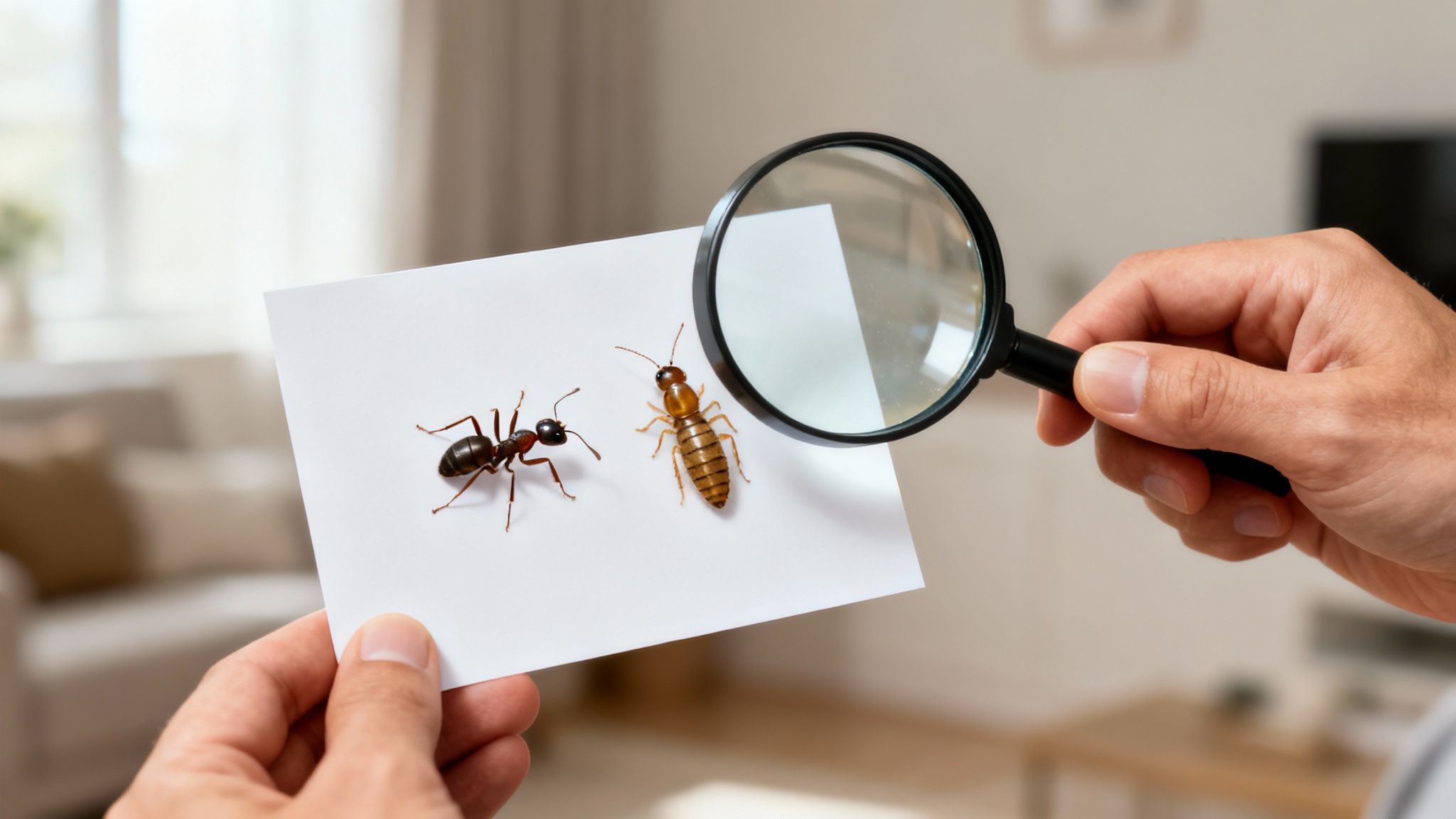
This approach wastes time and money because the source of the infestation remains safe and continues to reproduce. Soon, you’ll see the pests return, and the cycle will start all over again.
Case Study: The Ant Trail That Wouldn't End
A homeowner in Santa Cruz sees a line of ants marching to a crumb on their counter. They grab a bottle of ant spray and wipe out the trail. The next day, the ants are back.
The DIY Failure: The spray only killed the worker ants. The real problem was the hidden nest inside a wall void, where the queen was laying hundreds of eggs per day. As long as the nest was active, it would continue sending out new ants.
What to Do Instead: Professionals use Integrated Pest Management (IPM). This strategy focuses on finding and eliminating the source of the problem. Instead of just spraying, an expert will identify entry points, locate the nest, and use targeted, eco-safe treatments to solve the issue for good.
Actionable Plan for Finding the Source
Before you spray, become a pest detective.
- Follow the Trail: Watch where pests are coming from and where they are going. This can lead you to a crack in the foundation or a gap under a door.
- Look for Nests: Check dark, undisturbed areas like behind appliances, under sinks, and in attics for signs of nesting.
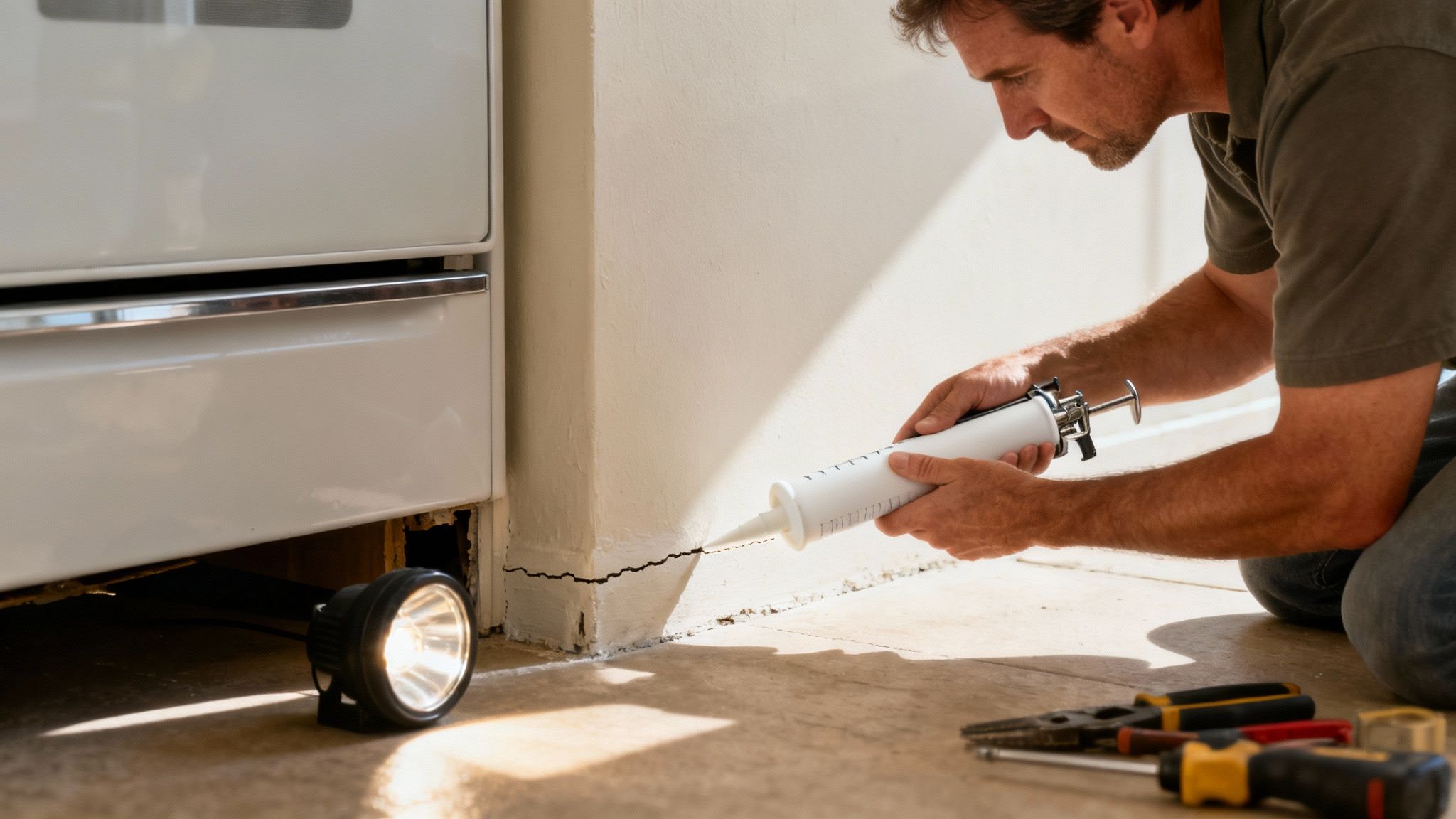
- Seal Entry Points: Use caulk or steel wool to seal any cracks or holes you find.
When to Call West Pest Co.
If you can't find the nest or the pests keep returning, it's time for professional help. At West Pest Co., we specialize in finding the source of infestations. We use eco-friendly methods that are safe for your family and pets.
2. Failure #2: You Wait Too Long, Letting the Problem Explode
Many pests, especially rodents, reproduce at an alarming rate. A single female mouse can have over 30 babies in a single year. Waiting to see if a small problem goes away on its own is a recipe for disaster. By the time you realize you have a serious issue, the infestation may have already caused significant damage to your home.
Delaying professional help often costs more in the long run. What starts as a simple removal can turn into expensive repairs for chewed wires, damaged insulation, or contaminated food supplies. This is why acting quickly is so important.
Case Study: The "One Mouse" in the Garage
A homeowner in Scotts Valley spots a single mouse in their garage. They set a trap, catch it, and assume the problem is solved. A month later, they hear scratching sounds in the walls and find droppings in their pantry.
The DIY Failure: The first mouse was a scout. By waiting, the homeowner gave a breeding pair of rodents time to establish a nest. The population grew exponentially, spreading from the garage into the walls and kitchen of the home.
What to Do Instead: At the first sign of rodents, act fast. It's crucial to identify how they are getting in. West Pest Co. offers an exclusion-first rodent control approach. We focus on sealing your home to prevent rodents from entering in the first place, using chemical-free methods that are safe for Santa Cruz families.
Actionable Plan for Quick Action
Don't wait. Take these steps immediately if you suspect rodents.
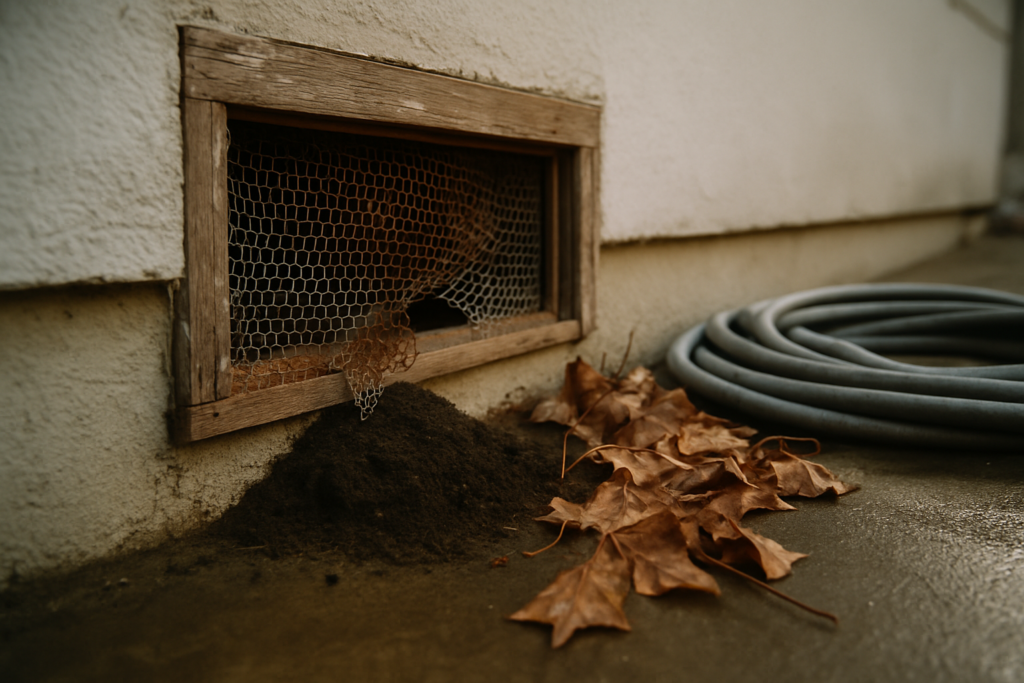
- Inspect Your Home's Exterior: Look for small gaps around pipes, vents, and foundation cracks. A mouse can fit through a hole the size of a dime.
- Secure Food Sources: Store all food, including pet food, in airtight containers.
- Reduce Clutter: Clear away clutter in your garage, attic, and yard to eliminate hiding spots.
When to Call West Pest Co.
If you see even one rodent or find droppings, it's time to call a professional. Our team can quickly assess the situation, identify entry points, and create a comprehensive plan to remove the rodents and keep them out.
3. Failure #3: You Misuse "Natural" or DIY Remedies
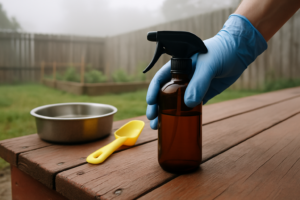
In an eco-conscious community like Santa Cruz County, many people turn to natural pest control solutions. While the intention is good, "natural" does not always mean safe or effective. Common DIY remedies like essential oils or borax can be toxic to pets and children if they are not used correctly.
Applying the wrong amount or putting these substances in the wrong places can put your family at risk. It can also be completely ineffective against the target pest, wasting your time and allowing the infestation to continue.
Case Study: The Borax Ant Bait Fail
A family with a toddler and a dog tried to get rid of ants by sprinkling borax powder along their baseboards. They read online that it was a natural ant killer.
The DIY Failure: The borax powder was easily accessible to the curious toddler and the dog, posing a safety hazard. On top of that, it wasn't an effective bait because the ants had no reason to eat it. The ant problem continued, and the family had created a new risk in their home.
What to Do Instead: If you want an eco-friendly solution, work with a professional trained in botanical-based treatments. West Pest Co. uses products that are safe for your household but tough on pests. Our team knows how to apply them correctly to target pests without putting your loved ones at risk.
Actionable Plan for Safe Pest Control
Protect your family with these simple steps.
- Research Safety First: Before using any product, natural or chemical, research its safety for pets and children.
- Read and Follow Labels: Even natural products have instructions. Follow them carefully.
- Keep Treatments Out of Reach: Place baits and powders in areas that children and pets cannot access.
When to Call West Pest Co.
If you are concerned about using pesticides around your family, call us. We offer eco-safe solutions that provide peace of mind. We are experts in applying treatments safely and effectively in homes with children and pets.
4. Failure #4: You Don't Consider Santa Cruz's Climate and Seasons
Pest activity in Santa Cruz County is heavily influenced by our unique coastal climate. We have specific seasonal patterns: ants invade in the spring seeking water, rodents look for shelter in the fall and winter, and garden pests thrive in the summer. A one-time DIY treatment in May won't do anything to stop mice from trying to get into your home in October.
Most DIY pest control is reactive. You see a pest, you treat it. This approach fails to address the predictable, year-round pest pressures we face. Effective pest control should be proactive, not reactive.
Case Study: The Yearly Ant Invasion
Every spring, a homeowner in Capitola deals with a massive ant invasion in their kitchen. They spend weeks setting baits and spraying, and eventually, the ants go away. The following spring, the same thing happens all over again.
The DIY Failure: The homeowner was only treating the problem after it had already started. They weren't doing anything during the rest of the year to prevent the ants from coming back. This reactive cycle was frustrating and only provided temporary relief.
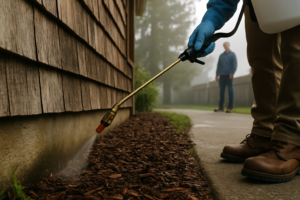
What to Do Instead: A recurring service plan is the best way to get ahead of seasonal pest patterns. West Pest Co. offers preventative treatments that create a protective barrier around your home. We address potential problems before they start, saving you stress and money in the long run.
Actionable Plan for Year-Round Prevention
Think ahead with these seasonal tips.
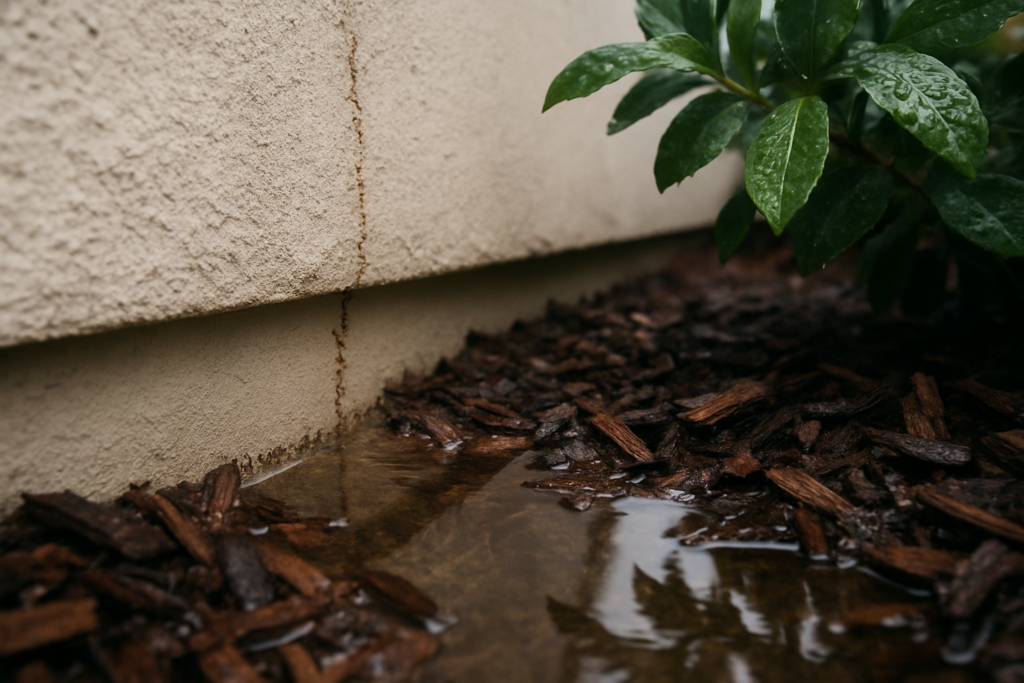
- Spring: Check for and seal new cracks that may have formed over the winter. Ensure there is no standing water around your foundation.
- Summer: Keep your garden and yard maintained to reduce pest hiding spots.
- Fall: Inspect your home for entry points before rodents start seeking shelter.
- Winter: Keep indoor spaces clean and free of food crumbs.
When to Call West Pest Co.
If you are tired of fighting the same pests year after year, it's time for a proactive solution. Our recurring service plans are designed specifically for the pest pressures of Santa Cruz County. We keep your home protected all year long.
5. Failure #5: You Don't Know When to Call a Professional
Some small pest issues can be handled with DIY methods. A few ants on the patio or a spider in the corner can often be managed without professional help. However, it's crucial to recognize when a problem is too big to handle on your own.
Knowing your limits is key. Trying to tackle a serious infestation, like rodents in your attic or a large ant colony, can be ineffective and even unsafe. Professionals have the training, equipment, and products to handle these situations correctly.
The Bottom Line: When to DIY and When to Call for Help
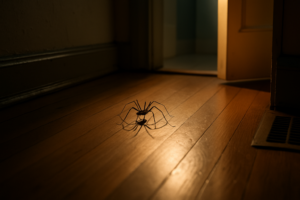
- Good for DIY: An occasional spider, a few ants outside, or a single mouse in a trap in the garage. These are often isolated incidents.
- Time to Call a Pro: You see pests daily, find evidence of nesting (like droppings), notice property damage, or have a pest problem near food preparation areas. These are signs of a real infestation.
What to Do Instead: Be honest about the scale of your pest problem. If you're unsure, it's always best to get a professional opinion. West Pest Co. provides honest advice. We will tell you if your problem is something you can handle or if it requires our expertise.
When to Call West Pest Co.
If you’re in Santa Cruz County and unsure whether your pest problem needs a pro, reach out to West Pest Co. for honest advice and eco-safe solutions tailored to your home. We're here when DIY hits its limits. Our goal is to empower homeowners with knowledge and step in when it counts the most.
Frequently Asked Questions (FAQs)
H3: How long does professional pest control last?
The duration of a professional treatment depends on the pest, the severity of the infestation, and the type of treatment used. A single treatment can provide relief for several weeks, but for long-term prevention against seasonal pests in Santa Cruz, a recurring service plan is the most effective solution.
H3: Are your treatments safe for my pets and kids?
Yes. At West Pest Co., the safety of your family is our top priority. We use eco-friendly, botanical-based products and Integrated Pest Management (IPM) techniques. This means we focus on targeted applications and non-chemical methods like exclusion to minimize any risk.
H3: What is Integrated Pest Management (IPM)?
IPM is a smart, environmentally sensitive approach to pest control. Instead of just spraying chemicals, IPM focuses on understanding the pest's life cycle and habits. It combines strategies like sealing entry points, removing food sources, and using targeted, low-risk treatments to solve problems at the source.
H3: Can't I just buy the same products the pros use?
No. Professional-grade products are more potent and require a license and extensive training to apply safely and legally. Misusing these products can be dangerous to your health and the environment. Our technicians are trained to use these tools effectively and responsibly.
H3: How much does professional pest control cost?
The cost varies depending on the type of pest, the size of your property, and the extent of the infestation. However, professional pest control is often more cost-effective in the long run than repeated, failed DIY attempts and potential repairs from pest damage. West Pest Co. offers free estimates so you know the cost upfront.
When you've exhausted your DIY options and need a reliable, local expert to solve your pest problems for good, turn to West Pest Co.. We'll help you move past the cycle of DIY fails with professional, eco-safe solutions tailored for your Santa Cruz home. Visit our website or call us today for a free estimate and honest advice.