If you've spotted ants in February or heard scratching in the attic long after summer, you're not imagining things. Pest seasons in Santa Cruz are expanding. Warmer temperatures and milder winters mean common pests now have more time to breed, thrive, and find their way into our homes.
This shift is turning what used to be predictable summer annoyances into a year-round headache for homeowners. This guide explains why it's happening and what you can do about it.
The New Reality: Year-Round Pests in Santa Cruz County

The old rules for when pests show up in Santa Cruz County no longer apply. The once-reliable pest calendar has become blurred, catching many homeowners off guard with unexpected infestations from Capitola to Scotts Valley.
Recent weather patterns are the main reason. Warmer-than-average fall months and shifts in rainfall have fueled pest activity. This has led to a noticeable rise in service requests outside of the traditional summer peak. Pests like ants, rodents, and wasps are showing up earlier in the spring and staying active later into the fall.
What This Means for Your Home
These changes mean you might see more frequent and longer-lasting pest problems. Instead of just a few busy months, you now face a more consistent, year-round threat. This creates several new challenges:
- Overlapping Pest Activity: You might deal with late-season wasps at the same time early-season rodents are looking for a warm place to nest.
- Larger Infestations: With longer breeding seasons, pest populations can grow much larger before they are discovered.
- Ineffective Seasonal Treatments: A one-time summer spray is no longer enough to provide lasting protection for your home.
The traditional "off-season" for pest control is disappearing, catching many homeowners by surprise.
How Pest Seasons in Santa Cruz Are Shifting
The old pest calendar is quickly becoming outdated. Here's a look at how things have changed for Santa Cruz homeowners.
| Pest Type | Traditional Active Season | New Year-Round Reality |
|---|---|---|
| Ants | Spring/Summer (April-September) | Activity can now be seen year-round, with major surges during the first rains and any unseasonably warm winter days. |
| Rodents | Fall/Winter (October-March) | While fall is still peak invasion season, milder winters and warmer summers mean they are breeding and active all year. |
| Wasps | Summer (June-September) | Queens are emerging earlier in spring, and nests can remain active well into October and even November. |
| Fleas & Ticks | Spring/Summer (May-October) | Mild winters allow fleas and ticks to survive outdoors year-round, posing a constant threat to pets. |
| Spiders | Late Summer/Fall (August-October) | Many species are now active indoors throughout the winter, no longer disappearing with the cold weather. |
This shift makes it clear that a reactive, seasonal approach is no longer enough. Dealing with this new normal requires a change in mindset.
Effective pest management now depends on proactive, four-season prevention. To learn more about what might be in your neighborhood, check out our guide on the top pest problems in Santa Cruz.
Thinking about pest control as ongoing maintenance—much like landscaping or gutter cleaning—is now essential for keeping your Santa Cruz home protected all year long.
How Our Local Climate Is Reshaping Pest Behavior
The environmental shifts here in Santa Cruz County are giving pests a serious advantage. Pests that once died off during cold spells are now surviving our milder winters. This sets the stage for much larger populations in the spring.
Our unique local microclimates also play a huge role. The foggy, humid conditions along the coast in Aptos create a different pest environment than the sunnier, drier areas like Scotts Valley.
Milder Winters and Early Springs
A cold winter acts like nature's reset button, reducing the numbers of ants, wasps, and rodents. As our local winters get warmer, that reset button isn't getting pushed as hard.
This means that when spring arrives, pest populations already have a head start. This leads to larger infestations that show up much earlier than they used to. You can learn more in our post on why milder winters lead to busier pests for Santa Cruz homeowners.
The Impact of Changing Rainfall
It’s not just about temperature; rainfall patterns are also a major factor. We're now seeing intense periods of rain followed by long dry spells. This "feast-or-famine" water cycle directly influences pest behavior.
- During Drought: When natural water sources vanish, pests like ants and rodents get desperate. Your home—with its garden and pet water bowls—becomes an oasis they will actively seek.
- After Heavy Rains: Intense rainfall can flood the nests of ground-dwelling pests like Argentine ants and gophers. This forces them to search for higher, drier ground, which often means marching directly into your house.
These weather events push pests from their natural habitats and straight to your doorstep. Understanding these drivers is the first step toward creating an effective defense for your home.
Meet The Pests With Extended Seasons In Santa Cruz
The pests taking advantage of our changing climate aren't new, but their behavior is. Several key culprits are becoming year-round problems for Santa Cruz residents.
Understanding who these pests are and how they have adapted is the first step toward reclaiming your home.
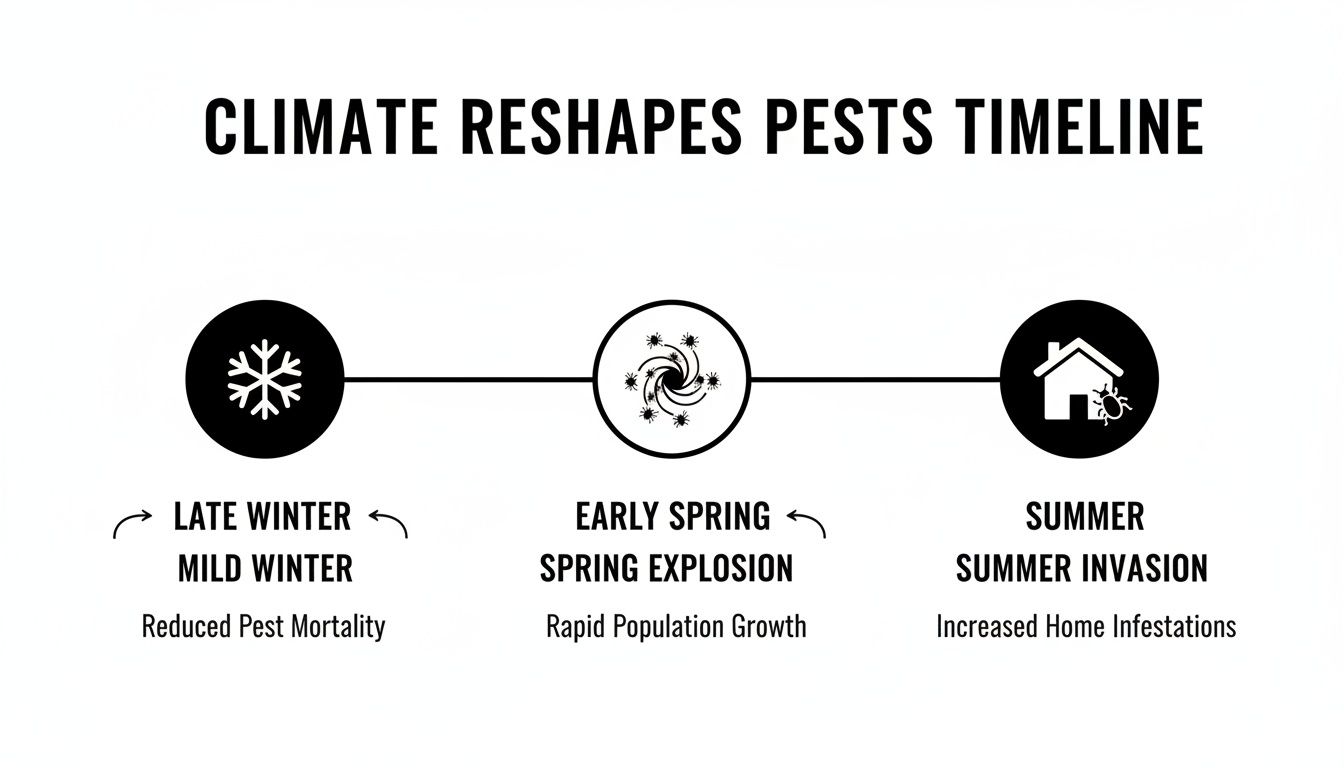
As you can see, pests that survive our gentler winters get a head start. That leads to larger populations that seek shelter in our homes during the summer heat or first rains.
Argentine Ants: The Unrelenting Invaders
Argentine ants have always been a signature pest in Santa Cruz, but their season is now longer than ever. Milder, wetter winters allow their massive colonies to thrive without the die-off that cold weather once caused.
As soon as the first warm days of late winter hit, they emerge in force. You might now see ant trails in February or November—months that were once relatively ant-free.
Rodents: A Year-Round Search For Shelter
Rats and mice used to seek shelter indoors during the fall to escape the cold. Now, their behavior is driven more by unpredictable weather than a strict seasonal clock.
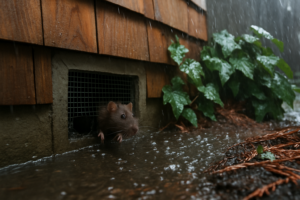
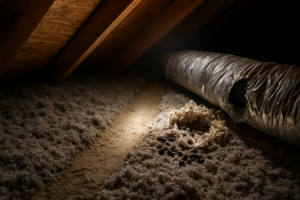
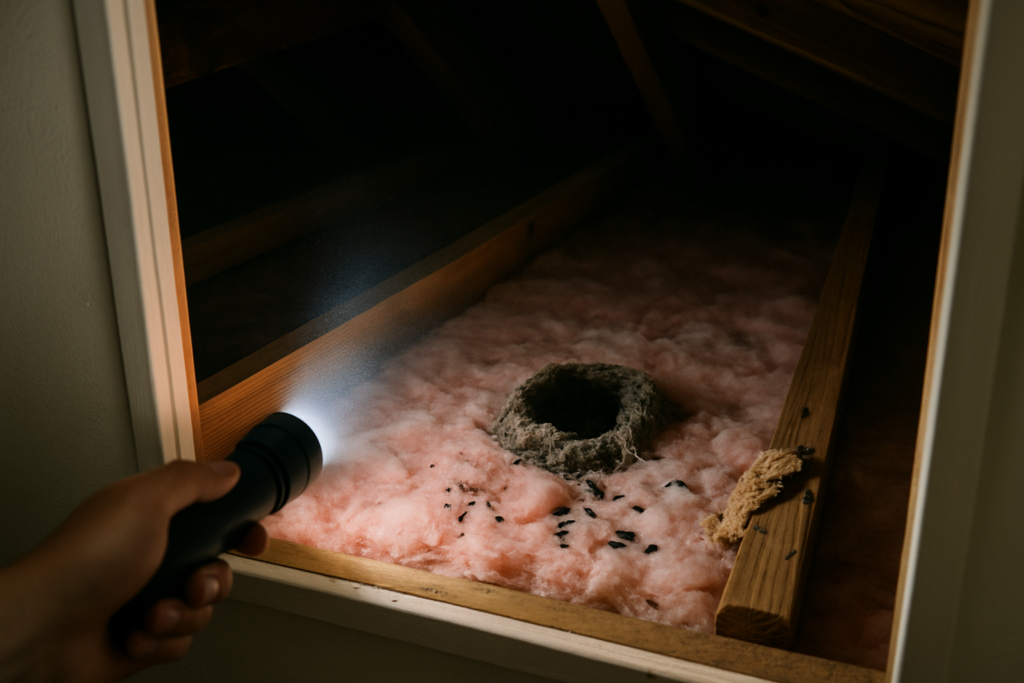
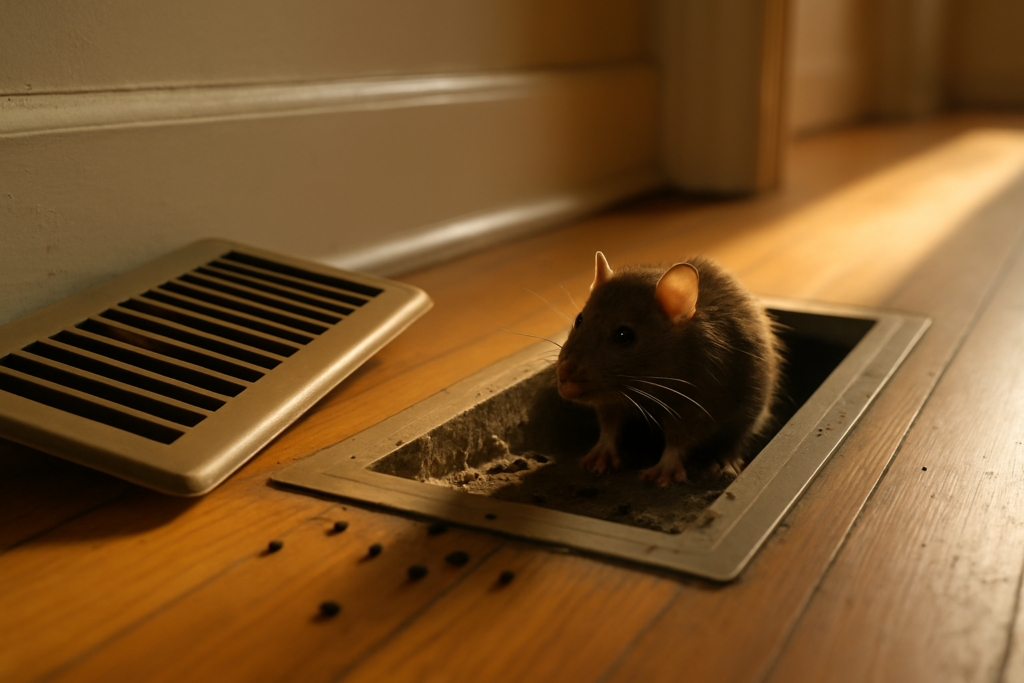
A sudden heatwave can drive them inside for water, while a heavy rainstorm can send them scurrying for high ground in your attic. Because they breed year-round in our mild climate, the population of rodents looking for shelter is consistently high. For a deeper dive, explore our guide on why rodents are rushing indoors and how to stop them.
Gophers: The Tireless Garden Destroyers
For Santa Cruz gardeners, gophers are a familiar foe. Their activity used to slow down in colder months. Now, as long as the ground isn't frozen, gophers remain active.
They continue to tunnel and destroy lawns and gardens right through the fall and winter. With a longer active season, the potential for damage has increased significantly.
Wasps: Nests That Linger Longer
Yellow jackets and other wasps are also adapting. Warmer springs allow queens to emerge earlier to establish new nests. This results in larger nests by mid-summer.
The real change is in the fall. Instead of disappearing in September, these large colonies often persist well into October and even November. This extends the risk of painful stings for families trying to enjoy their outdoor spaces.
The Ripple Effect on Santa Cruz Gardens and Agriculture
The challenges of expanding pest seasons don’t stop at your property line. This trend affects the local gardening and agricultural community that makes Santa Cruz County special.
This isn't just about a few extra bugs; it's a shift in our ecosystem. The pressure from pests means local growers—from large farms to neighborhood gardeners—are facing rising costs to protect their crops. It’s a community-wide problem.
From Your Garden to Local Farms
Anyone with a garden in Santa Cruz knows the joy of growing their own food. But longer pest seasons mean that aphids, gophers, and other pests are now active for more of the year. The same pests threatening your garden also create headaches for the region's professional growers.
This can lead to:
- Increased Crop Loss: More active pests can cause greater damage to harvests.
- Higher Management Costs: Farmers and gardeners may need to invest more in pest control measures.
- Threats to Organic Practices: Sustained pest pressure can make it harder to rely only on organic methods.
If you're looking for sustainable ways to protect your plants, our guide to organic pest control for vegetable gardens offers practical tips.
A Look at Local Agriculture
You can see the impact in Santa Cruz's agricultural sector. Pests that once had predictable peaks now have a year-round presence. For example, pests that attack artichokes are no longer disappearing during the cooler November-to-March window.
According to a 2022 report from the University of California Agriculture and Natural Resources, warming trends are a key factor in changing pest cycles for many of the state's specialty crops. Various life stages of aphids and other pests can now be found throughout the year, forcing growers to rethink their strategies. You can discover more about artichoke pest trends in detailed regional reports.
The fight against pests is no longer just a seasonal chore for our local food producers—it's a year-round reality. This shift impacts the cost and sustainability of the local produce we all enjoy.
Building a Year-Round Home Defense Strategy
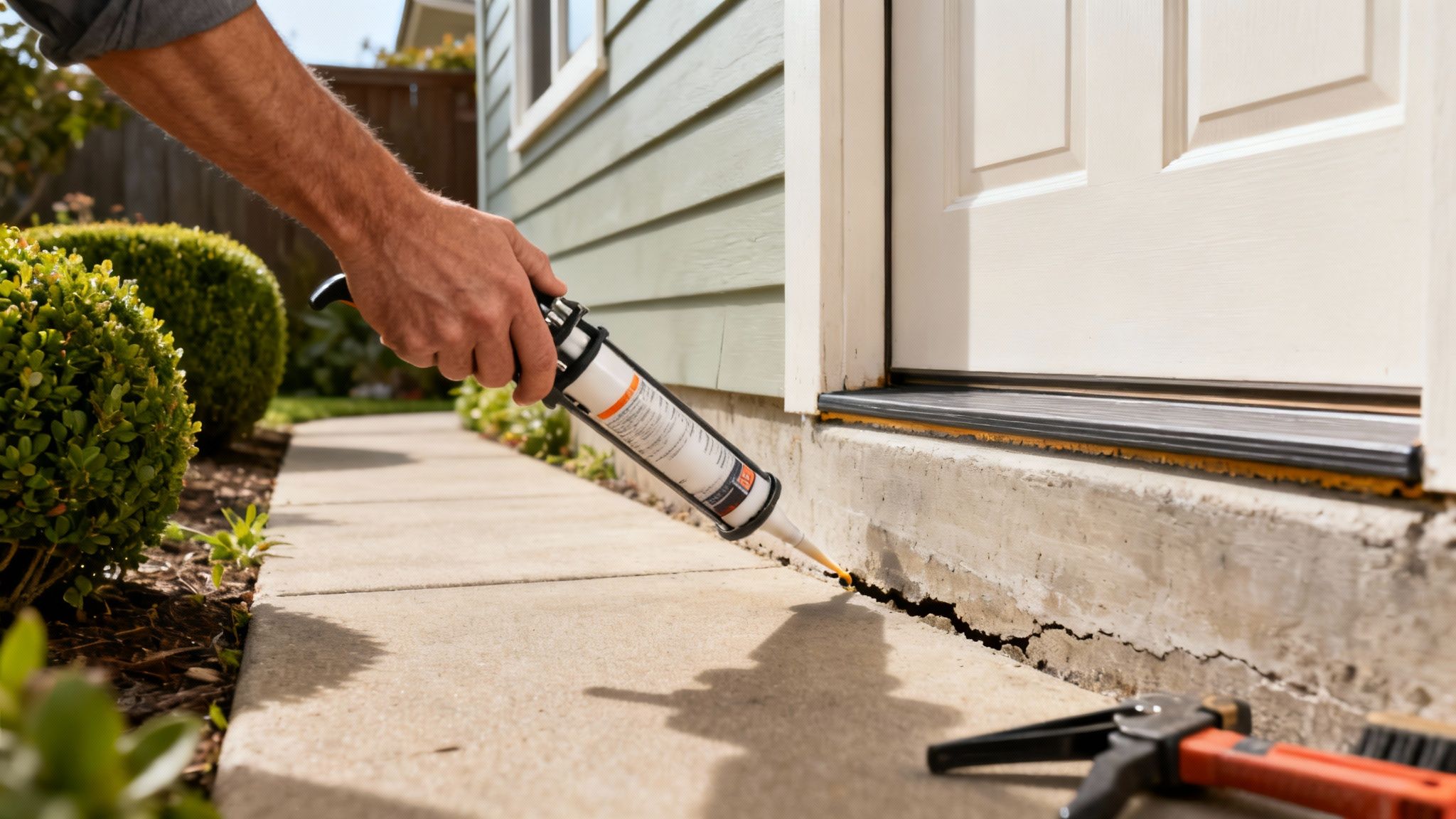
Knowing why pest seasons are expanding is the first step. The next is to shift from reacting seasonally to building a proactive, year-round defense plan. Smart prevention is your best defense.
Instead of waiting for an invasion, you can take simple actions each season to make your property less inviting to pests. This puts you ahead of infestations before they even start.
Late Winter: Your Proactive Starting Line
Late winter (January-March) is the perfect time to strengthen your home's defenses. Most pests are less active, making it easier to spot and seal weak points. Your main goal here is exclusion.
- Seal Entry Points: Inspect your foundation, siding, and roofline for cracks and gaps. Use caulk to seal any opening larger than a dime.
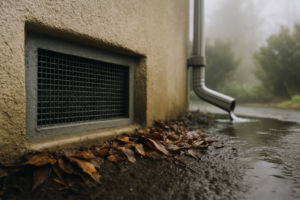
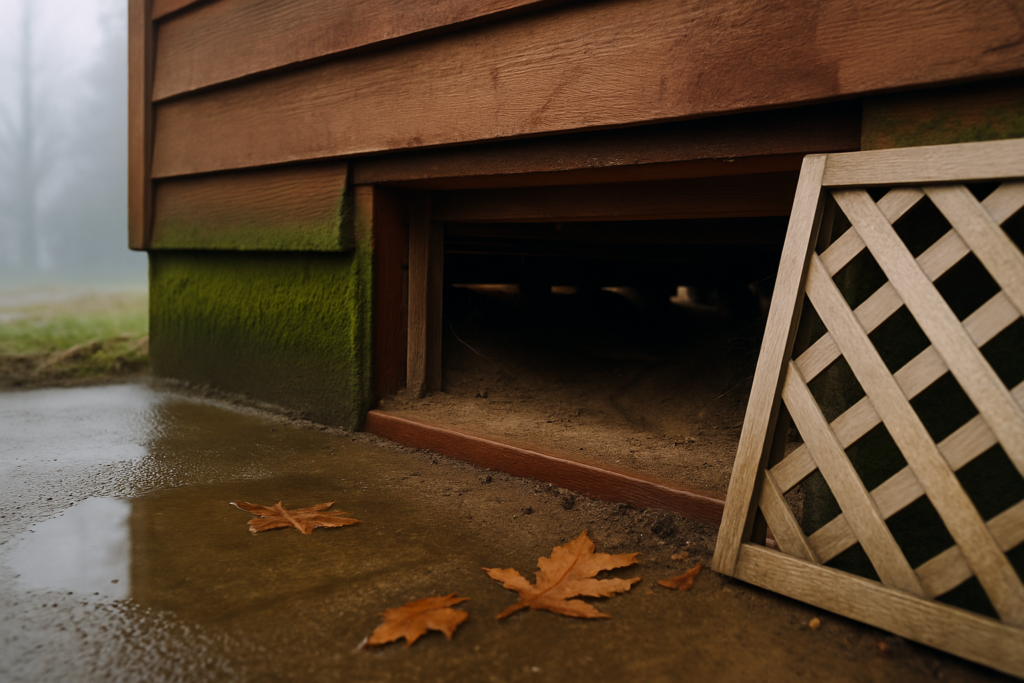
- Check Vents and Utility Lines: Make sure screens on your crawlspace and attic vents are intact. Seal gaps around pipes and utility lines.
- Trim Landscaping: Cut back tree branches or shrubs that touch your home. These act as highways for pests like ants and rodents.
Spring: Managing Moisture and New Growth
As the weather warms up (April-June), pest activity explodes. Spring is all about managing water and food sources that help their populations thrive.
- Eliminate Standing Water: Check for clogged gutters, leaky hoses, and anything in your yard that collects rainwater.
- Improve Drainage: Make sure sprinklers aren’t overwatering near your foundation.
- Monitor Garden Pests: Keep a close eye on your garden for early signs of aphids, which can attract ants.
This seasonal approach is the foundation of a strong defense. For a deeper dive, learn about West Pest Co.'s strategy for seasonal home pest control in Santa Cruz.
Summer: Securing Food and Outdoor Spaces
Summer (July-September) is peak season for ants and wasps. Your focus should be on cutting off their food supply and managing outdoor populations.
- Secure Food Waste: Make sure indoor and outdoor trash cans have tight-fitting lids.
- Clean Outdoor Areas: Regularly clean up fallen fruit and keep your barbecue area free of grease.
- Inspect for Nests: Look for wasp nests under eaves or in sheds. Catching them early prevents a bigger problem later.
Fall: Rodent-Proofing and Debris Removal
As autumn arrives (October-December), falling temperatures send rodents scrambling for warm shelter. Fall prevention is all about making your property as uninviting as possible.
- Clear Debris: Remove leaf piles and woodpiles from next to your foundation. These provide hiding spots for rodents.
- Store Food Securely: Move pet food into sealed, rodent-proof containers.
- Re-Check Your Seals: Do one final check of the seals you made in the winter to ensure they’re still intact.
Following this guide season by season is one of the most powerful things you can do to protect your Santa Cruz home.
Your Year-Round Pest Prevention Checklist
| Season | Key Prevention Tasks | Target Pests |
|---|---|---|
| Late Winter (Jan-Mar) | Inspect and seal exterior cracks and gaps. Trim landscaping away from the house. Check vent screens. | Rodents, Spiders, Ants |
| Spring (Apr-Jun) | Eliminate standing water. Check for leaks and improve drainage. Monitor garden for aphids. | Ants, Fleas, Gophers |
| Summer (Jul-Sep) | Secure trash cans with tight lids. Clean up fallen fruit and BBQ areas. Inspect for wasp nests. | Ants, Wasps, Fleas/Ticks |
| Fall (Oct-Dec) | Clear leaves and debris from foundation. Store pet food in sealed containers. Double-check all seals. | Rodents, Spiders |
This proactive rhythm of inspecting, sealing, and cleaning gives you the upper hand. It breaks the cycle of infestation and puts you in control.
How West Pest Co. Adapts to Santa Cruz's New Pest Seasons
The old pest control playbook—treating in the spring and forgetting about it—no longer works in Santa Cruz. With pests active all year, you need a flexible strategy that can keep up.
At West Pest Co., we only serve Santa Cruz County, so we have a deep understanding of the local trends affecting your neighborhood. Our flexible, eco-conscious treatments are designed for year-round effectiveness. We adjust our methods to match the season and the specific pest activity we see, ensuring your home is defended no matter what the weather is doing.
A Modern Strategy for a New Climate
Our approach is called Integrated Pest Management (IPM). This modern strategy is perfect for our changing climate because it prioritizes long-term prevention over constant chemical sprays.
Our IPM strategy includes:
- Understanding Pest Behavior: We start by figuring out why a pest is drawn to your property.
- Removing the Source: We then focus on eliminating the conditions that allow pests to thrive, like sealing entry points or managing moisture.
- Targeted, Low-Impact Treatments: When a treatment is needed, we use precise, low-impact products that are safer for your family, pets, and the Santa Cruz environment.
This method delivers a lasting solution, not just a temporary fix. It’s a sustainable way to keep your home protected through every season.
An IPM approach moves beyond simply reacting to pests. It's about creating an environment around your home where pests don't want to be, which is the most effective long-term defense.
If you’re seeing pests at unusual times of the year, it’s a clear sign that your home needs a more adaptive defense. We can help you build one.
Frequently Asked Questions
Is pest control necessary during winter in Santa Cruz?
Yes, it’s more important than ever. Milder winters mean pests like rodents and ants actively seek shelter in our homes. Winter is a critical time for prevention to stop small issues from becoming major infestations by spring.
Are your year-round treatments safe for my pets and family?
Absolutely. We practice Integrated Pest Management (IPM), which prioritizes non-chemical methods first. When products are needed, we choose low-impact options and apply them with precision, keeping your family and pets safe.
Why can't I just handle pests myself when I see a problem?
DIY sprays often fail to address the root cause of an infestation. With expanding pest seasons, the real problem—like a hidden entry point—will just keep sending more pests your way. Our trained technicians find and fix the core issue for long-term relief.
How do you know which pests are active in my neighborhood?
Because we only serve Santa Cruz County, we have become local experts. We track pest trends in each community, from coastal Capitola to inland Scotts Valley. This allows us to create effective, customized plans that a generic approach can't match.
What is the first step to getting year-round protection?
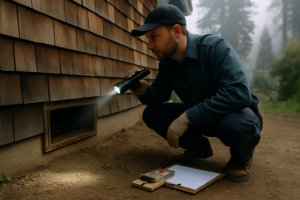
It starts with a thorough inspection. A trained professional can spot current pest activity, locate potential entry points, and assess environmental factors around your home. From there, we can build a proactive, customized plan to keep your home protected through every season.
Live in Santa Cruz County and seeing pest activity when you didn’t expect it? West Pest Co. offers tailored, eco-friendly solutions that match the region’s changing climate — book a local inspection today to stay ahead of the season.