Direct Answer: Expect to still see ants for about 7 to 14 days. Activity often climbs for two or three days while foragers carry the treatment back to the nest, then drops off steadily.
You had the treatment done on Monday. It is Wednesday morning, you are standing in the kitchen with your coffee, and there is still a line of ants running along the baseboard. The honest first thought most people have is that they just paid for nothing.
I get that call a lot, usually around day three. And almost every time, what the homeowner is describing is the treatment working, not failing.
This article stays inside one narrow window: the first 7 to 14 days after a professional ant treatment in a Santa Cruz County home. What is normal, what is not, and what you can do in week one that quietly undoes the whole thing.
How Long Should I See Ants After Treatment?
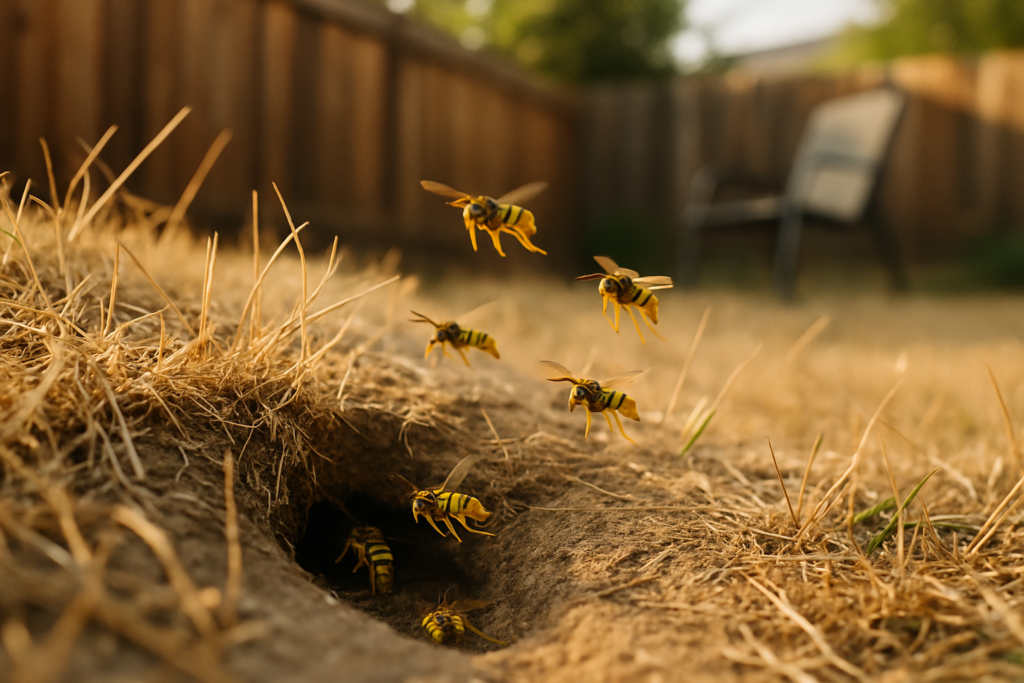
Plan on seeing ants for roughly 7 to 14 days. In the first two or three days, you may actually see more of them than you did before, and that is expected with the materials a professional uses.
The products I work with are not designed to drop every ant on contact. They are designed to be picked up and carried, which means foragers have to keep walking for the treatment to reach the part of the colony nobody can see.
Here is the shape of a normal decline:
- Days 1-3: activity holds steady or spikes. Trails may look thicker or busier.
- Days 3-7: fewer ants each day, trails get shorter and break apart.
- Days 7-14: scattered stragglers, often moving slowly or turning up dead near baseboards and under sinks.
- After day 14: occasional single ants rather than lines.
That last one matters in Santa Cruz County. A single ant wandering across the counter in Soquel in October is not a failed treatment, it is a county where the soil stays damp under the fog nine months out of twelve.
If you want the pricing side of the conversation, that is covered separately in how ant treatment is priced in Santa Cruz County.
Why the Gentle Option Is Not the Weak Option
A lot of the homeowners I work with picked us specifically because they have kids, a cat, a dog, or a vegetable bed out back. Then day three arrives and the quiet worry sets in: did I choose the softer product and lose the fight?
No. The slow part is the whole mechanism.
Non-repellent materials and baits are built so ants do not detect them and do not avoid them. The foragers walk through, walk over the treated path, carry material back, and share it with ants that never leave the nest. That handoff is where the real work happens.
A product that killed every ant in the first hour would be the one that never reached the colony. You would get a clean kitchen for four days and a brand new trail by the weekend.
This is also why I spend time on species identification and finding the actual nest and entry points before anything goes down. Treating a trail without knowing where it leads is just moving ants around.
If you are still working out the ground rules for the house during this stretch, the questions Santa Cruz homeowners ask about kids, dogs, and treatment day covers that side of it.
A New Trail in the Bathroom Is Not Automatic Failure
This one trips up more people than the day three spike. The kitchen trail dies off right on schedule, and then a fresh line shows up in the bathroom or the laundry room, and the conclusion is that the whole thing was pointless.
The reason sits in the dirt outside your house. The ant species driving most indoor complaints on the Central Coast is the Argentine ant, which does not run one tidy nest. It runs networks of shallow, connected nests that sit a few inches under damp soil and spread out under mulch beds, patio slabs, and irrigated planting strips. UC Integrated Pest Management has good background on how these colonies behave.
Pressure on one part of that network can push activity somewhere else before the whole thing goes quiet.
I have had homeowners in Aptos report ants in the kitchen, living room, and both bathrooms at the same time. One described ants through a 1,900 square foot house and across nearly an acre of yard, in the grass, the dirt, and the garden beds.
When that is the starting point, the honest measure of progress is total activity dropping across the property, not one trail disappearing overnight. Count rooms with activity, not ants on a baseboard.
What Normal Looks Like, Week One to Week Two
This is the pattern I describe to homeowners before I leave on treatment day, so nobody is guessing on Wednesday morning.
| Timeframe | What you are likely seeing | What it usually means |
|---|---|---|
| Day 1-3 | Same or heavier trail activity | Foragers are still moving and carrying material back |
| Day 3-7 | Shorter, broken trails, slower ants | The treatment is reaching ants you cannot see |
| Day 5-10 | A new trail in a different room | Network pressure shifting, not a failed treatment |
| Day 7-14 | Scattered singles, dead ants near baseboards | Normal tail end of the decline |
| Day 14+ | Steady activity, no real drop anywhere | Worth a call to look at outdoor conditions |
The Two Week Leave It Alone List
The fastest way to undo a treatment in week one is to clean or re-treat over it. Here is what to skip and what is perfectly fine.
The Two Week Mark: Slow Treatment or a Conditions Problem?
If activity has not meaningfully dropped by around day 14, the question changes. It stops being about the product and starts being about what is feeding or sheltering the colony outside.
A follow-up visit should be looking at specific things, not just spraying again:
- Irrigation and moisture against the foundation, including drip lines and leaky hose bibs
- Mulch depth piled up against stucco or siding
- Aphid activity on ornamental plants, roses, and citrus, which gives ants a steady sugar supply
- Pet bowls, bird feeders, and recycling bins on patios and side yards
- Where the trails actually enter, which is often nowhere near where you see them indoors
One homeowner in the county traced a brand new ant problem to wood mulch installed during a front yard landscaping job the previous summer. She said the ants swarm when she digs into it. That is a conditions issue, and no amount of indoor treatment fixes it. There is more on that in what landscaping changes do to a Santa Cruz yard.
Weather counts too. The first soaking rains of fall flood shallow nests and push colonies toward dry ground, which is why indoor activity can jump weeks after a solid treatment. Ants indoors after the first fall rain walks through that pattern.
And calling back does not mean you are getting sold a monthly plan. Sometimes the answer is one more targeted visit and a mulch adjustment.
What a Clear Treatment Day Should Have Told You Already
Most of the week one anxiety I hear about traces back to a treatment day where nobody explained anything. You got a visit, you got an invoice, and you got no idea what was applied or what to expect.
On our jobs, trails get traced on site, the materials get named out loud, and the timeline gets explained before anyone packs up. One customer put it this way in a review:
“Matt texted when he was on his way, arrived promptly, completed the paperwork, traced the ant trails and got to work. Everything he used was pet, plant and kitchen safe.” – Lynette A.
That is the standard worth asking for from anyone who treats your home. If you know what went down and why, day three stops being a crisis and starts being a checkpoint.
Frequently Asked Questions About Ants After Treatment
Should I clean up the dead ants I’m finding?
Sweep or vacuum them up, that is fine. Just avoid scrubbing the treated paths and baseboards with vinegar or kitchen cleaner for about two weeks, because that removes the material the foragers are supposed to be walking through.
Can I put out my own bait while I wait?
I would skip it. Store bought baits and repellent sprays can scatter the foragers and pull them away from the professional application, which stretches the timeline out instead of shortening it. If you already tried borax baits with no results before calling, there is a reason, and stacking another brand on top usually does not change it.
It has been 10 days and I still see a few ants a day. Is that normal?
Yes. A handful of single wandering ants at day 10 is the tail end of a normal decline. What I want to know is whether the organized trails are gone. Lines moving in both directions mean a colony is still feeding. Loners mean it is winding down.
Why did ants show up in a room that never had them before?
Argentine ant colonies around here run as connected networks under mulch, patios, and irrigated beds. Treating one area can shift foraging pressure to a different entry point for a few days before overall activity drops. Judge it by total activity across the whole house, not by one new trail.
Will one treatment keep ants out for good?
No, and I would not trust anyone who says otherwise. In a county where the soil stays damp most of the year and nests sit a few inches down in every landscaped bed on the block, the outside pressure never fully stops. The realistic goal is knocking down active colonies and keeping the pressure low, not making a property ant-proof forever.
Questions About a Treatment Already in Progress?
We handle ant work across Santa Cruz, Aptos, Capitola, Scotts Valley, and Watsonville, and the week one questions are some of the most common ones we get. If you are partway through the two week window and something does not look like the pattern described here, a phone call is usually enough to sort it out. Reach us at (831) 430-8402 or at westpestco.com.