Dealing with rats in your home can be unsettling. You've likely heard scratching in the walls or found droppings in the pantry and wondered, "Why here? Why my house?" The truth is, rats are resourceful survivors. The unique coastal environment of Santa Cruz County provides an ideal habitat for them.
From the redwood forests of Scotts Valley to the shores of Capitola, certain conditions can turn your property into a prime target. So, what attracts rats to your house? This guide breaks down the top seven factors, giving you clear steps to protect your home.
1. Unsecured Food: The Primary Invitation
The number one reason rats enter a home is for an easy meal. Their powerful sense of smell can detect food from far away. This makes unsecured food the biggest factor in what attracts rats to your house.
It's not just about a full trash can. Even tiny crumbs under the toaster or an unsealed bag of pet food in the garage can be an open invitation. In Santa Cruz, many homes have gardens with fruit trees. Fallen fruit also creates a powerful lure that draws rats right to your doorstep. An adult rat only needs about one ounce of food per day to survive.
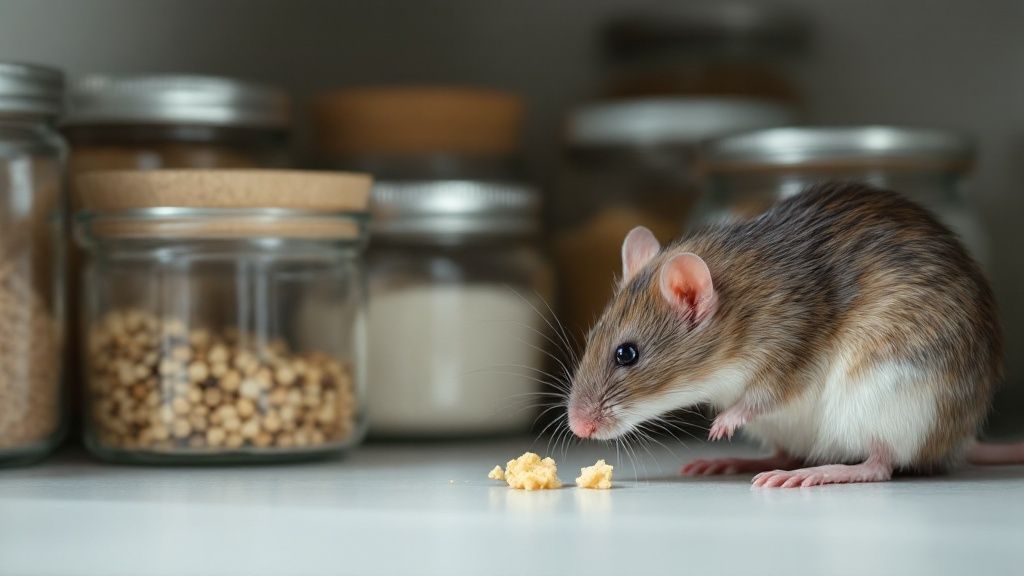
How to Secure Your Food Sources
To stop your home from becoming a rodent buffet, you need to cut off their food supply. This requires a consistent approach to food storage and kitchen cleanliness.
Actionable Prevention Tips:
- Use airtight containers. Move pantry items like cereal, flour, and nuts into containers made of glass or hard plastic. Rats can easily chew through cardboard boxes and bags.
- Clean up right away. Wipe down counters, sweep floors, and clean under appliances after every meal to get rid of crumbs.
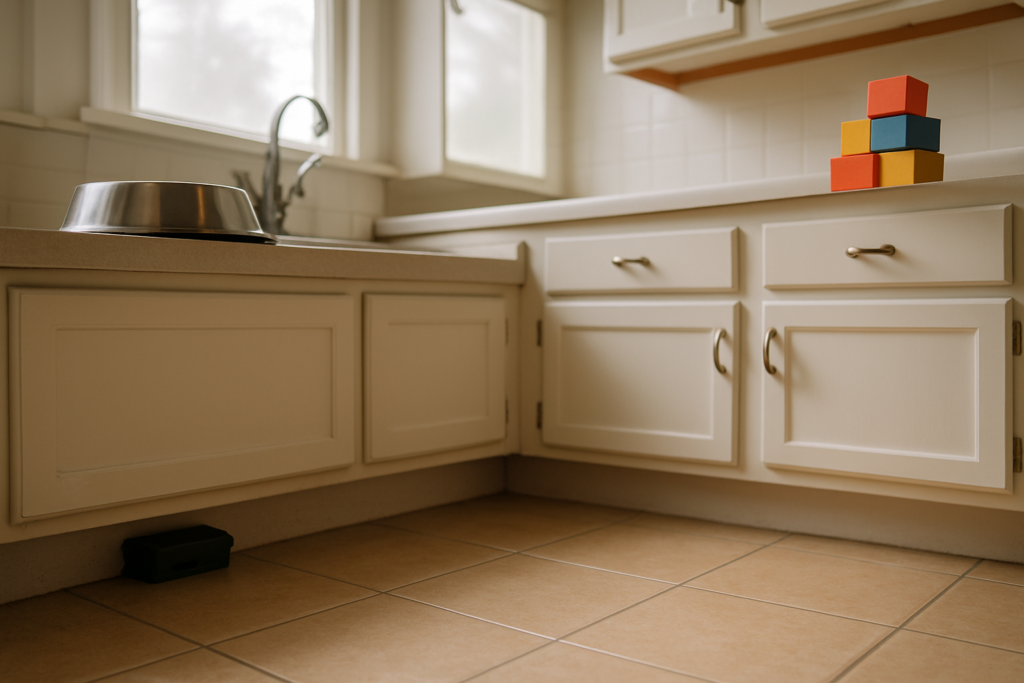
- Manage pet food. Do not leave pet food out overnight. Store it in a sealed, chew-proof container, not the original bag.
- Secure your garbage. Use trash cans with tight-fitting lids both inside and outside your home.
2. Water Sources and Moisture
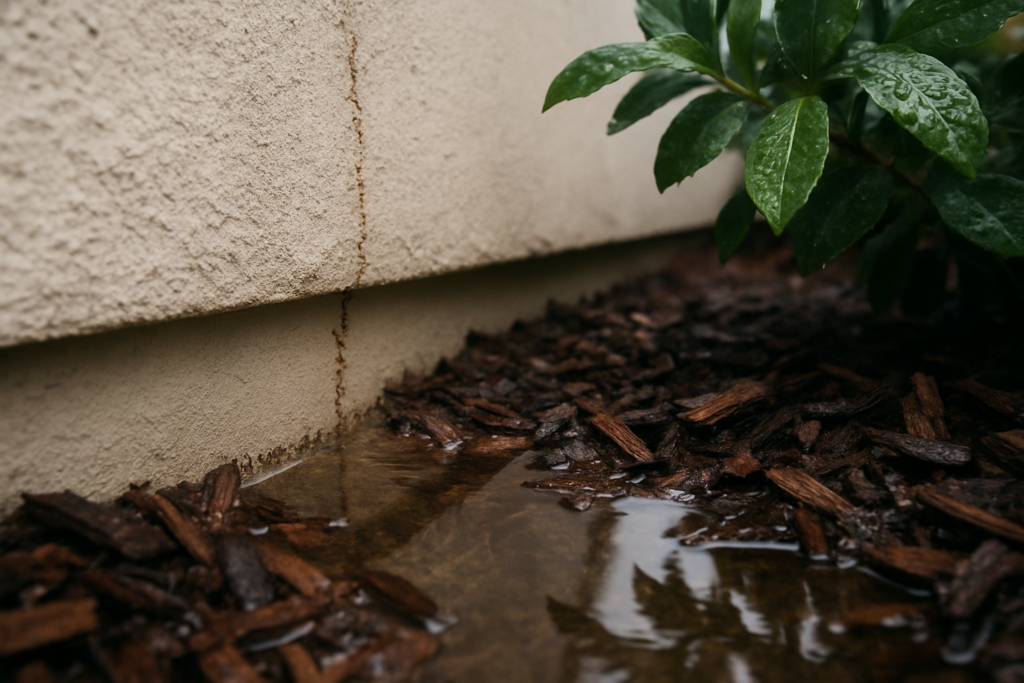
Like all living things, rats need water to survive. An adult rat needs about one ounce of water daily, so any consistent moisture is a powerful draw. This is a key reason rats are attracted to your house, as they will seek out places with easy access to water.

In Santa Cruz County, damp crawl spaces or leaky pipes under sinks can provide enough water for a rat colony. Even a pet’s water bowl on the porch can be a problem. Other common water sources include clogged gutters, leaky air conditioning units, and damp basements.
How to Eliminate Water Sources
Managing moisture is just as important as securing food. By removing easy access to water, you make your home a much less friendly place for rodents. A dry home is a safer home.
Actionable Prevention Tips:
- Fix all plumbing leaks. Check under sinks, in basements, and around appliances for drips. Repair any leaks right away.
- Ensure proper drainage. Keep your gutters clean so water flows away from your home's foundation.
- Manage pet water. Bring pet water bowls inside overnight instead of leaving them outside.
- Control indoor humidity. Use dehumidifiers in damp areas like basements and crawl spaces. Find more tips to keep your property protected year-round.
3. Shelter and Nesting Opportunities
Besides food and water, rats need a safe, warm place to build a nest and raise their young. The search for shelter is a key reason what attracts rats to your house. They look for dark, quiet spots that protect them from predators and the coastal weather here in Santa Cruz County.
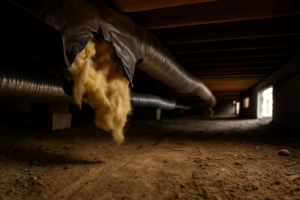
Cluttered garages, messy attics, or the space under a deck are perfect for a rodent family. Rats build nests using materials like shredded paper, fabric, and attic insulation. They can squeeze through an opening as small as a quarter, so even tiny gaps can become an entrance to an ideal nesting site.
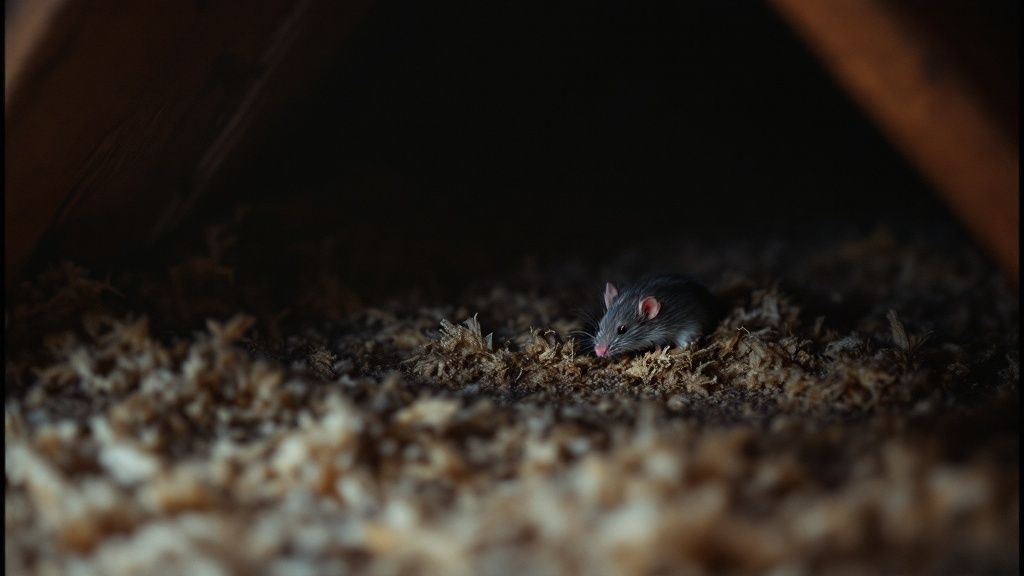
How to Eliminate Nesting Sites
Making your home less inviting means removing potential nesting spots and sealing off any access points. To truly fortify your home, it's beneficial to understand how various creatures seek refuge. For instance, exploring how bats find shelter in attics can provide broader insights into securing your home from unwanted guests seeking cozy nesting opportunities.
Actionable Prevention Tips:
- Declutter regularly. Tidy up storage areas like attics, basements, and garages. Store items in heavy-duty plastic totes with tight lids, not cardboard boxes.
- Seal entry points. Check your home’s exterior for cracks and holes. Fill them with steel wool and caulk, as rats cannot chew through steel.
- Maintain your yard. Keep shrubs and trees trimmed away from your house. Store firewood at least 20 feet from your home.
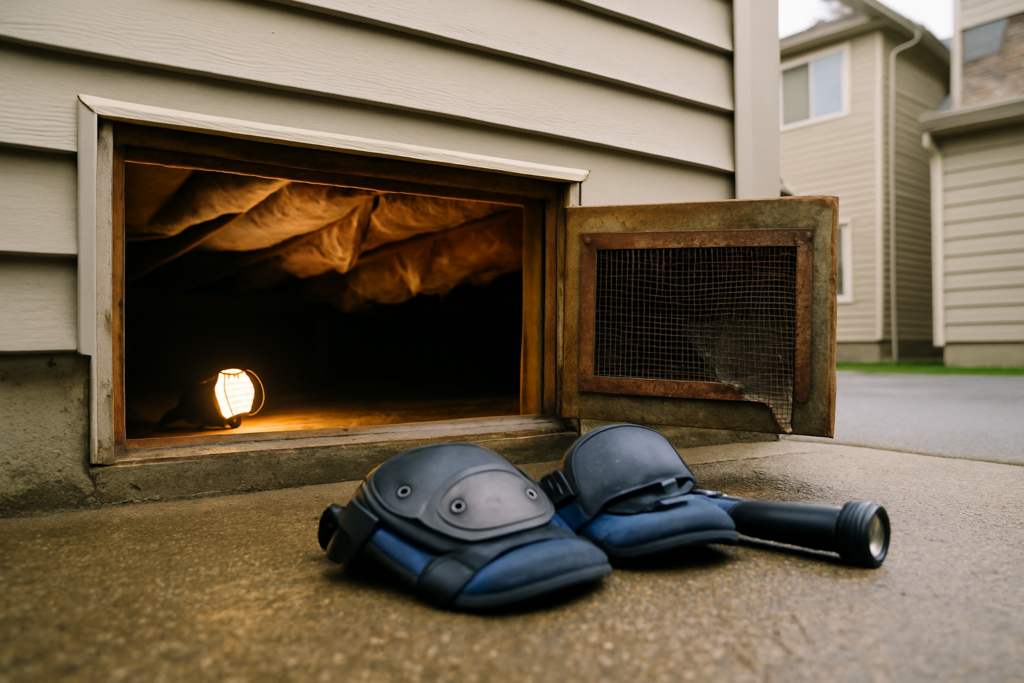
- Secure crawl spaces. Make sure crawl space doors are sealed tightly and cover vents with durable wire mesh.
If you think rats have already found shelter in your home, it's important to act fast. Learn more about how to get rid of a rat infestation on westpestco.com.
4. Easy Entry Points and Structural Gaps
Even if you manage food and water sources, your home can still be at risk if it has easy entry points. A key factor in what attracts rats to your house is the presence of structural gaps. Rats can squeeze through an opening as small as a quarter, making tiny cracks in your foundation or gaps around pipes potential doorways.
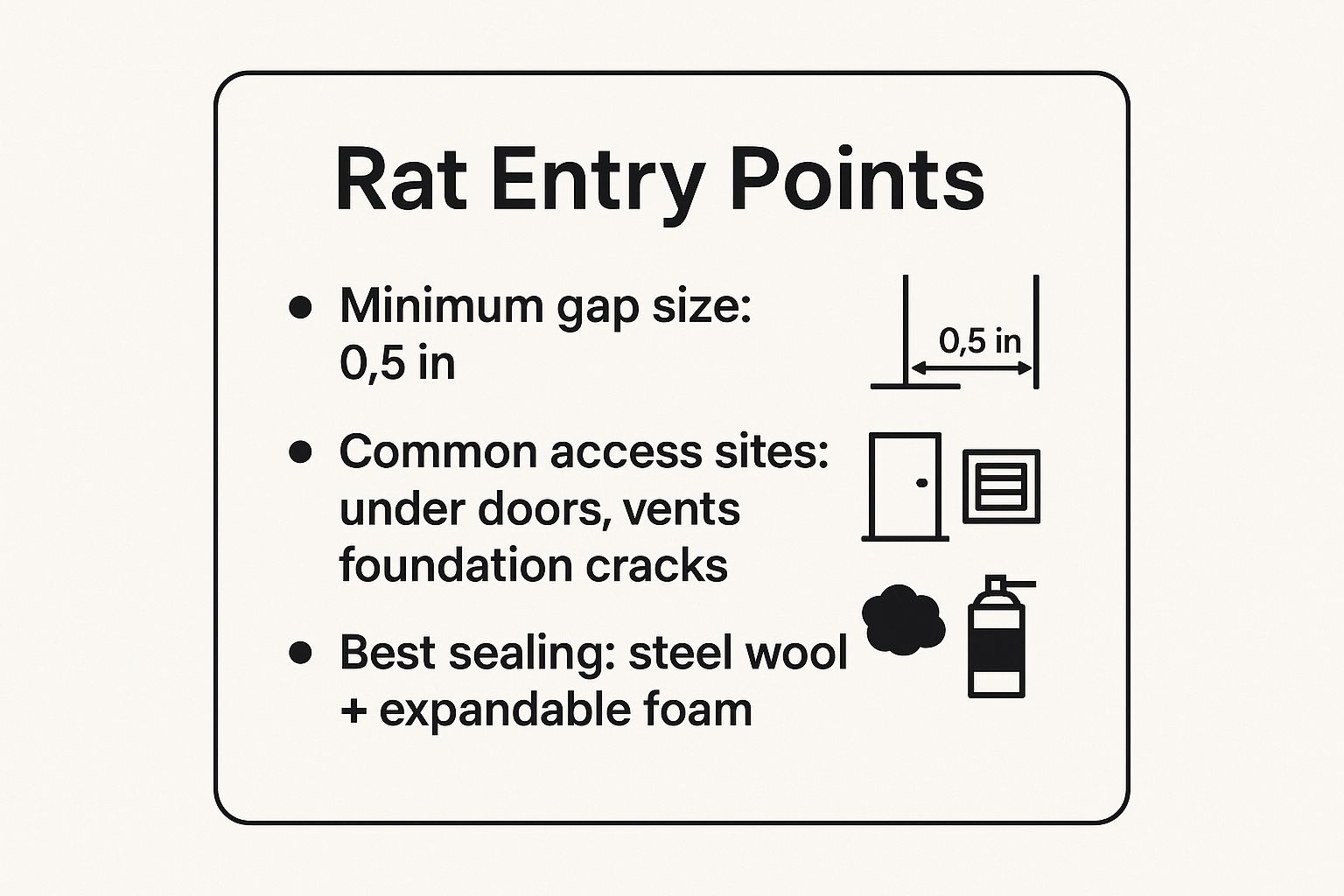
In Santa Cruz County, older homes with shifting foundations are especially at risk. It's important to inspect your home for any gaps. This includes the space under your garage door, where replacing a failing garage door bottom seal can be a simple and effective fix.
How to Seal Potential Entry Points
Preventing entry requires a careful inspection of your home’s exterior and sealing any weaknesses you find. This process is one of the best long-term pest control strategies.
Actionable Prevention Tips:
- Seal holes and cracks. Fill small gaps in walls and foundations with steel wool (which rats can't chew through) and seal with caulk.
- Install door sweeps. Place sturdy door sweeps on the bottom of all exterior doors to eliminate any gaps.
- Repair damaged screens. Check all window and vent screens for tears or holes and repair them right away.
- Inspect your roof. Look for damaged roof tiles or loose flashing around chimneys that could provide entry to your attic. Learn more about how to keep rats away.
5. Garbage and Compost
Poorly managed garbage is a guaranteed way to attract rats to your house. It acts as a reliable, all-you-can-eat buffet. Rats are drawn to the strong smells of rotting food and can easily chew through plastic bags to get to it.
In communities across Santa Cruz County, how waste is handled plays a big role in pest prevention. A single household's unsecured trash can become a feeding station for a local rat population. Those rats then seek shelter in nearby homes.
How to Improve Your Waste Management
To make your property a no-go zone for rodents, you must make your garbage completely inaccessible. This involves creating physical barriers and reducing the attractive smells that lure them in.
Actionable Prevention Tips:
- Use cans with tight-fitting lids. Make sure your outdoor garbage and recycling bins seal securely. If a lid is cracked, replace it.
- Store bins away from the house. If you can, keep garbage cans away from your home's foundation until pickup day.
- Clean your bins regularly. Wash out your garbage cans with soap and water to remove food residue and odors.
- Bag all trash. Tying all garbage in sealed bags before placing it in the can helps contain smells.
- Manage compost carefully. Avoid adding meat or dairy to your compost pile. Use a rodent-proof compost bin with a secure lid. Learn more about the best rodent prevention in Santa Cruz.
6. Pet Food and Bird Feeders
It's easy to overlook outdoor food sources that are just as appealing to rodents. Pet food and birdseed are high-protein meals that provide excellent nutrition for rats. This makes them a major factor in what attracts rats to your house.
A bowl of dog food left on the patio or scattered seeds under a bird feeder can feed an entire rat colony. In Santa Cruz neighborhoods, these food sources can unintentionally create "highways" for rats, guiding them right to your home.
How to Manage Pet and Bird Food
You can feed pets and birds without creating a rodent problem. The goal is to feed the intended animals without giving a free buffet to rats.
Actionable Prevention Tips:
- Feed pets indoors. The safest method is to feed your pets inside and pick up any leftover food right away. Never leave food out overnight.
- Use rodent-proof storage. Store pet food and birdseed in heavy-duty, sealed metal or hard plastic containers.
- Keep bird feeding areas clean. Use bird feeders with catch trays to limit spills. Sweep up any scattered seeds on the ground daily.
- Pause feeding if you see rats. If you notice signs of rodent activity, it's best to stop feeding birds until the problem is under control.
7. Overgrown Landscaping
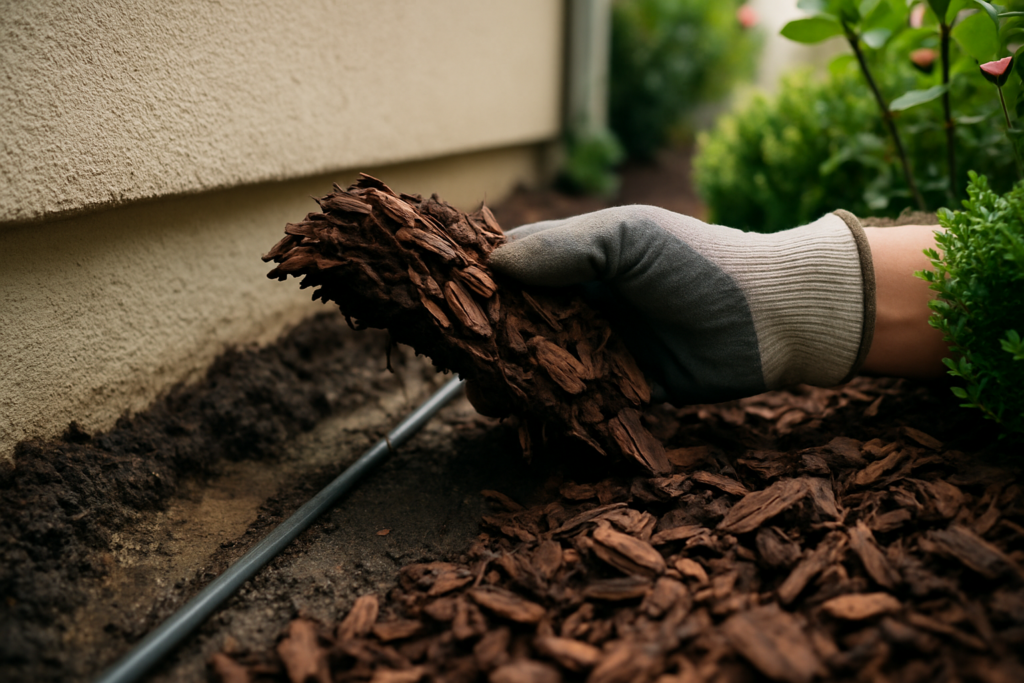
The state of your yard plays a huge role in what attracts rats to your house. Overgrown plants, dense ivy, and large shrubs offer rodents perfect cover from predators like hawks and cats. These natural "highways" allow them to travel unseen right up to your foundation.
In Santa Cruz, where lush gardens are common, dense ground cover or tree branches touching the roof provide rats a hidden bridge to your attic. A well-maintained yard is your first line of defense.
How to Manage Your Landscaping
Making your yard less inviting to rats involves creating clear, open spaces around your home. This eliminates their hiding spots and encourages them to move elsewhere.
Actionable Prevention Tips:
- Create a buffer zone. Keep a two-foot, vegetation-free area around your home’s foundation.
- Trim trees and shrubs. Cut back any tree branches that are within three feet of your roofline.
- Keep grass short. Mow your lawn regularly and remove tall weeds and brush piles where rats can hide.
- Manage your garden. Harvest fruits and vegetables when they ripen and pick up any fallen produce from the ground. A tidy garden is key to effective garden pest control.
Frequently Asked Questions
Why do I suddenly have rats?
A sudden rat problem often means a new food source has appeared nearby. This could be anything from a neighbor's unsecured trash to fallen fruit in your yard. Rats may also move indoors when the weather gets colder in Santa Cruz.
What smell will keep rats away?
Rats dislike strong smells like peppermint oil, cayenne pepper, and cloves. While these can help, they are not a substitute for sealing entry points and removing food sources.
Can rats climb walls?
Yes, rats are excellent climbers. They can easily scale rough surfaces like brick, stucco, and wood siding to access roofs, attics, and upper floors.
How quickly can a rat infestation grow?
A female rat can have up to six litters a year, with 5 to 10 babies per litter. According to the EPA, a single pair of rats can produce as many as 15,000 descendants in one year under ideal conditions. This means a small problem can become a major infestation very quickly.
What are the signs of a rat infestation?
Common signs include finding droppings (small, dark pellets), seeing gnaw marks on wood or food packaging, hearing scratching sounds in walls or ceilings, and finding nests made of shredded material in hidden areas. You might also notice a musty odor.
Your Next Steps for a Rat-Free Santa Cruz Home
Understanding what attracts rats to your house is the first step in protecting your property. The main magnets for rodents are easy access to food, water, and shelter.
By now, you should have a clear plan. Start by securing all food in airtight containers and cleaning up crumbs daily. Next, inspect your home's exterior and seal any cracks or gaps you find. Finally, trim back overgrown bushes and make sure your trash can lids are secure.
Taking these steps will make your home much less appealing to rats. However, if you're already hearing scratching in the walls, you may have an infestation. Rodents reproduce quickly, so it's important to act fast. For Santa Cruz County residents, professional help is the safest and most effective solution. An expert can find hidden entry points and use an eco-friendly strategy to protect your home.
Ready to secure your home from rodents? The experts at West Pest Co. specialize in comprehensive, eco-friendly solutions tailored to the unique challenges of Santa Cruz properties. Contact us today for a free estimate and take the definitive step toward a rat-free home.