Direct Answer: Ant treatment pricing in Santa Cruz County is driven by scope: interior square footage, how much yard needs coverage, number of trails, and nest location. An honest number comes after someone walks the property.
Two homes on the same Santa Cruz street can have the exact same tiny black ants in the kitchen and get two very different prices. That is the part homeowners get stuck on, and it is usually the reason people stall out before calling anyone.
Most of the time the gap has nothing to do with markup. It comes down to scope, meaning how much house and how much ground the treatment actually has to cover.
This guide walks through what genuinely moves an ant quote in Santa Cruz County, why a one-time visit and a return visit are priced as two separate things, and why the safety questions a homeowner asks are a pricing input and not a sales angle.
Why Two Ant Quotes in the Same Neighborhood Look Nothing Alike
National cost articles give an average. That average was not written for a 1,900 square foot house on a nine-tenths of an acre lot in Santa Cruz County, and it was not written for a one-bedroom apartment unit either.
Both of those are real local situations. One homeowner described ants in every room of the house plus ants everywhere outside in the grass, dirt, and garden. Another had just moved into a unit in a complex and found ants all over the kitchen. Same pest, completely different job.
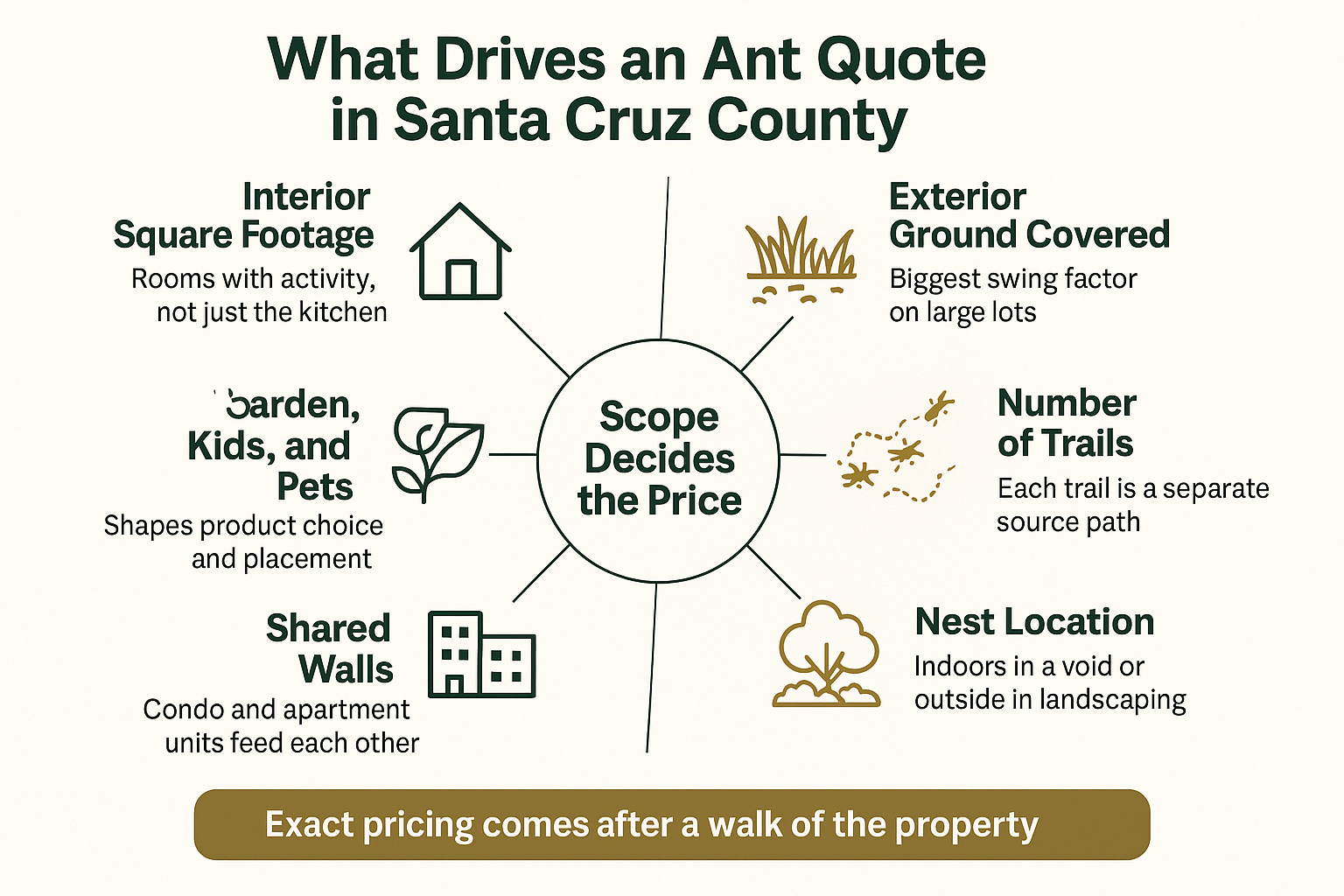
Here is what actually moves the number:
- Interior square footage that needs attention, not just the one room where ants are visible
- How much exterior ground has to be covered, which is the biggest swing factor on larger lots
- How many separate trails and entry points exist, since four trails means four source paths to trace
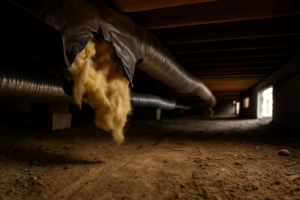
- Where the nest sits, indoors in a wall void versus out in the landscaping
- Whether the property shares walls, because a condo or apartment unit has neighboring units feeding the problem
A kitchen-only trail with one clear source is a contained job. An acre of active ground is a different scope entirely, and no honest number for either one comes over the phone before someone walks the property.
One Visit or a Return Visit: Why They Are Priced Separately
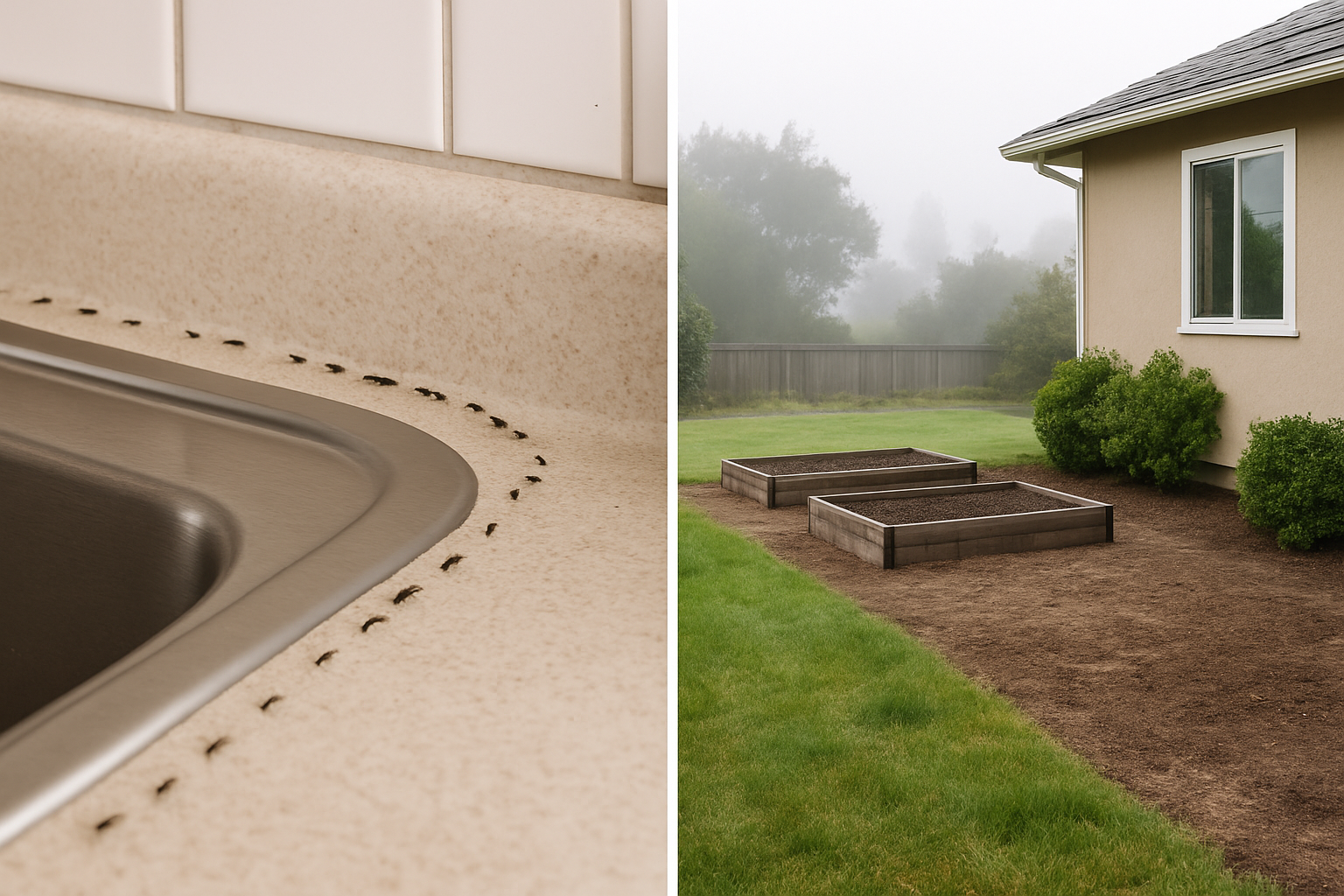
A lot of callers ask the same question up front: what does a single visit cost. One Aptos homeowner wanted a one-time treatment for ants showing up in the kitchen, living room, and bathrooms. A Santa Cruz landlord asked for an assessment plus one treatment to start, with nothing ongoing.
That is a fair way to approach it. A fresh trail from one identifiable source often is a one-visit job.
But a colony working an entire yard is not the same work, and pricing follows the work rather than a package name. A follow-up visit is generally triggered by what the technician finds, not by a script:
- Multiple colonies on the property instead of one
- Nest located outdoors in mulch, irrigation lines, or foundation plantings where conditions keep rebuilding
- Bait-dependent species where the colony needs time to carry material back
- Shared walls or a neighboring property with its own activity
Nobody should promise that one visit ends ants forever. Coastal soil moisture, fog, and mature landscaping keep pressure on a Santa Cruz property no matter who treats it. Treatment addresses the active problem and reduces pressure, which is why some homeowners describe ants coming back after treatment and misread it as a failed job when it is really a new push from outside.
Scope Scenarios and What They Mean for Price
These are general patterns seen across Santa Cruz County properties, not fixed quotes. Costs in this market vary widely, and the only accurate figure comes after an on-site look.
| Property Situation | What the Work Usually Involves | Effect on Price |
|---|---|---|
| Single kitchen trail, clear source | Interior spot treatment, bait placement, trail tracing to the entry side | Toward the lower end of local market range |
| Ants in 3-4 rooms, small lot | Full interior attention plus a perimeter pass on a modest footprint | Moderate, driven by interior square footage |
| House plus large active yard | Interior work plus substantial exterior ground, mulch beds, and plantings | Higher, exterior coverage is the main driver |
| Apartment or condo unit | Unit treatment with limited control over adjoining units | Smaller job, but recurrence risk is outside the unit |
| Organic garden or pets on site | Product selection and placement adjusted before any treatment begins | Usually neutral, precision replaces volume |
Safety Constraints Are a Pricing Input, Not an Upsell
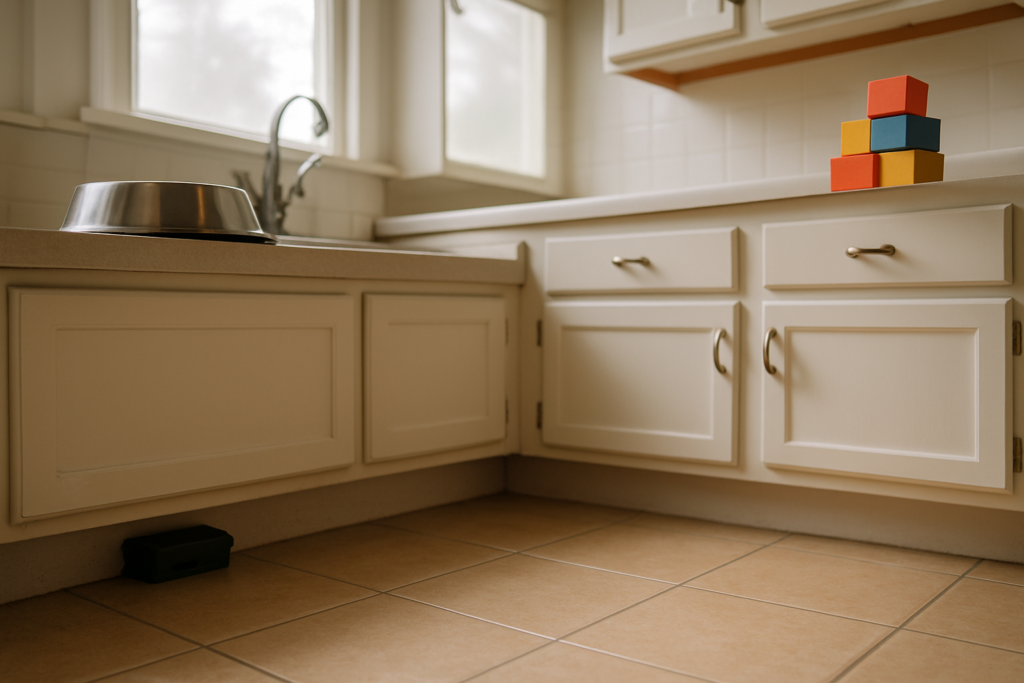
Homeowners in this county bring up their constraints before anyone asks. One wrote in saying there was an organic vegetable garden in the back yard and wondered if that limited the treatment options. Another called specifically because of cats in the house. A reviewer described a technician adjusting recommendations because of a household member’s lung sensitivity.
There is a common assumption that the safe option automatically costs more. In practice, targeted low-toxicity work is mostly about precision and placement, not a premium product line.
Treating a defined trail and the nest area often requires less material than spraying everything in sight. A technician who asks about the raised beds, the chickens, or the dog’s favorite patch of lawn before quoting is doing the job the right way, and that conversation shapes the plan before a price exists.
One local reviewer put it simply after an ant job: “Everything he used was pet, plant and kitchen safe.” Lynette A.
If treatment day logistics are the sticking point, the questions homeowners ask about kids, dogs, and treatment day cover what to expect before, during, and after.
What a Technician Looks At Before Quoting Ants
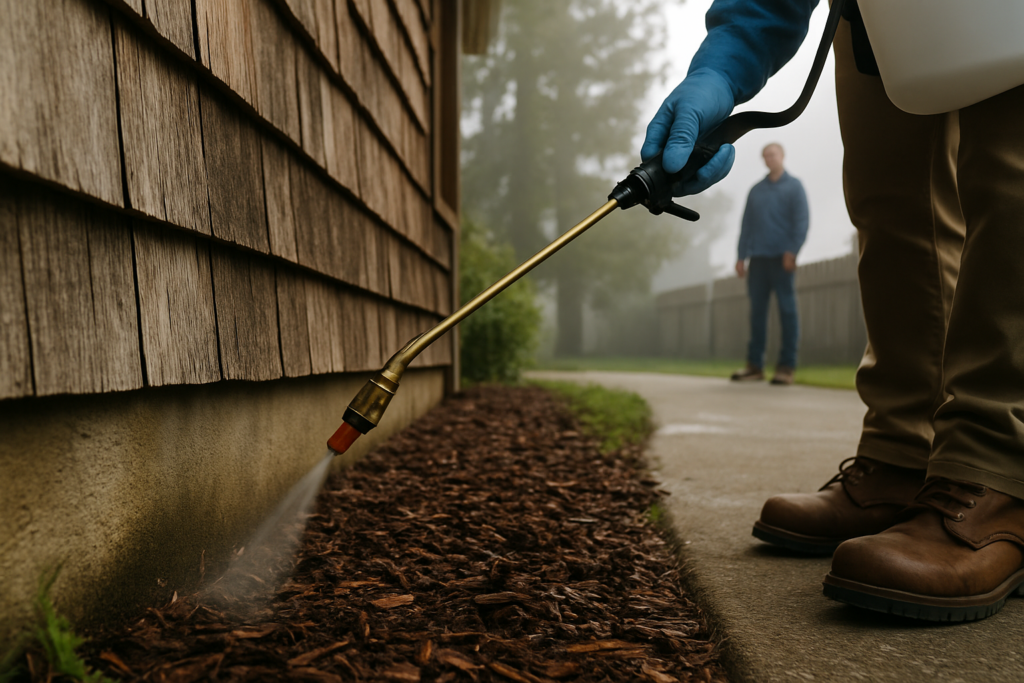
Most of a quote is decided outside the house, before anyone talks about a number.
What an Inspection Buys That a Bait Pack Does Not
Most people calling about ants have already spent money. A household near an elementary school reported that commercial borax baits were not touching small ants in multiple rooms. Another homeowner said flatly that the ants do not respond to any kind of trap. A rental owner put out traps and saw no results at all.
None of that means the effort was wasted. It usually means the bait did not match what that colony was feeding on at that point in the season.
An inspection is buying three specific things:
- Species identification, since different ants want sugar or protein at different times of year
- Finding where the colony actually sits, which is often outside the room where ants are visible
- Matching bait chemistry and placement to current feeding behavior instead of guessing
The University of California’s statewide IPM program notes that Argentine ants, the dominant nuisance ant along this stretch of coast, form large interconnected colonies that shift food preferences seasonally, which is why a single bait can work one month and get ignored the next. Their pest notes on Argentine ants are worth a read before buying another box of anything.
That inspection time is part of why professional pricing does not look like a nine dollar bait pack. A bait the ants ignore is not cheaper, it is just slower. More on that in ant baits that do nothing and what Santa Cruz kitchens are missing.
Why a Summer Quote and a Fall Quote Can Differ on the Same House
Ant pressure here is rain driven and landscape driven. Inland California gets a clean seasonal cycle. Santa Cruz County does not, because soil moisture and fog keep ants active close to year round, which changes what a treatment has to cover depending on when it happens.
Property changes matter more than the calendar. One homeowner had the front yard landscaped with wood mulch and then found ants swarming every time they dug into it. Another, out past Watsonville near Lakeview, noticed pests pushing toward the house when nearby agricultural ground was being treated.
When a technician walks the exterior, the attention goes to:
- Mulch beds, especially fresh bark that holds moisture
- Irrigation lines and drip emitters with steady damp soil
- Foundation plantings touching stucco or siding
- The wet, shaded side of the house where fog lingers longest
- Fence lines and shared property edges near open ground or ag fields
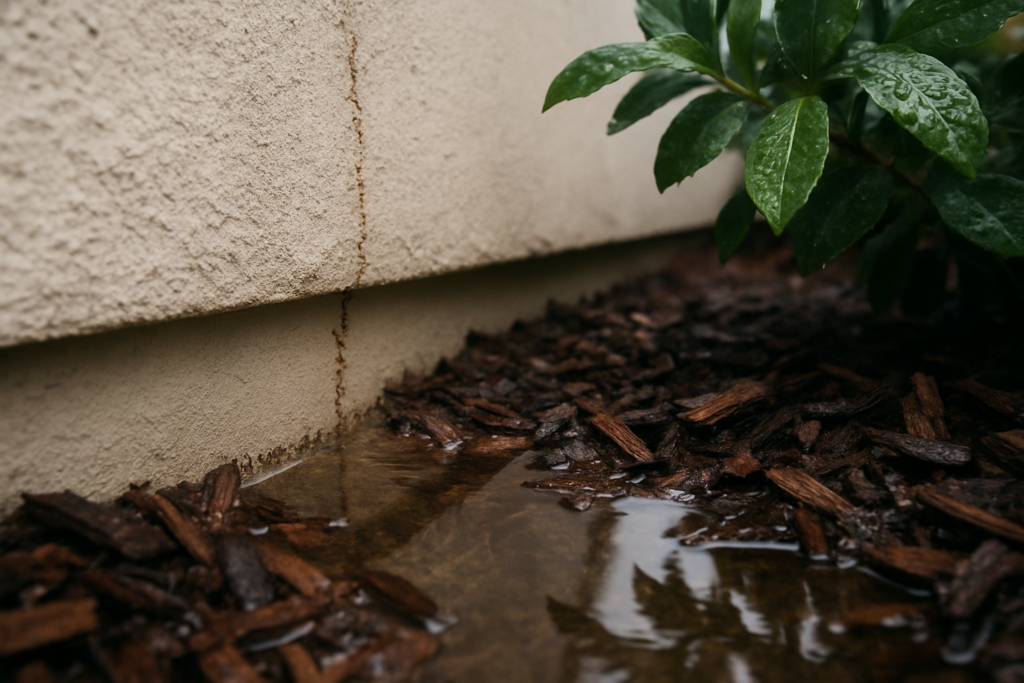
A yard with new landscaping or a neighboring field is simply a larger job than a kitchen trail. That is exactly why the number moves between one visit and the next, and why new mulch so often means new ant trails.
Who Gives You the Number Matters as Much as the Number
Local reviews keep landing on the same detail: Matthew West does the inspection himself, explains what he found, and prices the work after seeing it. One long-standing review noted competitive pricing alongside a better read on the pest’s behavior than the other bidders gave.
That approach is also why pricing conversations here do not start with a plan name. The scope gets defined first, then the number follows.
Same logic applies across other pest categories in this county, including what moves rat removal costs up or down.
Frequently Asked Questions About Ant Treatment Cost in Santa Cruz County
Can I get an ant treatment price over the phone?
A general range, sometimes. An accurate number, no. Square footage, yard size, and nest location change the job too much, and a quote given sight unseen tends to get revised once someone actually walks the property.
Is a one-time ant treatment enough?
Often yes for a single fresh trail with one clear source. For a colony working an entire yard, expect the scope to be bigger. Treatment handles the active problem, and ongoing conditions like coastal soil moisture keep some pressure on the property regardless.
Does eco-friendly ant treatment cost more?
Usually not. Low-toxicity work is about placement and precision, and treating a defined trail and nest area can take less material than blanket spraying. The bigger cost driver is how much ground has to be covered, not which products are used.
Why are ants worse at my house than my neighbor’s?
Look at the differences outside. Fresh bark mulch, drip irrigation, shrubs touching the foundation, and a shaded wet side of the house all create better nesting conditions. Two homes fifty feet apart can have completely different pressure.
I rent out the property. Does that change the pricing?
The scope rules are the same, but access does change things. Several local landlords ask for an assessment plus a one-time treatment to start, which is a reasonable way to find out what is actually going on before committing to anything larger.
I already spent money on baits. Was that wasted?
Not wasted, just incomplete. Store baits fail mostly because the chemistry does not match what the colony is feeding on that month, or because the bait is sitting ten feet from where the ants actually travel.
Getting an Accurate Ant Number for Your Property
West Pest Co. covers Santa Cruz, Aptos, Capitola, Scotts Valley, and Watsonville, and Matthew often answers the phone himself. An exact figure for a specific house comes from a look at the house, the yard, and the trails. Details are available at (831) 430-8402 or westpestco.com.