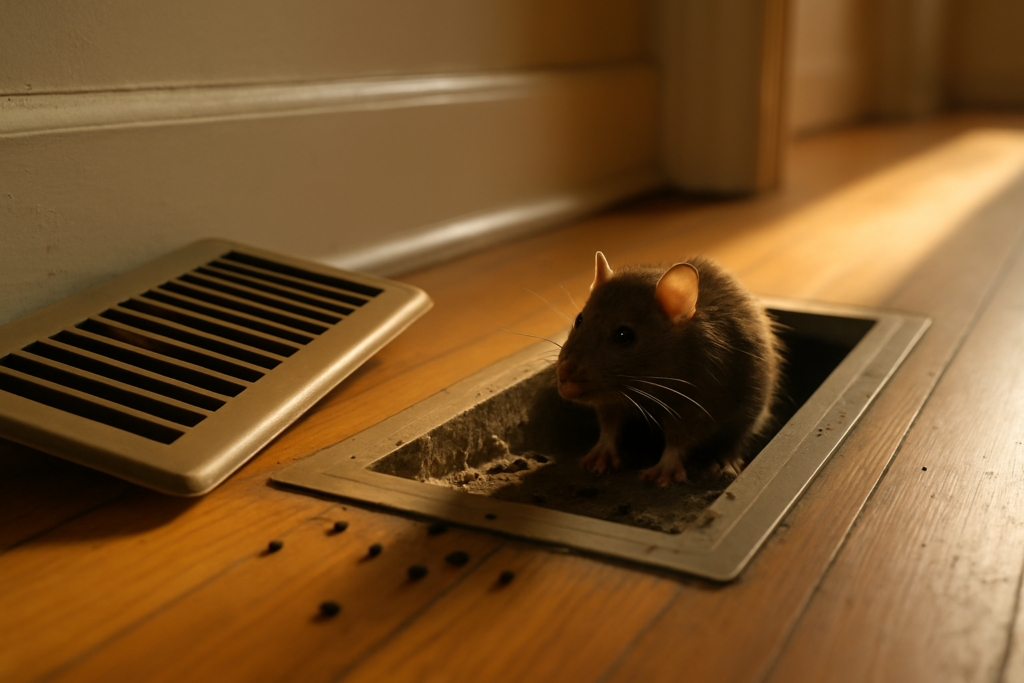
Direct Answer: Pest inspectors focus on entry points, moisture zones, and harborage areas that most homeowners overlook — places like crawl spaces, wall voids, attic edges, and utility penetrations where pests live and breed out of sight.
Most homeowners spot the obvious stuff — an ant trail crossing the kitchen counter, a spider in the corner of the garage, a mouse dropping behind the stove. But by the time those signs show up, the actual problem has usually been building somewhere else for weeks.
A trained inspector doesn’t start where you see the pest. They start where the pest came from, where it’s nesting, and what conditions in your home are keeping it comfortable. In Santa Cruz County, that list of conditions is longer than most people expect — the coastal fog and year-round humidity create exactly the kind of environment that rodents, cockroaches, ants, and spiders love.
This article breaks down the specific things a pest inspector checks that most homeowners walk right past. Understanding what they’re looking for can help you catch problems earlier — or at least know what questions to ask when someone comes out to your home.
The Entry Points Most Homeowners Never Think to Check
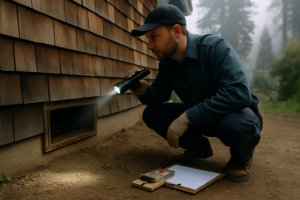
Most pest problems start at the exterior, not the interior. An inspector walks the outside of your home before they ever go inside — and they’re looking at things most people stop noticing after the first week in a new house.
Common exterior entry points that get missed:
- Gaps where utility lines enter the home — gas, cable, plumbing, and electrical conduits often leave a ½-inch or larger gap around them where they pass through the wall. Rats only need about ¾ inch to squeeze through.
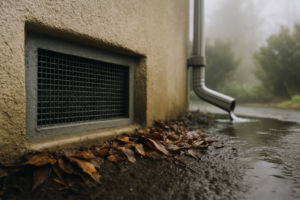
- Weep holes in stucco — these are intentional openings, but they’re also open invitations for ants, cockroaches, and spiders if left unscreened
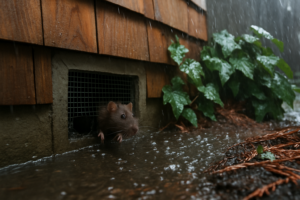
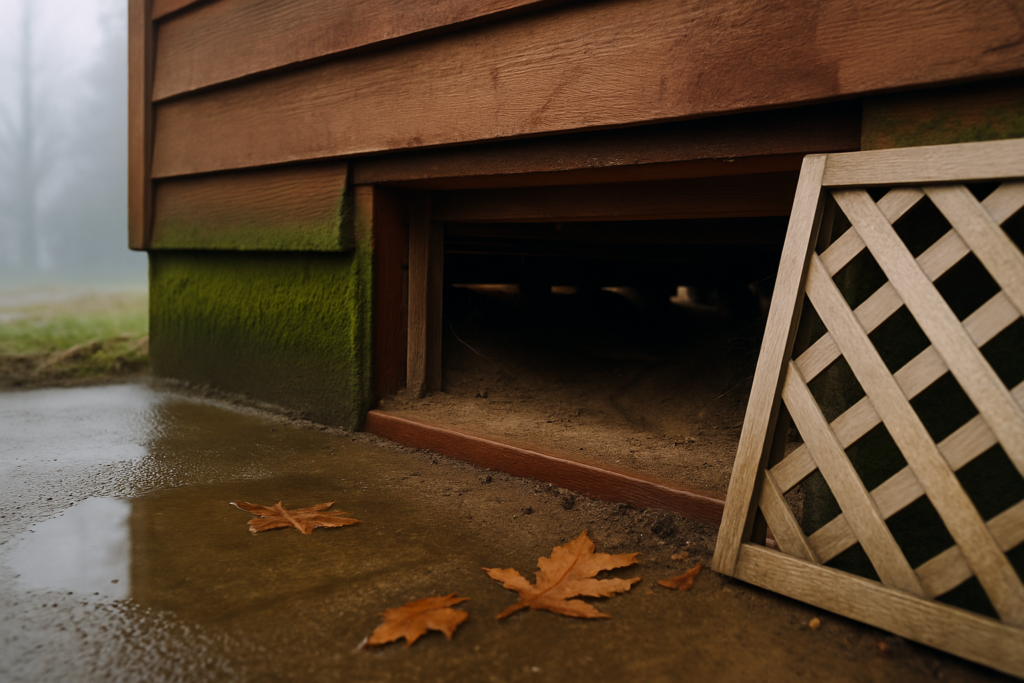
- Crawl space vents — especially ones where the mesh screen has rusted, torn, or been pushed out from the inside
- Where the roofline meets the fascia board — wood rot at this junction is a common entry point for roof rats, which are extremely active in Santa Cruz neighborhoods like Seabright and the Westside
- Garage door bottom seals — the rubber sweep wears down and leaves a visible gap, but most people assume it’s still sealing properly
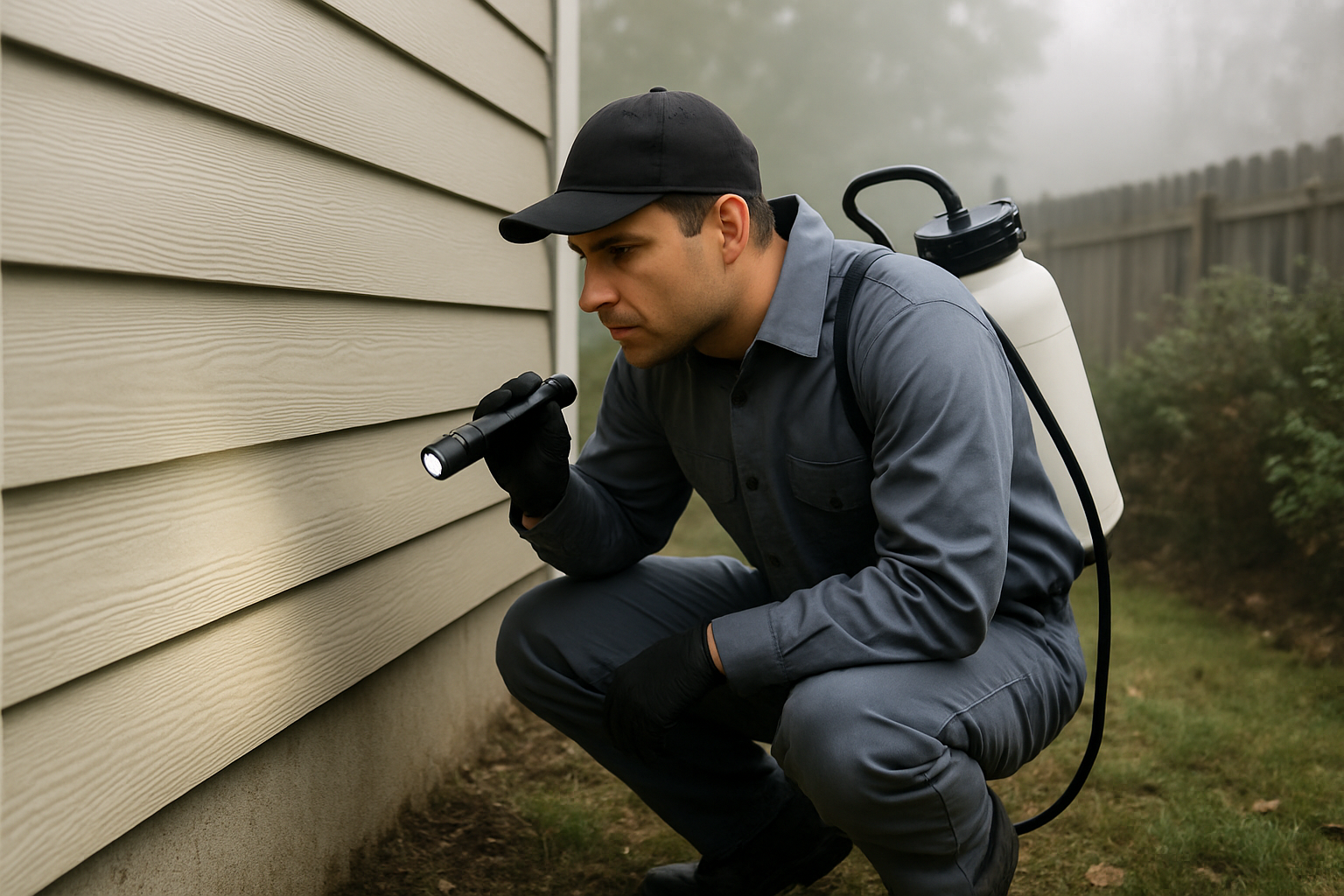
An inspector checks these with a flashlight and, in some cases, a borescope camera. A homeowner doing a walkthrough typically glances at the foundation and moves on.
Moisture — The Condition That Drives Almost Everything
If there’s one factor that separates pest-prone homes from pest-resistant ones on the Central Coast, it’s moisture. Santa Cruz’s coastal climate keeps relative humidity elevated even in summer, and interior moisture problems in crawl spaces, bathrooms, and kitchens can stay invisible for years.
Inspectors look for moisture in places that homeowners rarely access:
- Crawl spaces with inadequate vapor barriers — bare soil under a home releases moisture continuously, and that humidity feeds ant colonies, cockroaches, and the wood-softening conditions that rodents chew through more easily
- Under sinks where slow drips have gone unnoticed — even a $0 leak that drips once a minute creates enough standing moisture to support a cockroach population in the cabinet below
- Along the base of water heaters and HVAC equipment — condensation zones that stay damp collect organic debris and become harborage areas
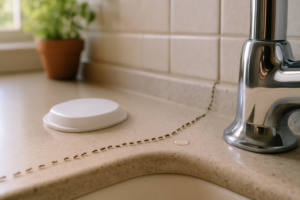
- Subfloor areas near shower surrounds — grout and caulk failures that aren’t visible from the surface can saturate the subfloor below, which attracts silverfish, cockroaches, and in some cases ants
If you’ve noticed what might be silverfish in bathrooms or around bookshelves, excess moisture is almost always part of the picture. Inspectors treat moisture findings as seriously as they treat active pest sightings — because one leads to the other.
Fixing moisture issues is often more valuable long-term than a single treatment. A technician who ignores moisture and only sprays is treating the symptom, not what’s driving it.
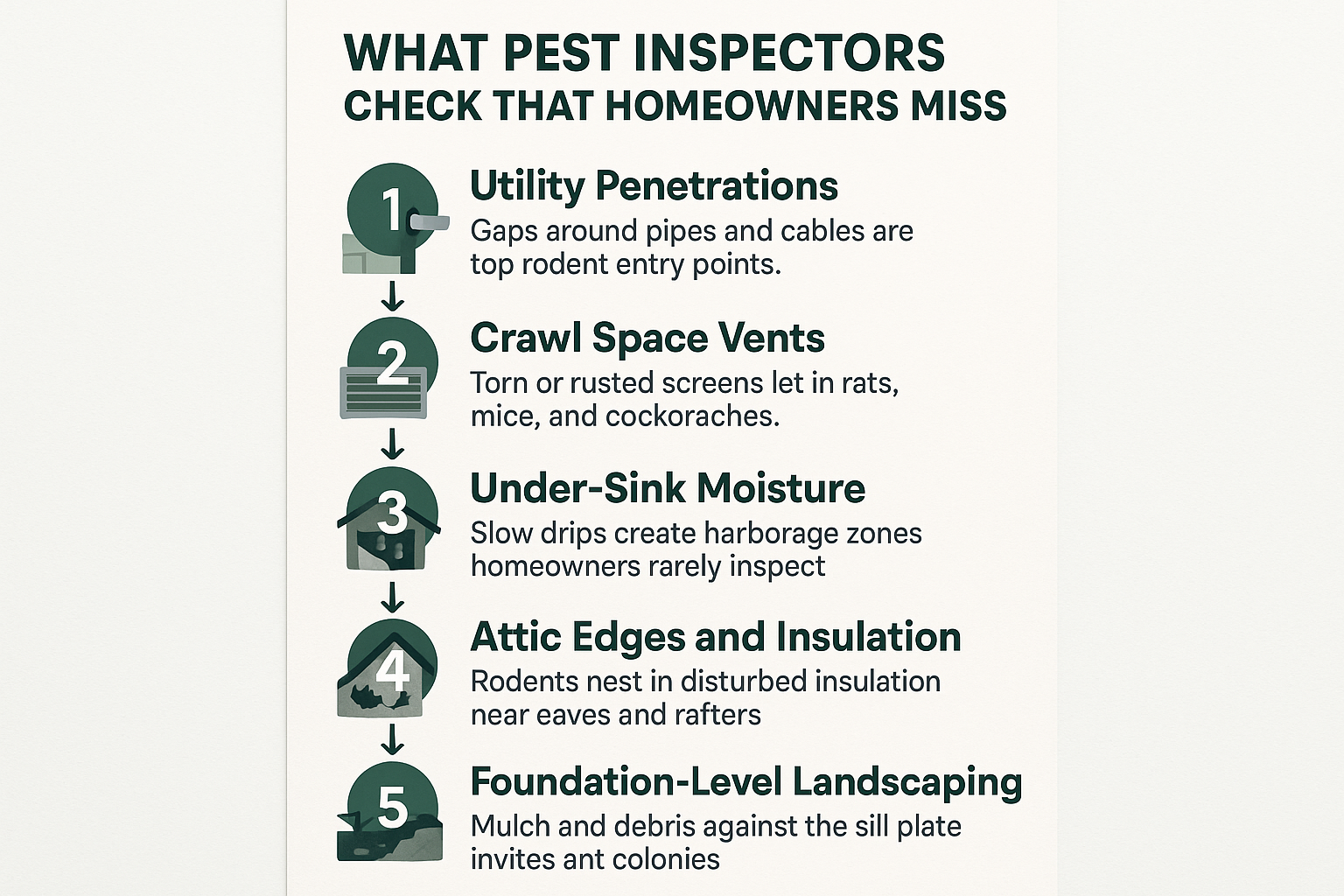
The 5 Spots a Pest Inspector Checks That You Probably Don’t
This breakdown covers the five most consistently overlooked inspection areas in Santa Cruz County homes — and what inspectors are specifically looking for in each one.
What’s Happening in the Attic and Why It Usually Gets Missed
Most homeowners open the attic hatch maybe once a year — and usually only to grab holiday decorations. An inspector goes in looking for specific evidence that’s easy to miss if you’re not trained to read it.
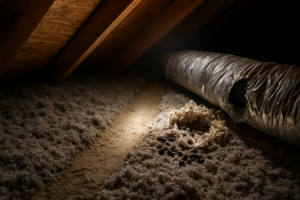
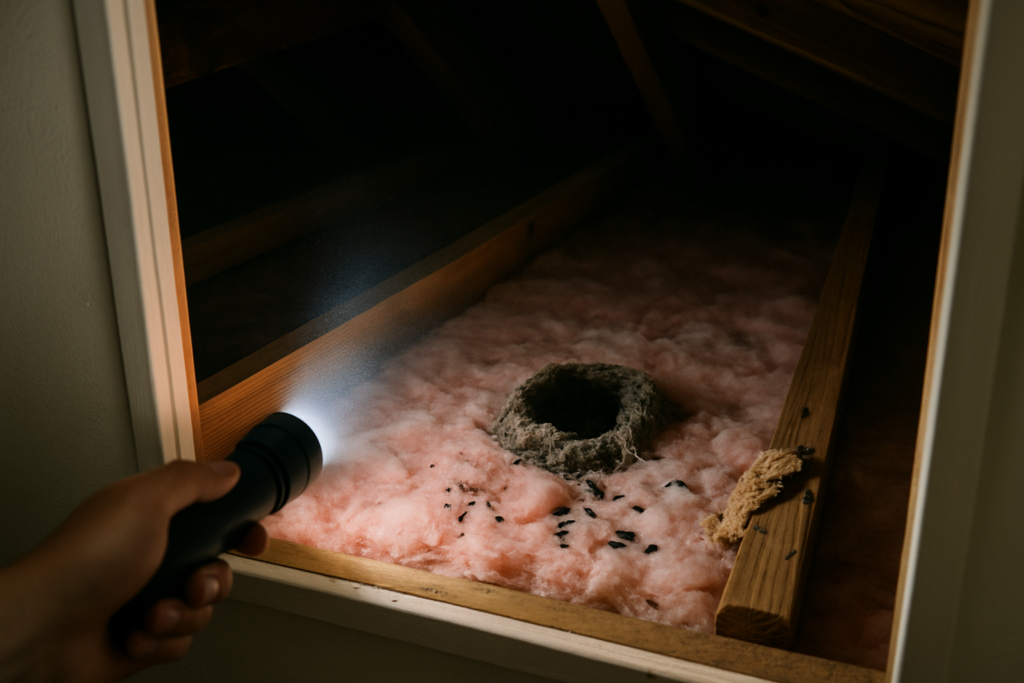
Roof rats are the primary concern in attic spaces across Santa Cruz County. They nest in insulation, travel along the tops of walls, and leave behind droppings, grease marks, and urine staining that are visible once you know what to look for. But the signs are subtle — a few small dark droppings near a rafter don’t announce themselves.
What an inspector examines in an attic:
- Insulation disturbance — matted or displaced insulation near the eave line is a common nesting indicator
- Grease rub marks along rafters and top plates — rats follow the same paths repeatedly, leaving dark oily smears on the wood
- Droppings concentration — scattered droppings vs. concentrated piles tell different stories about population size and how long the activity has been going on
- Condition of any stored cardboard boxes — chewed corners and nesting material inside boxes is often the clearest early sign
If you’ve ever had what sounded like an animal in the attic at night, an inspection would typically start here before anything else.
Attic access in older Seabright or Santa Cruz Westside homes can be tight and awkward. Most homeowners skip it entirely — which is exactly why rodents choose it.
Common Pest Hiding Spots vs. What Homeowners Usually Check
This is where most inspections find things that surprise homeowners — the gap between where people look and where pests actually are.
| Location | What Homeowners Check | What an Inspector Looks For |
|---|---|---|
| Kitchen | Countertops, under the stove | Back of cabinet base, under fridge motor, dishwasher seals |
| Bathroom | Around the toilet base | Under sink cabinet, grout failures, wall voids behind fixtures |
| Garage | Visible corners and shelving | Garage door seal gap, utility penetrations, junction of drywall and slab |
| Exterior | General visual sweep | Weep holes, foundation cracks, fascia gaps, crawl vent condition |
| Attic | Rarely accessed | Rafter grease marks, insulation disturbance, droppings near eaves |
| Crawl Space | Rarely accessed | Vapor barrier condition, wood rot, standing moisture, rodent runways |
How Inspectors Read Pest Activity — Not Just Pest Presence
Seeing a cockroach or a line of ants tells you something is wrong. But an inspector reads those signs differently — they’re trying to figure out whether what you’re seeing is a surface-level nuisance or evidence of a deeper, established population.
For cockroaches, the difference matters a lot. A single roach near an exterior door on a warm October night is not the same situation as finding egg casings, shed skins, and droppings concentrated behind the refrigerator. One is incidental contact; the other means a population has been active for long enough to reproduce. Knowing the difference between seeing one cockroach and having an infestation changes both the treatment approach and the urgency.
For ants, an inspector traces trails back to where they’re entering, checks for satellite colonies near the foundation, and looks at landscaping conditions that may be sustaining the colony — mulch level, soil moisture, proximity of vegetation to the structure. Why ants keep coming back even after treatment almost always comes down to something an inspection would have caught.
For rodents, an inspector looks at the age of droppings (fresh droppings are moist and dark; old ones are dry and gray) to gauge whether an infestation is current or historical. They also look at gnaw marks on wood, food packaging, or wiring — fresh gnaw marks are light-colored; older ones have darkened with oxidation.
This kind of reading takes experience. A homeowner can see the evidence but usually doesn’t know what it means.
Frequently Asked Questions About Pest Inspections
How long does a pest inspection usually take?
For a typical single-family home in Santa Cruz County, a thorough inspection runs 45 minutes to 90 minutes depending on the size of the property and whether there’s a crawl space or attic. Homes with larger lots or detached structures take longer.
Do I need to be home during the inspection?
It helps. An inspector will want access to interior spaces including under sinks, the garage, and attic or crawl space hatches. They’ll also want to ask you questions about where you’ve been seeing activity and for how long — that context shapes where they focus.
What’s the difference between a pest inspection and a pest treatment?
An inspection identifies what’s present, where it’s coming from, and what conditions are driving it. A treatment addresses what the inspection finds. Some pest problems benefit from inspection first, especially if the source isn’t obvious. If you’re unsure whether what you’re dealing with warrants a professional call, this breakdown of when to stop handling it yourself covers the decision well.
Can an inspection tell me if my neighbors’ pest problems are affecting my home?
Indirectly, yes. An experienced technician can read pressure points along your exterior that suggest pests are being pushed from adjacent properties — especially common in dense neighborhoods around Capitola or in older apartment-adjacent blocks in downtown Santa Cruz. They can’t inspect your neighbor’s property, but they can identify where pressure is coming from and treat your side of the boundary.
What should I do to prepare for a pest inspection?
Clear access under sinks, move items away from garage walls, and note where you’ve seen activity and when. You don’t need to clean the house — an inspector is often looking for things that are easier to spot when the space hasn’t been freshly scrubbed. If you’ve tried any DIY treatments recently, mention that upfront, because it can affect what’s visible.
Are eco-friendly treatments available after an inspection identifies a problem?
Yes. Many pest problems in Santa Cruz homes can be addressed with targeted, eco-friendly treatments that are safe for kids, pets, and the surrounding environment. That said, some situations — like an established rodent population or a heavy cockroach presence — may call for a more direct approach. Why some pest problems require conventional treatment methods explains when and why that call gets made.
Want a Set of Trained Eyes on Your Home?
West Pest Co. serves homeowners throughout Santa Cruz County — from Scotts Valley to Watsonville, Aptos to Ben Lomond — and Matthew West brings the same hands-on attention to every inspection. West Pest Co. has earned back-to-back Readers Choice Best Pest Control awards and a 5-star Google rating by doing exactly what this article describes: looking in the places most people miss and explaining what they find. Reach Matthew directly at (831) 430-8402 or visit westpestco.com to get started.