Direct Answer: Stop handling it yourself when the problem keeps coming back after two or more treatments, when you find signs of structural damage, or when you can’t identify what you’re actually dealing with.
Most homeowners try to handle pest problems themselves first. That’s completely reasonable — a box of ant bait from the hardware store costs $8 to $15, and for a small problem, it sometimes works. But Santa Cruz County’s mild, foggy climate means pests here don’t behave the way most DIY products are designed for. Ants stay active through December. Rodents start pushing indoors as early as September. Cockroaches in older homes near the coast can persist through cool winters without slowing down.
The question isn’t whether to try a DIY fix — it’s knowing when that fix has stopped being enough. There’s a real difference between a manageable nuisance and a problem that’s getting worse every week you wait.
This article covers the specific situations where calling a professional makes more sense than another trip to the hardware store — and why waiting too long usually makes the job harder and more expensive.
The Most Honest Sign: You’ve Already Tried and It Came Back
One treatment that doesn’t stick isn’t always a failure. Pest behavior is seasonal, and some problems need a follow-up no matter what method you use. But if you’ve treated the same issue two or three times and the pests are back within a few weeks, something underneath the surface isn’t being addressed.
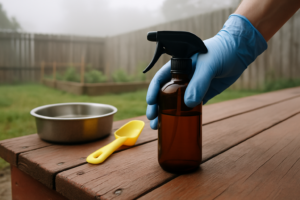
This is especially common with ants in Santa Cruz County. Store-bought sprays kill the workers you can see, but they rarely reach the colony. If you’ve been making homemade ant killer sprays or applying bait for a month with no lasting results, the colony is likely larger than the product can handle — or it’s nested somewhere the treatment can’t reach.
The same logic applies to cockroaches. If you’re seeing live roaches during the day, that’s often a sign the infestation is more established than a few individuals. The difference between spotting one cockroach and having an actual infestation matters a lot when deciding whether DIY is still a reasonable option.
A professional can identify the entry points, nesting locations, and species-specific behaviors that generic products aren’t built to address. That’s not a sales pitch — it’s just what changes the outcome.
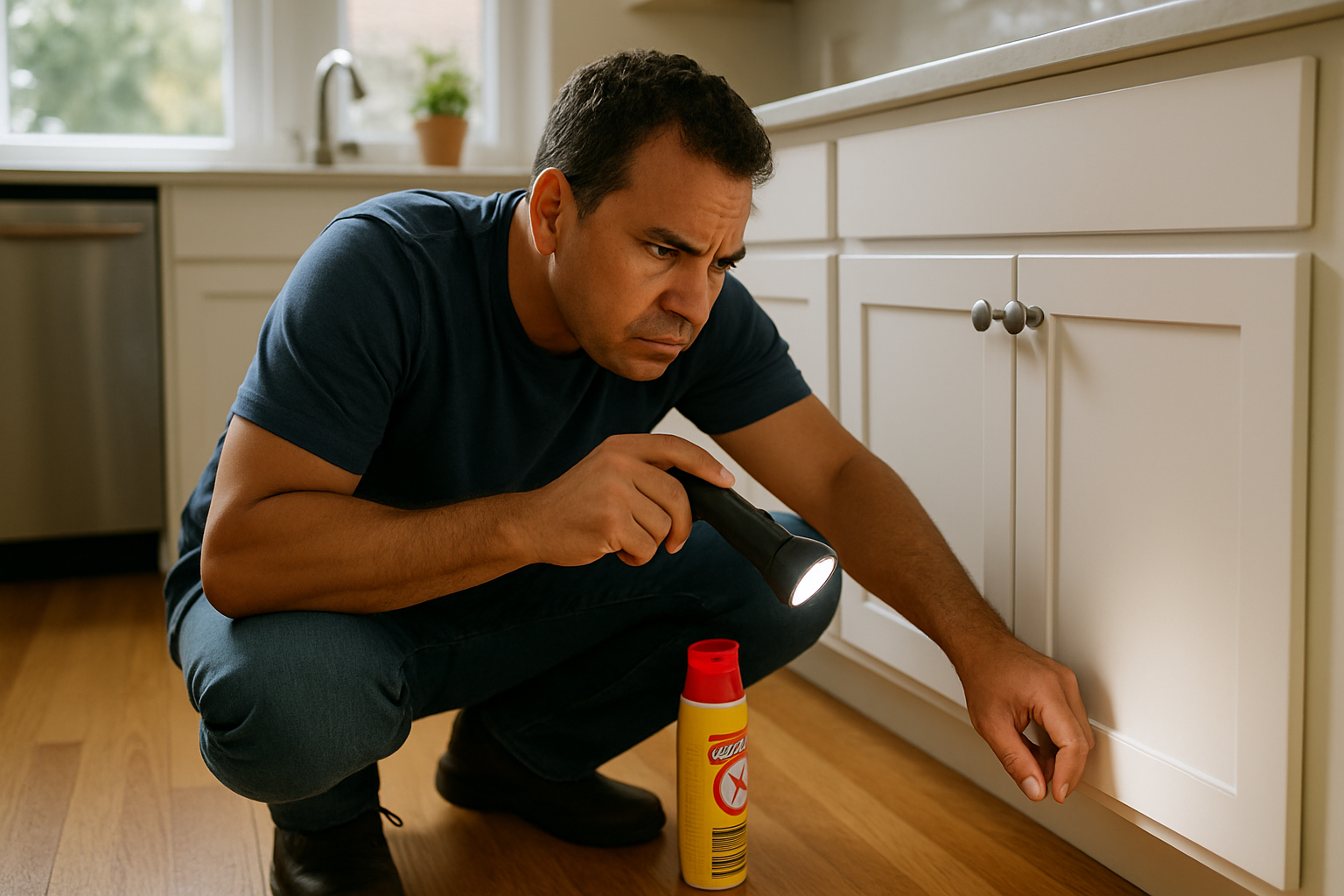
When the Problem Involves Structure, Stop and Call
Some pests cause damage that goes well beyond annoyance — and the damage often happens quietly, long before you notice it. If you’re seeing any of the following, DIY treatment isn’t just ineffective, it’s the wrong tool entirely:
- Rodent droppings in the attic, walls, or pantry — rats and mice chew through wiring, insulation, and stored food. A trap or two won’t address an established population or the entry points they’re using.
- Soft or hollow-sounding wood near baseboards or window frames — this can point to moisture damage combined with pest activity, and it’s worth a professional set of eyes before assuming it’s minor.
- Nesting sounds in walls or ceilings, especially at night — scratching, rustling, or running sounds between 10pm and 2am are often rodents. Animals in the attic require a different approach than surface-level bait placement.
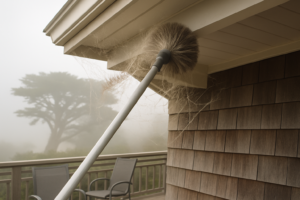
- A wasp or yellow jacket nest you can’t see clearly — if the nest is inside a wall void, under eaves, or in a ground burrow, probing it yourself carries a real sting risk. Yellow jacket removal is one situation where the risk of DIY goes up fast.
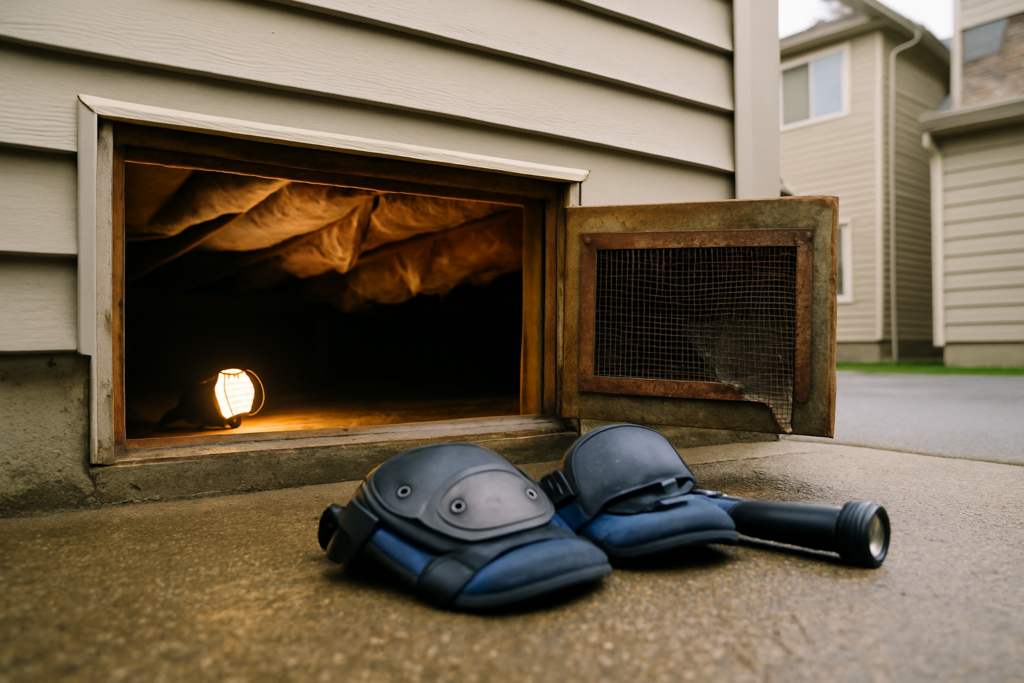
In homes along the coast — Aptos, Rio del Mar, La Selva Beach — older wood construction and crawl spaces create ideal conditions for pests to get established in places that are genuinely hard to inspect without experience. A professional can assess the full picture, not just what’s visible from the kitchen floor.
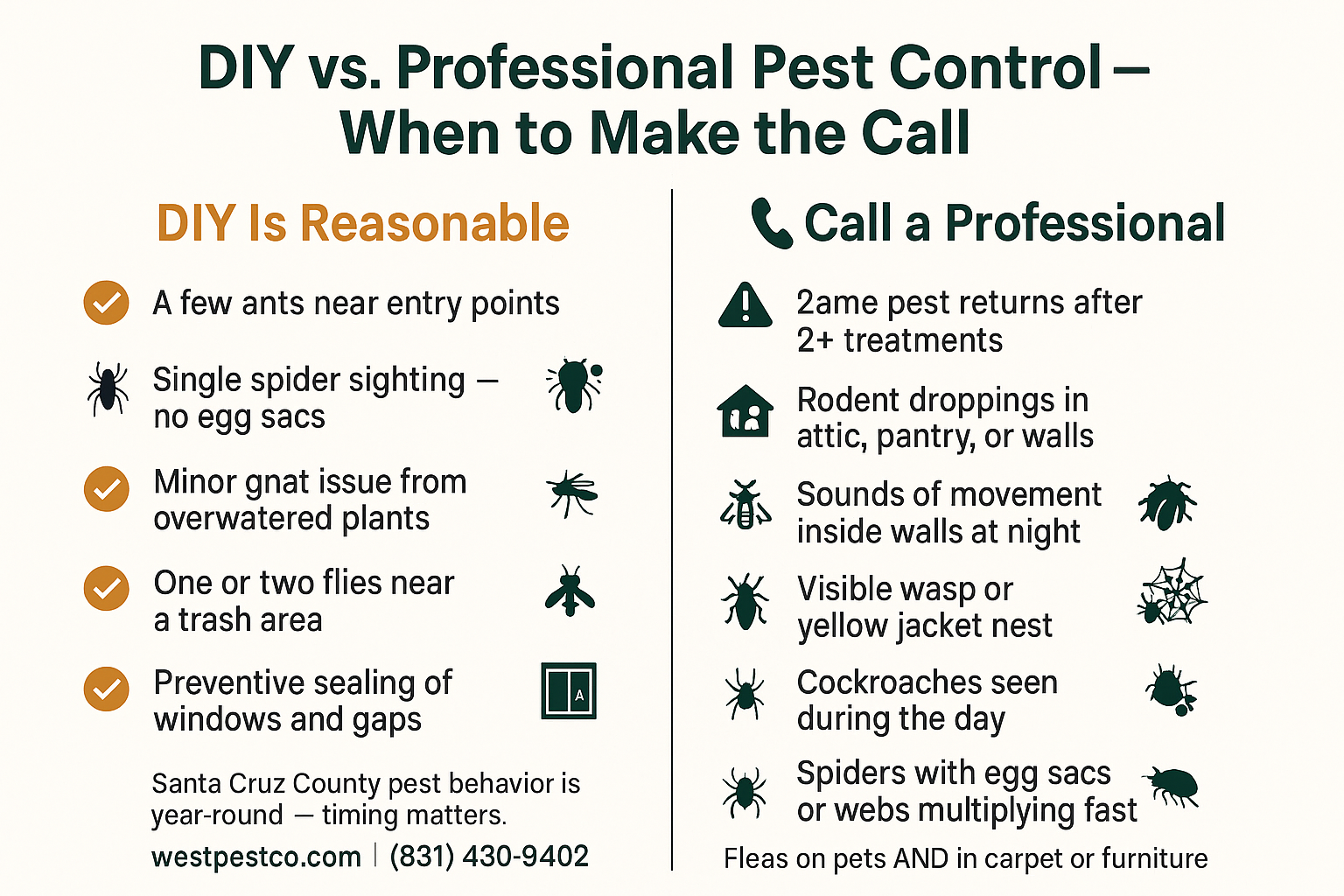
DIY vs. Professional Pest Control: Know the Difference
This quick reference shows which situations are reasonable to handle yourself and which ones are clear signs it’s time to bring in a professional.
Situations Where Waiting Makes It Worse
Some pest problems are genuinely time-sensitive — not because of fear, but because of how fast populations grow and how quickly treatment windows close.
Fleas are a good example. A few fleas on a dog can become thousands of eggs in carpet, upholstery, and floor cracks within two weeks. If you’ve tried non-toxic flea treatments at home and the problem is persisting after two weeks, the population is likely past the point where surface sprays and flea combs can keep up.
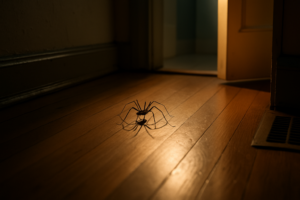
Spiders with egg sacs are another situation worth acting on faster rather than slower. A single egg sac can contain 200 to 400 eggs. If you’re seeing multiple webs with sacs — especially in a garage, crawl space, or shed — a professional treatment addresses the population before it expands. Spider activity in Santa Cruz homes tends to peak in fall, but the mild winters here mean populations don’t fully die back the way they do in colder climates.
With ants, the cost of waiting is usually more ant trails, more colonies, and eventually structural access into wall voids or subfloor areas. The fix is the same either way — but a smaller problem is always faster and less disruptive to treat.
Common Pest Problems: DIY Cost vs. Professional Cost in Santa Cruz County
These are general cost ranges for Santa Cruz County homeowners — actual prices vary by infestation size, home layout, and treatment type.
| Pest Problem | Typical DIY Cost | Professional Treatment Cost | When DIY Falls Short |
|---|---|---|---|
| Ant infestation (interior) | $10–$40 in bait/spray | $125–$200 per visit | Colony is in wall void or returning after 2+ treatments |
| Rodents (rats or mice) | $20–$60 in traps/bait | $200–$400+ for full exclusion | Active nesting in attic, walls, or crawl space |
| Wasp or yellow jacket nest | $15–$35 in spray | $150–$300 depending on nest location | Nest is inside a wall, under eaves, or underground |
| Flea infestation (home + pets) | $40–$80 in sprays/treatments | $175–$300 for interior treatment | Eggs in carpet after 2+ weeks of DIY attempts |
| Cockroach infestation | $20–$50 in bait/spray | $150–$350 depending on severity | Daytime sightings or multiple rooms affected |
| Spider activity (garage/home) | $15–$30 in spray | $100–$200 per treatment | Multiple egg sacs present or persistent webbing |
One Thing DIY Products Almost Never Fix: The Entry Point
Here’s something most homeowners don’t think about until a pest problem keeps coming back — killing the pests you can see doesn’t stop more from coming in.
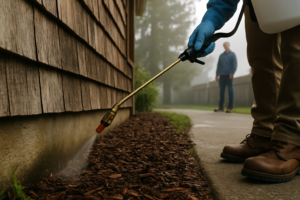
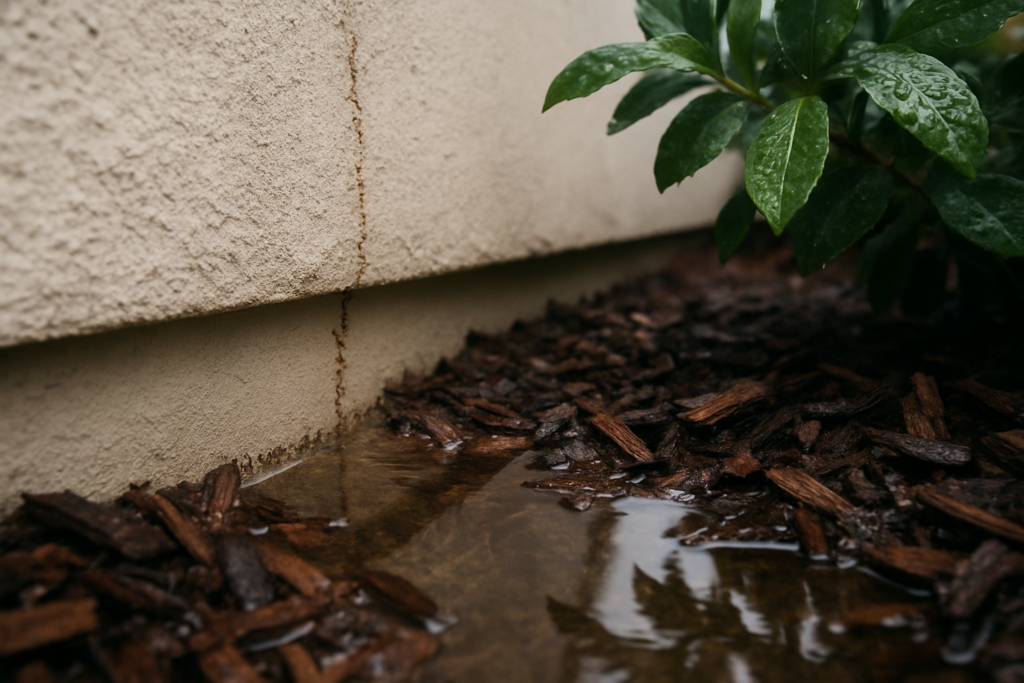
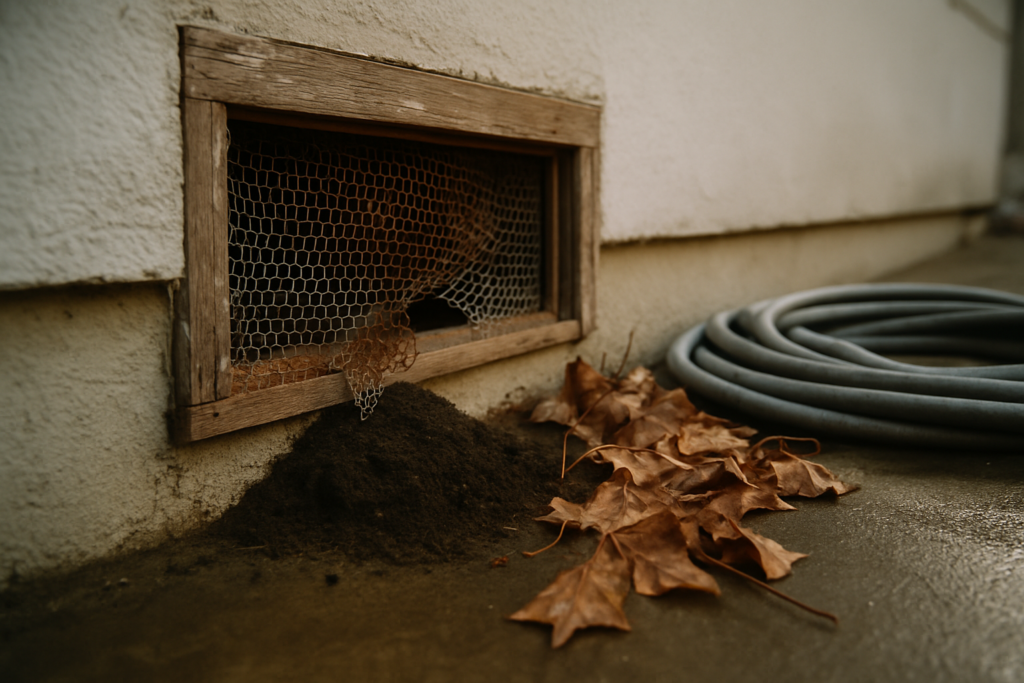
DIY sprays and traps address what’s already inside. They don’t seal the gap under the garage door, the crack along the foundation, or the spot where a utility line enters the wall. A professional inspection looks at both sides of the problem: what’s active now, and how it’s getting in.
This is especially relevant for rodents. Rats can squeeze through a hole the size of a quarter. Mice need even less. If the entry points aren’t found and sealed, a new population moves in within weeks of clearing the first one. Why spraying pests inside your home rarely solves the real problem covers this in more detail — the short version is that interior treatment without exterior prevention is a short-term fix.
For homes in areas like Scotts Valley or Ben Lomond, where properties back up to dense tree cover and hillside vegetation, rodent and spider pressure from outside is constant. Knowing where they’re getting in is often worth more than any product you can buy at the hardware store.
Frequently Asked Questions About DIY Pest Control in Santa Cruz County
How many times should I try DIY before calling a professional?
Two attempts is a reasonable threshold. If you’ve treated the same problem twice and it’s back within 2 to 3 weeks, something about the infestation — the colony size, nesting location, or entry point — is beyond what the product can address. A third round of the same treatment usually isn’t going to change that.
Are professional pest control treatments safe for kids and pets?
A good pest control company will use targeted, eco-friendly treatments and be upfront about what they’re applying and where. The specific products and re-entry times vary by situation, so always ask before the visit. The key thing is that professional treatments are applied at the right concentration in the right locations — which is actually safer than over-applying store-bought products in enclosed spaces.
What’s the fastest sign I should stop DIYing and make a call?
Rodent droppings in more than one location, or cockroaches visible during daylight hours. Both suggest an established population that’s past the early stage. Waiting a few more weeks at that point usually makes the job larger, not smaller.
Do I need a recurring pest control contract, or is a one-time visit enough?
It depends on the problem. Many infestations — especially rodents or wasps — can be addressed with one or two visits if caught at the right stage. Santa Cruz County’s year-round climate does mean some pests, like ants, tend to return seasonally. A trustworthy technician will tell you honestly whether ongoing service makes sense for your situation, not just offer it by default.
Is eco-friendly pest control as effective as conventional treatment?
For most common Santa Cruz County pests — ants, spiders, rodents, fleas — yes. What makes eco-friendly pest control more effective than DIY remedies comes down to application method and product selection, not just the product itself. Some situations do call for conventional treatments, and a knowledgeable technician will explain when and why.
How do I know if the pest control company I’m calling is actually trustworthy?
Look for someone who explains what they’re treating and why before they start, doesn’t push unnecessary add-on services, and can answer specific questions about your home. How to know if a pest control company is trustworthy has a detailed breakdown of what to ask and what to watch out for.
Still Not Sure If Your Problem Needs a Professional?
West Pest Co. serves homeowners throughout Santa Cruz County — from Watsonville to Scotts Valley — and Matthew West is often the one who picks up the phone. If you’re not sure whether what you’re dealing with is worth a call, describing what you’re seeing takes two minutes and usually gives you a straight answer. Reach out at (831) 430-8402 or visit westpestco.com to learn more about what West Pest Co. treats and how they approach it.