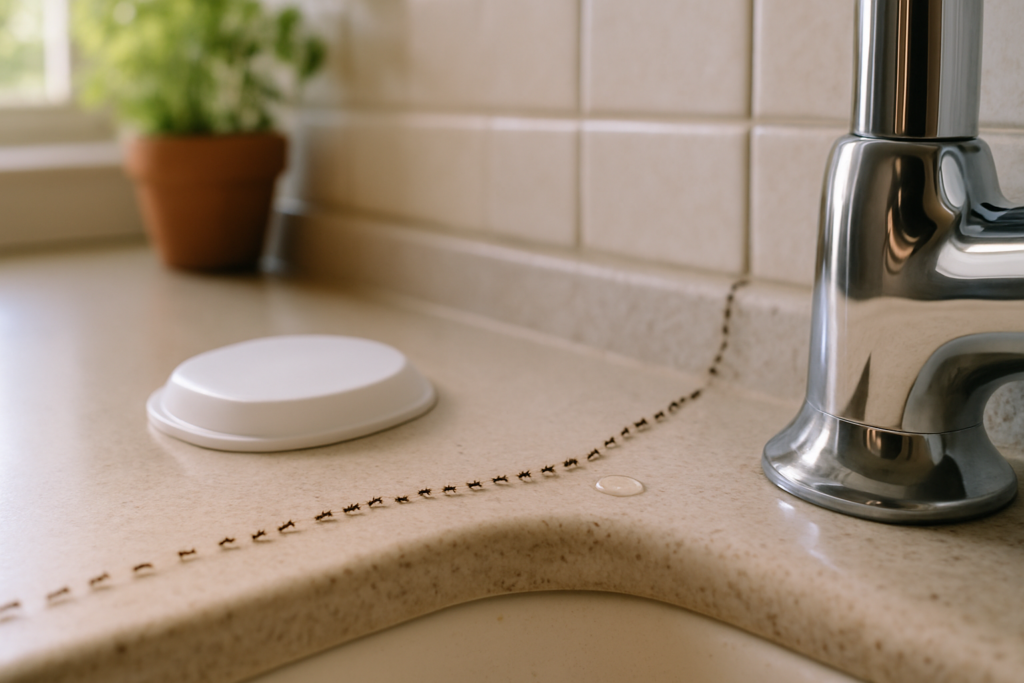
Direct Answer: Pest inspectors check for active pest activity, entry points, conducive conditions like moisture and clutter, and signs of damage — things most homeowners walk past every day without recognizing.
Most homeowners expect a pest inspection to turn up a nest somewhere or confirm what they already suspect. What actually happens is a lot more methodical — and a lot more revealing — than that.
Santa Cruz County’s climate makes this especially relevant. The coast’s year-round fog and humidity create conditions that attract pests even in homes that look clean and well-maintained. A technician who knows this area understands that what they’re looking for isn’t always visible at first glance.
This article breaks down what a professional inspector is actually evaluating when they walk through your home — not in vague terms, but the specific things they’re checking, where they’re checking them, and why those details change the outcome of any treatment.
The First Thing Inspectors Check Isn’t What You’d Expect
Most people assume an inspection starts with looking for bugs. It actually starts with looking for conditions — the moisture, gaps, clutter, and food sources that make a home attractive to pests in the first place.
A good inspector is reading your home like a map. Before they find a single ant or rodent dropping, they’re noting what’s creating the invitation.
Some of the most common conducive conditions found in Santa Cruz homes include:
- Standing moisture under sinks, near water heaters, or in crawl spaces
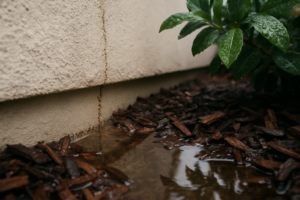
- Wood-to-soil contact on deck framing, fence posts, or exterior siding
- Gaps in weatherstripping around doors, garage thresholds, and utility penetrations
- Firewood or debris stored against the house — a classic harborage point for rodents and spiders
- Dense vegetation close to the foundation, which holds moisture and provides cover
These aren’t cosmetic problems. They’re the reason pests keep showing up even after a treatment. Knowing when to stop trying to handle a pest problem on your own often comes down to whether these underlying conditions have been identified and addressed.
What Inspectors Are Looking For Room by Room
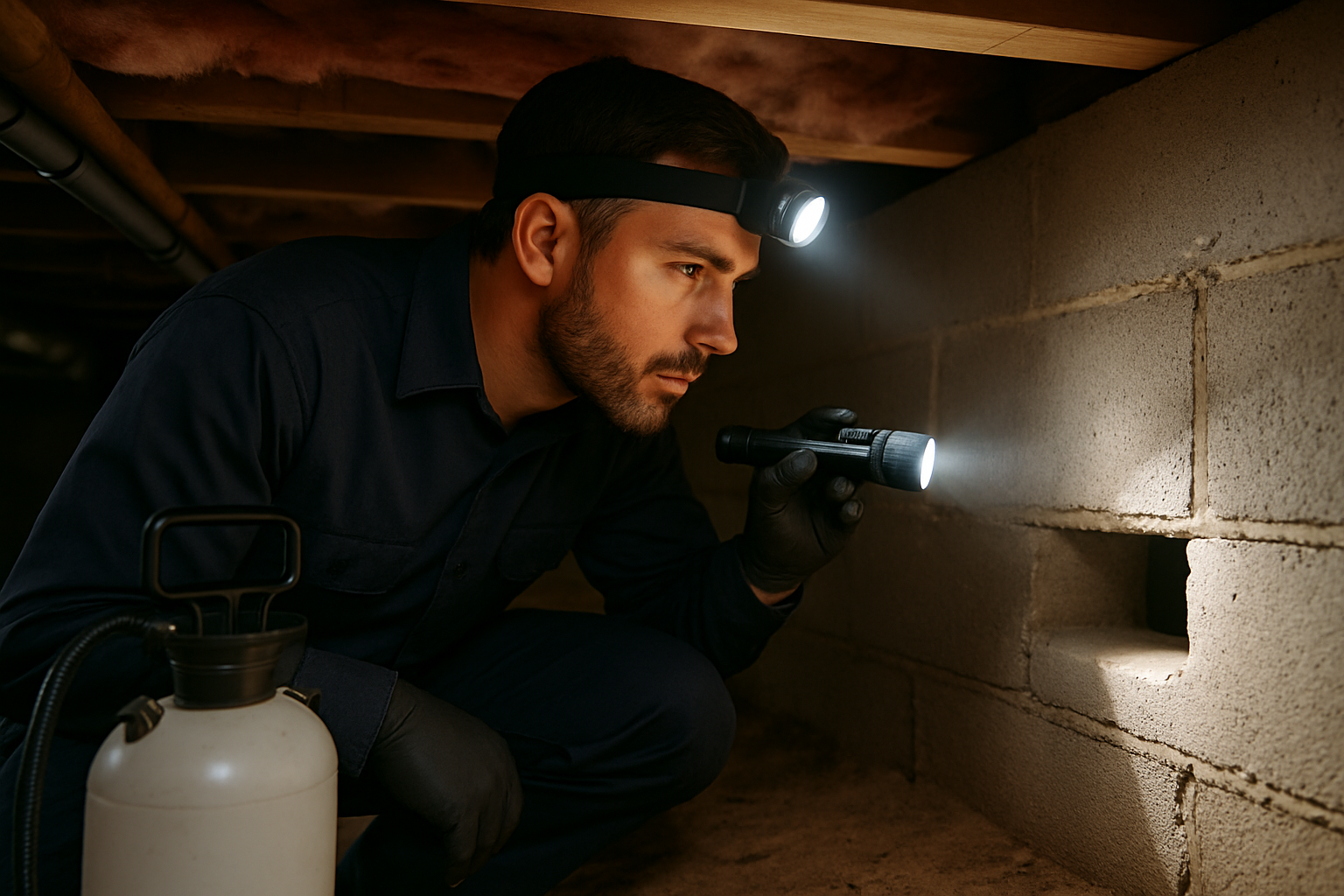
An interior inspection isn’t a quick walkthrough. A thorough technician is moving through each area with specific things in mind — and a lot of it happens in places homeowners rarely look.
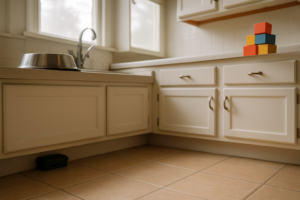
Kitchen and laundry areas get extra attention because food residue, moisture, and warm appliance motors create ideal conditions for cockroaches, ants, and sometimes rodents. An inspector will pull out the stove, check beneath the dishwasher, and look behind the refrigerator.
Bathrooms and under-sink cabinets are common spots for moisture-loving pests. Silverfish, in particular, thrive in the kind of cool, damp environment that Santa Cruz bathrooms stay in year-round. If you’ve been wondering whether silverfish are actually a problem, the honest answer is that their presence usually signals a humidity issue worth fixing.
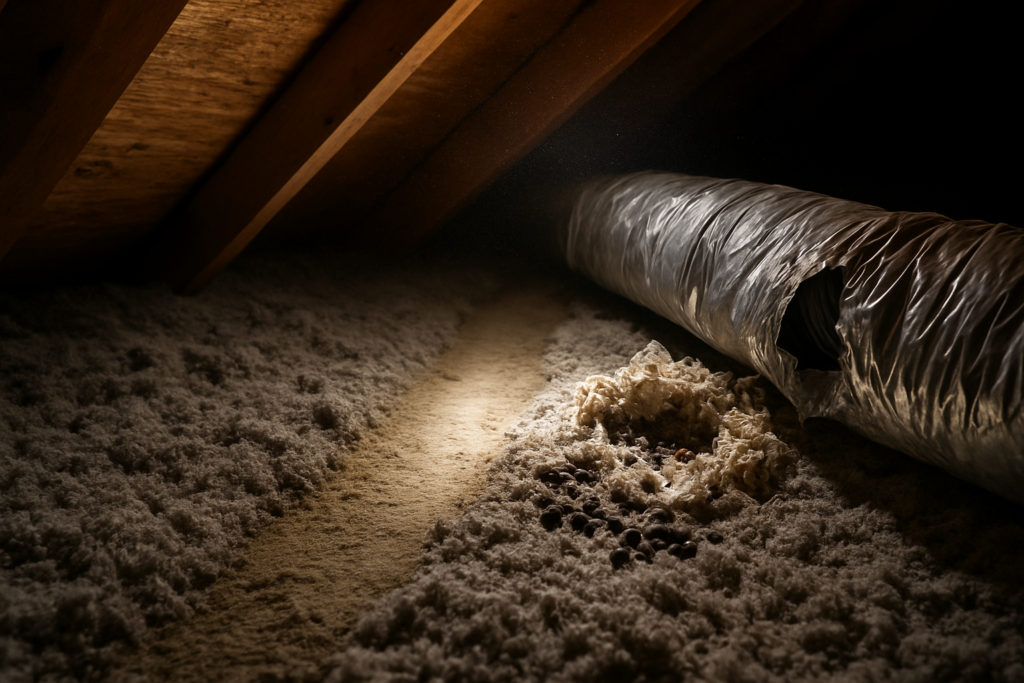
Attic spaces are one of the most important areas in the inspection. Rats in Santa Cruz tend to establish themselves in attics before homeowners ever notice signs below. An inspector is looking for:
- Droppings along beams and near insulation
- Gnaw marks on wood framing or stored items
- Nesting material — shredded insulation, paper, or fabric
- Entry points where the roofline meets the soffit
- Grease marks along travel paths, which indicate regular rodent movement
If you’ve had rodents treated before and they came back, the attic is usually where the answer is. Understanding the difference between a rodent problem and a rodent infestation starts with knowing what signs to take seriously.
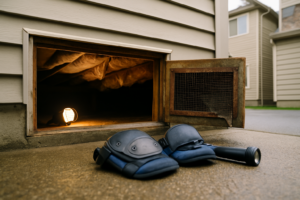
Crawl spaces are equally important and often skipped by homeowners entirely. Moisture accumulation underneath a home creates conditions for rodents, spiders, and a range of other pests. A proper crawl space inspection involves getting in there with a light — not just glancing through the access panel.
Where Inspectors Find Problems Most Homeowners Miss
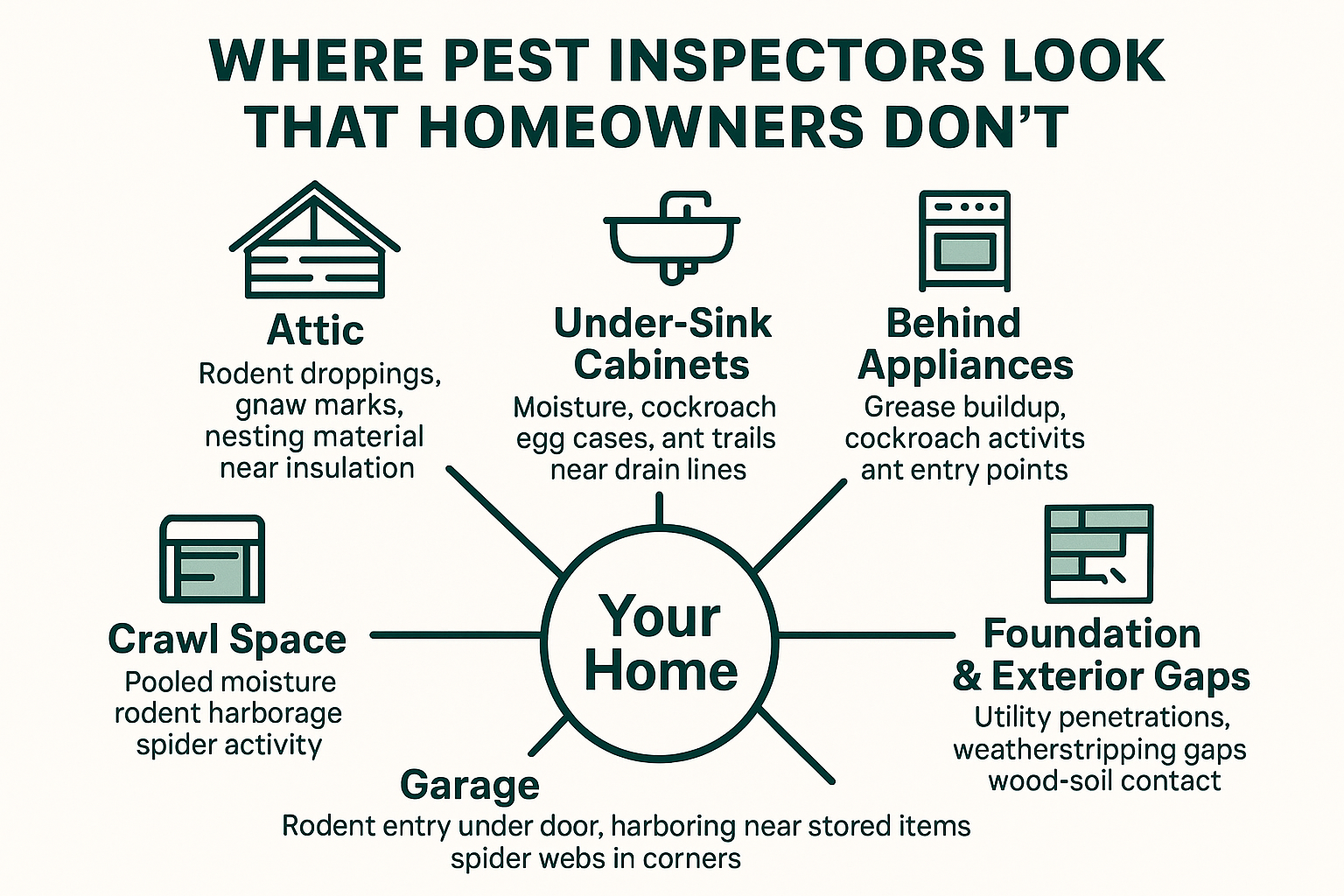
This breakdown shows the six most commonly overlooked inspection zones inside a typical Santa Cruz home and what’s typically found in each.
What Inspectors Are Reading Outside the Home
A lot of what an inspector finds inside your home has its origin outside. That’s why a complete inspection always includes the exterior — and it covers more than most homeowners expect.
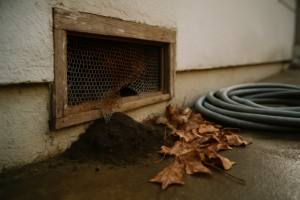
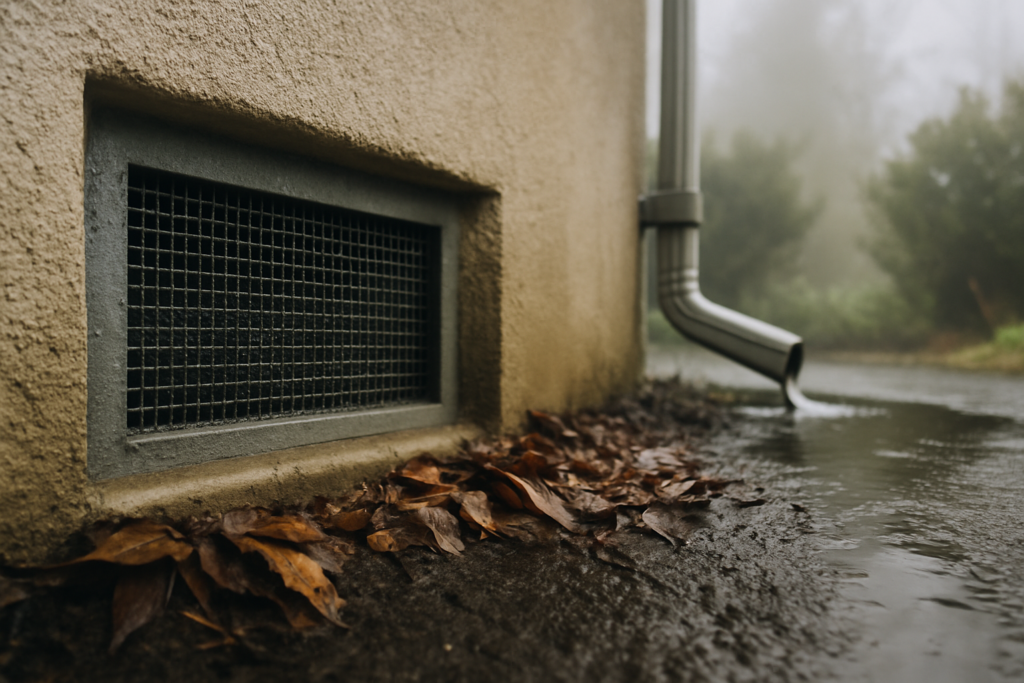
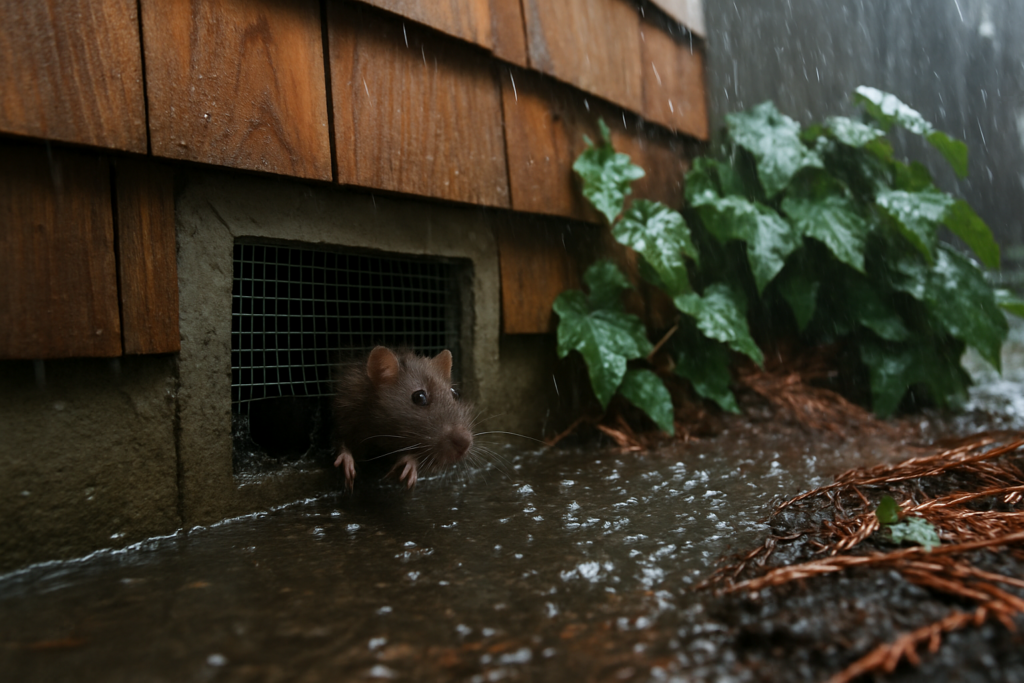
The perimeter of the home is evaluated for entry points, which in a typical Santa Cruz house can number in the dozens. Gaps around garage door frames, utility penetrations, weep holes in stucco, soffit vents with damaged screening — all of these are documented.
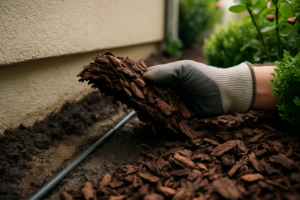
Yard conditions matter too. Dense ground cover near the foundation, wood piles, and decomposing organic material (common in Santa Cruz’s redwood-adjacent neighborhoods) all create harborage that drives pests toward the house. For homeowners dealing with ants, the trail often starts 15 to 20 feet from the door in a moisture-rich patch of soil.
Wasp and yellow jacket activity is also assessed during an exterior check. Nests are frequently found in places that surprise homeowners — in wall voids, under eaves, and in low-lying ground cover. Where wasps are most likely hiding on your property covers this in more detail, but the short version is that an experienced inspector looks in the non-obvious places first.
The exterior walk also checks for evidence of active rodent trails — worn paths in mulch, burrow openings along foundation edges, and debris accumulation near known entry points.
Common Inspection Findings and What They Indicate
These are the signs a pest inspector documents most often in Santa Cruz County homes, and what each one typically means for treatment.
| What the Inspector Finds | Where It’s Usually Found | What It Likely Indicates |
|---|---|---|
| Rodent droppings | Attic, crawl space, behind appliances | Active infestation or recent activity — entry points nearby |
| Grease smears on walls or beams | Along wall edges, attic framing | Regular rodent travel path — typically rats |
| Cockroach egg cases (oothecae) | Under sinks, behind refrigerator, in cabinets | Established population, not a one-time sighting |
| Ant trails or frass near foundation | Exterior soil, under siding, interior baseboards | Colony entry — usually pavement ants or Argentine ants |
| Moisture damage or soft wood | Crawl space framing, under decks | Ongoing water issue attracting multiple pest types |
| Spider webs concentrated in corners | Garage, crawl space, basement areas | Insect prey activity feeding a spider population |
| Gaps at utility penetrations | Exterior walls, crawl space vents | Primary or secondary rodent entry point |
What a Good Inspector Tells You After the Walk-Through
The inspection itself is only as useful as the information you get at the end of it. A thorough technician doesn’t just hand you a treatment quote — they explain what they found, where they found it, and what they believe is driving the problem.
For homeowners in Santa Cruz County, that explanation should include climate context. Pests here behave differently than they do in inland California. Rats push indoors earlier in the fall because coastal temperatures drop at night faster than daytime fog burns off. Ants stay active through December and January in Aptos and Capitola neighborhoods because soil moisture never really dries out. Understanding those patterns changes how a problem gets addressed.
A good post-inspection conversation covers:
- What pests are active versus what signs are old or residual
- Which entry points are the most pressing to seal or treat
- What conditions in and around the home are making things worse
- What a realistic treatment approach looks like, including what follow-up may be needed
If the inspection ends with a single number and no explanation, that’s a sign the inspection wasn’t thorough. What pest inspectors look for that homeowners usually miss goes deeper on this — but the core idea is that a transparent conversation after the walk-through is just as important as the inspection itself.
For homeowners wondering how often they should have a professional come through, how often a Santa Cruz home actually needs a pest inspection lays out the honest answer based on home type, age, and pest history.
Frequently Asked Questions About Pest Inspections
How long does a pest inspection typically take?
For an average-sized home in Santa Cruz County, a thorough interior and exterior inspection takes 45 minutes to about 90 minutes. Homes with crawl spaces, large attics, or significant property square footage take longer. Be skeptical of any inspection that wraps up in 15 minutes — that’s not enough time to check the areas that matter most.
Do I need to be home during the inspection?
Yes, if possible. Being present lets you point out areas of concern, ask questions in real time, and hear the findings directly. You’ll get a lot more out of the visit that way than from a written report alone.
What’s the difference between a pest inspection and a termite inspection?
A pest inspection covers general pest activity — rodents, ants, cockroaches, spiders, wasps, and similar pests. A termite inspection is a separate, specialized assessment. West Pest Co. handles general pest control but does not offer termite services, so if termite activity is suspected, a separate specialist should be called.
Can an inspector tell me exactly where pests are getting in?
Often yes, but not always with 100% certainty on the first visit. Rodents in particular can use multiple entry points. An experienced inspector will identify the most likely and most active entry points, prioritize them, and in some cases recommend a follow-up check after initial sealing to confirm results. Why rats keep coming back even after treatment explains why entry point identification is an ongoing process, not a one-time fix.
Will the inspector find pests I didn’t know I had?
That happens regularly. Santa Cruz homeowners are often surprised to learn they have active rodent activity in the attic, or an established ant colony under a deck, with no obvious signs inside the living space. That’s exactly why a professional inspection covers areas most homeowners don’t check on their own.
Is an inspection necessary if I’ve only seen one or two pests inside?
A single cockroach or a couple of rodent droppings can mean very different things depending on where they show up and what else is found nearby. An inspection puts that single sighting into context. Sometimes it really is isolated. Other times it’s the first visible sign of something larger going on behind walls or under the floor.
Have Questions About What’s Going On in Your Home?
West Pest Co. serves homeowners throughout Santa Cruz County — from Scotts Valley to Watsonville and everywhere in between. Matthew West is a two-time Readers Choice Best Pest Control winner with a 5-star Google rating, and he’s known for explaining exactly what he finds and why it matters. If you want a straight answer about what’s happening in your home, call (831) 430-8402 or visit westpestco.com to get in touch.