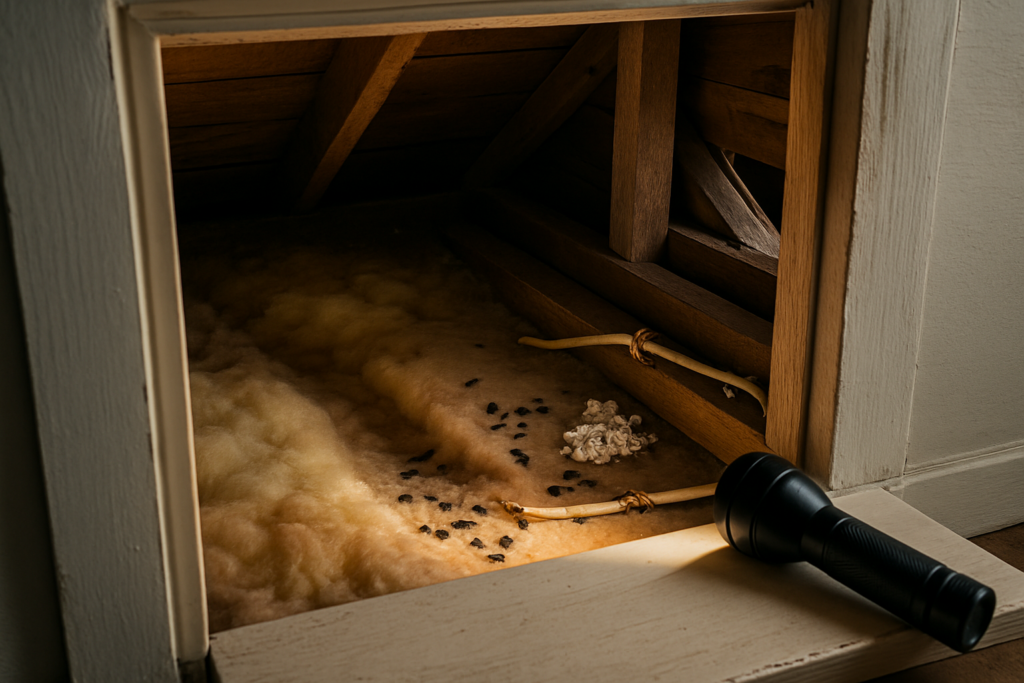
Direct Answer: If ant baits are not working, the bait usually does not match what the colony wants that month, is mixed too strong, or nearby spray killed the foragers that carry it home.
Every August my inbox fills with the same story. Bait stations and traps have been sitting on the counter for days, and the ants are walking right past them like the stuff is furniture.
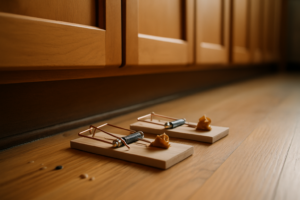
One homeowner put it about as plainly as it gets: “They do not respond to any kind of trap.” Another near the UCSC side of town had small ants in several rooms and said the store-bought borax baits were doing nothing at all. A condo owner told me he set traps out and got zero results.
If that is where you are, bait refusal is a clue, not a sign you did something wrong. It tells me something specific about the species, the season, and where the nest actually is. Here is how I read it.
Bait Refusal Is Information, Not Failure
Let me kill the shame part first, because it comes up in almost every ant call I take on the Santa Cruz side of the hill.
Several homeowners have told me they keep a spotless house and still lose the fight. One said she tries to keep everything clean and it does not make a difference. She is not wrong, and she is not sloppy.
The ant we deal with most in coastal kitchens here is the Argentine ant. Crumbs are a bonus for that species, not the main draw. What actually pulls them in is:
- Moisture, especially around sinks, dishwashers, hose bibs, and slab cracks
- Honeydew, the sugary waste that aphids and scale insects leave on landscape plants
- Warmth and shelter when the fog burns off and outdoor soil dries out
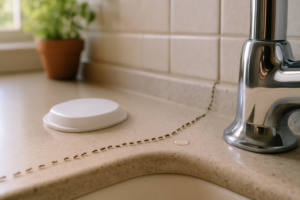
That is why a clean kitchen and a heavy trail can exist at the same time in the same house. In Aptos and Soquel I have watched trails run from a hydrangea covered in aphids, across a patio, and straight to a bathroom sink, with the untouched bait station six inches off the path.
So when the bait gets ignored, I am not asking what the homeowner did wrong. I am asking what the colony wants this week, and where it is living.
Why Ant Baits Are Not Working: Attractant, Season, and Strength
Almost nobody explains this part locally, and it is the whole ballgame. Bait is not one product. It is a delivery vehicle, and the ants have to want the food riding in it.
Baits come in three broad flavors: sweet, protein, and grease based. Preference shifts by species and by time of year, because a colony feeding workers in late summer wants different fuel than a colony raising young in spring.
The University of California’s ant management guidance documents this well. Sweet liquid baits pull Argentine ants year round, while protein baits mostly appeal in spring. That alone explains a lot of failed August purchases sitting under a sink.
Then there is strength, which trips up almost everyone:
- Boric acid and borate baits work at low concentrations, roughly around 1 percent or less
- Above that, the bait turns repellent, and ants avoid it
- That is why a weaker product sometimes outperforms the one that sounds stronger on the label
- Homemade mixes are the biggest offender, because “more borax” feels like it should work better
There is also the dry versus liquid question. Argentine ants in the coastal fog belt are chasing moisture much of the year, so a liquid sweet bait often gets taken when a dry granule sits untouched. If you want a deeper look at how they find and share food, I covered that in how ants find food so fast.
Spraying Near the Station Kills the Delivery Crew
This is the most common self inflicted wound I see, and it happens with good intentions.
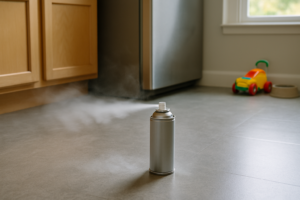
A trail shows up, somebody hits it with an aerosol from the hardware store, then sets a bait station nearby. The problem is that foragers are the delivery system. Their entire job is to carry bait back and share it with the colony, including the queens.
Kill them on the trail and you have removed the workers who were about to do the work for you. You also leave behind repellent residue that pushes the next wave of ants to a new route, often into a different room.
If you already sprayed, that does not ruin anything permanently. It just means the reading you get from a bait station for the next few days is not reliable, and fresh placement away from the treated area tells you more.
Why That Bait Is Getting Ignored
Here is the quick version of what I run through when a homeowner tells me nothing is working.
| What you are seeing | Likely reason | What it points to |
|---|---|---|
| Ants march past a fresh station | Wrong attractant for the season | Try a sweet liquid bait instead of dry granules |
| Ants fed for a day, then quit | Bait dried out, or the colony switched food needs | Normal shift, not a dead product |
| Ants never touched a homemade mix | Borate concentration too high, so it repels | Weaker is usually better |
| Trail moved to another room | Repellent spray residue nearby | Stop spraying, re-place bait away from residue |
| Trail runs to a sink, not to food | Colony is chasing moisture | Water source matters more than crumbs |
| Swarming outside when you dig | Nesting in mulch or damp soil | Outdoor conditions are driving the indoor trail |
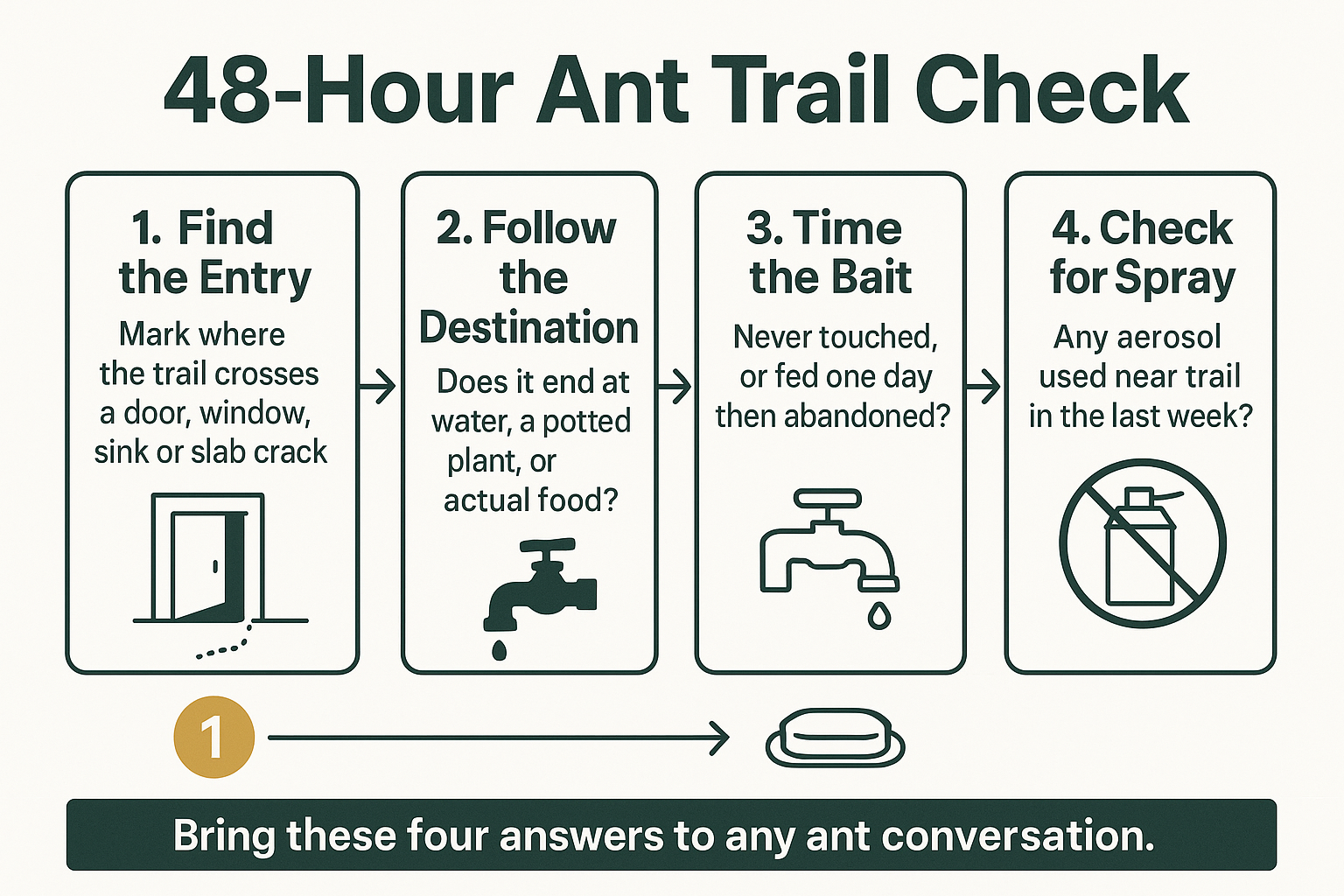
Watch for 48 Hours Before You Buy Anything Else
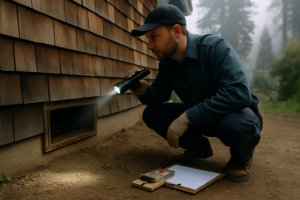
Before spending another dollar, spend two days paying attention. This is the same read I do on a first visit, and you can do most of it yourself.
The Colony Is In Your Yard, Not Under Your Sink
This is where indoor bait stations lose. Argentine ant colonies here are not one nest with one queen. They are spread across many damp sites with multiple queens, and those sites are usually outside.
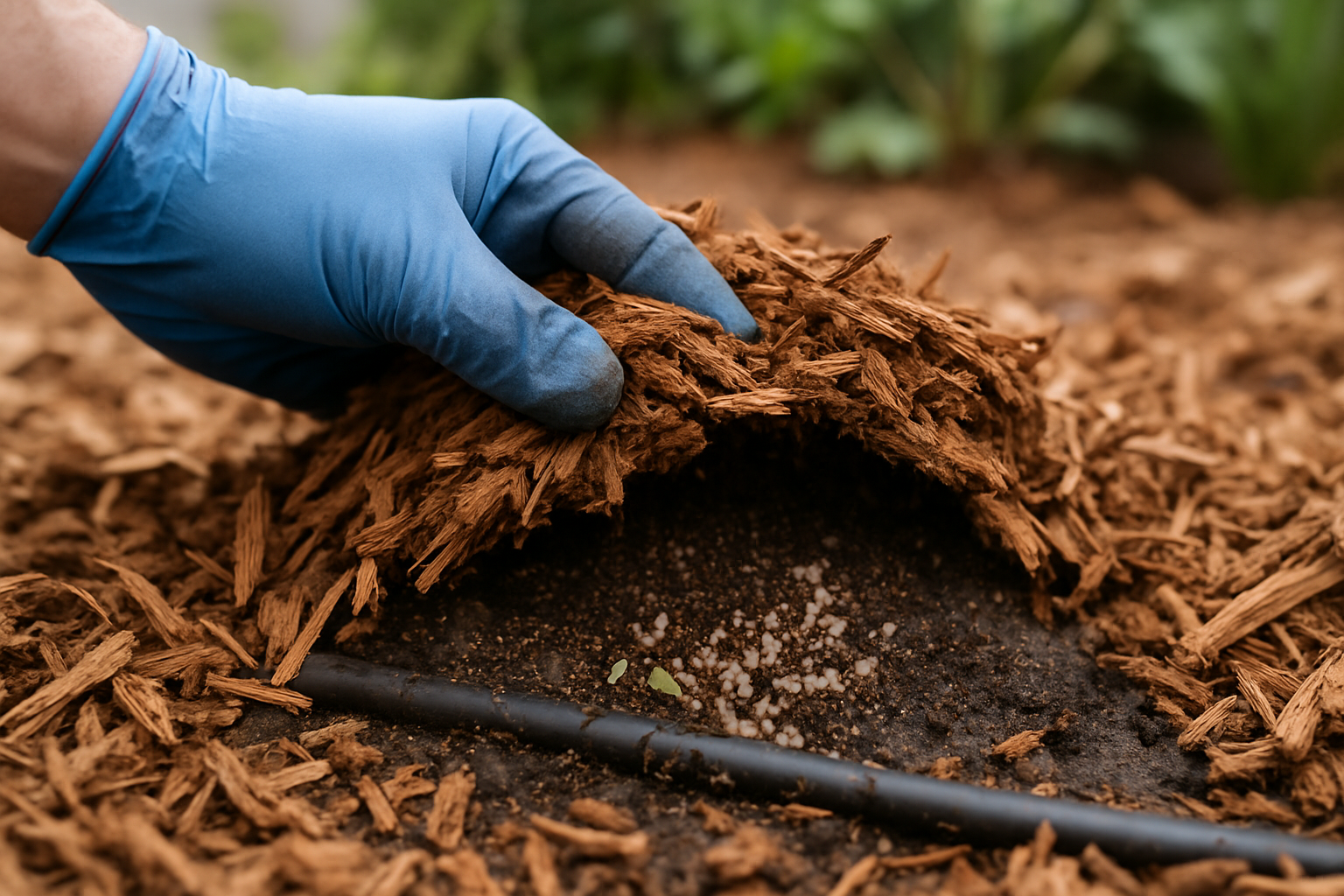
One homeowner had her front yard landscaped with wood mulch and told me the ants swarm whenever she digs in it. She never had the problem before the landscaping went in. That timing is not a coincidence.
Another homeowner on a 0.9 acre property reported ants through the grass, the dirt, and the garden, then moving inside from there. A Watsonville homeowner outside the city limits believes ants push toward her house when nearby growers tarp their fields, and that pattern lines up with what I see in the Pajaro Valley.
The reservoirs I check first around here:
- Wood mulch beds, especially newer installs holding coastal moisture
- Drip and irrigation lines with slow leaks
- Potted plants and saucers on patios and decks
- Leaf litter and ivy against the foundation
- Aphid-covered plants, which are a food factory
An indoor station is fighting a sliver of that. Outdoor nesting sites deserve their own look, which is why I wrote about getting rid of ant hills in your yard separately. And if you are in a mobile or manufactured home, the skirting and utility runs change the picture again.
If You Have a Vegetable Garden or Pets in the House
One homeowner with an organic vegetable garden asked whether that would limit treatment options. Fair question, and the honest answer is that it shapes product choice and placement rather than ruling treatment out.
Outdoor conditions get handled differently than an indoor trail. A bed near edible plants calls for different products and tighter placement than a baseboard in a hallway, and the two do not need the same approach.
Same with pets and kids. Most of my Santa Cruz County customers have both, so low-toxicity, targeted work is the default rather than a special request. If you are curious what a trained set of eyes catches on a walkthrough, this piece on what inspectors look for covers the details homeowners usually miss.
Frequently Asked Questions About Ant Baits Not Working
How long should I leave a bait out before deciding it failed?
Give it 48 to 72 hours with no spraying nearby. If ants never touched it in that window, the attractant is probably wrong for the season or the mix is too strong.
Ants fed on the bait for a day and then stopped. Did it work?
Maybe partly. A liquid bait can dry out fast in a warm kitchen, and colony food needs shift week to week. Abandonment after a day usually means the bait went stale or the colony switched to protein or grease, not that the product was fake.
Why do I keep seeing ants after the fog rolls in?
Coastal moisture keeps ant activity going here far longer than inland California. Soil stays damp much of the year in Santa Cruz, Capitola, and Scotts Valley, so ants stay active in months when inland colonies slow down.
What does professional ant work usually cost around Santa Cruz County?
It varies more than people expect, and I do not like quoting numbers blind. The drivers are property size, how much of the yard is involved, whether the trails are indoor only, and how many nesting sites are in play. A one-time treatment for a single fresh trail sits at the low end of the local range, while a large lot with heavy outdoor pressure costs more. Best to get an exact quote for your actual situation.
Will one treatment end my ant problem for good?
No, and I would not trust anyone who says otherwise. Treatments handle active pests and reduce pressure, but Argentine ant populations are spread across the whole neighborhood, so ongoing conditions in the yard matter as much as anything sprayed indoors.
Still watching ants walk past the bait?
On ant visits, the first thing I do is trace the actual trails and find where they lead before treating anything, then use products that do not require covering furniture or moving rugs. One Santa Cruz customer, Lynette A., put it this way: “Everything he used was pet, plant and kitchen safe. I didn’t need to move furniture or rugs or cover anything.” If you have questions about ant activity at your place anywhere in Santa Cruz County, West Pest Co. can be reached at (831) 430-8402 or westpestco.com.