Quick Answer
Silverfish are bad for belongings and stored materials, not for people in the way many homeowners fear. They don't bite, sting, or spread disease, but they can damage paper, books, fabrics, wallpaper paste, and pantry items if damp conditions let them stay active indoors.
If you’re here because you found a fast, silvery bug in the bathroom or near a box of old books, the question is simple: are silverfish bad enough to worry about? In most Santa Cruz County homes, they’re more of a property pest than a health threat, but that doesn’t mean they should be ignored.
Older homes, coastal air, crawl spaces, and damp storage areas give silverfish exactly what they want. The good news is that control usually starts with practical fixes, not panic.
What Are Silverfish and Why Are They in My Home

You flip on the bathroom light late at night, and a small silver insect shoots across the floor and disappears under the baseboard. In Santa Cruz County, that usually points to silverfish, especially in older homes with damp bathrooms, coastal air, crawl spaces, or packed storage areas.
Silverfish are wingless insects with a flat, tapered body, long antennae, and a quick, fish-like movement. They tend to hide in dark, undisturbed spots during the day and come out when conditions are humid and quiet.
I tell homeowners this all the time. Silverfish are usually there because the house gives them the basics they need, not because the home is dirty.
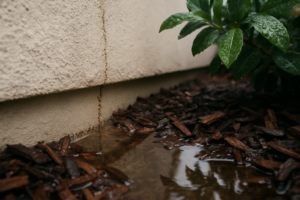
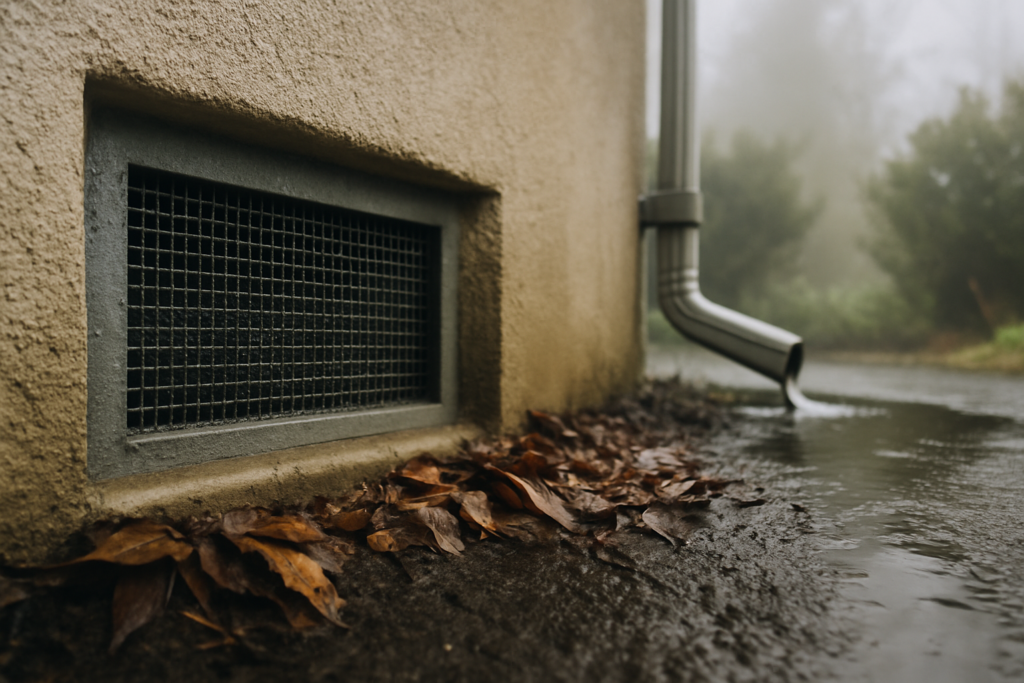
Moisture is the big one. In this area, marine air, older windows, under-ventilated bathrooms, and cool closets along exterior walls can hold enough humidity to keep them comfortable. Homes with cardboard storage, stacks of paper, glue-backed materials, or natural-fiber fabrics also give them plenty to feed on.
That is why they often show up in places like:
- bathrooms and laundry rooms
- under sinks and around plumbing penetrations
- hall closets and linen storage
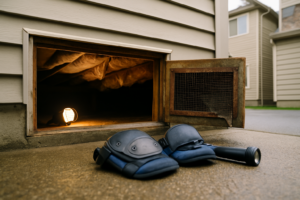
- garages, attics, and crawl-space-adjacent rooms
- boxes of books, papers, photos, or seasonal decor
Their food sources are easy to miss. Silverfish feed on starches, cellulose, adhesives, and fabric residues, so they are drawn to book bindings, wallpaper paste, cardboard, old papers, cotton, linen, and even crumbs or pantry dust in overlooked corners.
They also stick around because they are built for hiding. A narrow gap behind trim, a stack of old magazines, or the space under a sink can support activity for a long time before anyone sees more than one or two.
If you are not fully sure the bug you found is a silverfish, our guide to identifying common household bugs in Santa Cruz homes can help you sort out the look-alikes.
For many homes here, the trade-off is simple. DIY prevention works well when the problem is light and tied to one damp area. If silverfish are showing up in several rooms, or if an older home has chronic moisture issues, control usually takes both cleanup and a more targeted treatment plan. Eco-friendly options can help too, especially when the goal is to reduce moisture, remove food sources, use exclusion, and apply low-impact products only where activity is happening.
Are Silverfish Bad for Your Property or Your Health
The short answer is yes, but mostly for property, not for personal safety.

The Main Problem Is Damage
Silverfish leave a pretty specific trail behind. Common signs include irregular holes in paper, notched edges, yellow stains from feces, and scattered cast skins, as described in Wikipedia's silverfish overview.
That matters more than many homeowners realize because the damaged items are often the kinds you can’t easily replace. Family photos, stored documents, wallpaper, book bindings, fabric bins, and older natural-fiber textiles are all common targets.
A practical way to think about risk is by what they’re feeding on:
| Area | What Silverfish Go After | What You May Notice |
|---|---|---|
| Books and papers | Paper, glue, bindings | Etching, holes, ragged edges |
| Walls and trim | Wallpaper paste, adhesive residue | Loose wallpaper, surface damage |
| Storage bins and closets | Natural fibers, starch residue | Fabric wear, stains, cast skins |
| Pantry edges | Dry food residue, packaging contamination | Droppings, shed scales, damaged packaging |
Damage is usually quiet and gradual. People often notice the signs on stored items before they see many actual insects.
The Health Risk Is Usually Minor
Silverfish don’t bite, sting, or transmit disease. That’s often a point of reassurance.
The health side is more indirect. Their scales can get into dust and may trigger allergic reactions in sensitive people, especially if activity has been going on for a while in enclosed spaces. If you want a broader look at how household pests can affect indoor living conditions, West Pest Co. also has a page on the hidden health risks of common pests and how to protect your family.
What Works and What Doesn’t
For a light issue, focus on the conditions first:
- Moisture reduction helps more than almost anything else.
- Targeted cleaning and vacuuming remove food residue, scales, and eggs in accessible areas.
- Airtight storage protects the things silverfish want to eat.
What usually doesn’t work well is broad, room-wide fogging. Silverfish spend their time in cracks, voids, under insulation, and behind stored items. If treatment doesn’t reach where they hide, it won’t do much.
Practical Steps for Silverfish Prevention
 pest control packets.” />
Prevention is mostly about making the home less comfortable for them. In Santa Cruz County, that usually means controlling moisture first and then tightening up hiding spots.
Start With Moisture and Storage
Silverfish do well where humidity stays up and air movement stays low. Bathrooms, utility spaces, under-sink cabinets, attics, and closets packed with paper or fabric deserve the first look.
A few fixes go a long way:
- Run ventilation longer after showers and laundry so damp air doesn’t linger.
- Fix small leaks early under sinks, at supply lines, and around drains.
- Store keepsakes properly in sealed containers instead of cardboard.
- Keep items off concrete in garages or storage rooms where moisture can collect.
Close Off Harborage Areas
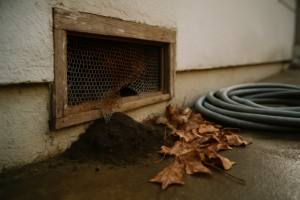
Silverfish flatten themselves into tiny cracks. Sealing gaps around trim, baseboards, wall penetrations, and older window areas removes a lot of the protected space they rely on.
If drafts and small openings are part of the problem, this article on how to seal windows is a useful place to start.
Homes with recurring silverfish activity usually have two things going on at once. Moisture and protected hiding spots.
Know When Prevention Isn’t Enough
Prevention works best when you catch the issue early. If you’re seeing silverfish in more than one room, or you’re finding damage in stored boxes, books, or linens, home fixes may slow them down without fully solving it.
That’s especially true in older structures where voids, crawl spaces, and built-in cabinetry give them long-term shelter. Yard and home pest treatments can address active pests only. They don’t eliminate eggs or every stage of the life cycle, so it’s better to think in terms of control and reduction rather than complete elimination.
How to Get Rid of Silverfish Yourself
You flip on the bathroom light in an older Santa Cruz house and see one silverfish dart under the baseboard. That usually means there are a few more tucked into cracks, closet corners, or stored items nearby. DIY control can work at that stage, but it works best when the plan matches how silverfish live.
Silverfish spend very little time out in the open. Spraying the middle of the room rarely does much. Better results come from monitoring first, then treating the hidden edges and dry voids they travel through.
Good DIY Options for Light Activity
Start by finding the busiest spots. Sticky traps placed along baseboards, behind toilets, inside linen closets, near bookshelves, and around stored boxes help show whether activity is limited to one room or spread farther through the house.
For treatment, dry dusts are often the most practical low-toxicity option for homeowners. A light application of diatomaceous earth or boric acid can help in dry, undisturbed areas such as wall gaps, attic edges, and behind appliances. Keep it light. Piles of dust are less effective, easier to disturb, and not a good fit around kids or pets.
A few other steps help a lot:
- Vacuum shelf edges, cracks, and closet corners to remove shed skins, debris, and eggs that may be tucked into dust and lint.
- Declutter paper and fabric storage so silverfish have fewer protected feeding sites.
- Use sealed plastic bins instead of cardboard for keepsakes, seasonal linens, and old photos.
- Try cedar-based repellents carefully in closets or storage areas if you want a lower-chemical approach. They may help discourage activity, but they do not solve an established infestation on their own.
That balance matters in Santa Cruz homes, where people often want effective control without going straight to broad interior pesticide use.
What DIY Usually Gets Wrong
The biggest mistake is treating only where silverfish are seen. Actual activity is usually behind trim, under shelves, around plumbing penetrations, or inside older wall voids.
Foggers are a common miss. They do not reach tight harborage well, and they are a poor match for silverfish hiding in settled woodwork, stacked storage, or enclosed gaps. Over-the-counter contact sprays have the same limitation. They may kill the one you see and leave the rest untouched.
For a realistic breakdown of where home treatment helps and where it usually falls short, this guide on DIY pest control in Santa Cruz and what works and doesn’t is a useful reference.
When DIY Makes Sense
DIY is usually a reasonable first step when sightings are limited, damage is minor, and you can stay on top of follow-up for a couple of weeks.
It is a better fit for one bathroom, one closet, or one storage area than for a whole house problem.
Try it yourself if:
- You are seeing silverfish in one main area
- You are not finding ongoing damage in multiple rooms
- You can safely treat a few dry cracks or voids
- You are willing to check traps and adjust the plan
If silverfish keep showing up after cleanup, trapping, and targeted dusting, the issue is usually bigger than a quick DIY fix. In older coastal homes, that often means hidden harborage you cannot reach easily without a more thorough inspection.
When to Call West Pest Co for Professional Help
Professional help makes sense when silverfish stop being occasional and start becoming part of the house.
If you’re finding them in several rooms, seeing fresh damage on books or fabrics, or pulling out stored items with stains and cast skins, the issue is probably spread through hidden harborage. Silverfish can also hitchhike in on second-hand books, boxes, or stored belongings, and females can deposit up to 20 eggs per day in hidden crevices. If home efforts fail after 2-4 weeks, professional treatment is recommended, as noted by Medical News Today's silverfish control article.
What a Professional Visit Adds
A solid service call isn’t just about spraying. It’s about inspection, locating the moisture pattern, identifying where silverfish are feeding, and choosing the least disruptive method that still reaches hidden spaces.
In Santa Cruz homes, that often means checking attics, closets, wall edges, under-sink voids, crawl space conditions, and storage habits. West Pest Co. handles interior pest issues like silverfish with conventional, eco, or no-chemical approaches depending on the property and the client’s priorities.
One practical difference is access to targeted crack-and-crevice treatment in areas homeowners usually can’t treat well. That can matter a lot in older homes with settled trim, layered storage, and small voids behind finished surfaces.
If you want a second opinion on timing, this page on when to call pest control is useful. For readers comparing service standards more broadly, lists of top UK pest control companies can also be interesting because they show how inspection-first pest work is framed in other markets.
If silverfish keep showing up after you’ve dried the area, sealed gaps, and cleaned up storage, the insects are probably established deeper in the structure.
Frequently Asked Questions About Silverfish
Are silverfish bad enough to call a pest control company?
Sometimes yes. If you’ve got repeated sightings, damage to stored items, or activity in multiple rooms, it’s usually more than a simple one-off. Hidden harborage is the big issue.
Will silverfish go away if I keep my house cleaner?
Cleaning helps, but it usually isn’t enough by itself. Moisture, shelter, and access to paper or fabric matter more than whether a home looks tidy.
Are silverfish dangerous to kids or pets?
They aren’t known for biting, stinging, or spreading disease. The bigger concern is protecting belongings and reducing shed material in dust if someone in the home is sensitive.
How long does it take to get silverfish under control?
That depends on how widespread the activity is and whether the moisture problem gets corrected. Light issues can improve fairly quickly, while established infestations usually take follow-up and monitoring.
Can I use natural or low-toxicity options first?
Yes. Drying the area, sealing gaps, vacuuming, using sticky traps, and carefully placing diatomaceous earth in dry voids are all reasonable first steps. Many Santa Cruz homeowners prefer starting there.
Do silverfish mean my house has a bigger pest problem?
Not always, but they do suggest conditions that support moisture-loving pests. Persistent activity is a good reason to inspect storage areas, leaks, ventilation, and hidden cracks more carefully.
Your Next Step for a Pest-Free Home
So, are silverfish bad? Yes, in the sense that they can ruin paper goods, fabrics, adhesives, and stored keepsakes. No, in the sense that they’re not the kind of pest that bites people or spreads disease through the home.
For most homeowners in Santa Cruz County, the right response is calm and practical. Dry the space out, protect vulnerable storage, seal the easy access points, and treat active areas in a targeted way. If the problem keeps returning, it usually means the insects are established somewhere you can’t easily reach.
If you’re tired of seeing silverfish in bathrooms, storage areas, or closets, West Pest Co. can provide a straightforward assessment and practical next steps for your home in Santa Cruz County. For estimates or service questions, start at the website. Phone number to be confirmed with client before publishing.