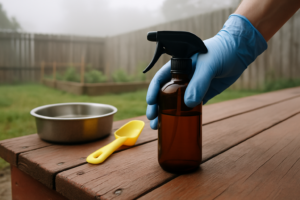
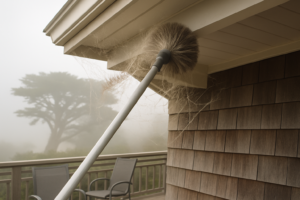
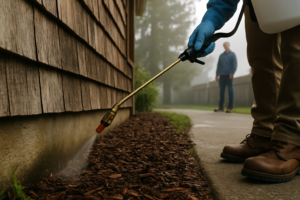
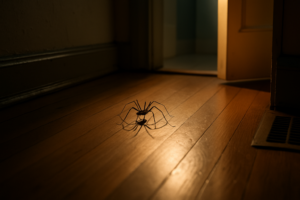
Spraying the pests you see inside your home might feel like a quick win, but it rarely solves the real problem. The truth is, the visible bugs are often just a small fraction of a much larger, hidden colony. The actual source of the problem—like an ant nest inside a wall or a cockroach hotspot behind your fridge—is left completely untouched by surface sprays, allowing them to regroup and return in force.
It’s an unsettling feeling when you see a line of ants march across your kitchen counter or a roach dart for cover. Your first instinct is probably to grab a can of store-bought bug spray. While it feels satisfying, this common reaction is based on a misunderstanding of how pest infestations actually work.
Many homeowners believe that if they see and spray an insect, the problem is solved. This belief comes from the promise of immediate results on DIY spray cans. However, the pests you see are almost always just scouts sent from a much larger, hidden colony.
The Iceberg Illusion Of Indoor Pests

Thinking a quick spray will fix the issue is like trying to dry a flooded bathroom with a single paper towel. You are only dealing with the symptom you can see, not the burst pipe causing the mess.
The Hidden Majority
The real pest problem is not the lone spider in the corner or the few ants on your floor. It is the thousands of colony members thriving just out of sight. Here in our coastal climate, a single Argentine ant colony can have tens of thousands of workers.
According to pest control experts, one female cockroach can produce hundreds of babies in just one year. These hidden populations are the engine driving the whole infestation. This is exactly why spraying pests inside your home rarely solves the real problem.
The chemicals in over-the-counter sprays only kill on contact. They have no effect on the queen, the eggs, and the thousands of other pests bunkered down deep within your home's structure:
- Wall Voids: The empty space between drywall and your home's exterior is a superhighway for ants and roaches.
- Attics and Crawlspaces: These quiet, dark areas are ideal for rodents, spiders, and other pests to set up shop.
- Under Appliances: The warmth from a refrigerator creates a five-star resort for cockroaches.
- Beneath Flooring: Tiny gaps under floorboards can hide entire colonies, completely shielded from any surface spray.
When you only spray what’s visible, you’re just trimming the leaves off a weed while leaving the roots intact. Understanding the early signs of a pest infestation helps you recognize when you're dealing with more than just a few stragglers.
The Limitations Of DIY Sprays

When you spot a pest, grabbing that can of bug spray feels like a reflex. These products promise a quick kill, but they almost never solve the actual problem. The biggest issue is that most over-the-counter sprays are designed for contact kill.
This means they only work on the specific bugs they touch. The moment the spray dries, its job is done. It's a temporary fix for a much bigger, hidden problem.
Contact Kill vs. Lasting Solutions
Using a contact-kill spray is like trying to empty a flooding basement with a teacup. You might get the few visible foragers, but you’re doing nothing about the thousands of pests hiding in the walls, attic, or under your appliances.
Here in Santa Cruz’s coastal climate, the constant humidity makes things even worse. Moisture can break down the weak ingredients in a DIY spray in just a few hours. This is a classic example of when DIY methods fail, as we cover in our guide on 5 times DIY pest control fails and what to do.
The Danger Of Scattering Pests
For some pests, that can of spray can make a small problem much worse. Cockroaches, for instance, are hardwired to scatter when they detect a repellent chemical. That group you saw under the sink doesn't just die—they flee to create new colonies throughout your home.
You’ve accidentally become a partner in their expansion. Suddenly, you’ve gone from one contained infestation to several, making the problem harder to control.
Finding The Real "Why": Three Areas To Investigate

Instead of just spraying the ants on your counter, it's time to play detective in your own home. By finding out why they showed up, you can make your home a place they want to avoid. Instead of focusing only on sprays, homeowners should check for three root causes.
Area 1: How They're Getting In (Entry Points)
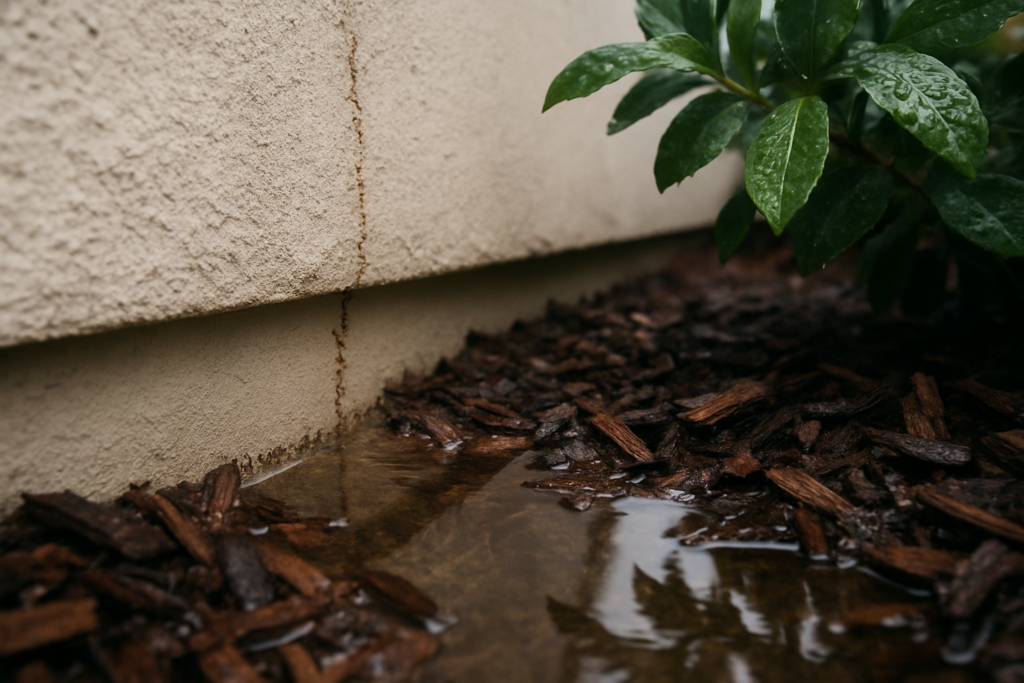
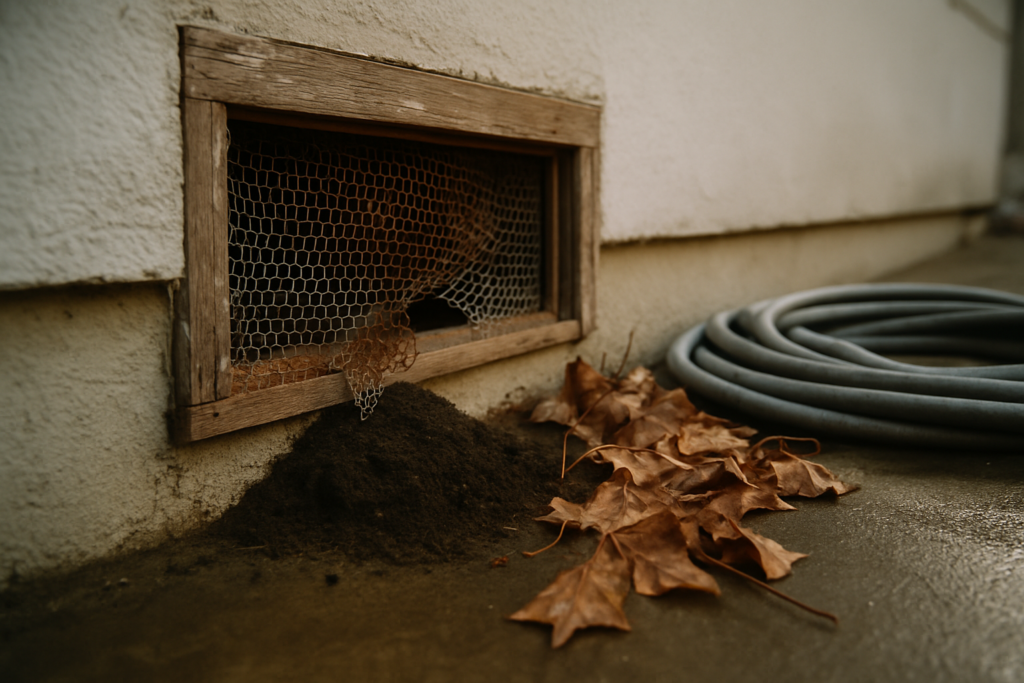
Pests don’t just appear; they find a way inside. Your first job is to walk around your home, inside and out, and look for any openings. Even the tiniest crack is a welcome mat for ants, spiders, and rodents.
Start by inspecting these common weak spots in Santa Cruz County homes:
- Around Pipes and Utilities: Check where water pipes and electrical lines enter your home. Gaps here are a pest superhighway.
- Doors and Windows: Look for worn-out weather stripping. A gap as small as a dime is all a mouse needs to squeeze through.
- Vents and Foundations: Dryer vents and cracks in your home's foundation are common entryways.
Sealing these entry points around doors, vents, and foundations is one of the most powerful things you can do. It's a physical barrier that stops pests before they ever get a chance to move in.
Area 2: What They're Eating and Drinking (Food and Moisture)
Pests will stay where they find a reliable meal and a drink. If your home offers an all-you-can-eat buffet, they’ll have no reason to leave. This part of your investigation is about cutting off their food and moisture sources.
Use this checklist to eliminate their access to food and water:
- Fix Leaks Promptly: A slow-dripping faucet provides all the water cockroaches and other pests need.
- Store Food Properly: Use airtight containers for pantry items like cereal, flour, and pet food.
- Wipe Up Spills Immediately: Clean up crumbs and spills from countertops, floors, and inside cabinets.
- Manage Trash Cans: Keep indoor trash cans covered and take them out regularly.
Addressing these factors dramatically reduces the likelihood of repeat infestations. You can learn more about what makes your home so appealing in our guide on what attracts cockroaches.
Area 3: Where They're Hiding (Hidden Nests)
The final piece of the puzzle is finding where pests are setting up camp. They seek out dark, quiet, and undisturbed places to build their nests. These hidden nesting areas such as crawlspaces, attics, or wall voids are the engine of the infestation.
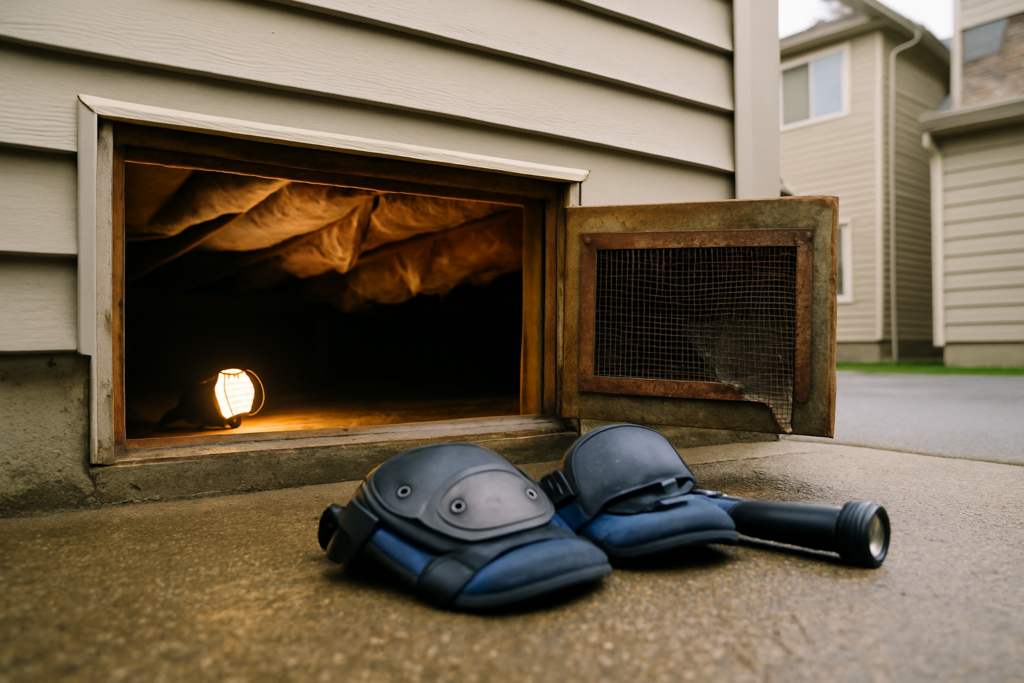
A detailed pest inspection is the best way to uncover these hidden spots. Grab a good flashlight and check these often-overlooked areas:
- Attics and Crawlspaces: These are ideal for rodents and spiders to build their homes.
- Behind and Under Appliances: The warmth behind your refrigerator and stove is prime real estate for cockroaches.
- In Wall Voids: The empty space between your walls is a common nesting site for ants and even some rodents.
- Cluttered Storage Areas: Piles of boxes in garages or basements create perfect hiding spots.
Pest behavior can even overcome barriers we think are foolproof. For example, people often ask, will mice chew through spray foam? The answer is often yes, because their instinct to find shelter is very strong.
The Professional Approach: Integrated Pest Management
 pest control process with three sequential steps: Inspect, Exclude, and Treat.” />
If grabbing a can of bug spray is just a temporary fix, what is the real, lasting solution? The answer is a professional strategy called Integrated Pest Management (IPM). This is a smart process that gets to the root cause of an infestation.
IPM is a thoughtful approach that combines inspection, exclusion, and sanitation. It uses minimal, targeted treatments only when necessary. For homeowners here in Santa Cruz, this eco-friendly method fits perfectly with our community’s values.
The IPM Process: A Smarter Strategy
Instead of a one-size-fits-all spray, IPM creates a custom plan based on pest behavior. This is how professional pest control approaches recurring infestations and delivers lasting results where DIY methods fail.
At West Pest Co., our IPM process is designed to solve your pest issue at its source:
- Thorough Inspection: We start by acting like detectives to identify the specific pest, find where they're nesting, and locate their entry points.
- Exclusion and Sanitation: This is the most important step. We help you seal up cracks, fix leaky pipes, and remove food sources.
- Targeted, Minimal Treatments: Only after these steps do we consider treatment. We use precise tools like modern baits that ants carry back to their colony, eliminating the nest from the inside out.
This structured approach is what sets professional services apart. Understanding effective Integrated Pest Management Done Right is the key to truly solving pest problems.
Why IPM Is The Superior Solution
The difference between a DIY spray and professional IPM is like patching one pothole versus repaving the entire road. One is a quick fix, while the other is a long-term solution.
Take wasps, a common concern in Santa Cruz County. You might spray a few that get inside, but that does nothing to the hidden nest in your attic, which could house thousands of wasps. A recent study showed that professional pest technicians find 80% more pest-related issues than homeowners during an inspection (Pest Management Professional, 2022).
IPM is about prevention. By making your home less friendly to pests, we reduce the need for chemicals and create a healthier environment for your family. This method is especially effective for recurring issues because it breaks the cycle. To dig deeper, you can learn more about our specific Integrated Pest Management techniques.
Frequently Asked Questions
Why do pests keep coming back after I spray?
Pests keep coming back because sprays only kill the few bugs you see, not the hidden nest. Visible pests are usually foragers from a much larger colony in your walls, attic, or under appliances. Unless you eliminate the source, the colony will keep sending out more members.
Are natural pest control methods like peppermint oil effective?
Some natural remedies like peppermint oil can act as a temporary repellent, but they rarely solve an infestation. As one homeowner noted, “I tried peppermint oil for ants – they came back.” The scent may deter pests for a short time, but it doesn't remove the nest or the pheromone trails they use to find food.
How do I know if I have a serious infestation?
Signs of a serious problem include seeing pests in multiple rooms, finding droppings or shed skins, or noticing pests during the daytime when they are normally active at night. If DIY treatments fail and pests return, you likely have a hidden infestation that needs a professional inspection.
My house is clean. Why do I still have pests?
A clean house is less attractive to pests, but it doesn't make it pest-proof. Pests need only tiny amounts of food and water to survive. More importantly, they enter through small cracks and gaps in your home's foundation, walls, and around pipes, regardless of how clean it is inside.
Is professional pest control safe for my kids and pets?
Yes, when done correctly. Professional companies like West Pest Co. use an Integrated Pest Management (IPM) approach. We prioritize non-chemical solutions like sealing entry points first. When treatment is needed, we use targeted products in precise locations away from children and pets, ensuring your family’s safety.
If you’re dealing with recurring pests, learning how infestations actually start can help you choose the right prevention strategies and avoid wasting time on treatments that only provide short-term relief.
Contact West Pest Co. today for a free estimate and discover how our eco-friendly approach can solve your pest problem for good in Santa Cruz, Aptos, Capitola, and Scotts Valley.
Learn more and schedule your free estimate with West Pest Co.