Quick Answer
If you’re dealing with spiders in my house, the right approach is usually simple: identify what kind you’re seeing, remove the visible spiders and webs safely, then fix the conditions that keep bringing them in. Most indoor spiders are harmless, and a practical residential pest management approach focuses on removal, exclusion, and reducing insect prey.
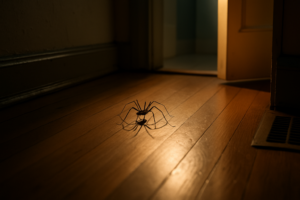
You walked into the bathroom at night, turned on the light, and there it was. Or maybe you keep clearing webs in the garage and they’re back again a few days later. That’s usually the point where people start searching spiders in my house and want a straight answer, not a lecture.
The good news is that seeing a spider indoors doesn’t automatically mean you have a serious problem. In Santa Cruz County, our coastal climate, mild temperatures, and year-round vegetation make homes comfortable for spiders, so the goal is usually control and prevention, not panic.
Introduction
If there’s a spider on the wall right now, start with the least stressful method. Put a cup or glass over it, slide a stiff piece of paper underneath, and carry it outside if you’re comfortable doing that. If it’s high up, tucked behind storage, or sitting in a web you don’t want to get near, use a vacuum with a hose attachment and empty the canister or bag promptly afterward.
That quick response handles the spider you can see. The more useful question is why it was there in the first place, what kind it is, and whether the activity you’re seeing is normal for a Santa Cruz home.
Identifying Spiders in Your Santa Cruz Home
Santa Cruz homes tend to get a few repeat visitors indoors. The useful part isn’t memorizing Latin names. It’s learning where they hide, what their webs look like, and what that says about the conditions in your home.
According to this overview of common indoor spiders in coastal homes, common local invaders include cellar spiders that build silk retreats high on walls, house spiders that come in through cracks after rain, and cobweb weavers in wall crevices. It also notes that medically significant widows tend to hide in dark voids, while most other indoor spiders are harmless and usually signal that insect prey is available.
What Their Location Usually Tells You
A spider in the middle of a living room wall is different from a spider tucked under a sink or deep in the garage.
- High corners and ceiling lines usually point to cellar spiders or other web-builders that like quiet, undisturbed spots.
- Window edges and door frames often suggest entry from outdoors.
- Garages, crawl-adjacent spaces, storage shelves, and utility areas usually support repeat webbing because those areas stay undisturbed longer.
- Dark voids around stored items or plumbing areas deserve a more careful look, especially if you’re trying to rule out widow activity.
Practical rule: Don’t identify a spider by fear level. Identify it by body shape, web style, and where you found it.
Common Indoor Spiders In Santa Cruz County
| Spider Type | Key Identifiers | Web Type | Risk Level |
|---|---|---|---|
| Cellar spider | Long thin legs, small body, often hangs upside down high on walls or ceilings | Loose, irregular web or silk retreat | Usually low |
| Common house spider | Brown to gray look, usually found in corners, garages, and other quiet areas | Tangled cobweb | Usually low |
| Cobweb weaver | Small spider in crevices, corners, and tucked indoor voids | Jagged, messy network web | Usually low |
| Widow spider | Dark body, tends to stay hidden in protected dark voids rather than open walls | Irregular web in sheltered hiding spot | Use caution |
For a more visual breakdown, this California spider identification guide is useful when you want to compare what you’re seeing at home.
When Identification Changes The Plan
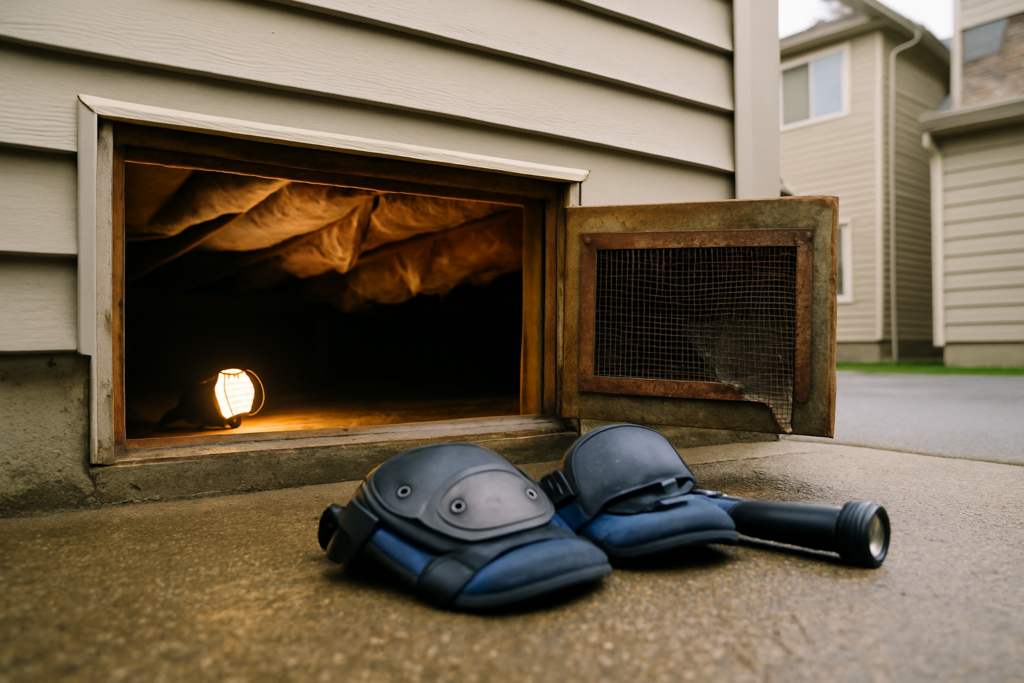
If it’s a harmless web-builder, the fix is usually environmental. Remove webs, vacuum egg sacs if present, seal entry points, and cut down the insect activity that’s feeding them. If you suspect a widow in a hidden area, don’t reach in blind. Use gloves, a flashlight, and tools instead of bare hands, or call for help.
A lot of frustration comes from treating all spiders the same way. That’s why random spraying often disappoints. If the underlying issue is open gaps, porch lighting that draws insects, or cluttered storage along the wall, you haven’t changed the reason the spiders stayed.
Safe and Immediate Spider Removal Methods
The first job is getting the spider out without turning a small problem into a bigger one. Most homeowners don’t need special products for that. They need distance, control, and a method that fits where the spider is sitting.

The Best DIY Methods For A Spider You Can See
The cup-and-paper method works well for a single spider on a flat surface. Move slowly, keep the cup flush to the wall or floor, and slide the paper underneath in one steady motion. It’s simple and avoids direct contact.
For spiders in corners, behind furniture, or above head height, a vacuum is usually better. A hose attachment lets you remove the spider, web, and loose debris in one pass, which matters because leaving the web behind often means you’ll still have activity in that spot.
- Use a clear container for easy captures when the spider is in the open and you can reach it safely.
- Use a vacuum for high webs and retreat areas when the spider is in a corner, ceiling line, garage shelf, or vent area.
- Wear gloves for storage zones if you’re moving boxes, reaching behind bins, or cleaning dark voids where you can’t see clearly.
If the activity is concentrated in one part of the property, such as a detached space or cluttered utility area, this guide on how to get rid of spiders in a garage can help you narrow down the likely source.
What Works Less Well
Smashing a spider on sight gets rid of one spider. It doesn’t remove the web, the egg sac, the entry gap, or the insect activity that drew it there. That’s why it rarely changes the overall pattern.
Foggers and broad indoor sprays also get more credit than they deserve for spider work. Spiders spend a lot of time in cracks, high corners, hidden voids, and behind items where casual spray applications don’t reach well. If someone wants a treatment, the honest trade-off is this:
No-chemical removal is good for isolated sightings. Targeted product use can help in recurring problem areas. Neither one makes sense without cleanup and exclusion.
When It’s Time To Call For Help
Call a pro when you’re seeing repeated webbing in multiple rooms, finding spiders in hidden utility or storage areas, or you’re not comfortable identifying what you found. That’s especially true if you keep removing spiders and the pattern returns in the same places.
How to Keep Spiders from Coming Inside
Prevention works better than chasing spiders one at a time. The homes with the least repeat activity usually have three things in common. Fewer entry points, fewer hiding spots, and less insect prey indoors.
A practical house-spider program includes vacuuming webs, decluttering, and sealing cracks around foundations, windows, and doors with caulk. That can reduce spider entry by 70 to 85 percent, and spiders consume up to 80 percent of insects in a home, so prey reduction matters too.

Start With Entry Points
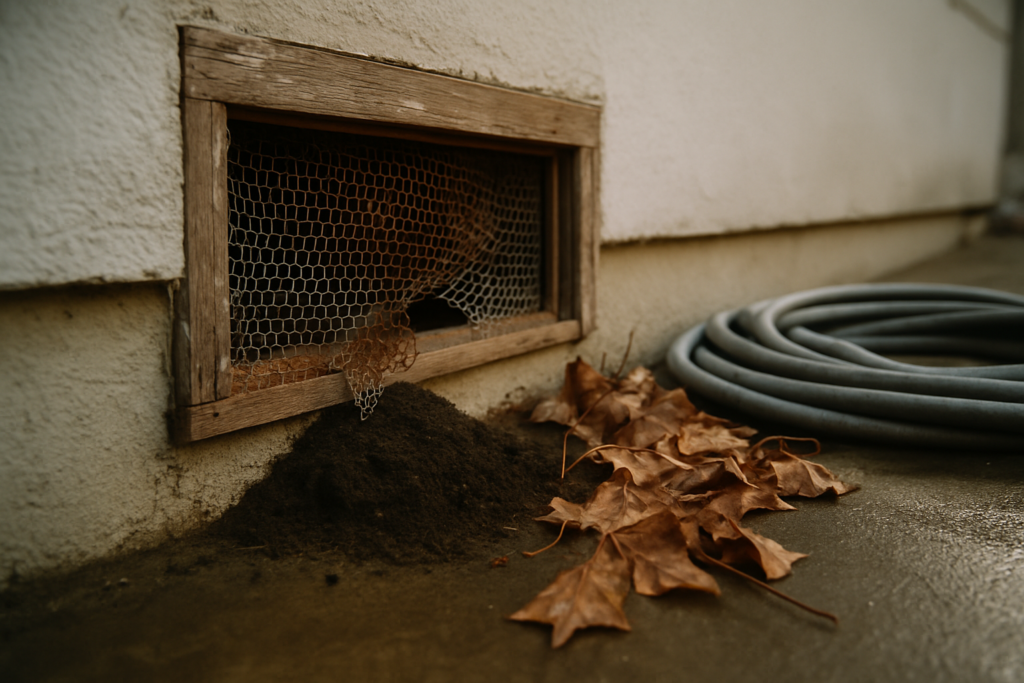
If a spider can walk in, it will. I’d look first at door sweeps, torn screens, utility penetrations, loose trim, and gaps where pipes or conduit pass through the wall. Exterior lighting near entry doors also matters because lights attract insects, and insects attract spiders.
If you want a seasonal read on why you may notice more spiders coming into houses, that article gives helpful context on when indoor movement tends to become more noticeable.
- Seal foundation and trim gaps with appropriate caulk or sealant.
- Check window screens and sliders so you’re not leaving easy access points open every evening.
- Add or replace door sweeps where light shows under exterior doors.
Remove The Places They Settle In
Spiders like stillness. Cardboard stacks, packed shelving, corners behind stored items, and dusty utility spaces give them a place to web up without interruption.
That doesn’t mean your house needs to look empty. It means storage should be easier to inspect and easier to clean around.
- Pull stored items slightly off the wall so you can vacuum edges and corners.
- Reduce cardboard where possible and use bins where it makes sense.
- Knock down webs as you find them instead of letting old webbing build up.
A web is a location marker. If you leave it in place, you’re letting that spot stay attractive.
Cut Down The Food Source
This is the piece people skip most often. If your home supports flies, moths, ants, or other small insects, spiders have a reason to stay. When the food source drops, spider activity usually drops with it.
Kitchen crumbs, pet food left out overnight, damp areas that support other pests, and lights that pull insects toward doors all play a role. For Santa Cruz homes, that often means paying attention to bathrooms, garages, mudrooms, and patios where indoor and outdoor conditions overlap.
What Yard And Home Treatments Can And Can’t Do
Yard and home pest treatments can help address active pests, especially when insect activity around the exterior is part of the spider problem. They are not a complete life-cycle reset, and they should never be treated as permanent or total eradication.
That trade-off matters. A treatment can lower active pressure. You still need maintenance, cleaning, and exclusion if you want the result to hold.
Choosing a Professional Spider Treatment
Some spider problems are light enough for DIY cleanup. Others keep coming back because the home has multiple contributing conditions at once. That’s when a professional inspection becomes more useful than another round of store-bought spray.
 pest control specialist inspecting a baseboard for spiders in a bright, modern living room interior.” />
A big reason repeat activity gets ahead of people is reproduction. A single female house spider can produce over 3,700 eggs in her lifetime, eggs can hatch in 7 to 10 days, and indoor adults may live for a year or more. Indoors, they’re sheltered from weather and many predators, so recurring activity can build faster than most homeowners expect.
What A Professional Should Actually Be Looking At
A useful spider service is not just “spray baseboards and leave.” It should start with where the spiders are webbing, what species or group you’re likely dealing with, how they’re getting in, and what is supporting them once they’re inside.
That usually includes:
- Web location patterns such as ceiling corners, garage shelving, under-eave migration points, and plumbing voids
- Entry conditions like door gaps, screen issues, foundation cracks, and weather-related openings
- Prey sources including other insect activity in and around the home
- Moisture and clutter conditions that help spiders remain undisturbed
Conventional, Eco, And No-Chemical Options
There isn’t one right treatment style for every home. The right fit depends on the level of activity, the layout of the property, and your comfort level.
A no-chemical approach leans on inspection, vacuuming, web removal, exclusion, and habitat correction. It makes sense for isolated sightings, light webbing, or households that want to start with physical control.
An eco-focused approach uses lower-impact products where needed, paired with the same cleanup and exclusion work. That’s often the middle ground for families who want targeted treatment without turning the whole plan into a spray program.
A conventional approach can be appropriate when activity is broad, persistent, or tied to several interior and exterior harborage zones. Even then, the product is only one part of the job.
West Pest Co. offers spider control using conventional, eco-product, and no-chemical options, depending on the property and the customer’s preference. If you’re comparing providers, this page on how to choose the right exterminator in Santa Cruz is a useful place to start.
Ask what the service includes beyond treatment. If the answer doesn’t include inspection, web removal guidance, and prevention recommendations, you’re probably not getting the full picture.
What About Cost
Cost depends on the size of the property, how concentrated the activity is, whether treatment is interior, exterior, or both, and whether follow-up is needed. It’s better to get a property-specific estimate than rely on generic pricing ranges.
If you want a general consumer overview of what usually affects exterminator pricing, this guide to Marietta exterminator expenses explains the kinds of factors companies often consider. The actual price for a Santa Cruz spider service still depends on your layout and conditions.
Frequently Asked Questions About House Spiders
A lot of spider questions come down to one thing. People want to know what’s normal, what’s not, and whether they need to do anything beyond cleaning.
A 2016 survey found spiders in 100 percent of homes surveyed, with an average of over 61 spiders per home. It also notes that seeing more than one spider per day or multiple new webs consistently may indicate a population that needs management. So yes, some spider presence is normal. Constant activity is a different story.
Is it normal to have spiders in my house
Yes. Some indoor spider presence is normal in most homes.
What matters is the pattern. An occasional spider is different from repeated sightings, fresh webbing in several rooms, or the same problem areas rebuilding every week.
Why do I keep finding spiders in the bathroom and bedroom
Bathrooms hold moisture and often attract small insects, which makes them useful spider habitat. Bedrooms usually have quiet corners, bed frames, nightstands, and under-furniture spaces that don’t get disturbed every day.
If those rooms keep showing activity, check window screens, baseboard gaps, and hidden clutter first.
Should I be worried if I see one spider every day
That’s usually the point where I’d start looking more closely. One spider once in a while is normal. More than one per day, or steady new webbing, suggests conditions inside the home are supporting more activity than you probably want.
Will cleaning alone get rid of house spiders
Cleaning helps a lot, especially vacuuming webs, egg sacs, and dusty corners. But cleaning by itself won’t solve the problem if spiders are still entering through gaps or feeding on indoor insects.
The strongest DIY plan combines cleanup with exclusion and prey reduction.
Are spider treatments safe around kids and pets
That depends on the product choice, where it’s applied, and whether a no-chemical option makes more sense for your situation. A good company should explain exactly what’s being used, where it goes, and what precautions matter before treatment starts.
If you want to start with lower-impact ideas first, this page on natural spider repellent for home covers non-spray approaches that can help as part of a broader plan.
Why do spiders come back after treatment
Usually because the treatment addressed active spiders, but not the conditions supporting them. Entry gaps, prey insects, old web locations, storage clutter, and exterior lighting can all keep the pattern going.
That’s also why no honest technician should promise a permanent fix.
Do you need to treat inside and outside
Not always. Some homes mostly need exterior exclusion and cleanup. Others have enough indoor harborage that interior work makes sense too.
The right answer depends on where the activity is concentrated, how spiders are getting in, and whether the home is supporting insects indoors.
Call to Action
If you’re tired of dealing with spiders in my house and the same webs keep showing up, it may be time for a closer look. A good inspection can tell you whether you’re dealing with a normal level of activity or a recurring issue that needs targeted control.
If you’d like practical help from a local company, contact West Pest Co. for a free estimate and assessment in Santa Cruz County. Phone number available upon request and to be confirmed before publishing.