Quick Answer
If you hear an animal in attic spaces, don’t rush into the attic or set traps right away. Start by noting when the noise happens, inspect the outside of the home from the ground, and use humane exclusion and cleanup to solve the problem safely and help prevent it from happening again.
Late at night, you hear scratching above the ceiling. Then a heavier thump. By morning, the house is quiet again, but now you know something is up there.
An animal in attic situations usually follows a pattern. The animal finds a weak spot near the roofline, settles into insulation or duct areas, and keeps coming back until the opening is closed properly. In Santa Cruz County, older homes and coastal wear make that more common than most homeowners expect.
What to Do When You Hear an Animal in Your Attic
The first night this happens, individuals often react in a similar way. They freeze, listen, and wonder if it’s a mouse, a rat, or something bigger moving around above the ceiling.
That reaction is normal. The key is to slow down and make a safe plan instead of climbing into the attic with a flashlight.
If the noise is active right now and you need fast guidance, it helps to start with emergency pest control support so you can figure out whether this is a same-day safety issue or something that can wait until daylight.
Start With Four Basic Steps
- Listen before acting: Note whether the sound happens at night, during the day, or around dawn and dusk. That timing tells you a lot.
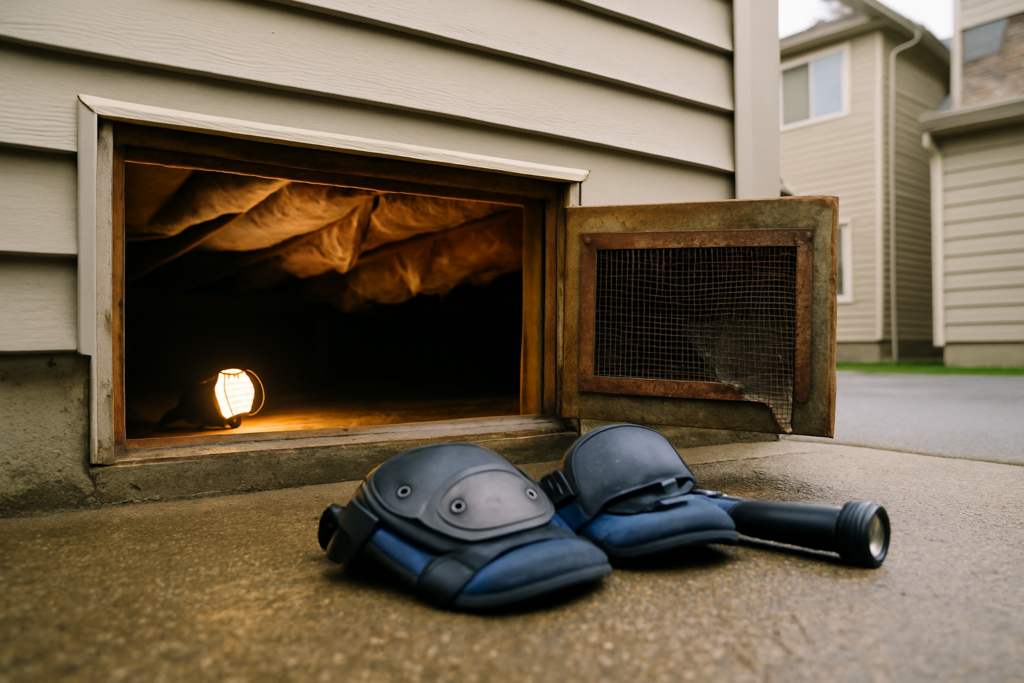
- Stay out of the attic: You could corner an animal, step through drywall, or stir up contaminated dust.
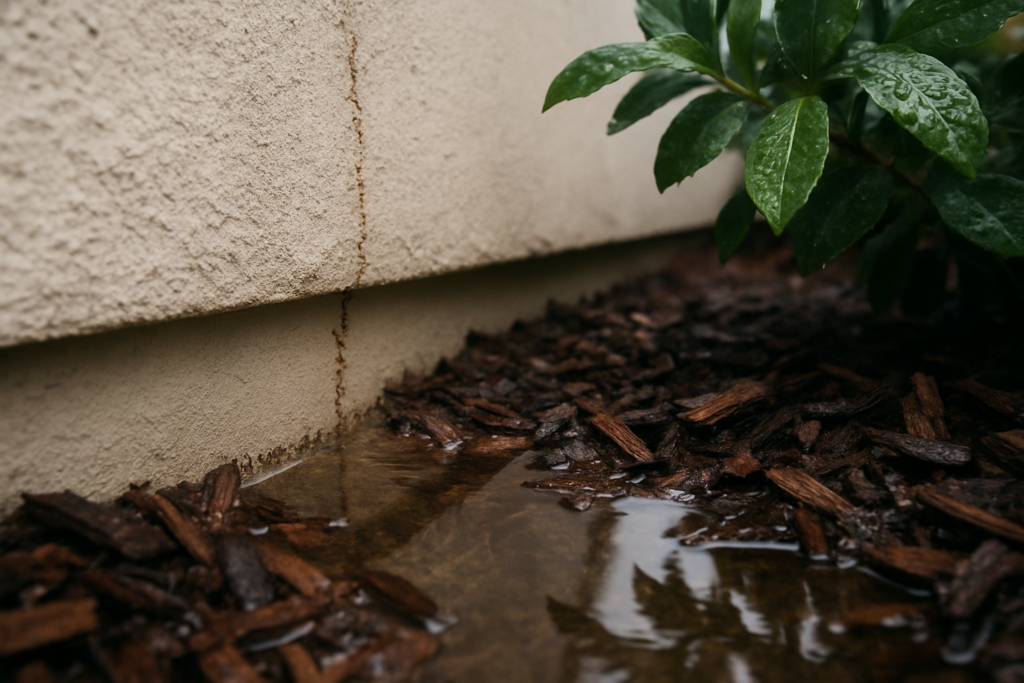
- Check the outside only: Look from the ground for torn vents, loose soffits, or visible roofline gaps.
- Plan for removal and prevention together: Getting the animal out matters, but closing access points is what keeps the problem from repeating.
Practical rule: If you can hear movement clearly inside living areas, assume the animal has been active long enough to leave waste, nesting material, or both.
A calm response works better than a rushed one. Most attic noise problems can be handled, but the order matters. Identify first, remove safely second, seal last.
Identifying the Type of Animal in Your Attic
The sound pattern usually gives the first clue. Professionals identify attic invaders with high accuracy by profiling noises and analyzing tracks. Daytime scurrying often points to squirrels, while heavy nocturnal thumps and chattering usually signal raccoons. Small droppings (1/8 inch) are a key sign of mice, whereas larger, rice-shaped droppings (3/8 inch) indicate rats, according to Trutech’s guide to animals in attics.

What The Noise Usually Tells You
A light, fast scratching sound often points to smaller rodents. Repeated movement across the same route can sound like quick scurrying along framing or insulation.
Heavier bumping, dragging, or chattering at night suggests a larger animal. In practice, that often changes the whole approach because larger attic intruders can damage insulation, vents, and access points much more aggressively.
What To Look For Without Disturbing The Area
You don’t need to dig through insulation to gather useful clues. A careful look from the attic hatch or from a safe distance can tell you a lot.
- Droppings near travel paths: Rodents usually leave them along beams, edges, and near openings.
- Compressed or tunneled insulation: Rodents often create visible runs through insulation.
- Torn material: Shredded insulation, paper, or stored items often means nesting.
- Smudges at openings: Grease marks around gaps can show repeated travel.
If you’re trying to sort out rat activity from mouse activity, a side-by-side reference like this guide on mice vs rats helps homeowners make sense of what they’re seeing before the inspection.
A good ID saves time. The wrong removal method usually means the noise stops for a few days, then starts again.
Why Timing Matters
If the sounds happen mostly after dark, think nocturnal behavior first. If the activity starts after sunrise and fades by evening, that points in a different direction.
That’s one reason attic work isn’t just about finding droppings. Sound, timing, and damage pattern have to match up before the removal plan makes sense.
How to Safely Assess Your Home for Entry Points
A safe exterior inspection gives you useful information without sending you into a bad situation. For an animal in attic problem, I tell homeowners to keep both feet on the ground unless they’re fully equipped and comfortable working around roof edges.
What To Check From The Ground
Walk the full perimeter of the house in daylight. Use binoculars if you have them.
Look for:
- Damaged soffits: These are common access points, especially on older homes.
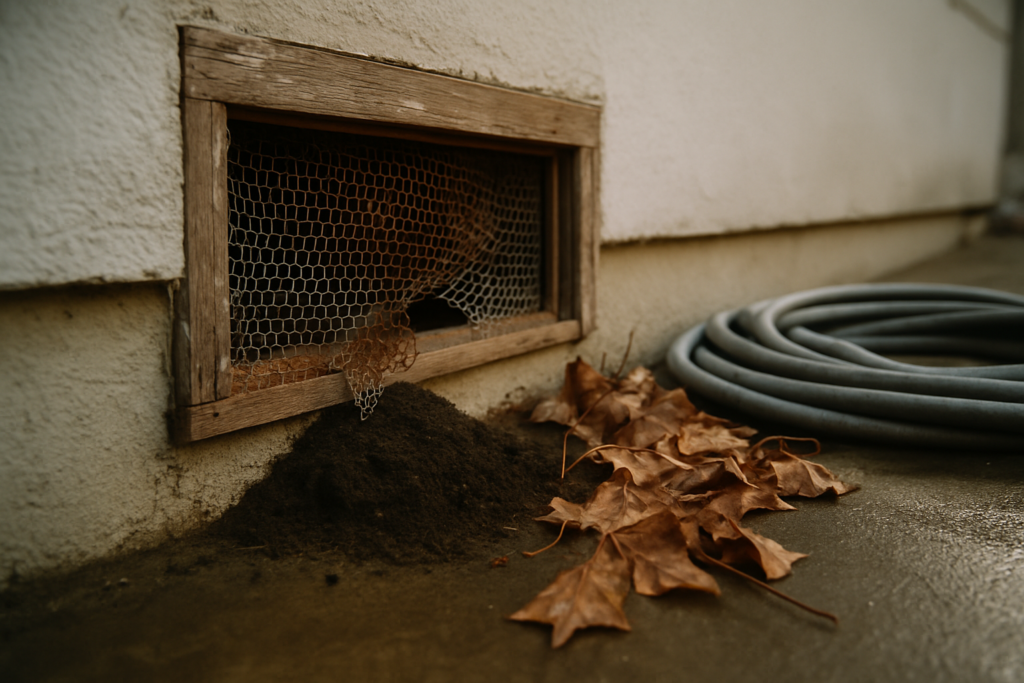
- Vent problems: Bent, loose, or torn vent covers can give animals an easy opening.
- Roofline gaps: Check where trim, fascia, and siding meet.
- Branches touching or overhanging the roof: These act like ramps.
In Santa Cruz County, salt air, moisture, and age can wear down exterior materials faster than homeowners realize. If your roof looks tired overall, a practical resource on when to replace roof shingles can help you judge whether the pest entry point is part of a bigger roofing issue.
What Not To Do
Don’t poke into openings by hand. Don’t seal an active hole the moment you find it.
If an animal is still inside, closing the entry too early can trap it in the attic or push it deeper into the house. That turns a clean exclusion job into a more complicated removal.
Focus On Vulnerable Openings
For smaller rodent activity, prevention work matters just as much as removal. Homeowners dealing with recurring gaps around utility lines, crawl space vents, or roof transitions usually benefit from learning more about mouse-proofing your home.
A careful assessment gives a technician a head start. It also helps you avoid the most common mistake, which is treating every attic noise as if it comes from the same kind of animal.
Humane Removal and Effective Exclusion Methods
When people hear an animal overhead, they often think trap first. In practice, exclusion is usually the better answer because it solves both the current entry and the next one.

Raccoons are a primary attic invader, and DIY trapping fails in an estimated 70% of cases, often creating bigger problems. Professional exclusion using one-way doors and sealed entry points is the most effective long-term approach, as noted in Trutech’s overview of common attic animals.
Why Trapping Alone Often Fails
A trap can remove one animal and still leave the opening wide open. If there’s a litter involved, trapping can also separate the mother from young that remain inside.
That’s one reason rushed DIY work tends to drag out. You may stop one symptom without solving the nesting site, contamination, or route of entry.
What Humane Exclusion Looks Like
A proper exclusion job usually works in this order:
- Inspection of every likely access point
- Installation of a one-way device at the active exit
- Sealing of secondary gaps so the animal can’t switch routes
- Monitoring for confirmed exit
- Final closure and cleanup
This process is slower than setting a single trap, but it’s also more responsible and more reliable. For rodent-focused prevention methods built around lower-impact control, this guide to eco-friendly rat and mouse control in 2026 is a useful companion read.
Humane removal works best when timing, species ID, and sealing are handled together. Skip any one of those and the problem tends to come back.
What Works Better Than Repellents
Store-bought repellents rarely solve an established attic problem on their own. Scent products, ultrasonic devices, and casual patch jobs usually don’t hold up once an animal has already claimed the space.
What does work is physical exclusion. That means durable screening, solid repair work, and closing the structure only after the animal is out.
The Trade-Off Homeowners Should Understand
Exclusion takes more care up front. Trapping looks quicker.
But the goal isn’t just to make the noise stop for a night or two. The goal is to stop re-entry without creating a sanitation problem or trapping animals inside the structure.
When You Must Call a Professional
Some attic situations cross the line from inconvenient to unsafe. If you hear aggressive vocalizing, see torn insulation falling from access points, or notice staining and odor around the attic hatch, it’s time to stop troubleshooting and bring in a trained professional.

Health Risks Aren’t Just About The Animal
The bigger issue is often what gets left behind. Animal droppings and urine left in an attic can pose significant health risks. Raccoon feces can contain roundworm eggs that are dangerous if inhaled, while rodent urine can spread viruses. Professional cleanup is often necessary to safely remove contaminated materials and sanitize the area, according to this overview of animal-in-attic signs and risks.
If there’s visible droppings, saturated insulation, or strong odor, cleanup becomes part of the job. That isn’t the stage for a shop vacuum and a dust mask.
Clear Signs You Shouldn’t Handle It Yourself
- You suspect a large animal: Heavy nighttime movement and loud thumping deserve caution.
- There’s contamination: Droppings, urine staining, and nesting debris can create exposure risks.
- Wiring or ductwork may be damaged: Once electrical or HVAC materials are involved, the repair scope grows quickly.
- You’ve already tried sealing or trapping and the noise returned: Repeated activity usually means the original entry pattern wasn’t fully addressed.
If the attic contains waste, damaged insulation, or an unknown animal, the removal and the cleanup should be treated as one job.
Santa Cruz Homes Need A Little More Caution
Older homes around Santa Cruz County often have layered repairs, patched vents, and hidden voids that make attic access less predictable. One opening can connect to wall cavities, crawl spaces, or older additions.
That’s why a professional visit isn’t just about removal. It’s also about verifying where the activity started, what materials were affected, and what needs to be sealed without causing another problem elsewhere in the house.
Long-Term Prevention for Santa Cruz County Homes
Once the animal is out, true prevention work begins. At this stage, older coastal homes either get tightened up properly or end up dealing with repeat entries a season later.

Home Hardening That Actually Helps
The most useful prevention steps are plain, physical, and specific.
- Cover vulnerable vents with hardware cloth: This helps block access while keeping ventilation in place.
- Repair loose trim, siding, and soffits: Small structural failures often become entry points.
- Trim branches back from the roofline: Animals use direct roof access when it’s available.
- Secure trash and outdoor food sources: Attractants near the house increase repeat visits.
For broader rodent-focused prevention around the property, homeowners can also review these local rodent prevention tips for Santa Cruz.
Don’t Ignore Roofing And Exterior Repairs
Pest prevention and exterior maintenance overlap more than people think. If the fascia is soft, vent screening is loose, or shingles are lifting at edges, exclusion materials won’t hold as well as they should.
When the issue moves beyond pest sealing and into structural repair, it helps to understand what qualified professional roofing repair companies typically evaluate so you can match the repair to the problem instead of patching around it.
A Practical Seasonal Habit
Walk your exterior a few times a year. Do it after storms, after tree work, and before colder weather sets in.
You’re not looking for perfection. You’re looking for changes. A bent vent, a fresh gap, or a loose soffit panel is easier to fix before it becomes an active animal in attic issue.
Prevention is usually less about products and more about denying access. If the structure stays tight, most attic problems never get started.
Frequently Asked Questions and Next Steps
How do I know if it’s really an animal in my attic?
The pattern usually gives it away. Repeated scratching, scurrying, thumping, droppings, or disturbed insulation all point to activity above the ceiling. The timing of the noise also helps narrow down what kind of animal may be involved.
Should I go into the attic and look around?
Usually, no. It’s safer to inspect from the outside first and avoid stirring up dust, droppings, or a defensive animal. If you need confirmation, a professional inspection is the better route.
How much does it cost to remove an animal from an attic?
Cost depends on the species, the entry points, the condition of the attic, and whether cleanup or repairs are needed. It’s better to get a direct inspection and estimate than to rely on a generic price range.
Is humane removal safe for pets and kids?
Yes, when it’s done correctly. Humane exclusion focuses on getting the animal out and closing access rather than relying on broad chemical treatment inside the home.
How long does the process take?
That depends on the animal and the level of activity. Some jobs move quickly, while others require monitoring to make sure the attic is empty before final sealing.
Do I need cleanup after the animal is gone?
In many cases, yes. Waste, urine, nesting debris, and damaged insulation can remain after removal. If you’re concerned about lingering odor or contamination, it’s worth learning what indoor air quality testing can help confirm after cleanup work is finished.
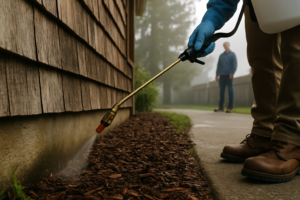
Will yard treatment solve an attic pest problem?
No. Yard and home pest treatments can address active pests around the property, but they don’t eliminate eggs or full pest life cycles and shouldn’t be described as complete eradication or a permanent solution. Attic problems usually need species-specific removal, exclusion, and cleanup.
If you’re dealing with an animal in attic spaces and want a clear, practical assessment, West Pest Co. can help homeowners in Santa Cruz County inspect the problem, explain the options plainly, and recommend safe next steps without pressure.