Quick Answer
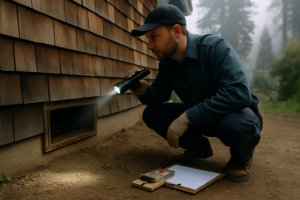
Some pest problems require conventional treatment methods when the infestation is established, spreading quickly, or hiding where traps, exclusion, and low-impact products can’t reach it well enough. Conventional, eco-friendly, and no-chemical options all have a place. The right choice depends on the pest, the location, and what has already failed. If you’re unsure when a problem has crossed that line, this guide on when to call pest control can help.
You’ve cleaned, sealed food, set traps, tried store-bought sprays, and maybe even used a natural product because you wanted to keep things as low-impact as possible. That’s a reasonable place to start. But when the problem keeps coming back, spreads to new areas, or gets worse after DIY efforts, it helps to understand why some pest problems require conventional treatment methods instead of assuming every option works equally well.
A good pest decision isn’t about pushing one treatment style every time. It’s about matching the method to the biology of the pest, the layout of the property, and how fast the issue needs to be brought under control.
Understanding Your Pest Control Options
The first step is knowing what people mean when they talk about different treatment types. These categories overlap in real-world work, but the distinctions matter.
Conventional treatments
Conventional treatments are regulated pest control products used for active infestations where speed, reach, or residual performance matters. These can include crack-and-crevice applications, targeted sprays, dusts, or baits placed in the right locations.
They’re usually the option people think of first when they hear “professional pest control.” In practice, they’re just one toolset. They’re often chosen when pests are established in wall voids, crawl spaces, structural gaps, or hidden nesting sites that mechanical methods alone won’t solve quickly.
Eco-friendly products
Eco-friendly products are typically lower-impact materials, often derived from naturally based ingredients or selected for use where clients want a reduced-chemical approach. These can be useful for lighter pest pressure, follow-up work, or situations where prevention is the main goal.
They can work well, but they also have limits. Some pests rebound quickly when the product doesn’t reach the nesting core or when the infestation has already spread beyond the visible activity.
No-chemical options
No-chemical options include trapping, exclusion, sanitation, habitat changes, vacuuming, nest removal, and physical barriers. These methods are essential in good pest work. They’re not a backup plan. They’re often the foundation.
For rodents, sealing access points and improving storage conditions matter. If you store pet food, bird seed, or seasonal items outside, this practical guide on how to keep mice out of storage sheds covers common entry and storage issues that often get missed.
Practical rule: The cleaner answer is the one that works for the actual problem, not the one that sounds better in theory.
Pest management usually works best when these categories are combined. That’s the basic logic behind integrated pest management. You inspect, identify the pest, reduce what’s attracting it, close access points where possible, and choose the least intensive treatment that can realistically regain control.
Why the choice changes from one job to the next
Two homes can have “ants” and need completely different plans. One may have occasional activity near a sink that responds to sanitation and baiting. Another may have a mature outdoor population moving through multiple entry points and rebounding after every partial treatment.
The same goes for rodents and cockroaches. If pests are nesting deep in cluttered voids, under cabinets, in crawl spaces, or around moisture-damaged areas, the treatment decision changes because access changes.
A Clear Comparison of Pest Control Treatment Types
 eco-friendly pest control treatment methods.” />
A side-by-side comparison helps more than vague labels like “natural” or “stronger.” Homeowners usually want to know three things. How fast will this work, where will it be applied, and what kind of problem is it meant to solve?
| Treatment type | Speed of results | Best for | Typical application areas | Primary use case |
|---|---|---|---|---|
| Conventional | Usually faster for active infestations | Established ants, cockroaches, rodents, urgent interior issues | Cracks, crevices, wall voids, perimeters, burrows, nesting routes | Regaining control when pests are spreading or previous efforts failed |
| Eco-friendly | Often moderate, depending on pest and exposure | Lighter pest pressure, maintenance, lower-impact preferences | Entry points, surfaces, localized activity zones | Reducing activity when the infestation isn’t deeply established |
| No-chemical | Varies widely | Prevention, monitoring, exclusion, trapping | Doors, vents, pipe gaps, storage areas, exterior openings | Long-term reduction of conditions that support pests |
This isn’t a ranking. It’s a use chart. People often run into trouble when they ask one category to do the job of another.
When each one makes sense
A no-chemical approach makes the most sense when the issue is early, localized, and tied to a correctable condition like food access, clutter, or an obvious entry gap. Eco-friendly products can be a solid fit when activity is manageable and the treatment doesn’t need deep residual reach.
Conventional methods make the most sense when the pest is hard to access, reproducing fast, or already spread through the structure. If you’re sorting out whether a lower-impact plan is enough or whether you need a stronger response, this article on the truth about green pest control and what actually solves infestations gives useful context.
If part of your concern involves yard or garden pressure, it also helps to separate plant issues from structural pest issues. A simple guide to understanding various plant pests and diseases can help you tell whether you’re dealing with an outdoor plant problem, a home-invading pest, or both.
A treatment plan should fit the pest’s behavior. Ant trails, rodent runway marks, and roach harborages don’t respond the same way.
Key Reasons Why Some Pest Problems Require Conventional Treatment Methods

There are a few recurring reasons a pest pro recommends a conventional product instead of sticking with traps, exclusion, or low-impact materials. These aren’t arbitrary calls. They come from what the pest is doing on the property.
Pest biology and behavior
Some pests are difficult because of where they live. Others are difficult because of how they reproduce.
With Argentine ants, one of the biggest issues is colony budding. In established infestations, disruption without enough control pressure can fragment the colony and increase infestation severity by 2 to 5 times within weeks, which is why conventional treatments are often required when non-chemical methods fail, according to NRDC’s discussion of household pest control. When that happens, the ants don’t disappear. They spread.
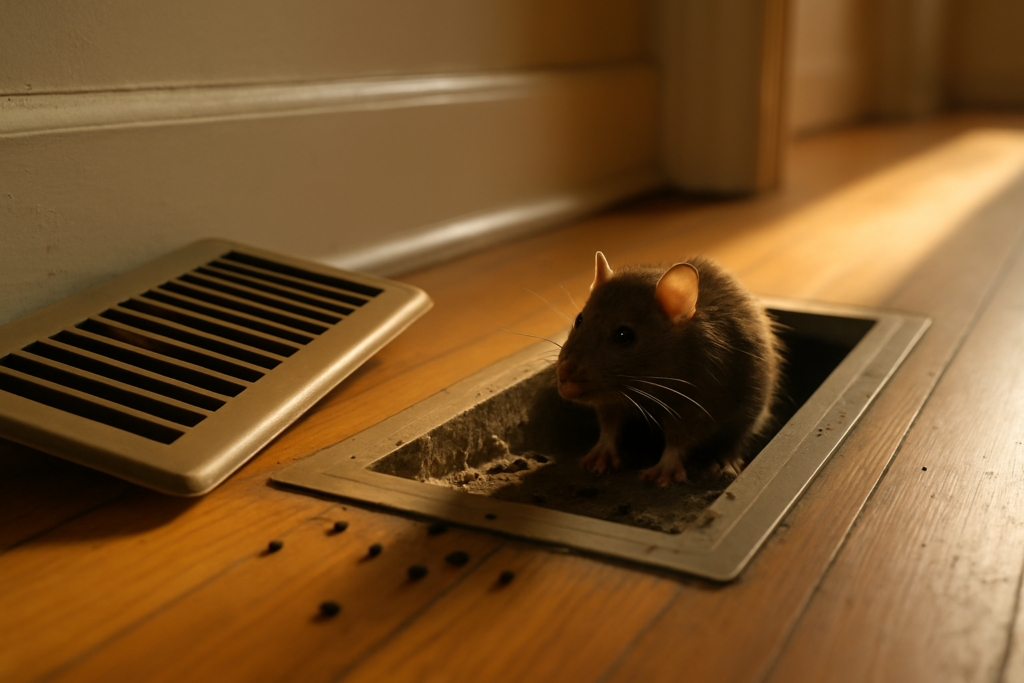
Rodents create a different kind of problem. A single female mouse can produce 5 to 10 litters annually with 5 to 6 pups each, leading to rapid population growth, and physical traps may capture only 20 to 30% of populations in cluttered crawlspaces, while second-generation anticoagulants can reach 95 to 99% mortality in 4 to 7 days in high-density scenarios, as described in this review of regular pest treatments and rodent control outcomes.
That doesn’t mean every rodent issue calls for bait. It means there’s a point where trapping and exclusion stop being enough by themselves.
Infestation severity and speed
A pest issue can cross a line. At first, you may see occasional signs. Then you start seeing daytime movement, repeated activity after cleanup, new areas affected, or pests returning right after treatment.
Resistance is part of that picture. Pest resistance has become a significant threat to the effectiveness and cost-efficiency of conventional control globally, because surviving pests reproduce and shift the population toward more resistant generations, as noted in this industry trends overview. For homeowners, the practical result is simple. Some infestations no longer respond well to light or inconsistent treatment.
If the problem is growing faster than your control efforts, the method usually needs to change.
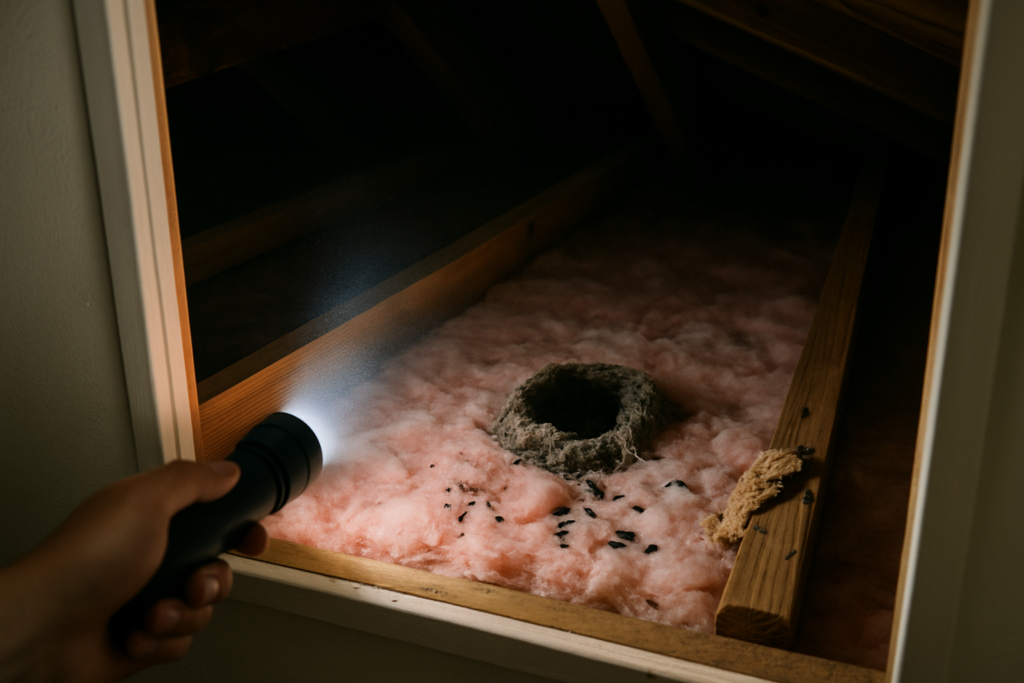
This is one reason DIY work often stalls out. A spray from the hardware store may kill what you can see. It usually doesn’t solve what’s sheltered in wall voids, beneath insulation, behind dishwashers, or under dense exterior cover. If you’ve reached that point, this breakdown of 5 times DIY pest control fails and what to do in 2026 matches what many homeowners run into.
Structural and environmental havens
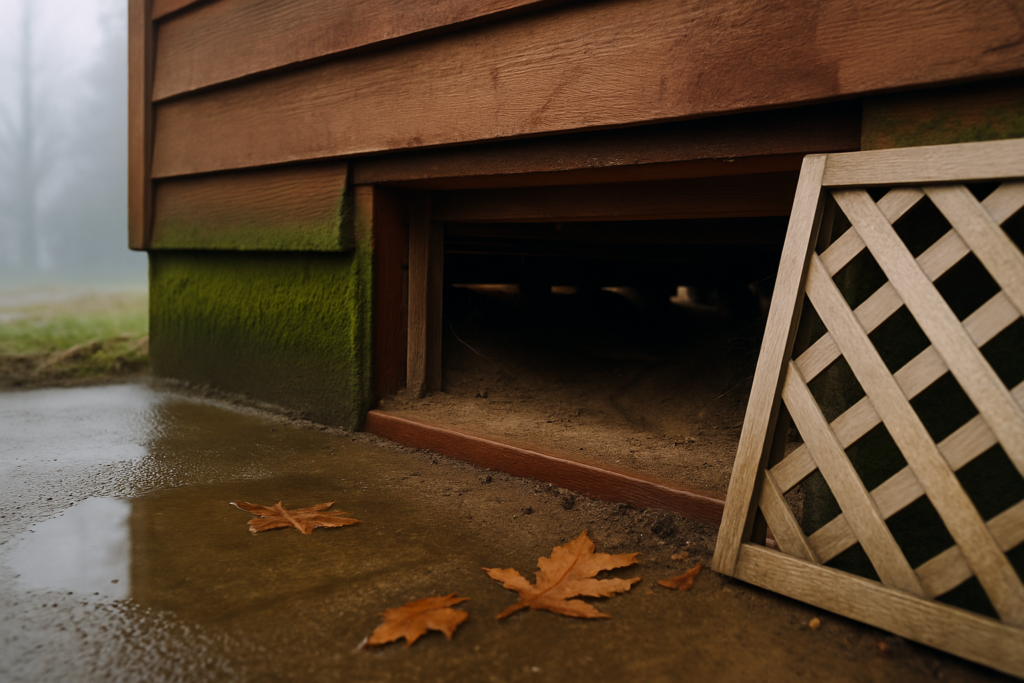
Older homes and coastal properties often give pests exactly what they need. Small cracks, aging utility penetrations, moist crawl spaces, thick vegetation near the structure, and unsealed storage all create protected movement routes.
A treatment can fail even when the product itself is fine. If ants are nesting under hardscape and entering at multiple expansion joints, or if mice are moving through a wall system with several hidden access points, a low-reach treatment may leave enough survivors to restart the problem.
In such instances, conventional materials can be the responsible choice. Not because they’re automatically preferred, but because they can be applied with better placement and staying power in cracks, voids, burrows, and hidden harborages.
Safety concerns are reasonable
Those who ask for alternatives are asking a fair question. They want control without overdoing it. A good professional approach respects that.
In practice, “conventional” should still mean targeted, measured, and tied to an inspection. It should not mean broad, careless application. The goal is to use the least intensive treatment that can realistically solve the active problem, then support it with exclusion, sanitation, and monitoring.
Making an Informed, Safe Choice for Your Home
 pest control technician discussing treatment options with a homeowner using a tablet in their living room.” />
When you’re deciding what kind of treatment makes sense, don’t start with the product. Start with the pattern.
Questions worth asking
Ask yourself a few plain questions:
- Is the activity spreading? If pests are showing up in more rooms, more cabinets, or both indoors and outdoors, the problem may be established beyond a single source.
- Have lower-impact steps already failed? If sanitation, sealing, traps, or lighter products haven’t changed the situation, that tells you something important.
- Are the pests hard to access? Wall voids, crawl spaces, attics, buried burrows, and hidden nest sites often push the decision toward a stronger targeted method.
- Does timing matter? If a restaurant, rental, or busy household needs fast control, speed can matter as much as treatment style.
A severe infestation often costs more in time and repeated effort when the first plan is too light for the job. Research comparing integrated pest management and conventional service found that IPM programs were significantly more time-consuming and led to higher labor costs, even though they offered environmental advantages. For acute infestations, conventional treatments often provide a faster, more cost-effective solution when time is critical, according to this PubMed study on IPM and conventional service trade-offs.
What safe professional use looks like
Conventional treatment doesn’t mean treating the whole property the same way. Good work is selective.
That usually includes:
- Correct identification so the treatment matches the pest
- Targeted placement in active routes, cracks, crevices, voids, or nesting zones
- Clear instructions about what to expect after service
- Follow-up prevention such as sealing, cleanup, storage fixes, and moisture correction
A safe plan is usually a precise plan. The more accurately the pest is identified and located, the less guesswork goes into treatment.
If you’re comparing companies, look for someone who explains why a recommendation is being made, what non-chemical steps still matter, and what the treatment won’t do. That last part matters. Yard and home pest treatments address active pests only. They do not eliminate eggs or full pest life cycles, and they shouldn’t be described as complete eradication or a permanent fix.
What to expect from the decision process
A useful inspection should answer practical questions, not just produce a quote. Where are the pests entering. What conditions are helping them. Is the problem limited or established. Is a lower-impact approach still realistic, or has the situation moved past that point?
If you want a simple checklist for evaluating the professional you hire, this guide on how to choose the right exterminator in Santa Cruz is a good place to start.
Frequently Asked Questions About Pest Treatments
Can’t I just keep using natural products until the pests go away?
Sometimes you can, especially when the issue is small and caught early. But if the infestation is established, spreading, or hidden in structural voids, repeated low-impact treatment may only reduce visible activity without solving the source. That’s one of the main reasons why some pest problems require conventional treatment methods.
Are conventional treatments safe around kids and pets?
Safety depends on product choice, placement, and application method. A licensed professional should choose targeted treatments, explain any preparation or reentry instructions, and avoid unnecessary broadcast use. The goal is control with restraint, not more material than the job requires.
Why are ants so hard to get rid of with DIY treatment?
Ants often have multiple nesting sites, hidden trails, and the ability to rebound after partial control. With established infestations, especially Argentine ants, disrupting activity without reaching the core colony can make the situation worse because the colony can split and spread. That’s why ant control often depends more on placement and strategy than on how many times you spray.
Why would a business need a different approach than a home?
Commercial properties often face legal and operational pressure to solve pest issues quickly. For rentals and restaurants, conventional treatments are often necessary to meet habitability mandates that require rapid and complete pest eradication, and slower options may not be enough for high-risk pests like cockroaches, according to this overview of methods of pest control for compliance-sensitive properties. In those settings, delays can lead to tenant complaints, health code problems, and disruption.
Do conventional treatments mean I’ll need chemicals forever?
No. In many cases, conventional treatment is the short-term control step that allows prevention to start working again. Once active pressure drops, exclusion, sanitation, moisture control, storage changes, and monitoring become much more effective.
What’s the difference between professional products and store-bought sprays?
Professional treatment usually involves better pest identification, better placement, and a plan for the whole infestation instead of the insects or rodents you happen to see. Most store-bought products are used reactively, which means people treat symptoms but miss nesting zones, runways, or entry points. That’s why a DIY approach can look busy without producing lasting control.
Will one treatment solve the whole problem?
Sometimes one service makes a major difference, but that’s not the same as saying the issue is permanently gone. Yard and home pest treatments address active pests only. They do not eliminate eggs or full pest life cycles, and some problems need follow-up based on what’s found at the property.
How do I know when the problem is serious enough for conventional treatment?
Look at the pattern, not just the number of pests you saw today. If activity is repeating after cleanup, showing up in multiple areas, or continuing after traps and lighter treatments, it’s time for a stronger inspection and an honest recommendation. A good pro should explain the reasoning in plain language.
Your Next Step for a Pest-Free Home
If you’ve been weighing natural options against stronger products, the core question isn’t which category sounds better. It’s which approach fits the problem you have. Understanding why some pest problems require conventional treatment methods helps you make that call without guessing.
Some issues respond well to exclusion, trapping, and lower-impact products. Others need a regulated, targeted treatment because the pests are established, reproducing quickly, or hiding where lighter methods won’t reach them well enough. The right answer is usually the one that restores control with the least unnecessary treatment.
If you’re dealing with ants, rodents, cockroaches, wasps, spiders, fleas, ticks, or garden pest activity in Santa Cruz County and want a straightforward opinion on your options, it helps to get the property looked at before the problem drags on.
If you want a clear, low-pressure assessment, West Pest Co. can walk you through what’s happening, what type of treatment fits the situation, and what realistic results to expect. Free estimates are available through the website.