Forget the harsh chemicals. When pests show up in your vegetable garden, your best defense is a balanced and thriving ecosystem. It’s a proactive mindset that starts from the ground up—literally. By building strong soil and working with nature, you can grow plants that are tough enough to defend themselves. This way, the food you pull from your garden is as clean, safe, and healthy as you intended.
Why Organic Pest Control is Your Garden's Best Friend
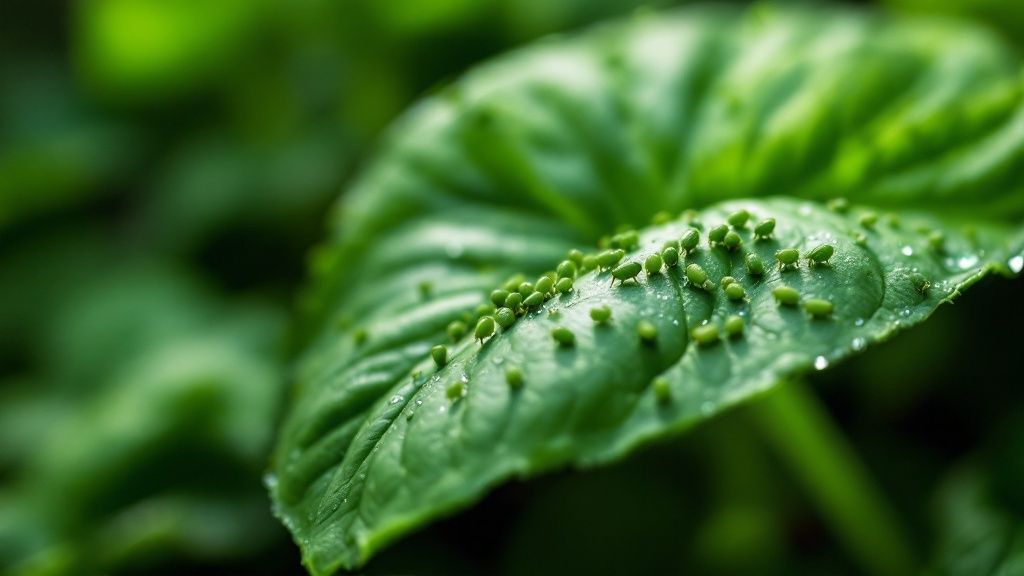
There’s nothing better than harvesting fresh vegetables from your own Santa Cruz garden. But that great feeling quickly fades when you find that aphids, snails, or gophers enjoyed your bounty first. While grabbing a quick-fix chemical spray is tempting, those solutions often create more problems. They can wipe out beneficial insects, harm pets, and pollute our local environment.
Organic pest control offers a smarter way forward. Instead of trying to kill every bug in sight, the goal is to create a garden that is naturally unappealing to pests. It should also be resilient enough to handle them when they show up. Think of it as preventative healthcare for your plants. A healthy garden is your number one defense against a full-blown infestation.
The Philosophy: Work With Nature, Not Against It
At its heart, organic gardening is about creating a self-sustaining system where your plants can flourish. This philosophy rests on a few simple, powerful ideas:
- Healthy Soil, Healthy Plants: Strong plants are far less likely to get sick or attract pests. Rich, living soil gives them the nutrients they need to build up their own natural defenses.
- Encourage Biodiversity: A garden with a variety of plants attracts a diverse range of insects. This includes predators that keep pest populations in check for you.
- Prevention First: It’s always easier to prevent a pest problem than to fight an established one. Simple barriers, smart planting choices, and daily garden walks are your most effective tools.
More and more gardeners are choosing this approach. According to recent market analysis, over 20 million Americans started gardening during the pandemic, many looking for safer ways to grow their own food.
The best form of pest control is the gardener's shadow. Stepping into your garden every day helps you spot the first signs of trouble. This allows you to stop a small issue before it becomes a major problem.
This guide will walk you through practical steps for an effective organic pest control for vegetable gardens plan. We’ll show you how to protect your hard work and ensure the food on your table is as pure as it gets. For more on environmentally sound solutions, check out our comprehensive guide to green pest control.
Building a Pest-Resistant Garden from the Ground Up
The best defense against garden pests isn't a spray bottle—it's a strong, resilient garden from the start. Think of it this way: weak, stressed plants are a flashing neon sign for pests like aphids and mites. They're an easy meal.
A proactive approach means creating an environment where your vegetables have everything they need to fend for themselves. And that work starts long before you even see a bug.
It all comes down to the soil. Healthy soil is full of life, providing a steady stream of nutrients that grow vigorous vegetables. Unhealthy plants, on the other hand, practically send out distress signals that pests can detect.
The Power of Healthy Soil
To get a solid foundation, understanding proper soil preparation techniques is key. Here in Santa Cruz County, our native soils are often sandy or heavy clay. Both can be dramatically improved with one ingredient: organic matter. Your best friend here is compost.
Adding a few inches of well-rotted compost to your garden beds each season does more than just feed your plants. It improves the soil's structure, helps it hold moisture during our dry summers, and nurtures the beneficial microbes that protect plant roots.
This shift toward natural, soil-first solutions isn't just a local trend. According to Precedence Research, the global market for organic pest control was valued at $5.96 billion in 2023 and is growing fast, showing just how many gardeners are ditching synthetic chemicals.
Watering and Mulching for Resilience
How you water is just as critical as your soil quality. Aim for deep, infrequent soakings. This encourages your plants to grow deep roots, making them far more resilient and drought-tolerant. Watering a little bit every day does the opposite, creating shallow, weak roots.
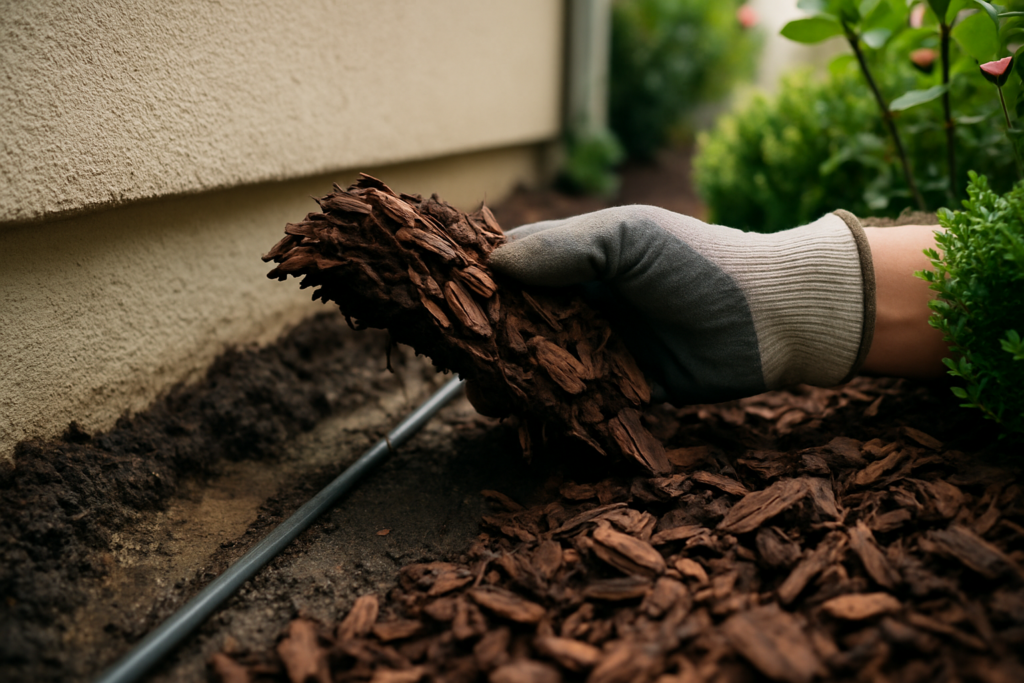
After you water, applying a layer of mulch is one of the simplest and most powerful things you can do for your garden's health.
Mulch isn't optional; it's a game-changer for a thriving garden. It regulates soil temperature, conserves moisture, and smothers weeds, giving your vegetables a massive head start against pests.
A good layer of mulch offers several key benefits:
- Moisture Lock: A thick blanket of straw or shredded leaves drastically reduces water evaporation. This means less watering for you and happier plants.
- Weed Block: Mulch acts as a physical barrier, blocking the sunlight weed seeds need to sprout and compete with your crops.
- Pest Barrier: For pests like slugs and snails, a layer of coarse mulch can create an obstacle that's difficult for them to cross.
Selecting Pest-Resistant Varieties
Finally, you can give yourself a huge advantage by choosing the right plants from the start. Many seed catalogs and local Santa Cruz nurseries highlight vegetable varieties known for their natural resistance to common local issues.
Look for descriptions that mention resistance to powdery mildew, nematodes, or specific insects. This strategy is a core principle of low-stress gardening and a cornerstone of the integrated pest management techniques we practice. When you choose the right plant for the right place, half the battle is already won.
Using Plants to Protect Other Plants
Did you know your plants could act as their own bodyguards? That's the simple genius behind companion planting. It's an old-school gardening trick that turns your vegetable patch into a self-regulating ecosystem.
Instead of planting a single crop in a neat row—basically an "all you can eat buffet!" sign for pests—you mix things up. Weaving in different flowers and herbs creates a beautiful puzzle that confuses and repels unwanted visitors. The jumble of scents and shapes makes it much harder for pests to find their favorite meal.
Smart Plant Pairings for Coastal Gardens
Here in our unique Santa Cruz climate, certain plant combinations are powerhouses. By pairing the right plants, you can create a natural defense system for your most prized vegetables against common local pests.
Here are a few partnerships that work wonders in gardens from Aptos to Scotts Valley:
- Tomatoes and Marigolds: Planting marigolds around your tomato plants is a classic for a reason. They release a substance that helps deter root-knot nematodes, microscopic pests that damage root systems.
- Kale and Rosemary: Dealing with cabbage moths? Aromatic herbs like rosemary are your best friend. Their strong scent acts like camouflage, masking the smell of your kale or broccoli.
- Cucumbers and Borage: Borage is a magnet for pollinators, which your cucumbers need to produce fruit. As a bonus, it’s also known to deter pests like the pesky cucumber beetle.
This chart shows just how effective different organic methods can be.
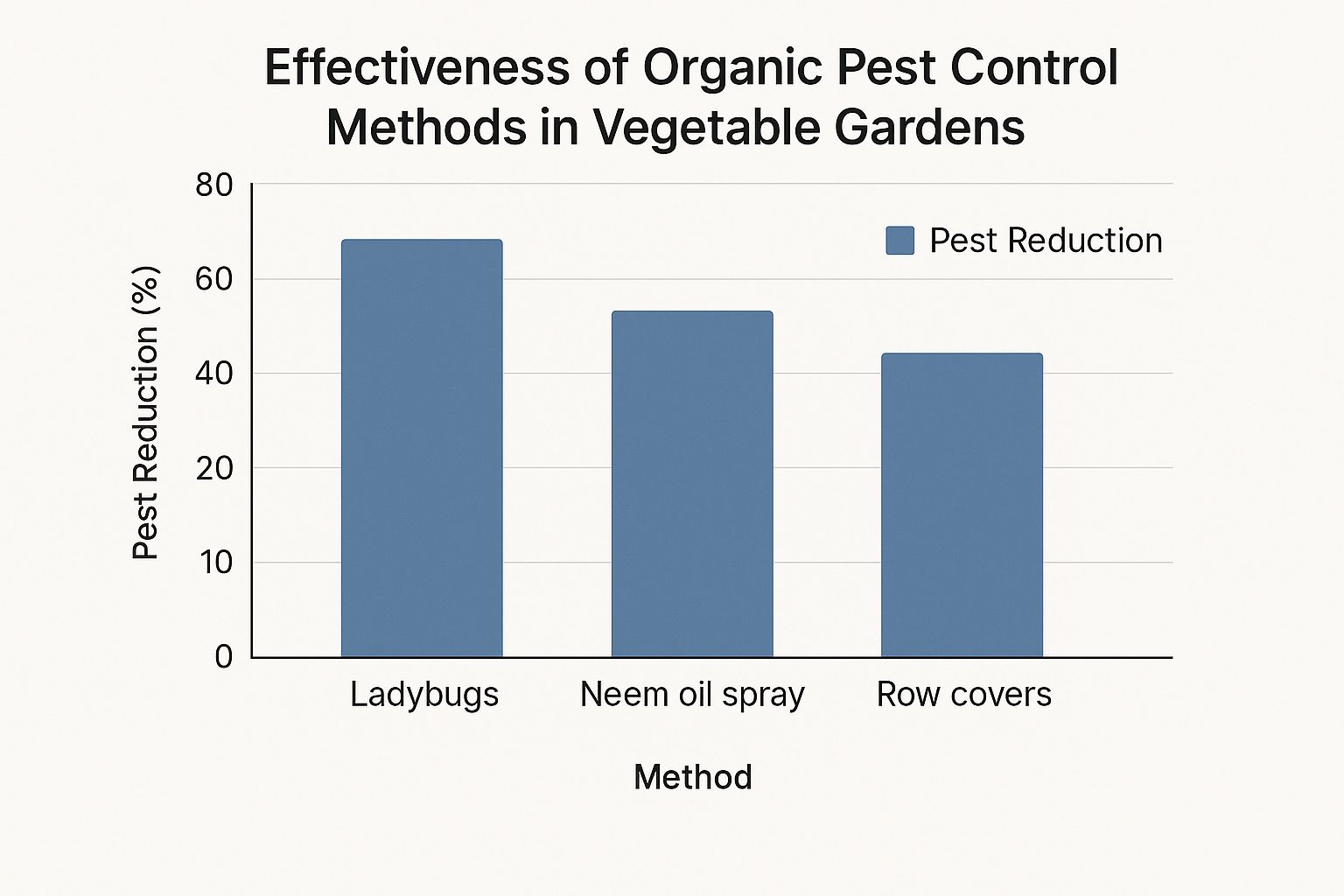
As you can see, introducing beneficial insects like ladybugs delivers the highest pest reduction, at up to 80%. It’s a powerful reminder that the best results come from working with nature, not against it.
Using Trap Crops to Divert Pests
Another clever tactic is using "trap crops." These are plants that certain pests find irresistible. You plant them near your main crops as a sacrifice, luring the pests away from the vegetables you actually want to eat.
A trap crop acts like a decoy, drawing pests to one spot where they can be easily managed. This protects your prized vegetables without requiring sprays or chemicals.
A perfect example is planting nasturtiums near your squash or beans. Aphids adore nasturtiums and will swarm them, leaving your other plants alone. Once the nasturtium leaves are covered, you can simply snip them off and dispose of them—aphids and all.
This kind of strategic thinking is at the heart of our philosophy on natural pest control solutions. It's all about outsmarting pests, not just spraying them.
Effective Companion Plants for Common Garden Vegetables
This table offers a snapshot of some proven pairings to help protect your garden from common pests found right here in the Santa Cruz area.
| Vegetable | Companion Plant | Pest It Deters |
|---|---|---|
| Tomatoes | Marigolds, Basil | Root-Knot Nematodes, Hornworms |
| Kale & Broccoli | Rosemary, Thyme, Mint | Cabbage Moths |
| Cucumbers | Borage, Nasturtiums | Cucumber Beetles, Aphids |
| Lettuce | Chives, Garlic | Aphids, Slugs |
| Bell Peppers | Geraniums, Onions | Leafhoppers, Spider Mites |
| Beans | Nasturtiums, Savory | Aphids, Bean Beetles |
Remember, this is just a starting point. The best gardens are always evolving, so don't be afraid to experiment and see what works best for your specific plot.
Bring in Your Own Natural Pest Control Crew
Not every bug in your vegetable patch is a bad guy. In fact, some of your most powerful allies in the garden are other insects. They act as a tiny, six-legged security team that works for you around the clock.
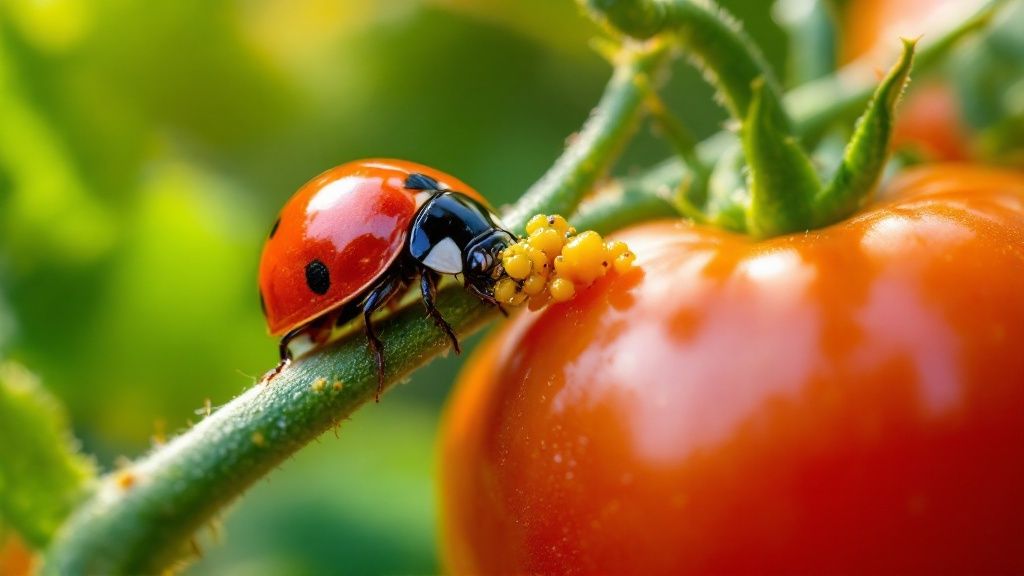
The idea is to tip the ecological balance in your favor. Instead of reaching for a spray bottle, you create an environment that invites nature's predators to do what they do best. For example, a single ladybug can devour up to 5,000 aphids in its lifetime. By simply giving them a good home, you’re enlisting an army of helpers.
How to Create a Welcoming Habitat for Good Bugs
Beneficial insects aren’t too demanding. They just need food, water, and shelter. If you provide those three things, they’ll show up. The trick is to plant a diverse mix of flowers and herbs alongside your veggies to create a vibrant ecosystem.
I always recommend adding plants with small, nectar-rich flowers. These offer a consistent food source for the adult bugs, encouraging them to stick around and lay eggs right where you need them.
A few of my go-to plants for this are:
- Sweet Alyssum: This low-growing flower creates a carpet of tiny white blossoms that are a magnet for hoverflies, whose larvae are voracious aphid eaters.
- Dill and Fennel: The umbrella-shaped flowers on these herbs are perfect for attracting lacewings and parasitic wasps, which prey on caterpillars and mites.
- Yarrow: This hardy perennial provides an ideal landing pad and a great food source for ladybugs.
You can also add a shallow dish of water with a few pebbles in it. This gives the good guys a safe place to drink and makes your garden an even more attractive destination.
Building a habitat for beneficial insects is a long-term investment in your garden's health. You're not just solving today's pest problem; you're creating a resilient ecosystem that gets stronger every season.
Meet Your Garden’s Top Defenders
Here in Santa Cruz County, we have a few key players that do most of the heavy lifting. Learning to spot them is the first step to making sure you don't accidentally harm them. And while some beneficial bugs hunt pests in the garden, it's also interesting to learn about what bugs eat mosquitoes to see how they help in the broader ecosystem.
Keep an eye out for your garden's most valuable allies:
- Ladybugs: They’re famous for their appetite for aphids. Ladybugs also eat mites, scale insects, and other soft-bodied pests.
- Lacewings: Don't let their delicate looks fool you. Their larvae, known as "aphid lions," are machines when it comes to eating aphids, thrips, and small caterpillars.
- Hoverflies: These little guys look like tiny bees and are fantastic pollinators. Their larvae, however, are pest-eating powerhouses that target aphids.
By rolling out the welcome mat for this natural pest control army, you turn your garden into a balanced environment where pests are kept in check naturally. This is a core principle of effective organic pest control for vegetable gardens—letting nature do the hard work for you.
Applying Safe and Effective Organic Sprays

Even in the most well-tended Santa Cruz gardens, pest populations can sometimes explode. One day everything looks fine, and the next, you're facing a sudden aphid outbreak. It can feel overwhelming, but this is when you need safe, organic solutions ready to go.
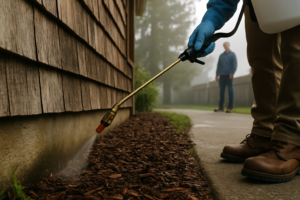
When you need to intervene directly, organic sprays are a fantastic tool. These treatments, made from simple ingredients, can knock back pest numbers without harming the larger ecosystem you've worked so hard to build. The goal here is targeted action, not widespread chemical warfare.
Choosing Your Organic Spray
Two of the most reliable and easy-to-use options are insecticidal soap and neem oil. They work in different ways but are both incredibly effective against the common soft-bodied pests that plague our gardens.
Insecticidal Soap:
Think of this as your first line of defense. Insecticidal soap works on contact. It breaks down the outer protective layer of insects like aphids and mites, which causes them to dehydrate and die. It's simple, but it works.
Pro Tip: You can make a gentle insecticidal soap by mixing one tablespoon of pure, unscented liquid soap (like castile soap) into one quart of water. Avoid detergents or soaps with degreasers—those can be harsh on your plants' leaves.
Neem Oil:
Derived from the seeds of the neem tree, this botanical oil is a powerhouse. It acts as a repellent, an anti-feedant (making leaves taste terrible), and a growth disruptor. It's useful because it can control pests at multiple life stages.
For persistent issues, it's helpful to have a more targeted approach. For instance, our guide on organic aphid control dives deeper into strategies for dealing with one of the most common garden nuisances we see in Santa Cruz.
Best Practices for Application
How and when you apply these sprays is just as important as what you’re using. Getting the application right means you’re targeting the pests while protecting the good guys, like bees and ladybugs.
Here are a few essential rules to follow:
- Spray in the Evening or Early Morning: Pollinators are most active during the day. Spraying when they aren't around minimizes the risk of harming them. Cooler temperatures also reduce the chance of burning your plant’s leaves.
- Test a Small Area First: Before you douse an entire plant, spray a single leaf and wait 24 hours. This ensures your plant isn’t sensitive to the mixture.
- Get Full Coverage: Pests love to hide on the undersides of leaves and in crevices. Be thorough and spray all surfaces of the plant for the best results.
- Don't Spray in Direct Sun: Applying any oil in the hot sun is a recipe for scorched leaves. Always wait for a cooler part of the day.
Using these simple, effective sprays allows you to handle pest problems responsibly. You can get the upper hand on an outbreak and keep your garden healthy and safe.
Frequently Asked Questions About Organic Pest Control
Getting started with organic gardening always brings up a few questions. Let's tackle some of the most common ones we hear from Santa Cruz gardeners.
How long does it take for organic methods to work?
Patience is key in organic gardening. This approach is about creating a long-term, balanced ecosystem, not getting an instant knockdown like you’d see from a synthetic chemical. While a direct spray of insecticidal soap works on contact, bigger strategies need time. For example, it might take a few weeks to attract a healthy population of beneficial insects.
Are these methods safe for my kids and pets?
Yes, and that’s one of the biggest benefits. Organic methods are significantly safer for your family and pets than synthetic chemical pesticides. That said, it’s always smart to use common sense. Keep kids and pets out of the garden during and right after you apply any spray, even a homemade one. Always store your garden products securely and out of reach.
What should I do if I have a serious gopher problem?
Gophers are a uniquely frustrating challenge for gardeners all over Santa Cruz County. Their burrowing can destroy an entire bed of vegetables overnight. While organic methods like physical barriers can help with minor issues, a severe infestation is a different story. These persistent pests often require a professional approach. If your garden is being systematically destroyed, calling in an expert is the most effective solution.
Can I use multiple organic methods at the same time?
Absolutely! In fact, you should. The most successful organic gardeners use a layered strategy called Integrated Pest Management (IPM). It combines multiple tactics to create a powerful defense. By improving soil, using companion planting, and attracting beneficial insects, you create a system that is much harder for pests to attack.
Is organic gardening more expensive than using chemicals?
It can seem that way at first. Investing in good compost or specific companion plants might cost more than a cheap bottle of chemical spray. In the long run, however, organic gardening often saves you money. When you create a self-sustaining ecosystem, you'll spend less on sprays and replacement plants year after year.
If you're facing a pest problem that feels bigger than you can handle on your own, West Pest Co. is here to help. We specialize in effective, eco-conscious solutions for gardens and homes throughout Santa Cruz County. Contact us today for a free estimate!