Quick Answer
Residential pest management means finding why pests are using your home, fixing those conditions, and treating active problems with the least disruptive method that fits the situation. In Santa Cruz County, that usually comes down to exclusion, moisture control, monitoring, and targeted treatment instead of relying on routine spraying alone.
You usually notice the problem at an ordinary moment. Ants show up at the sink, scratching starts in a wall after dark, or a wasp line appears near the eaves when you're taking out the trash. Most homeowners don't need a dramatic solution. They need a clear plan.
Good residential pest management is practical home maintenance with pest knowledge layered on top. In Santa Cruz County, the mix of older homes, coastal moisture, vegetation, and mild weather means pest pressure can linger unless the source is addressed.
What Residential Pest Management Really Means
A lot of people hear "pest control" and think of one thing. Spray the baseboards and the problem should disappear. Sometimes a treatment is part of the answer, but that isn't the whole job.
Residential pest management is a longer view. It means looking at how pests are entering, what they're finding once they're inside, where they're nesting, and what conditions keep bringing them back.
A One Time Treatment and A Management Plan Aren't The Same Thing
A one time visit can be appropriate when there's a clear, limited issue. A visible wasp nest, a fresh ant trail, or an isolated spider problem may call for direct treatment and a few corrections around the home.
Ongoing management makes more sense when the property keeps creating opportunities for pests. That often includes crawlspace moisture, gaps around utility lines, worn door sweeps, cluttered storage, pet food left out overnight, or landscaping that touches the structure.
Practical rule: If the same pest keeps returning in the same area, the treatment probably isn't the main problem. The conditions are.
That distinction matters because expectations need to be realistic. Yard and home pest treatments address active pests only. They don't eliminate eggs or full pest life cycles, and they shouldn't be described as complete eradication or a permanent solution.
What A Professional Is Actually Looking For
A solid service starts with observation, not assumptions. The first questions are simple. What pest is it. Where is the activity concentrated. What changed recently. Is this a seasonal issue, a structural issue, or both.
On a Santa Cruz property, the answers often sit in plain sight:
- Entry points at the exterior: Gaps at vents, pipes, garage edges, siding transitions, and rooflines
- Moisture sources indoors: Damp bathrooms, under sink leaks, humid basements, and poorly ventilated crawlspaces
- Food access: Open pantry goods, crumbs under appliances, fallen fruit, pet bowls, and unsecured trash
- Harborage areas: Firewood near walls, dense shrubs, storage piles, cardboard, and cluttered utility areas
This is why modern pest work is less about blanket application and more about decisions. A homeowner handles part of it. The technician handles part of it. The best results usually come from both sides doing their share.
For homeowners who want a lower impact approach, eco friendly pest management options fit naturally into this kind of plan because they still depend on inspection, exclusion, and follow-up rather than trying to solve everything with product alone.
The Principles of Integrated Pest Management (IPM)
Integrated Pest Management, or IPM, is the working philosophy behind careful pest control. It isn't a single treatment. It's a decision process that starts with identifying the pest correctly and choosing the least disruptive response that will work.
That matters because using more product than needed often doesn't solve the underlying issue. It can also miss the critical pressure point, especially with ants, rodents, and moisture-driven pests.
 pest control.” />
Inspection And Monitoring Come First
A technician using IPM starts by identifying the pest and reading the property. That includes activity patterns, likely entry routes, food and water sources, and signs that tell you whether the issue is isolated or established.
Monitoring matters because not every sighting calls for the same response. A single spider in a garage isn't managed the same way as repeated cockroach activity in a damp utility area or recurring ants tied to an exterior colony.
If you don't know where the pest is coming from, treatment turns into repetition.
In practical terms, IPM means watching before overreacting. It also means documenting what changes after the first correction, not just assuming the first visit closed the job.
Action Thresholds And Tiered Control
One of the most useful parts of IPM is the idea of an action threshold. That means you act when pest activity reaches the point where it causes a real problem, not just because the word "pest" is involved.
The control steps usually move in this order:
| Step | What it looks like in a home |
|---|---|
| Identification | Confirming whether you're dealing with ants, roaches, rodents, spiders, or stinging insects |
| Prevention | Sealing gaps, reducing moisture, improving storage, trimming contact points |
| Monitoring | Tracking where and when pests show up |
| Targeted control | Using traps, baits, nest removal, or focused product placement only where needed |
| Evaluation | Checking whether activity drops and adjusting if it doesn't |
According to the Texas A&M housing IPM guide, Integrated Pest Management can reduce pesticide use by up to 50 to 90 percent while maintaining efficacy. The same guide notes that sealing cracks and entry points can reduce cockroach invasions by 70 to 80 percent, and targeting ant colonies at the source achieves 85 percent control, compared with a 40 percent rebound rate from broadcast sprays.
Those numbers line up with what homeowners usually notice in the field. Exclusion and source control hold longer than broad, repeated surface treatment by itself.
For people who want to understand the method in more detail, integrated pest management techniques break down how inspection, prevention, and targeted control work together on real properties.
Common Pests in Santa Cruz County Homes
The pests that show up in Santa Cruz homes aren't random. Coastal moisture, moderate temperatures, crawlspaces, older construction, and mature landscaping create steady pressure around many properties. The patterns are familiar once you know what to look for.

Ants
Ants are the issue many homeowners notice first because they don't stay hidden. They show up in kitchens, bathrooms, window tracks, pet feeding areas, and around exterior foundations.
Nationally, ants are the top household pest, with 56% of households reporting problems, and rodents are reported in over 14.8 million housing units annually, as summarized in this household pest statistics overview. In local homes, the challenge is often that wiping up the visible trail doesn't solve the colony source.
What usually works better is identifying where the trail starts, what the ants are feeding on, and whether they're nesting in wall voids, soil, mulch, or structural gaps. Quick spray-only approaches often give temporary relief without changing why they're there.
Rodents
Rats and mice are common in attics, garages, crawlspaces, and wall voids. Homeowners often notice them by sound first. Scratching at night, droppings in storage areas, gnawing, or disturbed insulation are common clues.
In Santa Cruz County, rodent issues tend to rise when outside conditions push them toward warmer, drier shelter. Fruit, pet food, bird seed, crawlspace access, and garage clutter all make a property more usable to them. Trapping can reduce active numbers, but long-term control usually depends on finding and closing access points.
Spiders And Web Activity
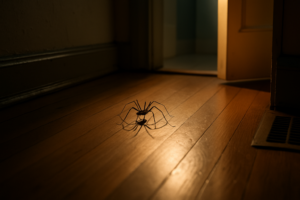
Spiders are often more of a nuisance concern than a structural one, but they tell you something useful about the environment. If a home has steady spider activity, it often has an underlying insect food source and undisturbed corners that support repeat web building.
Not every web means the same thing. If you want a quick visual explanation, this guide on cobwebs vs spider webs differences is helpful for sorting out active webbing from older, dusty buildup.
Older web buildup usually points to low-traffic areas that aren't being cleaned or monitored often enough.
Wasps And Yellow Jackets
Wasps and yellow jackets become a direct concern when nests show up near doors, patios, rooflines, play areas, or garden paths. The main issue isn't just seeing one or two adults. It's repeated flight activity to the same point.
These jobs need a careful approach because nest placement matters. A visible paper nest under an eave is one thing. Activity going into a wall void or ground-adjacent cavity is another. Inspection tells you whether removal, treatment, or a wait-and-watch approach makes sense.
For a local snapshot of what tends to flare up by area and season, Santa Cruz neighborhood pest problems this season is a useful reference.
Prevention Your First Line of Defense
The most effective pest prevention usually looks ordinary. Seal a gap. Dry a damp area. Move storage off the floor. Trim back contact points. None of that is flashy, but it changes the property in ways pests notice immediately.

Exclusion Matters More Than Most Homeowners Expect
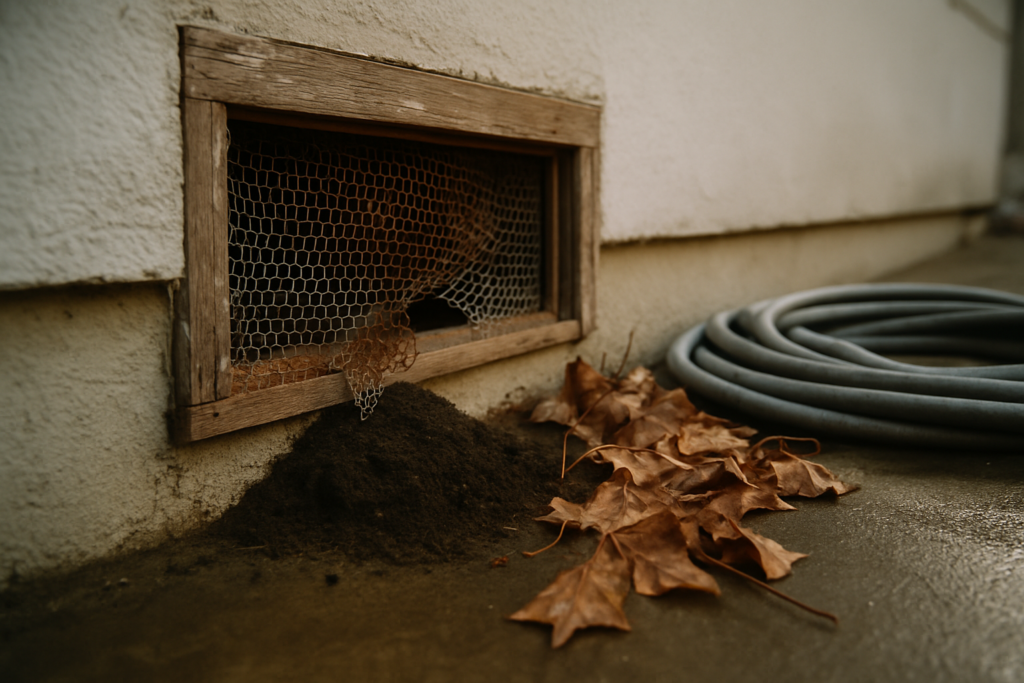
Openings around doors, garage edges, vents, pipes, and utility penetrations give pests simple access. Once they're in, treatment gets more complicated because now you're dealing with shelter and reproduction, not just entry.
A strong homeowner checklist includes:
- Seal obvious gaps: Caulk small cracks, repair torn screens, and replace worn weatherstripping and door sweeps
- Store food tightly: Use sealed containers for pantry goods and don't leave pet food accessible overnight
- Reduce hiding spots: Pull cardboard away from walls, organize garages, and keep stored items raised where possible
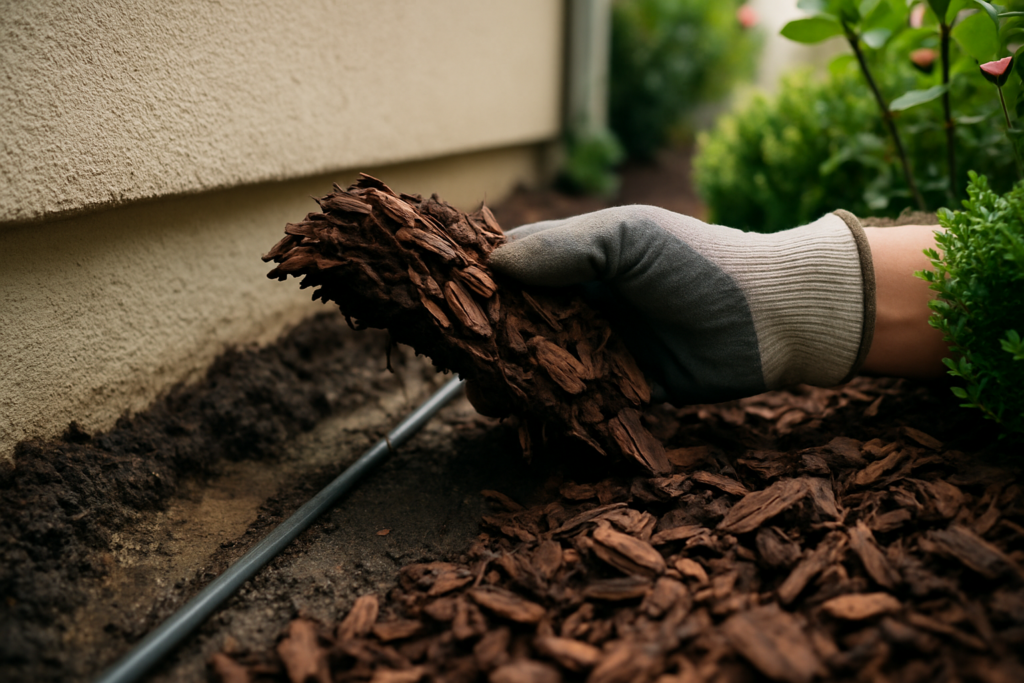
- Create exterior clearance: Trim plants back from siding and avoid letting ground cover rest against the structure
Moisture Control Changes The Environment
Moisture is one of the most overlooked pest drivers in coastal homes. Bathrooms, under sinks, crawlspaces, laundry areas, and garages can all hold enough dampness to support activity.
According to this IPM overview on humidity control, keeping indoor humidity at 40 to 45% can reduce moisture-dependent pests such as silverfish and cockroaches by 65 to 80% without chemicals. That matters because you're not just treating the pest. You're removing the condition that helps it thrive.
A few practical steps make a difference:
- Fix active leaks: Even slow drips keep a void or cabinet attractive to pests
- Vent damp spaces: Use bathroom fans and improve airflow in enclosed areas
- Check storage zones: Basements, garages, and utility rooms often collect both clutter and moisture
- Monitor indoor conditions: A basic hygrometer can tell you whether a damp room feels humid because it is humid
If indoor air quality and allergen control are already on your radar, Purified Air Duct Cleaning's dust mite guide is a useful companion read because it connects cleaning and humidity habits in a very practical way.
Dry, clean, well-sealed spaces are harder for pests to use and easier for technicians to inspect.
For homeowners who want help before the problem becomes active, preventative pest control services usually focus on these same basics first.
Understanding Your Treatment Options
Once prevention isn't enough, the next question is usually which type of treatment fits the home. The answer depends on the pest, the location of the activity, the people and animals in the household, and how much correction the structure itself needs.
Conventional, Eco Focused, And No Chemical Approaches
A conventional treatment uses regulated products in a targeted way where they make sense. This can be appropriate for active ants, cockroaches, wasp nesting sites, fleas, or recurring interior pest activity when non-chemical steps alone won't bring things down fast enough.
An eco-focused treatment uses lower impact materials and a tighter application strategy. This often appeals to households that want to reduce broad product use but still need active control.
A no-chemical approach leans on exclusion, trapping, sanitation, vacuum removal, mechanical correction, and habitat changes. For rodents especially, that can be a very sensible path when access points are the main driver.
West Pest Co. offers those kinds of pest control methods for confirmed service categories such as ants, rodents, spiders, cockroaches, wasps, fleas, ticks, and general interior pests.
What Treatment Can And Can't Do
Clear expectations are important. Yard and home pest treatments address active pests only. They do not eliminate eggs or full pest life cycles, and they should never be described as complete eradication or a permanent fix.
That comes up often with fleas and ticks. If pets are involved, home treatment is only part of the picture. Pet care and environmental cleanup matter too. For owners sorting through home remedies versus actual treatment decisions, Joyfull's vet reviewed flea advice is a useful read.
It's also worth being direct about service limits. This article isn't pointing you toward mosquito work, bed bug treatment, or termite service, because those aren't offered here. A good pest company should tell you where its scope begins and ends.
A Seasonal Pest Checklist for Your Santa Cruz Home
Pest pressure shifts through the year, even in a mild climate. Santa Cruz doesn't always have a hard off-season, so timing matters more than people expect.

Fall And Winter
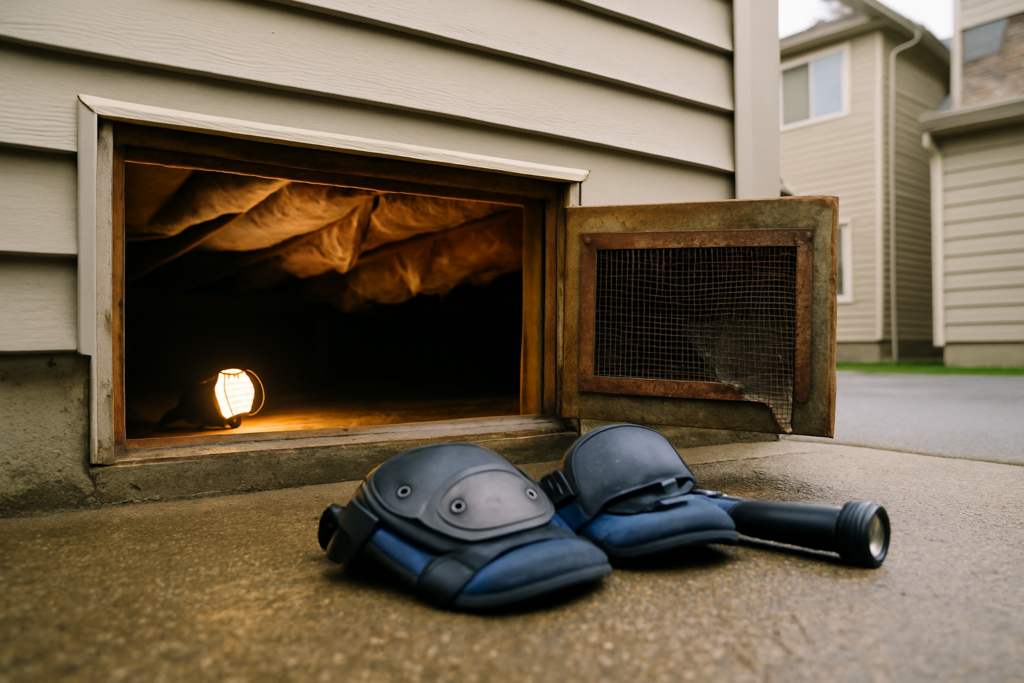
Cooler weather and rain push activity toward shelter. This is the time to check attic vents, garage door edges, crawlspace access, and weatherstripping before rodents start using those weak points.
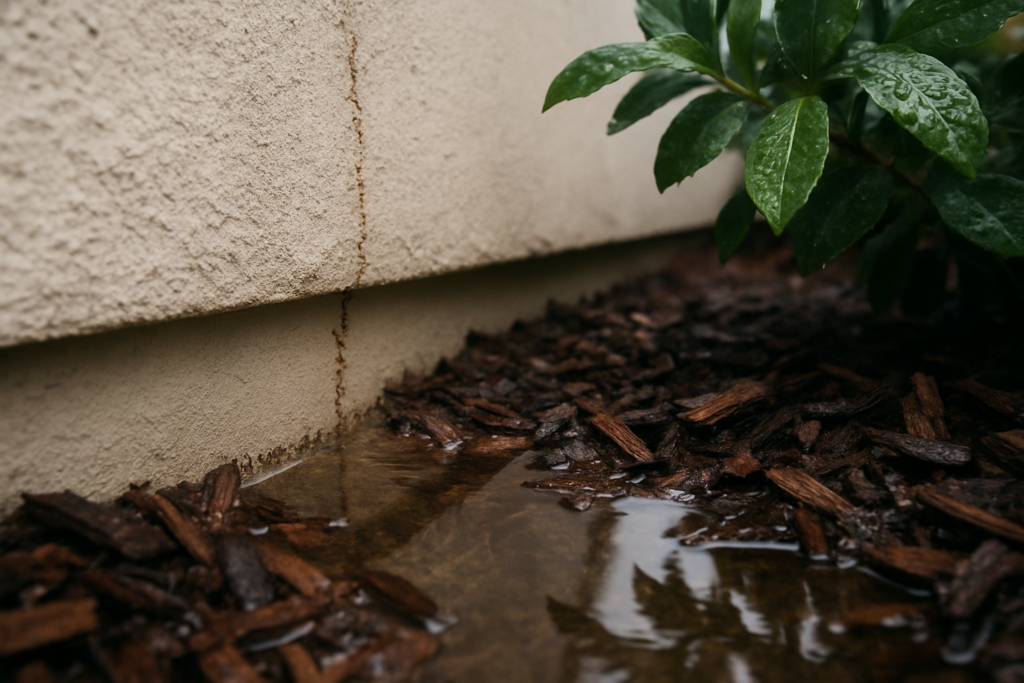
Walk the perimeter after the first storms. Look for water collecting near the foundation, wet storage areas, and dense vegetation resting on the house.
Spring
Spring is a good time to inspect eaves, sheds, fences, and patio covers for fresh wasp and yellow jacket activity. It also helps to check irrigation overspray and leaks before steady moisture creates indoor or crawlspace pressure.
This is the season to reset the exterior. Trim back growth, clean up stored materials, and inspect screens and window frames that may have opened up over winter.
Summer
Summer often brings visible ant trails, more outdoor stinging insect activity, and increased movement around kitchens, patios, and pet areas. Keep food sealed, rinse recycling, and don't ignore a small trail that repeats in the same place.
A quick monthly walkaround does more than people think. If you catch entry gaps, moisture changes, and nest starts early, treatment usually stays more limited and more predictable.
Frequently Asked Questions About Residential Pest Management
Do I need ongoing residential pest management or just a one time service
That depends on whether the issue is isolated or keeps returning. A one time service can make sense for a clear active problem, but repeated activity usually points to entry issues, moisture, food access, or exterior conditions that need ongoing attention.
How long does a pest control visit usually take
It varies by pest type and the size of the property. A straightforward inspection and treatment is usually shorter than a job that involves detailed rodent exclusion, nest removal, or a whole-property assessment of multiple problem areas.
Is residential pest management safe around kids and pets
That starts with using the right method for the situation and giving clear instructions before and after service. In many homes, the safest plan includes a lot of non-chemical work such as exclusion, sanitation, trapping, moisture correction, and tightly targeted treatment only where it's needed.
Why do ants keep coming back after I clean them up
Cleaning removes the visible trail, but it doesn't remove the colony or the access point. If ants are returning, the source may still be active outside the home, in a wall void, under hardscape, or around moisture and food areas that remain attractive.
What should I do before a pest inspection
Make sure key areas are accessible. That usually means under sinks, around the water heater, in the garage, along attic access, and near exterior gates or side yards. It also helps to note where you've seen activity and when it tends to happen.
Will one treatment solve a rodent problem
Sometimes a single service helps with immediate reduction, but rodent control usually takes more than one step. Trapping without exclusion can leave the home open to the next animal that finds the same gap.
Do yard treatments solve the whole pest problem
Not by themselves. Yard and home pest treatments address active pests only, and they don't eliminate eggs or full pest life cycles. If the structure still offers food, water, and entry, pests can continue to cycle back in.
What affects the cost of residential pest management
The main factors are the pest involved, how widespread the activity is, the size and layout of the property, and whether exclusion or follow-up visits are needed. Specific pricing is best handled through a free estimate because two homes with the same pest can need very different work.
If you want a practical look at what's happening on your property, West Pest Co. provides residential pest management in Santa Cruz County with inspections, active pest treatment, and straightforward prevention recommendations. You can reach out through the website for a free estimate and a clear idea of what the work would involve.