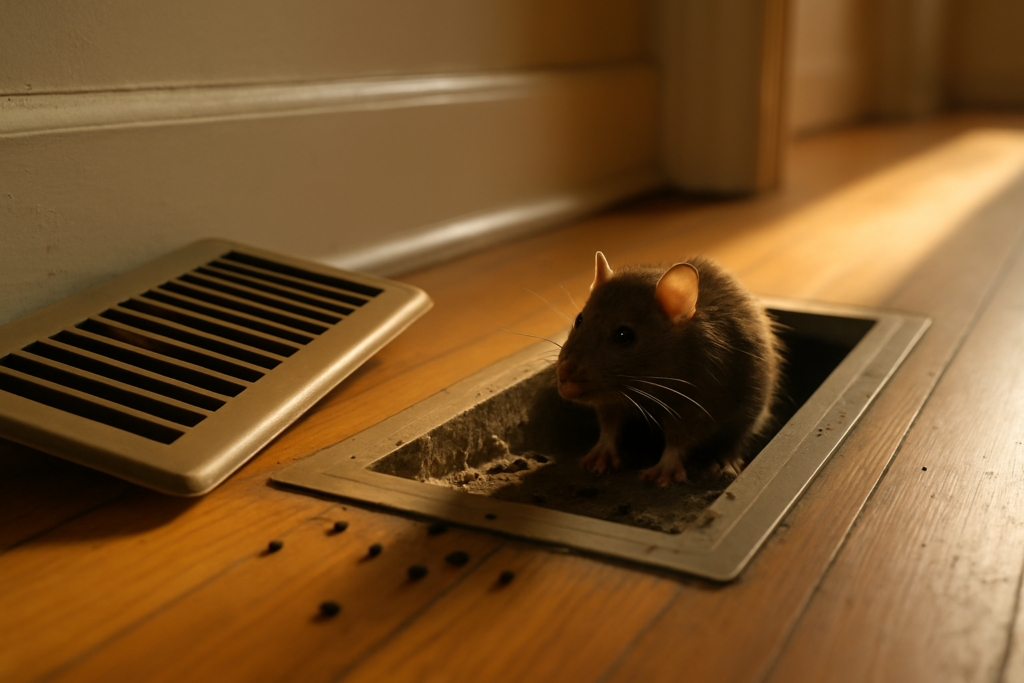
The simple truth about green pest control is this: it’s less about a specific "natural" spray and more about a much smarter strategy. The real solution is a complete approach called Integrated Pest Management (IPM). It's all about preventing pests first and using targeted treatments only when absolutely necessary. This is how you get long-term results—by fixing the root cause of the problem.
What Green Pest Control Really Means
For many Santa Cruz homeowners, "green" or "eco-friendly" pest control probably brings to mind peppermint oil sprays or other DIY repellents found online. While those things can have a small role, they rarely solve a real infestation on their own.
True green pest control is a smarter system. It's designed to protect your home and our unique local environment, from the coastal gardens of Capitola to the redwood forests around Scotts Valley.
The professional standard for green pest control is Integrated Pest Management (IPM). Think of it like a modern security system for your house. The first and most important layer is prevention. This means sealing up entry points and removing things that attract pests. This proactive approach is the foundation of a truly safe and sustainable solution.
The Core Principles of IPM
An IPM strategy isn’t a single product. It’s a cycle of observation, prevention, and careful action. It’s a commonsense approach that values lasting solutions over quick chemical fixes. This is especially important here in Santa Cruz County, where a one-size-fits-all spray is often an irresponsible choice for our ecosystem. To get this right, it's all about addressing pestful conditions and the environments that create them.
The core principles are simple:
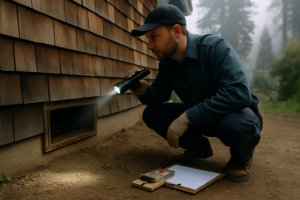
- Inspection and Identification: A professional thoroughly inspects your property. They identify the specific pest, figure out why it’s there, and learn its behavior.
- Prevention and Exclusion: This is the most critical step. It’s the hands-on work of sealing cracks, repairing screens, managing moisture, and offering sanitation advice to make your home less inviting to pests.
- Targeted, Low-Impact Treatments: If a treatment is needed, an IPM approach uses the least toxic methods available. This might mean physical traps for rodents, specific baits for ants, or biological controls in the garden.
Here’s a quick breakdown of what these methods look like in practice.
Green Pest Control Methods Explained
This table compares common "green" methods and shows how they fit into a larger IPM strategy.
| Method Type | What It Is | Primary Goal |
|---|---|---|
| Mechanical Controls | Physical tools like traps, barriers, or vacuums. | To physically remove or block pests without chemicals. |
| Biological Controls | Using natural predators or parasites to manage pest populations. | To let nature control pests, mainly in garden settings. |
| Cultural Controls | Changing human habits, like watering schedules or sanitation. | To make the environment less suitable for pests to live and breed. |
| Biorational Products | Low-toxicity products derived from natural sources (plants, minerals). | To provide a targeted treatment with minimal environmental impact. |
Each of these plays a role. They work best when used together as part of a thought-out plan, not just as standalone fixes. This strategic approach isn't just a trend; it's a proven, science-backed method that dramatically reduces the reliance on broad-spectrum chemicals.
Why Some DIY Green Methods Fail to Solve Infestations
If you’ve ever used cotton balls soaked in peppermint oil to keep spiders out of your Aptos home, you’re not alone. Many homeowners in Santa Cruz County try these popular DIY “green” methods first. When they don’t work, it’s easy to think all eco-friendly options are weak. But that’s not the whole story.
The truth is, most DIY remedies fail because they only treat the symptoms, not the root cause. They are a temporary detour for pests, not a permanent roadblock. A strong scent might make a spider avoid one corner, but it does nothing to get rid of hidden egg sacs or seal the window crack it used to get inside.
The Problem with Scent-Based Repellents
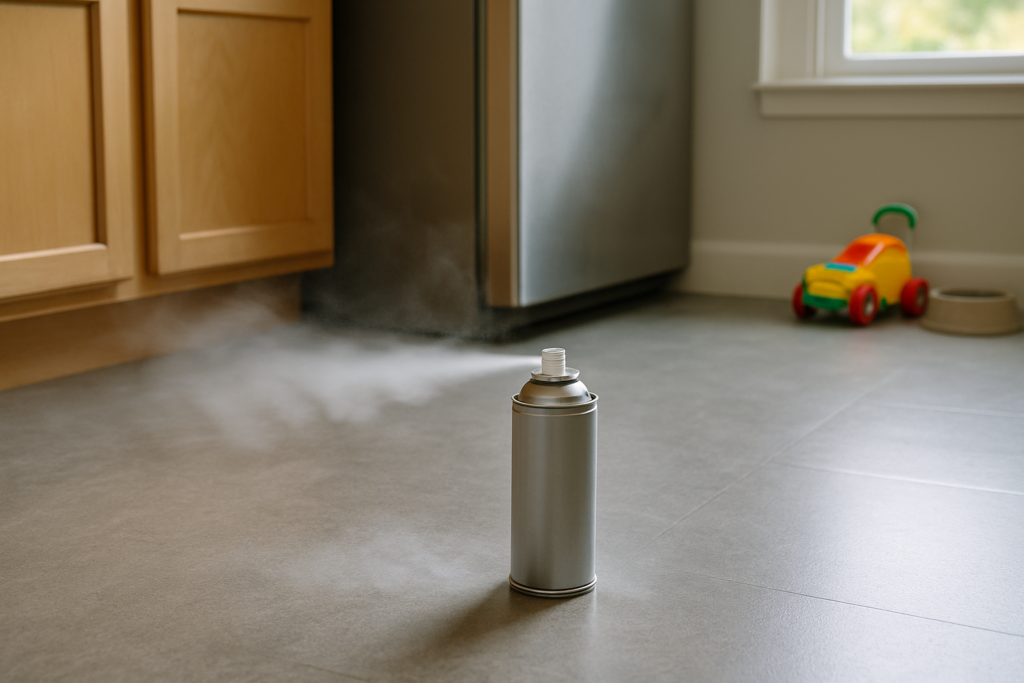
Essential oils and other smelly substances are promoted online as natural deterrents. While pests use their sense of smell, relying on scents alone has major drawbacks.
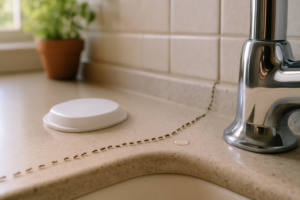
- They Don't Eliminate the Source: Spraying a scent doesn't touch the nest or colony. For pests like Argentine ants—a huge problem in our area—a repellent won’t do a thing to the thousands of ants hidden underground.
- They Degrade Quickly: Natural oils evaporate and lose their effectiveness fast. To work even slightly, they need to be reapplied constantly, which is not practical.
- Pests Can Adapt: Pests are survivors. After a while, they can learn to avoid the smelly spots while still finding other routes to the food, water, or shelter in your home.
Why Ultrasonic Repellers Fall Short
Ultrasonic pest repellers are gadgets that send out high-frequency sound waves. The sound is meant to be unbearable for pests like rodents. It sounds great, but field tests show they just don’t deliver.
Sound waves, especially high-frequency ones, are easily blocked by common household items. Walls, furniture, and even stored boxes in a garage create "sound shadows" where pests can hide completely unaffected.
On top of that, pests can get used to the noise over time. What starts as an annoying sound eventually just becomes background noise they learn to ignore. Relying on these devices often just gives an infestation more time to grow. If you've been stuck in this cycle, you can learn more about what to do when DIY pest control fails.
The Real Solution: Integrated Pest Management in Action
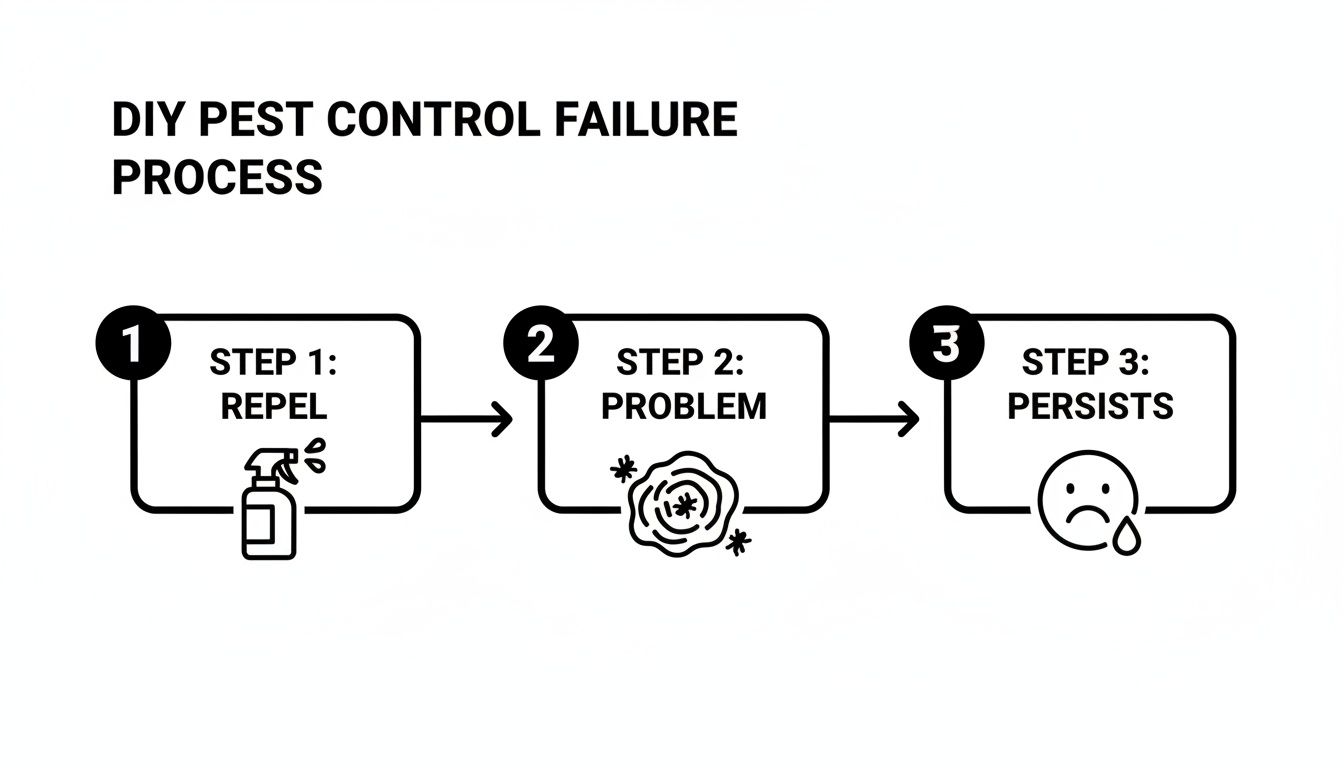
So, if common DIY repellents and gadgets don't work, what actually solves an infestation for good? The answer is a smart, logical process called Integrated Pest Management (IPM). It's the proven strategy professionals use to get results that last.
Instead of just reacting to pests, IPM gets to the root of the problem. A professional technician doesn't just show up and start spraying. They investigate to figure out what’s going on, why it’s happening, and how to stop it from happening again.
The Pillars of Professional IPM
This process is thorough and effective. Every professional IPM plan is built on a few core pillars that work together.
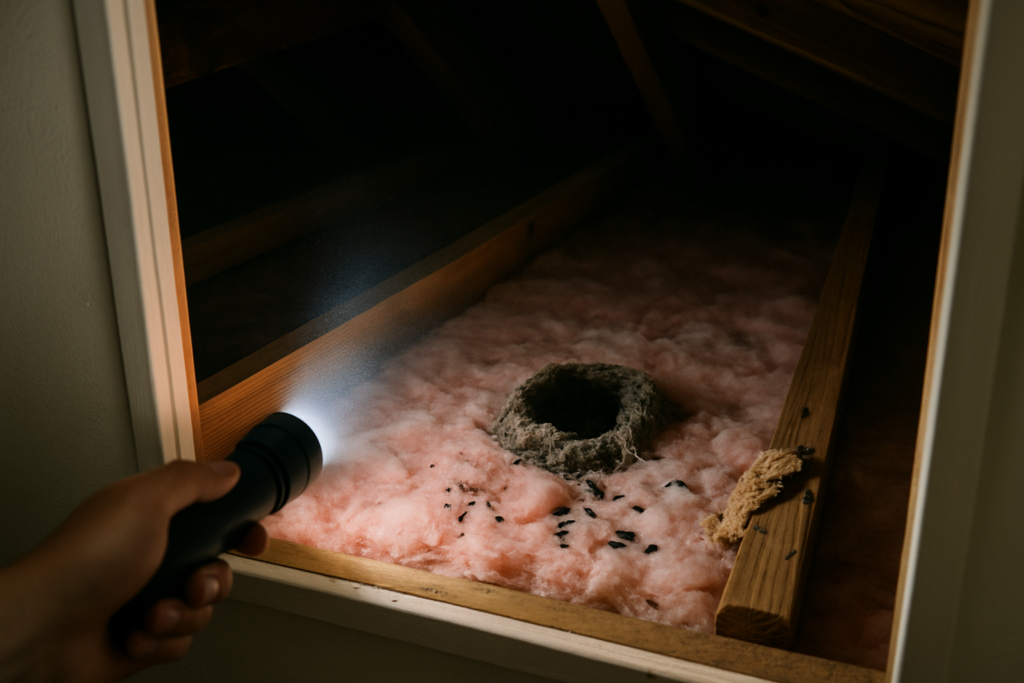
- Inspection: The initial inspection is the most important step. A trained technician will examine your property to identify the pest, find out how it's getting in, and learn what is attracting it.
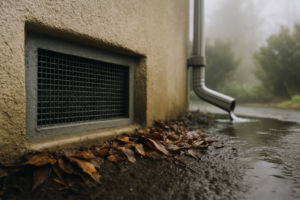
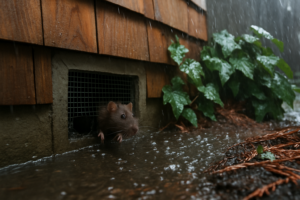
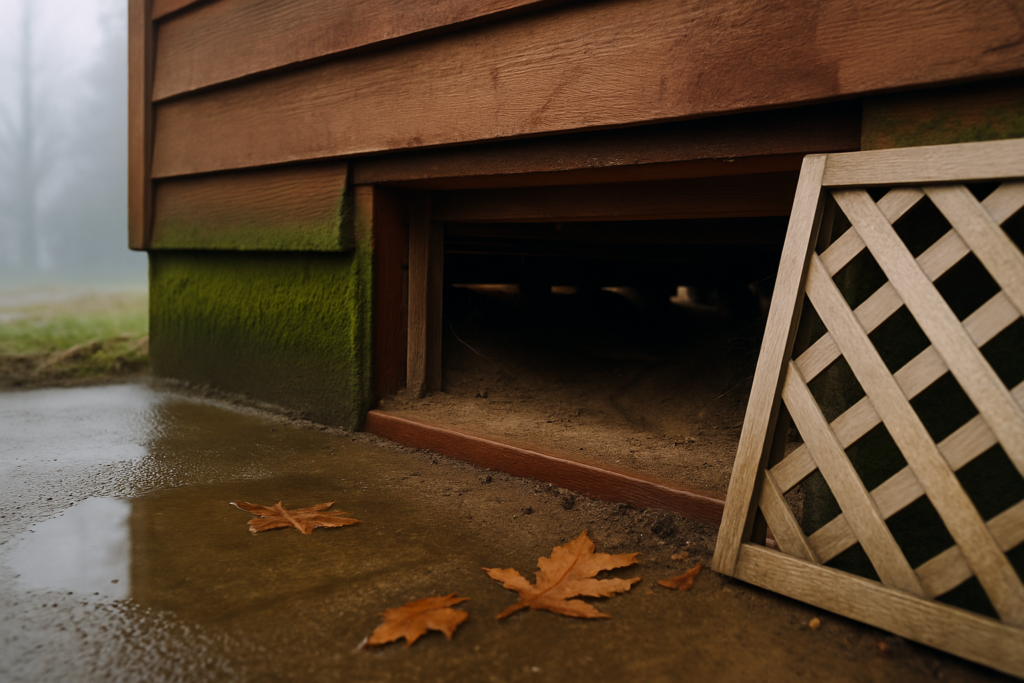
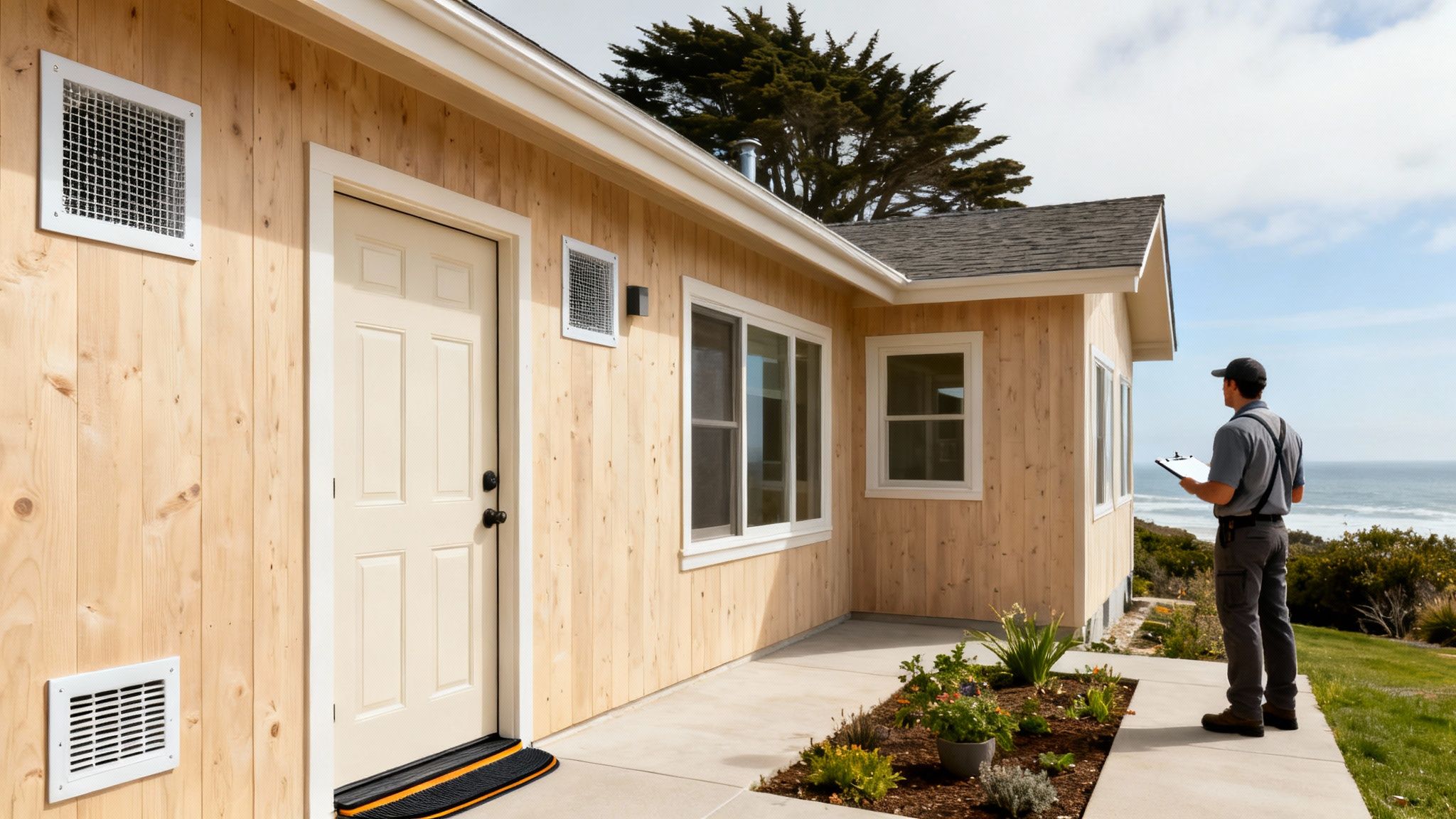
- Exclusion and Prevention: This is the most powerful tool. It involves physically blocking pests from getting into your home. This could mean installing rodent-proof mesh over crawlspace vents or sealing cracks around pipes. By closing the door on pests, you stop future infestations before they can even start.
- Sanitation: This step is all about making your home less inviting to pests. Your technician will give you specific advice, like storing food in airtight containers or clearing yard debris.
- Targeted Treatment: Only after the other steps are done is a direct treatment considered. Instead of broad chemical sprays, an IPM approach uses the most precise and least-toxic method necessary. This could mean placed traps for rodents or specific baits for ants.
This logic is why IPM is so effective. It transforms pest control from a reactive, temporary fix into a proactive, permanent solution. To learn more, you can explore what makes IPM a smart, eco-friendly solution in our detailed guide.
How California Law Shapes Modern Pest Control
The conversation around green pest control in Santa Cruz County isn't just about personal choice anymore—it's also about state law. Many people wonder if eco-friendly methods for rodents actually work, especially after trying DIY tricks like peppermint oil or ultrasonic gadgets with poor results.
But things have changed. Recent insights show that 92% of homeowners are actively seeking sustainable pest solutions. More importantly, California’s 2024 Poison-Free Wildlife Act now bans certain types of rodent poisons statewide. The demand for effective, non-toxic solutions is high—and now required by law.
The Poison-Free Wildlife Act Changes Everything
This law bans the use of certain chemical poisons known as second-generation anticoagulant rodenticides (SGARs). These were common in bait boxes. The law was passed to protect local wildlife, like hawks and owls, that can be harmed by eating poisoned rodents.
What this means for you is that eco-friendly doesn’t mean weak. But it must be targeted and professional. Rodent control has moved into a regulation-driven, IPM-based model. The old method of placing poison bait is no longer a legal or responsible option for many rodent problems. To get a deeper look at how regulations are changing the industry, check out our guide on why traditional rodent control methods are ending.
The most effective and legal approaches now focus on prevention and proofing:
- Exclusion: Sealing crawlspace vents and installing rodent-proof mesh.
- Trapping: Using traps where activity is high.
- Sanitation: Removing clutter and food sources.
This change is a powerful reason to partner with a professional who understands California’s laws and uses modern, legal solutions.
Non-Toxic Prevention That Delivers Lasting Results

The most powerful tool in the green pest control strategy isn't a spray or a trap. It's prevention. Proactive, non-toxic prevention is what truly solves infestations for good, because it stops them from starting in the first place. Instead of managing a problem after it's inside, this approach is all about making your home physically inaccessible to pests.
Exclusion: Your First Line of Defense
In pest control, we call this exclusion. It’s the hands-on process of finding and sealing every possible crack, gap, and hole a pest could use. For common Santa Cruz pests like rodents, this is the single most important step.
A tiny crack in your foundation or a small gap around a pipe can be an open door for pests. Proper exclusion closes off these weak spots one by one. Finding the best window screens for your home is another great example of a physical barrier.
Common exclusion tactics for Santa Cruz homes include:
- Sealing Gaps and Cracks: Using durable materials like steel wool or silicone caulk to close openings.
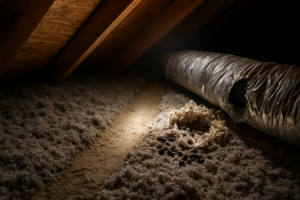
- Installing Rodent-Proof Mesh: Securing sturdy wire mesh over attic and crawlspace vents.
- Adding Door Sweeps: Placing sweeps on the bottom of exterior doors, especially on the garage.
The Power of Smart Sanitation
Alongside exclusion, smart sanitation is the other key to non-toxic prevention. It’s about removing the food, water, and shelter that attract pests to your property. When pests can't find resources, they have no reason to stick around.
Key sanitation practices include:
- Managing Compost Bins: Make sure your compost bin is sealed and located away from the house.
- Cleaning Outdoor Areas: Regularly clean up crumbs and spills from decks and patios.
- Securing Trash and Pet Food: Keep trash in tightly sealed bins and store pet food in airtight containers.
A perfect local example of this principle is professional Gopher Barrier Installation. Instead of trapping over and over, a physical mesh barrier is installed underground to permanently protect lawns and gardens. It shows how a one-time, non-toxic, preventive solution solves a persistent problem for good.
Frequently Asked Questions About Green Pest Control
It’s normal to have questions about green pest control. Many homeowners in Santa Cruz County wonder if eco-friendly options can really solve a serious infestation. Here are answers to some common questions we hear.
Is green pest control as effective as traditional chemical treatments?
Yes, but only when it’s done correctly by a professional. Effective green pest control isn't about using weak sprays; it's a complete strategy called Integrated Pest Management (IPM). In the long run, this approach is often more effective than just spraying chemicals. A traditional approach might knock down the pests you see today, but an IPM strategy gets to the root cause so the problem doesn’t keep coming back.
Are eco-friendly pest products safe for my kids and pets?
Generally, yes. Professional-grade eco-friendly products are chosen for their low impact on people and pets. At West Pest Co., we know every family has a different comfort level. That's why we offer a range of solutions, including no-chemical options like trapping and exclusion work. A trained technician knows how to apply products in targeted, out-of-the-way locations to maximize impact on pests while minimizing exposure to your family.
I tried peppermint oil and it didn't work. Why is a professional service different?
This is a common frustration. DIY repellents like essential oils are designed to annoy pests, not eliminate them. A strong scent might make a pest avoid one corner for a day, but it does nothing to address the hidden nest or the crack in the wall it used to get inside. A professional service is different because we solve the entire infestation. We start with a detailed inspection to find entry points and attractants. Then we use proven methods like exclusion, sanitation advice, and targeted treatments to fix the problem for good.
How much does green pest control cost in Santa Cruz County?
The cost can vary. It depends on the type of pest, the size of your home, and how severe the infestation is. While some IPM work, like exclusion, might have a higher upfront cost than a single chemical spray, it’s usually more cost-effective in the long run. By preventing future infestations, you save money on repeated treatments and avoid costly damage. West Pest Co. provides free, no-obligation estimates so you can get a clear price for a solution that fits your budget.
If you’re trying to go poison-free but still struggling with pests, we’re happy to walk you through options that meet California’s laws and actually solve the problem. Reach out to West Pest Co. for science-backed, eco-friendly rodent control.