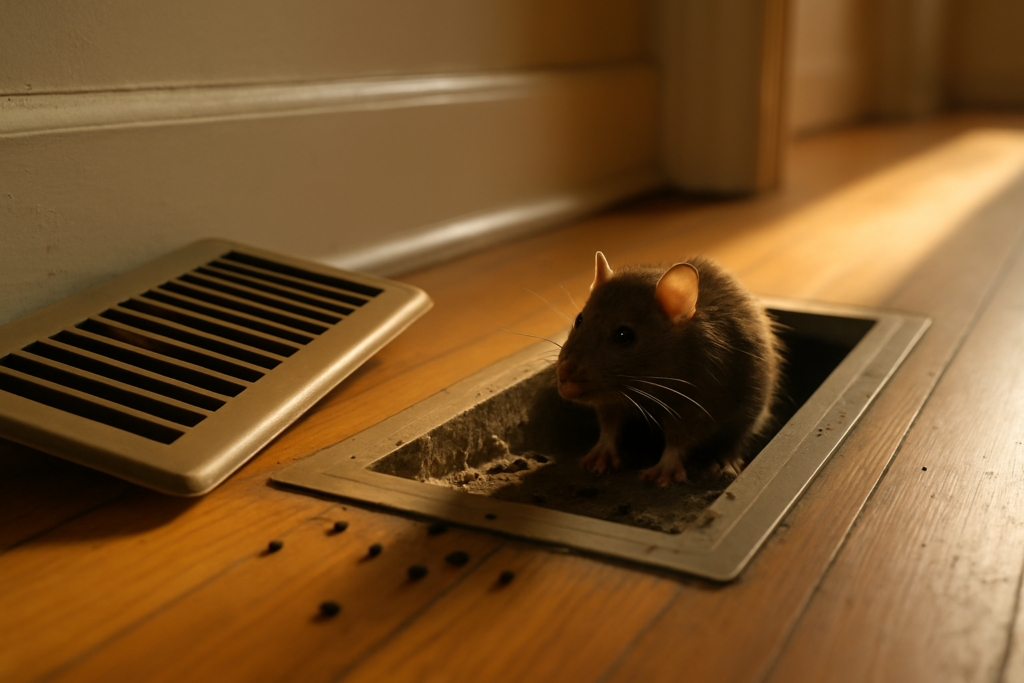
Imagine a big change happening in the world of pest control. New laws, smarter tools, and what homeowners want are all coming together at once. This explains why 2026 is shaping up to be the end of traditional rodent control methods. For homeowners here in Santa Cruz County, using old-fashioned rodent poisons is becoming risky, less effective, and out of touch with our community's values.
The Turning Point For Rodent Control
This isn't just one new rule. It's a major shift away from the old, poison-first methods that have been used for years. The whole situation is changing because of three main things: strict California laws, new smart pest control technology, and a strong demand from homeowners for safer, more humane options. Understanding these changes is key to protecting your home well and responsibly.
As we move toward this new future, it's helpful to see what's possible with modern technology. For a good look at what's coming, you can check out a guide on the best smart home systems of 2025. This article, however, will break down the pest-specific changes and show you how to get your home ready for a future where pest control is smarter and safer.
The Three Pillars of Modern Rodent Control
The move away from old methods is happening for a few connected reasons that have finally reached a breaking point.
- Tougher Regulations: California has banned many common rodent poisons, called anticoagulant rodenticides, to protect our local wildlife. This makes many old methods illegal in most situations.
- Smarter Technology: We now have amazing tools like traps that send alerts to our phones and special materials to seal up homes. These offer better, long-term solutions without using dangerous chemicals.
- Changing Homeowner Values: Today, families care most about the safety of their children and pets. In fact, new data shows that 92% of homeowners now want eco-safe pest solutions. This is a clear sign that what people want has changed for good.
This timeline helps show how new laws, better technology, and changing values are all pushing the industry toward a modern, more careful approach.
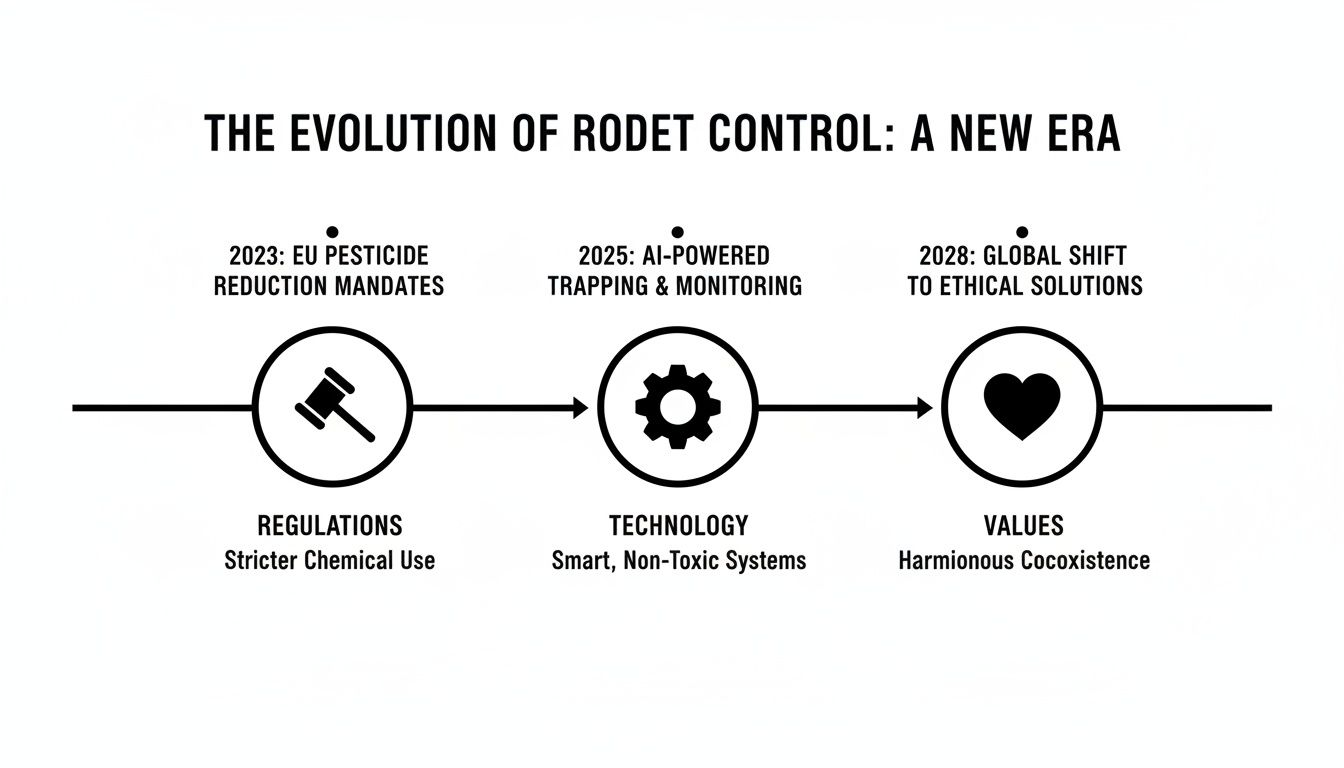
As you can see, these things aren't happening separately. They are working together, speeding up the industry's move away from poison-based plans.
The reasons for this big shift are clear. Below is a quick summary of what is pushing us toward a new age of rodent control.
Key Reasons Traditional Rodent Control Is Fading
| Driving Factor | Impact on Homeowners | The Modern Solution |
|---|---|---|
| Stricter Regulations | Old poison baits are becoming illegal and pose legal risks. | Focus on physically sealing entry points and using legal, low-impact treatments. |
| Technological Advances | Old traps and methods are less effective than new smart tools. | Use remote monitoring and advanced materials for better results. |
| Consumer Demand | Homeowners are saying no to dangerous chemicals for their family's safety. | Choose humane, eco-friendly options that match community values. |
| Rodenticide Resistance | Rodents are becoming immune to common poisons, making them useless. | Use integrated plans that don't rely on just one chemical. |
| Ecological Impact | Poisons harm local wildlife, from pets to predators like owls. | Use methods that only target rodents and protect the environment. |
This table shows why the old ways no longer work. It's a mix of legal, ethical, and practical reasons making the change necessary.
Staying Ahead in Santa Cruz
For those of us living in Santa Cruz, Aptos, and Capitola, this change is very important. We care about our coastal environment and redwood forests. This makes us especially aware of the dangers old poisons pose to our unique local nature.
As rodents adapt, it’s vital to have a plan that works with our environment, not against it. To get a better idea of their local habits, you can learn more about why rodents are rushing indoors this fall in Santa Cruz.
New Rules and Stricter Laws Are Changing the Game
One of the biggest reasons the pest control industry is changing is a wave of new laws, especially here in California. A major change was the state's ban on certain anticoagulant rodenticides for most uses. This one decision took away the most common tool from the old pest control toolbox.
These laws were passed for a very important reason: to protect our local wildlife, pets, and children from secondary poisoning. This is a real worry for families all over Santa Cruz County, from the mountains of Scotts Valley to the coast of Capitola.
This shift means the days of just putting out a bait box and leaving are over. Now, pest control requires more skill and strict following of the law. Companies that stick to old methods not only risk losing your business but also violating state law.
A Higher Standard Of Professionalism
Pest control professionals now face tougher training and certification rules. This isn't just extra paperwork; it's about making things safer for the public and the environment. Any company that hasn't changed is not just behind the times—they're operating outside of today’s legal and ethical rules.
These new standards require a deep understanding of how rodents behave. Instead of just using one chemical, today's technicians must be experts in many different strategies.
This modern approach, known as Integrated Pest Management (IPM), is a smarter way to handle pests. It focuses on long-term prevention and uses a mix of methods to fix the real cause of a pest problem.
You can learn more about this effective strategy by reading our guide on what Integrated Pest Management is and why it's a smart, eco-friendly solution. It’s the method that lets professionals get real results while following California's tough new laws.
What This Means for Homeowners
So, what does this legal shift mean for you? It means you have to be more careful about who you hire. A company still using old, poison-heavy methods might not be following current laws. This could put your property and local environment at risk.
You should look for a provider who can clearly explain their approach to:
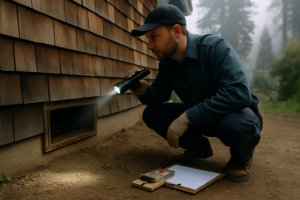
- Inspection: A careful check to find out exactly how and why rodents are getting inside.
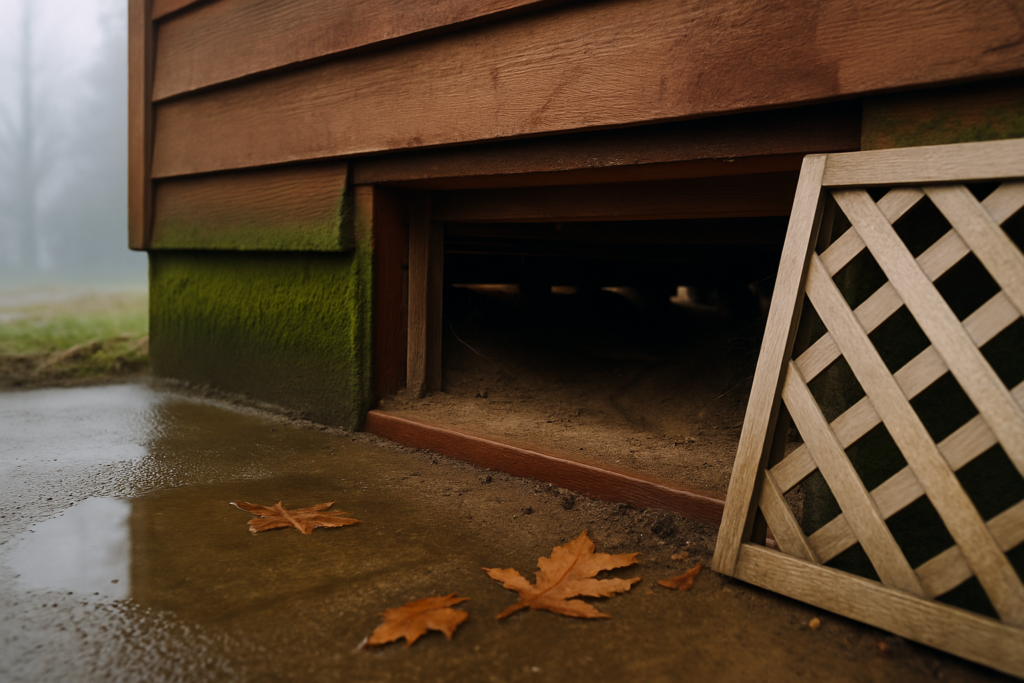
- Exclusion: Physically sealing all entry points to create a permanent barrier.
- Trapping: The smart use of modern, effective traps in key areas.
- Monitoring: Regular checks to make sure the problem is solved and doesn't return.
This process is the new standard. It's more work than just putting down bait, but it gives lasting results without the dangers of old poisons. It also fits perfectly with the values of our Santa Cruz community.
Looking Ahead to Even Stricter Regulations
The rules will keep changing. The move toward safer products is only getting stronger, which is a big part of why 2026 is seen as a cutoff for traditional rodent control. Coming soon, major rule changes like the CLP Regulation updates expected in 2025 will further limit how many traditional rodent poisons can be used. These global standards often lead to new rules here in the U.S.
This makes choosing a pest control partner who is already ahead of the game more important than ever. Companies that embrace modern techniques are simply better prepared to protect your home legally and effectively—both now and in the future.
The Rise Of Smarter And Safer Technology
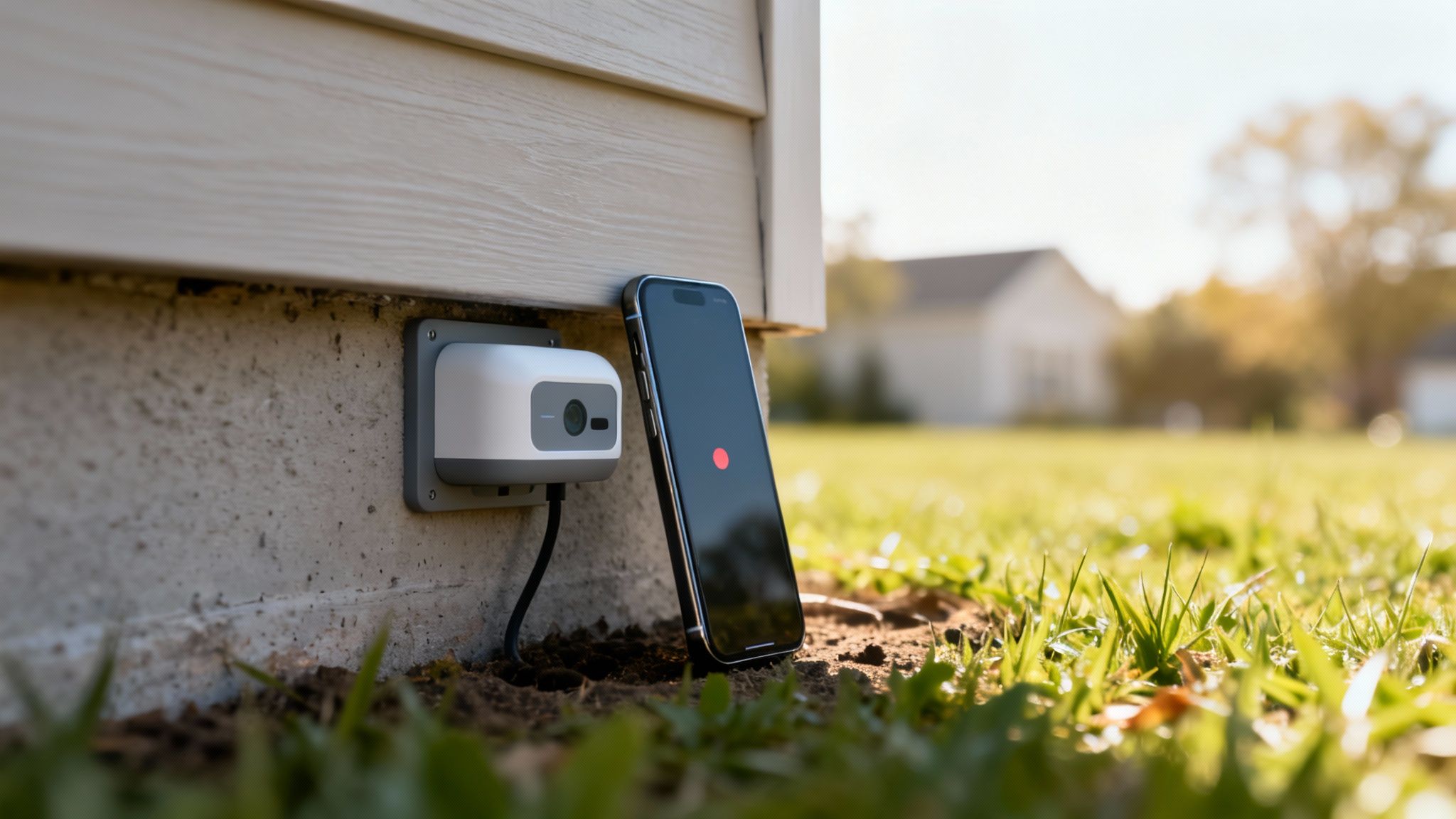
As old rodent control methods are phased out, new smart technology is providing safer and more exact solutions. Instead of just reacting to a problem with poison, modern pest control is about preventing problems before they start.
Think of it like upgrading from a simple alarm to a full home security system—but for pests. This technology is here now, and it's giving us real-time information on rodent activity. For homeowners in Aptos and Scotts Valley, this means peace of mind, knowing your family is safe without the risk of harmful chemicals. This is a huge reason why 2026 is the end of traditional rodent control methods.
How Smart Technology Is Changing Everything
The new tools we have are changing how we do rodent control. We're not talking about old wooden snap traps. This is a connected, smart system that gives us real-time information to solve problems very efficiently.
This modern approach uses a few key parts:
- Intelligent Traps and Sensors: These devices send an instant alert to a technician’s phone the moment they detect activity. No more waiting for a scheduled visit to find a problem.
- AI-Powered Monitoring: Advanced systems can use data to predict rodent activity before it becomes a big problem. This lets us focus our work where it’s needed most.
- Advanced Exclusion Techniques: Using strong, high-quality materials, we can permanently seal the tiny holes rodents use to get inside your home. This is the foundation of a lasting solution.
This is not just about catching one mouse anymore. It's about building a smart, protective shield around your home. You can see more about how we use these tools in our guide to smart seasonal pest control strategies for Santa Cruz homes.
The goal of smart technology is to move from reacting with bait to proactively preventing problems for good.
The Data Shows The Shift Is Underway
This move toward smarter solutions is a real trend that's growing fast. Homeowners and professionals see the clear benefits of these new technologies.
A recent industry study showed a 20% increase in the use of smart rodent solutions, with sales of smart traps jumping by 25%. The reason is simple: their real-time data helps cut down the need for chemicals. The year 2026 is an important date because that’s when new training rules will start in major markets, including California. With poison bans already in place in cities, the industry is being pushed toward mechanical traps and smart sensors.
This trend gives companies that have already mastered these new tools a big advantage. It ensures we can provide effective, legal services that meet the needs of today’s homeowners. By using technology, we offer a solution that is not only more effective but also matches the values of our Santa Cruz community.
Why Old Poisons Are Failing Us Anyway
Even without new laws, the pest control industry has known for years that traditional rodent poisons are losing their power. We've been in a long fight with something called rodenticide resistance, and the old poisons are starting to lose.
It works a lot like when germs become resistant to medicine. The more you use a certain poison, the more you help the few rodents that can naturally survive it. Those tough survivors then have babies, passing their resistant genes to the next generation. Over time, this creates whole groups of mice and rats that the old chemicals can't affect. This leaves Santa Cruz homeowners with stubborn pest problems that never seem to end.
More Harm Than Good for Our Ecosystem
Besides not working as well, these old poisons cause a lot of damage to our local environment. This is a huge concern in a nature-rich area like Santa Cruz County. Most traditional baits are anticoagulants, which cause internal bleeding. The problem is, they work slowly.
A rodent that eats this bait doesn't die right away. Instead, it becomes a slow, easy target for predators. This is where the real harm begins:
- Secondary Poisoning: When a hawk, owl, or fox from the Santa Cruz mountains eats a poisoned rodent, the poison is passed up the food chain.
- Wildlife Deaths: These predators—the very animals that provide natural pest control—suffer the same slow death. This upsets the balance of our local ecosystem.
- Risks to Pets and Children: These same baits are a direct threat to curious pets and small children who might accidentally touch them. Our guide on child-safe pest control explains how important it is for families to move away from these dangerous methods.
These poisons don't just solve a pest problem; they create new, more dangerous ones for our entire community. A big change was needed.
Resistance Is a Ticking Clock
Science is clear: after decades of using the same methods, rodents are outsmarting the poisons. Widespread resistance is on track to make many traditional poisons almost useless by 2026. This marks the end of an era for old-school pest control. Even with new rules, studies show that the amount of poison found in wildlife hasn't gone down. This is what pushed California to ban their use in cities. You can learn more about this new era for rodenticide use and the facts behind the change.
This growing resistance isn't just a problem; it's a sign that the whole old approach is wrong. Relying on one chemical was never a good long-term plan for managing rodents.
This is a key reason why 2026 is the end of traditional rodent control methods. The tools themselves are failing, forcing a needed shift toward smarter plans that focus on sealing homes and monitoring, not just poison.
Homeowners Are Demanding A Better Way
New laws and technology are only part of the story. The final piece is you—the modern homeowner. Families today know more and have different goals than they did a decade ago. You're not just looking for a quick fix for a rodent problem; you're looking for lasting peace of mind.
This means finding solutions that are safe for your children, your pets, and your garden. This isn't just a small trend. It's a powerful change that is reshaping the entire pest control industry. It's moving away from the old "just kill it" mindset toward a smarter approach that solves the problem for good.
A Shift In Consumer Values
Across Santa Cruz County, from Capitola to Soquel, people are actively choosing companies that share their eco-friendly values. They are asking smarter questions and expect pest control companies to offer clear, responsible solutions. This is a practical demand for services that protect family health and our local environment.
This preference is backed by facts. An overwhelming 92% of homeowners now want eco-safe pest solutions. This customer demand is a major reason why 2026 is the end of the old ways. Companies that don't adapt to these new expectations are quickly being left behind.
The Market Is Evolving Rapidly
The pest control market is not just growing—it's changing. While the market is expected to grow from $22.7 billion to $29.1 billion by 2026, the money is moving toward new ideas. We're seeing a clear shift away from traditional poisons and toward smart surveillance, predictive mapping, and safer baits.
In cities like San Francisco, the use of chemicals is dropping as mechanical methods, helped by smart traps, become more popular. You can discover more insights about the rodent control market here to see the trends for yourself.
The modern homeowner is no longer a passive customer. They are actively choosing safer, smarter pest management. This makes customer choice one of the most powerful forces for change in the industry.
This market change creates a gap between forward-thinking local providers and larger national chains. Many large companies still promote old baiting methods on their websites. They fail to show they follow California's strict laws or understand what local families really want.
What Homeowners Now Expect
This new era of pest control is defined by a different set of expectations. Homeowners are now looking for a partner who can provide:
- Transparency: Clear explanations of the methods being used and why they are the safest, best option.
- Safety First: A promise to use non-toxic and chemical-free options whenever possible, especially in homes with children and pets.
- Long-Term Solutions: A focus on rodent exclusion and prevention to solve the problem at its source.
- Local Expertise: A deep understanding of the unique pest issues in Santa Cruz County.
At West Pest Co., we've built our services around these modern needs. We understand—you're not just hiring a pest control company; you're trusting us to protect your home and family.
How To Protect Your Santa Cruz Home Today And Tomorrow
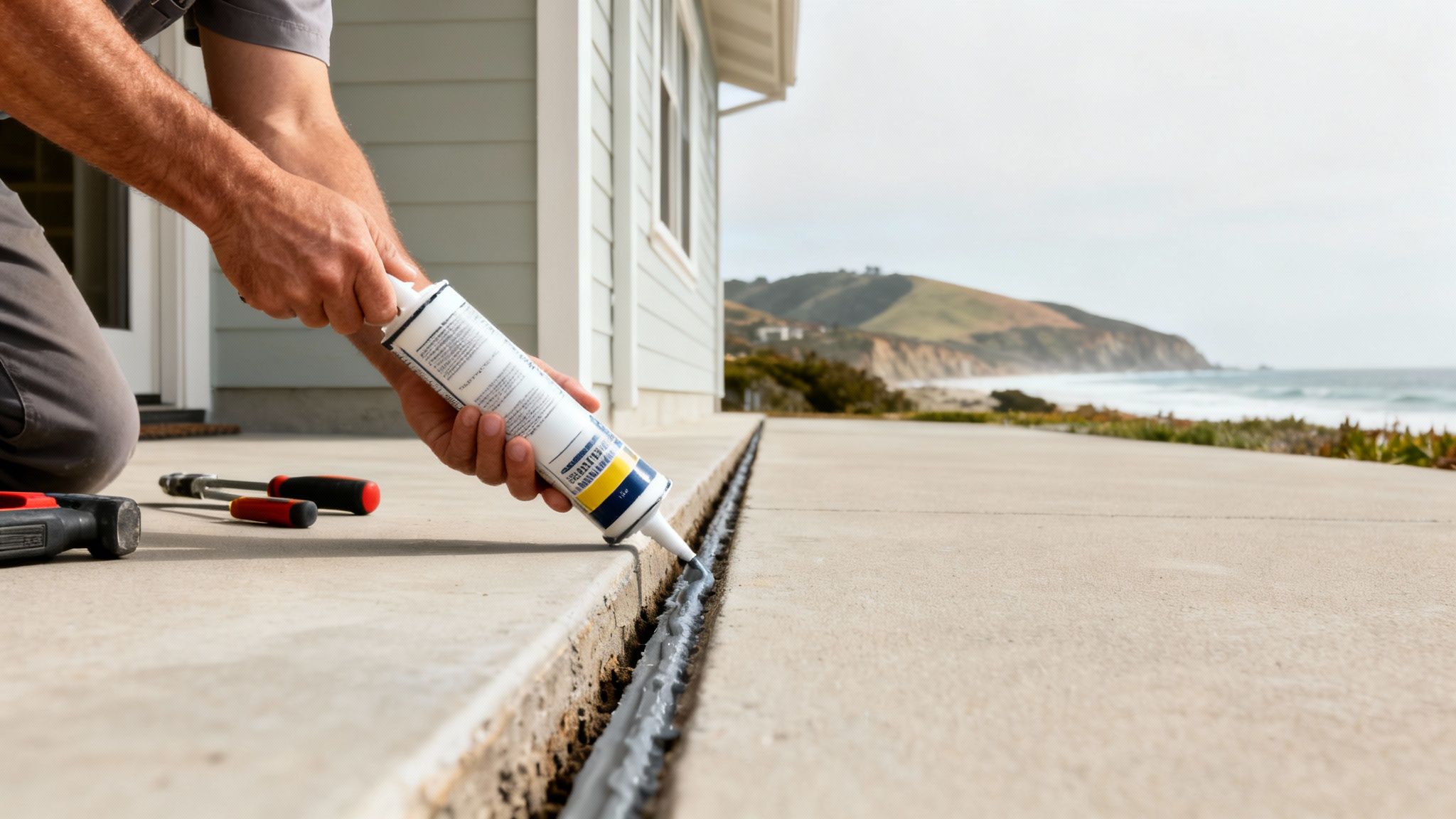
So, how do you get ahead of all these changes? The key is to work with a pest control company that has been operating this way all along. At West Pest Co., our methods are already built for the future, following today's strict laws and ready for tomorrow's higher standards.
We know that every home in Santa Cruz County is different. That's why we create rodent control plans that fit your family’s specific needs. It's a personal plan that's necessary as we leave the age of generic, chemical-heavy methods behind.
Future-Proofing Your Home Protection
Our main strategy has always been long-term prevention. Instead of just reacting to a pest problem, we focus on steps that keep rodents out for good. It's a modern approach that works without risking the safety of your home, your garden, or the local environment.
The most effective rodent control isn't a single product; it's a complete plan. Our focus on expert exclusion work and smart monitoring ensures you get a lasting solution, not just a temporary fix.
This process comes down to a few key steps that define modern, responsible pest management:
- Thorough Inspection: We start by finding every potential entry point, from tiny cracks in the foundation to small gaps around pipes.
- Professional Exclusion: Using strong, high-quality materials, we physically seal these entry points, creating a barrier rodents can't get through.
- Smart Monitoring: We use advanced tools to watch for any new activity. This lets us act immediately before a small issue becomes a real problem.
This method is the best for a reason—it gets to the real cause of the problem, stopping infestations before they even start.
Your Partner In Compliant Rodent Control
The world of pest control is changing fast. Trying to keep up with all the new rules can feel like a full-time job. That’s where we come in. We stay on top of the latest laws and technologies so you don’t have to.
If you serve Santa Cruz County and want rodent control that’s both effective and legally compliant, connect with West Pest Co. We help you stay ahead of shifting rules—while protecting your customers and your reputation.
To see how we build these strategies from the ground up, check out our guide on creating the ultimate rodent prevention plan for Santa Cruz homes. Let's work together to build a protection plan that keeps your home safe—today and for years to come.
Your Top Questions About Modern Rodent Control
The big shift in rodent control can bring up a lot of questions. We understand. You want to know what’s best for your home and family. To help you make a good decision, we’ve gathered the most common questions we hear from Santa Cruz homeowners about why 2026 is the end for old-school methods.
Is Eco-Friendly Rodent Control As Good As Traditional Poisons?
It’s not just as good—it’s smarter and more effective for the long run. Poisons might offer a quick kill, but they do nothing to solve the real problem: how rodents are getting into your home. The issue will just come back.
Modern, eco-friendly methods focus on solving the root of the problem. This plan is much more complete and includes:
- Professional Exclusion: A detailed process of finding and permanently sealing every possible entry point.
- Strategic Trapping: Using advanced, non-toxic traps placed in high-traffic areas based on how rodents behave.
- Smart Monitoring: Using sensors that give us real-time data, letting us prevent problems instead of just reacting to them.
This approach actually stops future infestations, without all the serious risks that come with chemical baits.
What Exactly Is Integrated Pest Management And Why Does It Matter?
Integrated Pest Management (IPM) is a smarter way to handle pests. It’s the heart of any modern, effective service. Instead of just using chemicals, IPM is a process focused on understanding why you have pests, so we can create a solution that lasts.
An IPM plan always starts with a deep look—a thorough inspection to find the specific pest and where they’re coming from. From there, we use a mix of methods, always choosing non-chemical solutions like exclusion and trapping first. It matters because it’s a lasting, effective, and environmentally safe way to keep pests out for good.
Are Your Modern Methods Safe For My Dog And Vegetable Garden?
Absolutely. One of the biggest benefits of modern, eco-friendly rodent control is the safety it brings to your entire household. By focusing on chemical-free solutions like exclusion and smart trapping, we remove the risk of accidental poisoning for pets, children, and local wildlife.
Our methods are designed to protect your whole home environment—from your pets to your garden. This gives Santa Cruz families peace of mind, knowing their home is protected without bringing dangerous materials onto the property.
How Can I Tell If A Pest Control Company Is Using Outdated Methods?
This is a great question. The easiest way to find out is to ask them, "What are your main methods for long-term rodent control?" If their first—and only—answer involves bait stations or poisons, they’re likely using old and soon-to-be illegal techniques.
A modern, professional company will immediately talk about their process: inspection, exclusion, trapping, and monitoring. They should be able to clearly explain how they follow California's tough rodenticide laws and why their approach offers a better, permanent solution.
Ready to protect your home with a rodent control plan that’s safe, effective, and built for the future? Contact West Pest Co. to schedule a free estimate and see the difference a modern approach can make. Learn more and get in touch at https://westpestco.com.