Direct Answer: Unexplained nighttime bites with no visible insect often trace back to rodent nest mites. When rats in an attic or wall die off or leave, their mites search for the nearest warm body.
You wake up with a few small itchy welts. You strip the bed, check the seams, shake out the sheets, and find absolutely nothing. Then it happens again the next night.
I hear this call a few times a year, and it is one of the most frustrating pest problems there is. The homeowner has physical proof on their skin and zero visible insect to point at. A Santa Cruz customer put it plainly in a review: “I couldn’t figure out what tiny pest was biting me at night. Neither could any other of the pest companies I contacted.” – Kelly S.
There is a logical way to work through this, and it usually starts by looking up instead of down. If you have heard any scratching overhead or in a wall, that detail matters more than you think. Here is how I sort it out.
Why You Feel the Bites But Never See the Bug
The most common answer in this situation is a mite, not an insect you would ever spot on a mattress. Mites that bite people indoors are almost always blood-feeding parasites that live in the nests of rodents or birds nearby.
The University of California confirms this pattern, noting that the tropical rat mite is the species most often involved in California homes. You can read their write-up on detecting and controlling biting mites within structures.
These mites live with roof rats in attics, wall voids, and crawlspaces. Trouble starts when the rats die off, get trapped out, or simply abandon the nest. The mites are left without a host and go looking for the nearest warm body, which is how a rodent problem above your ceiling turns into a bite problem in your bedroom.
What makes them so hard to catch in the act:
- They are roughly the size of a grain of ground pepper and pale until they feed
- They feed briefly and then leave the skin instead of staying on you
- They travel along wiring, plumbing lines, and vent runs, not across open floors
- They do not leave shed skins or visible clusters the way larger pests do
Here is the genuinely reassuring part. They cannot sustain a population on humans. We are the wrong host. Once the rodent activity feeding them is reduced, the pressure drops off on its own.
What This Pattern Looks Like in a Santa Cruz County Home
The homes where I see this are rarely a surprise once I am standing in the driveway. Older housing stock, vented crawlspaces, and damp coastal air give roof rats a comfortable place to nest year round here.
One West Side homeowner who reached out described it about as clearly as anyone could: they believed rodents had burrowed under the foundation and gotten into the walls, and they had “just started hearing them in the mornings in the walls.” That early morning timing is typical.
Other local versions of the same story:
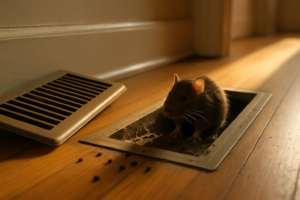
- Scratching or rolling sounds through heating vents and ductwork in the Santa Cruz Mountains
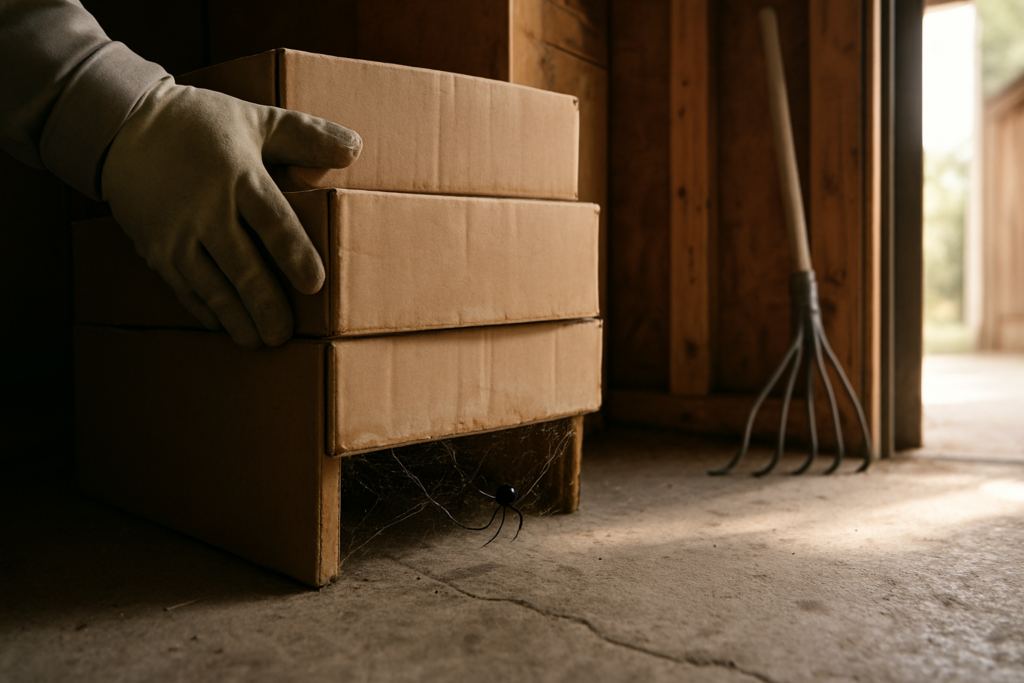
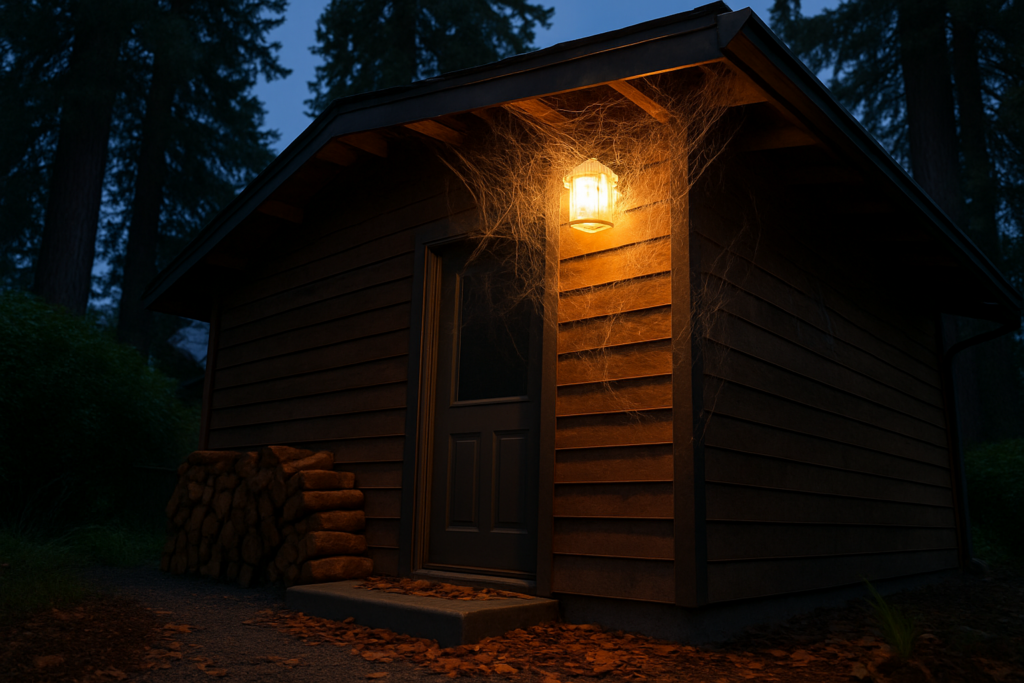
- Detached studios and garages in Ben Lomond, Soquel, and the Aptos hills where nobody looks in the rafters for months
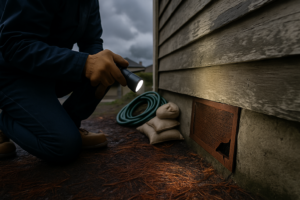
- Beach-adjacent homes in Capitola and Rio del Mar with open subfloor vents and heavy fog moisture
- Watsonville and Corralitos properties backed up to orchards or berry fields
Our mild Monterey Bay weather is part of why this stays a year round issue instead of a fall one. Rats here do not get frozen out, so nests get built, used, abandoned, and rebuilt on their own schedule.
The takeaway is simple. Unexplained bites plus any overhead scratching noise is one problem, not two. If you have heard anything moving above the ceiling, start with my breakdown of what those attic sounds and signs actually mean or the guide to rats in the heating vents.
Sorting Out What Might Actually Be Biting You
Before assuming mites, it helps to compare the three explanations I run into most. The pattern of the bites and what else is going on in the house usually separates them.
| Possible cause | Bite pattern people describe | What else you would find |
|---|---|---|
| Rodent nest mites | Small itchy welts on the torso, arms, or wherever skin was exposed at night, often worse in one room | Scratching in walls or ceilings, droppings or grease trails in the attic or crawlspace, a nest that recently went quiet |
| Fleas from a dog or cat | Clustered bites around the ankles and lower legs | Pets scratching or biting at fur, black specks in pet bedding, fleas visible on carpet edges |
| No pest at all | Diffuse itching with no clear bite marks, both sides of the body, all rooms equally | Dry indoor air, a new laundry detergent or fabric softener, a new medication, or a skin condition |
Gather Real Evidence Before Anyone Comes Out
Most pest professionals will not treat a home without proof of what is present, and honestly, they should not. Guessing leads to spraying a bedroom over and over with nothing to show for it.
Here is what I ask homeowners to do before I arrive:
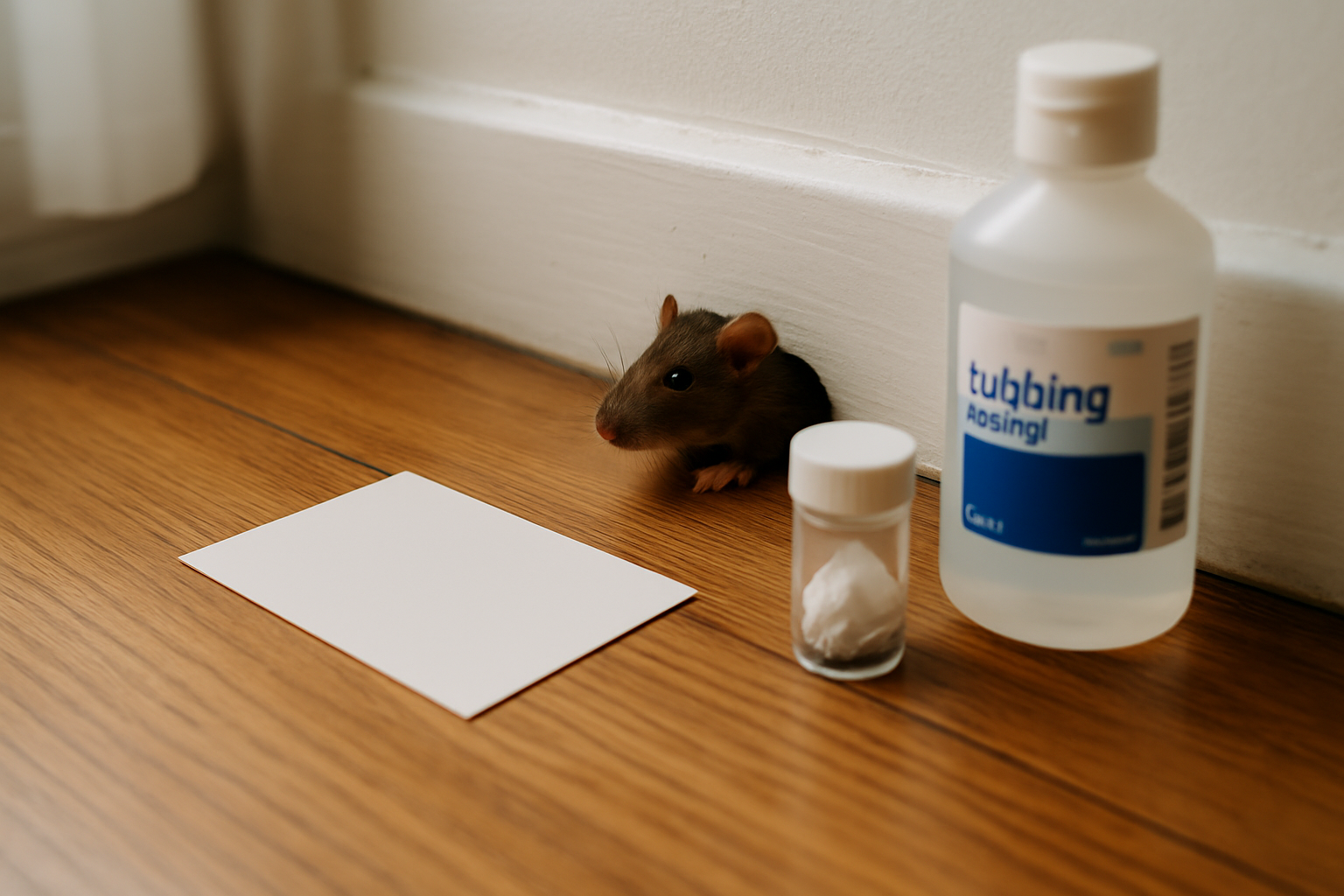
- Collect a specimen. Dip a tissue or a soft brush in rubbing alcohol, wipe the spot on skin or the surface where you felt something, and seal it in a small container.
- Set sticky monitors. Place them flat along baseboards, behind the headboard, and near any suspected nesting wall. Give them three to five nights.
- Keep a bite log. Note the time, the room, and where on your body. Patterns show up fast on paper.
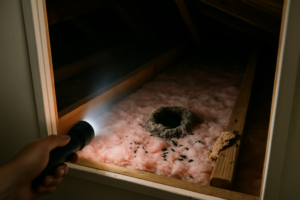
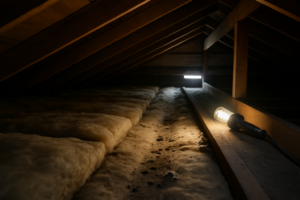
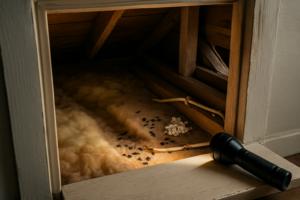
- Check overhead. Look in the attic and crawlspace for droppings, grease trails along joists, or shredded insulation.
- Check the pets. Part the fur near the base of the tail and look at their bedding for flea dirt.
If you do find droppings, handle them carefully and read up on what to do after you find rodent droppings before you start cleaning.
Evidence turns a guessing game into an identification. And an identification is something a technician can actually treat.
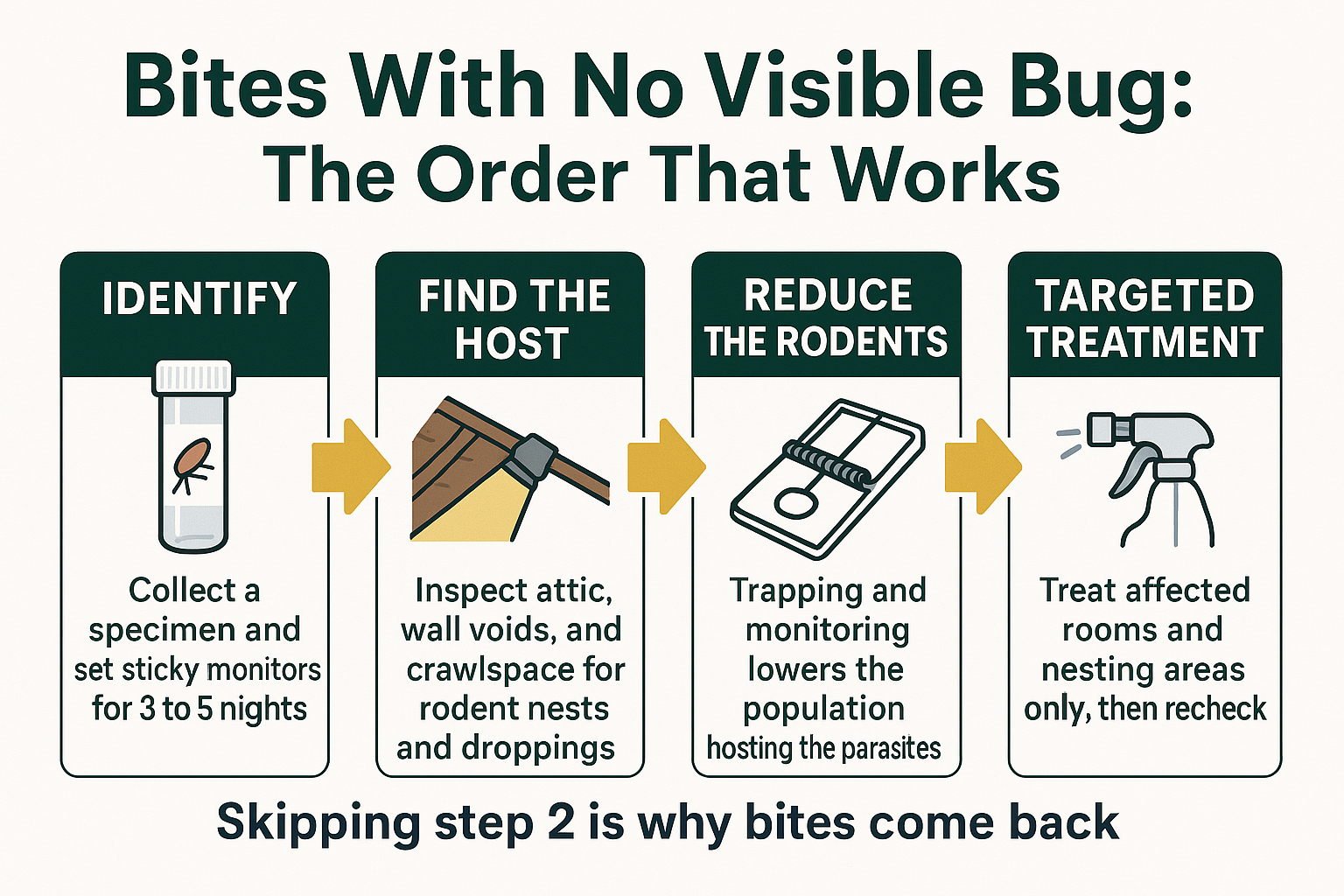
The Sequence That Actually Resolves This
Order matters more than product choice here. Treating out of order is why so many homeowners get a week of relief and then start over.
Why Treating the Bedroom Alone Buys You About a Week
This is where the reader’s real question usually sits, so I will be straight about it. Spraying a bedroom without addressing the rodent activity feeding the problem tends to buy short relief and nothing more.
The nest is still up there. Mites keep moving down the same wiring and vent runs they used the first time.
Repeated broad spraying inside a house where people are already itchy is also not a responsible answer. It raises chemical exposure for a family that is already uncomfortable, and it does not touch the source.
The sequence that holds up is identification first, then reducing the rodent population that is hosting the parasites, then targeted treatment of the affected areas. That last step is narrow on purpose.
On cost, I will not quote you a number for a house I have not seen. What drives the price is real: how many nesting areas are involved, whether the attic and crawlspace are accessible, how many follow-up visits the trapping takes, and the square footage being monitored. Most local companies price an initial visit separately from follow-ups, so ask for an itemized quote rather than a single lump figure.
And expect this to take more than one appointment. Rodent work in an older Santa Cruz home is usually a two to four week arc, which is also why rats keep coming back when the follow-through stops early.
When the Answer Is Not Mites at All
I would rather tell you the truth than sell you a treatment plan. Sometimes there is no rodent involved.
Fleas from a dog or cat are a far more common culprit, and they announce themselves with bites around the ankles plus black specks in pet bedding. They can also show up in a home with no pets at all, usually from a previous owner’s animal or wildlife under the house.
Skin irritation can also come from dry indoor air, a new laundry product, a medication change, or a medical cause with no pest behind it. Coastal homes running heat through a foggy stretch get dry indoor air more often than people expect.
If you have inspected the attic and crawlspace, checked the pets, run monitors for a week, and come up empty, talk to a doctor rather than keep escalating treatments in the house. Chasing an infestation that is not there costs money and does not help your skin.
Frequently Asked Questions About Unexplained Bites at Night
Can rodent mites live on me or in my hair?
No. They cannot sustain a population on humans. We are the wrong host, so they feed briefly and move off. They persist only as long as there is a rodent nest nearby supporting them.
How long do the bites keep happening after the rats are gone?
It varies, but activity typically drops off over a few days to a couple of weeks once the nest is no longer active and the affected areas have been treated. If bites are still going strong a month later with no rodent evidence, it is worth reopening the question of whether mites were ever the cause.
Why did three pest companies tell me they could not find anything?
Because there is usually nothing to find at floor level. If a technician inspects the bedroom, sees no insects, and never goes into the attic or crawlspace, the trail ends there. The evidence is overhead.
Should I throw out my mattress or bedding?
Not for this. Rodent mites do not colonize a mattress the way people assume. Normal hot laundry on sheets is plenty while the source is being handled.
Is this common in newer homes?
Less common, but it happens. What matters more than age is access. A detached garage with an open soffit, or a crawlspace vent with a torn screen, gives roof rats a way in regardless of when the house was built.
Still Trying to Figure Out What Is Biting You?
The homeowners who end up calling us about this have often already worked with two or three other companies and gotten no answer, including one case where the culprit turned out to be a rodent-associated parasite nobody had thought to look for. The value here is diagnosis before anyone reaches for a sprayer. Matthew West often takes the call himself and works throughout Santa Cruz County, and West Pest Co. can be reached at (831) 430-8402 or westpestco.com if you want a second set of eyes on it.