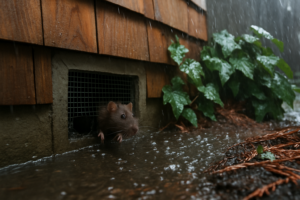
Hearing a few more bumps and scurries in the walls than usual? You're not imagining things. Santa Cruz County is experiencing earlier-than-usual rainfall and cooler temperatures this fall, triggering a spike in rodent activity. This change is pushing mice and rats to find warmth, food, and shelter inside homes, making quick action more important than ever.
Why Santa Cruz Homes Are Seeing More Rodents This Fall
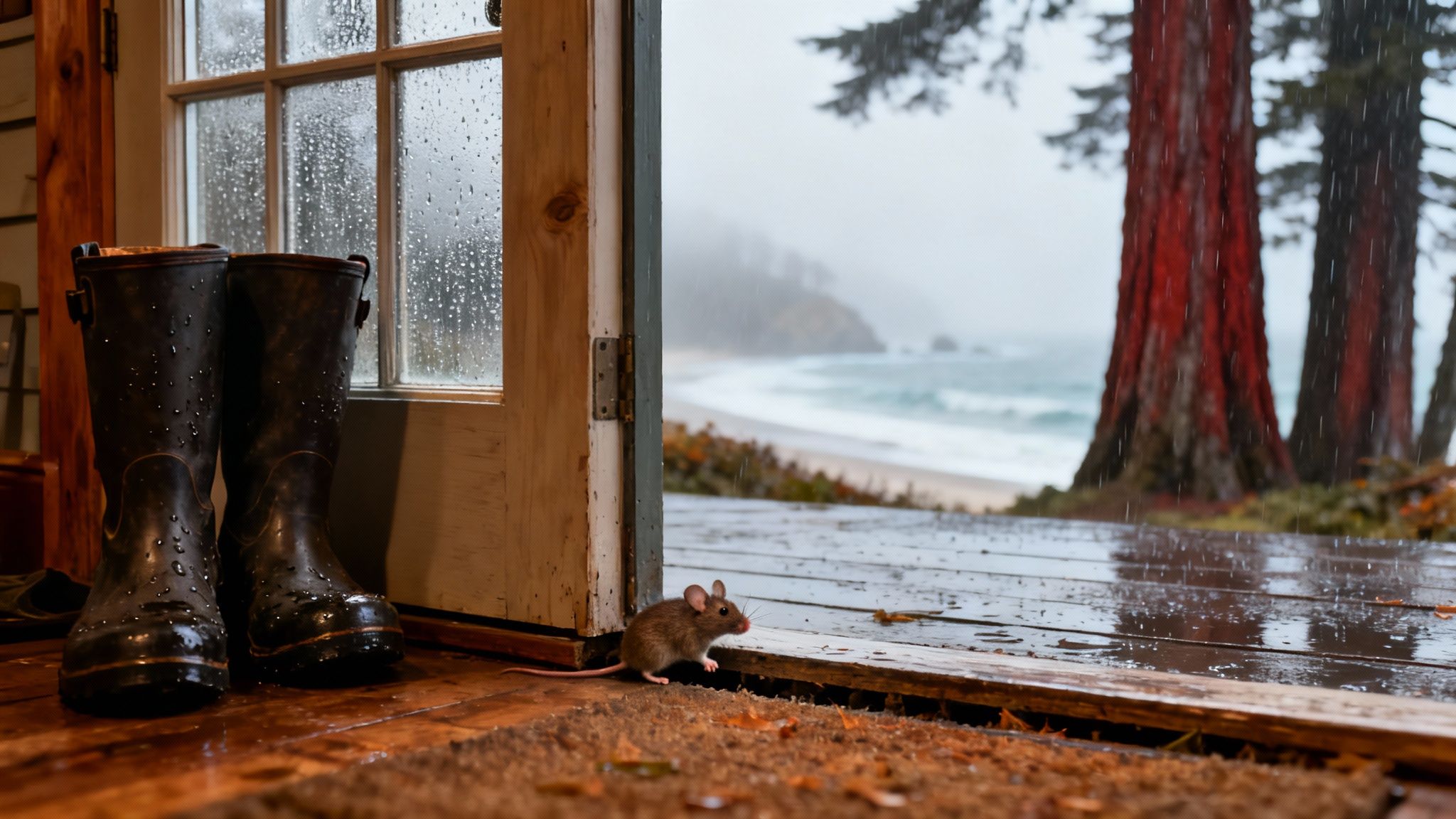
If it feels like rodent season showed up practically overnight, that's because it did.
Typically, rodents start moving indoors later in the year, closer to winter. But this fall is different for homeowners from Aptos to Scotts Valley. Early rains and a noticeable dip in our coastal temperatures have changed the natural environment for local pests.
This sudden shift creates the perfect storm for a rodent infestation. When natural food sources like seeds and berries become scarce and the ground gets wet, rodents start a desperate search for a more stable place to live. Your home—with its warm, dry spaces and crumbs—suddenly looks like the best option on the block.
Local Conditions Driving the Surge
A few factors unique to Santa Cruz are fueling this early influx. Our region's distinct microclimates mean even small weather changes can have a huge impact on pest behavior.
- Disrupted Food Supplies: Early, heavy rain can wash away the nuts and seeds that rodents depend on. This forces them to look for their next meal inside your kitchen.
- Loss of Shelter: Wet soil and colder ground make outdoor burrows and nests uncomfortable. This drives pests to seek refuge in attics, crawlspaces, and walls.
- Proximity to Nature: Many Santa Cruz homes are near canyons, creeks, and open spaces. These areas act as highways for rodents moving from their wet habitats toward your neighborhood.
Once inside, these pests breed quickly, turning a minor issue into a major headache. They bring risks, from chewing electrical wiring to contaminating food. In fact, a single female mouse can give birth to up to 60 pups in a single year.
Key Factors Driving Rodents Indoors This Fall in Santa Cruz
This table summarizes the main reasons you might be seeing more rodent activity.
| Driving Factor | Impact on Rodent Behavior | What This Means for Homeowners |
|---|---|---|
| Early, Heavy Rainfall | Natural food sources are washed away or spoiled. | Rodents become bolder in their search for food, making kitchens and pantries prime targets. |
| Cooler Coastal Temperatures | Outdoor nests and burrows become cold and damp sooner than usual. | Attics, crawlspaces, and wall voids become highly attractive nesting sites. |
| Saturated Ground Soil | Burrows flood or collapse, forcing rodents to abandon their natural shelters. | Increased pressure on homes as rodents seek any dry, stable structure for shelter. |
| Proximity to Natural Areas | Canyons and greenbelts act as direct pathways from the wild to residential areas. | Homes near open spaces are at a higher risk and need stronger perimeter defenses. |
Understanding these drivers is the first step. You can learn more about how milder winters contribute to busier pests in our detailed guide.
Why Rodent Activity Is Spiking This Fall
If you're hearing scratching in the walls, you're not alone. We're seeing more rodent activity across Santa Cruz County, and it's not a typical seasonal shift. Local environmental triggers are driving rodents indoors earlier and more aggressively this year.
The main cause is the combination of early rain followed by a sudden drop in coastal temperatures. When their food and shelter are gone, rodents' survival instincts kick in. They immediately start searching for a better place to live—and your home is at the top of their list.
Our Local Climate Is Fueling the Invasion
Santa Cruz's unique blend of coastal fog and redwood forests creates a delicate balance for local wildlife. When that balance is thrown off, the effects are immediate.
- Food and Water Are Gone: Early, heavy rains have washed away the seeds, nuts, and insects that roof rats and house mice rely on.
- Natural Shelters Are Flooded: Their outdoor burrows are now cold, wet, and uninhabitable.
- The Desperate Search for Warmth: The sudden cold snap is forcing them to find a reliable heat source, like your attic, walls, or behind appliances.
This isn't just a Santa Cruz problem. All over the country, changing weather patterns are pushing rodents indoors. According to some reports, cities are facing increased rodent pressures from PestWorld.org.
A Surge in Service Calls Confirms the Trend
Here at West Pest Co., our call volume has spiked. We've seen a clear rise in requests from coastal neighborhoods to foothill communities. Homeowners are hearing noises in their attics and walls far earlier than usual, and our data lines up with recent weather patterns.
This early rush shortens the window for prevention. What might have been a minor problem next month is already turning into an active infestation for many families.
How Rodents Are Reacting
To keep rodents out, you have to think like them. Rodents don't hibernate; they stay active all year long. This means they need a steady supply of food and a safe nesting site. Curious about their winter habits? Check out our guide on whether mice hibernate in the winter.
When their outdoor world fails them, survival is their only motivation.
Here’s their game plan:
- Explore: They’ll travel farther than usual, following scents from your home.
- Exploit: A rat can squeeze through an opening the size of a quarter, and a mouse only needs a gap the size of a dime. They will use any tiny crack in your foundation, siding, or roof.
- Establish: Once inside, they set up nests in quiet areas like attics or crawlspaces. A single female mouse can have a new litter every three weeks.
This fall’s weather has put their urgent need for indoor shelter into high gear. This makes proactive inspection and exclusion more critical than ever for Santa Cruz homeowners.
Your Proactive Home Inspection Checklist
To stop rodents from getting into your Santa Cruz home, you have to find and seal their entry points. A mouse only needs a gap the size of a dime to squeeze inside. A roof rat can flatten itself to get through an opening the size of a quarter. Your best defense is a thorough inspection of your property.
This simple infographic breaks down how environmental triggers—like the early rains we're seeing in Santa Cruz—push rodents to seek shelter in our homes.
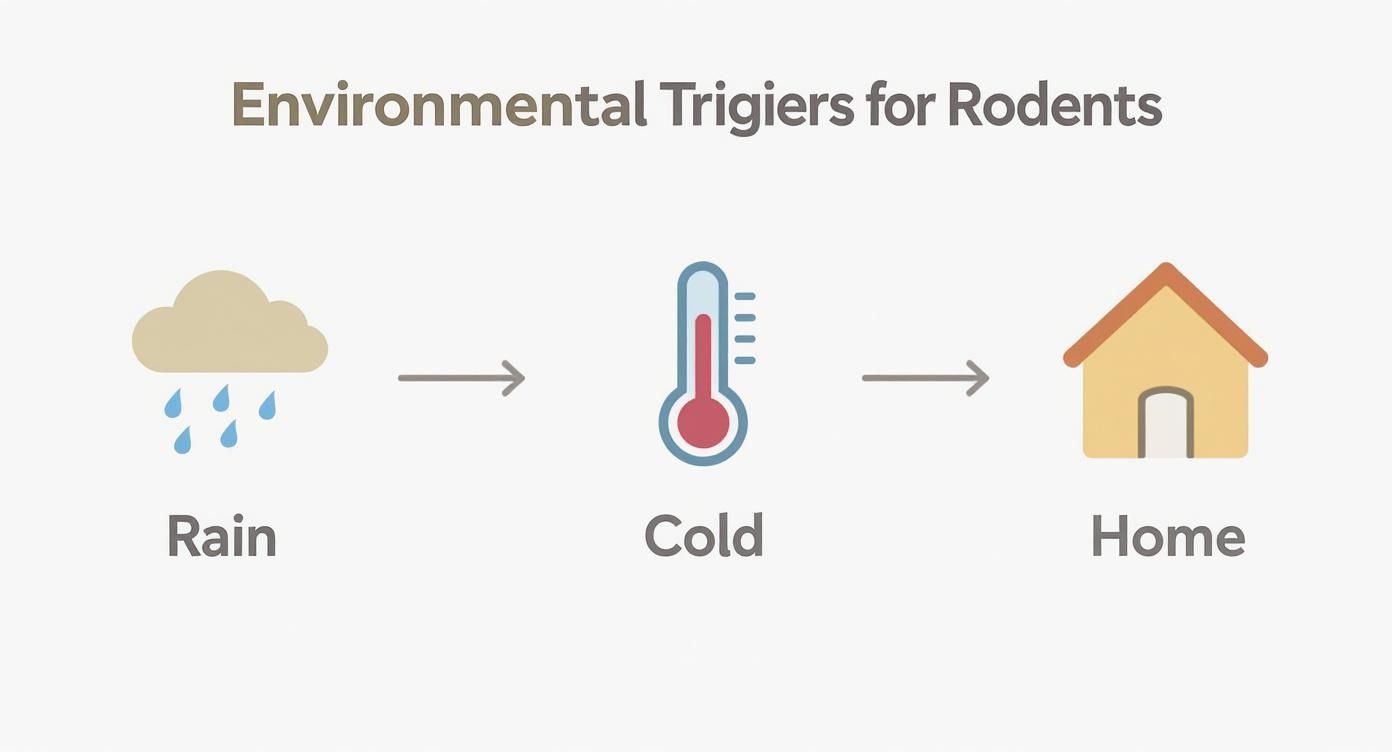
This shows how rain and cold create a direct path from their disrupted habitat straight to the warmth of your house. Understanding this helps you know where to focus your inspection.
The Exterior Audit
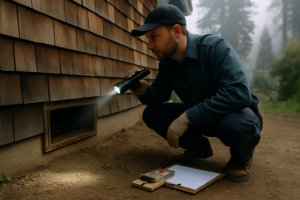
Your first line of defense is the outside of your house. Walk the entire perimeter slowly, paying close attention from the foundation up to the roofline. You’re looking for any cracks, gaps, or holes.
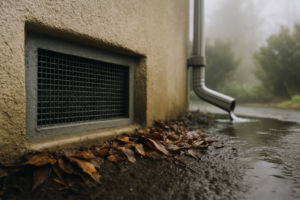
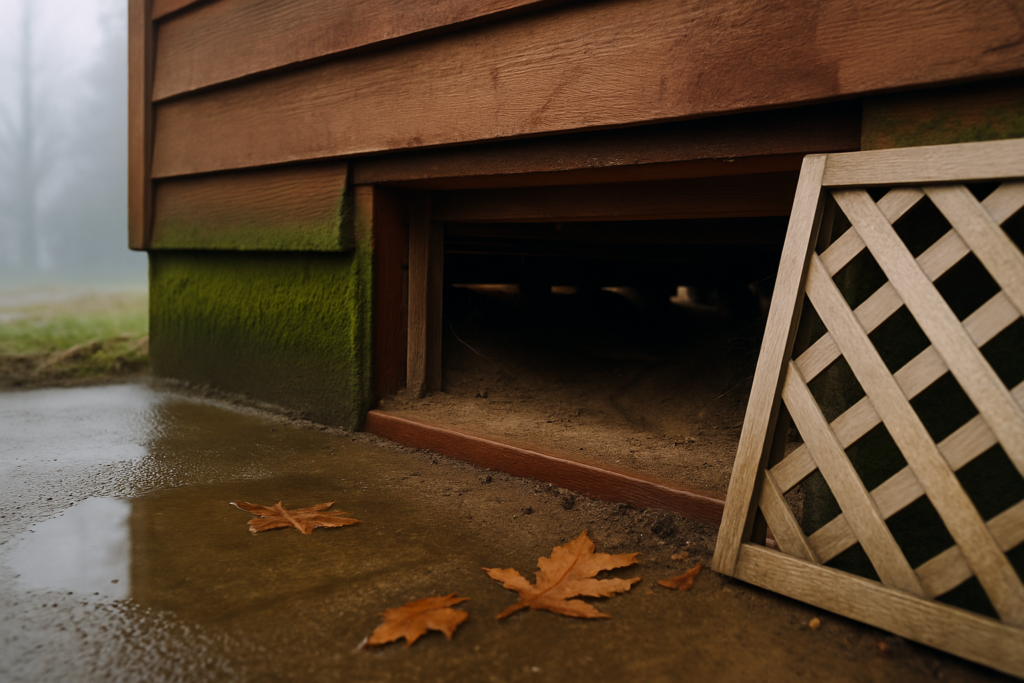
- Foundation and Vents: Check your home's foundation for cracks. Pay extra attention to crawlspace vents—a common entry point. Make sure they’re covered with a sturdy metal screen.
- Utility Entry Points: Inspect every spot where pipes, wires, or utility lines enter your home. The gaps around these are often poorly sealed and offer an easy highway for rodents.
- Siding and Eaves: Look for gaps in your siding. Don’t forget to look up! Check the eaves and roofline for any openings that could allow roof rats to climb in.
A critical part of any checklist should be routine roof inspections. Damaged shingles or loose flashing can create a hidden opening for a rat.
The Interior Audit
Once you’ve checked the outside, it’s time to move indoors. Rodents that get inside will leave clear signs. Knowing what to look for helps you catch a problem early.
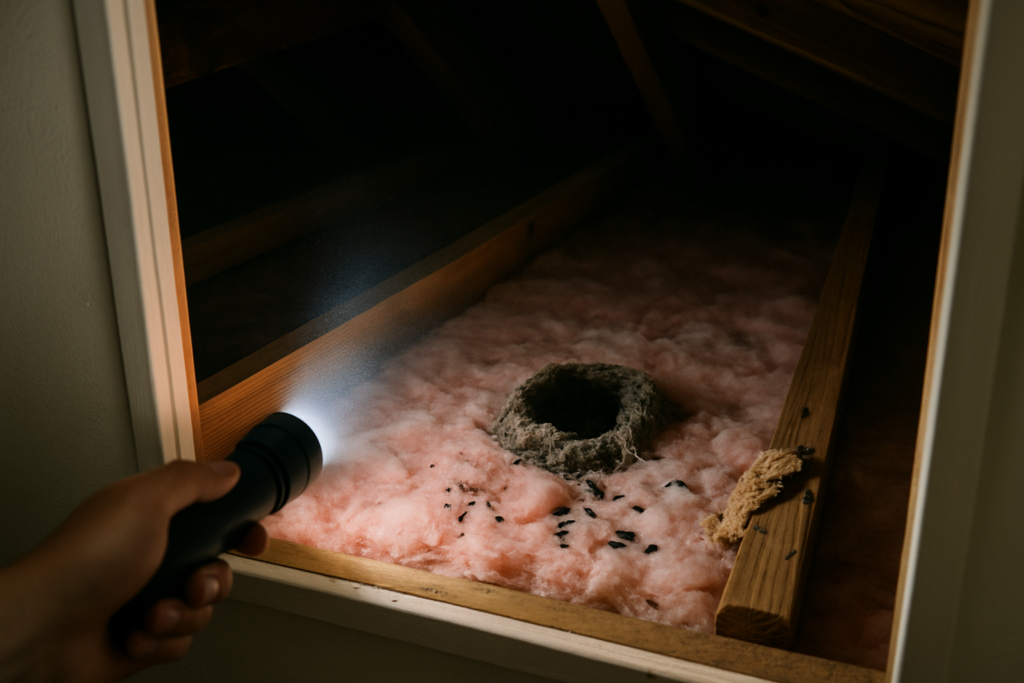
Start in the quiet areas of your home, like the attic, basement, crawlspace, and garage. These dark, undisturbed spaces are prime real estate for nesting. Grab a bright flashlight and get a close look at baseboards, corners, and behind appliances.
Common Signs of Rodent Activity
Keep your eyes open for these signs that you might have unwanted guests. Spotting any of these is a signal to take immediate action.
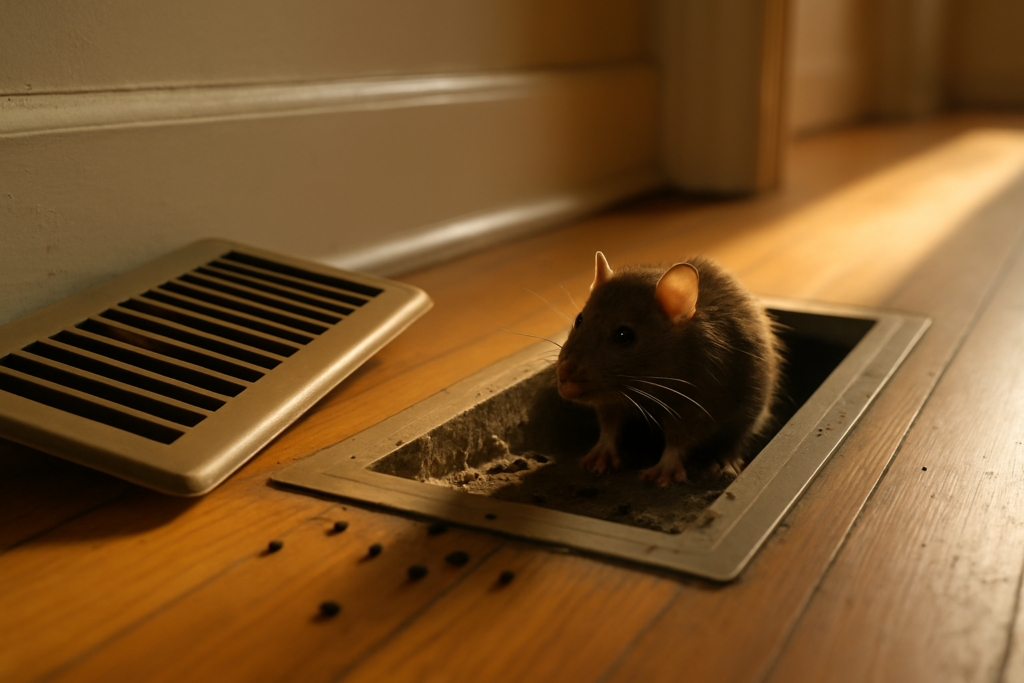
- Droppings: Small, dark, pellet-shaped droppings are the most common sign. Mouse droppings are tiny, about the size of a grain of rice, while rat droppings are larger. You'll often find them in pantries or under sinks.
- Gnaw Marks: Rodents' teeth never stop growing, so they constantly chew. Look for gnaw marks on wood, plastic, wires, and food packaging.
- Greasy Rub Marks: As rodents travel along walls, the oils from their fur leave dark, greasy smudges.
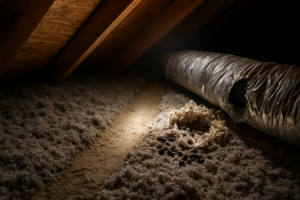
- Nests: Rodents build nests out of shredded paper, fabric, or insulation. You might find them in hidden corners of your attic or garage.
- Unusual Noises: Hear scratching, scurrying, or squeaking from inside your walls or ceilings? If it’s happening at night, that's a strong sign you have an active infestation.
A systematic approach to your home inspection is the most effective way to protect your property. For a more detailed guide, use our pest control inspection checklist to make sure you don’t miss any spots.
How to Seal Entry Points and Remove Attractants
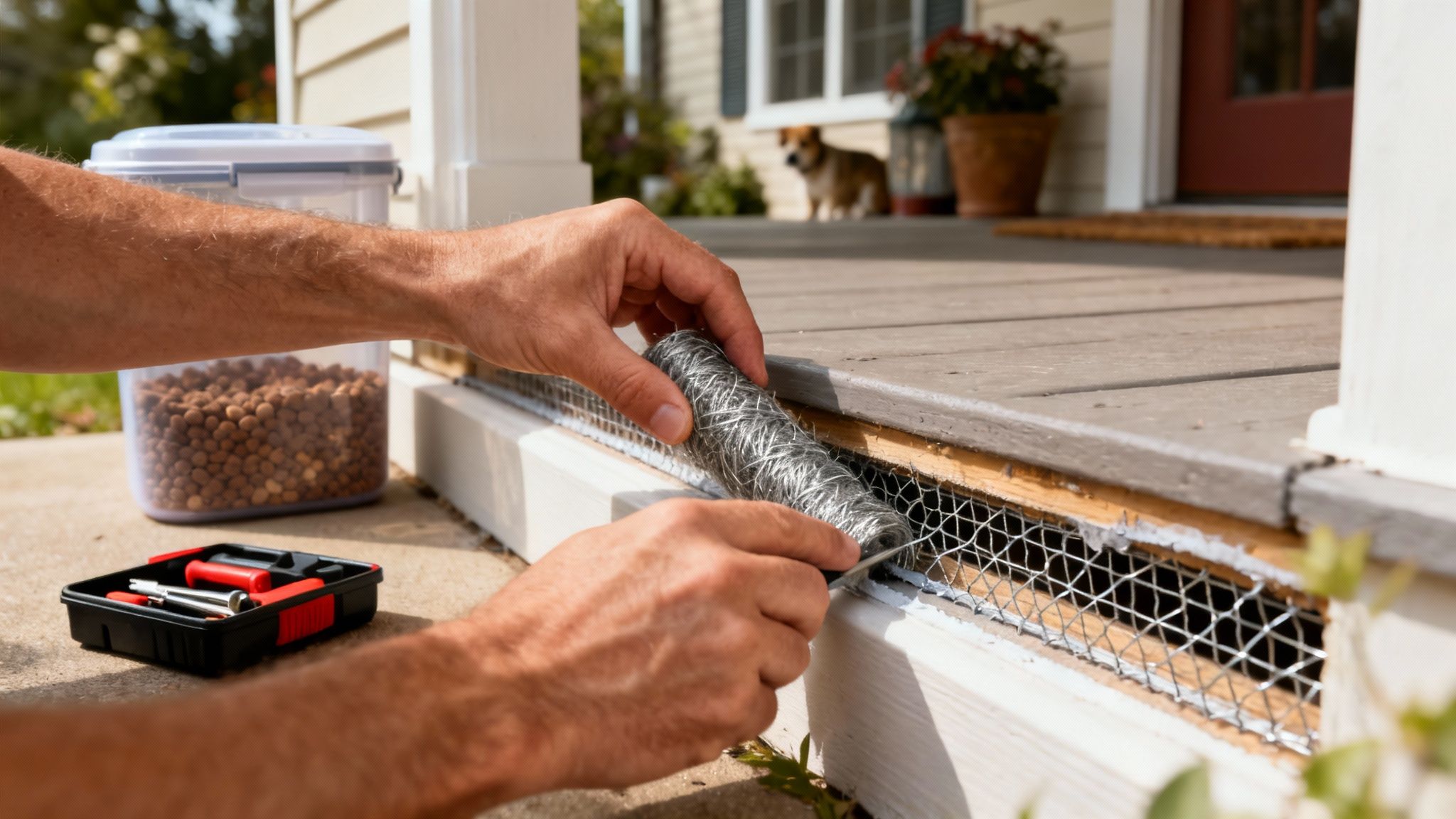
Once you’ve found your home’s weak spots, it's time to lock them down. This process, called rodent exclusion, is the most effective long-term strategy. It’s all about physically blocking potential entry points.
The key is using materials that rodents can't chew through. Flimsy materials like wood, plastic, or expanding foam won't work against their strong teeth. You need to use materials they cannot destroy.
Choosing the Right Sealing Materials
When blocking gaps, your best friends are tough, chew-proof materials. These are the go-to choices for effective exclusion:
- Steel Wool: Coarse-grade steel wool is perfect for stuffing into small holes and cracks, especially around pipes. Rodents hate the feeling of it on their teeth.
- Wire Mesh: For larger openings like vents, 1/4-inch hardware cloth is the gold standard. It’s a sturdy wire mesh that allows for airflow while creating a strong barrier.
- Sheet Metal or Metal Flashing: These are ideal for patching larger holes in siding or along the roofline.
- Mortar or Cement: For any cracks in your foundation, a permanent seal with mortar is the best solution.
Remember, a mouse can squeeze through a dime-sized hole, and a rat only needs a quarter-sized opening. No gap is too small to ignore.
Securing Common Entry Points
With your materials ready, it's time to focus on the most common rodent highways into your home. These are the spots where most rodent intrusions happen.
Vulnerable Areas to Secure:
- Crawlspace and Attic Vents: Securely fasten hardware cloth over any unscreened or damaged vents.
- Gaps Around Pipes and Utilities: Check every spot where pipes or cables enter your home. Pack small gaps tightly with steel wool and then seal over them with caulk.
- Chimneys: Roof rats are incredible climbers. Installing a professional chimney cap will keep them out.
- Doors and Windows: Make sure weather stripping forms a tight seal. Install door sweeps on all exterior doors—especially garage doors. You might need help adjusting patio doors to ensure a snug seal.
Sealing these areas is a critical part of mouse-proofing your home and is more effective than just setting traps after they’re inside.
Removing Rodent Attractants
Sealing entry points is only half the battle. You also need to make your property less appealing to rodents. This means getting rid of food, water, and shelter sources.
Start by focusing on cleanliness, both inside and outside your home. Simple changes in your daily habits can make a huge difference.
Inside Your Home:
- Secure All Food: Store pantry items like grains and pet food in airtight containers made of glass or hard plastic.
- Clean Up Spills: Wipe up crumbs and spills immediately. Never leave dirty dishes in the sink overnight.
- Manage Pet Food: Don’t leave pet food bowls out all the time. Feed your pets at specific times and clean up any leftovers.
Outside Your Home:
- Secure Trash Cans: Always use trash cans with tight-fitting lids.
- Clear Vegetation: Trim back trees and shrubs so they don’t touch your house. Keep at least a two-foot clear space around your foundation.
- Remove Debris: Get rid of old woodpiles or other clutter that can provide shelter for rodents.
By combining exclusion with sanitation, you create multiple layers of defense that make your home a much harder target for rodents this fall.
When to Call for Professional Rodent Control
DIY pest control has its place. Sometimes, a few traps can handle a lone mouse. But there’s a point where a small nuisance becomes a full-blown infestation, and that's when DIY efforts fall short. Knowing when to call in the pros is key to protecting your home.
If your efforts aren't working, or you’re seeing signs that the problem is bigger than you thought, it’s probably time to bring in an expert. Certain red flags show that the rodent population is well-established inside your walls.
Telltale Signs You Need Professional Help
If you spot any of the following, the problem has likely moved beyond your control. These are warnings of a significant rodent presence that needs immediate attention.
- Hearing Noises Inside Walls or Ceilings: That scratching or scurrying you hear at night is a classic sign of rodents nesting inside your home's structure.
- Seeing a Rodent During the Day: Rodents are naturally active at night. A daytime sighting usually means the nest is overcrowded, which points to a very large infestation.
- Widespread Droppings or a Strong Odor: Finding droppings scattered across multiple rooms means they've established territories in your home. A persistent musky smell is the unmistakable scent of nests and urine.
- Evidence of Chewed Wires or Structural Damage: Discovering gnawed electrical wires or damaged plumbing is a serious safety hazard. This level of damage requires an immediate professional assessment to prevent house fires or leaks.
Understanding when to call pest control can save you from costly repairs and stress.
The West Pest Co. Approach to Rodent Control
At West Pest Co., our process goes beyond setting a few traps. We provide a lasting solution that gets to the root cause of the problem, ensuring your Santa Cruz home stays rodent-free. Our eco-friendly approach is designed to be effective while keeping your family and pets safe.
It all starts with a thorough inspection. We meticulously check your property to find every potential entry point. Our knowledge of Santa Cruz’s homes and local rodent habits allows us to spot vulnerabilities others might miss.
Our main goal is to create a physical barrier that keeps rodents out for good. Once we map out how they're getting in, we create a strategic exclusion plan for your property. This means sealing every entry point with 100% chew-proof materials like steel wool and wire mesh. This method offers a sustainable, chemical-free solution that resolves the issue at its source.
Your Rodent Prevention Questions Answered
When you start hearing scratches in the night, a lot of questions come up. Here are answers to the most common questions our team hears from homeowners in Santa Cruz.
What Kind of Rodents Am I Dealing With in Santa Cruz?
In Santa Cruz County, you're most likely dealing with Roof Rats or House Mice. They behave differently, and knowing which one you have helps get them out.
-
Roof Rats: These are incredible climbers. You’ll often find them in attics, wall voids, and the upper parts of your garage. They are bigger than mice and have a long, scaly tail.
-
House Mice: Smaller and more curious, house mice can squeeze through a gap the size of a dime. They prefer to stay close to the kitchen and nest in pantries or behind appliances.
Because they behave so differently, our control strategies must be specific to the pest.
Do Those Ultrasonic Rodent Repellers Actually Work?
While these devices are marketed as a simple solution, evidence shows they have little to no long-term effect. A rodent might be startled by the sound at first, but they get used to it quickly and learn to ignore it.
The only truly reliable methods for rodent control are physical exclusion (sealing entry points) and sanitation (removing food and water). These steps build a real barrier that a plug-in gadget cannot match.
Are Your Rodent Control Methods Safe for My Pets?
Absolutely. At West Pest Co., the safety of your family and pets is our top priority. We specialize in an eco-friendly approach that puts exclusion and strategic trapping first. This reduces the need for toxic baits.
If a treatment product is necessary, we use solutions and tamper-proof bait stations that are designed to be inaccessible to pets and other non-target wildlife.
How Can I Tell if the Noises in My Attic Are from Rats or Something Else?
It can be tough to identify attic noises, but there are some classic clues.
-
Rats: You'll hear them almost exclusively at night. The sounds are often light scratching, quick scurrying, or faint gnawing.
-
Squirrels: These animals are active during the day. If the noise is happening while the sun is up, it’s probably a squirrel. Their movements might also sound heavier, like scampering.
The best way to know for sure is to look for other evidence, like droppings or gnaw marks. A professional inspection can identify the culprit quickly.
Does Clearing Brush Around My House Really Help?
Yes, it makes a huge difference. Overgrown ivy, dense bushes, and woodpiles against your foundation provide cover for rodents. These "harborage areas" help them hide from predators while they look for a way inside.
By maintaining a clear perimeter of at least two feet around your home, you take away their shelter. This simple landscaping task makes your property feel risky to them, encouraging them to move on.
Concerned about rodent activity at your property? You don't have to handle it alone. West Pest Co. specializes in eco-friendly rodent control tailored to the unique needs of Santa Cruz homes. We offer thorough inspections and lasting solutions that are safe for your family and pets.
Schedule your free estimate today and protect your home this fall.