Protecting a property from pests starts long before any treatments are applied. It begins with a thorough, systematic inspection that identifies not just current infestations, but also potential vulnerabilities that could invite future problems. A detailed pest control inspection checklist is the single most critical tool for homeowners, property managers, and even pest control professionals in Santa Cruz County to ensure nothing is overlooked. Without a structured approach, it’s easy to miss subtle signs of activity or hidden entry points, leading to recurring issues and costly damage down the line.
This guide provides a comprehensive, step-by-step checklist designed for both residential homes and commercial businesses. We will move beyond generic advice and dive into the specific, actionable details that professionals use to conduct a complete property assessment. You'll learn precisely what to look for, from the smallest cracks in a foundation to the environmental conditions that attract pests like rodents, ants, and termites. By following this framework, you can proactively identify and address weaknesses, creating a robust defense against unwanted intruders. This checklist empowers you to either perform a confident DIY inspection or to better understand and evaluate the work of a hired professional.
Once you have your pest control inspection checklist in hand, you'll need efficient ways to manage your schedule, especially if you're a property manager or business owner coordinating multiple sites. Consider implementing systems for things like automated appointment reminders to streamline your operations and ensure inspections happen on time. Now, let’s explore the essential components of an effective inspection.
1. Entry Point Inspection
An entry point inspection is the foundational first step in any effective pest control inspection checklist. This process involves a meticulous examination of a building's entire exterior and interior to identify and document every potential access point pests could use to get inside. Think of your property as a fortress; this inspection is about finding every crack in the walls, every unguarded gate, and every secret tunnel.
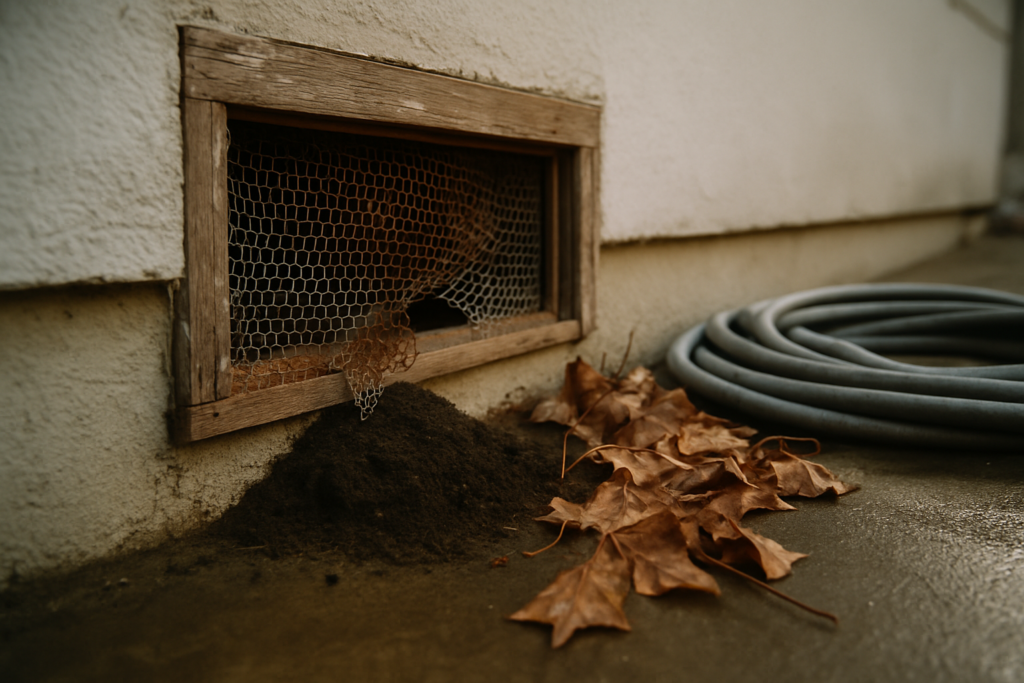
This isn't just about looking for obvious holes. It’s a comprehensive assessment of doors, windows, utility penetrations (where pipes and wires enter), vents, and structural gaps in the foundation or roofline. Pests are incredibly resourceful; a mouse can squeeze through a hole the size of a dime, and many insects need only a hairline crack.

Why It's a Critical First Step
Identifying and sealing entry points is a proactive strategy that stops infestations before they begin. By blocking access, you drastically reduce the reliance on chemical treatments, creating a safer environment for families and employees. This "exclusion" method is a cornerstone of Integrated Pest Management (IPM) and offers long-term, sustainable protection against a wide variety of pests, from rodents to insects like spiders. For more information on preventing common pests through exclusion, you can explore tips on how to prevent spiders.
Real-World Implementation Examples
Leading businesses understand the power of rigorous entry point inspections:
- Marriott Hotels: Conduct quarterly audits of all potential entry points, including guest room balconies, service corridors, and kitchen ventilation systems, to protect their reputation and ensure guest comfort.
- Amazon Warehouses: Perform weekly checks at high-traffic areas like loading docks and overhead doors, recognizing these are primary vulnerabilities for pests that can damage inventory.
Actionable Inspection Tips
To conduct a thorough entry point inspection for your own property, follow these professional-grade steps:
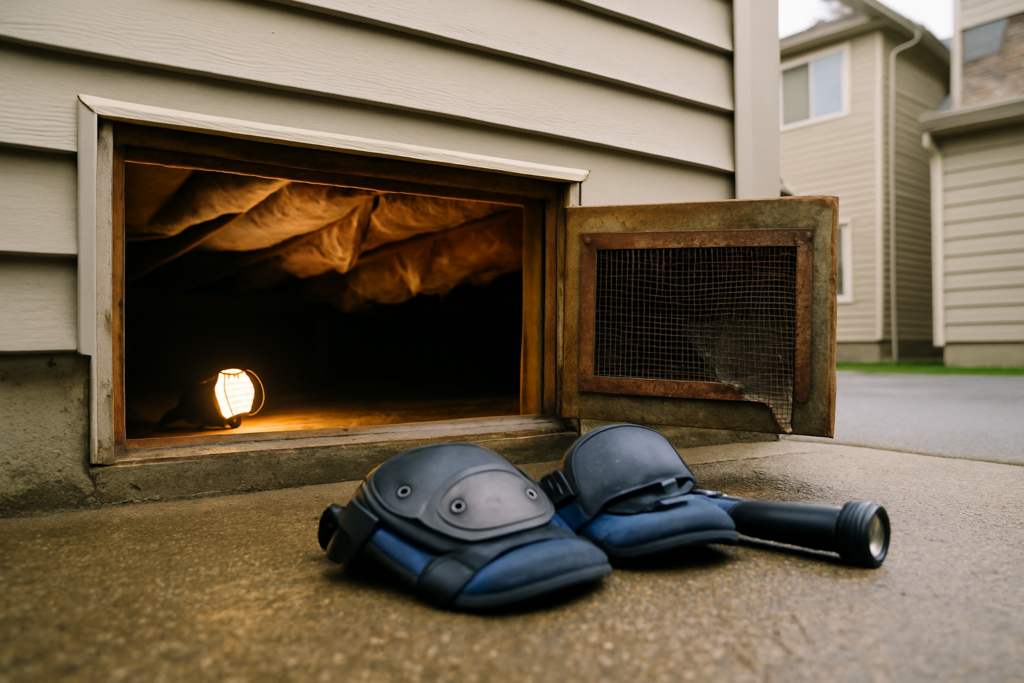
- Use a Flashlight: Even in daylight, a bright flashlight is essential for illuminating dark corners, crawl spaces, and deep crevices where pests hide and enter.
- Check Weather Stripping: Inspect all doors and windows for worn, cracked, or missing weather stripping and door sweeps. A piece of paper should not be able to slide easily underneath a closed door.
- Document Everything: Use your smartphone to take photos of any gaps or holes you find. Note the location and size to create a prioritized repair list.
- Inspect Utility Lines: Carefully examine where pipes, electrical conduits, and HVAC lines enter the building. Gaps around these penetrations are common entryways for pests. Seal them with caulk or expanding foam.
2. Sanitation and Cleanliness Assessment
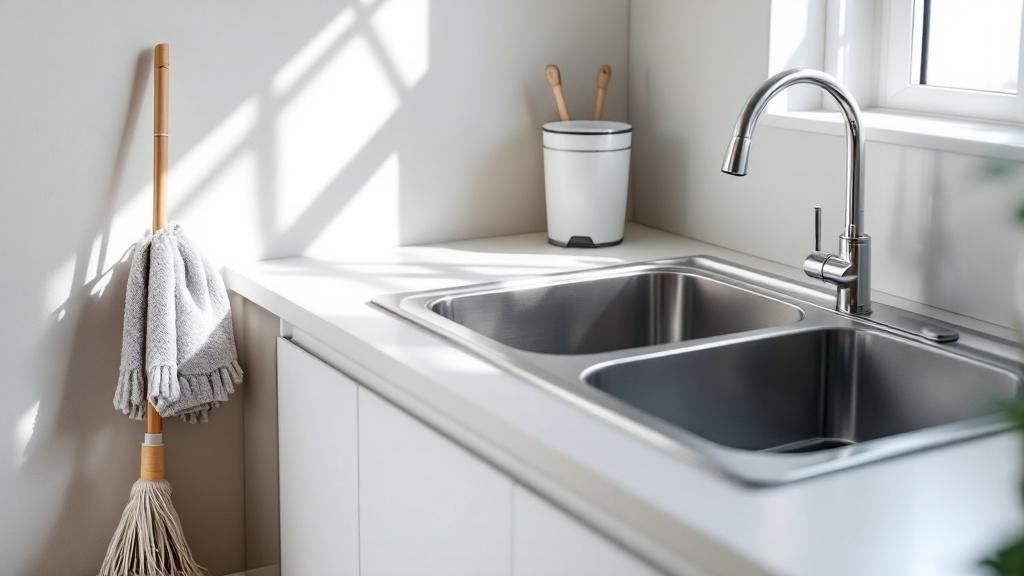
A sanitation and cleanliness assessment is a vital component of a comprehensive pest control inspection checklist. It moves beyond just looking for pests and focuses on identifying the underlying conditions that attract them in the first place. This evaluation scrutinizes cleaning protocols, waste management systems, and overall hygiene to find food sources, water, and harborage sites that support pest populations. Essentially, if entry points are the doors for pests, poor sanitation is the welcome mat and a fully stocked pantry.
This process involves a detailed look at areas where food debris, spills, grease, and moisture accumulate, which are often out of sight. Pests like cockroaches, rodents, and ants are drawn to these unsanitary conditions, making a clean environment your first line of defense. The goal is to eliminate the resources pests need to survive and thrive.
Why It's a Critical Step
Proper sanitation directly disrupts the pest life cycle by removing essential food and water. This is a foundational principle of Integrated Pest Management (IPM), championed by pioneers like Dr. Austin Frishman, who emphasized that eliminating favorable conditions is more effective and sustainable than relying solely on pesticides. A clean property is less attractive to pests, which reduces the likelihood of an infestation taking hold and minimizes the need for chemical interventions. For homeowners with pets, maintaining a clean environment is also a key strategy for pest control, and you can learn more about how sanitation impacts flea and tick prevention on westpestco.com.
Real-World Implementation Examples
Top-tier organizations integrate sanitation into their core operational procedures to prevent pests:
- Starbucks: Implements daily, non-negotiable sanitation checklists for all food and beverage equipment, ensuring no sugary residues are left overnight to attract ants and cockroaches.
- Walmart Grocery Sections: Adhere to strict protocols that include hourly cleaning logs for high-traffic areas and an immediate spill response system to eliminate potential food sources for pests before they can be discovered.
- Hospital Cafeterias: Follow rigorous sanitation standards, often with real-time monitoring and documented cleaning schedules, to meet health codes and prevent pests in a highly sensitive environment.
Actionable Inspection Tips
To effectively assess the sanitation of your property as part of your pest control inspection checklist, apply these professional techniques:
- Focus on Food and Water: Prioritize kitchens, break rooms, bathrooms, and utility closets. Check behind and under appliances like refrigerators and ovens where crumbs and grease accumulate.
- Inspect Waste Disposal: Examine trash and recycling bins for cleanliness and ensure they have tight-fitting lids. Check the area around dumpsters for spills and debris.
- Maintain Cleaning Logs: For commercial properties, create and maintain detailed cleaning schedules. This ensures accountability and consistent hygiene standards.
- Address Moisture Immediately: Look for and repair leaky faucets, pipes, or drains. Check for condensation around HVAC units and eliminate any standing water, as it's a primary resource for all pests.
3. Pest Activity Monitoring
Beyond just looking for ways pests can get in, a crucial part of any pest control inspection checklist is actively monitoring for signs of current pest activity. This systematic process involves the observation and documentation of any evidence of a pest presence. It’s about being a detective, piecing together clues to understand what species you're dealing with, the size of their population, and their specific behaviors and patterns.
This step moves from prevention to diagnosis. It requires a detailed search for droppings, nests, chew marks, grease trails, shed skins, and actual pest sightings. By carefully analyzing this evidence, you can determine the scope and severity of an existing infestation, which is essential for developing a targeted and effective treatment plan.

Why It's a Critical Diagnostic Step
Systematic monitoring provides the data needed to make informed decisions. Instead of a "spray and pray" approach, you can identify high-activity zones and tailor treatments to the specific pest, minimizing the use of pesticides and maximizing effectiveness. This data-driven strategy is a core component of Integrated Pest Management (IPM), ensuring that interventions are both precise and justified, which is particularly important for eco-conscious residents and businesses.
Real-World Implementation Examples
High-stakes environments rely on constant and detailed monitoring to prevent outbreaks:
- Food Processing Plants: Many now use sophisticated electronic monitoring systems with sensors that provide real-time alerts for rodent or insect activity near production lines, preventing costly contamination events.
- Cruise Ship Galleys: To maintain impeccable hygiene standards, these facilities conduct daily pest activity monitoring using standardized reporting forms and strategically placed glue traps, with findings reviewed by the head chef and sanitation officer.
- School Districts: Often implement weekly pest monitoring protocols in cafeterias, classrooms, and storage areas. Detailed logs and documentation are required to ensure child safety and comply with public health regulations.
Actionable Inspection Tips
To effectively monitor for pest activity on your property, implement these professional techniques:
- Use Identification Guides: Keep a pest identification guide or use a smartphone app to accurately determine the species you find. Correctly identifying a pest is the first step to knowing its habits and how to control it.
- Document with Detail: Take clear photos of droppings, damage, or pests. In your notes, record the date, time, specific location, and the quantity of evidence found. This log becomes an invaluable tool for tracking trends.
- Vary Your Timing: Some pests are nocturnal. Conduct inspections at different times of the day, including early morning and after dark with a flashlight, to get a complete picture of activity.
- Focus on Hot Spots: Pay extra attention to areas with a history of pest problems or those providing ideal conditions like moisture and food, such as kitchens, bathrooms, utility rooms, and basements.
4. Trap and Monitoring Device Inspection
A trap and monitoring device inspection is a data-driven component of a professional pest control inspection checklist. It involves the systematic review of all installed devices, such as rodent bait stations, sticky traps, pheromone lures, and advanced electronic monitoring systems. This is not simply checking if a trap has caught something; it's about evaluating device placement, condition, and effectiveness to gather crucial intelligence on pest activity.
This process transforms traps from passive control tools into active data points. By analyzing what is, or isn't, being caught, pest management professionals can understand pest types, population density, and travel patterns. This information is essential for making strategic decisions, refining treatment plans, and predicting future vulnerabilities before they escalate into full-blown infestations.

Why It's a Critical Step
Inspecting monitoring devices provides the hard evidence needed to justify and direct pest control efforts. It moves pest management from a reactive, guesswork-based approach to a proactive, evidence-based science. This is a core principle of Integrated Pest Management (IPM), championed by industry pioneers like Bell Laboratories. Consistent monitoring allows for precise, targeted interventions, minimizing unnecessary pesticide application and focusing resources where they are most needed for maximum impact.
Real-World Implementation Examples
Leading organizations in sensitive industries rely on meticulous trap monitoring to maintain compliance and safety:
- Pepsi Bottling Facilities: Many locations utilize advanced electronic rodent monitoring systems that provide real-time alerts to facility managers' smartphones, allowing for immediate response to activity near production lines.
- Whole Foods Stores: Implement comprehensive trap monitoring programs with strict weekly inspection schedules for all bait stations and insect traps to meet rigorous health and safety standards.
- Airport Terminals: Employ specialized fly traps and monitoring systems in food courts and passenger areas, using the data to guide sanitation schedules and targeted treatments without disrupting operations.
Actionable Inspection Tips
To effectively integrate device inspection into your pest management routine, follow these professional steps:
- Maintain a Trap Map: Create and maintain a detailed map of all device locations. This ensures no trap is ever missed during an inspection and helps visualize pest activity patterns across the property.
- Check and Record Consistently: Inspect all traps on a regular schedule. Document findings meticulously, noting the date, location, pest type, and number of captures. This log is your most valuable asset for trend analysis.
- Assess Device Condition: Replace sticky traps when they become full of debris, dust, or pests, as this reduces their effectiveness. Ensure bait in bait stations is fresh and hasn't been spoiled by moisture or mold.
- Optimize Placement: Use the data you collect to optimize trap placement. If a trap along a wall consistently shows no activity but you see signs nearby, move the trap to a more strategic position, such as closer to a suspected entry point or resource.
5. Structural Condition Evaluation
A structural condition evaluation goes beyond looking for simple entry points; it's a deep dive into the overall health and integrity of the building itself. This step in the pest control inspection checklist assesses foundational elements, roofing, walls, and other key structural components for conditions that create ideal habitats for pests or facilitate their spread. Think of it as a building's physical health check-up, where signs of decay, damage, or poor maintenance are flagged as vulnerabilities.
Pests are opportunistic and thrive in environments with structural weaknesses. A cracked foundation, a sagging roofline allowing moisture to accumulate, or deteriorating siding can provide not just entry, but also the shelter and moisture pests need to establish a thriving colony. This evaluation is about identifying and addressing these root causes before they lead to a major infestation.
Why It's a Critical Step
Evaluating the building's structure is a preventative measure that addresses pest-conducive conditions at their source. Damaged structural elements often lead to moisture problems, which are a primary attractant for pests like termites, carpenter ants, cockroaches, and mold mites. By identifying and repairing these issues, you eliminate the very conditions that allow pests to flourish, making your property inherently less attractive to them. This proactive approach supports long-term pest management and protects the building's value.
Real-World Implementation Examples
Leading organizations integrate structural assessments into their maintenance protocols to prevent pest issues:
- Target Stores: Conduct quarterly structural assessments focusing on loading dock seals, roof penetrations, and exterior wall integrity to prevent pests from compromising food and product storage areas.
- Apartment Complexes: Often perform annual structural evaluations as part of their capital improvement planning, specifically looking for foundation cracks, deteriorating balconies, and utility chase integrity that could allow pests to move between units.
- Manufacturing Facilities: Implement robust preventive maintenance programs that include regular checks of structural elements like flooring, drainage systems, and wall junctions to meet health and safety compliance standards.
Actionable Inspection Tips
To conduct a professional-level structural evaluation, incorporate these steps into your pest control inspection checklist:
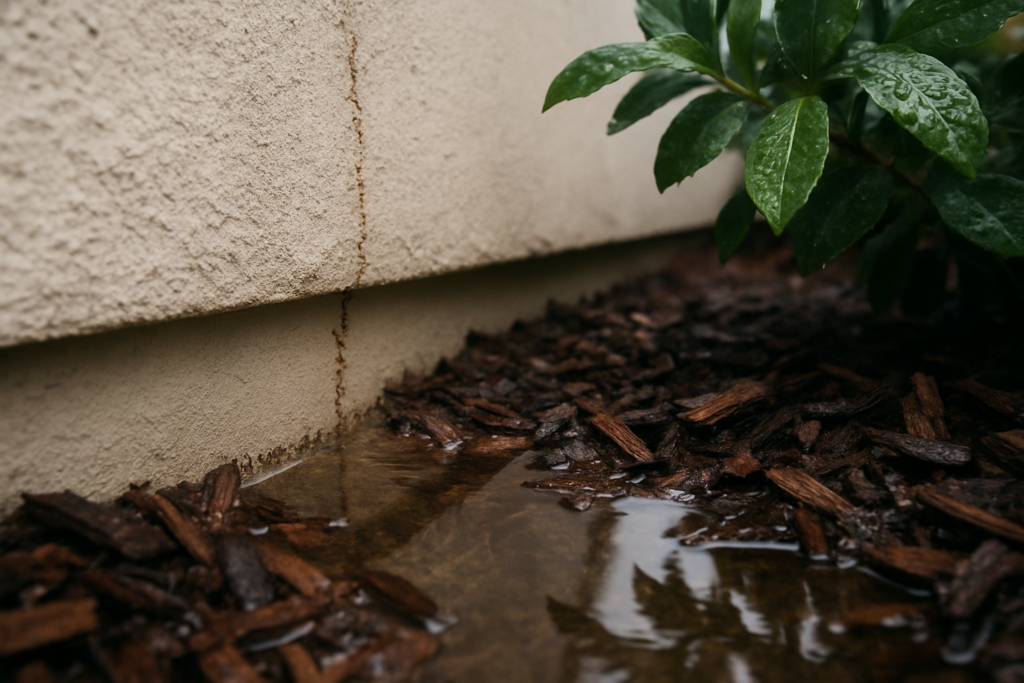
- Focus on Moisture Zones First: Prioritize areas prone to water accumulation like foundations, basements, crawl spaces, rooflines, and around plumbing fixtures. Look for water stains, rot, and decay.
- Document with Detail: Use a camera to take clear photos of any structural issues found. Note the exact location and include measurements of cracks or damage to help create a precise repair plan.
- Prioritize Repairs by Risk: Not all structural issues pose an equal pest threat. Rank repairs based on their potential to harbor pests or allow moisture intrusion, tackling the highest-risk items first.
- Coordinate with Maintenance Teams: For commercial properties, share your findings with facility maintenance or contractors. A collaborative approach ensures that structural repairs are done correctly to achieve pest exclusion goals.
6. Chemical Treatment Application Review
A chemical treatment application review is a critical audit of all pesticide use within a pest management program. This step moves beyond simply spraying and involves a comprehensive evaluation of the products selected, the methods of application, timing, and overall effectiveness. It’s an accountability measure that ensures chemicals are used responsibly, safely, and only when necessary.
This process scrutinizes whether the treatment aligns with Integrated Pest Management (IPM) principles, which prioritize non-chemical solutions first. Pioneered by figures like Rachel Carson, whose book Silent Spring highlighted the dangers of indiscriminate pesticide use, and enforced by bodies like the Environmental Protection Agency (EPA), this review is about intelligent and targeted application, not just elimination. It's a key part of any modern pest control inspection checklist.
Why It's a Critical Step for Safety and Efficacy
Reviewing chemical applications is essential for ensuring safety, compliance, and long-term success. It confirms that treatments are not only effective but also adhere to strict legal and environmental standards, protecting occupants, pets, and non-target wildlife. This audit prevents over-reliance on chemicals, which can lead to pesticide resistance, and ensures that the most targeted, lowest-toxicity options are used, creating a healthier environment for everyone.
Real-World Implementation Examples
Leading organizations demonstrate the importance of meticulous chemical application reviews:
- Hilton Hotels: Maintain detailed chemical application logs for every treatment, which are subject to both internal and third-party auditing to ensure compliance with hospitality industry safety standards.
- Costco Warehouses: Implement strict protocols for any restricted-use pesticides, requiring certified applicator oversight and extensive documentation to protect both products and personnel.
- School Districts: Often follow state-mandated IPM guidelines that demand minimal chemical usage. Any application requires extensive justification, parental notification, and detailed record-keeping.
Actionable Inspection Tips
To effectively review chemical applications on your property or with your provider, use these professional tips:
- Always Follow the Label: The product label is a legal document. Ensure every application follows the manufacturer's instructions for mixing, application rates, and target pests exactly.
- Maintain Detailed Records: Keep a log of every chemical application. Document the date, time, location, product used, concentration, and the pest being targeted. This is crucial for tracking effectiveness and ensuring accountability.
- Use the Least Toxic Products First: When a chemical is necessary, start with the lowest-toxicity option that is still effective for the target pest. Prioritize biorational products or targeted baits over broad-spectrum sprays.
- Ensure Proper PPE Usage: Verify that anyone applying pesticides is using the correct Personal Protective Equipment (PPE) as specified on the product label, including gloves, masks, and eye protection.
7. Environmental Conditions Assessment
An environmental conditions assessment is a crucial, often overlooked, component of a professional pest control inspection checklist. This step involves evaluating the non-structural factors within a property, such as temperature, humidity, lighting, and air circulation, that create an inviting habitat for pests. Pests, like all living organisms, have specific environmental preferences; understanding and manipulating these conditions can make your property inherently less attractive to them.
This assessment goes beyond just looking for physical entry points. It’s about recognizing that a damp, dark basement is a paradise for cockroaches and silverfish, or that a warm, stagnant pantry is the perfect breeding ground for stored product pests. By identifying and modifying these micro-climates, you can disrupt pest life cycles and significantly reduce the likelihood of an infestation.
Why It's a Critical Step
Controlling environmental conditions is a powerful form of preventative pest control that directly impacts a pest's ability to survive and thrive. Adjusting temperature, improving ventilation, or managing moisture levels can be more effective and sustainable than reactive chemical treatments. This proactive approach aligns with Integrated Pest Management (IPM) principles by creating an environment where pests simply cannot flourish, thereby protecting property and health in an eco-conscious manner.
Real-World Implementation Examples
Smart businesses leverage environmental controls to maintain pest-free operations:
- Grocery Stores: Actively monitor and control humidity levels in produce and bakery sections. This simple adjustment helps prevent the rapid development of fruit flies and mold, which attract other pests.
- Restaurants: Implement strategic lighting schedules, using less attractive yellow or sodium vapor lights for exterior fixtures and turning off unnecessary lights overnight to reduce the attraction for flying insects like moths and beetles.
- Warehouses: Utilize temperature monitoring and industrial dehumidifiers in storage areas. This prevents the warm, humid conditions that allow stored product pests, such as weevils and grain moths, to reproduce and damage inventory.
Actionable Inspection Tips
To perform an effective environmental conditions assessment, integrate these professional techniques into your checklist:
- Use Monitoring Tools: Deploy digital hygrometers (humidity sensors) or data loggers in problem areas like basements, crawl spaces, and kitchens to get accurate, continuous readings of temperature and moisture.
- Focus on Problem Areas: Pay special attention to areas with known pest pressure or conducive conditions. Check under sinks for leaks, inspect HVAC units for proper drainage, and ensure crawl space vents are clear to promote air circulation.
- Consider Seasonal Shifts: Recognize that environmental conditions change with the seasons. A dry attic in the summer may become a damp haven for pests during the rainy winter. Adjust your assessment and mitigation strategies accordingly.
- Document and Correlate: Keep a log of your environmental readings and any observed pest activity. This helps establish clear correlations, such as a spike in ant activity whenever humidity rises above 70%, allowing for targeted interventions.
8. Documentation and Record Keeping Review
A documentation and record keeping review is a critical component of a professional pest control inspection checklist. This process involves a comprehensive evaluation of all pest-related paperwork, including past inspection reports, treatment records, monitoring data, and any documents required for regulatory compliance. It’s the administrative backbone of your pest management program, turning isolated actions into a coherent, data-driven strategy.
This review is not simply about filing papers; it's about creating a historical narrative of pest activity on your property. By analyzing these records, you can identify trends, assess the effectiveness of past treatments, and prove compliance with health and safety standards. Think of it as the program's memory, ensuring that valuable insights are never lost and that future decisions are based on evidence, not guesswork.
Why It's a Critical Step
Meticulous documentation is the hallmark of a professional Integrated Pest Management (IPM) program and is often mandated in commercial settings like food service and healthcare. It provides proof of due diligence, tracks pesticide usage, and helps pinpoint chronic problem areas that require structural or procedural changes. This data-driven approach allows for more targeted, effective interventions, reducing long-term costs and minimizing the reliance on chemical treatments. The practice was heavily popularized by programs like QualityPro certification and ISO 9001 quality management systems, which emphasize standardized, systematic record keeping.
Real-World Implementation Examples
Leading organizations use robust documentation to maintain control and ensure compliance:
- Sysco Food Distribution Centers: Maintain comprehensive digital pest control records with automated reporting, allowing them to instantly track pest trends across massive facilities and ensure food safety standards are met.
- Marriott Hotels: Utilize cloud-based documentation systems for multi-property pest management, enabling corporate oversight and ensuring consistent service standards and brand protection across all locations.
Actionable Inspection Tips
To ensure your documentation process is effective, integrate these professional practices:
- Use Standardized Forms: Implement standardized checklists and report forms for all inspections and treatments. This ensures consistency and makes it easier to compare data over time.
- Go Digital: To enhance efficiency and accuracy, consider leveraging mobile technology for field operations. Digital systems allow for real-time data entry, photo documentation, and easier report generation.
- Train Your Staff: Ensure everyone involved, from technicians to administrative staff, is trained on proper documentation procedures. Consistency is key to creating a useful historical record.
- Conduct Regular Audits: Periodically review your records to check for completeness, accuracy, and legibility. Audits help identify gaps in your process before they become a significant issue.
8-Point Pest Control Inspection Checklist Comparison
| Inspection Type | Implementation Complexity 🔄 | Resource Requirements ⚡ | Expected Outcomes 📊 | Ideal Use Cases 💡 | Key Advantages ⭐ |
|---|---|---|---|---|---|
| Entry Point Inspection | Moderate – detailed visual and structural checks | Low to Moderate – basic tools, time intensive | Long-term pest entry prevention | Facilities aiming to block pest entry points | Cost-effective, reduces chemical needs |
| Sanitation and Cleanliness Assessment | Moderate to High – ongoing training and monitoring | Moderate – staff time, cleaning supplies | Improved hygiene, reduced pest attractants | Food service and hygienic-sensitive sites | Addresses root causes, enhances safety |
| Pest Activity Monitoring | High – requires pest ID expertise and regular checks | Moderate to High – skilled personnel, possible tools | Real-time pest data, early detection | Large or high-risk facilities | Enables targeted treatments, tracks effectiveness |
| Trap and Monitoring Device Inspection | Moderate – device setup and regular maintenance | Moderate – costs for devices and upkeep | Quantifiable pest activity data | Sites using integrated pest management | Continuous monitoring, reduces chemicals |
| Structural Condition Evaluation | High – detailed building assessments, may need experts | High – inspections plus potential repairs | Long-term pest prevention, improves building integrity | Facilities with aging or complex buildings | Prevents recurring issues, identifies costly problems |
| Chemical Treatment Application Review | High – requires regulatory knowledge and documentation | Moderate to High – trained applicators, records | Regulatory compliance, treatment optimization | Facilities using chemical pest control | Maximizes effectiveness, minimizes risk |
| Environmental Conditions Assessment | Moderate – specialized equipment, periodic checks | Moderate – monitoring devices | Identifies pest-favorable conditions | Locations affected by environmental factors | Enables proactive modifications, predictive data |
| Documentation and Record Keeping Review | Moderate – consistent staff training, system setup | Moderate – digital/manual record systems | Regulatory compliance, program improvement | All pest management programs | Ensures compliance, facilitates trend analysis |
Final Thoughts
Completing a thorough pest control inspection is not merely about spotting a stray ant or a single spiderweb. It's a comprehensive diagnostic process that transforms you from a reactive victim of pest problems into a proactive guardian of your property’s health and integrity. The detailed pest control inspection checklist we've explored throughout this article provides a systematic framework, ensuring no stone is left unturned and no potential vulnerability is overlooked. By moving methodically from exterior entry points and structural conditions to interior sanitation and detailed record-keeping, you build a multi-layered defense against unwanted invaders.
This approach empowers homeowners in Santa Cruz County, commercial property managers, and real estate professionals to take control. It shifts the focus from simply treating infestations as they appear to understanding the root causes, creating an environment where pests simply cannot thrive. This is the cornerstone of effective, long-term integrated pest management (IPM).
Key Takeaways: From Checklist to Action Plan
Let's distill the core principles from our comprehensive checklist into actionable takeaways. Mastering these concepts is what separates a temporary fix from a lasting solution.
- Pests Exploit Weaknesses: Remember that pests are opportunists. A tiny crack in the foundation, a leaky pipe under a sink, or a collection of crumbs behind a stove are open invitations. Your inspection's primary goal is to identify and eliminate these opportunities before they are discovered.
- Sanitation is a Non-Negotiable Defense: You cannot spray your way out of a sanitation problem. Consistently addressing food storage, waste management, and clutter is one of the most powerful, non-chemical pest control tools at your disposal. This was a critical point in our sanitation assessment section, and it remains a foundational truth.
- Documentation Creates Intelligence: Keeping detailed records, as outlined in our final checklist point, is not just administrative busywork. It transforms your observations into valuable data. This logbook becomes your strategic guide, revealing patterns, tracking the effectiveness of treatments, and predicting potential future issues, which is especially critical for commercial properties facing audits or health inspections.
Key Insight: A successful pest management strategy is not a one-time event but a continuous cycle of inspection, action, documentation, and evaluation. Your checklist is the engine that drives this cycle forward.
The Power of a Proactive Stance
The true value of diligently using a pest control inspection checklist lies in its preventative power. For a homeowner, this means protecting your family’s health and the significant financial investment you have in your home. For a business owner or property manager, it means safeguarding your reputation, ensuring regulatory compliance, and protecting your bottom line from the costs associated with infestations and property damage. For gardeners and landscapers in our unique coastal environment, it’s about preserving the beauty and health of our local flora against threats like gophers and plant-specific pests.
By adopting this structured approach, you are not just checking boxes. You are actively reducing your reliance on chemical treatments, promoting a healthier living and working environment, and gaining invaluable peace of mind. You are building a resilient property that is inherently less attractive to pests. This proactive, informed stance is the ultimate goal, turning what was once a source of stress and anxiety into a manageable and systematic aspect of property maintenance. Embrace the checklist, make it a routine, and watch as you build a stronger, safer, and pest-free space.
When you need an expert eye to conduct a professional evaluation or implement an eco-conscious treatment plan, the team at West Pest Co. is here to help. Our technicians are masters of the comprehensive pest control inspection checklist, providing Santa Cruz County residents and businesses with targeted, effective, and environmentally responsible solutions. Visit us at West Pest Co. to schedule your detailed inspection today.