It’s not just your imagination—pests in Santa Cruz are sticking around longer. Our milder winters and changing weather patterns mean the pests that used to disappear in cooler months are now a year-round problem. For homeowners, this means the old approach to pest control is no longer enough.
Why Santa Cruz Pests No Longer Take a Winter Break
Have you found ants on your kitchen counter in February? Or heard scratching in the walls during a December rainstorm? You're not alone. The climate in Santa Cruz County is changing, and it directly impacts local pest behavior.
Our warmer winters mean pests don't get the signal to hibernate or die off. Instead, they stay active, searching for warmth, food, and a cozy place to hide from the cold. More often than not, that cozy place is your home.
This infographic shows the connection between our changing climate and the pests trying to move into your home.
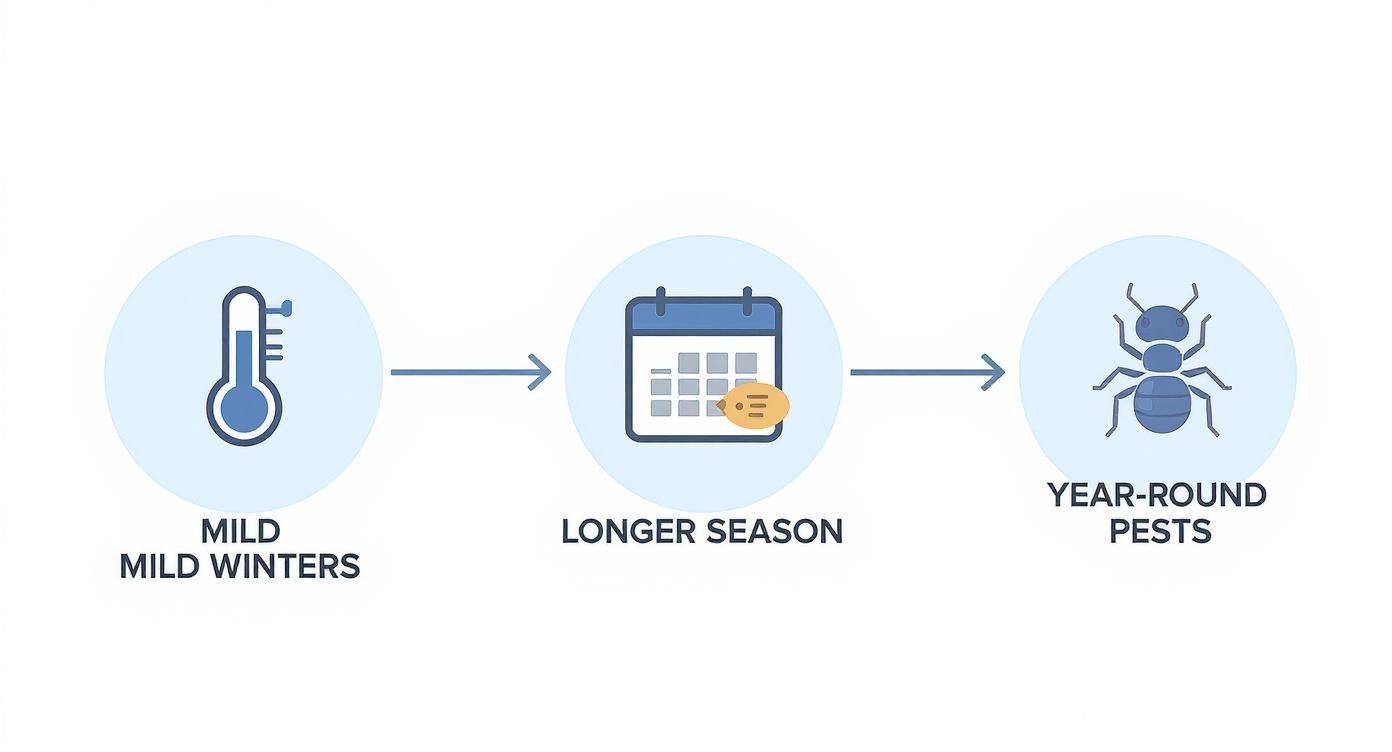
As you can see, a longer active season for pests leads to year-round problems for Santa Cruz residents. It's a new reality we all have to face.
The New Reality of Year-Round Pest Activity
The effects of this shift are real. A recent report found that Santa Cruz County has seen a 15–20% increase in calls for rodents and ants during the old "off-season." This data confirms what many of us are already seeing.
Pests are adapting to these new, milder conditions very quickly. This change means we must adjust how we think about pest control.
Here’s what we’re seeing on the ground:
- Rodents Seek Shelter: The moment temperatures dip, rats and mice look for a warm, dry place to nest. Your attic, crawlspace, and walls become prime real estate. You can learn more about their cold-weather habits in our guide on whether mice hibernate.
- Ants March On: Pests like the persistent Argentine ant don't stop. They keep looking for food and water, and your kitchen or bathroom often has everything they need.
- Spiders Move Indoors: Spiders follow their food. As other insects head inside to escape the cool, damp weather, spiders are never far behind.
This ongoing activity means pests are not just surviving winter inside your home. They are often breeding earlier and reemerging in larger numbers in the spring. This makes proactive, year-round pest management more important than ever.
Meet the Pests Thriving in Our Changing Climate
The milder, wetter winters here in Santa Cruz are a welcome mat for many pests. Instead of hiding from the cold, they take advantage of the pleasant weather to breed and expand their territory—often into our homes.
It’s one thing to hear about pest trends. It’s another to find them in your kitchen in February. Let's look at the key pests making themselves comfortable in Santa Cruz County all year.
Argentine Ants: The Unrelenting Invaders
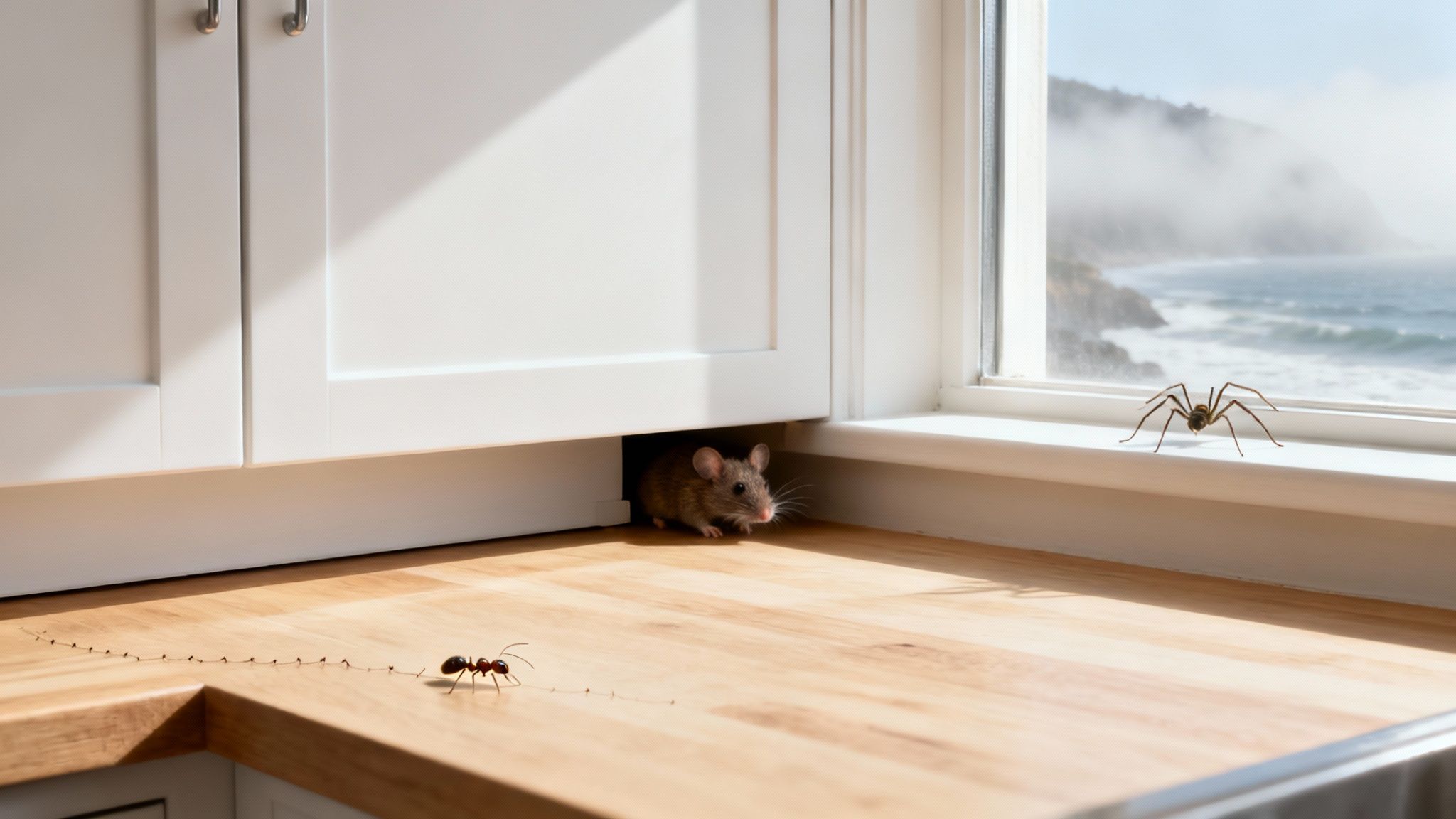
If you've lived in Santa Cruz, you are likely familiar with Argentine ants. These tiny invaders form huge supercolonies and are known for sending lines of scouts into kitchens and bathrooms.
In the past, their activity would slow down in winter. Not anymore. Milder temperatures mean their colonies stay active, always hunting for food and moisture. A winter rainstorm now drives them indoors, searching for a reliable food source.
Rodents: The Cozy Nesters
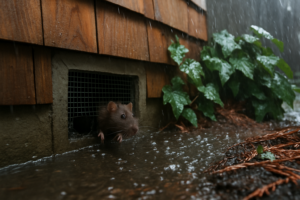
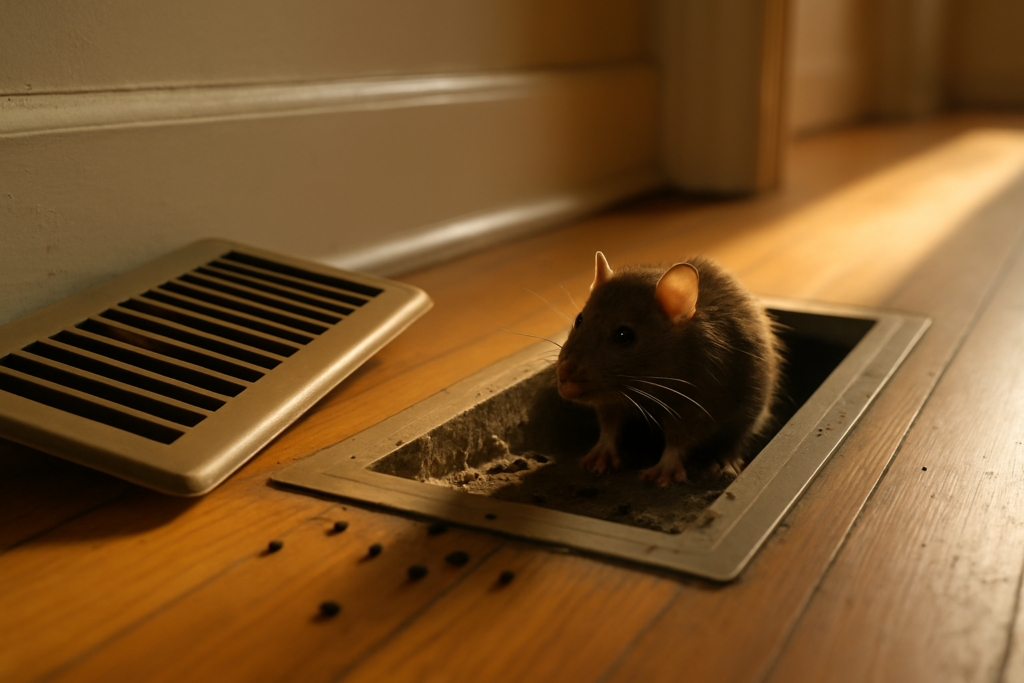
When the coastal fog rolls in and temperatures drop, rodents like rats and mice search for warmth. Your attic, crawlspace, or walls offer the perfect shelter.
But here's the problem: our mild climate means they aren't just surviving winter indoors; they're actively breeding. A recent report noted a 15–20% increase in rodent calls during the traditional "off-season." This means more homeowners hear scratching sounds in the walls as rodent families settle in and grow.
Spiders: The Silent Opportunists
Spiders are simple creatures—they go where the food is. As other insects like ants move indoors to escape the cool weather, spiders follow them.
You might notice more cobwebs in the corners of your garage or along your windowsills during winter. While most common house spiders are harmless, seeing more of them is a red flag. It’s a sign that you have another insect problem that is feeding them.
To learn about other common pests, check out our guide on what attracts cockroaches to your home.
Understanding the New Risks to Your Home and Garden
A few extra pests might seem like a small price for a mild winter. But the real issue is the hidden damage they cause. With pests staying active all year, the threats to your Santa Cruz home and garden have grown.
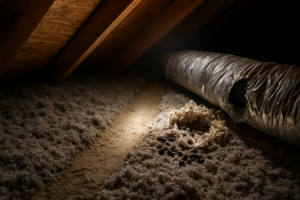
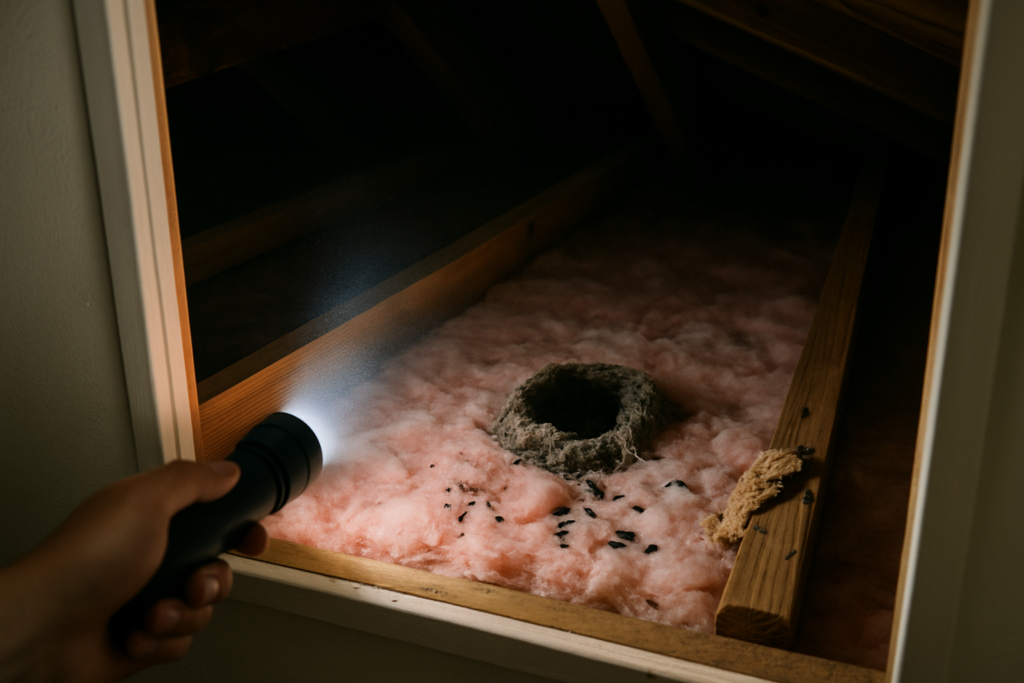
When rodents decide your attic is a great winter hideout, they aren't just looking for a warm bed. These critters chew constantly. This becomes a serious fire hazard when they strip electrical wiring inside your walls. They also shred insulation to build nests, which can increase your energy bills.
The Threat to Your Garden and Local Ecosystem
Your garden is feeling the pressure, too. The damp, mild soil in Santa Cruz is now a perfect, year-round breeding ground for pests. Gophers tunnel nonstop, wrecking the roots of your plants, while other garden pests get a head start on damaging flowers and vegetables.
This shift also affects our local ecosystem. A warmer climate makes it easier for new, non-native pests to move in and thrive. This can harm our iconic redwood trees and local wildlife. You can learn more about this threat to California's trees from the California Department of Food and Agriculture.
Why Proactive Prevention Is Your Best Defense
Waiting until you see chewed wires or damaged wood means the problem is already serious. By the time you spot the damage, pests may have caused major issues you can't see. Knowing the early signs of termites and other pests is important, but preventing them from getting inside is even better.
Thinking proactively about pest control is no longer a seasonal chore. It is a smart, year-round investment in protecting your home’s value and your family’s safety.
Your Year-Round Home Pest Defense Plan
With pests in Santa Cruz staying active longer, it’s time to shift from reacting to an invasion to preventing one. Getting ahead of them is your most powerful tool. This proactive approach is more effective and is the most eco-friendly way to keep your home clear.
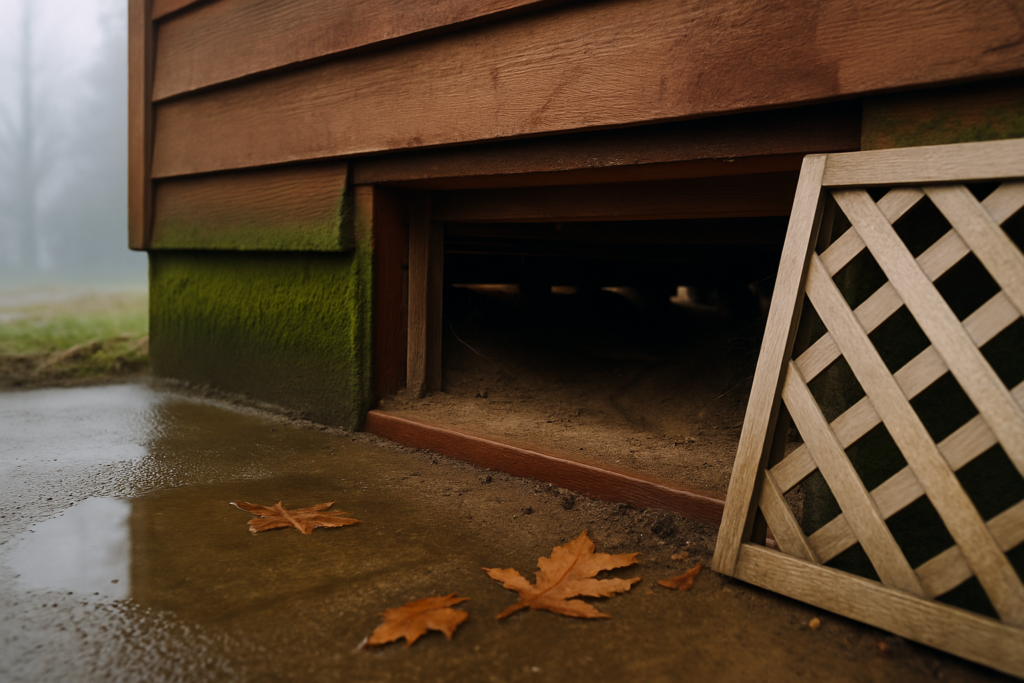
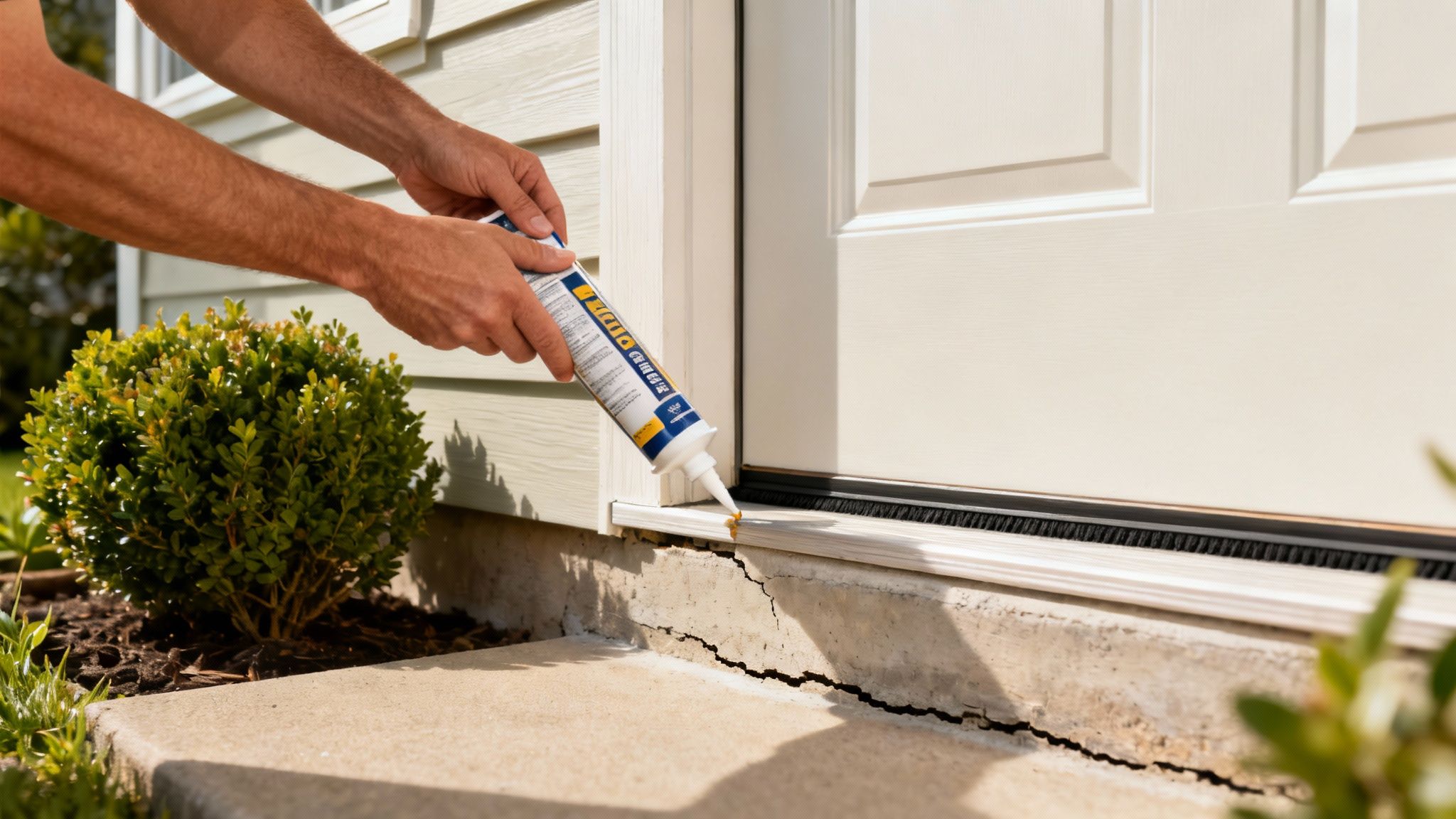
Think of your home's foundation, windows, and doors as entrances. For an ant, a tiny crack is an open invitation. For a mouse seeking warmth, the gap under a door is a welcome mat. Sealing these entry points is the first and most important step.
Pest-Proofing Your Property Checklist
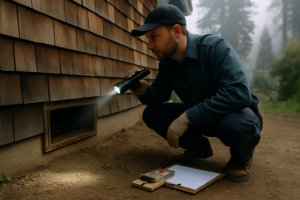
Creating a strong barrier starts with a thorough inspection of your property. Look for any potential weakness you can find.
- Seal Cracks and Gaps: Use caulk to fill any small cracks in the foundation, siding, or around utility pipes.
- Repair Damaged Screens: Check every window and door screen. A small tear is all a spider needs to get inside.
- Install Door Sweeps: Add sweeps to the bottom of exterior doors to close that inviting gap.
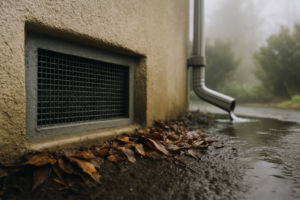
- Check Vents and Chimneys: Make sure vents are covered with a fine mesh screen and that your chimney has a cap.
This hands-on approach directly tackles the new reality of year-round pest pressures. To build a complete strategy, it helps to understand effective Integrated Pest Management (IPM) strategies.
Landscaping for a Less Inviting Yard
Your yard can either protect your home or welcome pests. Smart landscaping choices can make a big difference. Pests are drawn to moisture and easy access. Your goal is to eliminate both.
Start by trimming any tree branches or shrubs touching your house. These act like bridges for ants and rodents. You should keep a clear space of at least one foot around your foundation. It is also important to manage moisture. Make sure sprinklers are not soaking your foundation and clear away damp leaf litter where pests hide. This is a key part of a seasonal home pest control plan for Santa Cruz that works all year.
Why a Local, Eco-Friendly Expert Is Your Best Defense
When you're dealing with pests in Santa Cruz, a generic approach won’t work. The pests thriving in our milder winters are smarter and more resilient. This is where local knowledge and an eco-friendly mindset become your most powerful tools.
A company that understands our unique microclimates—from coastal Capitola to sunnier Scotts Valley—can build a plan that works with our environment. Generic solutions often fail because they don't consider how local weather and plants affect pest behavior.
The Power of Integrated Pest Management
The smartest strategy today is Integrated Pest Management (IPM). IPM is a long-term plan. It focuses on understanding pest life cycles and preventing them from getting inside in the first place.
This preventative method is the core of an eco-conscious service. It includes:
- Thorough Inspections: Identifying potential entry points and conditions that attract pests.
- Exclusion Work: Sealing cracks and gaps around your home to keep pests out.
- Targeted Treatments: Using the least invasive methods to handle any existing issues, protecting your family and our local ecosystem.
Choosing a provider who specializes in IPM means you're investing in a lasting solution. It’s about creating an environment where pests don’t feel welcome.
Why a Santa Cruz Expert Makes All the Difference
Local expertise is everything. An expert who works in Santa Cruz County every day understands what matters, like how an ant colony behaves after a winter rain. They also know the specific nesting habits of coastal rodents.
This hands-on knowledge allows for truly effective pest control solutions in Santa Cruz. You won't get that from a national chain. Partnering with an expert who cares about protecting your home and our local environment is the key to year-round peace of mind.
Frequently Asked Questions About Santa Cruz's New Pest Reality
It's normal to have questions. This shift from a predictable pest season to a year-round problem can feel overwhelming. We hear the same concerns from homeowners all over Santa Cruz County.
Here are some answers to the most common questions we get.
Is pest control necessary during a Santa Cruz winter now?
Yes, absolutely. With milder winters, pests like rodents and ants no longer go dormant. They actively search for food, water, and warmth inside your home. A winter inspection and preventative service can stop a small problem from becoming a major infestation in the spring.
What are signs of a winter pest problem?
Since pests are hiding indoors, the signs can be subtle. Keep an eye out for these red flags:
- Rodent Droppings: Finding small, dark droppings in your pantry, under the sink, or in the garage.
- Strange Noises: Hearing scratching or scurrying sounds from inside walls or ceilings.
- Unexplained Damage: Finding chewed-up food packages or damage to stored items.
- Ant Trails: A line of ants marching to your kitchen on a cool, rainy day means they have a colony indoors.
Are eco-friendly pest solutions effective?
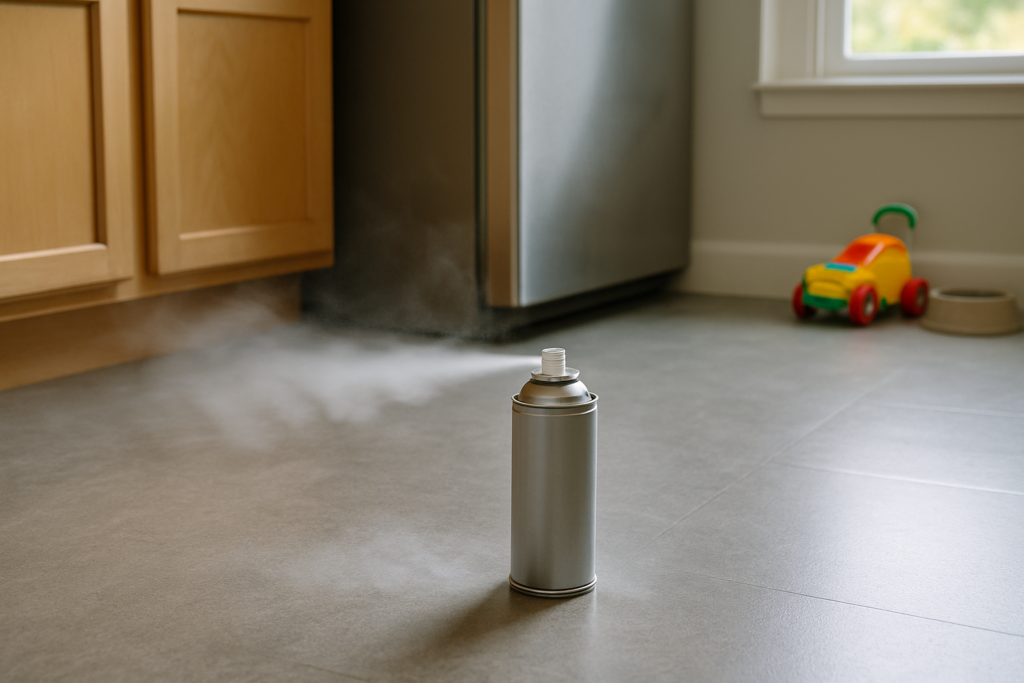
Yes, they are very effective, especially as part of an Integrated Pest Management (IPM) plan. Eco-friendly methods focus on long-term prevention. This means sealing entry points, removing things that attract pests, and using targeted, low-impact treatments. This approach is safer for your family, pets, and the Santa Cruz environment.
How often should I have my home serviced now?
Because the old pest season is gone, a proactive, year-round maintenance plan is the most effective strategy. Many Santa Cruz homeowners now use a quarterly service schedule. This consistency allows a professional to monitor for new activity and adjust the strategy based on the season. It is the best way to get year-round peace of mind.
Santa Cruz’s changing climate is changing pest behavior—but with the right prevention strategy, you can stay one step ahead. If you’ve noticed pests sticking around longer than usual, reach out to West Pest Co. for a customized eco-friendly treatment plan designed for our unique coastal environment. Protect your home naturally—and keep your space pest-free all year long.