Let's get one thing straight right away: common house mice do not hibernate in winter. It’s a common misconception. Unlike some animals that go into a deep, season-long sleep, mice just shift into high-gear survival mode. They’re on an urgent mission to find warmth, food, and shelter to make it through the cold months.
This is precisely why so many homeowners in Santa Cruz and Capitola suddenly find themselves with a new rodent problem just as the temperatures start to drop.
Why Mice Invade Homes During Winter
The thought of mice scurrying around your home can be unsettling, especially when you figure most pests would be laying low in the colder months. But because they stay active, their number one goal is finding a safe harbor to ride out the winter. Your home, with its warmth and steady supply of crumbs, is basically a five-star resort for them.
It offers the perfect trifecta of resources they need to survive and even thrive.
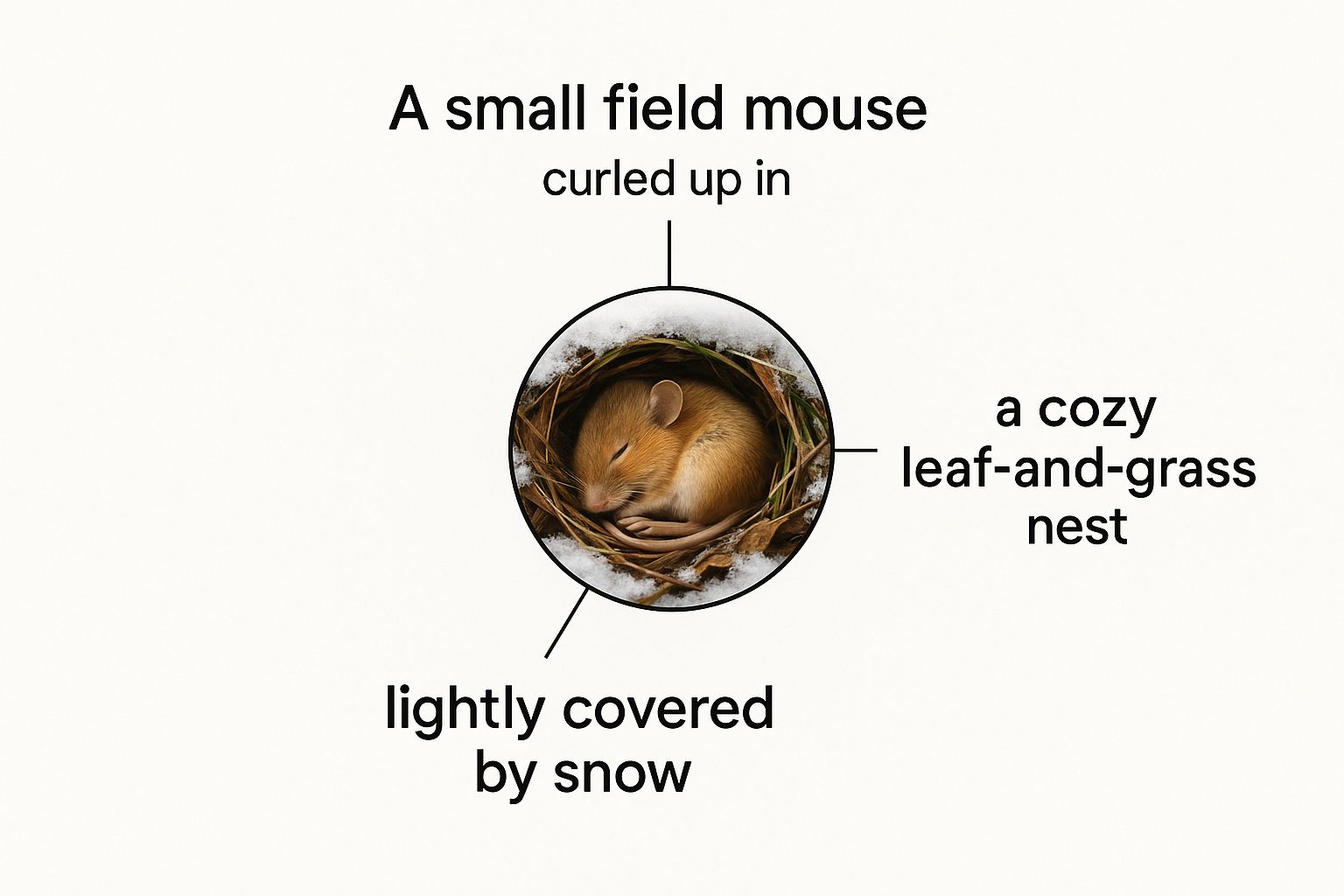
This image perfectly captures a mouse's core winter instinct: find shelter and build a nest to conserve energy. It's a powerful drive that sends them scrambling from the cold outdoors straight into our walls, attics, and kitchens.
The Science of Mouse Survival
So, if they don’t hibernate, what do they do? Instead of true hibernation, mice sometimes enter a state of torpor. Think of it as a temporary, light power-nap, not a long-term coma.
During torpor, their metabolism slows way down to conserve precious energy, but they can snap out of it quickly to go look for food. This is a crucial difference that makes them such a persistent, year-round threat in our Santa Cruz County homes.
Torpor is a survival tactic, not a long-term shutdown. It gives mice the ability to withstand short periods of cold or low food without becoming vulnerable for months on end. This incredible adaptability is what makes them such successful indoor pests.
Scientific studies back this up, confirming that the common house mouse (Mus musculus) simply isn’t built to hibernate. Their entire physiology is designed for adaptation. They rely on behaviors—like building cozy, insulated nests and seeking out pre-made shelter (like your house)—rather than undergoing the deep metabolic changes of true hibernation.
You can explore the research on how their bodies manage temperature during cold periods to see just how adaptable they are. It’s this active, opportunistic nature that makes proactive rodent control an absolute must for protecting your home.
Hibernation vs Winter Activity in Mice
To make it even clearer, let's break down the key differences between a true hibernator and your typical house mouse.
| Characteristic | True Hibernator (e.g., Groundhog) | House Mouse (Mus musculus) |
|---|---|---|
| State of Rest | Deep, multi-month sleep (hibernation) | Short, daily naps (torpor) |
| Metabolism | Drastically reduced for the entire season | Slows down for hours, not months |
| Activity Level | Inactive and unresponsive for winter | Active daily, forages for food |
| Winter Location | Secluded burrow, den | Inside walls, attics, basements |
| Threat to Homes | Low; they sleep elsewhere | High; actively seeks indoor shelter |
As you can see, while a groundhog is sleeping soundly all winter, a house mouse is wide awake and looking for its next meal, likely somewhere inside your pantry. This is why you can't afford to let your guard down when it gets cold.
Understanding True Hibernation vs. Mouse Survival Mode
To get a handle on why mice are such a persistent problem during the colder months, it’s important to know what they aren't doing. They aren’t engaging in true hibernation like some other animals.
Think of a true hibernator, like a groundhog, as a computer in deep sleep mode. It's powered way down, totally unresponsive, and uses almost no energy for months at a time. A house mouse in winter, though? It's more like a laptop in low-power mode—still running, still performing essential functions, and ready to snap back to full power in an instant. This "survival mode" is exactly why they become such a headache for Santa Cruz County homeowners.
The Biology of a True Hibernator
True hibernation isn't just a long nap; it's a profound physiological shift. Mammals that truly hibernate go through a controlled, dramatic drop in their core body temperature, heart rate, and metabolism. This allows them to conserve precious energy through long stretches of cold and scarce food.
These animals spend weeks packing on the pounds to build up fat reserves. Once the cold sets in, their bodies enter a state of suspended animation. It’s an amazing survival strategy that you can read more about here. This deep, metabolic sleep makes them virtually disappear from the world until spring thaws them out.
The House Mouse Method: Survival Over Sleep
The house mouse—the very species most likely to invade your Aptos or Scotts Valley home—is simply not built for that kind of deep sleep. Their survival strategy is completely different and far more active.
Instead of sleeping the winter away, house mice double down on two key activities:
- Finding Shelter: They aggressively seek out warm, protected spaces that shield them from the elements. This means wall voids, attics, and crawl spaces become prime real estate.
- Sourcing Food: They stay active as foragers, establishing well-worn pathways from their new nests to any reliable food source they can find, like your kitchen pantry or the dog's food bowl.
This active approach is why a winter mouse problem feels so relentless. They aren't just snoozing in your walls; they're living, breeding, and exploring their newfound territory. Because their activity never stops, it's critical to deal with any signs of an infestation with methods that are both effective and safe for your family. Understanding how to manage pests without putting your household at risk is key, and you can learn more about child-safe pest control options in Santa Cruz to ensure total peace of mind.
Why Winter Drives Mice Into Your Santa Cruz Home
Now that we’ve cleared up the hibernation myth, let's connect that science to what it means for you as a Santa Cruz County homeowner. As the coastal chill and damp ocean air settle in, a mouse's survival instinct goes into overdrive. Their drive to find a warm, safe place to ride out the season becomes their absolute top priority.
From a mouse's perspective, your house is a five-star resort. It provides everything it needs right when the outdoor world stops offering it.

The Three Main Reasons Mice Invade
A mouse doesn't just stumble into your home by accident; it's drawn by powerful, instinctual needs. Getting a handle on these motivators is the first real step toward keeping them out for good.
- Consistent Warmth and Shelter: Your insulated walls, cozy attic, and dry crawlspace are infinitely more appealing than a cold, damp burrow. These spots offer critical protection from dropping temperatures and hungry predators.
- A Steady Food Supply: The wild berries, seeds, and insects mice rely on all but disappear in winter. Suddenly, your kitchen pantry, pet food bowls, and forgotten crumbs become a reliable, all-you-can-eat buffet.
- Endless Nesting Materials: Mice need to build well-insulated nests to conserve precious energy and raise their young. Your home is a goldmine of perfect materials, from shredded paper and cardboard to attic insulation and bits of fabric.
A mouse can flatten its body to squeeze through an opening as small as a dime. This incredible ability means tiny gaps around utility pipes, vents, and foundation cracks are basically wide-open doors.
It's a huge misconception that a house is secure just because the doors and windows are closed. Mice are masters of exploration, and they will diligently investigate every inch of your home's exterior, searching for that one tiny vulnerability.
Thinking Like a Mouse
To truly protect your home in Santa Cruz or Capitola, you have to start seeing it from their perspective. A small gap under the garage door isn't just a draft; it's a grand entrance. The space where the air conditioning line enters the house isn't merely a utility hole; it's a private tunnel leading directly to warmth and a full pantry.
This mental shift is critical. Once you start looking for these dime-sized opportunities, you begin to see just how accessible your home really is. Sealing these entry points is the single most important action you can take to stop an invasion before it starts, turning your cozy winter haven into an impenetrable fortress against these resourceful pests.
The Hidden Dangers of a Winter Mouse Infestation
It’s easy to dismiss those faint scurrying sounds in the walls as a minor winter annoyance. But since we know mice don't actually hibernate, their non-stop activity inside your home is a recipe for serious trouble. These hidden dangers go way beyond just being a nuisance, posing real risks to both your property and your family’s health.
Understanding what’s truly at stake is the first step toward realizing why you can't afford to ignore them.
Damage to Your Property
A mouse’s entire biology is built for destruction. Their incisor teeth grow constantly, creating a biological urge to gnaw on hard surfaces to keep them filed down. Unfortunately for homeowners, the materials inside your walls and attic are the perfect candidates for this job.
- Fire Hazards: Mice have a dangerous habit of chewing on electrical wiring hidden in walls and ceilings. As they gnaw through the plastic coating, they expose live wires, creating a frighteningly real fire hazard. According to some estimates, rodents may be responsible for up to 20% of undetermined house fires in the U.S. each year.
- Insulation Damage: To a mouse, your attic and wall insulation is the perfect five-star nesting material. They shred and burrow through it, creating tunnels and pockets that completely ruin its insulating properties. This damage directly translates to higher energy bills as your furnace works overtime to keep your home warm.
Risks to Your Family's Health
Beyond the physical damage to your home, mice are well-known carriers for a host of diseases, bacteria, and allergens. They are far from clean, and their very presence introduces a cocktail of contaminants right into your living space.
A single mouse can produce between 40 and 100 droppings per day. These droppings, along with their urine and saliva, can easily contaminate kitchen counters, pantries, and food supplies, spreading bacteria like Salmonella and other parasites.
Even their dander and dried droppings can become airborne, triggering asthma attacks and allergic reactions in sensitive family members. This is why getting rid of a mouse problem isn't just about pest control—it’s about protecting your family's health and well-being. If you even suspect you have an issue, a professional home pest inspection can uncover the full extent of the problem and pinpoint risks you might have missed.
Signs of a Hidden Winter Mouse Problem
Sometimes, the evidence of a mouse problem is subtle, especially when they're hiding away from sight during the day. Here’s a quick checklist of things to look out for.
| Sign | What to Look For | Common Locations |
|---|---|---|
| Droppings | Small, dark, rice-sized pellets. | Under sinks, in pantry corners, along baseboards, inside drawers. |
| Gnaw Marks | Tiny chew marks on wood, plastic, or food packaging. | Cardboard boxes, baseboards, electrical wires, cabinet corners. |
| Nesting Materials | Piles of shredded paper, fabric, or insulation. | Behind appliances, in wall voids, deep inside closets, attic corners. |
| Strange Noises | Scratching, squeaking, or scurrying sounds. | Inside walls, in ceilings, especially noticeable at night. |
| Foul Odors | A distinct, stale, or ammonia-like smell. | In confined spaces like pantries, closets, or near nesting sites. |
Finding even one of these signs is a strong indicator that you're not alone. Don't wait for the problem to become obvious.
A Small Problem Escalates Quickly
Perhaps the most deceptive part of a mouse problem is how quickly it can spiral out of control. A female mouse can have 5 to 10 litters per year, with several pups in each litter.
This incredible breeding speed means that what starts as a single pair of mice seeking warmth can explode into a full-blown infestation of dozens. At that point, the problem becomes exponentially harder—and more expensive—to manage.
Your Guide to Preventing a Winter Rodent Invasion
Knowing that mice don’t hibernate—but instead actively seek shelter from the cold—is a complete game-changer. It shifts your role from reactive to proactive. This guide is your playbook for turning your Santa Cruz County home into an impenetrable fortress against these resourceful pests, using smart, eco-friendly strategies that focus on prevention.
The goal here is simple: make your home completely unappealing and inaccessible to rodents. By focusing on exclusion and sanitation, you can sidestep the stress and risks of an infestation before it ever starts. This is about creating a permanent barrier, not just a temporary fix.
Sealing Every Possible Entry Point
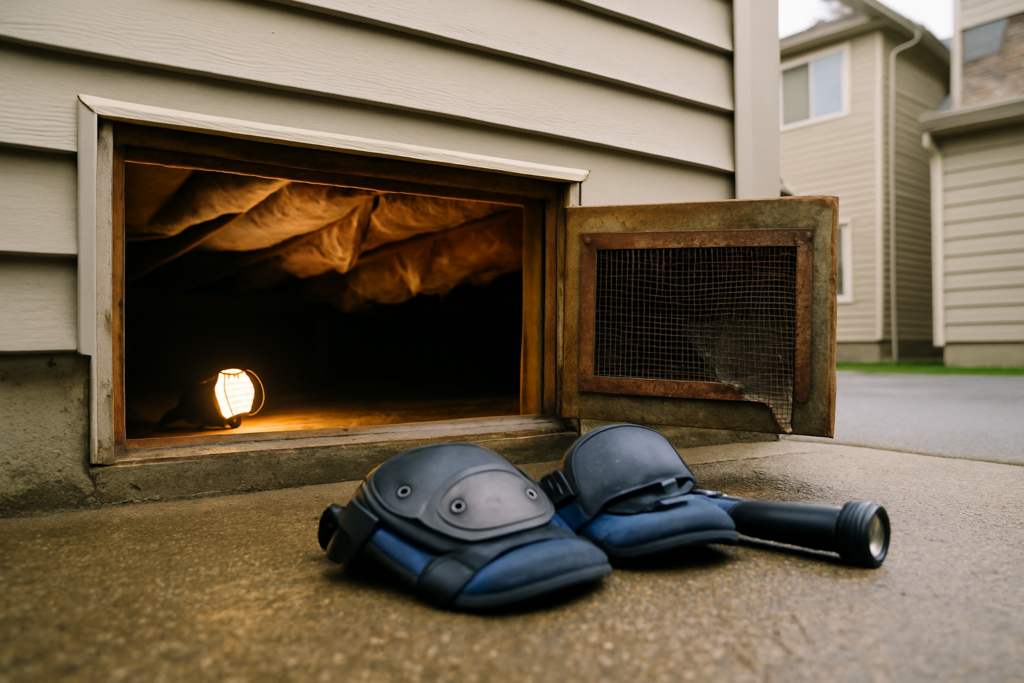
Your first and most critical line of defense is sealing up your home’s exterior. Mice are absolute masters of infiltration, capable of squeezing through openings you might not even notice. A thorough inspection is the key to finding and blocking these rodent highways for good.
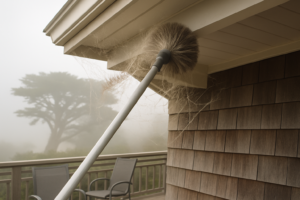
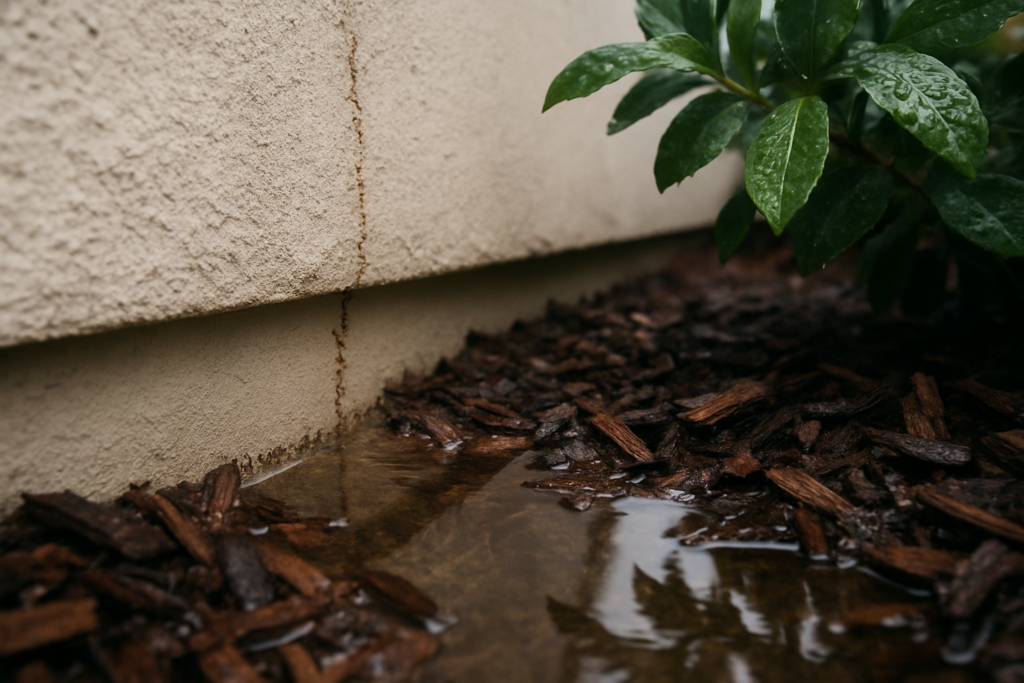
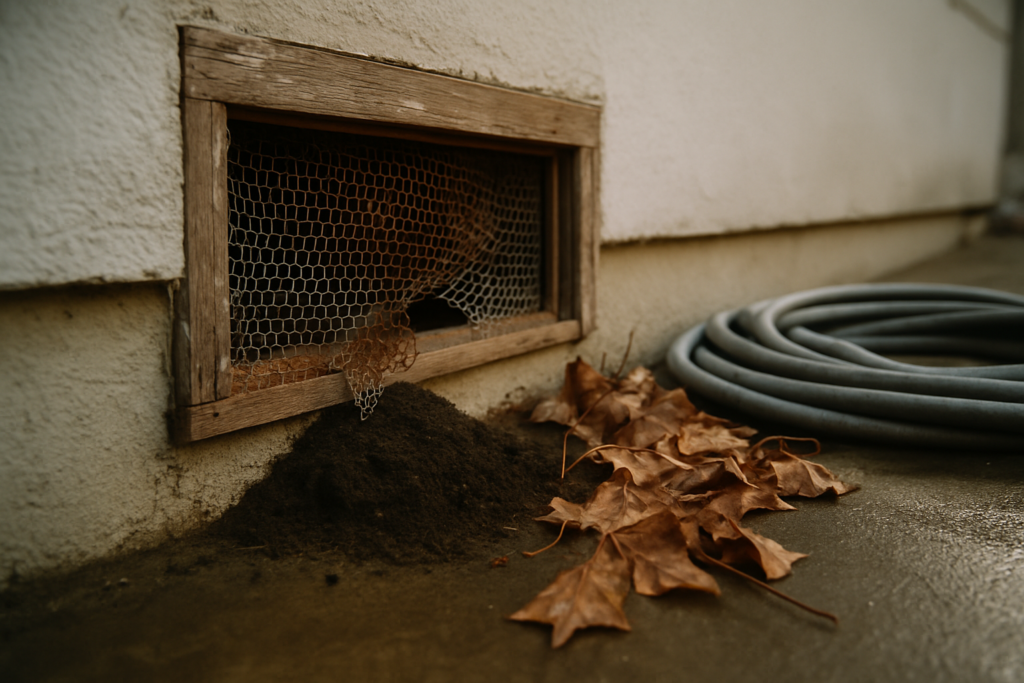
Start by examining your home's foundation and siding for any cracks or gaps. Pay close attention to the areas where utility lines—like pipes, electrical wiring, and HVAC conduits—enter your home. These spots often have small, overlooked gaps that are a perfect welcome mat for a mouse.
Use durable materials to seal these holes for a long-lasting fix.
- Steel Wool: Mice can’t chew through steel wool, making it an excellent filler for small gaps and holes. Just be sure to pack it in tightly.
- Caulking: For a permanent, weatherproof seal, apply caulk over the steel wool. This creates a barrier that mice can't get through.
- Weather Stripping: Check the seals around all your doors and windows, including the garage door. Worn-out or damaged weather stripping can easily leave enough space for a mouse to slip right inside.
Making Your Yard Less Inviting
Your landscaping can either attract mice or help deter them. An unkempt yard provides rodents with both shelter and an easy travel route to your house. A little bit of yard maintenance can make a huge difference in protecting your property in Aptos or Capitola.
Trim back tree branches and shrubs so they don't touch your home's roof or siding. Mice are excellent climbers and will use overhanging branches as bridges to access your roof and attic vents. Also, make sure to keep firewood piles and other debris at least 20 feet away from your foundation to eliminate potential hiding spots.
Pro Tip: A clean yard is a cornerstone of any integrated pest management strategy. By removing clutter and potential nesting sites, you make your property far less attractive to rodents looking for a place to settle in for the winter.
Securing All Food Sources
The final piece of the prevention puzzle is cutting off the food supply. A mouse that finds no food in your home has absolutely no reason to stay. This comes down to diligent sanitation and smart storage habits.
Store all your pantry foods, including grains, cereals, and especially pet food, in airtight glass or metal containers. Mice can easily chew through cardboard boxes and plastic bags, so upgrading your storage is non-negotiable. Clean up crumbs and spills right away, and never leave pet food bowls out overnight. By taking these steps, you send a clear message: the buffet is closed.
For more information on building a complete defensive strategy, our guide to rodent control and prevention in Santa Cruz County offers a deeper dive into professional solutions.
When to Call a Professional for Rodent Control
You’ve sealed a few cracks, set some traps, and made sure your pantry is spotless, but you’re still hearing those unsettling scratching noises in the walls at night. DIY efforts are a great first step, but there are clear signs that a rodent problem has grown beyond a simple fix.
At a certain point, the clues are impossible to ignore. Knowing when to call for backup is key to protecting your home and family from a full-blown infestation.

Clear Signs You Need Expert Help
If you notice any of the following signs, it’s time to contact a professional pest control company. These symptoms often point to a larger, more established population that a few store-bought traps simply can't handle.
- Seeing Mice During the Day: Mice are nocturnal. Spotting one in daylight is a major red flag. It often suggests the population has become so large that younger or weaker mice are being forced to forage at much riskier times.
- Finding Droppings in Multiple Areas: Discovering droppings is one thing, but finding them scattered in various locations—like your kitchen, attic, and garage—shows that mice have established routes and are comfortable all over your home.
- Persistent Gnaw Marks: Finding new chew marks on walls, food packaging, or wiring means the activity is ongoing and destructive. This isn't just an annoyance; it's a direct threat to your property and safety.
A professional inspection from West Pest Co. goes beyond guesswork. We meticulously identify every hidden entry point, from foundation cracks to roofline gaps, to understand exactly how rodents are getting in and moving around your Santa Cruz property.
The Professional Advantage
A professional doesn’t just remove the mice you see; they address the root cause of the infestation. It's about implementing a strategic, eco-friendly treatment that ensures long-term peace of mind. For a deeper look at what a comprehensive strategy entails, explore our guide on the best rodent prevention plan for Santa Cruz.
Frequently Asked Questions About Winter Mice in Santa Cruz
When the temperature drops in Santa Cruz County, homeowners start asking the same smart questions about rodents. If you're wondering what's really going on with mice during the colder months, you're in the right place. Here are straightforward answers to the questions we hear most often.
How cold does it have to be for mice to come inside?
There isn't a single magic number on the thermometer, but things really kick into gear when temperatures consistently dip below 60°F (15°C). For us here in Santa Cruz, it's often the combination of cool, damp weather and a disappearing natural food supply that sends mice scrambling for a warm, dry upgrade—like your home.
Can I just use traps to solve a mouse problem?
Traps are a useful tool for catching a few mice, but they're almost never a complete, long-term fix on their own. The real issue is that mice reproduce incredibly fast; a single female can have up to 10 litters a year. Trapping simply can't keep pace with that kind of population growth.
More importantly, traps only deal with the symptom, not the cause. They do nothing to address the root of the problem: how the mice are getting inside in the first place. The only truly effective, lasting solution is professional exclusion work to locate and seal every possible entry point.
Are mice a problem in Santa Cruz during the summer too?
Yes, absolutely. While winter cold is a major driver, mice are a year-round issue in Santa Cruz County. In the summer, intense heat waves and dry spells can push them indoors looking for the exact opposite—water and a cool place to escape the sun. This is why consistent, year-round prevention is the real key to keeping your home rodent-free, no matter the season.
You can find more helpful pest management strategies by checking out our pest control blog.
What are those noises I hear in my walls at night?
If you're hearing scratching, scurrying, or faint squeaking sounds from your walls or ceiling, especially after dark, that's a classic sign of rodents. Mice are nocturnal creatures, and they use the empty spaces inside your walls as their own private, hidden highways. It allows them to travel safely between their nest and their food sources—like your kitchen pantry.
Are professional rodent control services safe for my family and pets?
This is a top concern for many Santa Cruz homeowners, and the answer is yes. At West Pest Co., we specialize in eco-friendly and family-safe pest control. We use integrated pest management (IPM) strategies that prioritize non-chemical solutions like exclusion and trapping. When products are needed, we select options that are targeted specifically for rodents and applied in a way that minimizes risk to non-target animals and your loved ones.
If any of this sounds a little too familiar, don't wait for a small issue to become a major infestation. The expert team at West Pest Co. can give your home a thorough inspection and create a customized, eco-friendly plan to keep mice out for good. Contact us today for a free estimate!