When wasps start buzzing around your home, especially during our beautiful Santa Cruz summers, it's easy to feel a little on edge. From Aptos to Scotts Valley, that familiar hum can quickly turn a relaxing afternoon on the patio into a stressful retreat indoors.
But before you can stop wasps, you need to know what you’re dealing with.
Understanding Wasps in Santa Cruz County
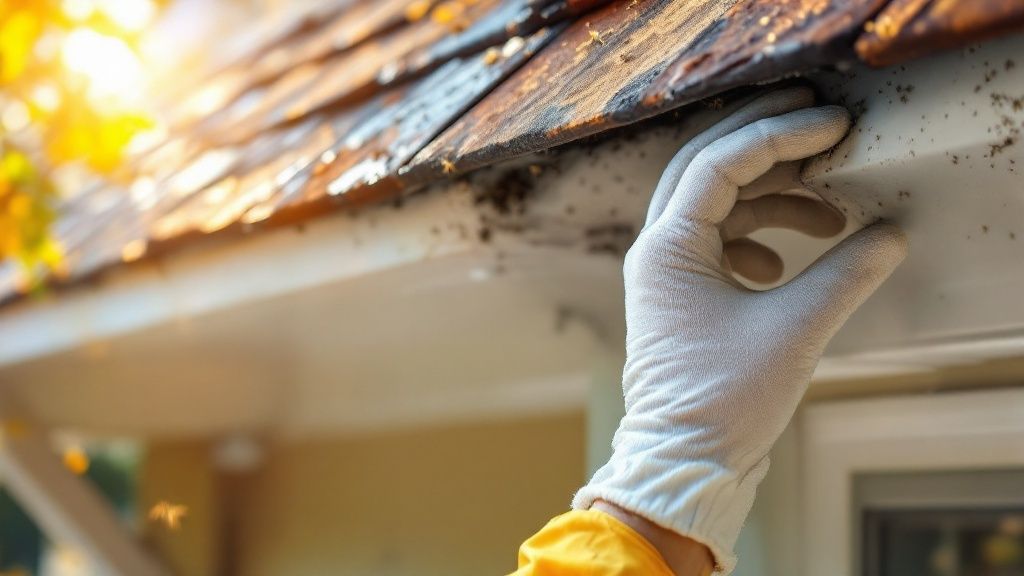
Our coastal climate and lush gardens create an ideal environment for several types of wasps. To make things easier, here is a quick guide to help you identify the usual suspects you're likely to find.
Common Wasps in Santa Cruz County At A Glance
This table breaks down the key differences between the wasps you'll see most often, helping you quickly figure out what's going on.
| Wasp Type | Appearance | Typical Nest Location | Aggression Level |
|---|---|---|---|
| Yellow Jackets | Classic black and yellow stripes; slightly thicker body than paper wasps. | Usually hidden; underground in old rodent burrows, or in wall voids. | High. Very aggressive, especially when defending their nest. Drawn to food. |
| Paper Wasps | Slender, long-legged with brownish, reddish, or black and yellow markings. | Exposed, umbrella-shaped nests hanging from eaves, railings, and patio furniture. | Moderate. Generally not aggressive unless their nest is directly threatened. |
Recognizing which wasp you're dealing with is the first step. It tells you a lot about the potential threat and where to look for the nest. Yellow Jackets are known for crashing picnics, while Paper Wasps tend to keep to themselves unless you get too close to their home.
Being proactive is much safer and easier than reacting to a full-blown infestation. A single queen starts a nest in the spring, but by late summer, that colony can explode to hundreds or even thousands of defensive workers.
Why Prevention Matters More Than Ever
Preventing wasps isn't just about keeping your backyard barbecue peaceful. It is also important for our local environment. Global invasive wasp species are expanding their ranges, which makes prevention efforts here in Santa Cruz County more important than ever.
Recent scientific models show that new regions across the country are becoming suitable habitats for these pests. This trend highlights the need for effective local control. If you're interested in the science, you can read the full research on invasive species spread to understand the bigger picture.
This growing threat means that the small actions you take today make a huge difference in keeping your property safe and unattractive to these unwelcome guests.
Key Factors That Attract Wasps
At the end of the day, wasps are driven by three basic needs: food, water, and shelter. Figuring out how your property might be offering these resources is the key to stopping them at the source.
They are always looking for easy food, like leftover pet food, sugary drink spills on the deck, or an unsecured compost bin. Even the fallen fruit from trees in your garden can become a major attractant.
Water is also essential, especially during our dry Santa Cruz summers. A leaky outdoor faucet, a birdbath, or even small puddles can provide all the hydration they need. By getting rid of these simple resources, you make your home a far less inviting target for a queen looking to build her nest.
Making Your Property Less Attractive to Wasps
The best way to get ahead of a wasp problem is to think like a wasp. They are always searching for three things: food, water, and a safe spot to build a nest. If you can eliminate those resources, your Santa Cruz home becomes a much less appealing target.
This process is often called habitat modification, and it’s one of the most powerful tools in long-term wasp prevention. It's not about one big action but a series of small, consistent changes that add up. The goal is to encourage wasps to just move on and find an easier place to settle down.
Eliminate Easy Food Sources
Wasps, especially those aggressive Yellow Jackets, are not picky eaters. They are drawn to sugars and proteins. That summer BBQ you’re planning in your Capitola backyard? To a wasp, it looks like an all-you-can-eat buffet.
Your best defense is good cleanup habits. It sounds basic, but it works. After eating outside, put leftovers away immediately and wipe up any sticky spills from drinks or sauces. Even tiny crumbs and drips are enough to attract them.
Here are the key areas to watch:
- Trash and Compost Bins: Make sure your trash cans have tight-fitting lids. An open or overflowing bin is a goldmine for wasps. If you have a compost pile, keep it away from patios and manage it properly to keep odors down.
- Pet Food: Don't leave pet food sitting out for hours. Once your pets are done eating, bring the bowls inside or clean them.
- Fallen Fruit: If you have fruit trees—a common sight in our local gardens—make a habit of clearing any fallen fruit. Once it starts to rot, it becomes irresistible to hungry wasps.
Manage Water Sources
During our dry Santa Cruz County summers, a steady source of water can be just as tempting as food. Wasps need it to drink, cool their nests, and build their papery homes.
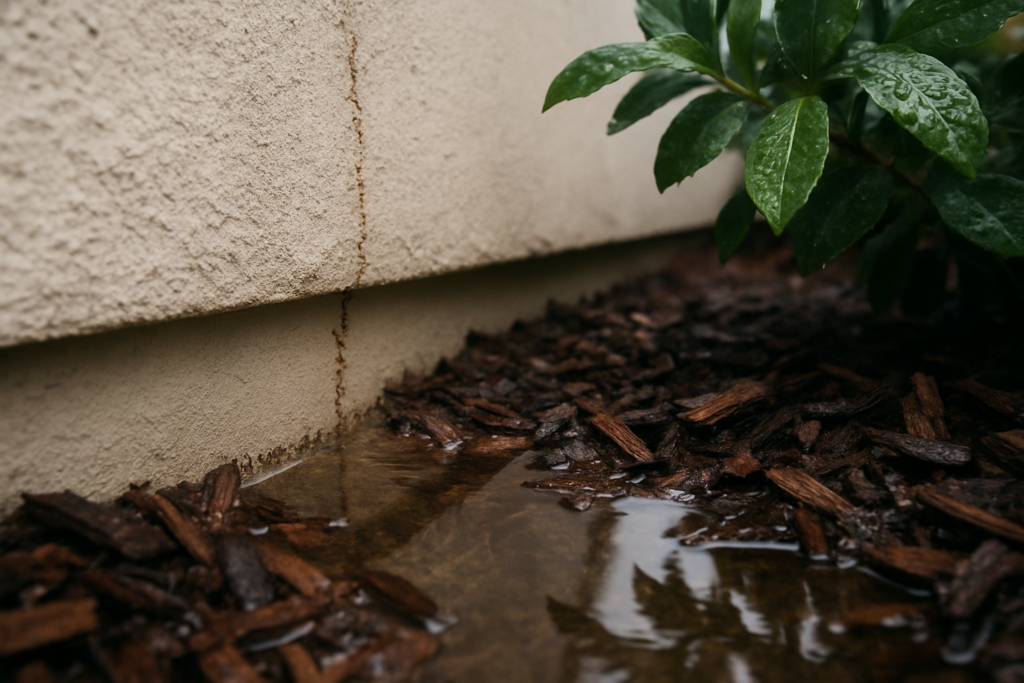
Take a walk around your yard and look for any place where water collects. Even a small puddle from a leaky sprinkler head is enough to support a nearby nest.
Pro Tip: Do a quick check for standing water after you run the sprinklers or after a rare summer shower. Wasps will find water in unlikely places, like overturned buckets, kids' toys, or the folds of a tarp.
Common culprits to look out for include:
- Leaky outdoor faucets or hoses
- Birdbaths (consider moving them further from your house or changing the water daily)
- Clogged gutters that hold water
- Saucers sitting under potted plants
By fixing leaks and tipping out standing water, you're taking away a critical resource that wasps depend on, especially when the weather gets hot.
Seal Potential Nesting Spots
Finally, every wasp colony needs a secure, sheltered spot to build its home. They are masters at finding tiny openings that lead to perfect nesting locations inside your walls, attic, or eaves. An inspection of your home's exterior can help you spot these weak points before a queen does.
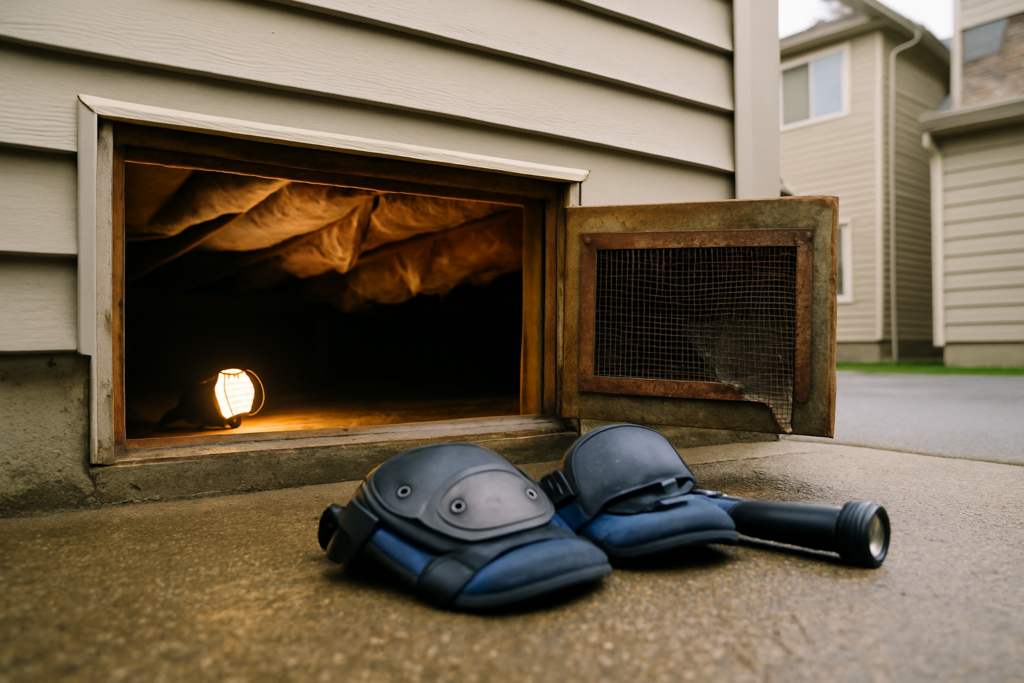
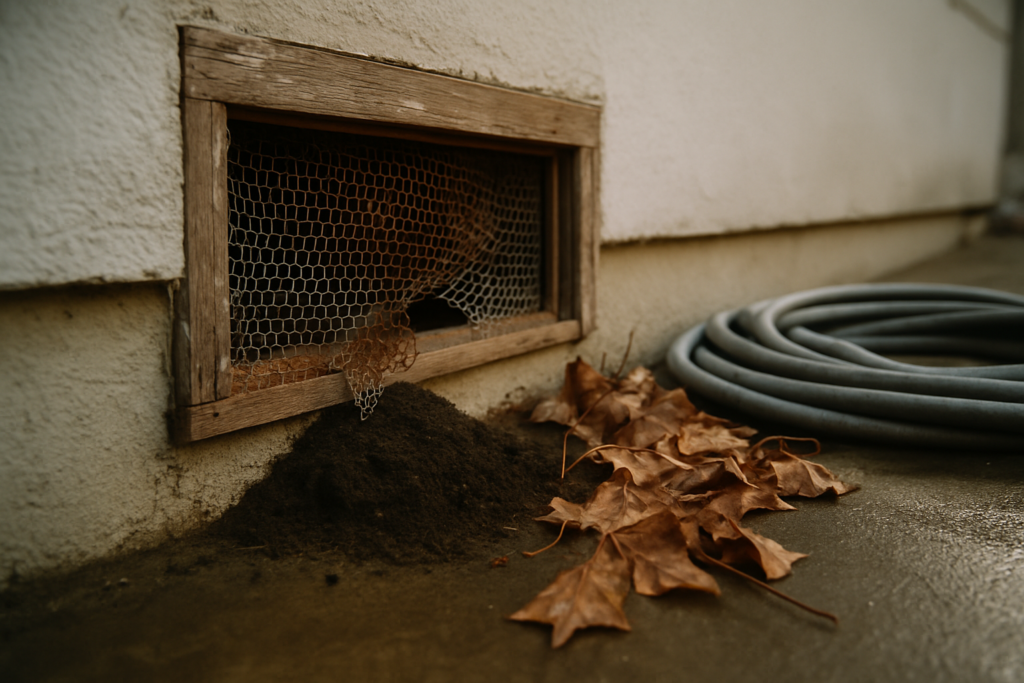
Walk the perimeter of your house and look for any cracks, gaps, or holes. Wasps can squeeze through very small openings.
Pay close attention to these key areas:
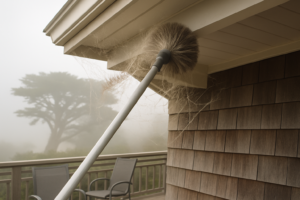
- Eaves and Soffits: Check for gaps where your roof meets the walls. A damaged or loose soffit is a prime entry point into an attic.
- Vents: Dryer vents, attic vents, and other exterior vents should be covered with a fine mesh screen. This allows airflow but keeps insects out.
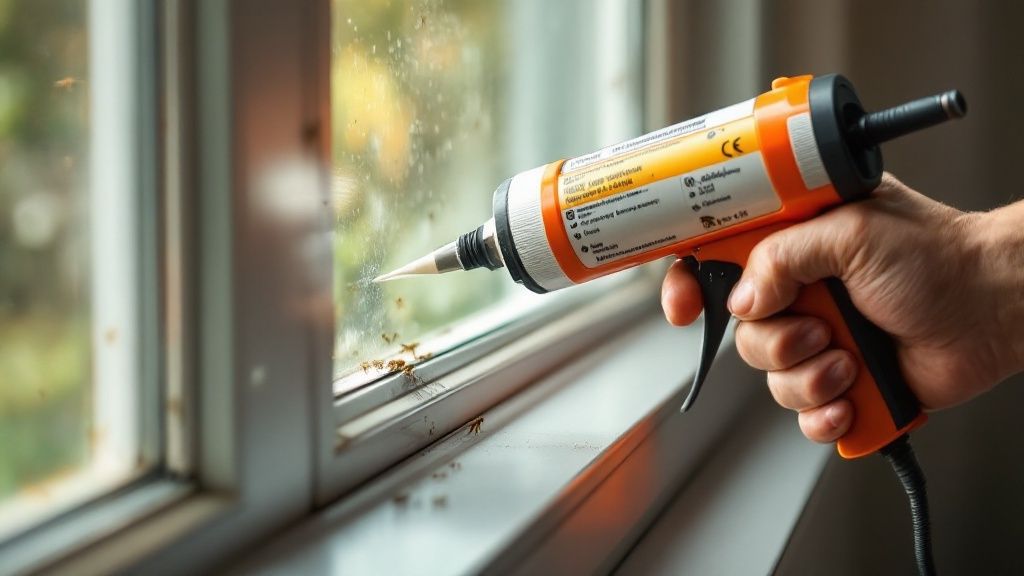
- Siding and Trim: Look for cracks or holes in your siding, especially around window and door frames. A little bit of caulk can make a huge difference.
- Utility Lines: Seal any gaps where pipes, cables, or other utility lines enter your home.
Taking these steps is a key part of any effective preventative pest control strategy. When you seal up these entry points, you deny wasps the sheltered spaces they need, forcing them to look elsewhere. A little effort in the spring can save you from a major headache later in the summer.
Using Natural Wasp Deterrents in Your Garden
For many of us here in Santa Cruz, living in harmony with our coastal environment means skipping harsh chemicals whenever possible. Luckily, your garden can be your best friend when it comes to keeping wasps away.
By adding a few natural deterrents, you can create a backyard that feels welcoming to you but less inviting to wasps.
This approach uses scents and plant-based solutions to gently encourage wasps to build their nests somewhere else. It's a sustainable way to protect your home that fits with the eco-conscious spirit of our community.
Harness the Power of Wasp-Repelling Plants
One of the simplest ways to deter wasps is by planting herbs and flowers they can't stand. Wasps find their way around by scent, and they find certain strong smells overwhelming.
Planting these around your patio, near doorways, or in window boxes can create an invisible "no-fly zone."
Give some of these powerful plants a try in your garden:
- Mint Varieties: Spearmint and peppermint are very effective. Their strong scent is a major turn-off for wasps.
- Citronella Grass: Famous for keeping mosquitoes away, its lemony smell is also disliked by wasps.
- Eucalyptus: The strong, medicinal smell of eucalyptus is another scent wasps seem to avoid.
- Wormwood: This silvery-leafed plant contains a compound that is a natural repellent for many insects.
These plants don't just deter pests; they also add beauty to your garden, making them a win-win solution.
Create a Simple DIY Deterrent Spray
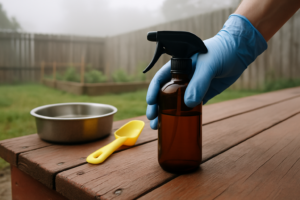
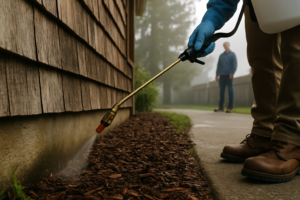
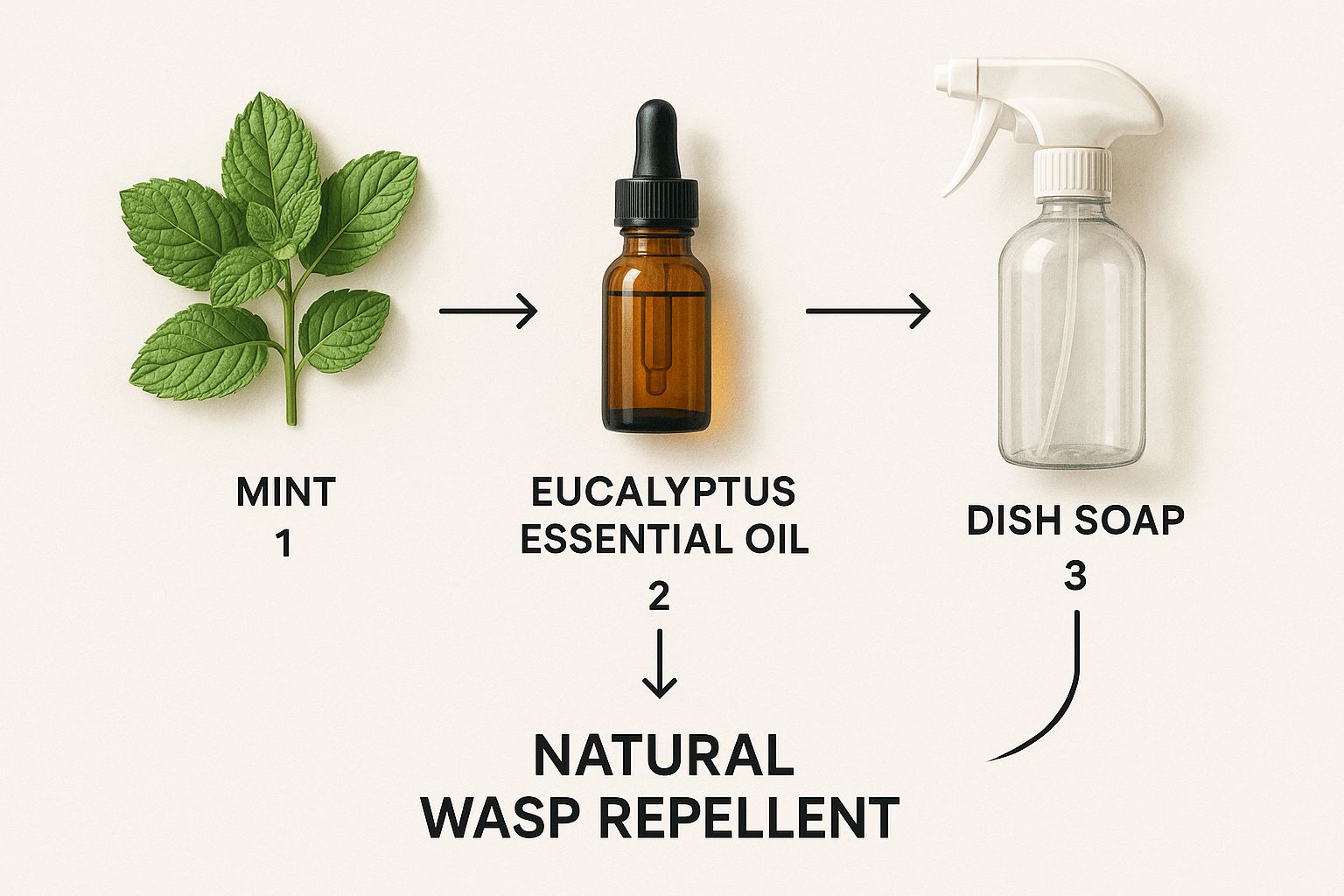
For more targeted protection, you can mix up a simple, non-toxic spray using essential oils. This is perfect for misting around outdoor furniture, under eaves, or in other spots where you've seen wasps looking around.
Just remember, this is a deterrent spray, not a nest killer. Never spray it directly on an active nest or on the wasps themselves.
A Quick Recipe for a Wasp-Repellent Spray:
- Fill a clean spray bottle with two cups of water.
- Add about 30 drops of essential oil. A blend of peppermint, clove, and geranium works well.
- Add a teaspoon of dish soap, which helps the oil and water mix.
- Shake it well before each use and reapply every few days, especially after it rains.
This simple mix makes surfaces unappealing to a queen wasp looking for a place to start her colony. If you like DIY options, looking up homemade garden pest repellent recipes can give you more great ideas.
Try the Decoy Nest Trick
Wasps are very territorial. A queen will almost never build her nest where she thinks another colony already lives. You can use this behavior to your advantage with a simple trick: hanging up a fake wasp nest.
You can buy these decoy nests online or at a garden center. You can even make one from a crumpled brown paper bag. Hang it in a visible spot, like under a porch roof or from a tree branch near your deck. To a scouting queen, it looks like the territory is taken, and she'll likely move on.
These natural methods are a key part of any good pest management plan. For more ideas, check out our guide on natural pest control for your home.
How to Conduct Regular Wasp Patrols Safely
Good wasp prevention isn’t a one-time job; it's an ongoing habit. The real secret to keeping your Santa Cruz property safe is catching a problem before it gets out of control. A simple inspection routine, especially during spring and early summer, is your best defense.
Think of it as a neighborhood watch for your own backyard. The goal is to spot the first signs of a nest when a queen is just getting started. Removing a tiny, golf-ball-sized nest is much easier than dealing with thousands of angry wasps in August.
The Best Time and Method for Inspections
Timing your patrols is everything for your safety and success. Wasps are less active in cooler temperatures. This makes early morning or late evening the perfect time for a walkaround. During these cooler periods, they're usually inside the nest and not as aggressive.
When you head out, make safety your number one priority.
- Dress the Part: Wear light-colored clothing, as wasps can see dark colors as a threat. Smooth fabrics are a better choice than fuzzy ones. Always wear closed-toe shoes.
- Move Slowly: No sudden movements. Walk calmly and keep a respectful distance from any spot you're checking.
- Listen Closely: Sometimes you'll hear a nest before you see it. Listen for a low, steady buzzing sound, especially near sheltered spots like under eaves or in dense bushes.
What to Look For During Your Patrol
You aren't just looking for a big, fully-formed nest. The earliest signs are much more subtle. A lone queen wasp returning to the same spot over and over is a huge red flag—she's building her nest.
Here are the key things to look for:
- Unusual Wasp Traffic: Seeing one wasp is normal. But seeing several wasps flying in and out of the same small opening—like a crack in your siding or a hole in the ground—means a nest is active inside.
- Starter Nests: These are tiny, often the size of a walnut or golf ball. They look like a small, open honeycomb and are usually tucked away in protected places.
- Chew Marks: Wasps build nests from wood pulp. Look for tiny, light-colored scrape marks on untreated wood like fences, decks, or play structures.
Making these patrols a regular part of your spring routine lets you spot problems before they become major infestations. For a more structured approach, our pest control inspection checklist provides a great framework for a thorough home review.
When to Call a Professional
Proactive steps are great for keeping wasps at bay, but you must know your limits. Trying to remove an active nest yourself is a huge risk for you, your family, and your neighbors here in Santa Cruz.
Even a small nest can hold dozens of defensive wasps. When they feel their home is threatened, they can sting repeatedly and release a chemical signal that calls the entire colony to attack. According to the CDC, thousands of people go to the emergency room for insect stings each year (CDC, 2019). The risk just isn’t worth it.
Scenarios That Demand a Professional
Some situations are immediate red flags that mean you need an expert. If you see any of the following, your first and only move should be to call a professional.
- The Nest is Larger Than a Fist: Once a nest gets bigger than a golf ball or your fist, the colony is established. That means it’s packed with aggressive worker wasps.
- The Nest is in a Tricky Spot: Are wasps disappearing into a crack in your wall, a vent, or under the eaves? Nests inside structures are impossible to handle safely without special gear.
- You're Not Sure What You're Dealing With: It's easy to mistake a less aggressive Paper Wasp nest for a dangerous Yellow Jacket colony. A pro can tell you exactly what you're up against.
- Someone Has a Known Allergy: If anyone in your home is allergic to wasp stings, do not take a chance. Professional removal is the only safe choice.
DIY Prevention vs. Professional Removal
It can be tough to decide whether to handle a wasp issue yourself or bring in experts. This table breaks down common situations to help you make the safest choice for your Santa Cruz home.
| Situation | Recommended Action | Why It's a Good Choice |
|---|---|---|
| Seeing a few wasps flying around the yard | DIY Prevention | This is the perfect time for deterrents. You're making the environment less attractive before a nest is even built. |
| Finding a tiny, new nest (golf ball-sized) | DIY (with extreme caution) | If you're sure it's a small Paper Wasp nest and have protective gear, you might handle it. But the risk increases quickly. |
| Nest is larger than a fist or in a high-traffic area | Call a Professional | The colony is mature and aggressive. Professionals have the proper gear and experience to remove it safely. |
| Wasps are entering a crack in your wall or attic | Call a Professional | The nest is inside your home's structure. Spraying the entrance will only trap them inside, often forcing them into your living space. |
| You or a family member has a known allergy | Call a Professional | No exceptions. The risk of a severe allergic reaction is too high. A professional can ensure complete and safe removal. |
Prevention is something every homeowner can do. But once a colony has moved in, the game changes. Professional removal isn't just about convenience; it's about safety.
Why West Pest Co. is the Safer Choice
When you're facing an active wasp nest, you need a solution that’s safe and effective. At West Pest Co., our approach to wasp control in Santa Cruz County is built around safety and long-term prevention. We have the protective gear, special equipment, and eco-friendly treatments to remove a nest completely without putting your family at risk.
We don't just get rid of the immediate threat. We help you figure out why the wasps chose your property. After a safe removal, we'll give you expert advice on sealing up entry points to prevent future colonies.
To get a clearer picture of the risks, you can learn more about when it's necessary to call pest control in our detailed guide.
Frequently Asked Questions About Wasp Prevention
It's normal to have a few more questions. When you're dealing with wasps in Santa Cruz County, a little extra knowledge can make all the difference. Here are answers to the questions we hear most often.
When Is Wasp Season in Santa Cruz?
Here in our area, wasp activity starts in the spring, usually around March and April. This is when queen wasps wake up and start looking for a place to build a new nest.
That early spring window is the best time for prevention. If you can make your property unattractive then, you can convince a queen to move along before she starts building. Wasp populations grow through the summer and are at their worst in late summer and early fall.
What Smells Do Wasps Dislike?
Wasps rely on their sense of smell to find their way around. You can use this against them. They can't stand certain strong scents that interfere with their ability to find food.
Some of the most effective scents are:
- Peppermint
- Eucalyptus
- Citronella
- Clove
- Lemongrass
A simple trick is to soak cotton balls in essential oils and tuck them into spots around your deck or patio. Remember, these scents work best as part of a bigger prevention strategy.
Is It Safe to Remove a Small Wasp Nest Myself?
We always urge extreme caution. If you find a brand new nest that is smaller than a golf ball with no wasps around it, you might be able to knock it down with a long pole. But even that has risks.
The safest bet is to call a professional. It's hard for an untrained eye to tell if a nest is truly inactive. Even a tiny nest can hide a queen or workers inside, and provoking them is a quick way to get into a painful situation.
If I Kill One Wasp Will It Attract More?
This is 100% true, especially with social wasps like Yellow Jackets. When a wasp is crushed, it can release alarm pheromones.
This chemical signal is a distress call to the rest of the colony. It tells every other wasp nearby that the nest is under attack, triggering a defensive swarm.
This is why swatting at a wasp is a bad idea, especially if you're near its nest. It can turn one wasp into an attack from the whole crew. If you do get stung, knowing the right first aid is critical. You can get prepared by reading our guide on how to treat a wasp sting.
Does West Pest Co Use Eco-Friendly Wasp Control?
Yes, absolutely. At West Pest Co., providing environmentally responsible pest control is one of our core values. We are committed to solutions that are safe for your family, your pets, and the beautiful Santa Cruz ecosystem. We know our clients from Aptos to Scotts Valley care about their environmental footprint, and so do we.
Our professional approach starts with identifying the exact wasp species so we can choose the most effective plan. We focus on safe nest removal and then work with you to put long-term preventive measures in place. This strategy reduces the chances of wasps coming back.
By focusing on the root cause, we deliver a lasting solution with the smallest possible impact on our local environment.
Don't let wasps ruin your enjoyment of your Santa Cruz home. If you're facing a nest or just want to get ahead of the problem, the team at West Pest Co. is ready to help. We offer safe, effective, and eco-friendly solutions designed for your property.