The sudden, sharp pain of a wasp sting is unmistakable. But what you do in the next few minutes can make all the difference between a minor annoyance and a much bigger problem. The most important thing isn't actually a "treatment" at all—it's getting to safety.
Your First Moves After a Wasp Sting
When a wasp stings, it can release alarm pheromones. Think of it as a chemical signal calling for backup from any nestmates nearby. If you panic and start swatting, you just make yourself a bigger, more obvious target. The best thing you can do is calmly and quickly walk away, putting some distance between you and wherever that wasp came from.
Assess and Clean the Wound
Once you’re in a safe spot, take a look at the sting. Here's some good news: unlike honeybees that leave their barbed stinger behind, wasps have smooth stingers. This means they can sting multiple times, but it also means you almost never have to worry about pulling a stinger out of your skin.
Now, your next priority is preventing infection. A wasp's stinger isn't exactly sterile, and if you start scratching the inevitable itch, you'll introduce even more bacteria from your fingernails.
To clean it properly, just grab some mild soap and lukewarm water. Gently lather up the area, rinse it well to wash away venom and germs, and then pat it dry with a clean towel. Avoid rubbing, which will only make the irritation worse.
A clean wound is the foundation for a quick, complication-free recovery. Skipping this simple step can turn a minor sting into a painful skin infection that requires medical attention.
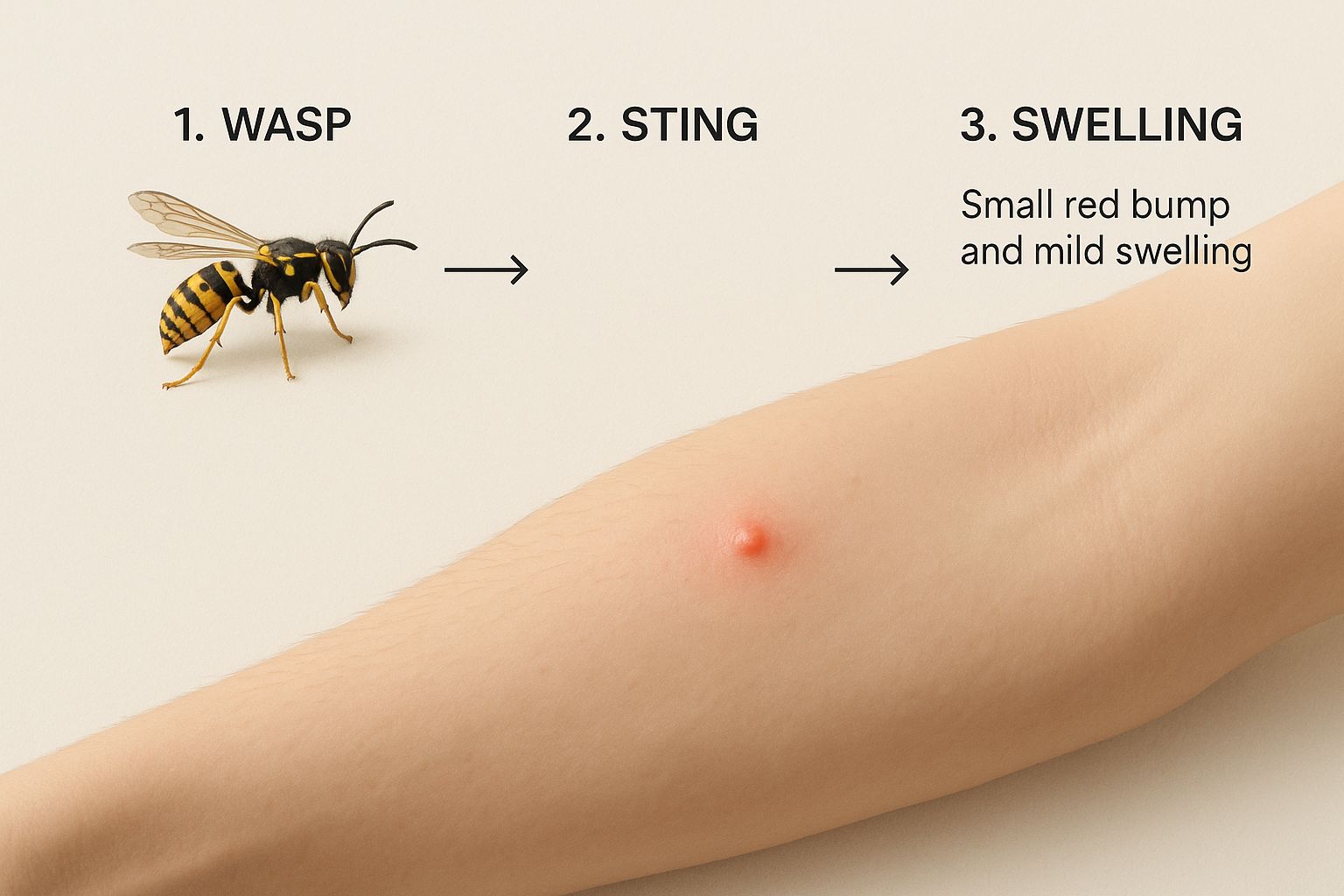
The image below shows what a typical fresh sting looks like—some mild redness and swelling are completely normal. Recognizing this initial reaction helps you jump into the right first aid steps without a second thought.
Wasp Sting First Aid Quick Reference
To make it even easier, here’s a quick reference table for those critical first moments. Acting fast can significantly reduce pain and swelling.
| Action | Why It Matters | How to Do It |
|---|---|---|
| Move to Safety | Prevents more stings from the same wasp or its colony. | Calmly walk away from the area where you were stung. Don't swat or run wildly. |
| Clean the Area | Washes away surface venom and bacteria to prevent infection. | Use mild soap and cool or lukewarm water. Gently lather, rinse thoroughly, and pat dry. |
| Apply a Cold Compress | Reduces swelling, numbs the area to ease pain, and slows inflammation. | Wrap an ice pack or a bag of frozen veggies in a thin towel. Apply for 10-15 minutes. |
Following these simple steps right away is the best thing you can do to manage a wasp sting effectively.
Initiate First Aid for Pain and Swelling
With the area clean, it's time to tackle the two most common symptoms: that throbbing pain and the swelling that follows. This is your body's inflammatory response kicking into gear.
The most effective tool you have is a cold compress. An ice pack wrapped in a thin towel is perfect, but a bag of frozen peas or even a cloth soaked in cold water will do the trick. Apply it to the sting for about 10-15 minutes at a time.
The cold works wonders by constricting your blood vessels. This slows the flow of inflammatory fluids to the site, numbs the nerve endings to dull the pain, and gets a handle on swelling before it gets out of control.
Mastering these immediate actions—getting to safety, cleaning the wound, and icing it down—paves the way for a much more comfortable healing process. They're simple, don't require any special supplies, and are truly the most important things you can do in the moments after a sting.
Soothing Pain and Swelling at Home
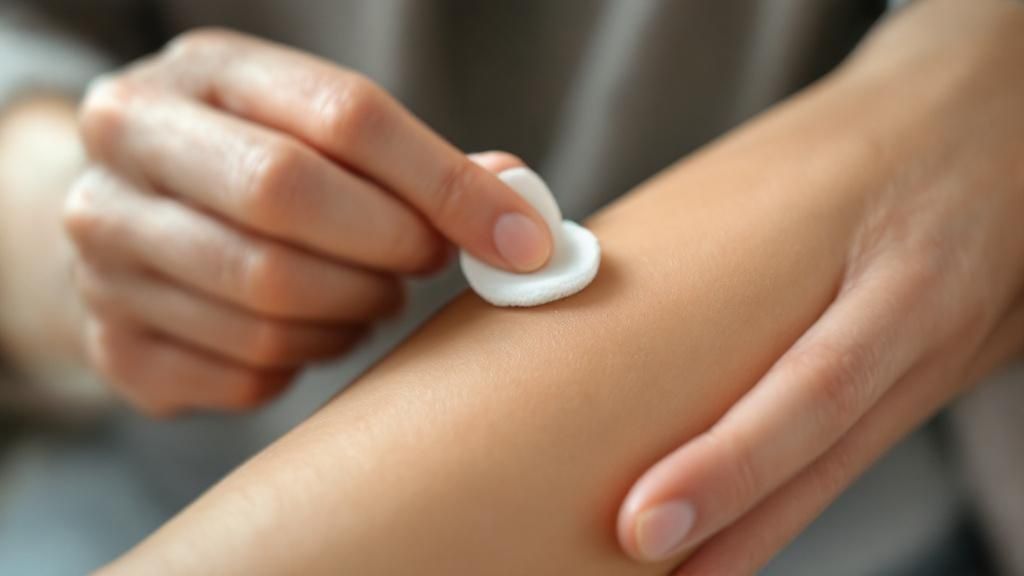
Once you've cleaned the sting site, your focus immediately shifts to managing the discomfort. That initial sharp pain will soon give way to swelling and a persistent itch as your body reacts to the venom. The good news is you have a whole toolkit of effective home remedies and over-the-counter options to turn a miserable experience into a minor annoyance.
The simplest and most immediate strategy is probably one you’ve already started: cold. A cold compress is your best friend when you're figuring out how to treat a wasp sting. The cold temperature constricts blood vessels, which directly tackles the two biggest problems—it reduces the flow of inflammatory agents to the site to minimize swelling, and it numbs the local nerve endings for instant pain relief.
For the best results, wrap an ice pack or even a bag of frozen veggies in a thin towel. You never want to apply ice directly to your skin. Hold the compress on the area for 10 to 15 minutes, then give your skin a break for at least 10 minutes before reapplying. You can repeat this cycle for the first few hours after the sting.
Elevating the Affected Area
Another simple but surprisingly effective tactic is elevation. If the sting is on an arm or a leg, just raising it above the level of your heart lets gravity do some of the heavy lifting.
This simple act encourages fluid to drain away from the swollen tissue, preventing it from pooling and making the discomfort worse. Think of it this way: propping your stung hand on a pillow while you watch TV is an easy, passive way to speed up your recovery.
Over-the-Counter Relief Options
While cold and elevation are great first-line defenses, sometimes you just need a little more help. Your local pharmacy has several excellent solutions to tackle the pain and itching more directly.
An oral antihistamine, like one containing diphenhydramine or cetirizine, is a smart move. Wasp venom triggers a histamine response—the chemical messenger responsible for all that swelling, redness, and intense itching. Taking an antihistamine helps block this reaction from the inside out.
For targeted relief right at the sting site, these topical treatments are fantastic:
- Hydrocortisone Cream: A low-strength (1%) steroid cream can work wonders on inflammation and that maddening itch.
- Calamine Lotion: This classic pink lotion is well-known for its soothing properties and is excellent for calming irritated skin.
- Antihistamine Cream: Applying an antihistamine directly to the skin provides powerful, localized relief from itching.
Always remember to follow the package directions for any medication you use. While these are common treatments, it's always best to use them as intended to avoid any potential side effects.
A Reliable Home Remedy: Baking Soda
If you prefer a more traditional approach or just don't have creams on hand, your kitchen pantry probably holds the answer. A baking soda paste is a time-tested remedy that can provide surprising relief.
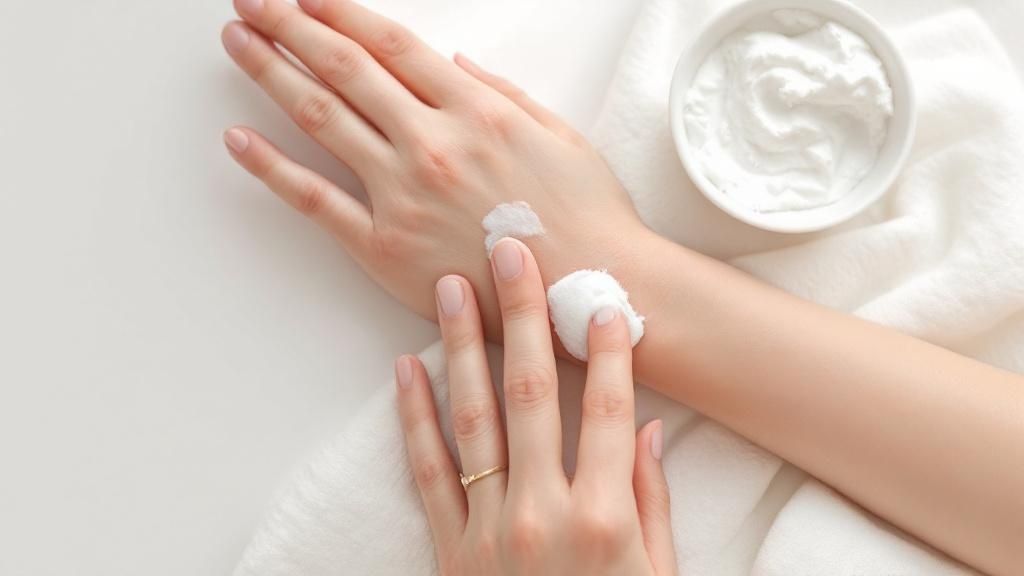
To make it, mix a small amount of baking soda with just enough water to form a thick, spreadable paste. Gently apply this to the sting, covering the red and swollen area. Let it dry and leave it on for about 15 to 20 minutes before rinsing it off with cool water. The alkaline nature of baking soda is thought to help neutralize some of the acidic compounds in wasp venom, calming the skin and reducing that urge to scratch.
Combining these methods is the real key to treating a wasp sting at home. For example, you could take an oral antihistamine, apply a cold compress for 15 minutes, and then put on a layer of hydrocortisone cream once the skin is dry. By layering these treatments, you attack the symptoms from multiple angles, ensuring faster and more complete relief. This approach helps you stay comfortable while your body does the hard work of healing.
Recognizing A Wasp Sting Emergency
While most run-ins with wasps result in some localized pain and swelling you can handle at home, it's absolutely critical to know when a sting crosses the line from a painful nuisance into a genuine medical crisis. Knowing the difference between a typical reaction and a life-threatening one means you can act fast when it matters most.
It's important to remember that not every dramatic reaction is an allergy, but every allergic reaction is serious.
One of the most common points of confusion is a large local reaction. This is when the redness and swelling spread far beyond the sting itself. For example, a sting on your hand could make your entire forearm swell up. While it looks alarming and feels awful, this kind of reaction isn't usually dangerous as long as the symptoms stay in that one part of the body.
The real danger comes from a systemic reaction, also known as anaphylaxis. This is a severe, whole-body allergic response that demands immediate emergency medical help.
Spotting The Signs Of Anaphylaxis
Anaphylaxis is a fast-moving emergency where symptoms show up in parts of the body far away from the sting. If you or someone you're with experiences any of the following after a sting, you need to call 911 right away.
- Breathing Difficulties: This can manifest as wheezing, a tight feeling in the chest or throat, a persistent cough, or a terrifying sensation that the airway is closing.
- Swelling of the Face, Lips, Tongue, or Throat: Any swelling in these areas is a massive red flag, as it can block breathing very quickly.
- Widespread Hives or Rash: A rash or hives that pop up all over the body, not just near the sting, signals a systemic problem.
- Sudden Dizziness or Fainting: A sharp drop in blood pressure can cause lightheadedness, confusion, or even a complete loss of consciousness.
- Gastrointestinal Distress: Symptoms like intense nausea, vomiting, stomach cramps, or diarrhea can also be part of an anaphylactic shock.
The second you suspect anaphylaxis, don't wait to see if things get better. Time is of the essence. This is a life-or-death situation where every moment counts. For severe allergic reactions like anaphylaxis, quick action is vital; it's important to have a guide for understanding anaphylaxis and epinephrine auto-injector usage.
The Danger Of Multiple Stings
Even if someone isn't allergic, getting stung many times at once creates a different type of emergency: a toxic reaction. A single wasp only injects a tiny bit of venom, but the combined dose from dozens or hundreds of stings can completely overwhelm the body's systems. This massive amount of venom can cause widespread tissue damage, leading to dire complications like muscle breakdown or kidney failure.
The key takeaway is that a large number of stings—generally more than 10 to 20 for an adult—should always be treated as a medical emergency, even if the person has no known allergy.
If you find a large, aggressive nest on your property that puts you at risk of multiple stings, do not try to deal with it yourself. Getting the professionals involved is by far the safest option. For those in our area, you can learn more about safe emergency wasp removal to get the problem taken care of correctly and safely.
Global Approaches to Wasp Sting Treatment
How you treat a wasp sting isn't a one-size-fits-all kind of deal. The best approach really hinges on where you are in the world, the type of wasp you’ve run into, and what the biggest medical threats are in that region. Looking at these global differences gives you a much richer perspective on why you see so much varied advice out there.
In most Western countries, like the United States and the United Kingdom, medical protocols are built around managing allergic reactions. The number one concern is often anaphylaxis—that severe, potentially life-threatening allergic response. As a result, long-term strategies like immunotherapy, which can help desensitize the body to venom over time, are a major part of the clinical playbook.
This focus is directly shaped by the local environment. While wasps are definitely a nuisance, massive swarm attacks are far less common than in other parts of the world. The medical system, therefore, is mostly geared toward handling individual stings and the allergic potential they carry.
A Shift in Clinical Priorities
Now, let's pivot to regions in Asia, like China and Thailand. Here, the situation can be dramatically different. Aggressive species like the Asian giant hornet are more common, and swarm attacks that inflict multiple stings are a much more frequent public health problem.
When someone is stung dozens or even hundreds of times, the main threat isn't just an allergic reaction—it's systemic venom toxicity. A massive dose of venom can simply overwhelm the body and trigger multi-organ failure. Because of this, the clinical priority shifts away from just managing allergies and toward treating the toxic effects of the venom itself.
This has led to the creation of specific national guidelines and public health campaigns in high-risk areas, all designed to fight the unique threat posed by local wasp species.
A key takeaway is that geography dictates risk. The danger from a single wasp sting in a suburban backyard in North America is fundamentally different from the danger of a swarm attack in a rural, forested area in Southeast Asia.
Regional Research and Guidelines
This regional split is deeply embedded in medical research and public health strategies. How wasp stings are clinically managed varies significantly across the globe, influenced by the dominant wasp species and the medical priorities they create. For example, in China and other parts of Asia where wasp stings are a major issue, research zeroes in on venom composition, toxicological effects, and building care protocols for local needs. In fact, China has established expert consensus guidelines and widespread public education in high-incidence areas to improve outcomes.
In contrast, Western countries tend to place more emphasis on allergic reactions to Hymenoptera stings, a group that also includes honeybees. Guidelines in these areas are primarily focused on diagnosing and treating anaphylaxis with tools like immunotherapy. This lack of a single, unified global guideline really highlights the complexity of the issue, and you can discover more insights about these divergent approaches from recent studies.
Preventing Nests to Avoid Stings
No matter where you live, the most effective strategy is always prevention. Simply understanding the risks in your area helps you take the right proactive steps. If you notice wasps building a nest on your property, dealing with it early is the safest way to prevent a painful encounter for your family.
For homeowners, tackling an active nest on your own can be dangerous. A professional approach ensures the problem is handled safely and effectively, minimizing the risk of stings. If you're concerned about a nest, consider learning more about professional wasp nest removal services to protect your home. This is especially important in areas with more aggressive species, but it’s a smart move anywhere.
Smart Strategies for Wasp Sting Prevention
While knowing how to treat a wasp sting is crucial, the best approach is always to avoid getting stung in the first place. This isn't about hiding indoors all summer; it's about making a few simple, smart adjustments to your environment and behavior that make you a far less interesting target for wasps.
The core of good prevention really starts in your own backyard. Wasps are constantly on the lookout for two things: easy food and safe places to build a nest. Taking away these open invitations is your first and most effective line of defense. A little bit of vigilance goes a long way.
Make Your Yard Less Inviting
Your property can either be a five-star resort for wasps or a place they'd rather skip. The difference often comes down to how you manage your outdoor spaces, especially anywhere food and shelter are available.
-
Secure Your Trash: Open or overflowing garbage cans are a public buffet for wasps, especially yellow jackets, who crave proteins and sugars. Make sure all your outdoor bins have tight-fitting lids and give them a rinse now and then to get rid of sticky residues.
-
Manage Food and Drinks: After a barbecue or outdoor meal, clean up right away. Don’t leave leftover food, open soda cans, or sugary drink spills sitting out. Wasps have a surprisingly keen sense of smell and will zero in on these easy meals in no time.
-
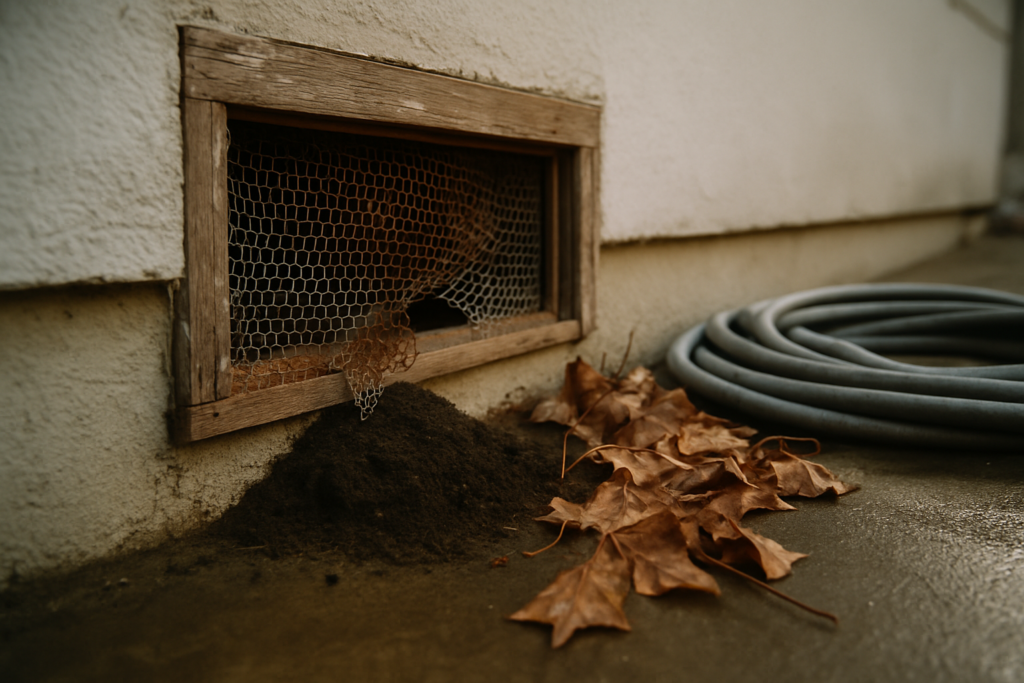
Seal Up Potential Nesting Spots: Wasps are experts at finding protected, out-of-the-way places to build their nests. Get in the habit of inspecting your home's exterior for gaps and openings. Common hideouts include under eaves, inside wall cavities, behind shutters, and in sheds or playhouses. Sealing these cracks with caulk is a simple fix that can prevent a colony from ever moving in.
I tell homeowners this all the time: a proactive inspection each spring can save you a world of trouble. Spending just a few minutes checking and sealing those classic nesting spots is probably the single most effective thing you can do.
Personal Safety When You're Outdoors
Beyond your property, the way you act outdoors can also change your odds of getting stung. Wasps use sight and smell to navigate their world, and we can accidentally send them signals that draw them closer.
Just thinking ahead before you head outside can make a huge difference in helping you fly under their radar.
-
Go Easy on the Scents: Heavily scented perfumes, colognes, lotions, and even some hair products can attract wasps. If you know you'll be spending a lot of time outside, especially near gardens or parks, maybe opt for unscented products.
-
Rethink Your Wardrobe: Wasps are drawn to bright colors and floral patterns, likely mistaking them for actual flowers. You'll be far less noticeable to them if you wear neutral tones like white, tan, or khaki.
-
Cover Your Food and Drinks: When you're eating outside, keep food in sealed containers until you're ready to eat. And please, drink from cups with lids and straws. It's shockingly easy for a wasp to crawl inside a soda can without you ever noticing.
For those with a green thumb, making your garden less appealing to all sorts of unwanted visitors can be a big help. Some gardeners have good luck with homemade garden pest repellents that can help discourage a variety of insects.
The Right Way to React (and What Not to Do)
Even with the best prevention, you might find a wasp buzzing a little too close for comfort. How you react in that moment is everything. The gut instinct for most people is to panic and swat at it, but that's the absolute worst thing you can do.
Flailing your arms looks like an attack to a wasp. This aggressive motion will only provoke it to sting in self-defense. Worse, a distressed wasp can release alarm pheromones—a chemical SOS that calls its colony-mates to join the fight.
Instead, your goal is to be boring. Just freeze. Then, slowly and calmly back away until you're at a safe distance. This calm, non-threatening movement tells the wasp you're not a danger, and it will almost always lose interest and fly off. Master that calm retreat, and you can turn a potentially dangerous encounter into a complete non-event.
If you find that your property has a wasp problem that just won't quit despite your best efforts, it might be time to call in a professional. You can learn more about safe and effective ways to manage infestations with eco-friendly wasp control treatments.
Common Questions About Wasp Stings
After the initial shock of a sting wears off, the questions usually start bubbling up. It’s totally normal to have a dozen different thoughts racing through your mind as you ice the red, swollen area. I get these questions all the time, so let's cut through the confusion and get you some clear, practical answers.
Knowing the facts helps you handle the situation with confidence and avoid wasting time on ineffective "cures" you might find floating around online.
Wasp Sting Or Bee Sting? How Can I Tell?
One of the first things people wonder is what exactly got them. The key difference between a wasp and a honeybee sting really comes down to what’s left behind in your skin.
- Honeybees have barbed stingers that get lodged in your skin. When the bee flies away, it rips the stinger and its attached venom sac right out of its body. This is fatal for the bee, but it means the sac keeps pumping venom into you. If you see a tiny black "splinter" in the wound, it was a honeybee.
- Wasps (which include yellow jackets and hornets) have smooth stingers. This is bad news for us, because it allows them to sting you, pull their stinger out unharmed, and fly away—or even sting you again. If you were stung but there's no stinger left in your skin, it was almost certainly a wasp.
Because wasps can deliver multiple stings, they are often considered more aggressive. From personal experience and what I hear from clients, their stings are also frequently described as being more intensely painful right from the start.
How Long Will This Hurt?
This is the big question on everyone's mind, and for good reason. For a typical, uncomplicated wasp sting, you can expect the worst of that sharp, burning pain to fade within a few hours.
However, the other symptoms—like the swelling, redness, and that maddening itch—can stick around for much longer. It's completely normal for a sting site to stay swollen and tender for three to four days. In some cases, especially with a large local reaction, the swelling can persist for up to a week. Keeping the area clean and using the home treatments we’ve already covered will definitely help speed this process along.
Can I Be Allergic If I’ve Never Been Stung Before?
Yes, it is absolutely possible to have a severe allergic reaction, known as anaphylaxis, to your very first wasp sting. An allergy is simply your immune system's over-the-top reaction to a foreign substance, and sometimes that first exposure is all it takes to set it off.
That said, it's more common for severe allergies to develop after a previous sting has "sensitized" your immune system. You might have had only a minor reaction the first time, but your body went ahead and created antibodies that will trigger a much stronger, more dangerous reaction on the next exposure. Since you can't know how your body will react, it's critical to watch for signs of anaphylaxis after any sting, whether it’s your first or your fiftieth.
Key Insight: Never assume you aren't allergic just because you haven't had a severe reaction in the past. Allergies can pop up at any point in your life.
Are Home 'Cures' Like Toothpaste or Vinegar Legit?
You’ve probably heard some of these before. People swear by slathering a sting with all sorts of household items, from toothpaste and mud to meat tenderizer and vinegar.
While these "remedies" are popular in folklore, there is simply no scientific evidence that they work. In fact, some can even make things worse. Applying non-sterile stuff like mud can introduce bacteria into the puncture wound, which can lead to a nasty skin infection.
It's much better to stick to the proven methods:
- Clean the wound thoroughly with soap and water.
- Apply a cold compress to bring down swelling.
- Use over-the-counter hydrocortisone or antihistamine creams to get the itching under control.
These steps are scientifically sound and will give you real relief while helping to prevent any further complications.
Wasp stings are often dismissed as minor injuries, but they can pose a significant public health challenge. For instance, in southern China, studies from Hubei Province have documented frequent hospitalizations from wasp stings, with a mortality rate of 5.1% due to severe organ damage. These risks escalate sharply with multiple stings, a common scenario in many Asian countries. This global perspective highlights just how important proper treatment is, and you can learn more about how these challenges are managed worldwide by reviewing the research.
Dealing with a wasp nest on your own is risky business and can easily lead to multiple painful stings. If you're seeing wasp activity around your home, trust the experts at West Pest Co. to handle it safely and effectively. We provide reliable, eco-friendly solutions to protect your family and property. Visit us online to schedule your inspection today!