Think of preventative pest control as a different way of looking at keeping your home safe. Instead of scrambling to deal with pests after they’ve already moved in, this approach is all about stopping them from getting a foothold in the first place. It's about creating an environment around your property where pests just can't get comfortable.
This simple shift from a reactive to a proactive mindset is the real secret to long-term peace of mind.
Shifting Your Mindset from Reaction to Prevention
It helps to think about your home's pest strategy like your own personal health plan. You don't wait until you're seriously sick to start eating healthy and exercising, right? You do those things to keep from getting sick. Preventative pest control is built on that exact same idea—it’s about consistent, forward-thinking care to protect your home’s well-being.
This approach lets you step off the frustrating treadmill of finding an infestation, calling for an emergency fix, and then waiting for the next problem to pop up. It’s a strategic decision to make your home a less appealing target all year round. The goal isn't to fight off an army of ants in your kitchen or discover rodents in the attic; it's to make your home so uninviting that they pass you by for an easier target.
Building Your Defense System
Putting this strategy into action starts with figuring out where your home is most vulnerable. Pests are opportunists at heart. They will happily exploit any weakness they can find, whether it’s a tiny crack in the foundation or a slow drip from a pipe under the sink.
The first step is always a thorough check-up of your property. To get a head start, you can learn more about what professionals look for with our expert home pest inspection tips.
This forward-thinking approach has become more important than ever for homeowners. In fact, the U.S. pest control industry recently saw growth of nearly 8%, which is a pretty clear signal that people are choosing to invest in prevention to sidestep the high costs and stress of a full-blown infestation. You can dig into this industry trend over at NPMApestworld.org.
The core idea behind preventative pest control is simple but incredibly powerful: It is always easier, cheaper, and safer to keep pests out than it is to get them out once they’ve already settled in.
The Long-Term Benefits
Adopting this mindset gives you more than just a pest-free home. It delivers some serious advantages that add up over time:
- Financial Savings: Consistent, predictable maintenance costs are a drop in the bucket compared to emergency extermination fees and the expensive repairs needed for pest-related damage.
- Peace of Mind: There's a real comfort in knowing your home is actively protected from unseen threats. It lets you relax and enjoy your space without that nagging worry in the back of your mind.
- Property Protection: It protects your home’s structural integrity and value by stopping destructive pests like termites and carpenter ants before they can even start causing damage.
The Hidden Costs of a Wait-and-See Approach
<img src="https://cdn.outrank.so/2cc13dec-bac6-4c8a-8b1c-c3d8875ce757/34b4eef9-ff83-4963-a3b0-a987e10bb1ea.jpg" alt="A pest control professional inspecting the exterior of a home.”>
It’s tempting to take a “wait-and-see” approach to pests. After all, why fix a problem that hasn’t appeared yet? But this is a risky gamble, one where the consequences are almost always more severe and costly than homeowners ever expect.
Think of it like ignoring a tiny roof leak. What starts as a small, manageable drip can eventually lead to a collapsed ceiling and a massive repair bill. It’s the same with pests. Waiting until you see them means they’ve already had plenty of time to get comfortable and cause damage behind the scenes.
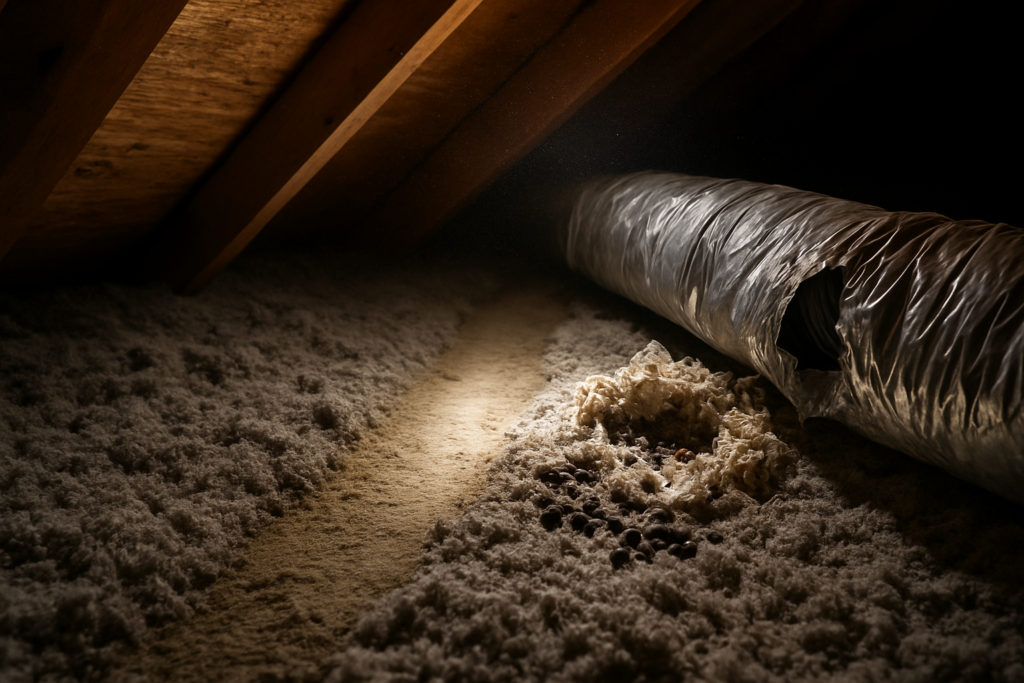
The most shocking costs often come from structural damage. Pests like termites and carpenter ants can quietly chew through wooden supports, floor joists, and walls for months—or even years—without a single visible sign. By the time you spot them, you could be looking at repairs that easily run into the thousands.
The Financial Domino Effect
An emergency call for a sudden infestation always costs more. You’re not just paying for a standard treatment; you're paying a premium for urgency. This reactive mindset creates a cascade of expenses that a smart, preventative plan is designed to stop dead in its tracks.
Just consider these potential hidden costs:
- Structural Repairs: The price tag to fix wood damage from termites or carpenter ants can be absolutely astronomical.
- Contaminated Goods: Rodents and cockroaches can ruin an entire pantry of food, forcing you to throw everything out and start over.
- Damaged Belongings: Pests aren’t picky. They can destroy furniture, clothing, and even chew through electrical wiring, creating unexpected replacement costs and fire hazards.
The true financial burden of a pest infestation isn't just the exterminator's fee. It's the mountain of secondary costs—the repairs, replacements, and emergency service premiums—that really hurts your wallet.
More Than Just a Financial Problem
Beyond the obvious strain on your bank account, a full-blown infestation brings serious health risks into your home. Rodents, ticks, and cockroaches are notorious for carrying diseases and allergens that can threaten your family’s well-being. These health issues add a layer of stress that is completely avoidable with a proactive strategy.
It's no surprise the global pest control market has seen huge growth, recently valued at around $24.71 billion and projected to climb even higher. This trend shows a growing understanding that prevention is key to protecting not just property, but people. You can dig into more market growth data from The Business Research Company.
Ultimately, the small, predictable investment in a preventative pest control plan is like an insurance policy for your home. It shields your property’s value, safeguards your family’s health, and provides priceless peace of mind by stopping major problems before they ever get a chance to start.
Building Your Home's Pest Defense Barrier
The most effective way to keep pests out is to think of your home like a fortress. A good defense isn't just one wall; it's a series of them. We'll start by securing the perimeter outside, then move to reinforcing your defenses on the inside. By methodically shoring up vulnerabilities in both areas, you make your property a whole lot less inviting to unwanted guests.
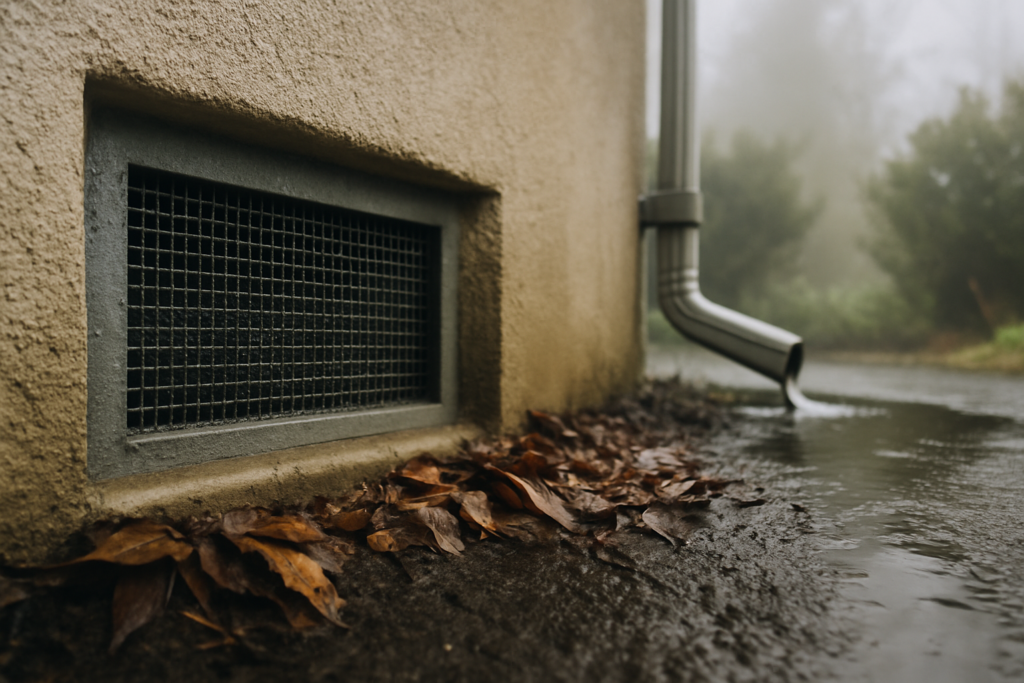
Your strategy has to start outdoors. Pests are clever opportunists, and they view your landscaping as a superhighway straight to your front door. Think about it: overhanging tree branches, dense shrubs pressed against the siding, and piles of leaves all provide perfect cover and a direct route inside.
This is where you can make a huge, immediate impact. Simple yard work is honestly one of the most powerful forms of pest prevention. It removes the bridges pests depend on to get from their world into your living space.
Fortifying Your Exterior Defenses
To truly secure the outside of your home, you need to start thinking like a pest. Where would you hide? How would you sneak in? Answering these questions is the key to knowing exactly where to focus your efforts.
Get started with these essential steps:
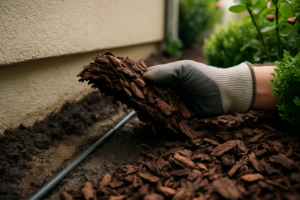
- Trim All Vegetation: Give yourself at least a one-foot buffer between any tree branches, shrubs, or plants and your home's foundation and siding. This simple gap shuts down the easiest pathways for ants and spiders.
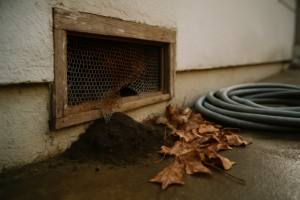
- Seal Every Entry Point: Grab some caulk and do a slow, careful walk around your property. Inspect the foundation, walls, and roofline for any cracks, gaps, or holes. Seal up small openings around utility lines and windows, and patch up any torn screens. A tiny opening is a wide-open door for pests.
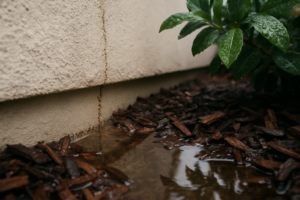
- Manage Water and Drainage: Pests like mosquitoes and cockroaches absolutely love moisture. Make sure your gutters are clean and that water drains away from your foundation. Getting rid of standing water eliminates the breeding grounds they need to multiply.
- Secure Outdoor Waste: Keep your trash cans and compost bins sealed up tight and, if possible, store them away from the house. Leftover food waste is like a flashing neon sign for everything from rodents to roaches.
This infographic breaks down the ongoing cycle of professional pest prevention—it’s not a one-and-done job, but a continuous process.
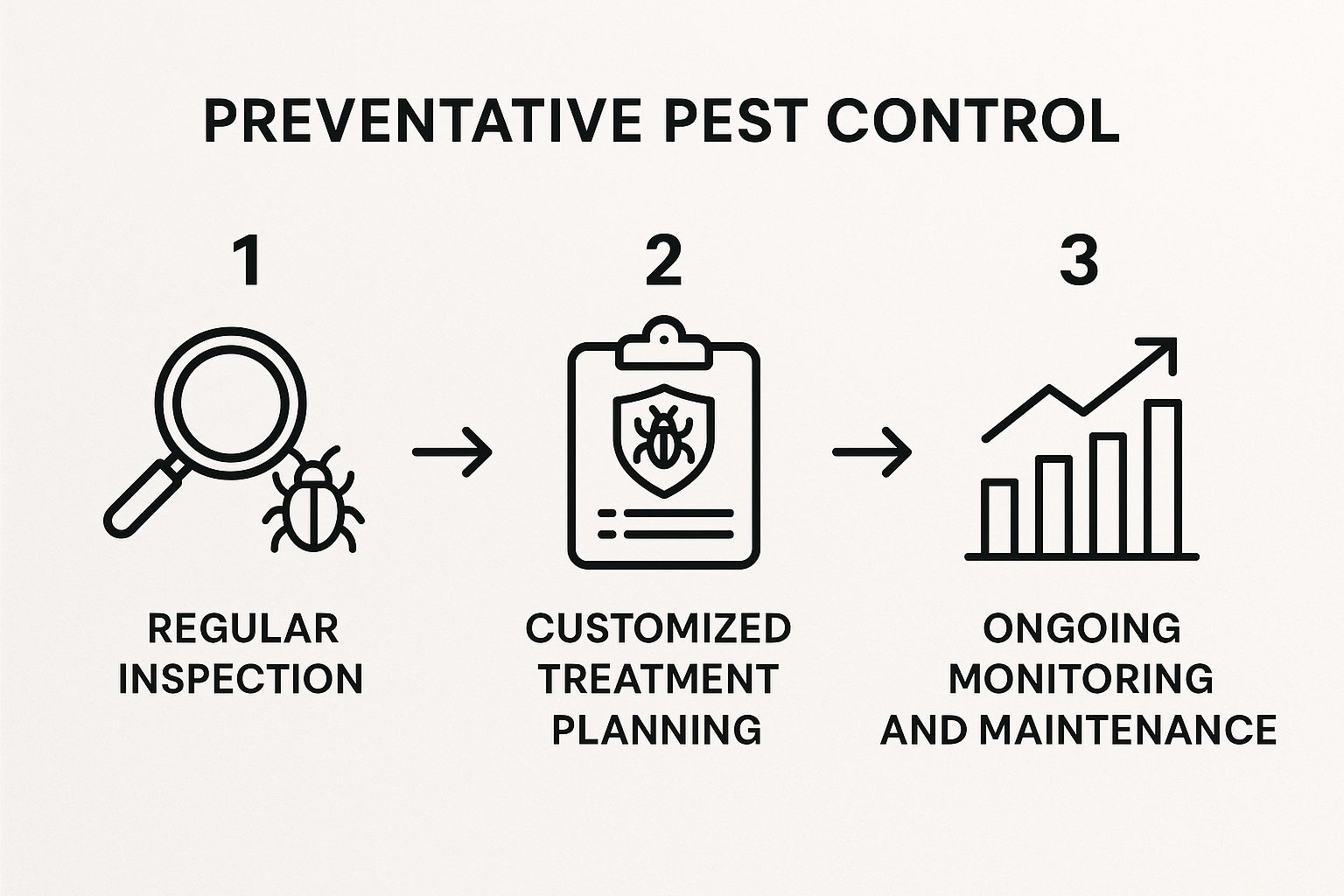
As you can see, real prevention is a strategic, ongoing process that adapts to what's happening around your home each season.
Securing Your Home From the Inside
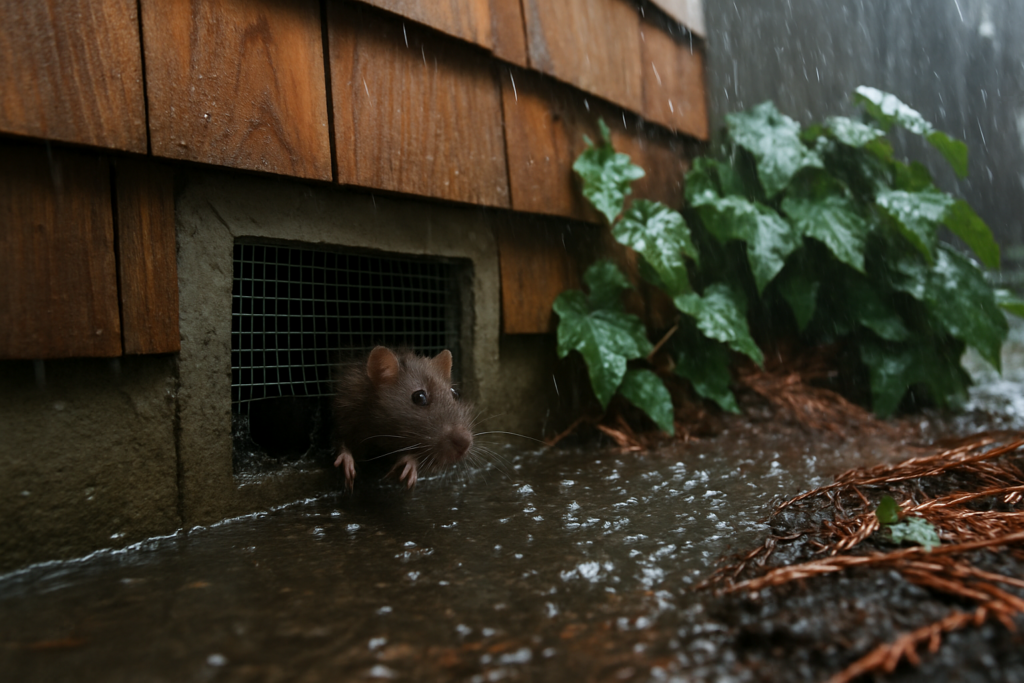
Once you’ve shored up the outside, it's time to turn your attention inward. Even with a strong perimeter, any pests that do manage to slip past will happily set up shop if they find food, water, and shelter. This is especially true for destructive pests like rodents. If you're concerned about them specifically, it's worth learning about the best rodent prevention plan to protect the most vulnerable areas of your home.
A clean and clutter-free interior is your critical second line of defense. When you remove the resources pests need to survive, you make your home a hostile, unappealing environment for them.
Focus your indoor efforts on building these key habits:
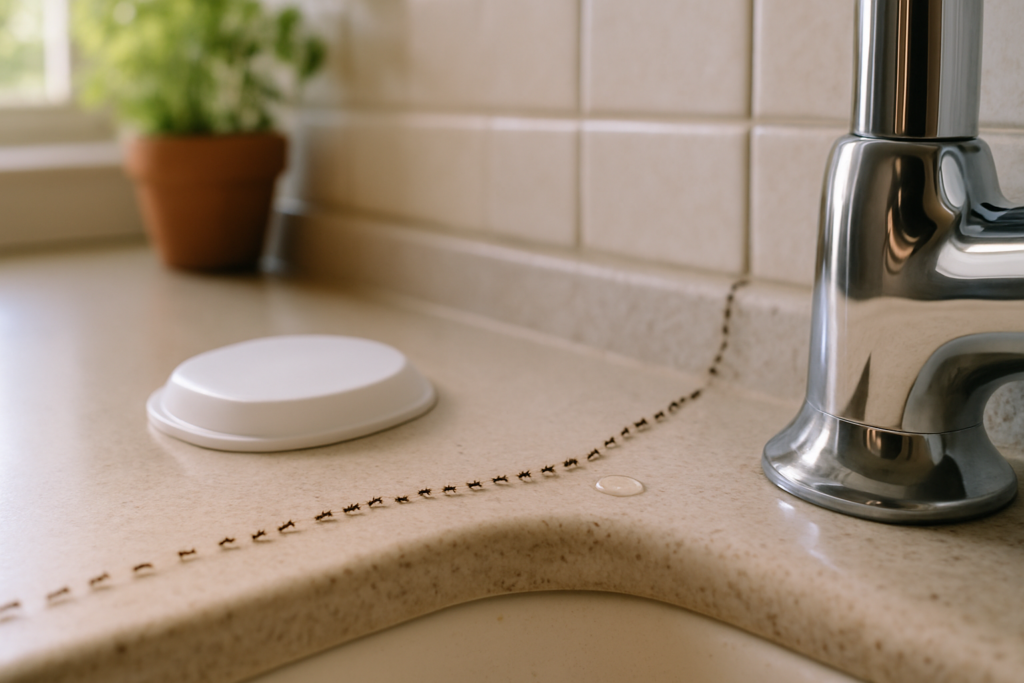
- Prioritize Kitchen Sanitation: This is non-negotiable. Clean up crumbs and spills right away. Wipe down your counters daily, sweep or vacuum the floors regularly, and never, ever leave dirty dishes in the sink overnight.
- Secure All Food Sources: Store pantry items like grains, cereal, and pet food in airtight glass or hard plastic containers. A flimsy cardboard box is just a minor inconvenience for a hungry rodent or pantry moth.
- Eliminate Clutter: Pests thrive in chaos. Those stacks of old newspapers, cardboard boxes, and forgotten junk in the corner are prime real estate for them. Decluttering your basement, attic, and garage removes their favorite hiding spots and makes it much easier to spot the early signs of a problem.
To help you get started, we've put together a simple checklist to guide your efforts. Think of this as your roadmap to a pest-free home, breaking down key tasks by area.
Your Home Pest Prevention Checklist
This table provides a practical starting point for systematically securing your property. Follow these recommendations to build a robust, multi-layered defense against common household pests.
| Area of Concern | Key Preventative Action | Recommended Frequency |
|---|---|---|
| Home Exterior | Trim vegetation back 1-2 feet from the siding and roof. | Seasonally (Spring & Fall) |
| Foundation & Walls | Inspect for and seal any cracks, gaps, or utility entry points with caulk. | Annually |
| Windows & Doors | Check for and repair any damaged screens or worn-out weather stripping. | Twice a year |
| Gutters & Drainage | Clean out gutters and ensure downspouts direct water away from the foundation. | Twice a year (Spring & Fall) |
| Kitchen & Pantry | Store all food (including pet food) in airtight containers. Wipe up spills immediately. | Daily |
| Trash & Recycling | Use bins with tight-fitting lids and take trash out regularly. | Daily/Weekly |
| Basement & Attic | Reduce clutter, especially cardboard boxes and paper, to eliminate hiding spots. | Annually |
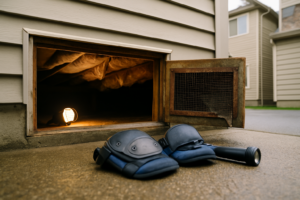
| Crawl Space | Ensure it is dry and well-ventilated. Check for and repair any moisture leaks. | Annually |
By tackling these areas consistently, you’re not just cleaning—you’re actively pest-proofing. A little bit of routine maintenance goes a long way in keeping your home comfortable and secure year-round.
Sustainable Pest Control Strategies for Modern Homes
Truly effective, modern pest control isn’t about reaching for the harshest chemical first. It’s about being smarter. It’s about a more thoughtful, strategic approach known as Integrated Pest Management (IPM).
Think of IPM like a pyramid. The foundation is built on practical, non-chemical solutions, while chemical treatments are the very last option at the peak, used only when absolutely necessary. This holistic method combines multiple tactics to create a robust defense that’s far safer for your family, pets, and our local Santa Cruz ecosystems. It's about getting real results without compromise.
The IPM Hierarchy of Controls
IPM isn’t a single action but a tiered system that builds on itself. Our professionals always start with the least invasive methods, only moving up the ladder if the pest problem persists. This ensures the solution fits the problem—no more, no less.
Here’s how this common-sense strategy unfolds:
- Cultural & Mechanical Controls: These are the foundational steps. Think of it as pest-proofing your home from the ground up. We're talking about sealing entry points, fixing leaky pipes, and keeping things tidy. A well-maintained home is naturally a less inviting target for pests.
- Biological Controls: This is where we use nature to fight nature. A classic example is encouraging beneficial insects like ladybugs to control aphids in a garden. It’s a sustainable tactic that works with the local environment, not against it.
- Targeted Chemical Application: If chemicals are needed, they are used with precision, not sprayed recklessly. We focus on specific, low-impact products applied directly to problem areas. No broadcast spraying, just targeted control.
Integrated Pest Management is the gold standard for responsible pest control. It shifts the focus from simply wiping out pests to managing them in a way that minimizes risks to people and the environment.
This smarter approach isn't just a niche trend; it's a global movement. The market for natural enemy pest control—a key piece of IPM—recently jumped from $19.67 billion to over $21 billion. That’s a clear sign that homeowners are demanding strategies that work in harmony with nature.
This philosophy is at the heart of what we do, which is why we proudly offer specialized eco-friendly pest control treatments in Santa Cruz County that follow these principles. By focusing on the root cause instead of just the symptoms, we deliver lasting protection you can feel good about.
When to Call in a Pest Control Professional

Let’s be clear: DIY preventative pest control is an incredible first line of defense. But even the most dedicated homeowner can run into a problem that’s simply out of their league. Knowing when to trade your DIY hat for a professional’s is the key to protecting your home and health from serious trouble.
Think of it like working on your car. You can change the oil and replace the wiper blades, but you call a mechanic for a transmission issue. Pest control works the same way. Some problems are just too big, too destructive, or too risky to handle on your own.
Recognizing the Red Flags
Certain signs are less like whispers and more like flashing neon lights telling you an infestation is getting out of hand. If you spot any of these, it's time to pick up the phone. Waiting can turn a small issue into a costly nightmare.
Here are the key warning signs:
- Recurring Infestations: You’ve sealed every crack, cleaned until everything shines, and set out traps, but the pests just keep coming back. This almost always points to a hidden source that requires professional tools and a trained eye to find and shut down for good.
- Destructive Pest Sightings: Seeing even one termite, carpenter ant, or powderpost beetle is a massive red flag. These pests cause devastating structural damage that often happens behind walls, completely hidden until it’s extensive and expensive to fix.
- Health and Safety Risks: Any pest that poses a direct threat to your family—like venomous spiders, disease-carrying rodents, or stinging insects building a nest near your front door—calls for immediate professional help. Don’t take the risk.
A professional assessment isn't just about spraying for bugs. It's a comprehensive diagnostic process to uncover the "why" behind your pest problem, leading to a long-term solution instead of a temporary fix.
What to Expect From a Professional Service
When you call a reputable company, you're not just hiring someone to spray chemicals. You’re partnering with a specialist who can build a customized preventative pest control strategy for your specific property. The whole process should feel transparent and thorough right from the start.
A quality service always kicks off with a detailed inspection of your entire property, inside and out. The technician will identify existing pest issues, find potential weak spots, and point out conditions around your home that might be inviting pests in.
After the inspection, they'll present a tailored treatment plan. This plan should clearly explain which pests they’re targeting, the methods they’ll use (including any eco-friendly options), and how often they recommend service. This is your chance to ask questions and make sure their approach fits your family’s needs and values.
Choosing the Right Pest Control Partner
Before you sign on the dotted line, it’s crucial to vet any company you're considering. A trustworthy partner will be happy to provide clear, direct answers to all your questions.
Make sure you ask these critical questions:
- Are you licensed and insured?
- Do you offer a service guarantee?
- What products do you use, and can you provide safety data sheets? Are they safe for my family and pets?
- Can you walk me through your Integrated Pest Management (IPM) approach?
Making the call for professional help isn’t admitting defeat—it’s a smart, proactive move. It ensures the problem is handled correctly the first time, giving you a safer, more effective, and lasting solution for your home.
Have Questions About Preventative Pest Control? Let’s Clear Things Up.
Even after seeing all the benefits, it's completely normal—and smart—to have a few questions before you bring in a professional. Taking a moment to address those concerns is the best way to gain the confidence you need to protect your home and family.
We've pulled together the questions we hear most often from homeowners just like you. Our goal is to give you clear, straight answers and get rid of any lingering doubts. Let's dive in.
Is Preventative Pest Control Really Worth the Cost?
Absolutely. The simplest way to look at it is like an insurance policy for your home’s health and structure. The steady, predictable cost of a preventative plan is just a tiny fraction of what you'd pay for an emergency call to get rid of a full-blown infestation.
But the real savings go far beyond the service fee. Think about the hidden costs of an infestation: repairing termite damage that can silently chew through thousands of dollars of your home's frame, or replacing food and other items contaminated by rodents. A proactive approach simply prevents these disasters from ever happening, saving you a massive amount of money and stress down the road.
Are Preventative Treatments Safe for My Children and Pets?
Yes, and this should be the top priority for any pest control company worth its salt. Modern, professional methods, especially those guided by an Integrated Pest Management (IPM) approach, are designed from the ground up to be targeted and safe. The whole philosophy is to start with the most effective, least-toxic solutions first.
This usually means applying products where pests live, but your family doesn't. Think of your home’s exterior foundation, inside wall voids, and other out-of-the-way spots where pests hide.
A true professional will always take the time to talk through your specific worries. They'll explain exactly what products they're using and walk you through any simple safety steps, like keeping kids or pets out of a specific area for a little while until the treatment is completely dry.
This kind of open communication ensures the treatment is tough on pests but gentle on your family.
How Often Do I Need Professional Preventative Services?
There’s no single "right" answer here—the ideal schedule really depends on a few key things. Your specific location, the type of home you have, and the pest pressures in your neighborhood all come into play.
For the majority of homes, a quarterly service (every three months) is the gold standard. It’s incredibly effective because the timing lines up perfectly with the seasonal shifts in pest behavior. This lets a technician adjust their strategy to maintain a strong defensive shield all year long. For instance, the game plan for stopping spring ant invasions is totally different from the one for keeping rodents out in the fall.
Of course, some properties face a higher risk. If you live in a heavily wooded area, are close to a creek, or have a history of stubborn infestations, a more frequent bi-monthly or even monthly service might be recommended to guarantee total protection. It all starts with a thorough inspection, which allows a pro to build a plan that’s truly right for you.
Can I Do Preventative Pest Control Myself?
Not only can you, but you absolutely should! Your daily habits and seasonal upkeep form the bedrock of any solid pest defense. These simple actions create a powerful first line of defense that makes your home a much less inviting target for pests.
Here are the essential DIY tasks every homeowner should get into the habit of doing:
- Seal Up Entry Points: Take a walk around your property every so often and use caulk to seal small cracks and gaps in the foundation or around windows.
- Keep a Clean Home: Consistent cleaning, especially in the kitchen, cuts off the food sources that pests rely on to thrive.
- Get Rid of Standing Water: Dump out puddles and make sure your yard drains properly to eliminate breeding grounds for mosquitoes and other insects.
While these DIY efforts are crucial, a professional service brings two things to the table you just can't get on your own: a trained eye that can spot subtle warning signs and access to more effective, longer-lasting products that aren't sold to the public. The most powerful preventative pest control is a partnership—your diligent home maintenance combined with periodic professional treatments creates a layered defense that’s tough to beat.
Ready to build a professional-grade defense for your home? The team at West Pest Co. combines expert knowledge with a commitment to responsible, effective solutions. Protect your property and gain peace of mind by scheduling your comprehensive inspection today. Learn more and get started at westpestco.com.