That faint scratching in the wall, the odd smell in the kitchen, or the mysterious crumbs in the pantry are not just quirks of an old house. They can be subtle but critical signs of pest infestation. Many property owners, from homeowners in Santa Cruz County to commercial managers, often overlook these early warnings, allowing small problems to escalate into major structural and health hazards.
Pests are experts at staying hidden, thriving in the unseen corners of our homes and businesses. Recognizing the earliest indicators is your first and most powerful line of defense against them. To better understand the various types of intruders you might encounter, refer to this comprehensive guía para identificación y control de plagas. Knowing the specific pest is crucial, as the signs they leave behind are often unique.
This guide breaks down the seven most common signs of pest infestation, providing the detailed, actionable knowledge you need to identify an issue before it takes over. We will move beyond the obvious, offering fresh insights into what to look for, from the specific shape of a dropping to the meaning behind a midnight noise. This will equip you to protect your property, whether it's a family home, a commercial building, or a garden, and restore your peace of mind.
1. Unmistakable Evidence: Droppings and Excrement
Long before you spot an actual pest scurrying across the floor, you will likely discover what it leaves behind. Pest droppings are one of the most definitive and common signs of pest infestation, acting as a physical calling card that provides valuable clues. The size, shape, and location of the excrement can help you identify the culprit, estimate the infestation's size, and determine how recently they were active.
Finding these droppings provides undeniable proof of a pest problem, giving you a clear starting point for action. Fresh, dark, and moist droppings indicate a current and nearby infestation. In contrast, older droppings that are dry and crumbly might suggest a past issue or a travel path pests once used.
Reading the Signs: What Droppings Tell You
Different pests leave behind unique evidence, making identification a critical first step.
- Rodents: Mouse droppings are small (3-6 mm), pointed at the ends, and often scattered near food sources like pantries and kitchen cabinets. Rat droppings are larger (12-18 mm), blunt-ended, and typically found along walls or behind appliances.
- Insects: Cockroach droppings look like small black specks, similar to coarse black pepper or coffee grounds. You'll often find them in damp, dark areas like behind refrigerators, under sinks, or inside cabinets.
- Wildlife: Larger animals leave more substantial evidence. Bat guano, for instance, often accumulates in piles in attics or crawl spaces, indicating a roosting colony.
This quick reference guide visualizes key identifiers for pest droppings, including size, shape, and color.
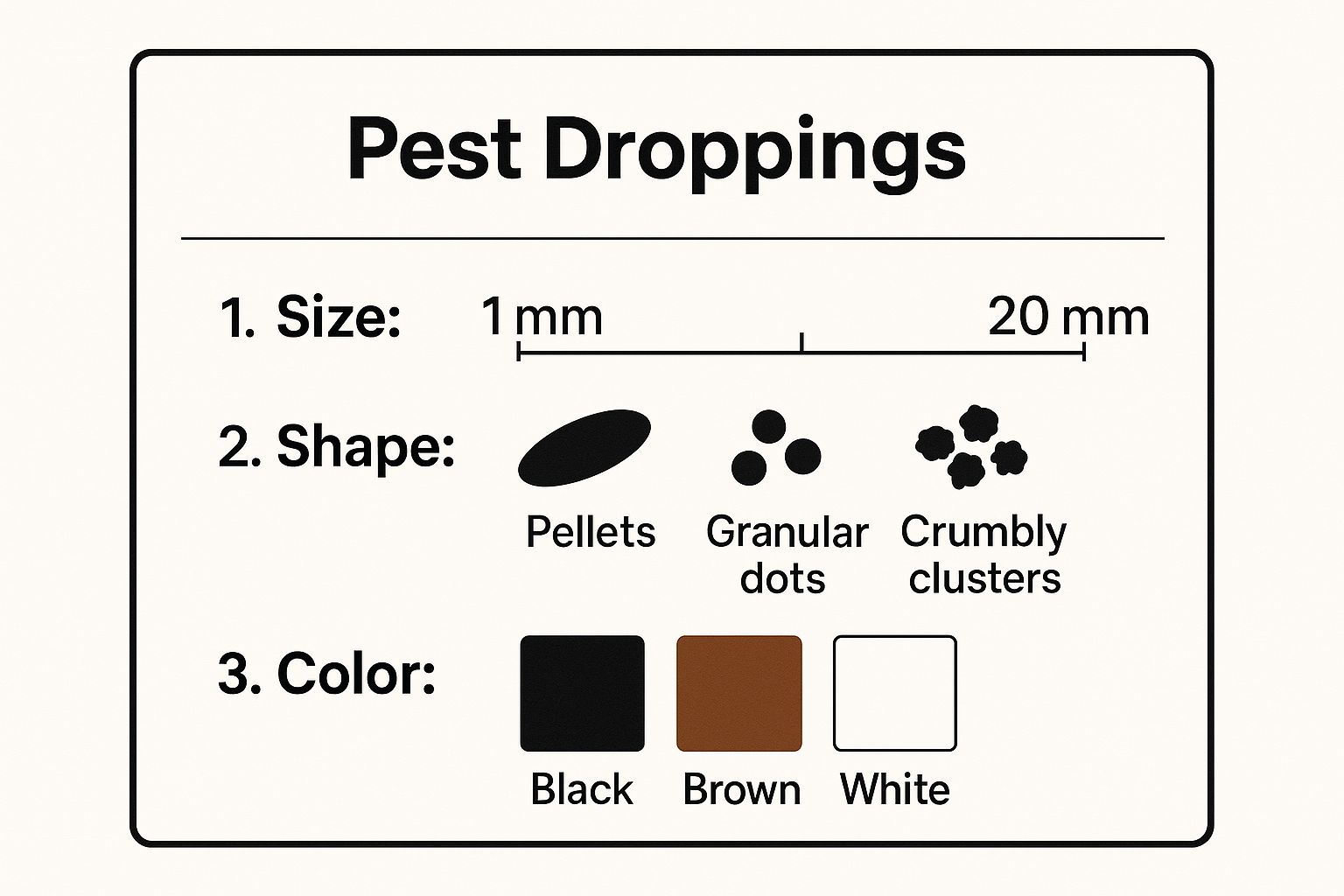
As the visual guide shows, distinguishing between pellet-shaped rodent droppings and granular insect specks is crucial for correct identification and effective treatment.
Actionable Steps for Investigation
When you find droppings, it's important to proceed safely and strategically to address the problem.
Safety First: Always wear protective gear, such as gloves and a mask, when handling or cleaning pest droppings. Many pests carry pathogens like Hantavirus and Salmonella that can be transmitted through their waste.
After documenting the evidence, clean the area thoroughly with a disinfectant. This not only removes harmful bacteria but also eliminates scent trails that other pests use to navigate. Consider placing a small piece of tape near the cleaned spot to easily monitor if new droppings appear, confirming an active infestation. If you're unsure what you're dealing with, taking clear photos to show a professional, like the experts at West Pest Co., can lead to a faster and more accurate resolution.
2. Gnaw Marks and Physical Damage
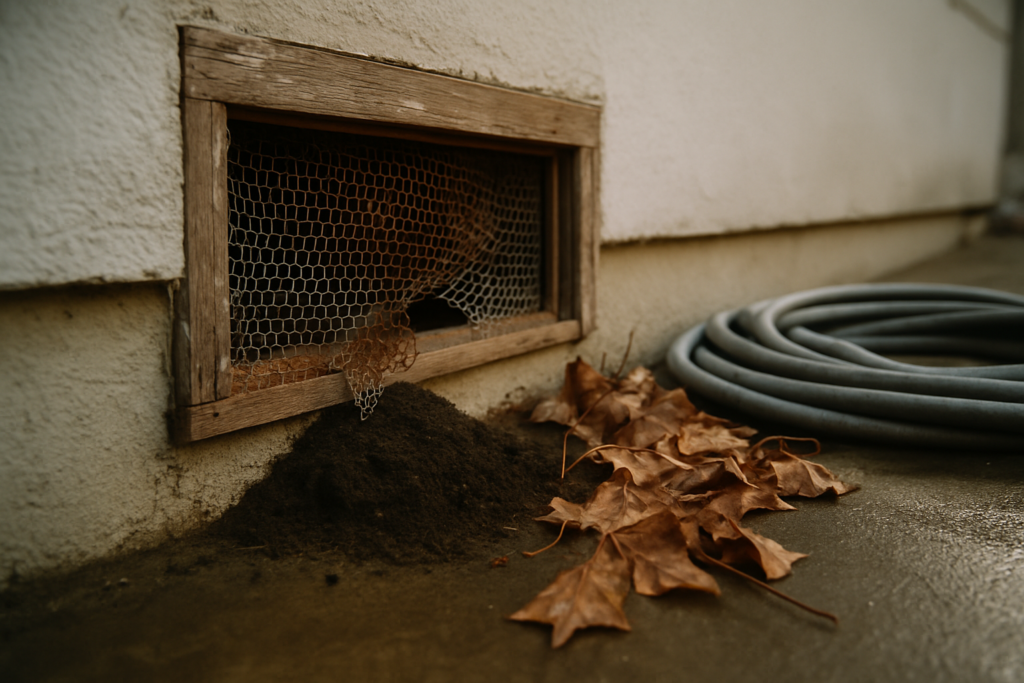
Beyond what they leave behind, pests often make their presence known by what they destroy. Gnaw marks and other forms of physical damage are clear signs of pest infestation, indicating that unwelcome visitors are actively compromising your property's integrity. These marks can range from small, barely noticeable scratches to significant structural damage, affecting everything from food packaging and furniture to electrical wiring and insulation.
Identifying this damage early is crucial. Fresh marks, often accompanied by wood shavings or shredded material, suggest a current and active problem, while older, discolored damage might point to a previous issue or a recurring entry point.
Reading the Signs: What the Damage Reveals
Different pests cause distinct types of damage, which helps in identifying the specific intruder.
- Rodents: Rats and mice must constantly gnaw to keep their teeth from growing too long. Look for chewed holes in walls, gnawed furniture legs, and damaged food containers in your pantry. Rats often chew through electrical wires, creating a serious fire hazard.
- Insects: Termites and carpenter ants tunnel through wood, creating hollowed-out structures that can compromise your home's foundation. While termites eat the wood, carpenter ants excavate it to build nests, leaving behind piles of fine wood shavings called frass.
- Wildlife: Larger animals like squirrels or raccoons can cause extensive damage to attics and crawl spaces. They may tear up insulation for nesting, chew on support beams, or damage roofing materials to create entry points. For more information on burrowing pests that cause significant outdoor damage, you can learn more about gopher control.
The video below offers a closer look at how pests like rodents can create extensive damage within a home's hidden spaces.
Actionable Steps for Investigation
When you discover physical damage, taking prompt and methodical action can prevent further harm and address the root cause of the infestation.
Prioritize Safety: Damaged electrical wiring is a major fire risk. If you find chewed wires, shut off power to the affected circuit immediately and contact a qualified electrician for repairs before attempting any pest control measures.
Document the damage with clear photos, noting the location and extent. This evidence is invaluable when consulting with a pest control professional. After identifying potential entry points, seal them with durable materials like steel wool, caulk, or metal flashing. Structural damage might also necessitate broader property inspections, such as utilizing a comprehensive roof inspection report template to identify potential entry points and areas of concern high on your property.
3. Tracks and Footprints
While some pests operate out of sight, they often leave behind subtle trails that betray their presence. Tracks and footprints are telltale signs of pest infestation, especially in less-trafficked areas of your home or business. These imprints in dust, dirt, or spills can reveal not only what type of pest you are dealing with but also their preferred travel routes, leading you directly to their entry points or nesting areas.
Discovering these pathways offers a unique advantage, allowing you to trace the pest's movements and understand its behavior. Fresh tracks are a clear indicator of an active problem, while overlapping prints can suggest the size of the infestation. This evidence is invaluable for placing traps or baits effectively and for identifying structural vulnerabilities that need to be sealed.
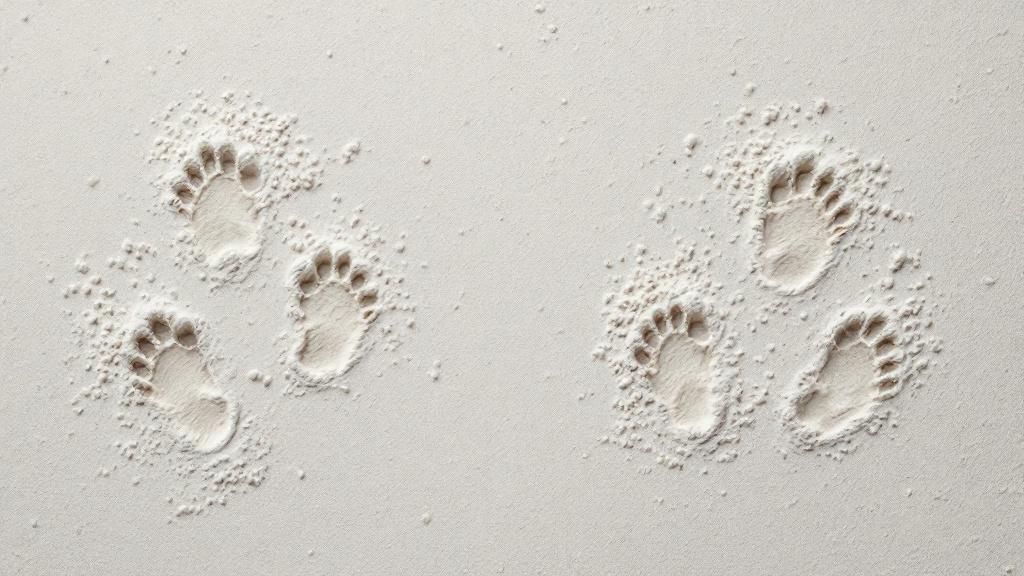
Reading the Signs: What Tracks Tell You
Different pests leave behind distinct footprints, and recognizing them is key to a successful identification.
- Rodents: Rats and mice leave behind small, five-toed hind foot tracks and four-toed front foot tracks. You might also spot tail marks dragged between the footprints, particularly from rats. Look for these signs in dusty corners of basements, attics, or along walls.
- Insects: While most insects are too light to leave clear footprints, larger species like cockroaches can leave smudges or trails in grease or thick dust. These are often found near food preparation areas or along plumbing lines.
- Wildlife: Larger animals like raccoons leave unique, hand-like prints that are easily identifiable in mud or soft soil around your property’s foundation. These are clear signs that wildlife is attempting to gain entry.
As the visual guide shows, the size of the print and the presence of a tail drag mark are crucial details that help distinguish between a mouse and a rat, guiding your next steps.
Actionable Steps for Investigation
If you suspect pests but can't find clear tracks, you can create a surface to capture them.
Pro Tip: Lightly sprinkle a fine layer of flour or talcum powder along walls or in areas where you suspect activity, like behind appliances or in the pantry. Check the area the next morning with a flashlight held at a low angle to reveal any fresh tracks.
Following these tracks can lead you directly to a nest or a point of entry that needs sealing. You can also use this information to pinpoint the most strategic locations for traps. For a more advanced approach, a UV light can reveal urine trails left by rodents, which often accompany their tracks and glow under the light. If you uncover a complex network of trails, consulting with the professionals at West Pest Co. will ensure the infestation is handled thoroughly and efficiently.
4. Unusual Odors and Smells
Sometimes, your nose knows before your eyes do. A persistent, unidentifiable smell wafting through your home is often one of the earliest signs of pest infestation, indicating a problem long before you see any physical evidence. Pests produce a variety of odors from their urine, nests, pheromones, and even their decomposing bodies, creating distinct scents that can help you pinpoint the invader.
These unusual odors are a clear signal that something is wrong, often growing stronger as the pest population increases. Paying attention to a new or strange smell provides a crucial head start in addressing an infestation, allowing you to investigate the source before the problem escalates. The specific type of odor is a valuable clue to identifying which pest you might be dealing with.
Reading the Signs: What Odors Tell You
Different pests are associated with very specific and often unpleasant smells. Learning to recognize these can help you narrow down the list of potential culprits.
- Rodents: A strong, stale ammonia or urine-like smell, particularly in enclosed areas like attics, basements, or behind appliances, is a classic indicator of a mouse or rat infestation. A foul, rotting odor may also signal a dead rodent trapped within walls or other inaccessible spaces.
- Cockroaches: A large cockroach infestation produces a distinct oily, musty, or "soapy" odor. This smell comes from their pheromones and feces and will become more pungent as their numbers grow, often noticeable in kitchens and bathrooms.
- Bed Bugs: Many people describe the scent of a bed bug infestation as sweet and musty, similar to berries or almonds. This odor is from their alarm pheromones and is most potent around their hiding spots, such as mattress seams and headboards.
- Ants: Certain ant species, like odorous house ants, release a smell akin to rotten coconuts when crushed. If you're interested in keeping these specific pests away, you can find helpful tips in our guide to ant prevention.
Actionable Steps for Investigation
When an unusual smell appears, a systematic approach can help you trace it to its origin and confirm if pests are the cause.
Trust Your Senses: Your sense of smell is a powerful diagnostic tool. Don't dismiss a strange odor as insignificant. Follow the scent trail, noting where it is strongest, to guide your search. Check behind furniture, inside cabinets, and near ventilation systems.
Try to identify the time of day when the odor is most noticeable, as this can align with when pests are most active. If the smell is concentrated in one room, focus your inspection there, looking for other signs like droppings or structural damage. For persistent odors you can't identify, a professional inspection is the safest and most effective way to uncover the hidden source of the problem.
5. Nesting Materials and Debris
Pests aren't just passing through; they're moving in. Finding a pest nest is a clear sign that an infestation has become well-established, as pests gather materials from their surroundings to create a safe place to breed and shelter. These materials act as tangible proof that pests are not only present but actively making your property their home, which is one of the most serious signs of pest infestation.
Discovering these nests in hidden, undisturbed areas like attics, wall voids, or behind appliances indicates a long-term problem. The materials used can also help you identify the specific invader, allowing you to tailor your response to the threat at hand.
Reading the Signs: What Nests Tell You
Different pests have unique building preferences, which can help pinpoint the culprit and the extent of their stay.
- Rodents: Mice and rats are notorious for shredding soft materials. Look for nests made of torn paper, fabric, bits of insulation, and even cotton balls tucked away in dark corners of closets, inside drawers, or within wall cavities.
- Insects: Cockroaches don't build nests in the same way, but their debris, including shed skins and egg casings (oothecae), accumulates in their hiding spots. These are often found near cardboard and paper behind appliances. Wasps, however, construct visible paper-like nests in eaves, attics, or wall voids.
- Wildlife: Birds will build nests from twigs, leaves, and grass in vents, chimneys, or on ledges. Squirrels often create large, messy nests in attics using insulation, leaves, and cardboard.
Recognizing these constructions is vital for understanding the pest's life cycle and population size within your home.
Actionable Steps for Investigation
When you discover nesting materials, it's time to investigate further to understand the scope of the problem and prevent re-entry.
Proceed with Caution: Nests can be home to defensive pests, especially stinging insects. Attempting to remove a wasp or hornet nest without professional help can be dangerous. For more information on safe handling, you can learn more about expert wasp nest removal services from West Pest Co..
After identifying the nest, document its location and look for nearby entry points that pests are using to get in and out. Check for gaps around pipes, cracks in the foundation, or unscreened vents. Once the pests are eliminated, removing the nest and thoroughly cleaning the area will help erase the pheromone trails that attract others. Most importantly, seal all potential entry points to prevent them from coming back and rebuilding.
6. Strange Noises and Sounds
When your home is quiet, unexpected sounds can be unsettling, and they often serve as an auditory clue to a hidden pest problem. Strange noises coming from within walls, ceilings, or under floors are a classic sign of pest infestation, indicating that creatures are active just out of sight. These sounds are often most apparent at night when household activity dies down and nocturnal pests become more active.
Paying attention to these sounds can help you identify the type of pest and pinpoint its location. The specific noise, its timing, and its location all provide valuable information for diagnosing the infestation. Ignoring these auditory warnings allows pests to continue their destructive behavior unchecked, potentially leading to more significant damage over time.
Reading the Signs: What These Sounds Tell You
Different pests create distinct noises, turning your home into an unwilling symphony of unwelcome activity. Learning to interpret these sounds is a key diagnostic step.
- Rodents: The most common sounds are light scratching, scurrying, or gnawing noises inside walls or ceilings. Mice and rats are nocturnal, so you'll likely hear them after dark as they travel between their nest and food sources.
- Insects: A persistent, low buzzing or humming sound from a wall void or attic may indicate a bee, wasp, or hornet nest. Termites, while often silent, can sometimes be heard making quiet clicking or head-banging sounds within infested wood.
- Wildlife: Larger animals produce more noticeable sounds. Raccoons and squirrels in an attic will create loud thumping and scratching, while bats often make chirping or squeaking sounds near their roosting spots.
Actionable Steps for Investigation
When you hear suspicious noises, a systematic approach can help you gather the necessary evidence to resolve the issue effectively and safely.
Pinpoint the Source: During quiet times, press your ear against the wall or use a stethoscope to amplify the sound and narrow down the location. This helps determine exactly where pests are nesting or traveling.
Make a note of when the sounds occur, as the time of day can help identify the pest. Recording the noises on your phone can be extremely useful when consulting with a professional. This provides them with direct evidence, allowing for a more accurate diagnosis and a targeted treatment plan from experts like those at West Pest Co..
7. Live or Dead Pest Sightings
While other signs of pest infestation require interpretation, nothing is more conclusive than seeing the pests themselves. Spotting a live creature scurrying across your floor or finding a dead one behind an appliance is the most definitive proof you can get. These sightings, whether of living or deceased pests, offer direct confirmation of a problem and provide critical information about the type and severity of the infestation.
Discovering pests confirms your suspicions and moves the problem from potential to definite. A live sighting, especially during the day, is a significant red flag. Most common household pests like rodents and cockroaches are nocturnal, so seeing them in daylight often signals a large, established population that has been forced out of its hiding spots due to overcrowding or a search for resources.
Reading the Signs: What Sightings Tell You
The context of the sighting provides important clues for identifying the pest and assessing the situation.
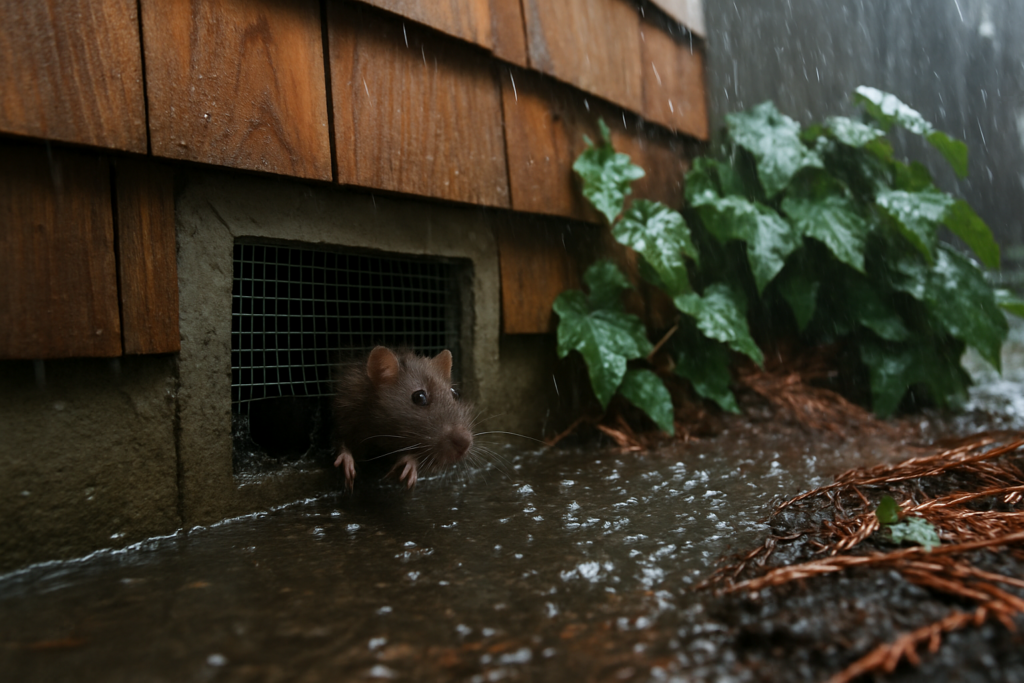
- Rodents: A mouse darting along a baseboard in the evening or a rat spotted near garbage cans is a clear indicator of an active rodent problem. Finding a dead mouse or rat in a trap is expected, but discovering one in the open could suggest the use of poison baits or a population succumbing to disease or age.
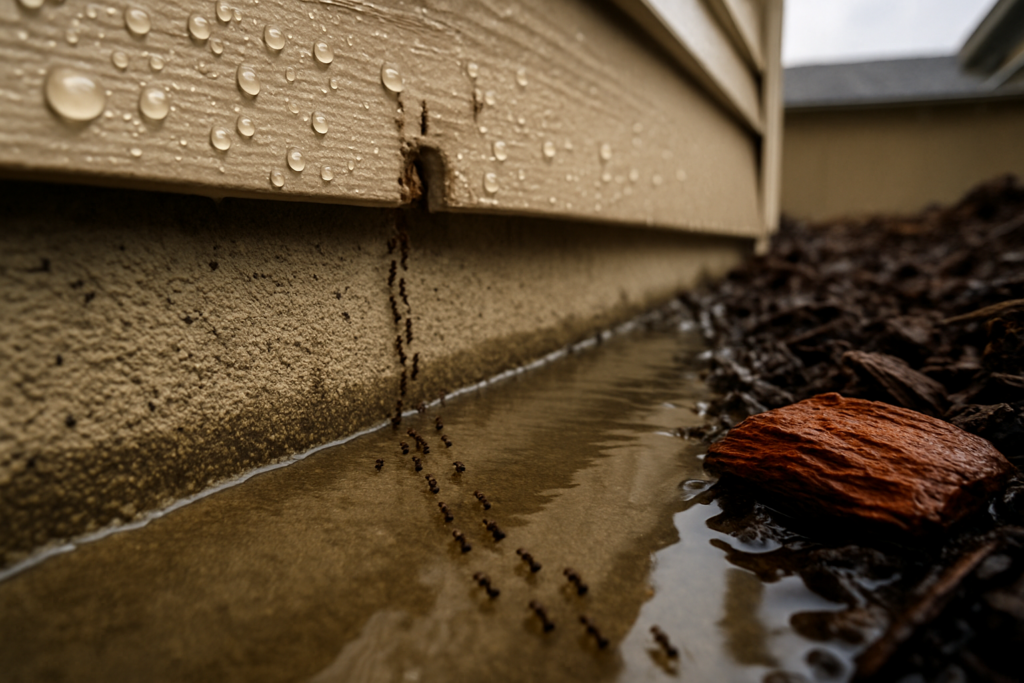
- Insects: Cockroaches scattering when you flip on a kitchen light is a classic sign of infestation. Similarly, seeing a line of ants marching to a crumb on the counter points directly to a nest that has established a foraging trail.
- Wildlife: Larger animals are less common inside but seeing a raccoon in your attic or a squirrel exiting a vent is undeniable proof they have found a way in and are likely nesting.
These direct encounters are invaluable for correctly identifying the intruder, which is the first step toward effective removal.
Actionable Steps for Investigation
When you see a pest, your immediate actions can help you build a case for a professional or even tackle a minor issue yourself.
Stay Calm and Document: Instead of panicking, try to note the pest's appearance, location, and the time of day. Was it a lone insect or part of a group? Where did it run to? This information is extremely useful for a pest control expert.
Documenting patterns is key. If you consistently see pests in the same area, like under the sink or near the pantry, it helps pinpoint their nest or entry point. Safely dispose of any dead pests you find, wearing gloves to avoid contact with potential pathogens. If you're seeing pests frequently, it’s a strong sign that the infestation is beyond a simple DIY fix, and it's time to call a professional for a thorough inspection and treatment plan.
7 Signs of Pest Infestation Comparison
| Indicator | Implementation Complexity 🔄 | Resource Requirements ⚡ | Expected Outcomes 📊 | Ideal Use Cases 💡 | Key Advantages ⭐ |
|---|---|---|---|---|---|
| Droppings and Excrement | Low 🔄 | Low ⚡ | Confirms presence; identifies pest type | Early detection and infestation confirmation | Clear, easy evidence; infestation level estimate |
| Gnaw Marks and Physical Damage | Medium 🔄 | Medium ⚡ | Shows active feeding; infestation severity | Rodent infestations causing structural damage | Visible proof; identifies pest behavior |
| Tracks and Footprints | Medium-High 🔄 | Medium ⚡ | Reveals travel paths; locates entry points | Tracking pest movement and population size | Provides movement and activity patterns |
| Unusual Odors and Smells | Low-Medium 🔄 | Low ⚡ | Early sign; locates hidden infestations | Detecting hard-to-see infestations | Detectable before visual evidence; wide coverage |
| Nesting Materials and Debris | Medium 🔄 | Medium | Indicates established infestation; estimates size | Identifying nesting and colony sites | Reveals nesting preferences and pest species |
| Strange Noises and Sounds | Medium 🔄 | Low | Pinpoints pest location; indicates activity patterns | Locating hidden pests and active periods | Often first sign; identifies pest type by sound |
| Live or Dead Pest Sightings | Low-Medium 🔄 | Low | Definitive proof; estimates infestation severity | Confirming infestation and treatment targeting | Conclusive evidence; aids accurate ID and actions |
From Signs to Solutions: Taking Control of Your Home
Your home is more than just a structure; it's your sanctuary. Recognizing the subtle and often overlooked signs of pest infestation is the first and most crucial step in protecting that sanctuary. Throughout this guide, we've detailed the critical indicators that demand your attention, from the physical evidence of droppings and gnaw marks to the sensory clues of strange odors and unsettling noises. Each sign, whether it's scattered nesting materials behind an appliance or mysterious tracks along a dusty baseboard, is a message from an unwanted visitor.
Mastering the ability to spot these signs empowers you to be a proactive guardian of your property. You can move from a state of passive hope to one of active vigilance, catching potential problems before they escalate into full-blown crises that can damage your home's structure, compromise your family's health, and create significant stress. The key takeaway is that these indicators are rarely isolated. A combination of signs often paints a much clearer picture of the type of pest you are dealing with and the potential scale of the problem.
Your Action Plan: From Identification to Eradication
So, what are your next steps? Begin by performing a systematic inspection of your property using the knowledge you've gained. Take a slow, methodical walk around your home's interior and exterior, paying close attention to the hotspots we've discussed, such as kitchens, attics, basements, and utility closets.
Key areas to check immediately:
- Under sinks and around pipes: Look for droppings, moisture, and potential entry points.
- Behind large appliances: Check for nesting debris, gnaw marks on wires, and musty smells.
- In attics and crawl spaces: Scan for damaged insulation, animal tracks, and audible scratching or scurrying.
- Along walls and baseboards: Search for grease marks, droppings, and holes.
Document what you find. Taking pictures and notes will be invaluable, whether you attempt a DIY solution or decide to call a professional. This evidence helps create a targeted and effective treatment strategy. For specific preventative measures and pest control strategies, such as safeguarding stored items, consider learning about how to keep mice out of storage boxes.
While vigilance is your best first defense, it's vital to recognize the limits of DIY efforts. The signs you can see are often just the surface of a much deeper issue. Pests are experts at concealment, building their nests inside walls, under floorboards, and in other inaccessible areas. A professional pest control expert possesses the training, tools, and experience to assess the full scope of an infestation and implement a solution that is not only effective but also safe for your family and pets.
Don't let pests write the next chapter in your home's story. If you've noticed any of these signs, contact the experts at West Pest Co. for a comprehensive inspection and tailored pest control plan. Visit West Pest Co. to schedule your service and restore your peace of mind.