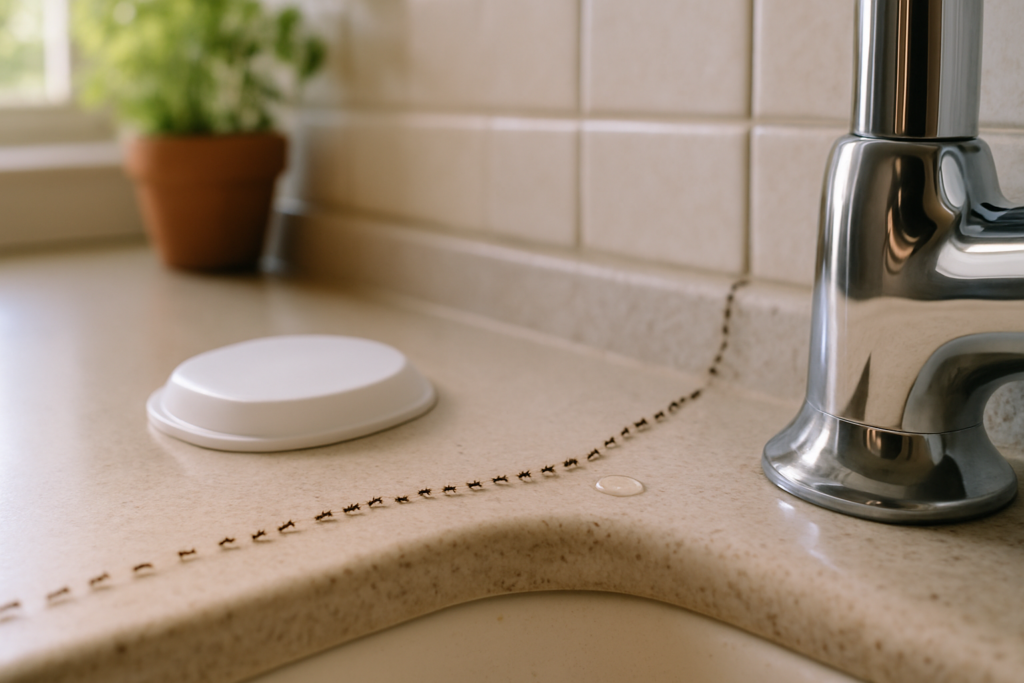
When you find a line of ants marching across your kitchen counter, you might blame a stray sugar crystal. While ants do have a sweet tooth, their diet is much more surprising than most Santa Cruz homeowners realize. Dealing with ants can be frustrating, especially when you think you’ve cleaned up everything.
The truth is, many common household foods are powerful magnets for local species like the Argentine ant. According to researchers at the University of California, Argentine ants are the most common invasive ant species in California and are a major nuisance in homes. To understand what ants want, you have to know they look for carbohydrates for energy, proteins for growth, and fats to stay healthy. This isn't just about crumbs; it's about the science of what ants love to eat and how our coastal climate in Santa Cruz County affects their search for food.
This guide, with expert advice from West Pest Co. technicians, reveals the surprising foods that attract ants and how you can stop them.
1. Sugary Foods and Sweet Liquids
It’s no surprise that ants love sugar. When you ask, "what do ants love to eat?" the first answer is always sugar. It gives them a quick burst of energy to feed the queen and the rest of the colony. Their antennae can detect tiny drops of sugar from far away, turning a small spill into a big problem.
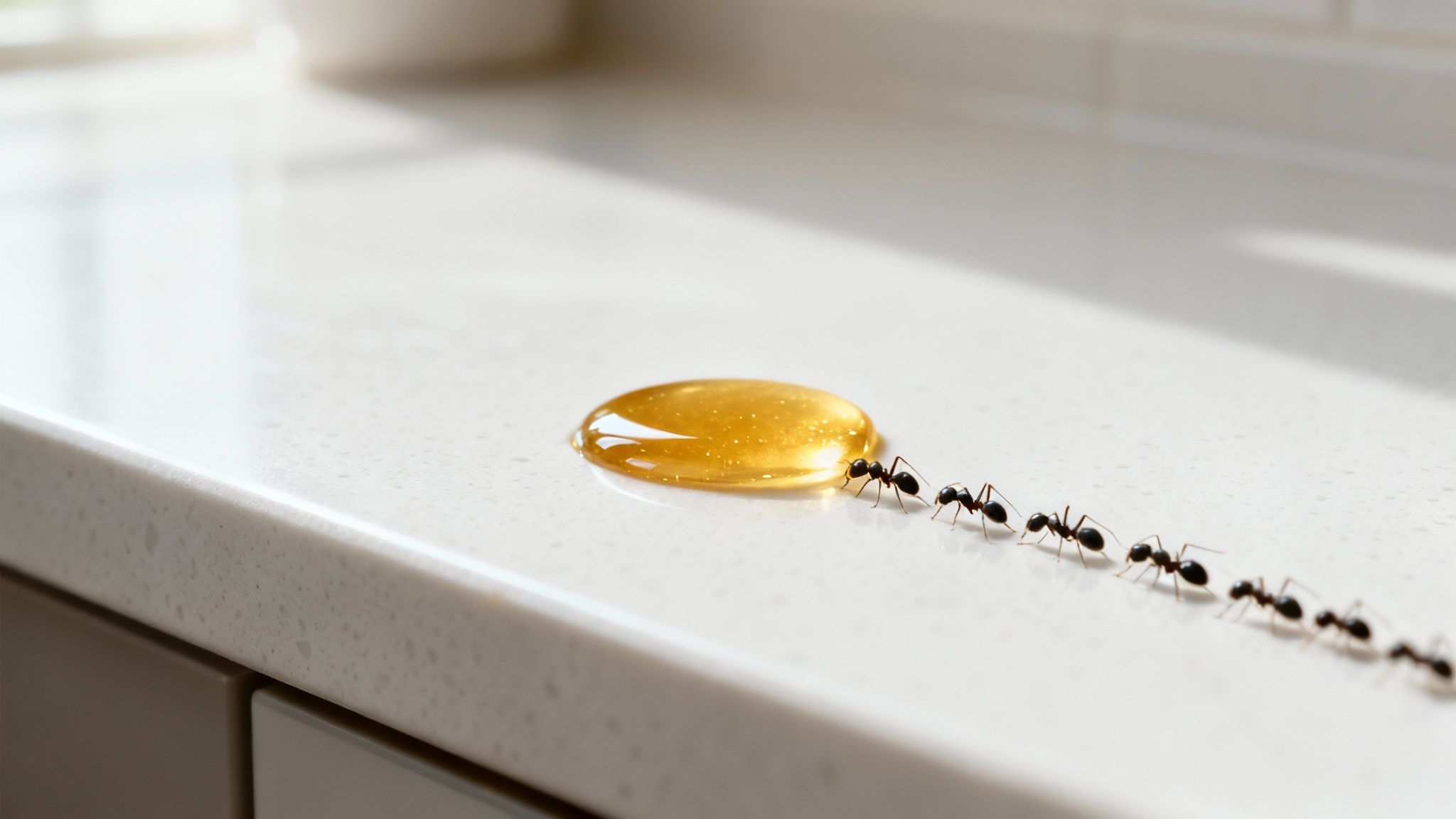
Here in Santa Cruz County, our mild weather allows sugar-loving Argentine ants to search for food almost all year. A forgotten soda can or a drop of honey on the counter can quickly become a highway for thousands of ants.
Why Sugar is an Ant Magnet
Ants are wired to find carbohydrates for quick energy. When a worker ant finds a sweet food source, it leaves a chemical trail called a pheromone trail. This trail guides its nestmates directly to the food. This is why a single spill can lead to a huge ant problem in just a few hours.
Expert Insight from West Pest Co.: "Commercial ant baits work so well because they use the ants' love for sugar against them. The most effective baits are sweet formulas mixed with a slow-acting insecticide. Worker ants carry it back to the nest, which eliminates the entire colony from the inside out."
Actionable Tips for a Sugar-Free Defense
Keeping your home free of sugary foods is one of the best ways to prevent ants. A little bit of cleaning goes a long way.
- Wipe Up Spills Immediately: Use a cleaning spray to clean up any spills from juice, soda, or honey. This removes the sugary food and erases the pheromone trail.
- Seal All Sweet Goods: Store sugar, honey, and syrup in airtight containers. A simple cardboard box or bag won't stop a determined ant.
- Rinse Your Recyclables: Give soda cans and juice boxes a quick rinse before you put them in the recycling bin. The leftover sugar is a feast for ants.
- Rethink Fruit Storage: A bowl of ripe fruit on the counter can attract ants. Try storing fruit in the refrigerator.
By managing these powerful attractants, you can lower your chances of an ant invasion. For more tips, check out our guide on how to prevent ants in the house.
2. Protein-Rich Meats and Greasy Foods
While ants love sugar, they also crave proteins and fats just as much. This is especially true in the spring and summer when the queen needs protein to lay eggs. This explains why meat scraps, pet food, or even a small grease spill can attract ants to your home.
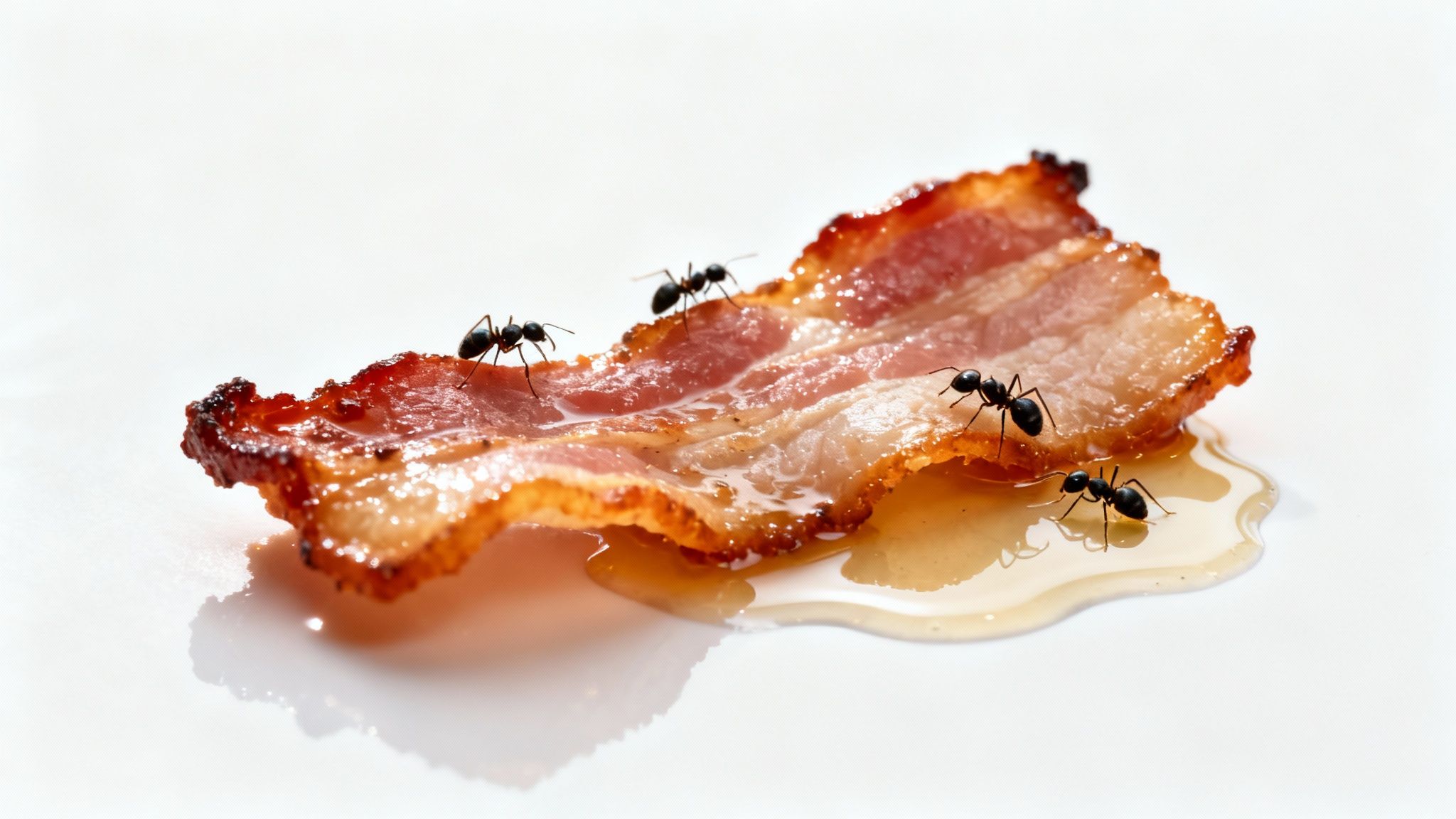
In Santa Cruz County, a forgotten pet food bowl or grease behind the stove provides a perfect meal for ants. This is a key reason why the answer to "what do ants love to eat?" must include greasy and protein-heavy foods.
Why Protein is an Ant Magnet
Proteins and fats are needed for ant colonies to grow. The queen needs a protein-rich diet to produce eggs, and the young ants need it to grow. Scout ants that find meat or grease will leave a powerful pheromone trail, telling the colony that a valuable food source is nearby. This can quickly lead to an ant problem in your kitchen or near your BBQ.
Expert Insight from West Pest Co.: "If sugar-based baits aren’t working, it’s probably because the ant colony is in a breeding cycle and needs protein. Switching to a protein-based ant bait during these times can be much more effective because the workers will take it back to feed the queen and larvae."
Actionable Tips for a Protein-Proof Defense
Managing protein and grease in your home is a critical step in keeping ants away, especially in warmer months.
- Secure Pet Food: Store pet food in airtight containers, not in the paper bag it came in. Clean your pet's bowls every day and don't leave food out overnight.
- Dispose of Scraps Properly: Put meat trimmings and greasy leftovers in a sealed trash bag or outdoor bin right away.
- Deep Clean Grease Spills: Regularly clean behind and under your stove and other kitchen appliances to remove grease that attracts ants.
- Keep BBQ Grills Clean: After you grill, clean the grates and drip pan to remove food and grease that can attract ants.
By controlling these attractants, you can make your home less appealing to ants. For more help, read our guide on how to kill kitchen ants.
3. Bread, Grains, and Starchy Foods
While sugar is a big ant attractant, many homeowners are surprised to find ants going after foods like bread, crackers, and cereal. These starchy foods are a great energy source for ants. Unlike the quick burst from sugar, starches provide long-lasting fuel for the colony, making your pantry a top target.
In Santa Cruz County, a forgotten box of crackers or a few crumbs under the toaster can easily attract an ant trail. Ants will find even the smallest opening in a cereal box or pasta bag.
Why Starches are an Ant Magnet
Starches are complex chains of sugar molecules. They break down into simple sugars that give ants the energy they need. A scout ant that finds an open bag of rice or a loaf of bread will leave a strong pheromone trail. This is why a small crumb problem can turn into a big pantry invasion.
Expert Insight from West Pest Co.: "Many local ant species, including the Argentine ant, build nests inside walls or under floors. A steady supply of crumbs from starchy foods gives them a reason to move right into your home, making them much harder to get rid of."
Actionable Tips for a Starch-Free Defense
Securing your grains and cleaning up crumbs are important steps in any ant prevention plan. Being proactive will make your home less inviting to ants.
- Use Airtight Containers: Move cereals, pasta, rice, and flour from their original packaging into sealed glass or hard plastic containers.
- Clean Up Crumbs Daily: Wipe down counters, sweep floors, and clean out your toaster every day to remove tempting food crumbs.
- Store Bread Securely: During ant season in the warmer months, think about storing bread in the refrigerator or a sealed bread box.
- Mind the Pet Food: Many pet foods are grain-based and attract ants. Store pet food in a sealed container and clean up any spills around your pet’s bowl right away.
4. Fruits (Fresh and Overripe)
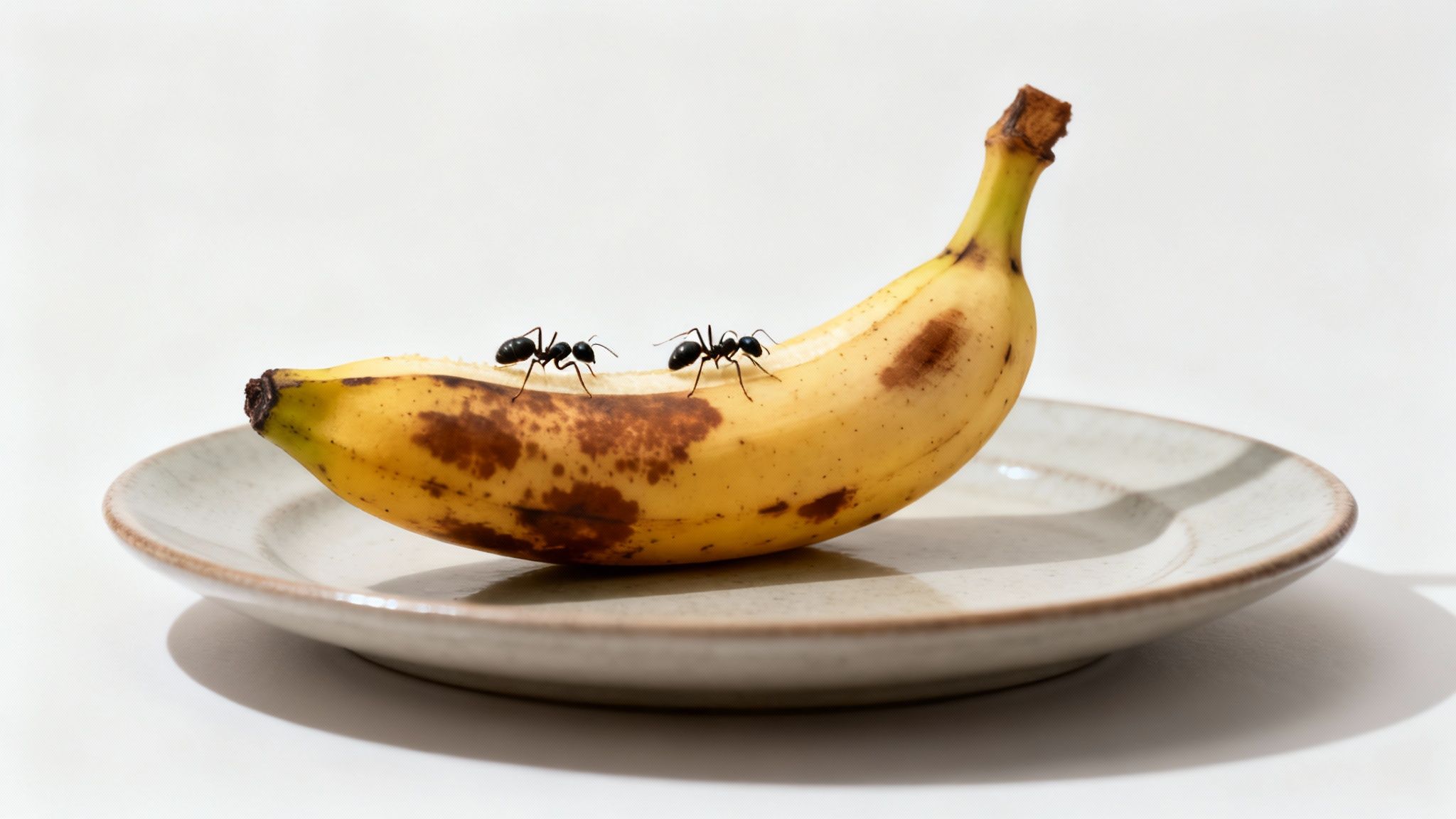
A bowl of fresh fruit on your counter may seem healthy, but to ants, it's a feast. Fruits are a double threat because they offer both sugar for energy and the moisture ants need to survive. Overripe fruit is especially attractive because the sugars become more concentrated and release strong smells.
In Santa Cruz County, where many of us enjoy produce from local farmers' markets, this is a common problem. A few dropped grapes can quickly lead to an ant invasion. This is one of the most shocking foods that attract them for homeowners who try to eat healthy.
Why Fruit is an Ant Magnet
Fruit offers a perfect mix of sugar (fructose) and water, which gives ants both fuel and hydration. As fruit starts to overripen, it releases smells that an ant's sensitive antennae can detect from far away. This is why a bruised apple is often covered in ants before you even notice it has gone bad.
Expert Insight from West Pest Co.: "You might see fruit flies and ants at the same time, and that's no accident. Fruit flies are also drawn to fermenting fruit. Their activity can break down the fruit's skin, giving ants easier access to the sugar inside. If you see fruit flies, ants are probably close behind."
Actionable Tips for a Fruit-Secure Kitchen
Protecting your fruit from ants requires a proactive approach to storage and cleaning. Small changes can make a big difference.
- Refrigerate Ripe Fruit: Instead of keeping a fruit bowl on the counter, store ripe fruit in the refrigerator. This keeps them out of reach of ants.
- Inspect Your Purchases: Check your fruit for any bruises or soft spots before bringing it inside. Damaged fruit is an open invitation for pests.
- Seal Your Compost: Put fruit peels and cores in a tightly sealed compost bin or garbage can. An open compost pail in the kitchen is a major ant attractant.
- Clean Storage Areas Regularly: Wipe down fruit bowls, refrigerator drawers, and countertops to remove any sticky juice that could attract ants.
5. Peanut Butter and Nut Products
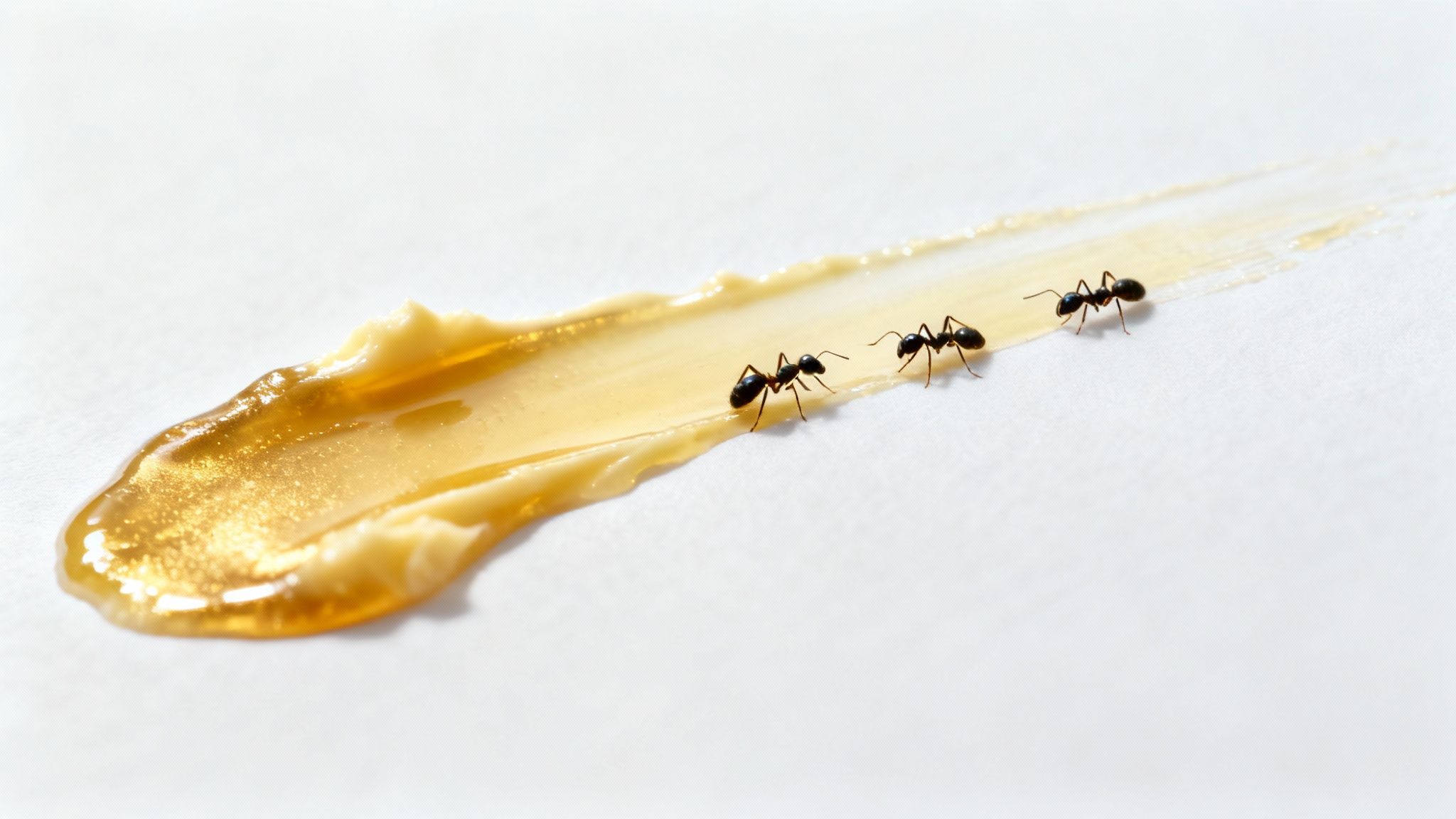
It’s often surprising to learn that one of the best baits for ants isn't just sweet. Peanut butter is a perfect mix of everything ants crave: proteins, fats, oils, and sugar. This powerful mix makes it a high-energy food source that supports the whole colony. Its strong smell makes it an easy target for ants to find.
In Santa Cruz County, where protein-loving ants live alongside sugar seekers, peanut butter can attract many types of ants. A forgotten knife on the counter or a loose lid on a jar can quickly become the start of a major ant problem. The oils in nut products also leave a long-lasting scent trail that is hard to remove.
Why Peanut Butter is an Ant Magnet
Peanut butter provides a dense source of protein and fat, which are crucial for the queen's egg production and the growth of young ants. While worker ants use sugar for their own energy, they are responsible for bringing these richer nutrients back to the nest. The stickiness of peanut butter makes it easy for them to carry.
Expert Insight from West Pest Co.: "Pest control professionals have known about the power of peanut butter for a long time. It is so effective that it's often used as the base for professional-grade ant baits. By mixing a slow-acting insecticide into peanut butter, we can ensure worker ants will carry the lethal bait back to the nest, leading to total colony elimination."
Actionable Tips for a Nut-Free Defense
Preventing ants from eating your nut products requires careful cleaning and proper storage. Its sticky nature means small messes can be a big problem.
- Wipe Jars Clean: After every use, wipe the outside of the peanut butter jar with a damp cloth to remove any sticky residue.
- Store in the Fridge: Keeping nut butters in the refrigerator can help hide their strong smell, making them harder for ants to find.
- Clean Up Thoroughly: After making a sandwich, use a vinegar-water solution to clean countertops and utensils. This breaks down the oily residue ants follow.
- Seal All Nuts: Store trail mix and nuts in airtight glass or hard plastic containers. The original bags are easy for ants to get into.
By carefully managing these foods, you can make your kitchen less appealing. For more tips, check out our expert advice on how to keep ants away.
Frequently Asked Questions (FAQs)
Why do ants come into my Santa Cruz home?
Ants enter homes in Santa Cruz County looking for food, water, and shelter. Our coastal climate means they can be active year-round. Small cracks in your foundation, gaps around windows, or open doors give them easy access to the food in your kitchen and pantry.
Are ants in my kitchen a sign of a dirty house?
Not always. While crumbs and spills do attract ants, even the cleanest homes can have them. Ants are excellent foragers and can find tiny food sources you might miss. An ant problem often means they have found a reliable food source and established a trail to it.
What is the fastest way to get rid of an ant trail?
To get rid of an ant trail quickly, wipe it up with a solution of equal parts white vinegar and water. The vinegar removes the pheromone trail that other ants follow. Then, find and remove the food source that attracted them in the first place.
Can ants damage my home?
Most ants you find in your kitchen, like Argentine ants, are a nuisance but don't cause structural damage. However, Carpenter ants, which are also found in our area, can cause serious damage by tunneling through wood to create their nests.
When should I call a professional for an ant problem?
If you've tried cleaning and sealing entry points but still see ants, it's time to call a professional. A persistent ant problem usually means there is a large, established colony nearby. West Pest Co. can identify the ant species and use targeted, eco-friendly treatments to solve the problem for good.
Protecting Your Santa Cruz Home from Ants
Understanding what ants love to eat is the first step in protecting your home. As we've seen, the answer goes far beyond sugar. From pet food and greasy oils to breadcrumbs and ripe fruits, an ant’s diet is surprisingly diverse. For homeowners from Aptos to Scotts Valley, this knowledge is your best defense.
The key takeaway is that prevention is more effective than trying to deal with an ant problem after it starts. A few good habits can turn your kitchen from an ant buffet into a fortress. Careful cleaning isn't just about wiping up visible messes; it’s about removing the tiny crumbs and grease films that attract scout ants. Also, using airtight food storage is essential.
Your Ant-Proofing Checklist
Here are the most important steps to take today:
- Embrace Deep Cleaning: Regular cleaning is good, but a deeper clean is needed to remove hidden food sources. Focus on areas under appliances, inside cabinets, and along baseboards. Understanding the difference between deep cleaning vs regular cleaning can help you eliminate food that attracts ants.
- Audit Your Pantry: Go through your pantry. Are your flour, sugar, and cereals in their original paper bags? Move them to glass or hard plastic containers with secure lids. Do the same for pet food.
- Manage Your Waste: Make sure your indoor trash cans have tight-fitting lids and are emptied every day. Don't forget to rinse out recycling bins to remove any food residue.
- Seal Entry Points: Look for small cracks and gaps around windows, doors, and pipes. Sealing these with caulk is a simple way to block ants from getting inside.
Our unique Santa Cruz climate means that pests like the Argentine ant can stay active nearly all year. If you’ve tried these steps and still see ants, it might mean a large colony has targeted your home. In these cases, DIY solutions often fail because they don’t get to the source of the problem.
If you’ve tried reducing food sources and still can’t shake the problem, pest control in Santa Cruz from a licensed professional gets to the colony — not just the scouts you can see.
Don't let a stubborn ant problem take over your home. If you're in Santa Cruz County and need a professional, eco-friendly solution, contact the experts at West Pest Co. We offer a free estimate to identify the source of your ant problem and create a safe, effective plan to protect your home.