The sight of a cockroach scurrying across the floor is enough to disrupt the peace of any home or business. While reaching for a chemical-laden spray might seem like the quickest fix, many are now seeking safer, more sustainable solutions. The good news is that nature provides a surprisingly powerful arsenal against these resilient pests. This comprehensive guide moves beyond temporary fixes, exploring a collection of effective, science-backed natural cockroach deterrents designed to reclaim your space for good.
This isn't just about chasing roaches away for a day. We will explore methods that work by disrupting their life cycle, repelling them from your property, and creating an environment where they simply cannot thrive. We'll delve into seven reliable strategies, detailing not just what they are, but precisely how to use them for maximum impact in your home or garden.
From microscopic powders that dehydrate pests on contact to aromatic plants that offend their sensitive antennae, you will gain the knowledge needed to implement a multi-layered defense. This approach is not only better for your family, pets, and the local Santa Cruz County environment but also addresses the root of the infestation. Prepare to learn how to transform your living space into a fortress that cockroaches will actively avoid.
1. Boric Acid Powder: The Silent, Colony-Collapsing Mineral
While many people associate it with lab chemicals, boric acid is a naturally occurring mineral compound found in soil, water, and plants. For cockroaches, it’s a powerful and multifaceted weapon. This substance acts as a potent stomach poison, a dehydrating agent that damages their waxy exoskeleton, and a silent carrier that can devastate an entire colony. It's one of the most effective long-term natural cockroach deterrents because of its slow-acting nature.
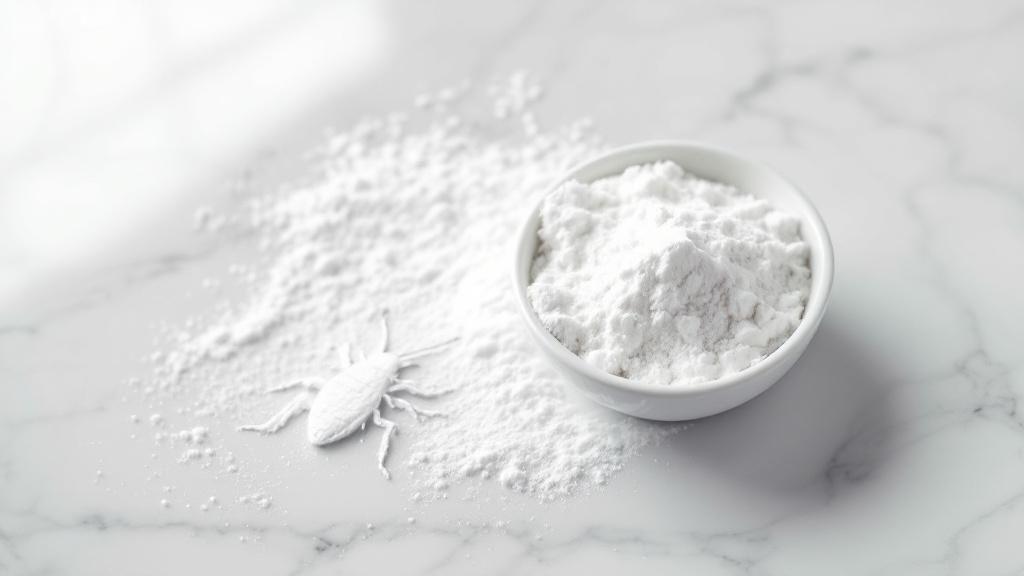
Unlike contact sprays that only kill the roaches you see, boric acid works through ingestion and contact. When a roach walks through the fine powder, it sticks to its legs and antennae. During grooming, the roach ingests the toxic mineral, which disrupts its digestive and nervous systems, leading to death within 72 hours. Critically, the infected roach carries the powder back to its hidden nest, exposing other roaches and creating a domino effect that can collapse the colony from within.
How to Use Boric Acid Effectively
Proper application is key to success. The goal is to create a fine, barely visible layer of dust, not thick piles that roaches will simply walk around.
- Target Hotspots: Apply the powder in dry, undisturbed areas where roaches travel. This includes under sinks, behind refrigerators and ovens, inside cabinet voids, and along the edges of baseboards.
- Create a Bait: For a more attractive option, mix equal parts boric acid, sugar, and flour. The sugar and flour act as lures. Place this mixture in small, shallow containers (like bottle caps) and slide them into infested areas.
- Use a Duster: A bulb or bellows duster provides the best control for applying a light, even coat in cracks, crevices, and wall voids where roaches hide.
Safety and Considerations
Boric acid is highly effective but must be used responsibly, especially in homes with children or pets. Always use a product labeled for pest control and follow the manufacturer's instructions. While it has low toxicity to humans when used correctly, it should never be placed on food preparation surfaces or anywhere it could accidentally contaminate food. Keep it away from moisture, as damp boric acid is ineffective. For an extra layer of safety, especially in kitchen areas, consider using food-grade boric acid.
2. Diatomaceous Earth (DE): The Microscopic Mechanical Killer
Diatomaceous Earth (DE) is a fine, talc-like powder made from the fossilized remains of tiny aquatic organisms called diatoms. While it feels soft to the human touch, its microscopic particles are incredibly sharp and abrasive. This makes DE a powerful physical weapon against cockroaches, working by mechanical action rather than chemical poisoning. It is one of the most trusted natural cockroach deterrents because it kills insects without synthetic pesticides, making it a popular choice in organic farming and eco-conscious households.
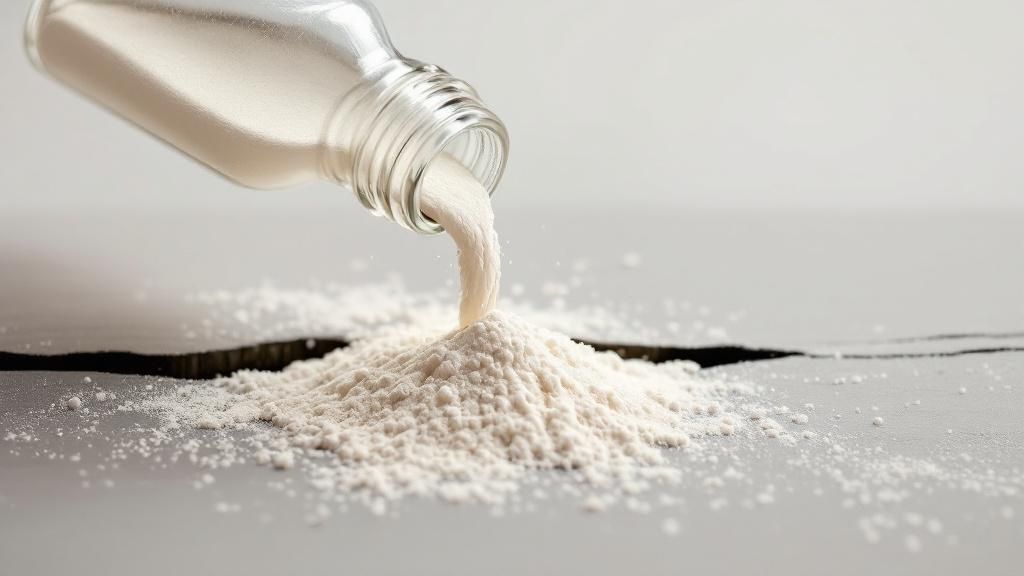
Unlike baits that must be eaten, DE works on contact. As a cockroach crawls through the powder, the razor-sharp particles stick to its body and legs. These particles meticulously scratch and cut through the roach’s waxy outer exoskeleton, which is essential for retaining moisture. This damage creates tiny openings that allow water to escape the roach’s body, causing it to dehydrate and die. Because this process is physical, cockroaches cannot develop a resistance to it.
How to Use Diatomaceous Earth Effectively
The key to using DE is applying a thin, consistent layer in dry areas where roaches are known to frequent. A light dusting is far more effective than heavy piles, which roaches will simply avoid.
- Choose Food-Grade DE: Always use "food-grade" diatomaceous earth for indoor pest control. This type is purified and safe for use in homes, unlike filter-grade DE (used for pools), which is harmful if inhaled.
- Apply to Dry Zones: DE is only effective when dry. Apply it in cracks and crevices, under appliances, behind cabinets, along baseboards, and inside wall voids.
- Use a Duster for Precision: For the best results, use a bulb or bellows duster to puff a fine cloud of DE into hard-to-reach areas. This ensures even coverage where roaches travel and hide.
- Reapply as Needed: DE can be swept or vacuumed up. Remember to reapply a fresh layer after cleaning the area or if the powder becomes wet.
Safety and Considerations
Food-grade DE is non-toxic to humans and pets, making it a safe alternative to chemical insecticides when used correctly. However, because it is a fine dust, it can irritate the lungs if inhaled in large amounts. It is highly recommended to wear a dust mask during application to avoid breathing it in. Once the dust has settled, it poses no respiratory risk. Keep it away from wet areas, as moisture will render it completely ineffective against insects.
3. Essential Oil Repellents: The Aromatic Barrier That Overwhelms a Roach's Senses
Essential oils are highly concentrated plant extracts that contain potent aromatic compounds. For humans, these scents can be calming or invigorating, but for cockroaches, they are powerfully repulsive. The strong aromas of oils like peppermint, eucalyptus, and tea tree interfere with the sensitive receptors cockroaches use to navigate, find food, and communicate, effectively creating an invisible barrier that they are unwilling to cross. This makes them one of the best natural cockroach deterrents for prevention and for keeping roaches out of specific areas.
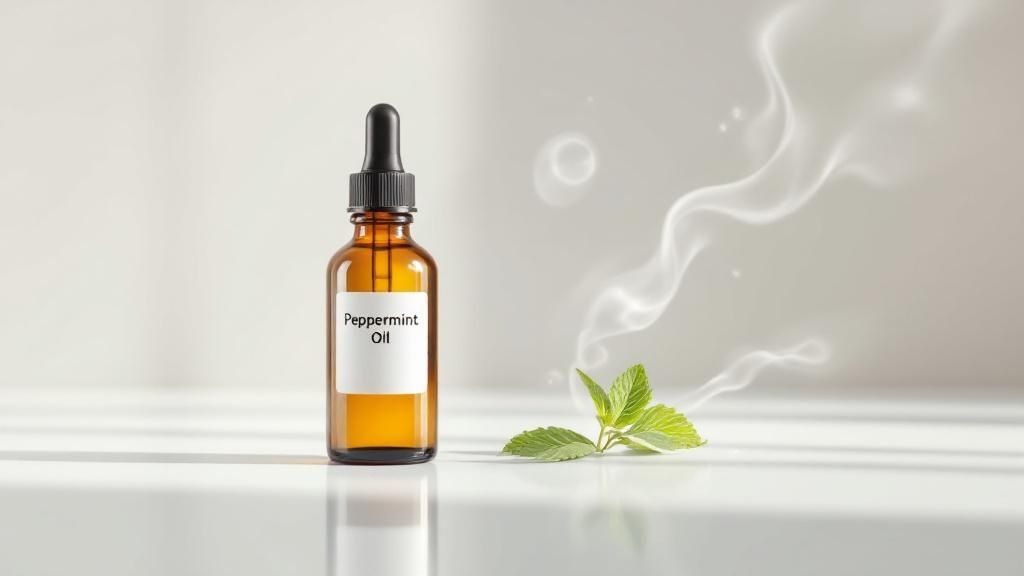
Unlike poisons that kill after ingestion, essential oils work as a true repellent, masking the pheromone trails and food smells that attract roaches in the first place. When a cockroach encounters a strong concentration of these oils, its sensory system is overwhelmed, forcing it to retreat and seek a less "noisy" environment. This approach is favored in places like organic restaurants and homes where chemical pesticides are not an option, providing a pleasant-smelling and non-toxic method of pest management. For those interested in a comprehensive approach, you can learn more about professional natural pest control options to complement these home remedies.
How to Use Essential Oils Effectively
Consistency and concentration are crucial for this method to work. The oils evaporate, so regular reapplication is necessary to maintain a potent barrier.
- Create a Repellent Spray: Mix 10-15 drops of a potent essential oil (peppermint and eucalyptus are excellent choices) with one cup of water in a spray bottle. Shake well before each use and spray directly along baseboards, under sinks, around window frames, and in any cracks where roaches might enter.
- Use Soaked Cotton Balls: For a more concentrated, slow-release application, soak cotton balls in undiluted essential oil. Place these in the back of cabinets, under appliances, and near garbage cans.
- Combine for a Stronger Effect: Create a more powerful blend by combining several repellent oils, such as peppermint, tea tree, and lavender. This multi-scent approach can be more effective at deterring resilient roaches.
Safety and Considerations
While natural, essential oils are highly concentrated and should be handled with care. Always use high-quality, 100% pure oils for the best results, as fragrance oils lack the necessary potent compounds. Some oils can be toxic to pets, especially cats, so research specific oils before use or keep them in areas your pets cannot access. Test the spray on a small, inconspicuous area first, as oils can sometimes stain certain surfaces. Reapply your chosen solution every 2-3 days, or more often in warm conditions, as the scent will fade.
4. Coffee Grounds Barriers: An Aromatic Repellent
Your morning coffee habit might do more than just wake you up; it can also help keep cockroaches at bay. Used coffee grounds contain caffeine and other acidic, aromatic compounds that are highly repulsive to cockroaches. When placed strategically, the strong scent and abrasive texture of the grounds create an unpleasant barrier that roaches are unwilling to cross, making them one of the most accessible natural cockroach deterrents.
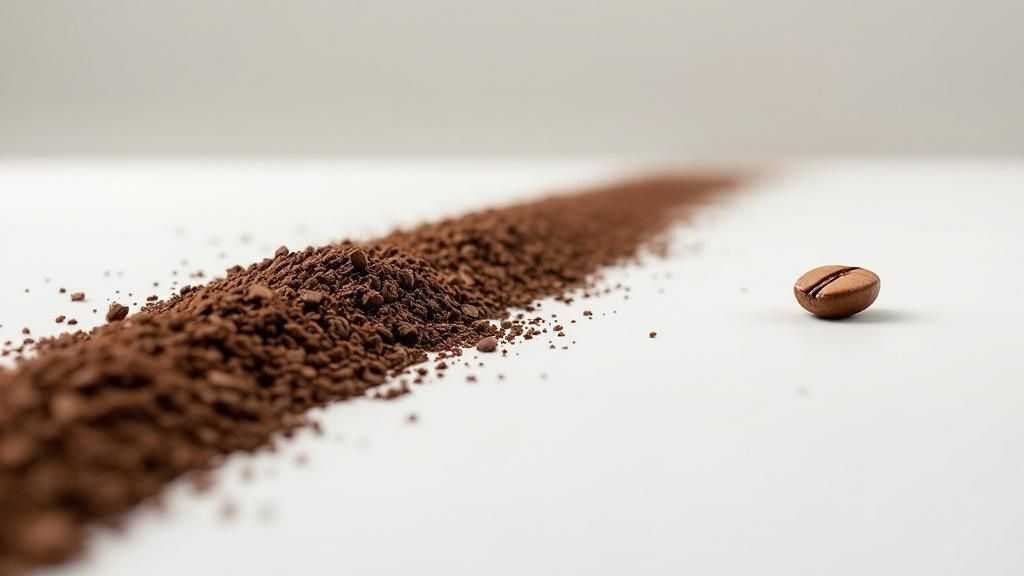
Unlike poisons that kill, coffee grounds work by disrupting cockroach movement and scent trails, steering them away from your home. The potent aroma interferes with their ability to find food sources, while the texture is something they prefer to avoid. This method is especially popular in eco-conscious communities, with some coffee shops even donating used grounds for local pest control and gardening efforts. Restaurants and businesses also use grounds around dumpster areas to create a first line of defense against pests attracted to food waste.
How to Use Coffee Grounds Effectively
The freshness and placement of the grounds are critical for this method to work. The goal is to create a consistent, strong-smelling barrier.
- Focus on Entry Points: Sprinkle a thin line of grounds across potential entry points like windowsills, under doors, and around cracks in the foundation or walls.
- Dry Thoroughly: Before applying, spread the used grounds on a baking sheet to dry completely. Wet grounds can attract mold, creating a new problem.
- Keep it Fresh: The repellent aroma fades over time. Replace the grounds weekly or after they get wet to maintain their potency.
- Target Outdoor Areas: Use grounds around the perimeter of your house, near garbage cans, and in garden beds to deter roaches before they even get close to your home.
Safety and Considerations
Coffee grounds are a non-toxic and environmentally friendly option, making them safe for use around children and pets. They can even enrich the soil in your garden. However, their effectiveness is primarily as a repellent, not an eliminator. This method is best used for low-level activity or as a preventative measure in conjunction with other deterrents. It won't solve a large, established infestation but serves as an excellent tool for discouraging new roaches from exploring your property.
5. Cucumber Peels and Citrus Rinds: The Aromatic Repellent
This simple, zero-waste method leverages common kitchen scraps to create an environment that cockroaches find unpleasant. The bitter compounds in cucumber peels and the powerful essential oil, limonene, found in citrus rinds (like lemon, orange, and grapefruit) are naturally repulsive to roaches. These strong scents overwhelm their sensitive antennae, interfering with their ability to track down food and navigate, making treated areas highly unattractive for them.
While not a colony-killing solution, this method excels as a preventative measure and is one of the safest natural cockroach deterrents for homes with pets and small children. The aroma that we find fresh and clean acts as a powerful "no entry" signal to these pests. This technique is a long-standing traditional home remedy in many cultures and aligns perfectly with modern zero-waste living principles, turning potential food waste into a functional pest management tool.
How to Use Peels and Rinds Effectively
Success with this method depends on freshness and strategic placement. The goal is to maintain a consistent aromatic barrier in key roach pathways.
- Target Entry Points: Place fresh peels in small dishes or on wax paper near potential entry points like under sinks, around pipes, on countertops overnight, and inside cabinets or pantries.
- Focus on High Traffic: Identify areas where you've seen roach activity. Place the rinds along baseboards, behind appliances, and near garbage cans to disrupt their established routes.
- Keep it Fresh: The repellent oils dissipate as the peels dry out. Replace them every 2-3 days to maintain their potency and prevent them from rotting, which would attract other pests.
Safety and Considerations
This is arguably one of the safest methods available, but a few considerations ensure it remains effective. Always use fresh peels; dried or decomposing peels lose their repellent qualities and can become a food source themselves. This approach works best as a deterrent and is most effective when combined with other methods, such as sealing cracks and maintaining a clean kitchen. It won't eliminate an existing infestation but is excellent for discouraging new roaches from exploring your home.
6. Bay Leaves: The Aromatic Pantry Protector
A staple in kitchens for centuries, the humble bay leaf doubles as a simple yet effective aromatic barrier against cockroaches. Bay leaves contain potent compounds, most notably eucalyptol, which gives them their distinct scent. For cockroaches, this powerful aroma is overwhelming and repulsive, interfering with their sensory organs and making it difficult for them to detect food sources. This makes bay leaves one of the safest and easiest natural cockroach deterrents to use directly in food storage areas.
Unlike poisons that kill roaches, bay leaves act purely as a repellent. They don’t eliminate an existing infestation but create an unwelcoming environment that encourages roaches to stay away from specific zones. This is why they have been traditionally used in Mediterranean pantries and are still recommended by organic food stores for protecting grains, flours, and spices. The strong scent masks the attractive smells of stored food, effectively telling roaches that there is nothing of interest to find.
How to Use Bay Leaves Effectively
For this method to work, you need to ensure the aromatic oils are consistently released. A single leaf tucked away won't be enough; strategic placement is crucial.
- Activate the Scent: Gently crush or break a few leaves to release the eucalyptol-rich oils. This significantly boosts their repellent power compared to using whole, intact leaves.
- Target Key Areas: Place clusters of crushed leaves in the corners of pantries, inside kitchen cabinets and drawers, and within containers of flour, rice, and other dry goods.
- Regular Replacement: The aromatic oils dissipate over time. For maximum effectiveness, replace the leaves every one to two months, or whenever you notice their scent has faded.
- Create Sachets: For a tidier approach, place crushed bay leaves into small mesh bags or sachets. This prevents leafy bits from mixing with your food and makes replacement easy.
Safety and Considerations
Bay leaves are completely non-toxic to humans and pets, making them an ideal choice for use in kitchens and food preparation areas. There are virtually no safety concerns, which is a major advantage over chemical-based solutions. While bay leaves are excellent for prevention in specific spots, they will not solve a large-scale infestation. They are best used as part of a broader pest control strategy, combined with other methods for a multi-layered defense. Many aromatic herbs used for roaches are also effective against other common household pests. To see how bay leaves can be part of an integrated pest management plan, you can learn more about how to keep ants away and apply similar principles.
7. Soap and Water Solution: The Simple, Suffocating Barrier
This readily available and non-toxic solution is more than just a cleaning agent; it's a direct-contact killer and an effective barrier. A simple mixture of liquid soap and water acts as one of the most accessible natural cockroach deterrents, working by disrupting a cockroach's basic biology. The soapy film clogs their spiracles, the tiny pores they use to breathe, leading to suffocation. It also breaks down the waxy, protective layer of their exoskeleton, causing dehydration.
Unlike baits that rely on ingestion, a soap and water spray provides an immediate knockdown effect on any roach it touches. Furthermore, it serves a dual purpose by erasing the chemical pheromone trails that roaches leave behind to guide others to food and water sources. Wiping down surfaces with this solution not only cleans but actively dismantles the invisible highways that roaches use to navigate your home. This method is frequently used by apartment maintenance teams for treating cracks and by commercial kitchens to maintain sanitary, pest-free conditions.
How to Use Soap and Water Effectively
Success with this method comes from direct application and consistent use as a cleaning agent. It is perfect for immediate encounters and for maintaining a deterrent effect on surfaces.
- Create the Solution: Mix about two tablespoons of liquid dish soap (any brand works) into a quart of water. Pour it into a spray bottle for easy application.
- Target Roaches Directly: When you spot a roach, spray it thoroughly. The solution needs to coat its body to be effective. This is a great alternative to crushing them, which can spread bacteria.
- Clean Travel Routes: Regularly spray and wipe down common roach pathways like countertops, baseboards, under sinks, and around appliances. This eliminates their scent trails and creates a slippery, unappealing surface for them to cross.
Safety and Considerations
The primary advantage of a soap and water solution is its safety. It is completely non-toxic and safe to use in homes with children and pets, even on food preparation surfaces. However, it only works when wet and has no residual killing power once it dries, so it must be reapplied regularly. Be cautious when spraying near electrical outlets or on delicate surfaces that could be damaged by water. Its effectiveness as a barrier and trail-remover makes it a powerful complement to other deterrents. This same principle of disrupting pests with simple solutions can be applied elsewhere; for instance, you can learn how a similar soap spray helps with spiders and other common household pests on westpestco.com.
7 Natural Cockroach Deterrents Comparison
| Item | Implementation Complexity 🔄 | Resource Requirements ⚡ | Expected Outcomes 📊 | Ideal Use Cases 💡 | Key Advantages ⭐ |
|---|---|---|---|---|---|
| Boric Acid Powder | Moderate: Requires careful, dry application | Low: Inexpensive and widely available | High: Targets entire colonies, slow-acting (24-72 hrs) | Indoor cracks, crevices, behind appliances | Long-lasting, effective on colonies, no resistance |
| Diatomaceous Earth (DE) | Moderate: Must apply evenly and stay dry | Low: Natural, food-grade available | Moderate: Mechanical dehydration, slower kill time | Organic farms, pet areas, dry basements | Non-toxic, safe for pets/children, no resistance |
| Essential Oil Repellents | Low: Easy spray or cotton ball application | Moderate: Requires quality oils, frequent use | Low: Repellent only, non-lethal, variable effectiveness | Preventative use, organic settings, air freshening | Safe, pleasant scent, dual-purpose |
| Coffee Grounds Barriers | Low: Simple barrier creation, frequent replacement | Very low: Free or recycled waste | Low: Repellent effect, short-term, may attract other insects | Around entry points, gardens, dumpsters | Eco-friendly, reduces waste, free |
| Cucumber Peels & Citrus Rinds | Low: Easy to place and replace frequently | Very low: Kitchen waste | Low: Short-term repellency, pleasant scent | Short-term deterrent in kitchens, zero-waste homes | Natural, safe, biodegradable |
| Bay Leaves | Low: Easy to place and replace every few months | Low: Inexpensive culinary herb | Moderate: Mild, long-lasting repellent effect | Pantries, food storage, light infestations | Dual-use herb, safe, long-lasting |
| Soap and Water Solution | Low: Simple spray application, frequent reapplication | Very low: Common household items | Moderate: Immediate barrier and suffocating effect | Quick knockdown, cleaning protocols, travel routes | Safe, multi-purpose, immediate availability |
Beyond Deterrents: When to Call in the Professionals
Embracing the power of natural cockroach deterrents is a significant first step toward reclaiming your space from these unwelcome intruders. Throughout this guide, we have explored a variety of powerful, eco-friendly tools at your disposal. From the desiccant action of diatomaceous earth and boric acid to the potent aromatic barriers created by essential oils, bay leaves, and citrus peels, you now have a comprehensive toolkit for a multi-layered defense strategy.
The core principle for success is not just using one method, but combining them. A proactive approach might involve lining dark cupboards with bay leaves, creating a perimeter with diatomaceous earth along baseboards, and regularly spraying a peppermint oil solution around potential entry points like drains and window sills. This creates a hostile environment that cockroaches will actively seek to avoid.
The Power of an Integrated Strategy
Mastering these natural cockroach deterrents is valuable because it empowers you to manage your home’s ecosystem with minimal reliance on harsh chemicals. This approach is not only safer for children, pets, and the environment but also promotes a deeper understanding of pest behavior. The key takeaways from these methods are:
- Consistency is Crucial: Natural repellents often need to be reapplied more frequently than chemical pesticides. Diligence in maintaining your chosen barriers is non-negotiable for long-term success.
- Sanitation is the Foundation: No deterrent, natural or chemical, will be fully effective in a home that offers an abundant food and water supply. Meticulous cleaning is the most critical component of any pest control plan.
- Observation is Your Best Tool: Pay close attention to where you see cockroach activity. This intelligence will guide your application of deterrents, helping you target their travel paths and potential nesting areas with precision.
Recognizing the Limits of DIY Solutions
While these natural methods are highly effective for prevention and managing minor issues, it is essential to recognize their limitations. Cockroaches are remarkably resilient, capable of surviving in harsh conditions and reproducing at an alarming rate. A few roaches can quickly become a full-blown infestation hidden within walls, beneath appliances, or in other inaccessible areas.
You should consider professional intervention if you encounter any of the following signs:
- Daytime Sightings: Cockroaches are nocturnal. Seeing them during the day often indicates overcrowding in their hiding spots, which is a classic sign of a severe infestation.
- Persistent Presence: If you have diligently applied multiple natural deterrents for several weeks and still see consistent or increasing activity, the source of the problem likely exceeds the scope of DIY control.
- A Distinctive, Musty Odor: A large cockroach population produces a noticeable, oily, and musty smell. If you detect this odor, it's a strong indicator of a significant, hidden nest.
In these scenarios, the infestation has likely established a strong foothold that requires specialized knowledge, equipment, and treatments to eradicate completely.
If you’re seeing signs of a growing infestation, professional pest control in Santa Cruz is the most reliable way to get ahead of it before it spreads.
For cockroach problems specifically, cockroach extermination in Santa Cruz from a licensed team uses targeted baiting and perimeter treatments that address the colony, not just the ones you can see.
If you're in Santa Cruz County and find your DIY efforts aren't enough, it’s time to call for professional support. West Pest Co. specializes in integrated pest management, combining low-impact treatments with expert strategies to resolve your cockroach problem for good. Visit us at West Pest Co. to learn how we can restore peace and safety to your home.
.lwrp.link-whisper-related-posts{
margin-top: 40px;
margin-bottom: 30px;
}
.lwrp .lwrp-title{
}.lwrp .lwrp-description{
}
.lwrp .lwrp-list-container{
}
.lwrp .lwrp-list-multi-container{
display: flex;
}
.lwrp .lwrp-list-double{
width: 48%;
}
.lwrp .lwrp-list-triple{
width: 32%;
}
.lwrp .lwrp-list-row-container{
display: flex;
justify-content: space-between;
}
.lwrp .lwrp-list-row-container .lwrp-list-item{
width: calc(25% – 20px);
}
.lwrp .lwrp-list-item:not(.lwrp-no-posts-message-item){
}
.lwrp .lwrp-list-item img{
max-width: 100%;
height: auto;
object-fit: cover;
aspect-ratio: 1 / 1;
}
.lwrp .lwrp-list-item.lwrp-empty-list-item{
background: initial !important;
}
.lwrp .lwrp-list-item .lwrp-list-link .lwrp-list-link-title-text,
.lwrp .lwrp-list-item .lwrp-list-no-posts-message{
}@media screen and (max-width: 480px) {
.lwrp.link-whisper-related-posts{
}
.lwrp .lwrp-title{
}.lwrp .lwrp-description{
}
.lwrp .lwrp-list-multi-container{
flex-direction: column;
}
.lwrp .lwrp-list-multi-container ul.lwrp-list{
margin-top: 0px;
margin-bottom: 0px;
padding-top: 0px;
padding-bottom: 0px;
}
.lwrp .lwrp-list-double,
.lwrp .lwrp-list-triple{
width: 100%;
}
.lwrp .lwrp-list-row-container{
justify-content: initial;
flex-direction: column;
}
.lwrp .lwrp-list-row-container .lwrp-list-item{
width: 100%;
}
.lwrp .lwrp-list-item:not(.lwrp-no-posts-message-item){
}
.lwrp .lwrp-list-item .lwrp-list-link .lwrp-list-link-title-text,
.lwrp .lwrp-list-item .lwrp-list-no-posts-message{
};
}
.lwrp.link-whisper-related-posts{
margin-top: 40px;
margin-bottom: 30px;
}
.lwrp .lwrp-title{
}.lwrp .lwrp-description{
}
.lwrp .lwrp-list-container{
}
.lwrp .lwrp-list-multi-container{
display: flex;
}
.lwrp .lwrp-list-double{
width: 48%;
}
.lwrp .lwrp-list-triple{
width: 32%;
}
.lwrp .lwrp-list-row-container{
display: flex;
justify-content: space-between;
}
.lwrp .lwrp-list-row-container .lwrp-list-item{
width: calc(25% – 20px);
}
.lwrp .lwrp-list-item:not(.lwrp-no-posts-message-item){
}
.lwrp .lwrp-list-item img{
max-width: 100%;
height: auto;
object-fit: cover;
aspect-ratio: 1 / 1;
}
.lwrp .lwrp-list-item.lwrp-empty-list-item{
background: initial !important;
}
.lwrp .lwrp-list-item .lwrp-list-link .lwrp-list-link-title-text,
.lwrp .lwrp-list-item .lwrp-list-no-posts-message{
}@media screen and (max-width: 480px) {
.lwrp.link-whisper-related-posts{
}
.lwrp .lwrp-title{
}.lwrp .lwrp-description{
}
.lwrp .lwrp-list-multi-container{
flex-direction: column;
}
.lwrp .lwrp-list-multi-container ul.lwrp-list{
margin-top: 0px;
margin-bottom: 0px;
padding-top: 0px;
padding-bottom: 0px;
}
.lwrp .lwrp-list-double,
.lwrp .lwrp-list-triple{
width: 100%;
}
.lwrp .lwrp-list-row-container{
justify-content: initial;
flex-direction: column;
}
.lwrp .lwrp-list-row-container .lwrp-list-item{
width: 100%;
}
.lwrp .lwrp-list-item:not(.lwrp-no-posts-message-item){
}
.lwrp .lwrp-list-item .lwrp-list-link .lwrp-list-link-title-text,
.lwrp .lwrp-list-item .lwrp-list-no-posts-message{
};
}