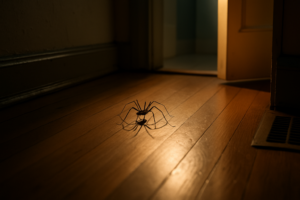
Direct Answer: Most ADU spider complaints are elevated activity, not a true infestation. Spiders follow other insects, so treatment works best when paired with an inspection that finds the food source drawing them in.
A property owner in Aptos called me recently about a spider problem in their backyard ADU. The tenant was frustrated, and the owner’s exact words were that they wanted to try and remedy it for him. That is a different situation than a homeowner treating their own place.
When someone else lives in the unit, you are working with secondhand information. You cannot see what they see, and you are trying to judge how serious it is from a text message.
So here is how I read these calls after years of walking through backyard cottages and converted garages across Santa Cruz County and the greater Monterey Bay area. What separates a real spider infestation from normal activity, when a tenant complaint deserves fast attention, and how treatment works in an occupied unit with kids or pets inside.
Is it a spider infestation in the ADU, or just elevated activity?
This is the first thing I sort out, because the answer changes the whole plan. Spiders are predators. They set up where there is food, and their food is other insects.
If I walk into an ADU and find webs in every corner, I am not thinking “spider problem” first. I am thinking something else is feeding them.
Common food sources I find in these units:
- Small flies breeding around a slow drain or a damp crawl space
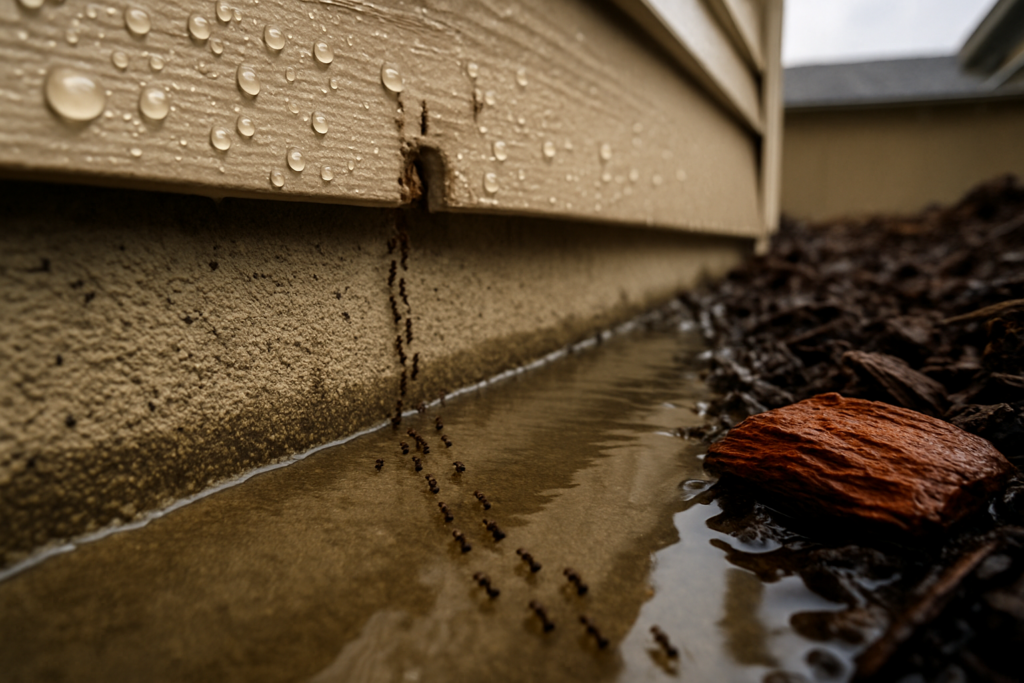
- Ants trailing in from the garden or a nearby wood pile
- Moths and other night insects pulled in by an exterior porch light
- Beetles and pill bugs coming in under a door with a worn sweep
A few webs in the garage corner and one or two spiders a week is normal in this climate. A tenant seeing spiders daily, in multiple rooms, with visible egg sacs, is telling you something is off in the unit.
The University of California’s pest notes on spiders makes the same point about reducing insect prey and clutter first. That is why I treat and inspect on the same visit instead of just spraying baseboards and leaving. If you knock down the spiders but the ants keep coming, new spiders move in within a few weeks.
Why ADUs and converted garages collect more spiders than the main house
Santa Cruz County has added a lot of accessory dwelling units in the last several years. Backyard cottages, detached studios, garages turned into living space. I see the same pattern in most of them.
What makes these units spider friendly:
- Less foot traffic. Webs that would get wiped out in a busy hallway sit undisturbed for weeks.
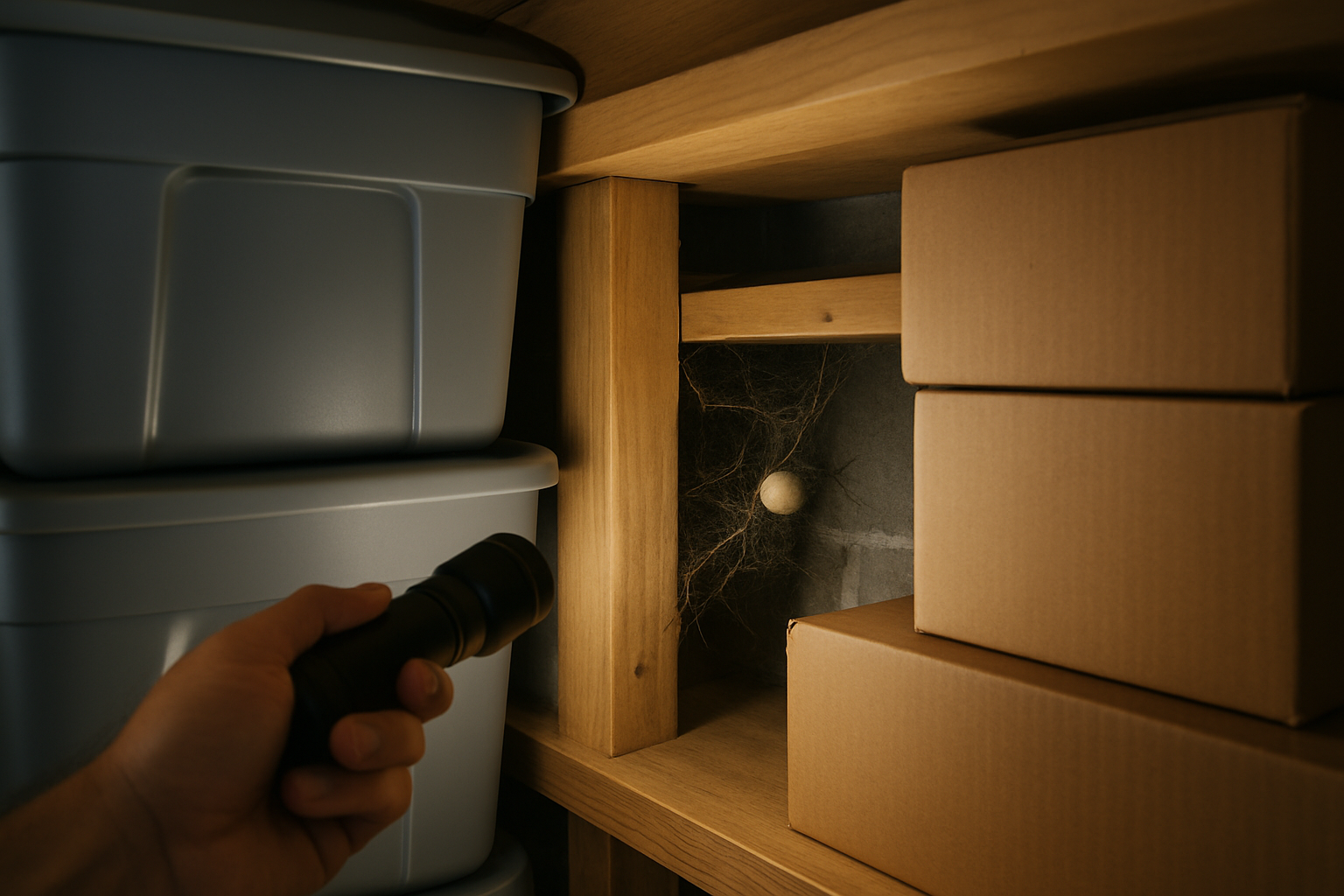
- Storage clutter. Half of these units still hold the owner’s boxes, tools, and bins along one wall.
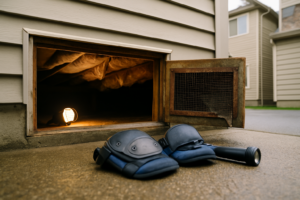
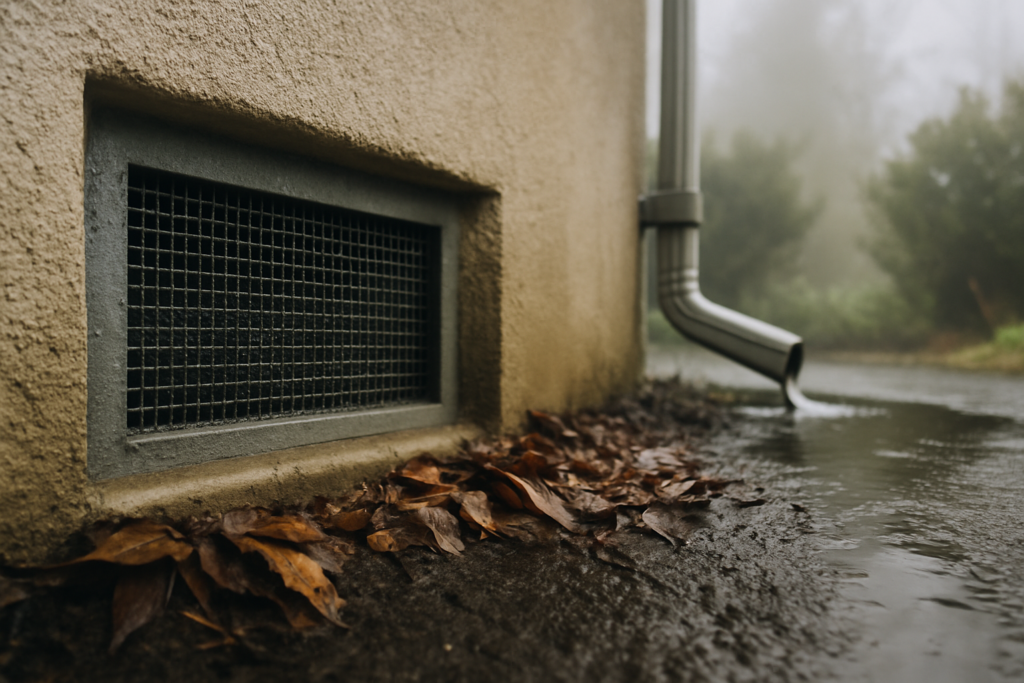
- Older construction. Converted garages often have gaps at the door, the slab edge, and around utility penetrations.
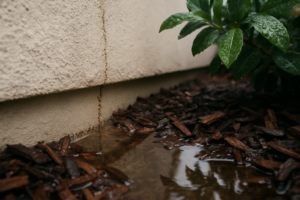
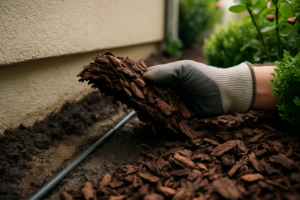
- Yard proximity. Wood piles, ivy, and raised beds sit a few feet from the wall in most Santa Cruz backyards.
Then there is our weather. Fog, steady humidity, and mild winters mean spiders here stay active in December while they would be dormant somewhere inland or back east.
That catches new tenants off guard. Someone who moves into an ADU in October or November may see more spider activity in their first month than the owner ever noticed during summer walkthroughs. I got a call from a family moving into an older West Side home who described tons of spiders and wanted nothing harsh used inside because they had three young kids. Same story, different building.
When a tenant raises a spider concern, take it seriously
I am not an attorney and this is not legal advice. But California landlords are responsible for keeping a rental habitable, and how spiders fit into that depends on the situation.
A handful of harmless webs is not a habitability issue. A black widow population in a garage-style ADU where someone stores their bike and does laundry is a genuine safety concern, and black widows are common in Santa Cruz County garages, sheds, and outbuildings.
Here is my practical advice to owners:
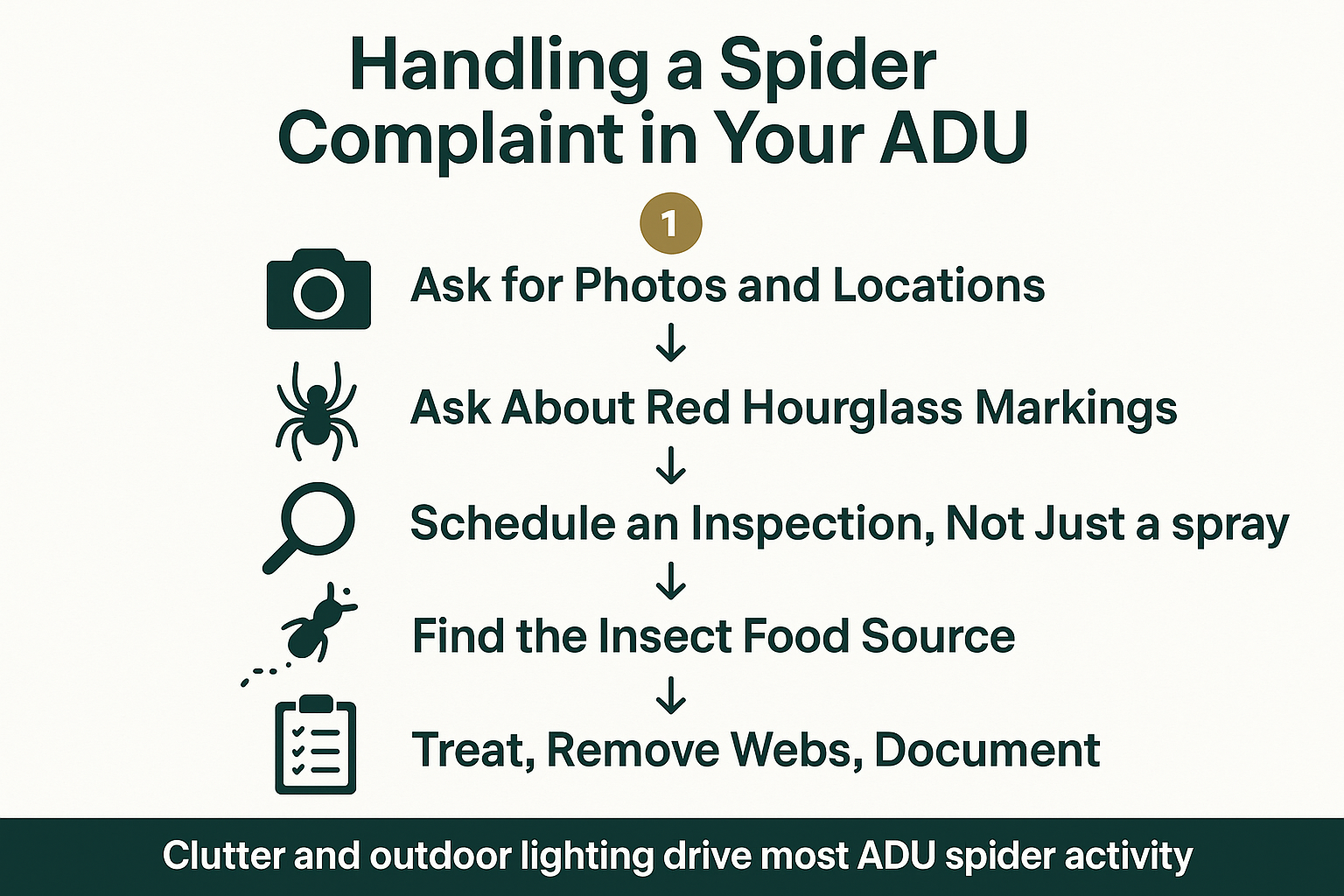
- Ask the tenant for photos and where exactly they are seeing spiders
- Ask specifically whether they have seen anything with a red hourglass marking
- Do not hand the tenant a can of spray and call it handled
- Get a professional set of eyes on it and document what was found and treated
That last point protects you as much as the tenant. If the complaint escalates later, a written record of a same-week inspection reads very differently than a text saying you would look into it. The same logic applies to rodent complaints in a rental, where documentation matters just as much.
Reading what your tenant is describing
When an owner forwards me a tenant’s message, this is roughly how I sort it before I show up.
| What the tenant reports | What it usually means | What typically helps |
|---|---|---|
| Webs in ceiling corners and window frames | Normal activity, likely flying insects nearby | Web removal, exterior treatment, change porch bulb |
| Spiders daily in kitchen and bathroom | An insect food source inside the unit | Inspection for ants, drain flies, and moisture |
| Egg sacs behind stored boxes | Established indoor population | Targeted interior treatment, declutter storage wall |
| Dark spider with red hourglass in garage area | Possible black widow, safety concern | Prompt professional treatment, keep tenant out of that area |
| Spiders only after rain or fog | Seasonal movement toward shelter | Exterior perimeter focus, vegetation trimmed back |
How I walk landlords through a spider complaint
A simple order of operations that keeps a small complaint from turning into a bigger dispute.
Treating an occupied unit when kids and pets are inside
This is the question I get most often, and it is a fair one. Nobody wants a stranger fogging chemicals through the room where their toddler sleeps.
Interior spider work in an ADU can be done with low toxicity, targeted products applied to the places spiders actually travel. Baseboards, corners, behind and under storage, window and door frames. It is not a wall-to-wall spray.
Standard precautions I use in occupied units:
- Keep children and pets out of treated rooms until surfaces are fully dry
- Open windows for ventilation time after interior work
- Cover or move pet bowls, bedding, and food before I start
- Physically remove webs and egg sacs instead of relying on product alone
- Focus the heavier work on the exterior perimeter, where most spiders originate
On cost, treat any number you read online as a starting point. Around here, a one-time interior and exterior spider treatment on a small detached unit often lands in the low to mid hundreds, but square footage, how much storage has to be worked around, black widow activity, and whether the main house needs attention too all move that figure. Recurring service usually prices differently than a single visit.
One more honest note. Treatment knocks down active spiders and cuts activity down hard, but no visit makes a Santa Cruz backyard spider free forever. Our climate keeps them working year round, and the realistic goal is keeping the unit comfortable and safe for the person living in it. For a broader look at species, my guide to spiders common to Santa Cruz covers which ones matter and which ones I leave alone.
Frequently Asked Questions About Spiders in ADUs and Rentals
Am I required to treat spiders in my rental unit?
That depends on the situation and I cannot give legal advice on it. What I can say is that California requires rentals to be habitable, and a black widow population in a space a tenant uses daily is a safety issue worth handling right away, not a cosmetic complaint.
Can the treatment be done while my tenant still lives there?
Yes. Most interior spider work in an occupied ADU takes under an hour, uses targeted low toxicity applications, and only requires people and pets to stay out of treated rooms until things dry. Coordinate access with your tenant in writing so nobody is surprised by a knock at the door.
Why are there so many spiders in a converted garage?
Converted garages have the trifecta. Older construction with more gaps, stored boxes and bins that never get moved, and a wall that usually backs right up to the yard. Add a porch light pulling in moths at night and you have a steady food supply. My guide on getting rid of spiders in a garage breaks that down further.
Should I just have my tenant buy spider spray?
I would not go that route. Store cans kill what they touch and miss the reason spiders are there in the first place, and a tenant spraying near their own kids or pets without guidance creates a second problem. It also leaves you with no record that the issue was addressed.
Do spiders mean the unit has another pest problem?
Often, yes. Heavy spider activity usually points to ants, small flies, or other insects living in or around the unit. That is why I inspect before treating rather than after.
Sorting out a spider issue in a unit you rent out?
If a tenant in one of your Santa Cruz County or Monterey Bay area properties has raised a spider concern and you want a straight read on how serious it is, West Pest Co. handles inspections and targeted treatments for ADUs, detached studios, and converted garages. Calls come through at (831) 430-8402, and westpestco.com has more on how the work is done.