So, when does a few wasps buzzing around your backyard BBQ turn into a full-blown crisis? A true wasp emergency is all about an immediate threat to safety. It's usually tied to where the nest is or how the wasps are acting, and it always demands fast, professional help. Knowing how to spot the difference between a minor nuisance and a real emergency is the first and most important step to keeping your family safe in Santa Cruz.
How to Tell if You Have a Wasp Emergency
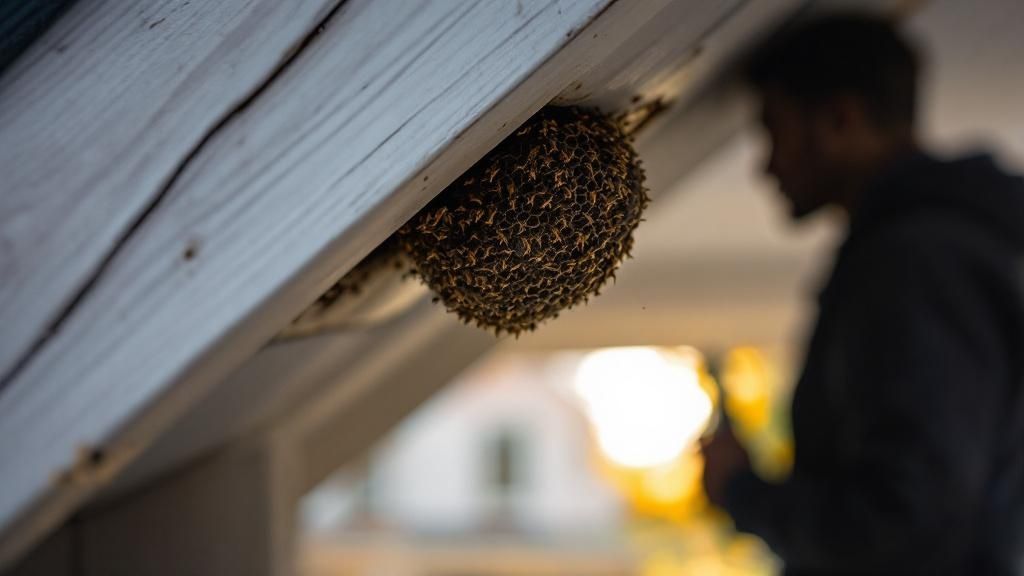
Not every wasp sighting is a reason to panic, but some situations absolutely require immediate action. The key is learning to quickly size up the risk. You need to look at the nest's location, the number of wasps you see, and how they're behaving. A lone paper wasp building a small, open-faced nest on a distant eave is one thing. A hidden yellowjacket nest inside a wall right next to your front door? That's a completely different and far more dangerous story.
It also helps to understand what's happening locally. As development continues across Santa Cruz County, we're seeing more urgent run-ins between people and wasps. Natural nesting areas, like the Zayante sandhills that have shrunk dramatically since the late 20th century, are disappearing. This forces aggressive species like yellowjackets to build their homes much closer to ours. You can explore more about regional habitat changes and see how they're affecting our local ecosystems.
High-Risk Scenarios Demanding Immediate Action
Some situations automatically push a wasp problem into the emergency category. If you spot any of these signs, it's time to call for professional emergency wasp removal in Santa Cruz without a second thought.
- Nests in High-Traffic Areas: Is there a nest near your front door, mailbox, windows, or on the kids' playset? These spots pose a constant threat. Everyday comings and goings can easily provoke the colony, and that's how you get a defensive swarm.
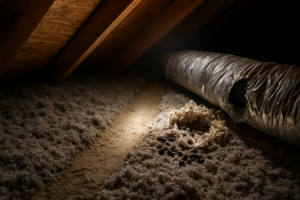
- Hidden Nests (In-Wall or Underground): These are the scariest. Nests tucked away inside wall voids, attics, or underground are incredibly dangerous. You can't see how massive the colony really is, and trying to disturb it can send wasps pouring directly into your living space or swarming from an exit you didn't even know was there.
- Known Allergies in the Household: This is non-negotiable. If anyone living in or frequently visiting your home has a known allergy to wasp or bee stings, any nest on your property is a potential medical emergency.
- Aggressive Wasp Behavior: Are wasps buzzing around people or pets without being provoked? Are they finding their way inside your home? This is a classic sign of a large, well-established colony that's on high alert and highly defensive.
Expert Insight: From our experience, yellowjackets are behind the vast majority of stinging incidents here in California. Their colonies can swell to thousands of individuals and they get notoriously aggressive, especially in late summer and early fall when their populations hit their peak. Never, ever underestimate a yellowjacket nest.
When Is It Just a Nuisance?
On the other hand, some situations are less dire. A small, visible paper wasp nest on a shed in the back corner of your yard might not be an emergency. If it's far away from where people hang out and the wasps aren't bothering anyone, you likely have more time to think about your options.
Still, even small nests grow. It's always smart to keep a close eye on them.
To make it easier, here's a quick risk assessment guide. Use this table to get a better sense of your situation and what you should do next.
Wasp Situation Risk Assessment
Use this quick guide to determine if your wasp problem in Santa Cruz requires immediate professional intervention.
| Situation | Risk Level | Recommended Action |
|---|---|---|
| Single paper wasp nest far from house | Low | Monitor from a distance. Consider professional removal if it grows or becomes active. |
| Multiple visible nests in low-traffic areas | Medium | Monitor closely. Schedule a non-emergency professional inspection and removal. |
| Any nest near doors, windows, or play areas | High | Stay clear of the area. Call for emergency professional removal immediately. |
| Wasps emerging from a hole in a wall or ground | Extreme | Do not block the hole. Evacuate the immediate area and call for emergency service. |
| Known allergy in the household (any nest) | Extreme | This is a medical risk. Call for emergency professional removal without delay. |
| Aggressive wasps swarming or chasing | Extreme | Retreat indoors immediately. Call for emergency service. |
Ultimately, your safety is what matters most. If you feel uneasy or unsure about the risk, it's always better to be cautious and call in an expert. A professional can assess the situation accurately and handle it safely, giving you peace of mind.
Immediate Steps to Secure Your Home
The moments after discovering a high-risk wasp nest can feel pretty tense, but what you do right away is critical for everyone's safety. The goal is simple: contain the area and prevent anyone from getting hurt while you wait for professional help. Whatever you do, do not try to remove the nest yourself. Agitating a large, defensive colony is a recipe for disaster.
Your first priority is to create a safe zone. Calmly and quietly get everyone—family, kids, and pets—indoors and away from that side of the house. Avoid yelling or making sudden, frantic movements. Wasps can interpret those vibrations and sounds as a threat, triggering a defensive attack.
Once everyone is inside, securely close all nearby windows, doors, and even pet doors. This is your best first line of defense to keep any stray wasps from finding their way into your home.
This visual guide breaks down the initial emergency response into three clear stages.
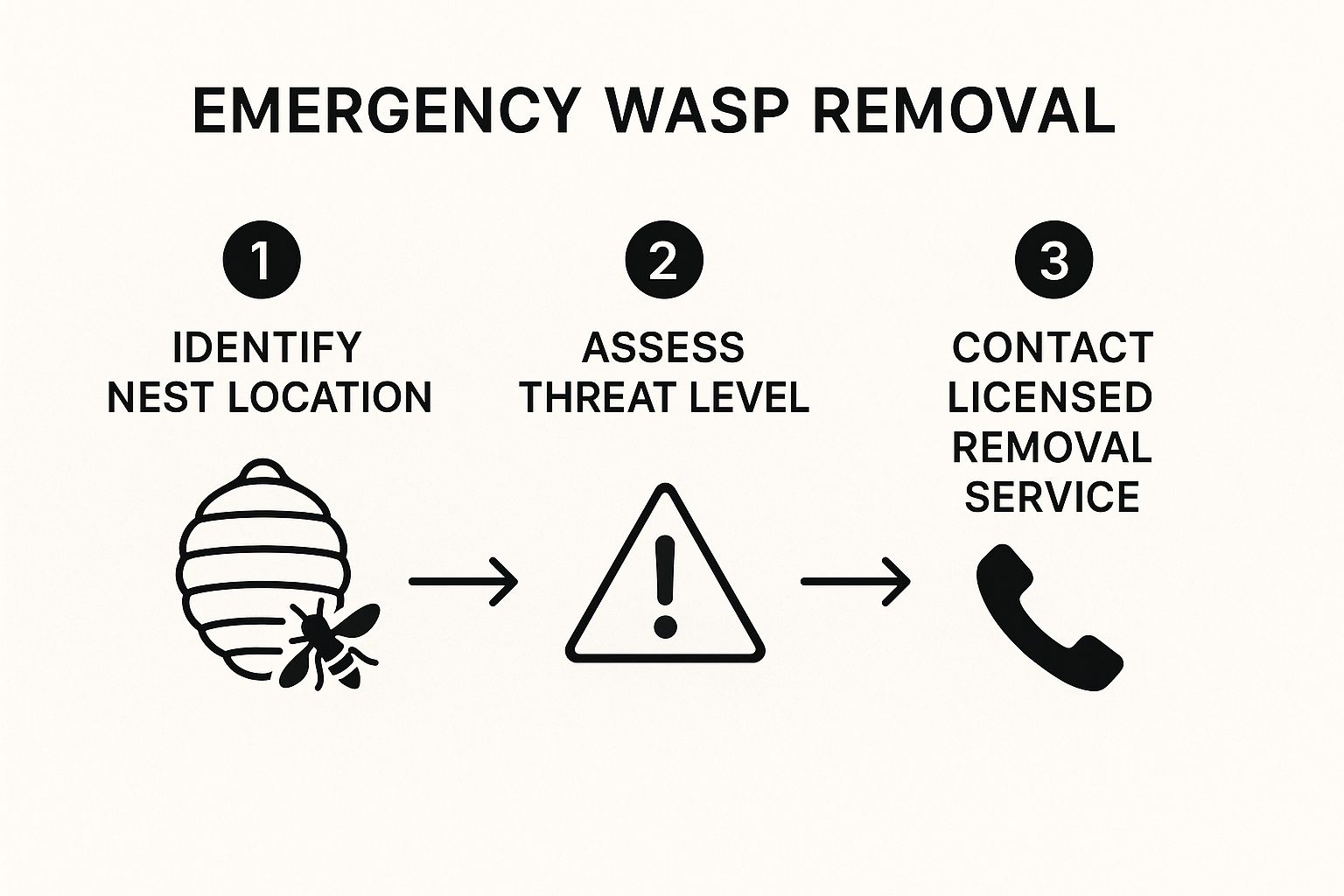
As the infographic shows, the most critical actions are identifying the threat, assessing the danger, and then immediately calling a professional. It really drives home the point that you shouldn't take matters into your own hands.
Alerting Others and Avoiding DIY Disasters
Once your own household is secure, it’s a good idea to calmly let your immediate neighbors know, especially if the nest is near a shared fence, property line, or sidewalk. A quick phone call or text is all it takes. There's no need to cause alarm—just a simple, neighborly heads-up so they can also keep their kids and pets at a safe distance.
This is the point where the temptation to "do something" gets strong. You might have seen some online tutorials or have a can of wasp spray under the sink. Resist that urge.
Crucial Safety Warning: Store-bought aerosol sprays are completely ineffective and extremely dangerous when used on large or hidden nests, like those belonging to yellowjackets. These products will only kill a few wasps at the entrance while enraging the thousands of others inside, often causing them to swarm aggressively.
Trying a DIY solution not only puts you at a high risk for multiple stings but can make the situation far more complex and dangerous for the professionals who have to deal with it later. The best—and only—safe move is to keep your distance and call for emergency wasp removal in Santa Cruz. Let the experts at West Pest Co. manage the risk with the right protective gear and proven, effective treatments. Your safety is what matters most.
Why Professional Removal Is Essential
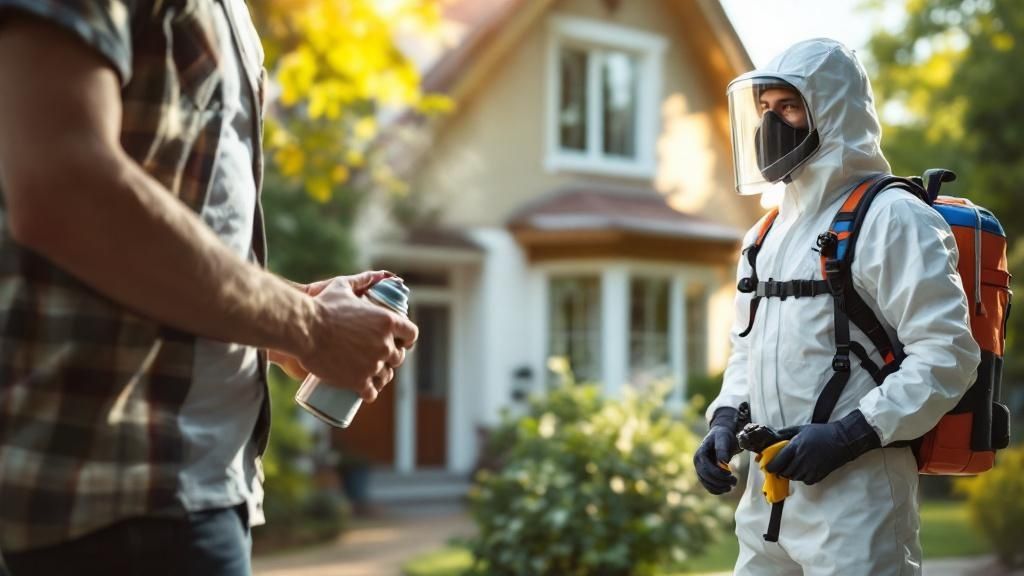
When you find an aggressive wasp nest on your property, it’s tempting to grab a can of spray and handle it yourself. But I’ve seen this go wrong too many times. Attempting a DIY removal is one of the biggest gambles a homeowner can take, turning a manageable problem into a genuine medical emergency.
Those store-bought wasp sprays just aren't built for large, established colonies. They're especially useless against the hidden nests yellowjackets build inside walls or underground. You might take out a few workers at the entrance, but all that does is enrage the thousands of wasps inside. Suddenly, you’re facing a massive, coordinated defensive swarm.
That’s how a controllable situation spirals into a crisis.
The Dangers of DIY Wasp Removal
The difference between a can of Raid and professional-grade equipment is night and day. Homeowners simply don’t have the specialized gear, protective suits, or deep knowledge needed to tackle an angry colony without getting hurt.
Here are the real risks you’re facing:
- Mass Stinging Events: Wasps don't sting just once like bees—they can sting you over and over. Agitating a nest can lead to dozens, or even hundreds, of stings. That’s enough to be life-threatening, even if you don't have allergies.
- Severe Allergic Reactions: For someone with a severe allergy, a single sting can trigger anaphylaxis. What’s terrifying is that many people don’t realize they have a wasp allergy until it’s too late.
- Trapping Wasps Indoors: This is a homeowner’s worst nightmare. If you spray or block the entrance to a nest that's inside a wall void, the wasps will find another way out. That new exit is often right through your drywall and into your living room.
A Critical Takeaway: Professional services are essential not just for safety but also for their operational effectiveness. Discovering how businesses use efficient field service strategies can help you appreciate the logistics required for a rapid and reliable emergency response.
The Professional Advantage in Santa Cruz
When you call an expert for emergency wasp removal in Santa Cruz, you're bringing in a team with the right training, tools, and firsthand experience. Our West Pest Co. technicians show up in professional-grade protective suits that cover them from head to toe. This gear allows us to work safely just inches from a volatile nest.
We use specialized, eco-friendly treatments that are far more powerful than anything on a hardware store shelf. These products are designed to wipe out the entire colony fast—including the queen—so the problem is gone for good. For tricky situations like nests inside structures, we have the tools to pinpoint the location and treat it with minimal damage to your home. Our expertise in wasp nest removal covers all the common species and nest types we see here in Santa Cruz.
This level of preparedness isn't just a good idea; it's the standard. The potential health risks from stinging insects are taken so seriously that Santa Cruz County itself recommends professional action. The county's vector control district, which oversees 445 square miles, dedicates significant resources to managing public health vectors like wasps, underscoring why expert intervention is the safest and most effective choice.
Finding the Right Emergency Service in Santa Cruz
When a wasp nest suddenly feels like a ticking time bomb, the pressure to find help—fast—is intense. But not every pest control company is set up to handle a true emergency. The last thing you want is to call for help only to be told the next available appointment is in three days. For emergency wasp removal Santa Cruz residents can't wait. You need a company that actually guarantees a rapid response.
A genuine emergency service operates with a sense of urgency because they get the stakes. When you call, they should be able to get a technician out to you promptly, often on the very same day. That immediate availability is the first and most critical quality to look for.
Key Questions to Ask Before You Hire
Once you get a potential company on the phone, you have to vet them quickly but thoroughly. Your goal is to feel confident that you’re hiring a competent, trustworthy professional who can solve the issue safely. Time is short, but asking a few smart questions can tell you everything you need to know.
Instead of just asking "Do you handle wasps?", get specific. Frame your questions based on your actual situation:
- "What is your experience with large, aggressive yellowjacket nests inside a wall void?"
- "Are your technicians licensed and insured for this kind of hazardous work?"
- "Can you give me a clear cost estimate over the phone before you head out?"
A reputable company will have direct, straightforward answers. They won't hesitate to be transparent about their process and pricing, leaving no room for surprise fees. Vague responses or an inability to provide proof of insurance are huge red flags. This initial chat is your best tool for judging a company; it’s where you can see the principles of effective customer service in action and find someone who communicates clearly and professionally right from the start.
Verifying Local Expertise and Guarantees
Beyond just showing up fast, you need a team with proven local knowledge. Dealing with a simple paper wasp nest is a world away from managing an aggressive European hornet colony. A true expert knows which species are common in Santa Cruz County and the best, safest methods for each. West Pest Co. specializes in Santa Cruz wasp and yellowjacket extermination, bringing the kind of localized expertise that’s absolutely critical for getting the job done right.
Crucial Tip: Always ask what kind of guarantee the company offers. A professional service should stand behind its work. If wasps return to the treated area within a certain timeframe, the company should come back to fix it at no extra cost. This guarantee is their promise that they’re committed to solving your problem for good, not just selling you a temporary fix.
Choosing the right emergency service really comes down to these key things: speed, experience, transparency, and a solid guarantee. Taking just a few minutes to ask the right questions ensures the team arriving at your door is prepared to eliminate the threat quickly and professionally, finally restoring safety to your home.
What to Expect During Professional Wasp Removal

Finding a wasp nest is stressful enough. Wondering what happens next shouldn't be. When you call West Pest Co. for emergency wasp removal in Santa Cruz, you're getting far more than a quick spray-and-go treatment; you're getting a careful, safety-first process designed to solve the problem for good.
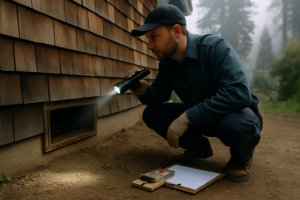
The moment our technician arrives, their first priority is a full on-site risk assessment. This isn't just a quick glance. They'll confirm the wasp species (since different types require different tactics), pinpoint the nest's exact location, map out all the flight paths, and identify any immediate hazards to your family, pets, or home. This critical first step dictates the entire strategy.
The Treatment and Removal Process
With the assessment complete, our tech suits up in professional-grade protective gear. This lets them get right to the heart of the problem—the nest itself—where the colony is most concentrated. From there, they'll choose the right tool for the job.
- For exposed aerial nests, like the papery ones you see hanging from eaves, the process is usually a direct application of a fast-acting, eco-friendly treatment. Once the colony is neutralized, the nest is physically removed.
- For hidden nests in walls or attics, which is common with yellowjackets, the approach is more specialized. We inject professional-grade dusts or aerosols directly into the void, ensuring the treatment reaches the entire colony, including the queen.
This isn't just about scattering the foragers. It's a precise method to make sure the colony is fully neutralized at its source, which is the only way to prevent them from regrouping and rebuilding.
Key Insight: A professional job targets the entire colony, not just the wasps you can see. The goal is complete eradication to ensure the problem doesn't come right back, giving you long-term safety.
After The Nest Is Gone: Safety and Prevention
Once the nest is treated and removed (if it's physically accessible), our work still isn't finished. Our technician will walk you through what to expect next. This includes clear safety instructions, like how long to steer clear of the area and what to do about any straggler wasps, which can be normal for a day or so.
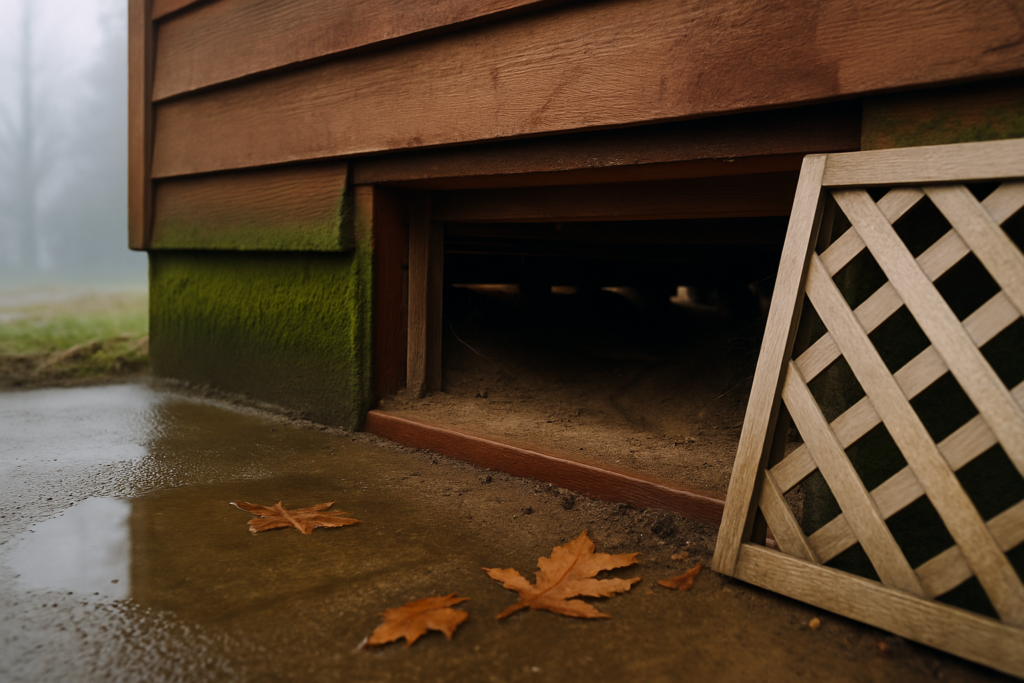
More importantly, we'll show you how they got in. We point out the structural weak spots—the tiny gaps under the siding or cracks in the foundation—that wasps exploited. Sealing these entry points is the key to lasting prevention. This comprehensive follow-up and practical advice are central to our service, giving you not just a solution for today, but peace of mind for tomorrow.
Keeping Wasps Away from Your Home for Good
Once the immediate crisis of an emergency wasp removal in Santa Cruz is behind you, the focus shifts to a much more empowering goal: making sure it never happens again. Long-term prevention isn't about crossing your fingers and hoping for the best; it’s about strategically making your home an unattractive place for next year's scouting queens.
You have to think like a wasp. Every spring, new queens emerge from hibernation looking for the perfect, sheltered spot to build a colony. Your job is to close the door on those prime real estate opportunities before they even get a chance to look. A little proactive work now can save you a world of trouble—and another emergency call—down the road.
Sealing Potential Entry Points
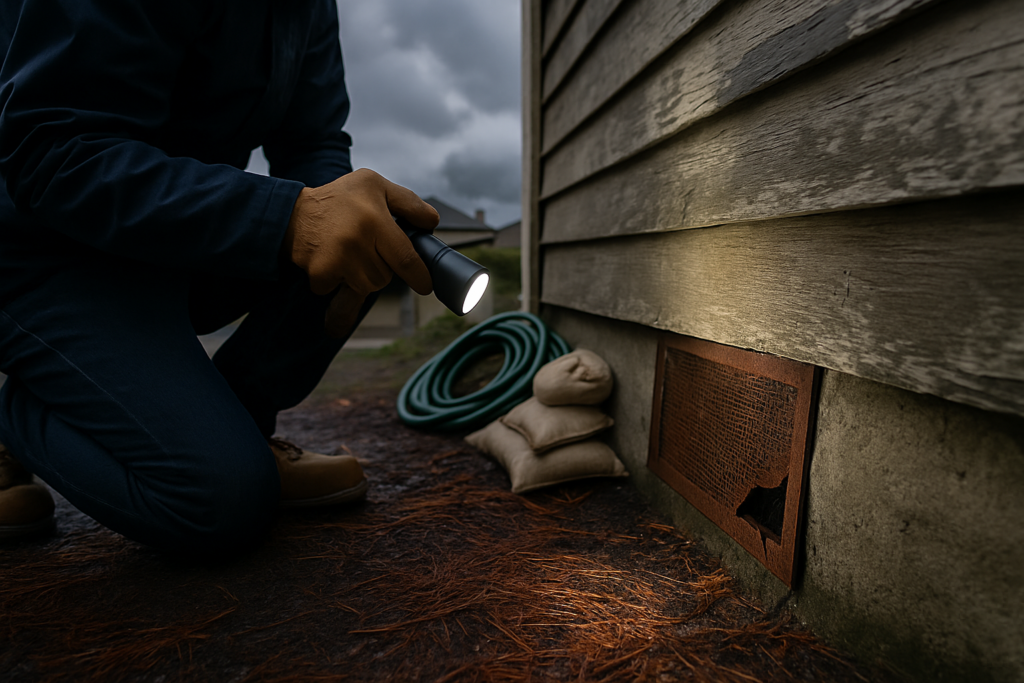
Your home’s exterior is probably full of tiny, overlooked gaps that look like a "Vacancy" sign to a searching wasp. A thorough walk-around is your single best first line of defense. Grab a coffee, walk the perimeter of your house, and get really picky about any opening, no matter how small.
Pay extra close attention to these classic weak spots:
- Eaves and Soffits: Check the seams where your roof meets the walls. Damaged or loose soffit vents are a favorite entry point for wasps looking to get into an attic or wall void.
- Siding and Trim: Look for cracks or holes in vinyl, wood, or stucco siding. Corners and the trim around windows and doors are especially vulnerable.
- Utility Openings: Those gaps around pipes, dryer vents, and utility cables are basically direct highways into your walls.
- Foundations: Inspect your concrete slab or foundation for any cracks that could give pests access to a crawl space.
For smaller gaps, a good quality caulk or some expanding foam sealant will do the trick. If you find larger openings, you might need to stuff some wire mesh in first to block access before sealing it up. This one weekend project can make a monumental difference.
A Proactive Mindset: The best pest control strategy is always prevention. When you identify and seal up these structural vulnerabilities, you're not just stopping wasps. You're also protecting your home from all sorts of other pests and even potential moisture damage.
Managing Attractants in Your Yard
Wasps are always on the hunt for food. They crave protein in the spring to feed their larvae and switch to sugars in the late summer and fall. If you're not careful, your yard can accidentally become their favorite all-you-can-eat buffet.
Getting serious about trash and compost management is crucial. Always, always use tightly sealed lids on your garbage and recycling bins. If you have a compost pile, consider switching to an enclosed tumbler-style bin. Open piles are a massive draw for foraging yellowjackets. And, of course, clean up any food or drink spills around your patio or outdoor kitchen right away.
Landscaping Choices to Deter Wasps
Believe it or not, your garden can either be a welcome mat for wasps or a natural deterrent. While many beautiful flowers are fantastic for honeybees and other helpful pollinators, some are also wasp magnets. If you've had recurring problems, it might be time to make a few strategic swaps in your landscaping.
Wasps generally steer clear of plants with strong, pungent smells. Think about planting some natural deterrents like:
- Spearmint
- Thyme
- Eucalyptus
- Lemongrass
You can plant these in pots near your patio and doorways or mix them right into your garden beds. While it’s not a 100% foolproof shield, it adds another valuable layer to your defense.
For Santa Cruz homeowners wanting to blend prevention with sustainability, exploring a range of eco-friendly wasp control treatments and methods offers lasting peace of mind. By making your property less hospitable, you drastically cut the odds of needing another emergency call.
Ready to secure your home from future wasp invasions? Contact West Pest Co. today for a comprehensive property inspection and customized prevention plan. Let our experts help you keep your home and family safe for good. Visit us at https://westpestco.com to get started.