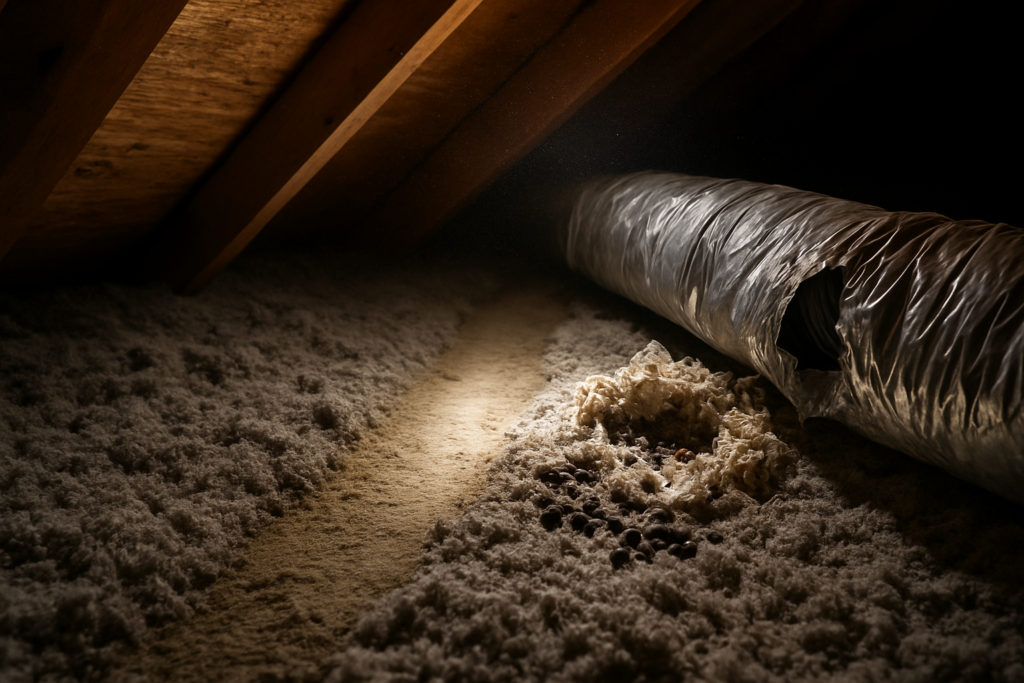
Direct Answer: Sightings spike because mature male spiders leave their webs in late summer to wander for mates. It is a behavior change, not a sudden population boom, and it fades by late fall.
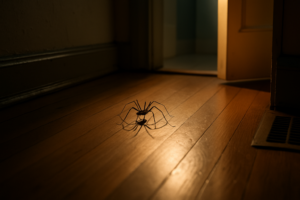
Every year around the last week of August, the messages change. All summer it is ants. Then almost overnight it is spiders crossing a hallway floor at night, sitting in a bathroom sink, or bolting across the garage when the light goes on.
The calls cluster in the same places too: the Westside, Seabright, Aptos, Scotts Valley. One homeowner moving into an older house told us there were tons of spiders, that they wanted the outside and inside handled, and that whatever went inside had to be non-toxic because there were three kids in the house.
That is the real question underneath most September calls. Why now, and what is safe to put in a house with kids and pets in it. This article covers the timing and the behavior, not species ID, and it explains what a fall visit actually does and does not accomplish.
Why fall spider activity in Santa Cruz jumps in September
From late August through October, mature male spiders of most common house species stop sitting in webs and start walking. They are looking for females, and that search takes them across open floors, along baseboards, and down into sinks and tubs they cannot climb back out of.
So you are not seeing more spiders. You are seeing the same spiders in places you actually look.
The popular idea that cold weather drives spiders indoors gets pushed back on hard by entomologists, and the research supports them. Most of the spiders showing up in your hallway in September have been living in the crawl space, the wall voids, and the garage corners since spring. The UC Statewide IPM Program’s pest notes on spiders is a solid plain-language read if you want the biology in more detail.
A few things follow from that:
- A spike in sightings is a behavior change, not a population explosion
- Wandering males are short-lived and mostly die off by late fall no matter what you do
- The spiders you see out in the open are usually males, which are leggier and faster than the ones sitting in webs
- The window closes on its own, typically by the time the first steady rains arrive
Why the Central Coast runs on a different clock than inland California
If you moved here from the Central Valley, this fall surge probably feels heavier than what you remember. It is.
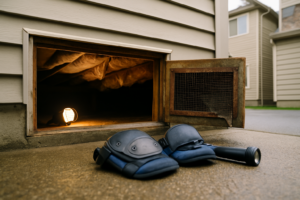
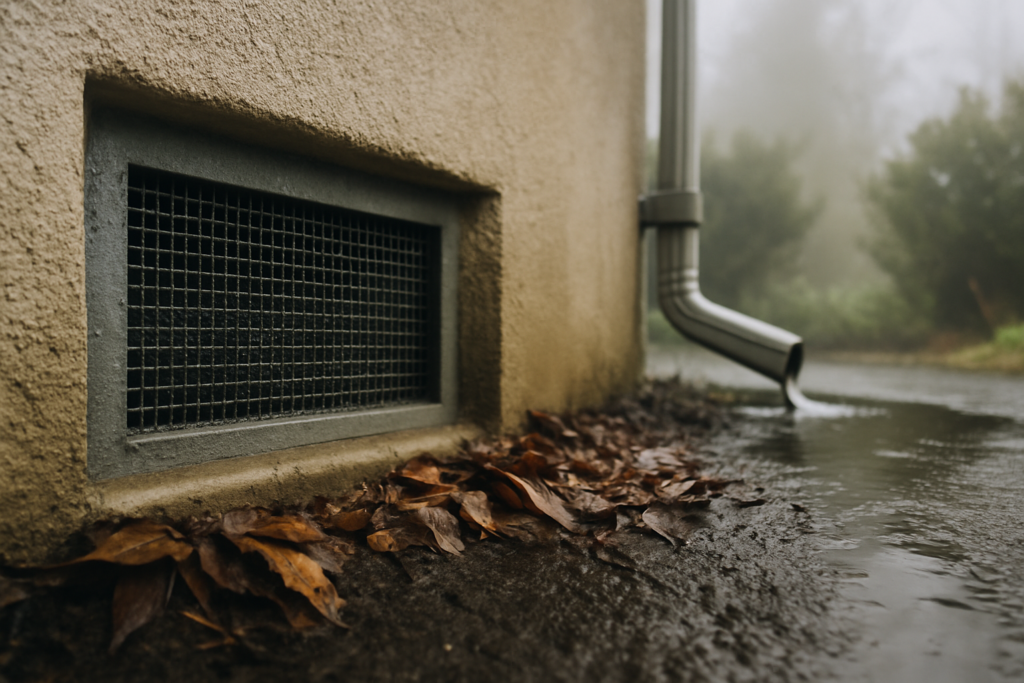
Inland, summer heat dries things out and the insect population crashes for stretches of the year. Here, fog and steady humidity keep crawl spaces under older Westside and Seabright homes damp basically year round. Damp means insects, and insects are spider food.
More prey against the foundation means more spiders living against the foundation, which means more males wandering when the season flips. That is the whole chain.
The properties that see the heaviest fall traffic in my experience:
- Homes backing up to greenbelt or open space, where cover runs right up to the siding
- Redwood edges in Ben Lomond, Felton, and the Scotts Valley hills, with constant leaf litter and shade
- Unlit or lightly used garages in Aptos and Rio del Mar, where nothing gets disturbed for months
- Houses with firewood, lumber, or stored bins stacked flat against an exterior wall
Older housing stock matters too. A 1920s Santa Cruz bungalow with a vented crawl space and original trim has far more harborage than a home built in the last twenty years. It is not a cleanliness issue, and I tell people that on almost every one of these visits.
Normal fall sighting or something worth a closer look
Most September spider encounters are the temporary kind. Here is how I sort them in the field.
| What you are seeing | What it usually means | Reasonable response |
|---|---|---|
| One fast spider crossing a floor at night | Classic wandering male, temporary | Cup and release, no treatment needed |
| Spider stuck in a bathtub or sink | Fell in chasing moisture, cannot climb out | Scoop it out, check nothing else |
| Webs rebuilt on eaves and outdoor furniture weekly | Outdoor pressure and a strong insect food supply | Worth a conversation about the exterior |
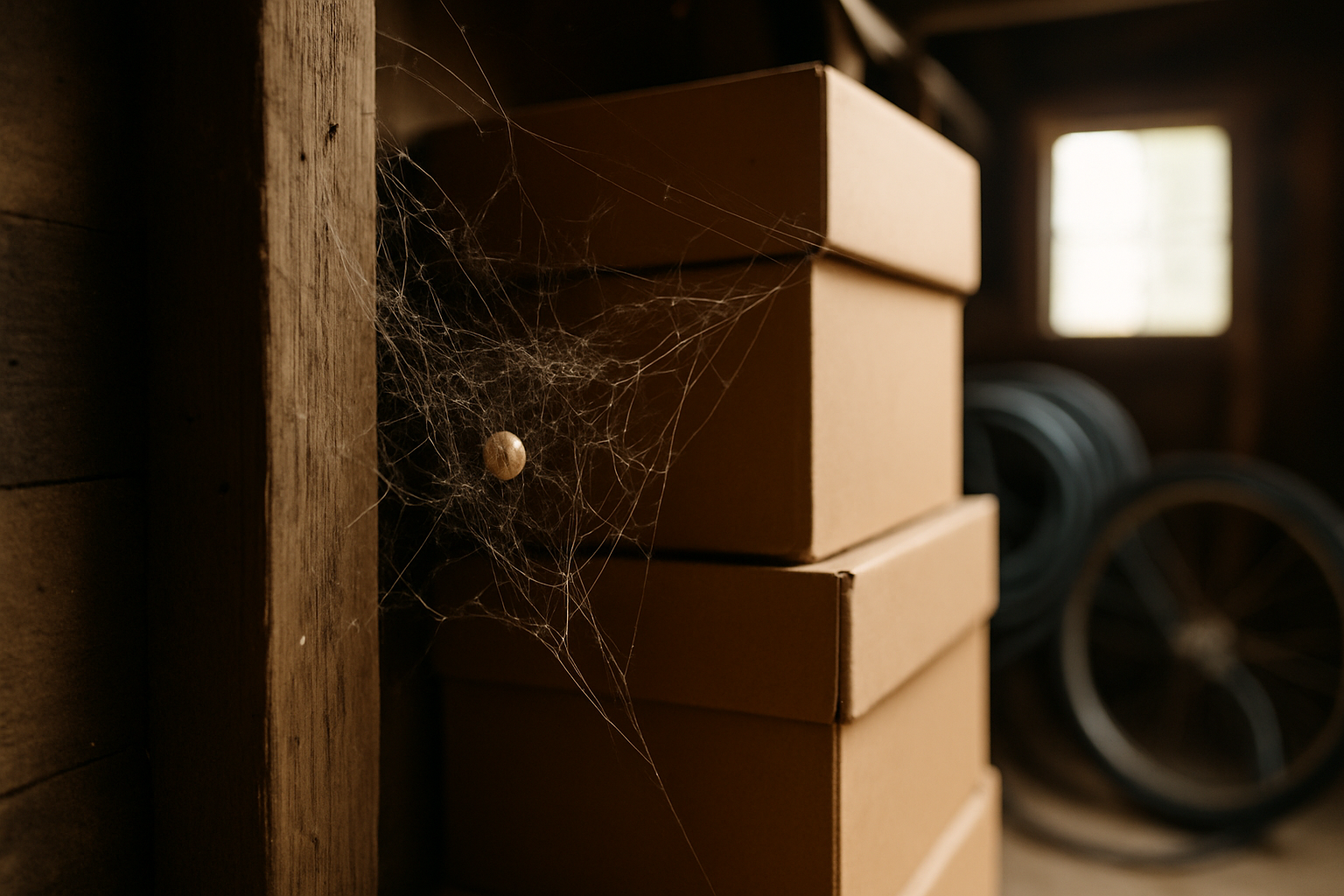
| Messy tangled web low in a garage corner or under a deck rail | Established resident, not a wanderer | Identify before disturbing |
| Papery egg sac inside a meter box, shed, or woodpile | Ongoing reproduction in that spot | Removal, not just spray over the top |
| Suspected black widow anywhere near a play area or storage | Worth a professional look | Call rather than handle with a shoe |
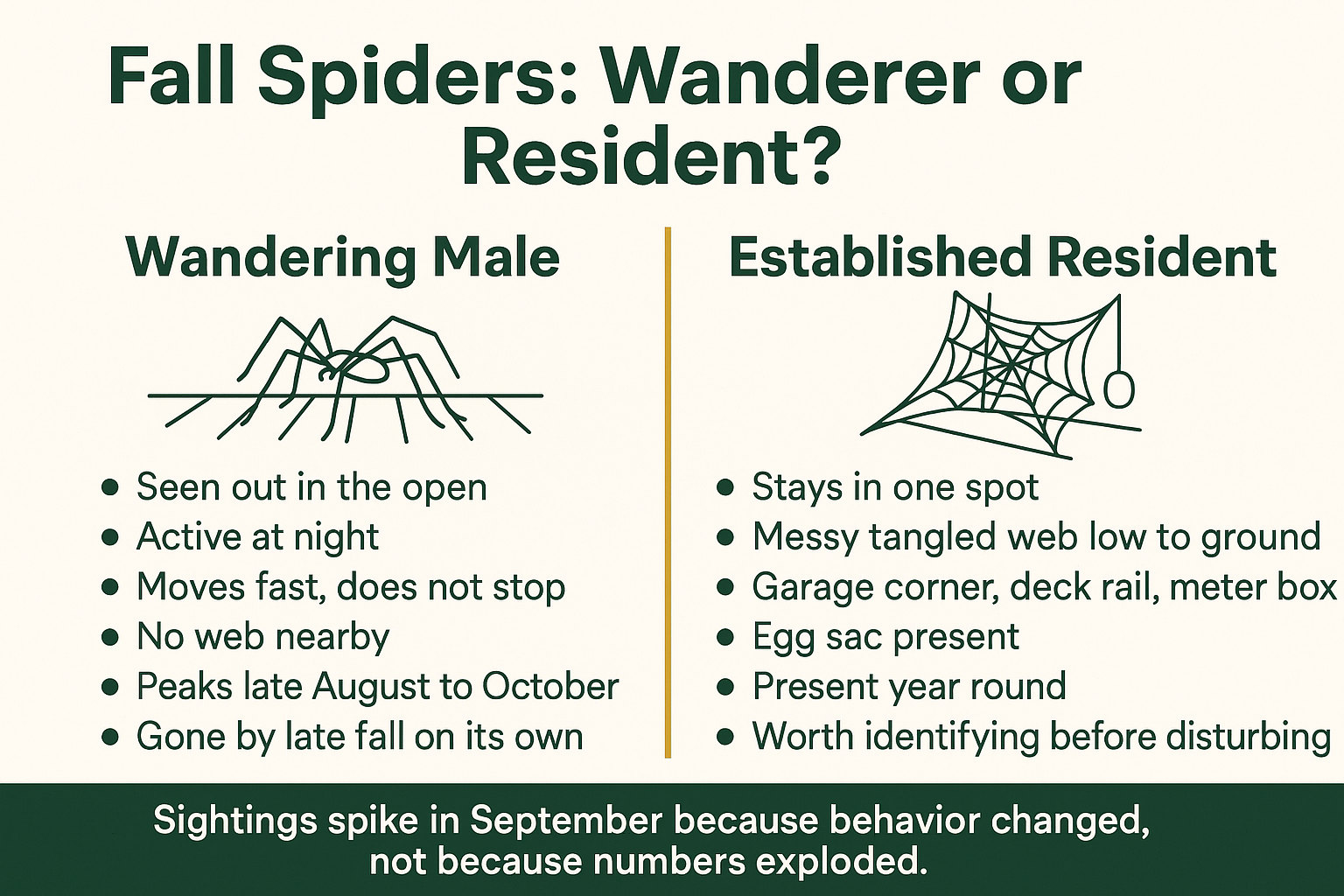
Wandering male or established resident
A quick side-by-side for the two situations homeowners confuse most often in September and October.
Does spider treatment actually work? The honest version
This is the question I get asked before price, and people appreciate a straight answer.
Treatment works on active pressure. It knocks down the spiders that are present, removes the webs and egg sacs that are producing more, and reduces the insect food supply that spiders are following in the first place. On a property with heavy fall activity, that is a real and noticeable difference.
What treatment does not do is clear a wooded coastal property permanently. If your yard backs onto redwoods or greenbelt, spiders will keep moving in from outside, because that is where they live. Any company telling you otherwise is overselling.
The food supply piece is the part most people miss. Spiders go where the bugs are, which is why exterior lighting that pulls moths and midges to your doors and windows often explains why one side of a house is covered in webs and the other is clean.
On products, I adjust for the household. Families with young kids, pets, or chemical sensitivities get a different plan than an empty rental, and that is a normal conversation, not a special request. If you want the reasoning behind that approach, how integrated pest management works in homes with kids and pets lays it out.
What drives the cost of a fall spider visit
I am not going to print a number here, because the honest answer is that it depends on the property and you deserve a real quote rather than a guess off a blog post.
What I can do is tell you what actually moves the price:
- Square footage and stories. A two-story home with high eaves takes longer and needs different reach equipment than a single-story ranch.
- Access included. Whether the visit covers eaves, garage, and crawl space, or just the ground-level perimeter.
- Web and egg sac removal. Physically pulling webs and sacs is labor, and it is also the part that makes the biggest visible difference.
- Lot conditions. Heavy vegetation, decks, sheds, and stored material against the foundation all add time.
- One visit or ongoing attention. A single fall visit during the September window is priced differently than a property that needs seasonal checks because of where it sits.
Homes on the coastal side with year-round moisture tend to need more attention than homes further inland, and older construction usually needs more than newer. Call for an exact figure on your address rather than working off a range you found online.
What a careful fall visit actually looks like
Most people have only experienced a quick lap around the house with a sprayer. That is not what a useful fall spider visit is.
When I walk a property in September or October, I am doing four things:
- Tracing the food source. Where are the insects spiders are eating coming from, and can that be reduced
- Checking exterior lighting. Bright white fixtures at entry doors pull in moths and midges all night, and spiders set up right there
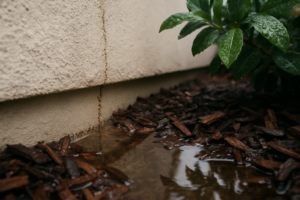
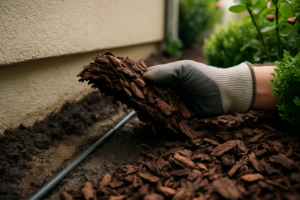
- Reading the perimeter. Vegetation touching siding, firewood against a wall, bins stacked in a side yard, all of it is cover
- Removing webs and egg sacs by hand rather than spraying over the top of them and calling it done
Then treatment goes where the evidence is, not everywhere as a default. I also tell people what I am applying and why before I apply it, especially inside a home with kids.
The goal is reducing active pests during the fall window. It is not clearing the property for good, and I would rather set that expectation up front than have you wonder in March why there is a web on the porch light again. If you rent out a unit, the landlord side of spider complaints has its own wrinkles worth knowing.
Frequently Asked Questions About Fall Spider Activity
Do spiders come inside because it is getting cold?
Mostly no. That is one of the most repeated pest myths out there. The spiders showing up in your hallway in September have usually been living in the crawl space, garage, or wall voids since spring. What changed is behavior, not location. Mature males leave their webs to look for mates, which puts them out in the open where you finally notice them.
How long does the September spider surge last?
Usually six to eight weeks, running from late August through October. The wandering males have short lives and die off by late fall regardless of whether anything is treated.
Should I worry if I see a black widow?
That is the one case I would not handle with a shoe. Black widows tend to set up in low, undisturbed spots like meter boxes, woodpiles, and the underside of deck rails, and a messy tangled web with a papery egg sac in it is the giveaway. Worth a call rather than a swat, especially if it is near a play area or where kids reach for stored gear.
Is there anything safe to use indoors with kids and pets in the house?
Yes, and this comes up on most Santa Cruz calls. The approach I use indoors is different from the exterior plan, leans on low-toxicity products, and usually involves far less material than people expect because placement matters more than volume. One customer called specifically about an eco-friendly approach because of a family member’s lung sensitivity, and the plan got adjusted around that.
Will one fall treatment stop spiders for good?
No, and I would not trust anyone who says it will. Treatment reduces active pressure and the insect food supply spiders are following, which is a real difference during the fall window. But on a property near redwoods or greenbelt, spiders will keep arriving from outside because that is their habitat.
Why does my neighbor have webs everywhere and I do not?
Usually lighting, vegetation, and moisture. A bright porch light pulls insects in all night, shrubs touching siding give spiders a bridge, and a damp shaded side yard holds more prey than a sunny open one.
Sorting a normal fall sighting from something worth a look
If you are seeing spiders out in the open this September and you are not sure whether it is the seasonal wandering or an established resident, it is a short conversation and often a quick visual read on site. West Pest Co. works throughout Santa Cruz County and the surrounding Central Coast, and Matthew West is usually the one who picks up, shows up, and explains what he is applying and why. Reach out at (831) 430-8402 or westpestco.com when you want a second set of eyes on it.