Direct Answer: Ant nests here sit just a few inches underground. The season’s first soaking rain floods them, so the colony moves to dry ground, and your walls and kitchen are the nearest option.
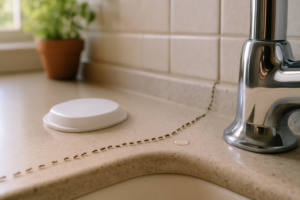
You handled the ants back in July. Then the first real storm of the season moves through, and by the next morning there is a line of them running along the kitchen counter again.
I get these calls every fall, usually within 48 hours of the first soaking rain. Homeowners in Santa Cruz, Soquel, Aptos, and Watsonville all describe the same thing, and almost all of them assume the earlier treatment quit working.
It usually did not. What you are seeing is a different event with a different trigger, and once you understand it, the fix makes a lot more sense. Below is what actually happens underground, why the ants act so strange indoors, and why the bait that worked in August does nothing in November.
What the First Storm Actually Does to an Ant Colony
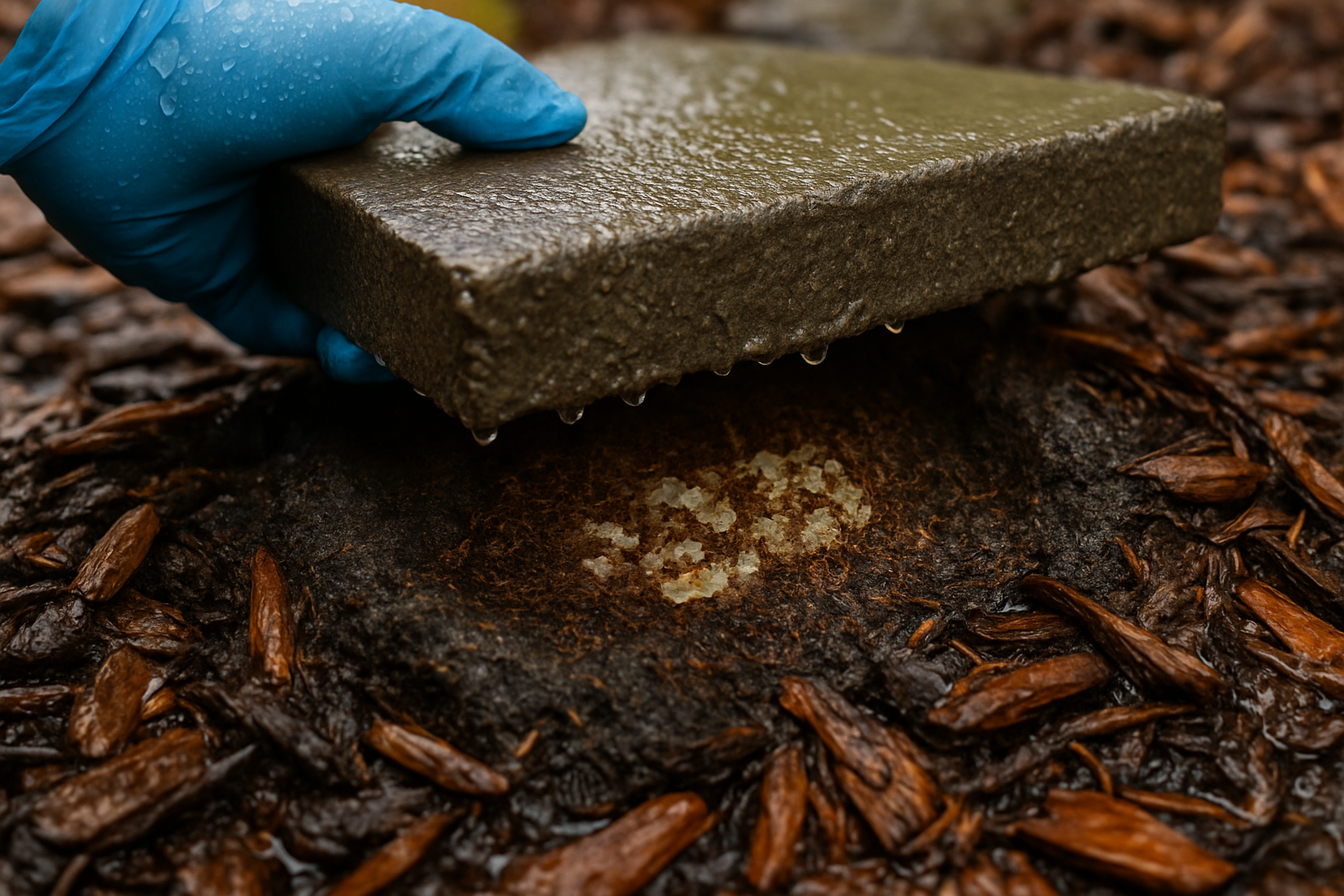
Most of the ants people fight in this county nest shallow, often only two to six inches down. They are not building deep tunnels. They are tucked under bark mulch, patio pavers, sidewalk cracks, landscape fabric, potted plants, and the layer of redwood duff that piles up along fences in Ben Lomond and Scotts Valley.
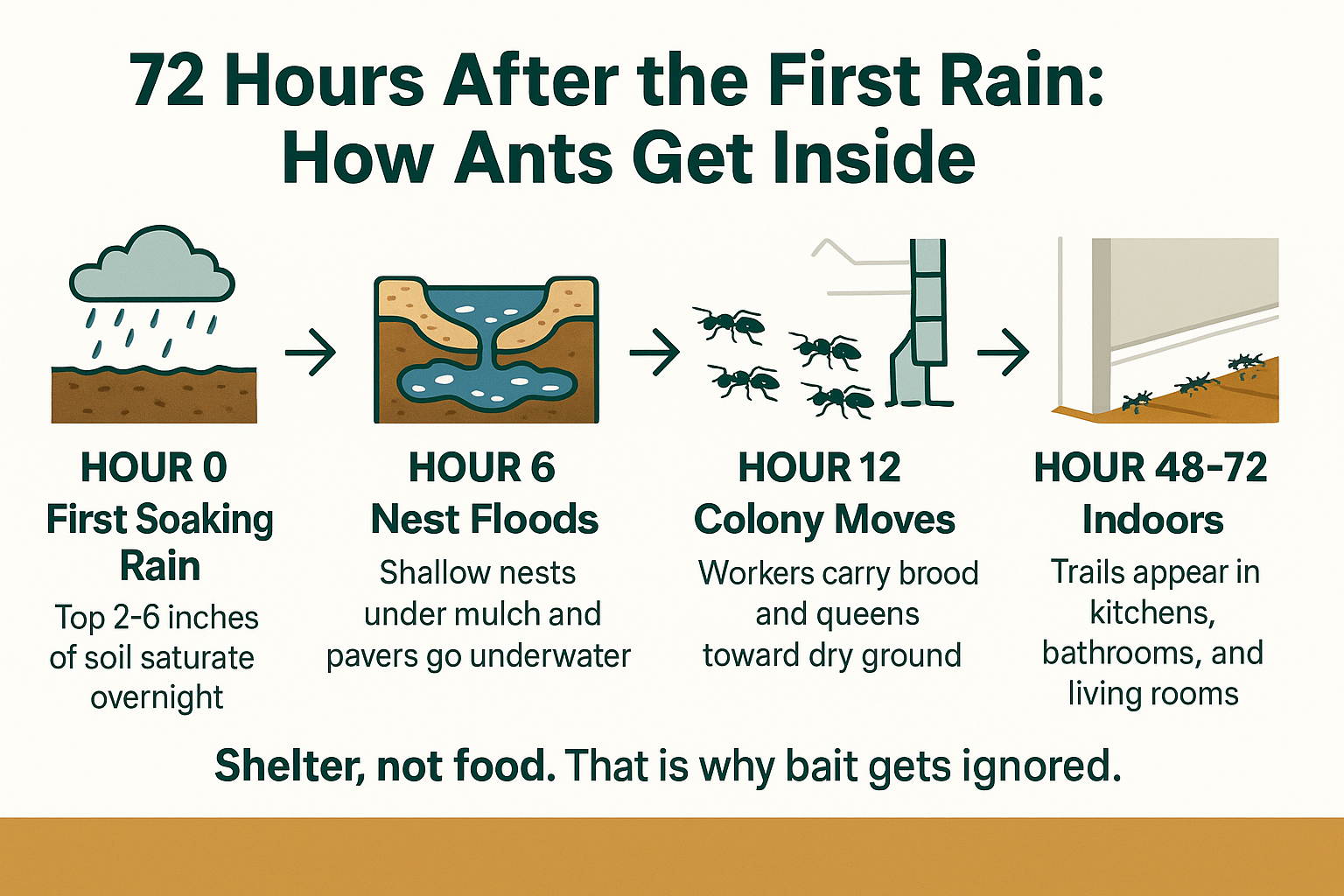
That works fine through a dry summer. But our first meaningful rain, usually somewhere between late October and early December, saturates the top few inches of soil in a single night.
When that happens, the nest floods. The colony does not wait it out. Workers start carrying brood and queens toward anything dry and warm, and the University of California’s pest notes on ants describes exactly this pattern of colonies relocating when soil moisture changes.
Here is what “dry and warm” means at your house:
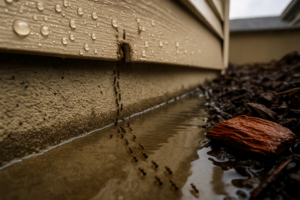
- The gap where stucco meets the foundation
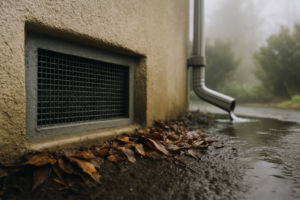
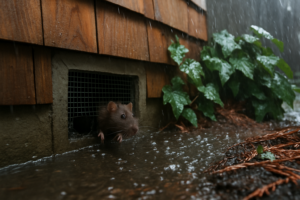
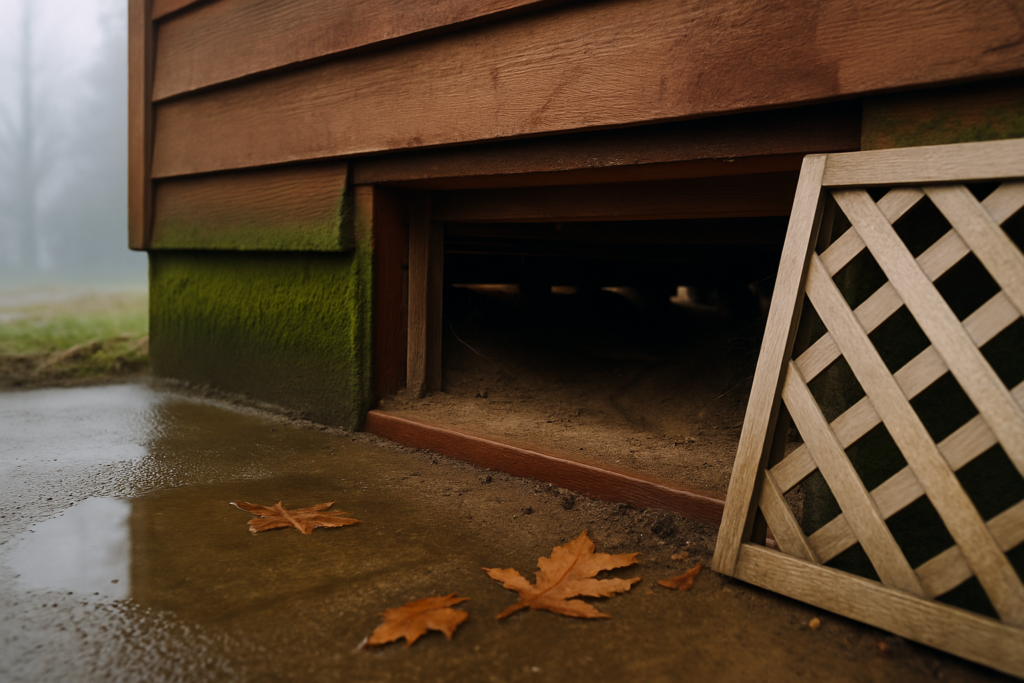
- Weep holes and siding seams on the windward side
- Around water pipes and dryer vents entering the wall
- Under door thresholds, especially on older raised-foundation homes
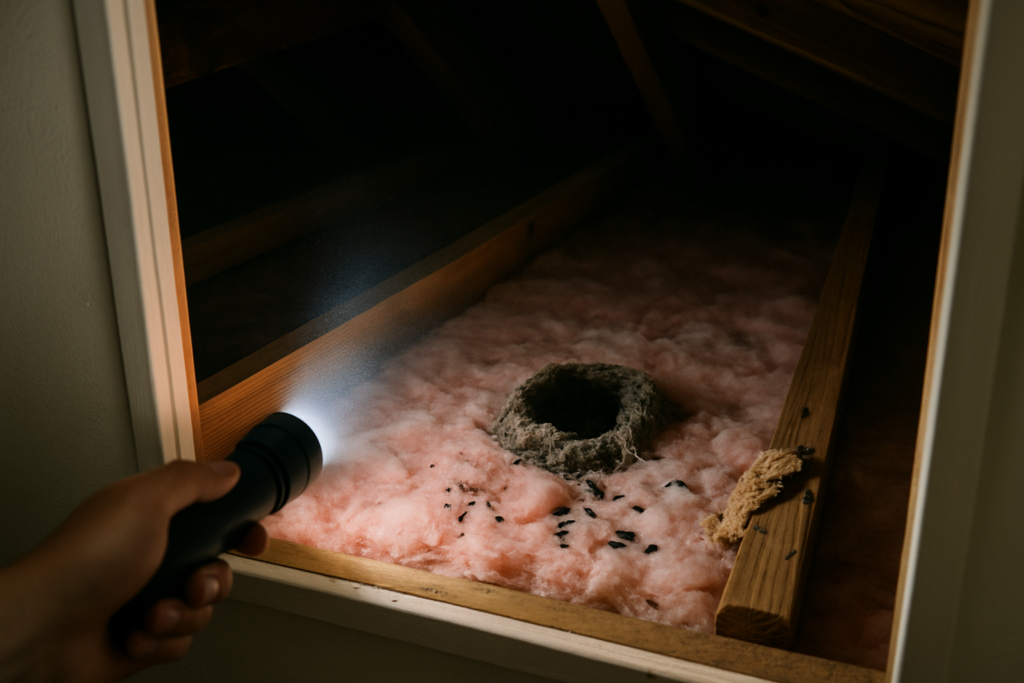
- Wall voids behind kitchens and bathrooms, where plumbing runs
On the Westside of Santa Cruz, where a lot of homes sit on raised foundations with a crawlspace, that whole underside becomes the driest real estate on the property the moment the rain starts.
Foraging Ants and a Relocating Colony Are Two Different Problems
This is the part that throws people off. A summer ant trail is usually foraging, meaning a few hundred workers found your honey jar or the dog bowl and set up a supply line from a nest outside.
A fall ant problem after a storm is often relocation. The colony itself is on the move, so the ants are not hunting food at all. They are hauling eggs and looking for shelter.
That explains the complaint I hear most: ants showing up in places with no food. One homeowner told me they had ants everywhere and the ants did not seem to be after anything in particular, no matter how clean the house stayed. Another said store-bought borax baits were being walked right past.
Signs you are dealing with a colony on the move instead of a food trail:
- Ants in bathrooms, closets, and living rooms, not just the kitchen
- Trails that run along ceilings, window frames, or upstairs walls
- Ants ignoring bait stations and sweet spills
- Workers visibly carrying small white specks, which are eggs and larvae
- Activity that spikes hard for a few days, then shifts to a new room
If ants are appearing in three or four rooms at once within a day or two of a storm, you are almost certainly watching relocation, not an eating problem. That matters because the response is completely different.
Reading the Trail: What You Are Seeing and What It Usually Means
This is roughly how I sort out what is happening before I decide where to treat. It is worth walking your own house with this in mind.
| What you see | What it usually means | What actually helps |
|---|---|---|
| Single tight line to the sugar bowl or pet food | Foraging from an outside nest | Clean the trail, then treat the exterior source |
| Ants in the bathroom sink with no food nearby | Colony seeking moisture balance and shelter | Find the wall entry, treat the perimeter and voids |
| Ants scattered across several rooms at once | Colony relocating after a flooded nest | Full exterior perimeter work, not spot spraying |
| Workers carrying tiny white eggs indoors | Brood is being moved inside your structure | Professional inspection, avoid repellent sprays |
| Ants returning to a new spot after you spray | Colony split into satellite nests | Non-repellent products the colony carries home |
| Swarms in wet mulch when you dig | Shallow nests in landscaping material | Address nesting material, treat the beds |
Why This Is Not Your Summer Treatment Failing
I want to be direct about this because it comes up on nearly every fall ant call. A treatment that knocked out a foraging trail in August was aimed at that trail and that nest.
The first rain can push a completely separate colony from three houses down, from the greenbelt behind your fence, or from your own front landscaping bed into your walls. Nothing about the earlier work went wrong. The trigger changed.
There is a second reason this feels endless in our county. Ants here barely shut down. Inland valleys get cold enough that colonies go quiet for months, but our coastal winters stay mild and damp enough that ants keep working through January.
So the pattern most homeowners live with looks like this:
- Summer: dry soil, ants come in looking for food and water
- First storms: flooded nests, ants come in looking for shelter
- Midwinter: mild temperatures, activity never fully stops
- Spring: soil dries, colonies expand and split
I wrote more about the summer half of that cycle in Ants Come Back Every Summer. Here’s Why That Keeps Happening, and about the treatment side of it in Ants That Keep Coming Back After Treatment: What Is Actually Happening. Same insect, two different reasons for showing up.
What Happens in the 72 Hours After the First Rain
Here is the sequence I see play out at homes across the county once the first real storm lands.
Why Store-Bought Bait and Spray Stall Out in the Fall
Retail ant products are built around one idea: the ants are hungry and they will take the bait back home. In late summer that sometimes works well enough to quiet a trail.
During a rain-driven move, it mostly does not. A few reasons:
- Relocating workers are not foraging much. Bait only works if they eat it and share it.
- Food preference shifts. A colony hauling brood wants protein and grease, not the sugar gel sitting in your cabinet.
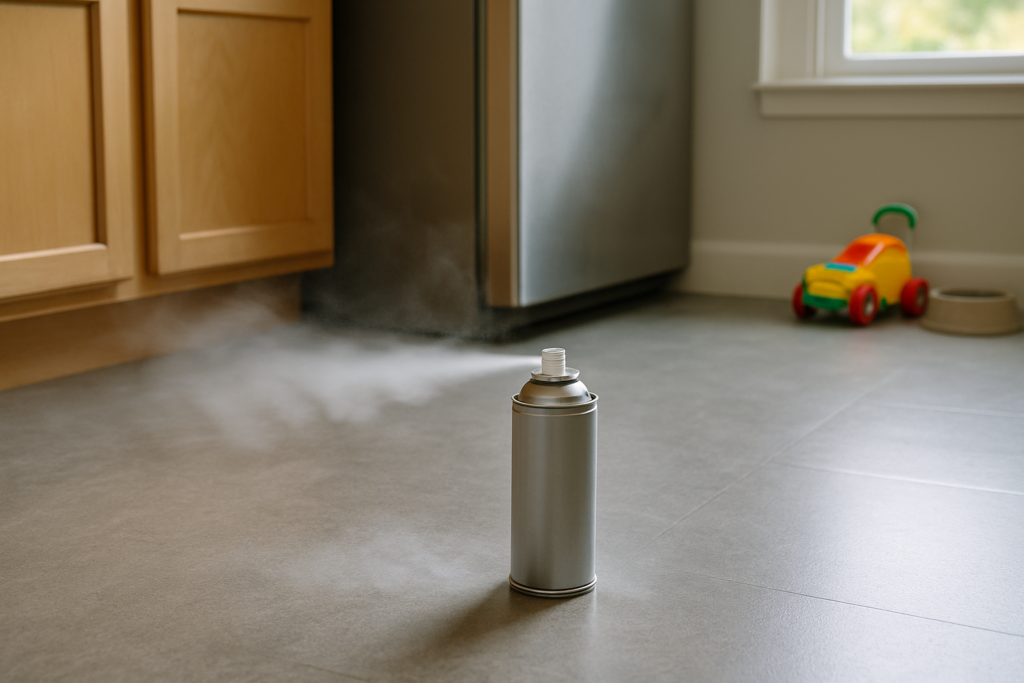
- Contact sprays kill the ants you can see. The queens and brood in the wall void never touch it.
- Many retail sprays repel. Ants detect the treated band and route around it, often deeper into the structure.
That last one causes real damage. Spraying a baseboard trail can cause the colony to fragment, which is called budding, and you end up with two or three satellite nests inside the wall instead of one nest you could have dealt with outside.
I have walked into houses where someone sprayed every trail they found for two weeks, and by the time I got there the ants were showing up in rooms that had been clear the whole time. If you want a sense of how quickly these colonies share information and adjust, How Ants Find Food So Fast, and What That Means for Your Kitchen covers it.
My honest advice for the first few days: wipe trails with soapy water, keep food sealed, and hold off on spraying until you know where the nest is.
What a Targeted Fall Ant Treatment Involves, and What Drives the Price
Storm season ant work is mostly an exterior problem solved from the outside in. The interior trail is a symptom. The nest, or nests, are usually within a few feet of the foundation.
A sound approach looks something like this:
- Identify the species. Small dark ants that trail in the thousands behave nothing like carpenter ants, and the treatment is not the same.
- Trace the entry. Following a trail backward through mulch, pavers, and irrigation lines tells you more than any guesswork indoors.
- Treat the perimeter with non-repellent products. These do not alarm the ants, so workers carry the material back to the nest instead of rerouting.
- Place bait where it belongs. Out of reach of kids and pets, in the void or bed where the colony actually travels.
- Account for the yard. Vegetable beds, fruit trees, and chickens change which products belong on a property and which do not.
That last point comes up constantly here. One homeowner reached out about a heavy ant problem that started after new bark mulch went into the front yard, and asked straight out whether an organic vegetable garden in back would limit the options. It does affect the plan, and it should. Low-toxicity, targeted work exists for exactly this reason.
On cost, I will be careful because every property is different. Ant service in Santa Cruz County generally prices off home size, lot size, how many nests are active, whether interior work is needed, and access to crawlspaces or tight side yards. Many local homeowners see a one-time targeted ant treatment land somewhere in the low to mid hundreds, with ongoing seasonal management priced per visit and usually lower than the initial service. Those are general market ranges, not a quote, and the only way to get a real number is to have someone look at the property.
One more thing worth saying plainly: yard and home treatments address active pests, not every ant that will ever exist near your foundation. Anyone promising permanent elimination is selling you something. What good work does buy you is a quiet house and far fewer repeat episodes.
That is the outcome I care about most. A homeowner who had been paying a previous company to come out for the same ants once every six months finally tried us instead, and wrote that in the two and a half years since, they have “never had a problem again.” A real result beats any claim I could make about effectiveness.
Frequently Asked Questions About Ants After the First Rain
Will every storm bring a new wave of ants, or just the first one?
The first significant rain is the big one, because the soil goes from bone dry to saturated in a single night and colonies have nowhere to sit it out. Later storms hit already-wet ground and cause less of a scramble. That said, our mild winters keep ants active, so you can see smaller flare-ups through December and January.
Should I spray the ants I can see on my counter?
I would not. Contact sprays kill visible workers and can push the colony to split into new nests deeper in the wall. Wipe the trail with soapy water instead, which removes the scent path and does not scatter anything.
Is ant treatment safe around kids, pets, and a vegetable garden?
It can be, but only if the plan is built around that. Product choice, placement, and how much goes indoors versus on the exterior perimeter all change when there are cats, a toddler, raised beds, or fruit trees involved. Say all of that up front to whoever you hire, and ask specifically what is going where.
Why are ants in my bathroom when there is no food in there?
Because they are not there for food. Bathrooms sit against plumbing walls that stay warm and hold steady moisture, which is exactly what a colony wants after its nest floods. Bathroom and closet trails are one of the clearest signs the ants are relocating rather than foraging.
How long after treatment do the ants actually stop?
With a non-repellent approach, activity usually climbs for a day or two before it drops, which surprises people. That is the material moving through the colony. Most homes see a real decline within about one to two weeks, and heavy infestations on larger lots can take a follow-up visit.
Is it better to treat before the first rain or after?
Before is easier. Treating the exterior perimeter in late September or October, before the soil saturates, means the colonies nearest your foundation are already dealing with the treatment when the storm pushes them to move. After the rain still works, it just usually involves more interior cleanup.
Wondering whether your fall ant problem is a new one?
If ants showed up in three rooms the week after a storm rolled through Soquel, Capitola, or Watsonville, it is worth having someone identify the species and trace the entry before you spray anything. West Pest Co. works throughout Santa Cruz County and is available at (831) 430-8402 or westpestco.com if you want a second set of eyes on it. Either way, now you know what the first rain is doing underground.