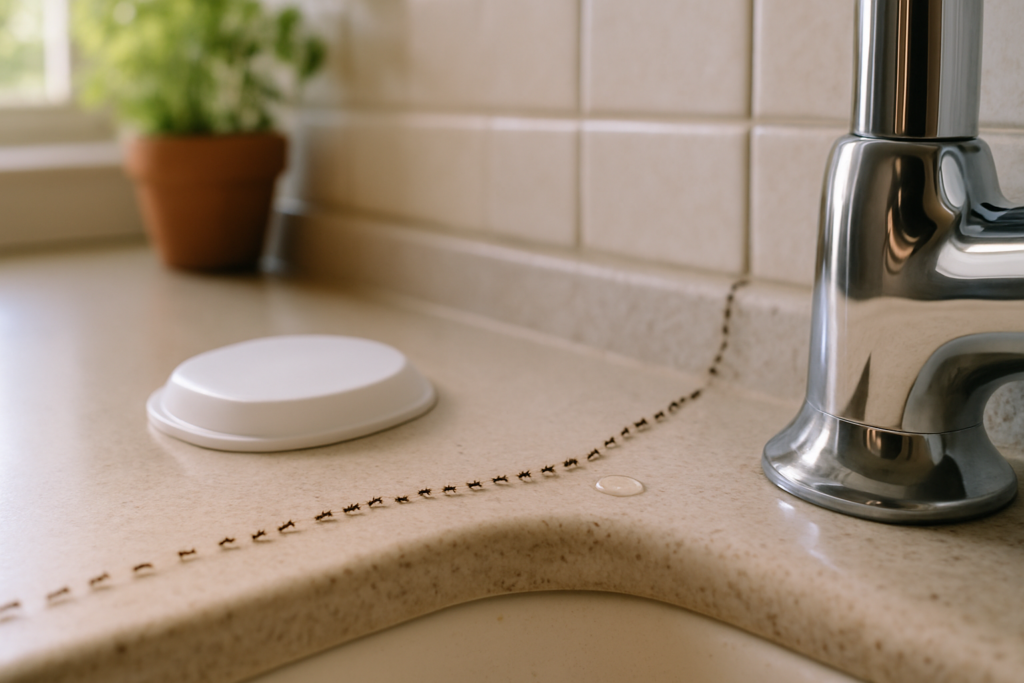
When you see a line of ants marching across your kitchen counter, your first reaction is to grab whatever is under the sink and spray. The surprising truth is that yes, ammonia does kill ants on direct contact. But using it is only a temporary fix that misses the real problem: the thousands of ants hidden in the colony.
The Truth About Ammonia as an Ant Killer
Using ammonia to fight an ant invasion is like wiping up a puddle without fixing the leaky pipe. It feels good for a moment because it kills the worker ants you can see. However, it does nothing to stop the thousands of others waiting back in the nest.
To get rid of ants for good, you need a smarter plan. This is especially true for the stubborn Argentine ants we see all over Santa Cruz County. A simple surface spray won't work on them.
Ammonia's main effect is on the invisible pheromone trails ants use to find their way. Think of these as chemical road maps leading from the nest to your pantry. Spraying ammonia erases those maps, which can confuse the colony for a short time. But ammonia evaporates quickly. Soon, new scouts lay down fresh trails, and the ants are right back.
It’s a frustrating cycle: you spray, they disappear, and then they come back a day later.
The infographic below shows why this happens. A surface spray only hits a tiny number of the ants, leaving the queen and the colony safe.
As you can see, the real issue is hidden deep inside walls or underground. The queen is safe there, continuing to lay eggs, no matter what you spray on your counters.
Why Ammonia Falls Short as a Long-Term Solution
While ammonia gives you that quick, visible result, it's not a lasting solution for an ant infestation. Here are the main reasons why it doesn't solve the problem for good:
- It Only Kills on Contact: Ammonia has to touch an ant to kill it. It has no lasting effect. Ants that walk over the area a few hours later will be perfectly fine.
- It Doesn’t Reach the Nest: The source of your ant problem is the colony and its queen. A surface spray will never get into the deep cracks, wall spaces, or soil where the nest is hidden.
- It Poses Safety Concerns: Let's be honest, the fumes from ammonia are strong. They can irritate the lungs and eyes of people and pets, which you don't want in your kitchen.
For homeowners who are tired of spraying chemicals, it’s worth learning how to get rid of ants naturally. These methods often give you better, more lasting results without harsh chemicals.
Ammonia vs. Professional Ant Treatment: A Quick Comparison
When you're facing a stubborn ant problem, it helps to see how a quick DIY fix compares to a professional plan. This table shows the key differences.
| Feature | DIY Ammonia Solution | Professional Ant Treatment |
|---|---|---|
| Effectiveness | Kills only on direct contact; a temporary fix. | Targets the entire colony, including the queen. |
| Long-Term Results | Poor. Ants will almost always return. | Excellent. Prevents future infestations. |
| Safety | Fumes can irritate lungs, eyes, and skin. | Uses EPA-approved products applied by trained pros. |
| Cost | Low initial cost (price of a household cleaner). | Higher upfront cost but saves money in the long run. |
| Targeting | Wipes out visible ants, but not the source. | Strategically targets nests and entry points. |
While ammonia might seem like a quick win, a professional treatment is designed to knock out the entire colony. This ensures your home stays ant-free for good.
How Ammonia Actually Affects Ants
To see why ammonia is just a short-term fix, we need to look at what happens when it touches an ant. Household ammonia is a harsh chemical. When sprayed on an ant, it can dissolve its waxy outer shell—its armor—and damage its internal systems, killing it quickly.
But its biggest impact is on the ant's communication system: pheromones. Think of these pheromone trails as an invisible highway system ants build to lead others from the colony to your kitchen.
When you spray ammonia, you are basically power-washing that highway away. The map is gone, leaving other ants lost and confused.
The Chemical Trail Eraser
This sudden chaos is why many people think ammonia works. The line of ants scatters, and it feels like you've stopped the invasion. But this victory is very short-lived.
Ammonia is volatile, which means it evaporates fast. Once it's dry and the strong smell is gone, the surface is a blank slate. A new scout ant can then come along and lay down a fresh pheromone trail. It often only takes a few hours for the ant highway to be back in business.
The power of ammonia to disrupt these scent trails is well known. One study found that even natural ammonia, like the kind in aged urine, acts as a major disruptor to ant colonies. You can read more about these surprising findings from the Journal of Environmental Management on House Digest.
Why Surface Sprays Miss the Real Target
Here’s the biggest problem with using ammonia: a surface spray will never reach the heart of the problem. The real target isn't the few ants on your counter. It's the queen and thousands of her workers hidden safely inside the nest.
Expert Insight: An ant colony is like a fortress. The queen and her young are protected deep inside walls, under your home’s foundation, or in the garden. Killing a few hundred workers is just a minor setback for them. The colony can replace those ants in no time.
This is especially true for pests we see all over Santa Cruz, like the notorious Argentine ant. These ants form huge "super-colonies" with many queens, which makes them incredibly hard to get rid of.
So, while you’re busy spraying the ants you can see, you’re missing the source of the infestation. The colony stays safe and healthy, ready to send out a new wave of ants as soon as it's safe. This is why professional treatments focus on killing the nest itself, not just the scouts you see.
The Hidden Dangers of Using Ammonia in Your Home
Before you grab that bottle of ammonia, let’s talk about what you’re bringing into your home. When it comes to pest control, your family’s safety should always come first. Ammonia is a powerful chemical with some serious downsides.
The fumes alone are a major respiratory irritant, posing a risk to both people and pets. This is especially dangerous in places with poor airflow, like kitchens and bathrooms—exactly where you find ants. Breathing in ammonia can cause coughing, a sore throat, and burning in your eyes and nose.
Health and Property Risks
The danger gets much worse if ammonia accidentally mixes with other common household cleaners.
- Toxic Gas: If you mix ammonia with bleach, you create highly toxic chloramine gas. According to the Washington State Department of Health, breathing this in can cause severe lung damage. In high enough amounts, it can even be fatal.
- Property Damage: Ammonia is harsh. It can strip the finish from your hardwood floors, discolor countertops, and damage natural stone surfaces. The damage can be permanent.
For families with young children crawling on the floor, using non-toxic solutions is a must. This is where understanding simplified baby-safe cleaning methods becomes so important.
A Safer Approach for Your Family
Given the risks, using a chemical like ammonia is a gamble you don't need to take. At West Pest Co., we believe you shouldn't have to choose between a pest-free home and your family's health.
Our commitment is to provide targeted, eco-conscious treatments that solve your pest problem without introducing unnecessary hazards into your home. We focus on strategies that are tough on pests but gentle on your home and family.
This focus on safety is why we offer different treatment options. For families in Santa Cruz and Aptos, learning more about our child-safe pest control can offer peace of mind. We use professional-grade products and careful application methods to get the job done safely.
Why a Spray Bottle Isn't Enough for a Determined Colony
Let's be real about the difference between a quick fix and a real solution. When you grab a DIY ammonia spray, you're only dealing with the ants you can see. It's like a game of whack-a-mole; you knock down one problem just for another to pop up.
The main issue is that surface sprays never touch the source of the infestation. The real problem—the colony and its queen—is safe deep inside your walls, under the foundation, or out in your garden. A single queen can lay hundreds of eggs every day, easily replacing any workers you kill. This is why the ants keep coming back, no matter how much you spray.
The Illusion of a Quick Win
Ammonia feels like it's working. It kills on contact and erases the pheromone trails ants use, so the immediate problem disappears. For a moment, you think you've won.
But this is just a temporary setback for the ants. The colony sends out new scouts to make fresh trails, and the invasion starts all over again. It’s similar to using bug bombs for pests; you only get what’s out in the open. We explain this more in our guide on why foggers are often ineffective against hidden pests.
In a lab, ammonium-based products can be deadly. One experiment on carpenter ants found a 100% mortality rate with a product containing ammonium chloride. But a simple Ajax and water mix (which has ammonium) was one of the least effective products tested. This shows how unpredictable DIY results can be. You can see the full experimental findings on ant mortality here.
Targeting the Source, Not Just the Scouts
A professional plan is different because we go after the root of the problem. Our trained technicians don't just spray the ants you see; we focus our entire effort on eliminating the colony for good.
This involves a few key steps:
- Species Identification: First, we figure out what kind of ant we're dealing with. Knowing if you have Argentine ants or another type changes our whole plan.
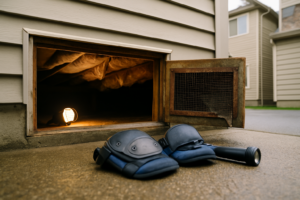
- Nest Location: We use our experience to trace the ants back to their source, finding the hidden nest that is causing the infestation.
- Strategic Treatment: We use special baits and low-impact treatments that ants carry back to the colony. These products are shared, which ensures the treatment reaches the queen and wipes out the nest from the inside.
In Santa Cruz County, we often face Argentine ants, which build huge super-colonies with many queens. Trying to fight them with a surface spray is like trying to empty the ocean with a bucket. It's a job that needs a professional, science-backed plan to get lasting results.
The Surprising Role of Ammonia in Nature
To understand why a simple chemical spray often fails against ants, it helps to look at how these substances work in nature. Believe it or not, some ant species have evolved to use ammonia to their advantage. They turn a potential poison into a powerful weapon.
This shows why understanding pests is so important for controlling them. It’s not about grabbing the harshest chemical; it’s about knowing your enemy.
A Lesson from Leaf-Cutting Ants
One of the most interesting examples comes from leaf-cutting ants. These ants have a helpful relationship with bacteria living in their nests. These tiny allies naturally produce ammonia, which makes the ants' waste piles more alkaline.
This clever bit of natural engineering creates a chemical barrier that stops harmful fungi and molds from growing. Without this ammonia, a deadly fungus would overrun their nest and threaten the entire colony. You can learn more about how these ants harness ammonia to keep their colonies safe.
This shows us that a substance that’s deadly in one situation can be essential for survival in another. It’s a powerful reminder that effective pest control isn't just about killing pests—it's about understanding them.
This is the kind of expert knowledge that separates a DIY fix from a professional solution. Instead of just spraying what you see, a pro considers the unique habits of the ants in your Santa Cruz home to deliver a targeted, effective treatment that works.
Safer and More Effective Ant Prevention Tips
Before you reach for a risky chemical like ammonia, let’s talk strategy. The best thing you can do against ants is to make your home a place they don't want to be. It’s all about prevention.
By cutting off their food, water, and entry points, you build a long-term defense. This is much safer for your family and pets. You can start today by focusing on a few key areas.
Create an Ant-Proof Kitchen
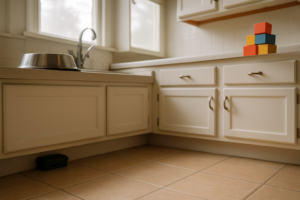
Your kitchen is the main target for most ant invasions. Even a few crumbs can attract a scout, who then leaves a trail for hundreds of others to follow. Good kitchen hygiene is your best defense.
- Wipe Up Immediately: Clean spills, crumbs, and grease from countertops and floors right away. Don't let them sit.
- Store Food Securely: Keep all food—including pet food, snacks, and sugar—in airtight containers. A cardboard box or plastic bag won't stop a determined ant.
- Manage Your Trash: Use a trash can with a tight lid and take it out often. Keep the area around the bin clean, too.
For a healthier home, exploring different eco-friendly cleaning tips can make your space less attractive to pests and safer for your family.
Block Their Entry Points
Ants are tiny and can squeeze through the smallest cracks. Sealing off their entry points is a key step in any prevention plan.
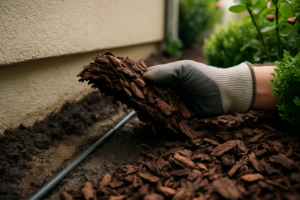
Walk around your home and look for gaps around windows, doors, and pipes. Use caulk to seal these openings. A tiny crack in the foundation can be an open door for a whole colony trying to escape the coastal fog or summer heat in Santa Cruz.
For more details, check out our complete guide on how to prevent ants in the house.
Eliminate Moisture Sources
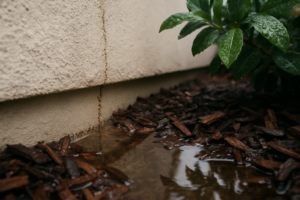
Just like us, ants need water to survive. A leaky pipe under the sink or even a damp sponge can be a water source for them.
Expert Tip: Regularly check under your kitchen and bathroom sinks for any signs of leaks. A small drip creates the perfect damp environment for an ant nest. Fixing these issues removes a key resource they need to thrive.
Frequently Asked Questions About Ant Control
Dealing with an ant problem can be unsettling. Here are answers to some of the most common questions we hear from homeowners in Santa Cruz County.
Is using vinegar safer than ammonia for ants?
Yes, vinegar is generally a safer alternative to ammonia, especially if you have pets or small children. A simple vinegar and water solution can kill ants on contact and wipe out their pheromone trails.
However, it has the exact same problem as ammonia. It only kills the ants you see and does nothing to stop the hidden nest, so the ants will just keep coming back.
Why are ants suddenly all over my kitchen?
A sudden ant invasion almost always points to one thing: a new and easy-to-reach food or water source. It rarely starts with a huge swarm.
It usually begins with something small, like a few crumbs under the toaster or a sticky juice spill. A single scout ant finds it, then lays down a chemical trail for the rest of the colony to follow. That's when you see them suddenly appear everywhere.
How do I find where an ant nest is?
Finding an ant nest can be tricky since they are experts at hiding. The best way to try is to play detective. Watch where the ants are coming from and try to follow their trail back from their food source.
They often lead to tiny cracks in the wall or gaps along baseboards. But nests are frequently located deep inside your home’s structure. For a persistent issue, knowing when to call pest control is your best bet for a long-term fix.
What makes professional ant control more effective?
Professional services work better because we look beyond the ants you see on your counter. Our experience allows us to identify the specific ant species in your home, which is critical because different ants need different treatments.
We then focus on finding the source colony. We use targeted baits that foraging ants carry back to the nest. This approach is designed to eliminate the queen and the entire colony from the inside out, delivering a real, long-term solution instead of just another temporary fix.
If ammonia and DIY approaches aren’t clearing the problem, ant control in Santa Cruz County from a licensed professional targets the colony at its source.
Dealing with a stubborn ant problem in your Santa Cruz County home can be a real headache. For a lasting solution that’s safe for your family, you can trust the experts at West Pest Co. Contact us today for a free estimate and take the first step toward an ant-free home.