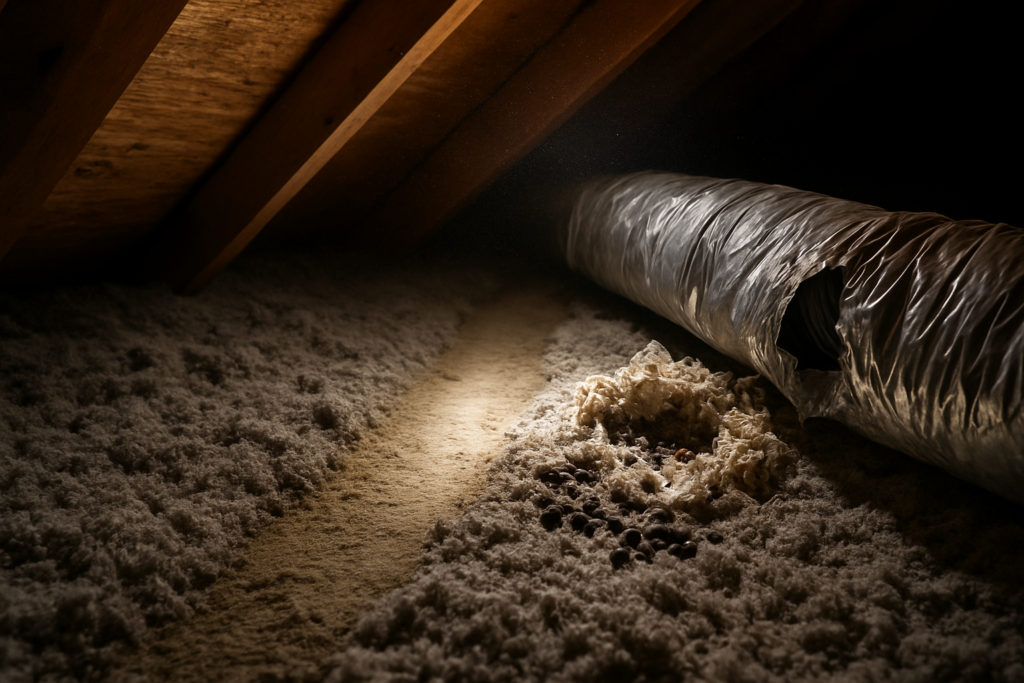
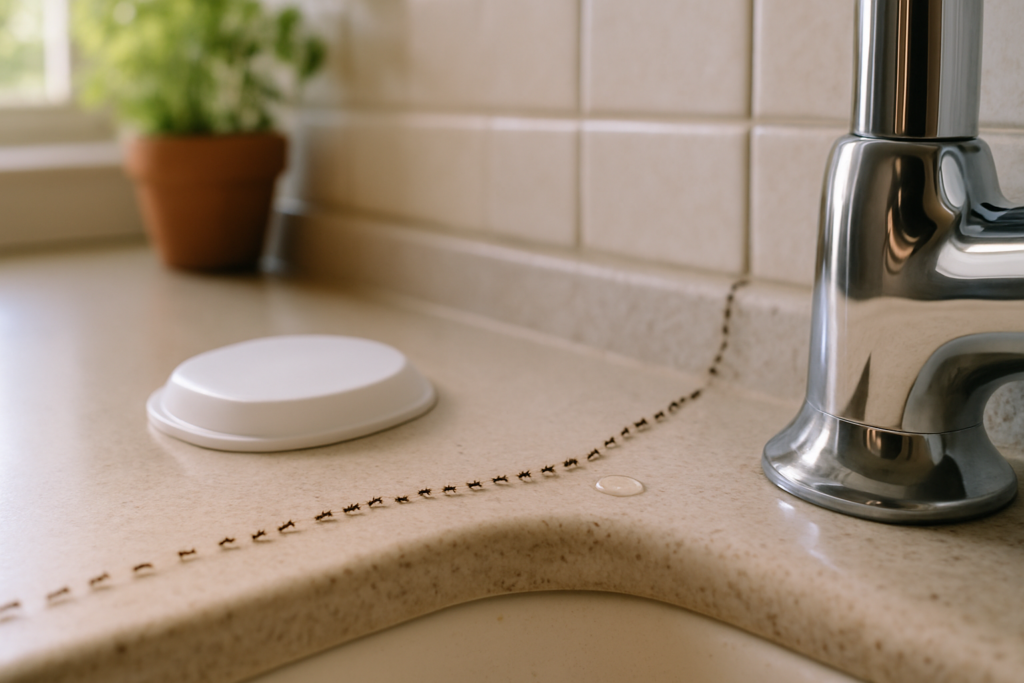
Dealing with earwigs in your home can be unsettling. Those pincer-like appendages might look scary, but these pests are mostly a nuisance. They look for damp, sheltered places, which our Santa Cruz coastal climate provides. From foggy mornings in Aptos to the shaded redwood groves of Scotts Valley, local conditions are often perfect for these nighttime insects.
Earwigs love moisture and decaying plants, common in local gardens and yards. While they are not a direct health threat, their presence often signals other issues. Excess moisture or hidden entry points can attract other, more destructive pests. A line of earwigs in your bathroom or kitchen is a clear sign that it's time to take action.
This guide gives you practical tips to keep earwigs out of your Santa Cruz home. It focuses on eco-friendly prevention that works with our unique environment. You will learn specific steps to make your property less inviting to these pests and protect your space safely.
1. Eliminate Moisture Sources and Fix Water Leaks
Earwigs are always looking for damp, dark places. For this reason, the single most effective tip to keep earwigs out is to control moisture. Our coastal climate, with common fog and high humidity, makes your property an attractive habitat for them. By getting rid of excess water sources, you make your home much less inviting.
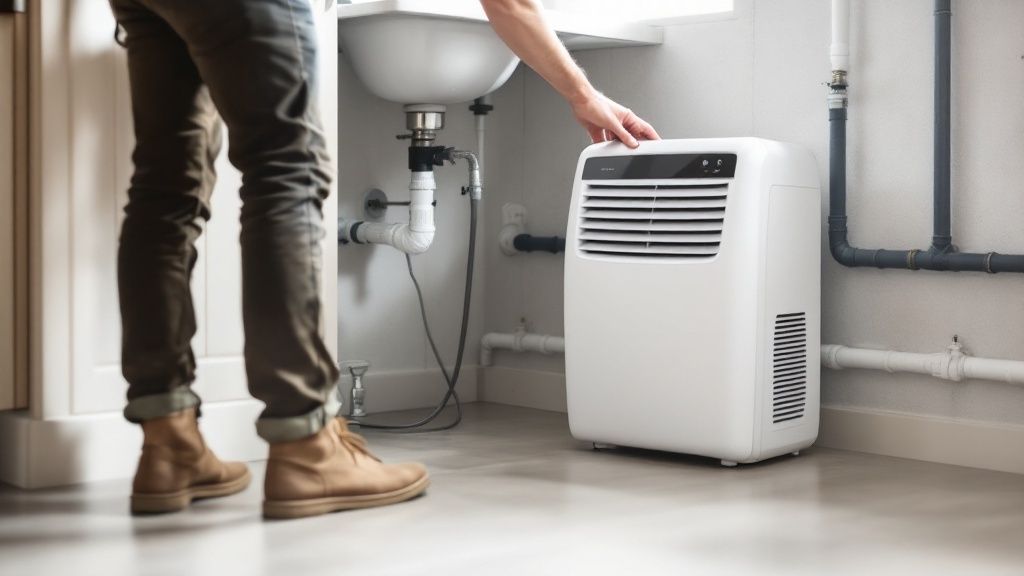
This strategy is more than just wiping up spills. You need to find and repair issues that create damp conditions where earwigs thrive. A leaky pipe under a sink or a poorly ventilated bathroom creates a perfect spot for them. Clogged gutters that cause water to pool near your foundation are also a major attraction for earwigs and other pests.
Actionable Steps for a Drier Home
To get started, focus on these areas where moisture problems are common in Santa Cruz properties:
- Inspect and Repair All Leaks: Check under sinks, behind toilets, and in basements for drips or water damage. A small leak can create enough humidity for an entire earwig population. Understanding how to stop a water leak fast can prevent a small issue from becoming a big one.
- Improve Ventilation: Make sure your bathrooms and kitchen have exhaust fans that vent outside. Run them during and after showers or cooking to remove moist air. In damp areas like basements, a dehumidifier can make a huge difference.
- Manage Exterior Water: Clean your gutters to prevent overflow. Make sure the ground around your foundation slopes away from the house to direct rainwater away.
2. Seal Entry Points and Cracks in Foundation
Controlling moisture removes the attraction for earwigs, but creating a physical barrier is the next critical step. Earwigs are slender and can squeeze through very small cracks. Sealing these entry points is a non-toxic strategy that physically blocks their path inside.

For homeowners in Santa Cruz, tiny structural gaps are common in older homes. These openings act like highways for pests. A small crack in the foundation, a gap around a water pipe, or a worn-out door seal is all an earwig needs to get inside. This is also a great way to keep other pests out. To learn more, read our guide on how to prevent ants in the house.
Actionable Steps for a Sealed Home
To block pests, you need to think like one. Get low and look closely for any potential openings into your home.
- Conduct a Thorough Exterior Inspection: Walk around your home and carefully check the foundation for cracks. Pay close attention to where utility lines enter the house.
- Seal Gaps and Cracks: Use high-quality exterior caulk to fill cracks around window frames, door frames, and utility entry points. For larger gaps, use expandable foam.
- Install and Maintain Door Sweeps: The gap under your exterior doors is a major entry point. Install tight-fitting door sweeps on all doors that lead outside.
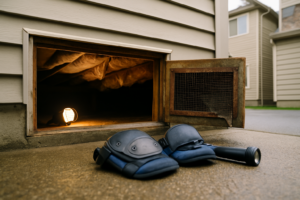
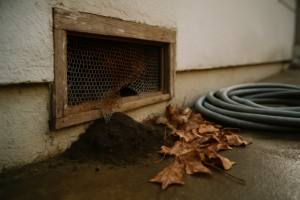
- Secure Vents and Crawl Spaces: Cover vents with fine mesh screening to block pests without stopping airflow. Make sure your crawl space access door seals tightly.
3. Remove Organic Debris and Maintain Clean Landscaping
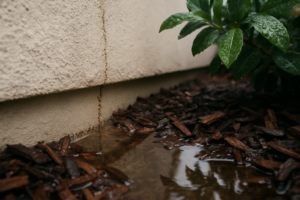
Earwigs look for dark, protected spaces that also serve as a food source. Organic debris like fallen leaves, grass clippings, and wood mulch is a perfect home for them. While our beautiful Santa Cruz gardens are a plus, they also create ideal earwig habitats right next to our houses. A tidy yard is a key tip to keep earwigs out.

A clean landscape acts as a defensive barrier. Piles of damp leaves or thick mulch against the foundation invite earwigs to nest. Once they have a population in your yard, it's a short trip inside. By keeping a clean perimeter around your home, you take away their shelter and food.
Actionable Steps for a Cleaner Landscape
Creating an earwig-unfriendly zone around your property is simple with a few habits. Focus on these key landscaping tips:
- Create a Vegetation-Free Zone: Keep a clear, dry space of at least 18-24 inches around your home's foundation. Use inorganic materials like gravel or paving stones.
- Manage Mulch and Debris: Rake up fallen leaves and grass clippings regularly. Keep organic mulch at least six inches away from your foundation.
- Prune Overgrowth: Trim back tree branches and shrubs that touch your home. These act as a bridge for pests to get to your windows and vents.
- Store Materials Properly: Keep firewood piles and compost bins off the ground and away from the house. For more garden tips, learn about professional garden pest control.
4. Strategic Lighting Modifications to Reduce Attraction
Many insects, including earwigs, are drawn to light at night. Bright, white lights used for porches and patios can act like a beacon, attracting them to your home. By making smart changes to your outdoor lighting, you can reduce this attraction without giving up safety.

This approach is one of the top tips to keep earwigs out because it messes with their natural behavior. The goal is to make your home less of a spotlight. Changing the color and timing of your lights makes your property less appealing to these pests. This simple change reduces the number of earwigs that even have a chance to find a way inside.
Actionable Steps for Less Attractive Lighting
To discourage earwigs and other nighttime pests, try these simple lighting changes around your Santa Cruz property:
- Switch to Warmer Bulbs: Insects are most attracted to blue and ultraviolet (UV) light. Replace standard cool-white bulbs with warmer, yellow-toned LED or sodium vapor lights.
- Install Motion Sensors or Timers: Constant, all-night lighting invites pests. Motion-activated lights only turn on when needed. A timer can also shut off decorative lights late at night.
- Reposition Light Fixtures: If you can, move lights away from doors. Placing a light on a separate post a few feet away will draw insects there instead of to your home.
- Use Blinds and Curtains: Light from inside can also attract pests. Be sure to close your blinds or curtains at night to block this light.
5. Apply Diatomaceous Earth Barriers and Natural Deterrents
For Santa Cruz homeowners looking for a non-toxic, eco-friendly defense, natural barriers are a great strategy. Diatomaceous earth (DE) is a powerful tool. This fine powder is made from fossilized remains of tiny aquatic organisms. It works by damaging an earwig's waxy exoskeleton, causing it to dry out and die.
This method provides a chemical-free defense that is great for families with children and pets. You are using a mineral-based product to make key areas unsafe for earwigs. This is an excellent addition to the top tips to keep earwigs out of your Santa Cruz home because it is proactive and safe.
Actionable Steps for Natural Barriers
To use this strategy correctly, you need to be precise and consistent, especially with our coastal moisture.
- Choose the Right Product: Always use food-grade diatomaceous earth. Pool-grade DE is chemically treated and is a breathing hazard. Food-grade DE is safe for use around homes and gardens.
- Apply a Thin, Even Layer: Use a powder duster to apply a light line of DE around your home's foundation. Target areas like exterior walls and basement windows.
- Reapply After Moisture: Our Santa Cruz morning fog and rain will make DE ineffective. You must reapply the barrier after it gets wet.
- Enhance with Essential Oils: For extra protection, mix a few drops of peppermint or tea tree oil with water in a spray bottle. Lightly mist areas near your DE barrier. For more ideas, read about natural pest control for your home.
6. Install and Maintain Effective Drainage Systems
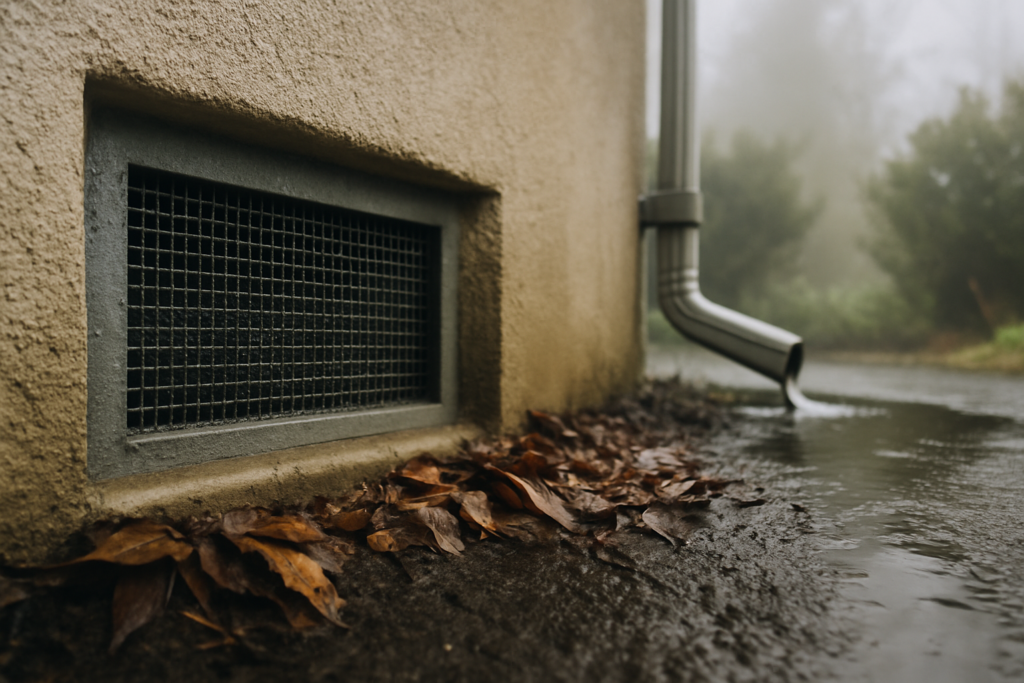
Good drainage is a powerful but often overlooked strategy against earwigs. These pests are drawn to damp soil, and poor drainage creates the perfect environment for them. By installing and maintaining good drainage systems, you prevent water from pooling and turn an earwig habitat into a dry zone.
In Santa Cruz County, where rains can be heavy, water doesn't always absorb quickly. This can lead to standing water that keeps the soil around your foundation moist. An effective drainage system moves this excess water away from your house. This protects your foundation and gets rid of the damp conditions earwigs need.
Actionable Steps for Better Drainage
A good drainage plan offers long-term protection against earwigs and other pests.
- Clean Gutters and Extend Downspouts: Regularly clear leaves and debris from gutters. Make sure your downspouts extend at least six feet away from your foundation.
- Improve Soil Grading: Check that the ground around your foundation slopes gently away from the house. This helps water flow away naturally.
- Install Protective Covers: Use covers on window wells to stop them from collecting rainwater next to your foundation.
- Consider Permeable Surfaces: When updating walkways, choose materials like gravel or pavers. These surfaces let rainwater soak into the ground instead of running toward your home.
7. Implement Targeted Trapping and Monitoring Programs
A proactive trapping program helps you see how big the pest population is and reduce their numbers. This strategy works as both an early warning system and a direct control method. By placing traps in key locations, you can intercept earwigs as they look for food and shelter.
Strategic trapping is an effective, low-toxicity approach that fits well with the eco-conscious mindset in Santa Cruz. It involves using simple traps to lure and capture earwigs. For example, a shallow can with a little vegetable oil or a rolled, damp newspaper works well. These traps mimic the dark, moist crevices earwigs love.
Actionable Steps for Effective Trapping
To successfully use a trapping program, focus on placement and consistency. These steps will help you find pest hotspots.
- Choose Strategic Locations: Place traps along foundation walls, under decks, and around garden beds near your home. These are the main travel paths for earwigs.
- Deploy Simple, Effective Traps: Create your own traps. A shallow can (like a tuna can) with a half-inch of vegetable oil works well. Rolled-up, damp cardboard also creates a good shelter for them.
- Monitor and Maintain Regularly: Check and empty your traps every two to three days. This gives you an accurate count of the earwig population. Ongoing checks are central to effective seasonal home pest control in Santa Cruz.
Frequently Asked Questions about Earwigs in Santa Cruz
1. Are earwigs dangerous to humans or pets?
No, earwigs are not dangerous. Despite their scary-looking pincers, they are not venomous and do not spread disease. They are considered a nuisance pest, and a large number of them can damage young garden plants.
2. Why am I suddenly seeing so many earwigs in my home?
A sudden increase in earwigs indoors often points to two main issues. First, there might be a change in weather, like a dry spell, driving them inside to find moisture. Second, you likely have excess moisture and easy entry points, such as leaky pipes, poor drainage, or cracks in your foundation.
3. What time of year are earwigs most active in Santa Cruz?
In our coastal climate, earwigs can be active for much of the year. However, their populations usually peak in the late spring and summer months when temperatures are warm and gardens are growing.
4. Do DIY earwig sprays work?
Some homemade sprays using soap and water can kill earwigs on contact, but they are not a long-term solution. They do not address the root causes, which are moisture and entry points. Effective control focuses on making your home and yard less attractive to them in the first place.
5. When should I call a professional pest control company for earwigs?
If you have tried the prevention tips in this guide and still see a large number of earwigs, it’s time to call a professional. A persistent problem may indicate a hidden moisture issue or entry points you cannot find. An expert can identify the source and provide targeted, eco-friendly treatments.
Your Partner for an Earwig-Free Home in Santa Cruz
Creating an earwig-resistant home in Santa Cruz is about building layers of defense. This guide has shown you a complete approach to turn your property from a pest magnet into a fortress. By using these strategies, you are taking control of your living space with a long-term solution.
The most effective top tips to keep earwigs out of your Santa Cruz home all focus on one thing: habitat disruption. Earwigs are simple creatures looking for moisture, shelter, and food. When you remove these things, you make your home a place they want to avoid.
Key Takeaways for Lasting Protection
Let's review the most important strategies you can use today:
- Moisture is the Enemy: The most important takeaway is that earwigs need dampness. Fixing leaky faucets, improving drainage, and getting rid of standing water will do more to stop them than anything else.
- Seal and Secure: Your home’s foundation, windows, and doors are gateways for pests. A small crack is a welcome mat for an earwig. Careful sealing denies them easy access.
- Landscape with a Purpose: A clean yard is your first line of defense. By clearing away wet leaves and woodpiles, you remove the places where earwigs breed and hide.
Using these steps is more than just pest control; it's about responsible homeownership. An earwig-free home is often a healthier home overall. These habits not only stop earwigs but also discourage other common Santa Cruz pests.
Sometimes, even your best efforts can fall short, especially with a large infestation. If you've followed these steps and still find earwigs, it might be a sign of a deeper issue. That's when professional help is needed. A trained expert can spot problems you might have missed and provide targeted, safe treatments.
Ready to take your home’s defense to the next level? The experts at West Pest Co. specialize in eco-friendly pest solutions for the Santa Cruz climate. Contact us today for a free estimate and let us help you create a lasting, earwig-free home.