It's a question we hear all the time from Santa Cruz homeowners: just how long can a tick survive without a meal? The answer is unsettling—anywhere from months to even years, depending on its life stage and the specific species. Finding even a single tick in your house is a good reason to worry about a bigger, hidden problem.
Patient Pests in Your Backyard
Unlike pests that need constant food, ticks are masters of patience. They can slow their bodies way down, entering a low-energy state while they wait for their next meal—your pet, or you—to walk by. This survival skill is what makes them such a lasting threat around your property.
Understanding how long they can wait is key to getting rid of them for good. This fact explains why they hide where they do and why you should never ignore a single tick sighting. A few key factors decide how long a tick can play the waiting game:
- Life Stage: Tiny larvae, active nymphs, and tough adults each have different survival times.
- Tick Species: The common ticks we see here in Santa Cruz County have unique abilities.
- Local Conditions: Our coastal humidity and temperature play a huge role in how long they can last.
Finding a tick indoors means it's time to act. These pests can wait an incredibly long time for their next host. An unseen tick could be the start of a much larger infestation, especially if it’s a female ready to lay thousands of eggs.
This guide will break down how long different ticks can survive at each life stage and what that means for keeping your home safe. Knowing this helps clarify the importance of professional flea and tick treatment for your home. We'll start by walking through their journey from egg to adult.
A Tick’s Four-Stage Survival Journey
To understand how long ticks can live without a meal, you first have to know their four-stage life cycle. A tick’s life is a marathon, not a sprint. It moves from egg to larva, then to nymph, and finally to adult. Each step forward requires a blood meal, but the time they can wait for that meal changes at every stage.
Think of it as a survival game where patience is their superpower. A tick's ability to just wait for a host is what makes it such a tough pest. This slow, patient journey can stretch on for years.
The Larval Stage
Once a tick egg hatches, a tiny, six-legged larva emerges. You might hear these called "seed ticks" because they're about the size of a poppy seed. To move on, these larvae must find their first blood meal, usually from a small animal like a mouse or a bird.
Even at this early stage, their patience is impressive. A larval tick can survive for up to four months without feeding if the conditions are right. Their biggest enemy is drying out, so they hang out in damp, sheltered spots like the leaf litter that’s common in yards across Santa Cruz and Aptos.
This image shows just how much ticks change as they grow from larva to adult.
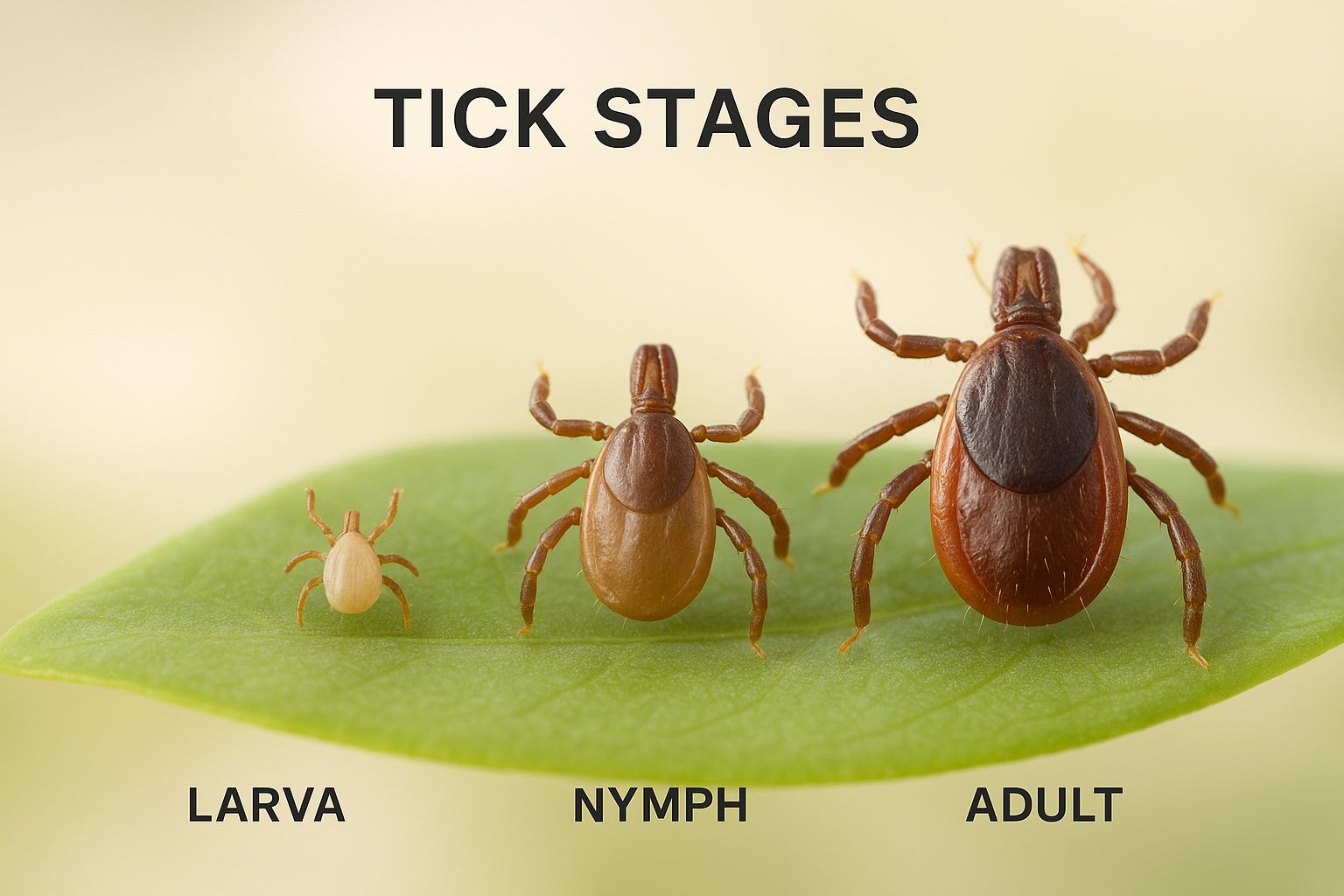
As you can see, each stage is bigger and tougher than the last. This directly affects how long it can survive without finding a host.
The Nymph Stage
After its first meal, the larva sheds its skin and becomes an eight-legged nymph. This is the stage responsible for most tick-borne illnesses in humans. Nymphs are still small enough to go unnoticed, but they are actively searching for another meal to become an adult.
Nymphs are even better survivors than larvae. They can patiently wait for a host for an amazing four to six months. That long waiting period increases the odds of an unlucky encounter with you, your kids, or your pets while you're enjoying your backyard.
The Adult Stage
The final stage is the adult tick—the ultimate survivor. Adult ticks are the largest and toughest by far. They are capable of waiting an almost unbelievable amount of time for their next meal.
An adult tick can live for up to two years without feeding, especially in the humid, mild climate we have here in Santa Cruz County. A female just needs one last blood meal to lay thousands of eggs, starting the entire cycle all over again.
This incredible lifespan is exactly why finding a single tick indoors can't be ignored. Understanding this is a critical part of your guide to flea and tick prevention. Every stage is a constant threat, which shows how important it is to manage their presence on your property.
Common Ticks Found in Santa Cruz County
Not all ticks are the same, especially when you live in a place like Santa Cruz County. Our unique coastal climate, from the foggy redwood forests to the sunny hills near Scotts Valley, is the perfect home for a few specific tick species. Each one has its own survival strategy, and knowing the local players is the first step to keeping your family safe.

Understanding which ticks are most common helps you recognize the risks you face, whether you're hiking, gardening, or just playing outside. Think of this local knowledge as your first line of defense.
The Western Black-Legged Tick
The Western black-legged tick (Ixodes pacificus) is the biggest public health concern in our area. This is the tick responsible for transmitting Lyme disease in California, along with other illnesses. You're most likely to find them in wooded areas with plenty of leaf litter, making them a common sight on trails in the Santa Cruz Mountains.
Their ability to survive without a meal is strong:
- Larvae: Can hang on for several weeks waiting for a host.
- Nymphs: Can survive for several months. This is the most dangerous stage, as they're tiny and often go unnoticed.
- Adults: Can live for up to a full year without feeding, patiently waiting in cool, damp spots.
This tick's life cycle is linked to our seasons. While they can be active year-round in our mild climate, you'll see more adults during the cooler, wetter months. Nymphs have their peak season in the spring and early summer.
The American Dog Tick
Another common tick in our area is the American dog tick (Dermacentor variabilis). These ticks prefer grassy fields and the edges of pathways. They are the main carriers of Rocky Mountain spotted fever.
The American dog tick isn't just common; it's a true survivalist. According to the CDC, its ability to wait for a meal is staggering. An unfed adult can live for up to two years in the right conditions. They survive by slowing their metabolism way down while waiting for a host to pass by.
The fact that a single adult American dog tick can survive for two years puts things into perspective. It shows why a tick problem needs a thorough, professional response. Trying to "wait them out" is not a winning strategy.
A tick’s ability to survive for months or even years isn't just about its biology. The environment where it waits is just as critical to its long-term success.
Ticks are ectothermic, which is a scientific way of saying they can’t control their own body temperature. They are completely at the mercy of their surroundings.
This makes them very likely to dry out. For a tick, a hot, dry, sunny spot is a death sentence. To stay alive while waiting for you or your pet, they need a hiding place that provides two things: moisture and protection.
Why Humidity and Moisture Matter
The most important factor for a tick’s survival is humidity. Ticks can't drink water; they have to absorb moisture directly from the air. To do this, they need an environment with at least 85% relative humidity. Anything less, and they start to lose water and quickly dehydrate.
This is why you’ll almost always find ticks in damp, shady places. Think about your own yard in Santa Cruz or Capitola. The perfect tick habitats are often found in:
- Leaf litter: The layer of fallen leaves under trees is a goldmine for ticks. It traps moisture and provides great cover.
- Tall grass: Unmowed areas create a humid microclimate at ground level, perfect for waiting.
- Overgrown plants: Dense ground cover and brush piles offer shade and keep the soil damp.
Our famous Santa Cruz coastal fog plays a big role here. Even on warm days, the fog rolls in and keeps humidity high, creating ideal conditions for ticks to thrive.
Temperature and Shelter
While humidity is key, temperature also matters. Ticks prefer moderate temperatures and will seek shelter from extreme heat or cold. During cooler months, they can enter a dormant state, which further extends their already impressive lifespan.
They find shelter from the sun in the same places they find moisture—under leaves, deep in thick brush, and along the shaded edges of woods.
Understanding these needs is crucial. A professional home pest inspection in Santa Cruz can pinpoint these high-risk areas on your property. By knowing what makes your yard attractive to ticks, you can make simple changes to turn it into a much less welcoming place.
The Patient Hunting Strategy of Ticks
So, what does a tick do while it waits for a meal? It doesn’t actively stalk its prey. Instead, it uses a fascinating—and unsettling—behavior called questing. Understanding this patient hunting method is key to realizing why a tick problem rarely goes away on its own.
Questing is a simple and effective tactic for saving energy. A tick climbs to the tip of a blade of grass or a leaf. It then holds on with its back legs and stretches its front legs out, ready to grab onto any person or animal that brushes past. It’s a tiny, eight-legged ambush predator just waiting for an opportunity.

This low-effort strategy is what allows them to survive for so long without feeding. They aren't burning calories by roaming around; they simply let the meal come to them.
How Patience Pays Off
A tick’s patience is its greatest survival tool. By questing in high-traffic areas for wildlife and pets—like the edges of hiking trails in the Santa Cruz Mountains or where your lawn meets the woods in Aptos—they increase their chances of success without moving much at all.
This patient strategy brings up a critical point for homeowners. A waiting tick is a persistent threat. It isn't going to die off in a few days or weeks if it doesn’t find a host.
A single tick can remain a danger in your yard for months or even years. This is why proactive prevention and professional treatment are so important for long-term safety.
While our local ticks are very resilient, some species take survival to another level. A remarkable case was documented with an African soft tick. In a lab, these ticks survived for 27 years, with eight of those years spent entirely without food. You can read more about this incredible feat from Fox 13 News. It's a stark reminder of how tough ticks can be.
Making Your Santa Cruz Home a Tick-Free Zone
Knowing how long ticks can wait for a meal is one thing; doing something about it is another. For homeowners in Santa Cruz, Aptos, and Scotts Valley, making your property an unwelcome place for ticks is your strongest defense. This often comes down to simple landscaping changes that make a huge difference.
The goal is to get rid of the damp, shady hideouts that ticks need to survive. By making your yard drier and sunnier, you’re creating a space where they just can’t last.
Create a Defensible Space
You can start reclaiming your yard right away with a few key adjustments. These are simple tasks that remove the ideal spots where ticks wait for a host.
- Keep Grass Trimmed: Mow your lawn regularly. This reduces humidity at ground level, making it harder for ticks to quest.
- Clear Leaf Litter: Rake and remove fallen leaves, especially in damp, shady spots under trees. This is prime tick real estate.
- Create a Buffer Zone: If your yard backs up to a wooded area, create a three-foot-wide barrier using wood chips or gravel. Ticks hate crossing these dry, exposed zones.
Since ticks thrive in moisture, figuring out how to fix yard drainage can also make a massive impact by getting rid of the damp patches they love.
Protect Your Pets and Your Home
Our pets are often the ones who unknowingly bring ticks into our homes. Protecting them is a key part of keeping your home safe. Always talk with your veterinarian to find the best tick prevention products for your animals.
After any walk, especially through wooded trails or tall grass, give your pets a thorough check. Pay close attention to their ears, neck, and the spaces between their toes.
While these steps are effective, a stubborn tick problem needs a more direct approach. Because ticks can transmit serious diseases, calling in a professional is the safest way to get complete peace of mind.
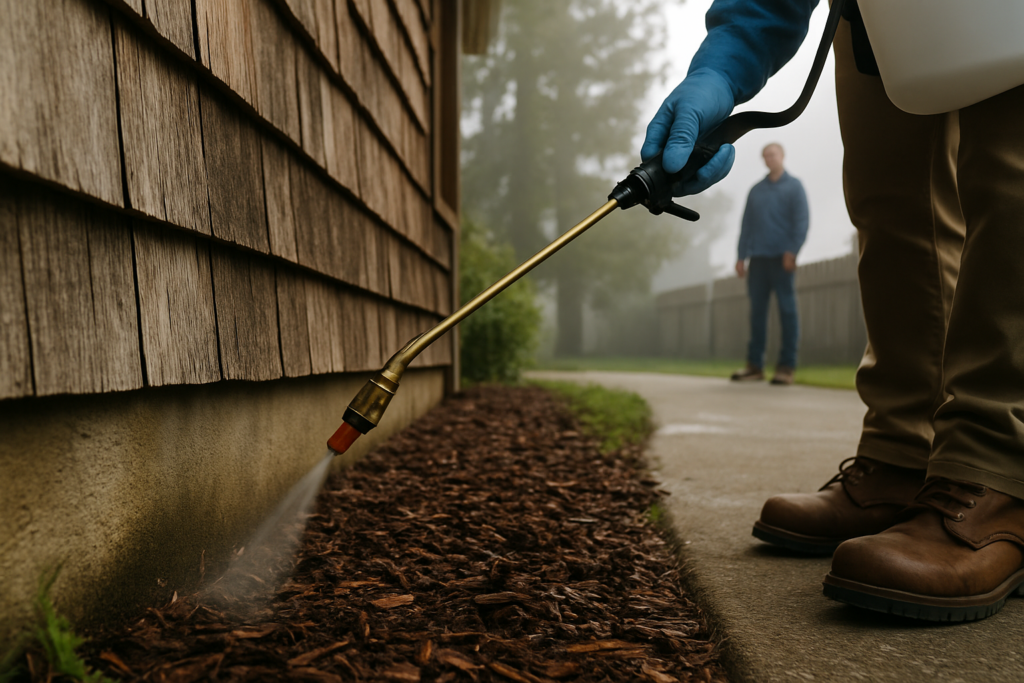
For a comprehensive solution, the experts at West Pest Co. offer professional flea and tick control in Santa Cruz County to eliminate these resilient pests at every stage of their life cycle.
Frequently Asked Questions About Tick Survival
Can a tick survive a cycle in the washing machine?
Unfortunately, yes. Ticks are very tough. A standard wash cycle, especially with cold or warm water, often isn't enough to kill them. The real weapon is heat. To be sure you’ve killed any ticks on your clothes, wash them in hot water and then toss them in the dryer on high heat for at least 15 minutes.
If I find one tick in my house, are there more?
It's possible and should be treated as a warning sign. While a single tick could have hitched a ride inside, ignoring it is a gamble. The real danger is an engorged female tick that drops off unnoticed and lays thousands of eggs, which can start a full infestation. It’s always best to be cautious.
Do ticks die in the winter in Santa Cruz?
Our mild coastal winters in Santa Cruz County are not cold enough to kill local tick populations. Their activity might slow down during a cold snap, but they become active again on any warmer day. In fact, some species like the Western black-legged tick are more active during our cooler, wetter months, making year-round prevention essential.
How can I protect my pets from ticks?
Protecting your pets is a critical line of defense. First, talk to your veterinarian about the best year-round tick prevention products for your dog or cat. Second, get in the habit of checking your pets for ticks every time they come inside, especially after a walk in grassy or wooded areas.
Dealing with ticks on your property can be unsettling, especially when you know how long they can survive. For professional, eco-friendly solutions that protect your family and pets, trust the local experts. Contact West Pest Co. today to schedule a free estimate and create a tick-free zone around your Santa Cruz home. Learn more at https://westpestco.com.