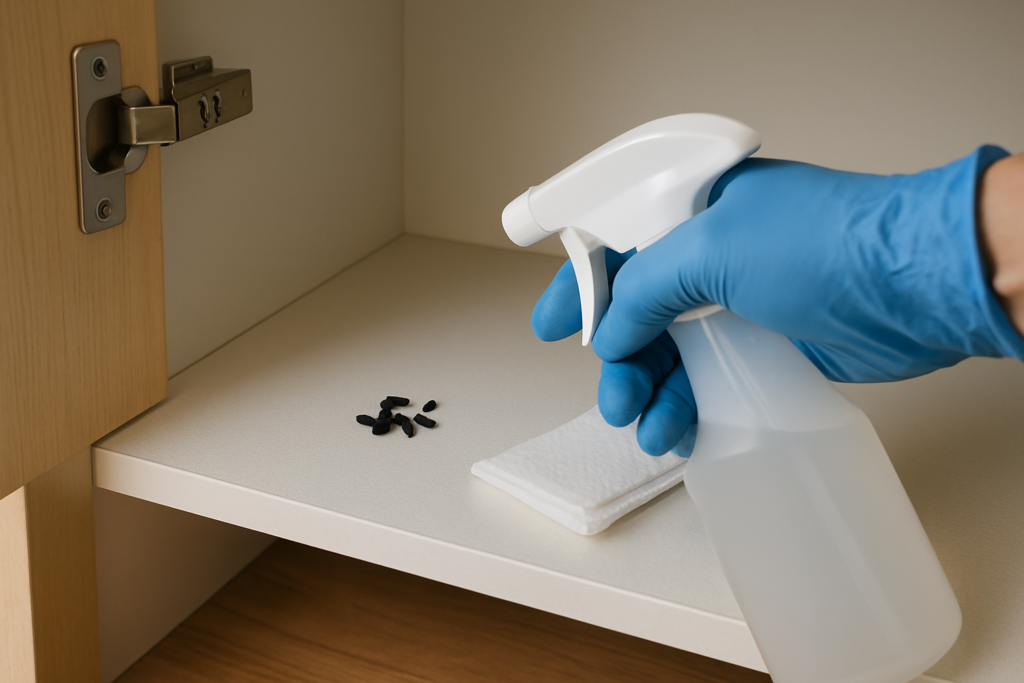
Yes, eco-friendly rodent control methods absolutely work—when done correctly by a professional. Many homeowners in Santa Cruz County are skeptical, and it's easy to see why. If you've tried DIY remedies like peppermint oil or ultrasonic gadgets with zero results, you might think only harsh chemicals will solve the problem.
But professional, eco-friendly control is completely different. It’s a science-backed strategy that focuses on long-term solutions, not just temporary fixes. It solves the root of the problem so rodents stay out for good.
Why Green Rodent Control is the New Standard
If you’re asking "do eco-friendly rodent control methods actually work?", you're not alone. In fact, studies show that 92% of homeowners prefer eco-safe pest solutions. Finding rats or mice in your Santa Cruz home can be unsettling, and you need a solution you can trust to be both effective and safe.
Many people assume poison is the only "effective" option, but that mindset is no longer true—or even legal in California.
The Shift Away from Poisons
As of 2024, California has banned most toxic rodent poisons for both consumer and professional use. This was a major change designed to protect kids, pets, and local wildlife like hawks and owls from accidental poisoning.
This means poison-free rodent control isn’t just a niche choice anymore—it's the new standard for responsible pest management. The focus has shifted from temporary chemical fixes to permanent, smart solutions that truly solve the problem.
Let's compare the old, outdated methods with modern, eco-friendly strategies.
Eco-Friendly vs. Traditional Rodent Control at a Glance
This table breaks down the key differences between the smart, Integrated Pest Management (IPM) approach used today and the poison-based tactics of the past.
| Feature | Eco-Friendly Control (IPM) | Traditional Poison Methods |
|---|---|---|
| Primary Goal | Long-term prevention and solving the root cause. | Quick, temporary knockdown of the current population. |
| Core Method | Sealing entry points (exclusion), removing attractants, strategic trapping. | Placing toxic bait blocks in and around the property. |
| Safety Risk | Very low risk. Uses no toxic poisons, making it safe for families & pets. | High risk of secondary poisoning for pets, kids, and local wildlife. |
| Long-Term Effect | Creates a permanent barrier, preventing future infestations. | Fails to stop new rodents from entering, leading to recurring problems. |
| Environmental Impact | Minimal. Protects the local Santa Cruz ecosystem. | Harms non-target animals like owls, hawks, and bobcats. |
It's clear that the modern approach is about creating a truly rodent-proof environment, not just reacting to a problem.
Understanding True Eco-Friendly Strategy
Professional eco-friendly control is nothing like the weak DIY repellents you find online. This is a complete strategy that gets to the very source of the problem. This is true for other pests too; for instance, the same principles are used in humane strategies to keep squirrels away.
Instead of just putting out bait and hoping for the best, a modern IPM strategy involves three key steps:
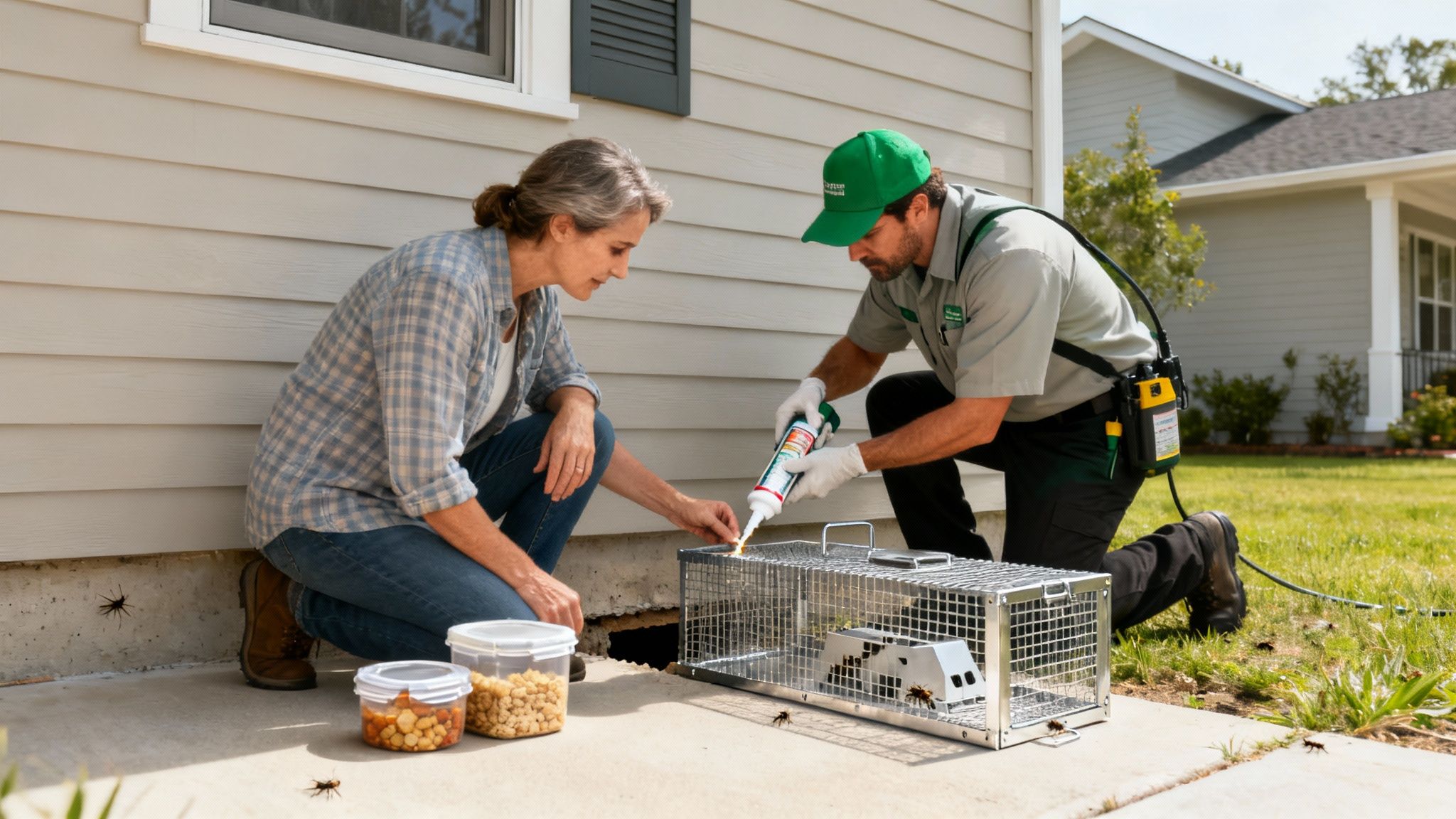
- Exclusion: We start with a thorough inspection to find and permanently seal every tiny crack, gap, and hole that rodents use to get inside your home.
- Sanitation: Next, we identify and help you remove the food, water, and shelter that attract pests to your property in the first place.
- Strategic Trapping: Finally, we use advanced mechanical traps in high-traffic locations to resolve the current infestation quickly and safely.
This isn’t about spraying essential oils and crossing your fingers. It's about building a fortress around your home. By tackling the root causes, this method provides lasting relief without putting your family or the beautiful Santa Cruz County ecosystem at risk.
Why Poison-Based Methods Are a Thing of the Past
For decades, those little black bait boxes seemed like the standard solution for rats and mice. But we now know the heavy price that comes with using these toxic chemicals. This growing awareness is why California has banned most of them, making poison-based methods an outdated and dangerous relic.
The biggest problem is secondary poisoning. It’s a tragic chain reaction. A poisoned rodent often stumbles outside, becoming an easy meal for a predator. That poison then moves up the food chain, sickening or killing the Santa Cruz wildlife we value—hawks, owls, bobcats, and even neighborhood cats and dogs.
The Hidden Dangers at Home
That ripple effect extends right into our own backyards. Beyond the harm to wildlife, these poisons are a direct risk to our families. Children and pets can accidentally find and ingest the toxic bait, leading to heartbreaking and preventable emergencies. The risk is just too high for a method that doesn't even get to the root of the problem.
Over time, rodent populations can also develop a resistance to poisons. This creates a dangerous cycle where stronger, more toxic chemicals are needed to get the same, diminishing results. It’s a losing battle.
Another common complaint we hear is about the smell. Poisoned rodents often die in the worst possible places, like inside your walls or attic. This creates a foul odor that can last for weeks and is almost impossible to get rid of.
A Smarter, Safer Standard Is Here
The shift away from poison isn't just about avoiding the bad; it's about embracing a strategy that actually works. The hard truth is that bait boxes never stopped new rodents from getting in. They were a temporary fix for a symptom, not a cure for the infestation.
Modern, eco-friendly methods focus on what solves the problem for good:
- Exclusion: Finding and sealing every possible entry point to physically block rodents out.
- Habitat Modification: Removing the food, water, and shelter that attracted them in the first place.
- Strategic Trapping: Using smart, mechanical traps to safely and effectively remove the current population inside.
This is why safer, more intelligent methods are now the gold standard for effective control. As you can learn in our article about the end of traditional rodent control methods, this new approach creates a lasting solution without putting our community and environment at risk. It’s the responsible way forward for rodent control here in Santa Cruz County.
The Three Pillars of Modern Rodent Control
If you're wondering "do eco-friendly rodent control methods actually work?", the answer lies in a complete strategy, not a single product. Lasting, poison-free success is built on three powerful pillars. When we use all three together, we get real, sustainable results for your Santa Cruz home.
This isn't about chasing rodents away for a day; it's a system designed to solve the problem at its root. This philosophy is the heart of Integrated Pest Management, a smart and highly effective approach.
Pillar 1: Exclusion
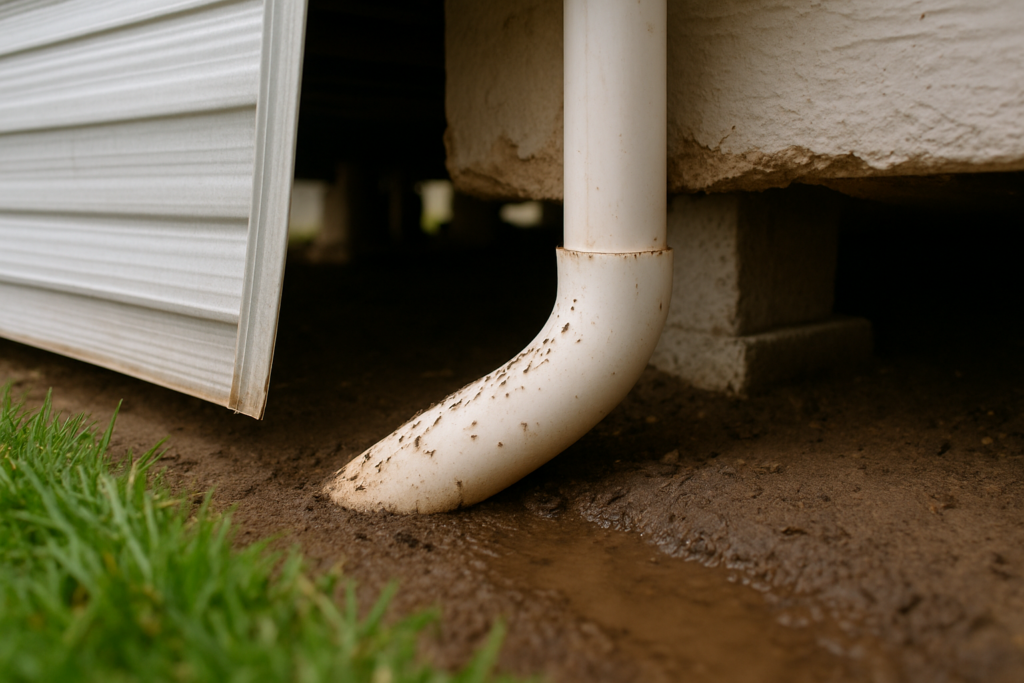
The first and most important pillar is Exclusion. This is where we inspect every inch of your property to find and permanently seal every crack, gap, and hole that rodents are using as an entrance. A mouse can squeeze through an opening the size of a dime, so this step requires a professional eye.
We create a physical barrier using durable materials like steel wool and specialized sealants. This single action stops new rodents from getting in, cutting off the source of future infestations. It's the most critical step for long-term success.
Pillar 2: Sanitation
Next up is Sanitation. This pillar is all about making your property less appealing to rodents. Rodents are always looking for food, water, and shelter. By removing these attractants, we send a clear message that your home is no longer a good place to live.
A few key sanitation actions make a huge difference:
- Securing food sources: Store pantry items in airtight containers and don't leave pet food out overnight.
- Eliminating water access: Fix leaky pipes and remove standing water from the yard.
- Reducing clutter: Clear away piles of wood, yard debris, or overgrown plants where rodents love to hide and nest.
Pillar 3: Targeted Trapping
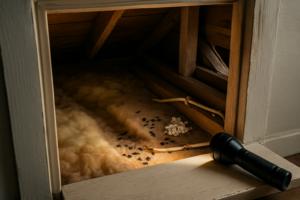
The final pillar is Targeted Trapping. Once your home is sealed and sanitized, we focus on removing any rodents already inside. For this, we use modern, humane mechanical traps. We place them strategically in high-traffic areas like attics, crawlspaces, and along interior walls.
This method is quick, effective, and completely poison-free. It avoids the dangers of secondary poisoning and prevents the awful smell of a rodent dying inside your walls.
This is why we avoid poison-based methods entirely. The infographic below shows the dangerous ripple effect they can have.
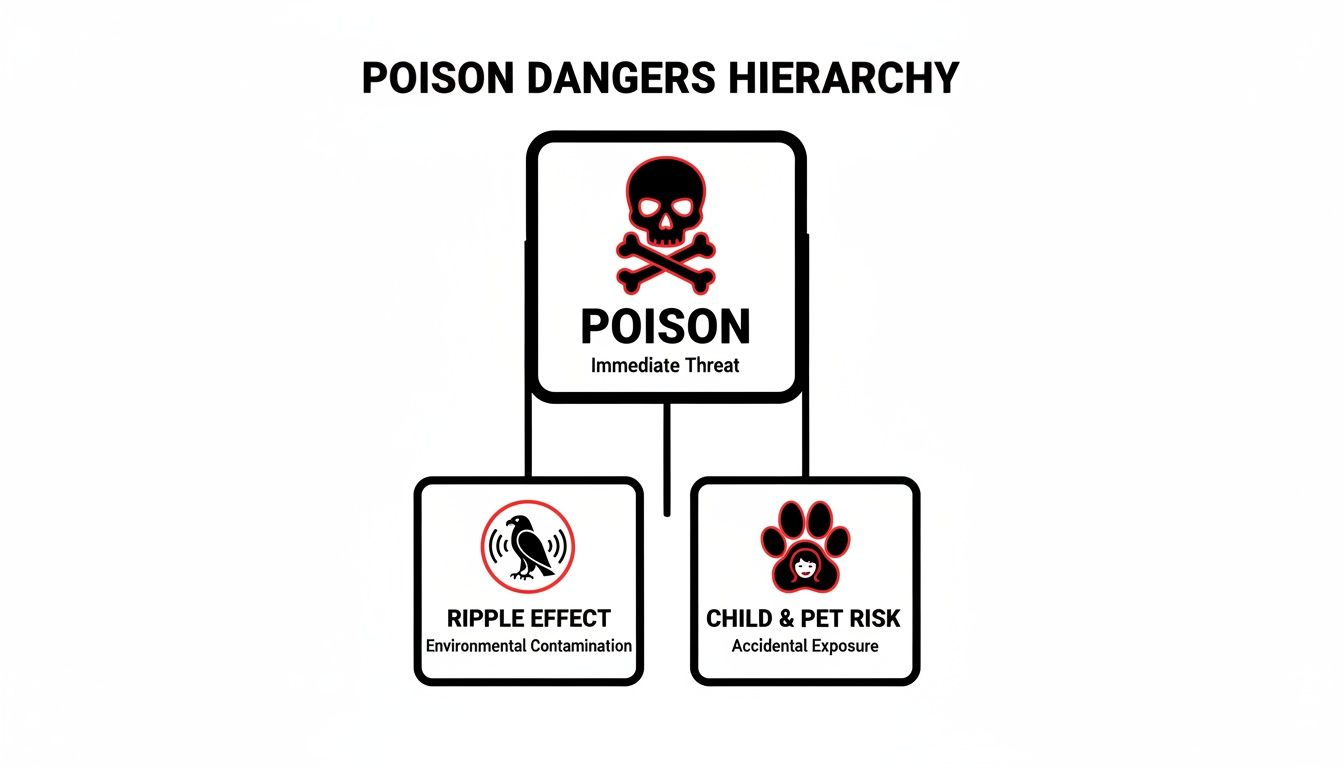
As you can see, a single poison box can create a chain reaction of risks for local wildlife, children, and pets, which reinforces the value of sticking to trapping.
To help you put these concepts into action, here’s a simple checklist for Santa Cruz County homeowners. Use it to walk your property and see where you can strengthen your defenses.
Your Home's Eco-Friendly Rodent Defense Checklist
| Pillar | Key Action Items | Common Oversight |
|---|---|---|
| Exclusion | Inspect the foundation for cracks. Check where pipes and wires enter the home. Ensure crawl space and attic vents are screened. | Forgetting to check the roofline, where gables and eaves often have hidden gaps rodents can climb to. |
| Sanitation | Store all food (including pet food) in sealed containers. Keep compost bins and firewood piles away from the house. | Leaving fallen fruit from backyard trees on the ground, creating a major food source for rodents. |
| Targeted Trapping | Place traps flush against walls where rodents travel. Check and reset traps daily. Use a professional for large-scale trapping. | Placing traps in the middle of a room, where rodents rarely travel, instead of along their known pathways. |
When these three pillars—Exclusion, Sanitation, and Trapping—work in harmony, they create a robust, lasting defense that is both effective and safe for your family and our local environment.
Common DIY Remedies and Why They Fall Short
When you discover rodents, your first instinct is to want them gone immediately. It’s natural to look for a quick, non-toxic fix. You’ve probably seen the advice: use peppermint oil, soak cotton balls in ammonia, or plug in a high-frequency ultrasonic device.
These popular DIY remedies sound great in theory. They are easy to try and don't involve harsh chemicals. But they almost always fail to stop an active infestation. A strong scent might annoy a mouse for a moment, but it does nothing to fix the real problem.
The Limits of Repellents and Gadgets
People often try DIY natural remedies expecting professional-level results, but sprays and repellers only work as mild deterrents—not as real solutions during an infestation. Rodents are smart and driven by survival. They quickly learn that these minor annoyances are not a real threat.
Think of these methods as a flimsy “Keep Out” sign instead of a locked door. An established rodent colony will simply find a way around them.
The core issue with DIY repellents is that they only focus on making rodents uncomfortable. They don't remove them or, more importantly, block their entry. This approach fails to break the infestation cycle, allowing the population to keep growing just out of sight.
Why Professional Strategy Beats DIY Tactics
An effective, eco-friendly rodent control plan focuses on exclusion, trapping, and habitat modification—not gimmicks. As we detail in our guide on common DIY pest control failures, the difference is in solving the core problem instead of just treating the symptoms.
A professional Integrated Pest Management (IPM) plan focuses on what actually works:
- Exclusion: We hunt down and permanently seal every tiny entry point rodents use to get inside your home.
- Sanitation: We help you identify and remove the food, water, and nesting materials that attracted them in the first place.
- Trapping: We use smart, mechanical traps to safely remove the rodents that are already inside.
These steps create a permanent solution that store-bought repellents can never match. If you’ve tried the DIY route without success, it’s not because eco-friendly methods don’t work—it’s because a real solution requires a professional strategy.
A New Frontier in Rodent Control: Fertility Management
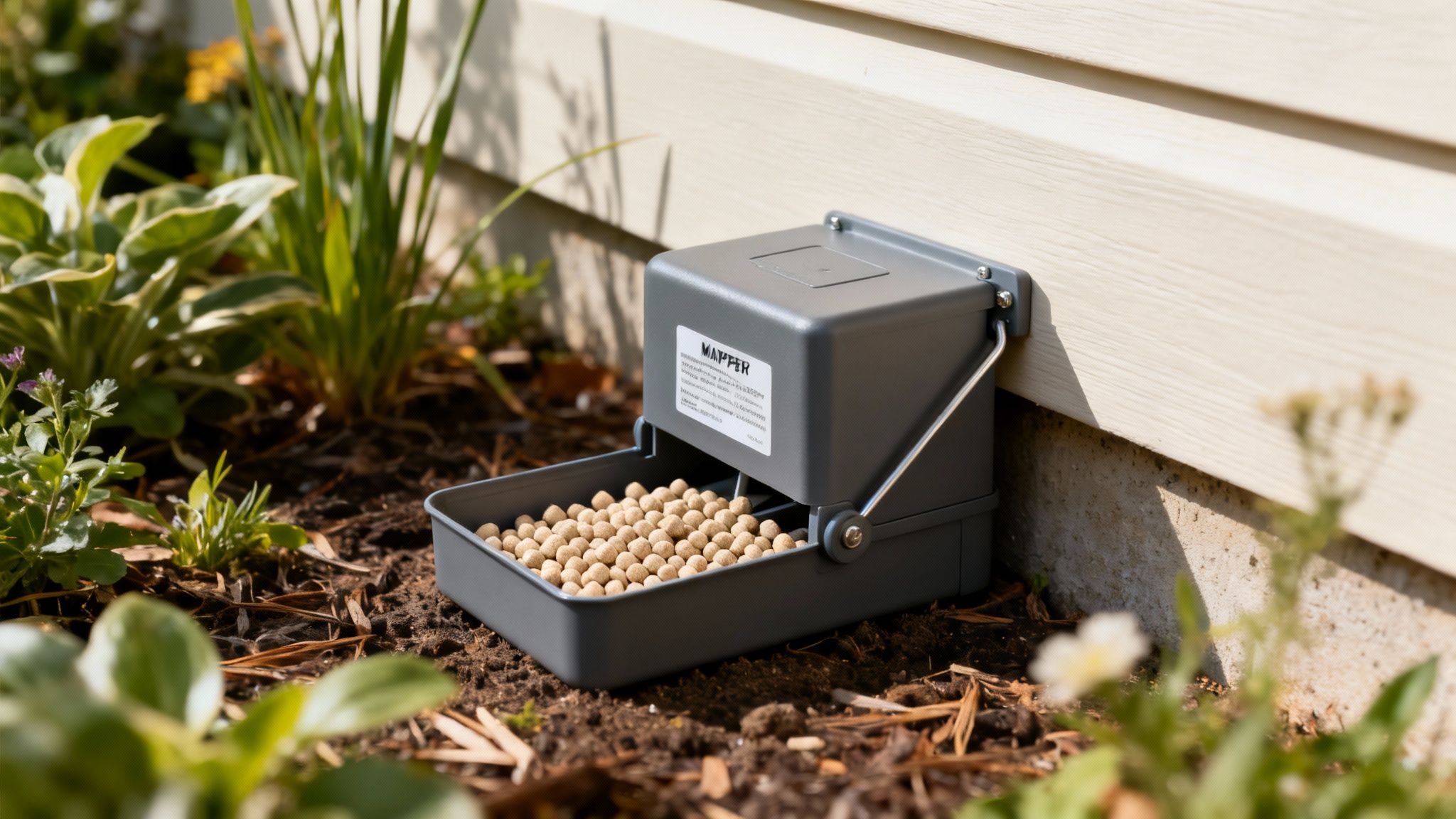
The world of eco-friendly pest management is always evolving. One of the most exciting advancements is rodent fertility control. This is a science-backed, humane approach that offers a powerful, poison-free way to manage rodent populations for the long haul.
It works with a special bait that stops rodents from reproducing once they eat it. This isn't science fiction—it's a proven method that allows the population to shrink naturally over time. It's a perfect fit for protecting the delicate Santa Cruz County ecosystem.
A Humane and Lasting Solution
Traditional methods focus on removing the rodents you see now. Fertility control gets to the root of the problem—their rapid breeding cycle. By stopping reproduction, the population shrinks from within and eventually collapses. It's a gradual, humane, and incredibly effective process.
Best of all, this approach completely eliminates the risk of secondary poisoning to wildlife, pets, and children. Since the bait is non-lethal, there’s zero danger to a hawk or a neighborhood cat that might prey on a rodent that has consumed it.
Proven Success in the Real World
Still wondering, "do eco-friendly rodent control methods actually work?" The data speaks for itself. In a groundbreaking 2022 study on a California poultry farm, this method cut roof rat activity by an amazing 94%. It proved that these strategies can deliver dramatic results without poisons.
This innovation marks a major shift in how we approach pest control. It’s about working smarter to create lasting solutions that are both effective and safe for our community.
By focusing on population dynamics instead of just individual rodents, fertility control offers a more sustainable and ethical path forward. It’s a key part of how rodent control on the Central Coast is evolving.
West Pest Co. offers poison-free rodent control that meets California’s legal standards. We combine thorough inspections with non-toxic strategies like these, tailored to your property. No scare tactics. No contracts. Just clean, legal, and effective control.
Your Top Questions About Eco-Friendly Rodent Control
We get a lot of questions from homeowners in Santa Cruz County about how our poison-free rodent control works. Here are straightforward answers to the concerns we hear most often.
Is eco-friendly rodent control more expensive?
The initial investment for professional exclusion work—sealing up your home’s entry points for good—can be higher than just setting out bait boxes. But when you look at the big picture, it’s far more cost-effective. Sealing your home is a permanent fix that prevents future infestations, saving you money in the long run.
How long does it take for these methods to work?
You’ll see a major drop in rodent activity almost immediately. Our strategic trapping starts working on day one to deal with the rodents already inside your home. Once the exclusion work creates that permanent barrier and the existing population is removed, the problem is solved for good.
Are the traps you use safe for my pets and children?
Absolutely. Keeping your family safe is our number one priority. We use modern, professional-grade mechanical traps and place them in secure spots that are completely inaccessible to kids and pets, like attics, crawlspaces, or inside locked, tamper-proof stations.
Can I just use peppermint oil or ultrasonic devices?
These popular DIY methods are, at best, mild deterrents. They simply don’t work for an active infestation. Rodents will quickly learn to ignore strange smells or sounds, especially when food is nearby. Professional control is built on exclusion and removal—the only strategies proven to solve a rodent problem for good. For more on this, check out our guide on how organic pest control methods perform.
What happens to the rodents that are trapped?
Our trapping methods are designed for a quick and humane resolution. The West Pest Co. team handles the entire process for you, including the professional and sanitary disposal of any captured rodents. You never have to see or touch a thing. This also prevents a rodent dying inside your walls and creating a foul, lingering odor.
If you’re in Santa Cruz County and want rodent control that’s safe for kids, pets, and wildlife, we’re just a call away. Let’s build a rodent-proof plan that actually works—no guesswork, no gimmicks.