When you spot a big black ant marching across your deck in Santa Cruz, it’s natural to ask, "Are carpenter ants dangerous?" The answer is a resounding yes—not in the way a wasp is, but in a far more sinister way that threatens the very structure of your home. These pests are silent excavators, tunneling through wood to carve out their nests.
The Hidden Threat Carpenter Ants Pose to Your Home
Dealing with any pest in your home can be unsettling, but carpenter ants bring a unique and potentially expensive problem to the table. Unlike other ants that are just a nuisance, carpenter ants actively destroy wood to make their homes.
They are particularly drawn to the damp, cool wood common along the California coast, making homes in places like Aptos and Capitola prime real estate for them. It's a common misconception that they eat wood like termites. They don't.
Instead, they chew through it with their powerful mandibles, excavating smooth, hollowed-out tunnels called galleries. These galleries become the highways and nesting chambers for their growing colony, all built inside the essential support structures of your house.
A Silent and Costly Invasion
This destructive tunneling is what makes carpenter ants so dangerous. According to entomologists at multiple university extensions, a mature colony can house over 10,000 workers and may take three to six years to hit its peak. All the while, they are relentlessly excavating your home's wood, progressively weakening floor joists, wall studs, and porch railings.
The damage they cause can easily rival that of termites, making them one of the most significant structural pests in North America. The longer an infestation goes unnoticed, the more extensive—and expensive—the repairs will be. A small problem that starts in a damp window frame can quietly spread until it compromises major structural beams.
To help you quickly grasp the different dangers, here's a simple breakdown:
Carpenter Ant Risks at a Glance
| Type of Danger | Description of Risk | Severity Level |
|---|---|---|
| Structural Damage | Ants chew tunnels (galleries) inside wooden beams, floors, and walls, weakening the home's integrity over time. | High |
| Financial Cost | Repairing structural damage can cost thousands of dollars, especially if the infestation is widespread. | High |
| Property Devaluation | A history of carpenter ant infestation can lower a home's market value and deter potential buyers. | Medium |
| Minor Health Nuisance | While not venomous, carpenter ants can deliver a painful bite if their nest is disturbed. Their bites can also spray formic acid into the wound, causing a burning sensation. | Low |
As the table shows, the primary risks are financial and structural. Protecting your Santa Cruz County home from this threat requires vigilance and knowing what to look for.
Key Takeaway: The real danger of carpenter ants is their ability to cause severe, hidden structural damage over several years. Catching them early is your best defense against thousands of dollars in repairs.
Safeguarding your property means being proactive. Understanding the signs of an infestation and calling in professionals at the first hint of trouble are the most important steps you can take. To get a full picture of how we protect homes like yours, feel free to explore our comprehensive pest control services.
How to Spot a Carpenter Ant Infestation
Catching a carpenter ant problem early is the single most effective way to prevent the serious structural damage that makes them so notorious. For homeowners in Santa Cruz and Scotts Valley, this means knowing the subtle clues that go beyond just spotting a big black ant. You have to put on your detective hat and search for the evidence they leave behind.
One of the most surefire signs is the presence of frass. This is a fine, sawdust-like material that carpenter ants push out of their tunnels as they excavate wood. You might find small, unexplained piles of these wood shavings near baseboards, in crawl spaces, under window sills, or beneath wooden deck railings. Unlike termite debris, frass often contains bits of insulation, soil, and dead ants from the nest.
Beyond What You Can See
Sometimes, the most obvious signs of a carpenter ant infestation are things you hear, not see. If you have a colony nesting inside a wall void, you might notice faint, dry rustling or crackling sounds, especially at night when the house is quiet. These are the sounds of thousands of ants moving within their galleries.
Tapping on a wall or beam that suddenly sounds hollow is another red flag—it may have been hollowed out from the inside. And of course, the ants themselves are a dead giveaway. Seeing large, black ants—often up to half an inch long—foraging in your kitchen or along your foundation is a strong indicator of a nearby nest.
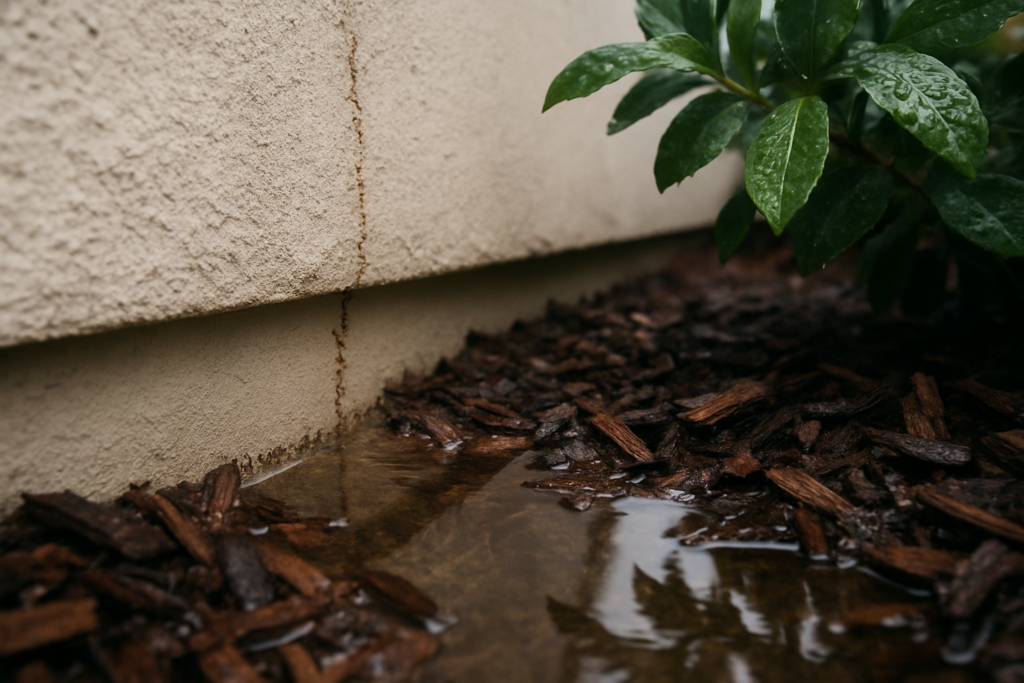
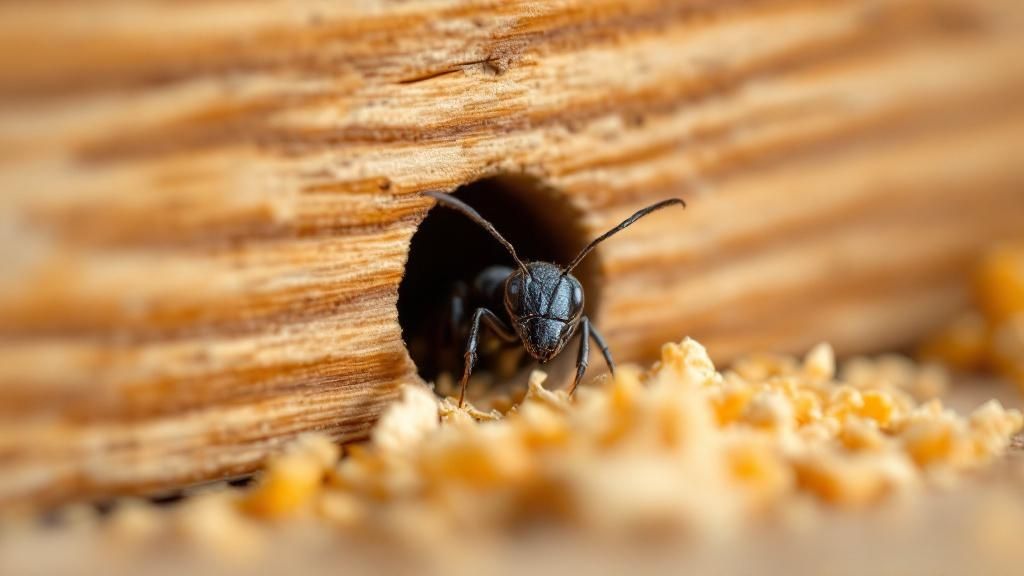
If you spot winged ants, known as swarmers, emerging from inside your home during the spring, it’s a sure sign of a mature, well-established colony that is actively expanding. This image below shows the kind of clean, smooth tunnels carpenter ants create as they chew through wood, leaving behind tell-tale frass.
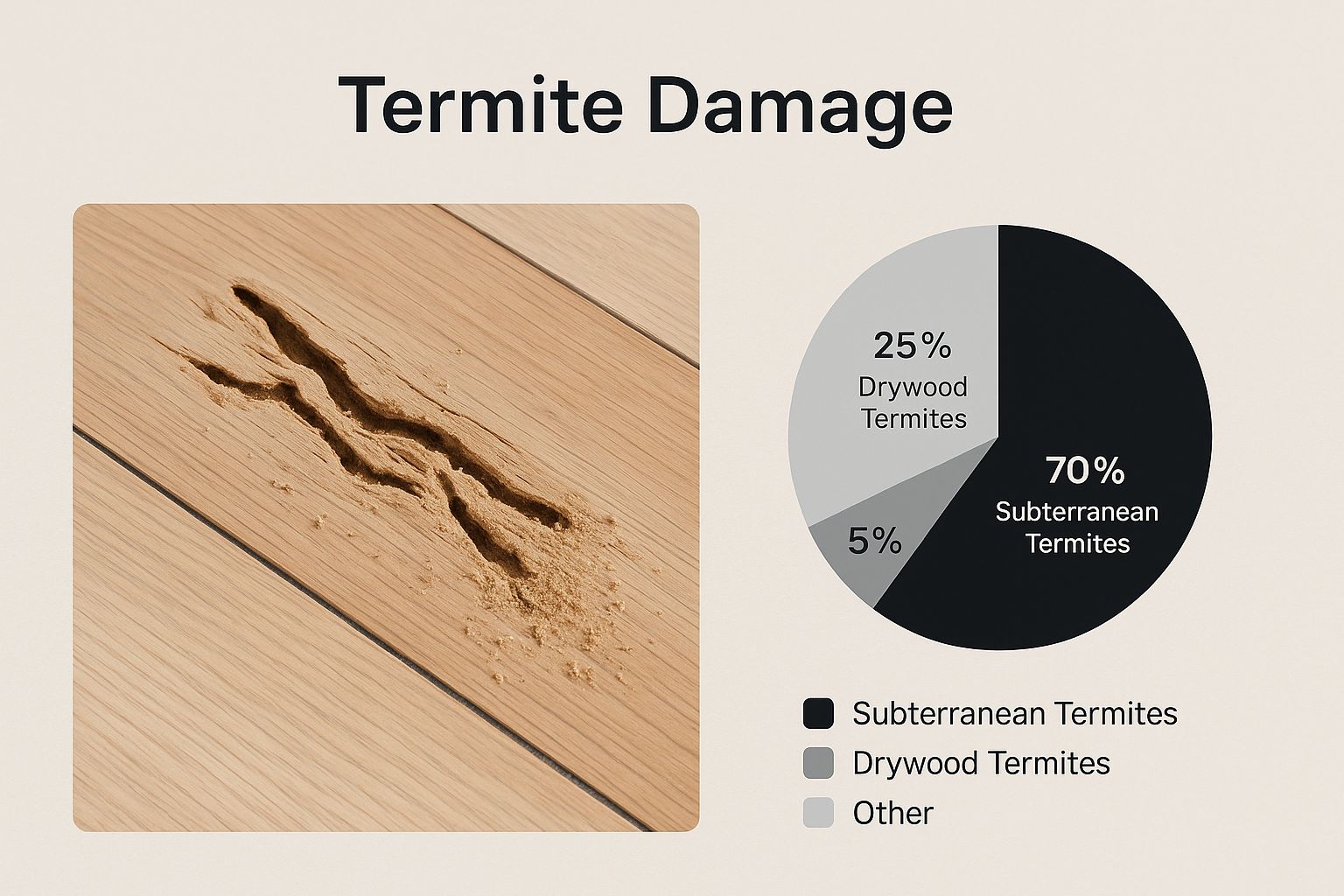
The visual evidence of smooth, almost sanded-looking galleries next to piles of frass is the classic calling card of a carpenter ant nest.
Signs of Carpenter Ants vs. Other Pests
It’s easy to confuse the clues left by different pests, but understanding the key differences will help you figure out what you're dealing with. To get a better handle on what to look for, you can explore our detailed guide on the common signs of a pest infestation.
To help clarify what you might be seeing, here's a quick comparison of the evidence left behind by carpenter ants and other common pests.
| Sign of Infestation | Carpenter Ants | Termites (for comparison) | Common Nuisance Ants |
|---|---|---|---|
| Visible Debris | Fine wood shavings (frass) often mixed with insect parts. Galleries are smooth and clean. | Mud tubes on foundations. Damaged wood is messy and filled with soil and mud. | No wood debris. They are typically seen creating trails to food or water sources. |
| Sounds | Faint, dry rustling or crackling from within walls, especially at night. | Generally silent, though large infestations might produce a faint sound. | No audible sounds from nesting activity within the structure. |
| Winged Adults | Swarmers have pinched waists and two sets of wings of unequal length. | Swarmers have broad, straight waists and two sets of wings that are equal in length. | Swarmers are typically smaller; wing and body shape vary by species. |
Recognizing these specific indicators is the first step in protecting your property. If you notice any of these signs, acting quickly is critical to stop a small issue from turning into a costly structural nightmare.
Understanding Carpenter Ant Structural Damage

To really get why carpenter ants are so destructive, you have to think like they do. Picture your home not as your shelter, but as a giant, pre-built landscape just waiting to be hollowed out. This is exactly how a carpenter ant colony sees the wooden structures holding your house together.
They aren't eating the wood for food; they are master excavators, meticulously carving it out to build a home for themselves. Their work is surprisingly neat and tidy. Carpenter ants create smooth, almost sandpapered galleries inside wooden beams, leaving them hollow and dangerously weak.
These tunnels become protected highways and nesting chambers, letting the colony grow and expand completely hidden within your walls, floors, and ceilings. This silent destruction is the real danger they pose to your property.
From Damp Wood to Sound Structures
Carpenter ants almost always kick off their invasion by targeting wood that’s been softened by moisture. For anyone living in coastal communities like Capitola and Aptos, this is a huge red flag. The constant coastal fog and damp air create the perfect conditions for wood to decay, essentially rolling out the welcome mat for these pests.
Their initial entry points are often predictable:
- Window and door frames repeatedly exposed to rain.
- Decking or porch supports that are in direct contact with damp soil.
- Areas around leaky pipes in your kitchen or bathrooms.
- Attics and crawl spaces that have poor ventilation and high humidity.
But here’s a common and dangerous misconception: they don't only stick to damp wood. Once a colony gets a foothold, it will happily expand its network into perfectly sound, dry wood. That initial damp spot is just the beachhead for a much bigger invasion, one that can eventually compromise the integrity of critical support structures throughout your entire home.
The Silent Progression of Damage: A small, unnoticed colony in a damp window sill can grow for years, eventually tunneling its way into the main structural studs of a wall. By the time you spot the problem, the damage can be extensive and the repair bill can be staggering.
A Widespread and Adaptable Threat
This threat isn't just a local problem. The genus Camponotus—the scientific name for carpenter ants—is a global force, with over 1,000 different species worldwide. In the U.S. and Canada, about 24 of these species are known for damaging human structures.
Their adaptability is a key reason they are such a persistent issue, especially in wooded areas like Santa Cruz County. To get a deeper dive into their behavior, you can find excellent information on carpenter ant habits from university extension programs.
This adaptability means they can set up shop in all sorts of materials, not just structural wood. We’ve found them in foam insulation and even under shingles. A mature colony rarely stays in one spot, either. It establishes a primary "parent" nest, often outdoors in an old tree stump, and then creates multiple satellite colonies right inside your home.
This multi-pronged nesting strategy makes them incredibly difficult to get rid of without professional help. Simply killing the ants you see in one location rarely solves the problem. With the potential for thousands of dollars in repairs on the line, getting immediate, expert help is absolutely critical.
Do Carpenter Ants Pose a Health Risk?
When you find carpenter ants in your home, it's natural to worry about more than just your walls. Do they pose a physical threat to your family or pets? For the most part, the answer is reassuring.
These pests aren't venomous and aren't known for spreading diseases or pathogens. Unlike pests that contaminate food or carry illnesses, their primary reputation is that of a structural saboteur. However, answering the question "are carpenter ants dangerous?" isn't a simple "no."
If you stumble upon their nest and disturb it, the colony’s larger "soldier" ants will absolutely defend their turf. These ants are equipped with powerful jaws and can deliver a surprisingly painful bite.
Understanding Defensive Bites
A carpenter ant bite is more than just a little pinch. When they bite down, they can also spray a bit of formic acid into the wound. This chemical creates a sharp, burning sensation that many people compare to a bee sting, though it's typically less severe and fades more quickly.
It's crucial to understand that these bites are purely defensive. A carpenter ant has no interest in seeking you out for a fight. But if you accidentally disturb a nest hidden in a woodpile, during a home repair, or while gardening, they will not hesitate to protect their queen and colony.
Important Note: Bites from carpenter ants are quite rare and almost always happen when a nest is directly threatened. The real, persistent danger remains the silent, expensive damage they inflict on your home’s wooden framework.
While the direct health risks are low, the presence of any pest can be unsettling, especially in a home with curious children or pets. This is why ensuring your home is treated by professionals who put safety first is so important. For those with heightened sensitivities, it’s worth understanding the principles of child-safe pest control and how modern treatments can protect your loved ones.
The bottom line? A carpenter ant bite might be a nasty surprise, but it isn't a significant health emergency. The true threat they pose is the long-term, hidden damage they can do to the very structure of your home.
Effective Carpenter Ant Prevention Strategies
The smartest way to handle the threat carpenter ants pose is to make your home an undesirable target in the first place. These pests aren't just wandering around randomly; they're actively searching for specific conditions. A proactive prevention strategy can dramatically lower your risk of becoming their next construction project.
For homeowners here in Santa Cruz County, that means focusing on two key areas: moisture control and eliminating easy access. Our persistent coastal fog and damp climate can soften wood, basically rolling out the welcome mat for a carpenter ant colony.
Your first and most important line of defense is to deny them the soft, moist wood they absolutely love. This involves some routine maintenance that pays off big time in pest prevention.
Eliminate Moisture and Water Sources
Start by putting on your detective hat and meticulously checking your property for any source of excess moisture. Carpenter ants can't resist water-damaged wood—it's far easier for them to excavate and turn into a gallery nest.
- Fix Leaks Immediately: Don't put off repairing leaky faucets, that slow drip under the kitchen sink, or any plumbing issues in bathrooms.
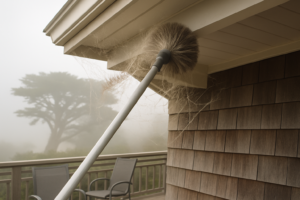
- Ensure Proper Drainage: Keep your gutters clean. Clogged gutters cause water to spill over, saturating the wood of your roofline and eaves. It's a classic entry point.
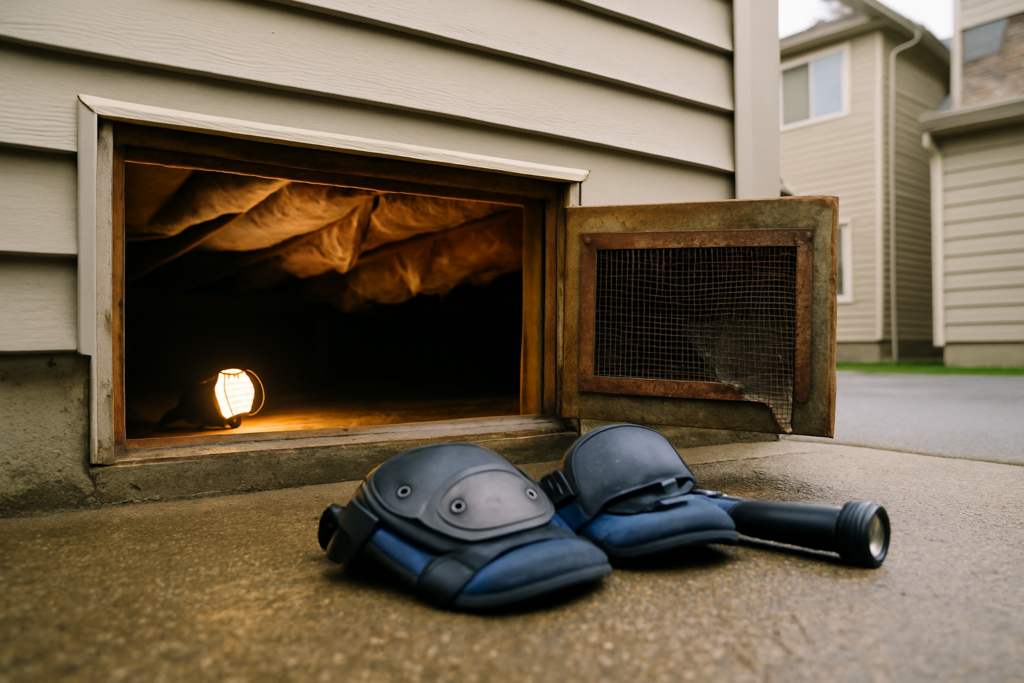
- Manage Crawl Space Humidity: If you have a damp crawl space or attic, consider a vapor barrier or a dehumidifier. Keeping these areas dry makes them completely inhospitable to carpenter ants.
By tackling moisture issues head-on, you're removing the single biggest attractant for scout ants. It’s one of the most powerful steps you can take.
Cut Off Their Highways
Carpenter ants are resourceful climbers and will use any bridge they can find to get from the yard onto—and into—your home. Overhanging tree limbs and any shrubs touching your siding act as superhighways for these foraging pests.
Local Tip: Redwood trees and the dense foliage we love are beautiful parts of our Santa Cruz landscape, but they also create perfect bridges for pests. Keeping a clear buffer zone around your home's perimeter is essential.
Make it a regular habit to trim back tree branches and overgrown bushes. You want to maintain a gap of at least three to four feet between any foliage and your roof or walls. This simple landscaping task eliminates their easiest routes.
Also, take a hard look at how you store firewood. Stacking it directly against your house or on a wooden deck is like leaving the front door wide open. Keep firewood at least 20 feet from your home and, whenever possible, get it elevated off the ground.
Seal Entry Points and Deny Access
Finally, take a slow walk around your home’s foundation and exterior and try to think like an ant. These pests are experts at exploiting the tiniest cracks and crevices to gain entry.
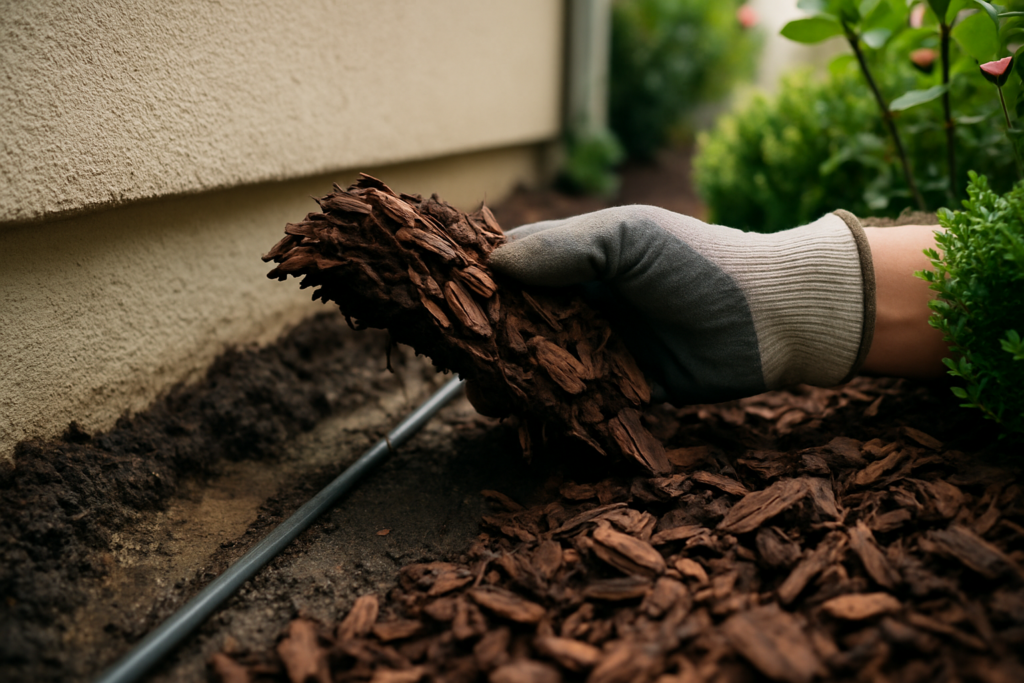
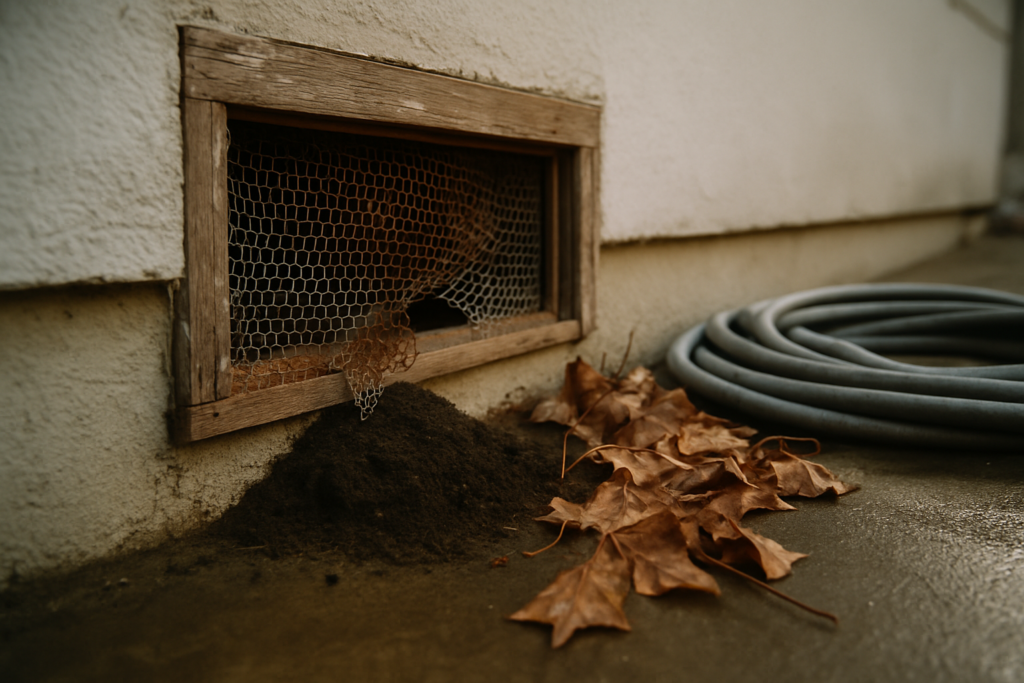
Seal any gaps you find around utility pipes, vents, and wiring where they enter the house. Check for and caulk any cracks in the foundation, around window frames, and along door sills. Taking these preventative steps can be incredibly effective, and you can find more detailed advice in our guide on how to keep ants away from your property. By making your home a fortress, you stop an infestation before it even has a chance to begin.
Why Professional Ant Control Is Essential for Carpenter Ants
When you spot carpenter ants, your first instinct might be to grab a can of bug spray. While it feels satisfying to take immediate action, DIY solutions for carpenter ants almost never solve the real problem. You're only wiping out the foraging worker ants you happen to see, not the hidden colony that keeps sending them out.
Think of it this way: the ants crawling on your counter are just the delivery drivers for a huge, hidden warehouse. Taking out a few drivers doesn’t shut down the operation. The main nest, the queen, and any satellite colonies tucked away in your walls are still there, growing bigger and causing more damage.
This is why professional help isn't just a good idea—it's critical for getting rid of them for good.
The Challenge of Hidden Nests
Finding the heart of a carpenter ant colony takes a trained eye. These nests are often buried deep inside wooden beams, insulation, or other spots you can't see or reach, making them impossible for a homeowner to find without the right tools and experience.
The Professional Difference: Real carpenter ant control isn't about killing the ants you see. It's a strategic mission to eliminate the entire colony system—the parent nest, all satellite nests, and the queen herself.
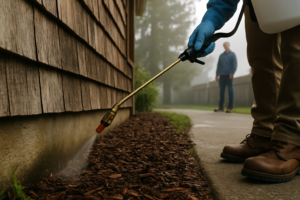
Here at West Pest Co., we know exactly how these pests operate in Santa Cruz County. Our technicians are trained to think like ants, meticulously tracing their faint trails back to the source and identifying every nesting site. We use targeted, eco-friendly treatments designed to knock out the entire problem for good, not just for a few days.
Protecting your home from the serious structural damage carpenter ants cause requires a definitive solution. To get lasting peace of mind, check out our comprehensive ant control and extermination services and see how we can safeguard your property.
Frequently Asked Questions About Carpenter Ants
To wrap things up, let's tackle some of the most common questions homeowners in Santa Cruz County have about these wood-destroying pests. Getting straight-to-the-point answers can help reinforce what you’ve learned and clear up any lingering concerns.
How fast do carpenter ants cause damage?
This is a slow burn, not a wildfire. Carpenter ant damage unfolds over years, not weeks. A brand-new colony needs a solid three to six years to mature and grow large enough to cause any real structural harm. While they aren’t as fast as termites, an unchecked infestation can absolutely weaken your home’s wooden structures over time, making early detection key.
What does carpenter ant damage look like?
Carpenter ants are tidy excavators. They carve out smooth, clean, and hollow galleries in wood that almost look like they’ve been sandpapered from the inside. One of the biggest giveaways is finding small piles of what looks like fine sawdust. This is a material called frass, which they push out of their nests.
Does seeing one carpenter ant mean I have an infestation?
Finding a single carpenter ant, especially a big winged one inside your house, is a major warning sign you can't afford to ignore. These are typically scouts looking for food or a promising new spot to build a nest. While one ant doesn't automatically mean a full-blown infestation is already in your walls, it’s a strong signal that a colony is nearby and your property is on their radar.
Can I get rid of carpenter ants myself?
Honestly, DIY treatments for carpenter ants rarely get the job done. Most over-the-counter products only kill the foraging worker ants you happen to see, leaving the hidden queen and the core of the colony completely untouched and free to keep growing. Lasting control means finding and eliminating the main nest and any satellite nests, which requires professional expertise.
Where do carpenter ants usually build their nests in Santa Cruz County?
Carpenter ants are always drawn to moisture, a common issue in our coastal climate. They prefer to build their primary nests outdoors in places like old tree stumps, rotting logs, or damp landscape timbers. From there, they’ll establish satellite nests inside houses, usually targeting areas like leaky pipes under sinks, damp wall voids, attics with poor ventilation, and window frames that get hit with rain.
If you’re seeing carpenter ants around moisture-damaged wood, that’s a sign a colony may already be established. Ant extermination in Santa Cruz from a pest professional is the safest way to protect your home’s structure before damage spreads.
Don't let carpenter ants compromise the safety and value of your home. If you've spotted any of the signs we've talked about, the team at West Pest Co. is here to help. We offer eco-friendly and effective solutions designed specifically for the pest pressures of Santa Cruz County.
Contact us today to schedule a free estimate and protect your property from carpenter ants.
.lwrp.link-whisper-related-posts{
margin-top: 40px;
margin-bottom: 30px;
}
.lwrp .lwrp-title{
}.lwrp .lwrp-description{
}
.lwrp .lwrp-list-container{
}
.lwrp .lwrp-list-multi-container{
display: flex;
}
.lwrp .lwrp-list-double{
width: 48%;
}
.lwrp .lwrp-list-triple{
width: 32%;
}
.lwrp .lwrp-list-row-container{
display: flex;
justify-content: space-between;
}
.lwrp .lwrp-list-row-container .lwrp-list-item{
width: calc(25% – 20px);
}
.lwrp .lwrp-list-item:not(.lwrp-no-posts-message-item){
}
.lwrp .lwrp-list-item img{
max-width: 100%;
height: auto;
object-fit: cover;
aspect-ratio: 1 / 1;
}
.lwrp .lwrp-list-item.lwrp-empty-list-item{
background: initial !important;
}
.lwrp .lwrp-list-item .lwrp-list-link .lwrp-list-link-title-text,
.lwrp .lwrp-list-item .lwrp-list-no-posts-message{
}@media screen and (max-width: 480px) {
.lwrp.link-whisper-related-posts{
}
.lwrp .lwrp-title{
}.lwrp .lwrp-description{
}
.lwrp .lwrp-list-multi-container{
flex-direction: column;
}
.lwrp .lwrp-list-multi-container ul.lwrp-list{
margin-top: 0px;
margin-bottom: 0px;
padding-top: 0px;
padding-bottom: 0px;
}
.lwrp .lwrp-list-double,
.lwrp .lwrp-list-triple{
width: 100%;
}
.lwrp .lwrp-list-row-container{
justify-content: initial;
flex-direction: column;
}
.lwrp .lwrp-list-row-container .lwrp-list-item{
width: 100%;
}
.lwrp .lwrp-list-item:not(.lwrp-no-posts-message-item){
}
.lwrp .lwrp-list-item .lwrp-list-link .lwrp-list-link-title-text,
.lwrp .lwrp-list-item .lwrp-list-no-posts-message{
};
}