Quick Answer
A non toxic flea treatment for home works when you combine pet care, daily vacuuming, hot washing, and careful use of low-risk products. The EPA-backed approach is Integrated Pest Management, which focuses on checking pets often, removing fleas mechanically, and breaking the life cycle inside the home before you rely on stronger treatments.
Finding fleas in the house usually happens at the worst time. Your dog is scratching, you spot something jumping near the baseboard, and now you're trying to protect your family without turning the house into a chemical treatment zone.
A good non toxic flea treatment for home isn't one product. It's a sequence. You deal with the pet, the floors, the bedding, the furniture, and the shaded spots outside where fleas keep getting reintroduced.
Introduction
You find a few bites on your ankles, the dog is scratching at midnight, and now you have to make a decision fast. You want the fleas out, but you do not want to fill the house with harsh residues that end up on pet beds, floors, and kids' hands.
In homes across Santa Cruz, the safest plan usually starts with the part people want to skip. Cleaning, repeated on schedule. The EPA supports Integrated Pest Management for flea control, and Cornell University College of Veterinary Medicine notes that vacuuming is one of the strongest first steps because it physically removes fleas and the hidden stages from carpet, upholstery, and cracks.
That is important because worried homeowners often lose time testing one product after another, especially powders labeled natural, without first reducing the flea load already inside. I see that mistake all the time. Products like diatomaceous earth and borax can play a role, but they are not risk-free in every house. Fine dust can irritate lungs, and loose powder around pets, toddlers, or people with asthma needs much more care than many online guides admit.
A good plan is methodical. It starts with confirming what you are dealing with, then breaking the flea life cycle room by room. If you want a realistic sense of how long that cycle can keep going indoors, this guide on how long fleas live in a home helps set expectations.
Confirming the Infestation and Understanding the Flea Life Cycle
You do not want to treat the whole house for fleas and find out later the problem was dry skin, mites, or no-see-ums from the yard. Confirm it first. That saves time, reduces unnecessary product use, and matters even more in homes with kids, pets, or anyone sensitive to dust.
The quickest home check is a flea comb over a white towel or sheet of paper. Focus on the belly, groin, lower back, and base of the tail. If you see fast-moving dark insects or pepper-like specks that turn reddish-brown when wet, you are likely dealing with fleas and flea dirt.

What to check indoors
Adult fleas are only part of the problem. I tell Santa Cruz homeowners to inspect the quiet, protected spots where pets spend time and where vibration and foot traffic are low.
Start here:
- Pet bedding: Look for flea dirt, shed debris, and live fleas near seams and folds.
- Rug edges and carpet transitions: Eggs and larvae collect where the vacuum often misses.
- Upholstered furniture: Check under cushions, along welting, and in corners where pets nap.
- Baseboards and floor gaps: These sheltered areas can hold larvae and organic debris they feed on.
If you want a realistic timeline for how long indoor activity can continue after you first notice bites, this guide on how long fleas live in a home helps set expectations.
One practical note. If carpets are heavily soiled or pet areas have not been thoroughly cleaned in a while, professional extraction can help remove the organic debris flea larvae feed on. In some homes, bringing in certified carpet cleaning services makes the cleanup phase more effective before you start applying any powder or pet-safe treatment.
Why the life cycle matters
Fleas beat rushed treatment plans because most of the population is not sitting out in the open. Adults feed on the pet, but eggs drop into carpet, cracks, bedding, and furniture. Larvae avoid light and settle deeper into protected areas. Pupae are the stage that frustrates people most because the cocoon shields them from many treatments and lets them emerge days or even weeks later.
That is why a one-time spray, a casual dusting of powder, or a single bath rarely solves the problem. You can knock down the adults you see and still have new fleas emerging afterward.
If fleas seem to come back after you cleaned once, that usually means the hidden stages were left behind. It does not mean the whole plan failed.
Start with the pet, but read the house correctly
A flea comb gives you two useful things right away. It removes some adults, and it shows whether activity is light, moderate, or heavy. A few fleas on the comb is different from repeated catches every pass, and that difference changes how aggressive your home cleanup needs to be.
It also helps you avoid a common mistake with non-toxic flea control. Homeowners often go straight to diatomaceous earth or borax because they want a lower-toxicity option indoors. Sometimes that can be part of the plan, but only after you confirm fleas are present and identify where they are concentrated. In a house with crawling toddlers, curious pets, or someone with asthma, loose dust in the wrong place can create a second problem. Good flea control is not just about killing fleas. It is about doing it without creating avoidable exposure risks for the people and animals living there.
The Foundation A Rigorous Cleaning and Vacuuming Protocol
A worried homeowner usually tells me the same thing. "I cleaned everything, and they are still biting." In practice, that often means the visible areas got attention, while the places fleas use for shelter did not. The house has to be cleaned like a flea habitat, not like it is being tidied for guests.

Daily vacuuming is the base of a low-toxicity flea plan because it removes adults, dirt the larvae feed on, and some eggs before they settle deeper. It also helps trigger pupae to emerge, which sounds inconvenient but is part of getting them exposed over time. One pass through the center of the room will not do much.
What daily vacuuming should actually include
Focus on the places with pressure, warmth, and protection:
- Carpet edges and transitions: Where carpet meets wall, tile, or hardwood.
- Under furniture: Especially under beds, sofas, and pet crates.
- Upholstery seams: Cushions, stitched edges, and under removable cushions.
- Baseboards and floor gaps: Flea debris collects along protected edges.
- Pet rest areas: Blankets, mats, rugs, and the corners pets return to every day.
Use the beater bar on rugs if the flooring allows it. That agitation matters. For hard floors, switch to the right setting so you are pulling debris from cracks instead of scattering it.
Then deal with what you collected. If the vacuum uses a bag, seal and discard it promptly. If it is bagless, empty the canister outdoors, wash the bin if the manufacturer allows it, and avoid dumping flea debris into an indoor trash can.
Practical rule: Vacuuming once is cleanup. Vacuuming daily for at least one to two weeks is part of treatment.
Steam cleaning can help, but it has limits
Steam works best after the dry debris is already out of the fabric. On durable carpet, rugs, and some upholstery, heat can knock down fleas in fibers that a vacuum does not fully clear. It is a useful tool for heavy use areas like pet sleeping spots and family-room rugs.
It is not for every material. Delicate fabrics, some backing adhesives, and moisture-sensitive surfaces can be damaged. In homes with asthma, young kids who crawl, or pets that spend a lot of time on the floor, I usually prefer steam over loose powders on soft surfaces because you avoid leaving dust behind.
For homeowners comparing options, professional certified carpet cleaning services can give you a good benchmark for how thorough hot-water extraction and steam work should be, even if you are handling the job locally.
Laundry is part of flea control, not just housekeeping
Wash pet bedding, throw blankets, and washable slipcovers on a tight schedule during an active infestation. Hot water and detergent help, and high-heat drying adds another layer of control if the fabric can take it. I tell clients in Santa Cruz to stop thinking in terms of "laundry day" and start thinking in terms of "anything the pet used this week."
Do the same for your own bedding if pets sleep on it.
That step gets skipped a lot, and it matters.
Where powders fit, and where caution matters
Diatomaceous earth and borax get treated like easy answers. They are not. Both can have a place in a non-toxic flea plan, but only with tight placement and clear safety limits.
Diatomaceous earth is a dry dust. If you broadcast it across open floors or carpet, people and pets can track it, stir it up, and breathe it. That is a poor trade in homes with respiratory sensitivity. Borax raises a different concern. It leaves residue, and broad use on surfaces where children or pets have frequent contact is not my first recommendation.
If you use either product, keep it targeted to low-traffic cracks, voids, or inaccessible edges, never as a visible layer across living areas. Apply lightly, keep pets and children out until the area is settled and cleaned as directed, and understand that powders do not replace vacuuming. They are a supplemental tool, not the foundation.
If carpet is the main trouble spot, this guide to the best flea treatment for carpets explains how to choose lower-risk options for soft surfaces without creating a dust exposure problem.
Pet-Safe Treatments for Your Four-Legged Family Members
You vacuum the house, wash the bedding, and still find your dog scratching at 2 a.m. That usually means the pet and the home are feeding the same flea problem, and both need attention at the same time.

Start with hands-on grooming
A fine-tooth flea comb gives you two things right away. It removes live fleas, and it shows you how active the infestation still is. Comb slowly through the neck, behind the ears, along the belly, at the tail base, and around the hind legs. Keep a bowl of warm soapy water next to you and drop anything you pull out straight into it.
This works well for pets that are sensitive to frequent topical products, and it helps catch flare-ups early.
Bathing can improve comfort and wash away flea dirt and debris on the coat. It does not clear an infestation by itself. I tell Santa Cruz homeowners to treat bathing as a support step, not the whole plan.
Vet-guided treatment is often the safest path for the pet
If your pet is picking up multiple fleas a day on the comb, has irritated skin, or seems restless, home care may not be enough for the animal itself. In those cases, the lowest-risk choice is often a veterinarian-guided product with a clear label, known dosing, and a treatment schedule that matches the pet's age, weight, and health history.
That can include oral medications, spot treatments, or insect growth regulators that help break the flea cycle. The right choice depends on the species and the household. A young kitten, a senior dog with health issues, and a home with toddlers all call for different decisions.
I would be careful with do-it-yourself remedies promoted online, especially essential oils. Some are irritating to skin, some are unsafe for cats, and some do not do enough when the flea pressure is high.
Match the pet treatment to the people in the house
Worried homeowners need clear trade-offs, not blanket advice. A product that is reasonable for one dog in a quiet adult household may be a poor fit in a home with a crawling baby, an asthmatic family member, or a pet that sleeps in every bed.
Use these questions before you choose anything:
- Does the pet have skin disease, seizures, respiratory sensitivity, or a history of reacting to topicals?
- Are there cats in the home, even if the product is intended for a dog?
- Will children touch the coat right after treatment?
- Does the pet sleep on couches, pillows, or shared bedding?
- Are you trying to stay low-toxicity overall, while still getting the pet relief quickly?
Those details matter. They change what "safe enough" means in practice.
For a broader look at protecting pets naturally with safe pest control solutions, this companion guide lays out household-safe thinking in more detail. It also helps to review your shampoos, bedding, and grooming basics alongside other eco-friendly pet supplies so the pet side of the plan stays consistent.
Choosing and Using Natural Products in Your Home
You vacuum, wash bedding, treat the pets, and still spot fleas near the baseboards. That is usually when homeowners start reaching for powders. Some can help in the right place. Some create new problems, especially in homes with toddlers, cats, or anyone who already deals with asthma or irritated airways.

Use powders as targeted tools, not a whole-room treatment
The two products homeowners ask me about most are food-grade diatomaceous earth and borax. They are not interchangeable, and neither belongs scattered across the house like carpet freshener.
Food-grade diatomaceous earth works by drying out insects that contact it. That makes it a reasonable fit for dry cracks, low-traffic edges, and tucked-away spots where fleas travel. It is a poor fit for couches, pet beds in active use, kids' play zones, and any room where fine dust will keep getting kicked back into the air.
Borax has a narrower margin for error in a family home. It can be a poor choice where pets lick their paws, children play on carpet, or anyone assumes a laundry product is mild enough to leave behind on living surfaces. A consumer guide on flea repellents also notes respiratory concerns with diatomaceous earth and ingestion risks with borax, which matches the caution pest pros use in the field (Vet Blend Blog, 2023).
The practical rule is simple. If a product leaves dust where people and pets breathe, crawl, nap, or eat, the application is too broad.
Diatomaceous earth. Helpful in small amounts, irritating in the wrong setting
Homeowners often assume more powder means better control. It usually means more cleanup and more airborne dust.
Use it lightly, and only where it stays put:
- Apply a thin film: Fleas do not need to be buried in powder for it to work.
- Choose dry, protected areas: Along baseboard gaps, behind furniture that rarely moves, or in cracks near pet traffic routes.
- Keep the room empty during application: Pets, children, and anyone with respiratory sensitivity should stay out until dust has settled.
- Vacuum it back up after a treatment window: Leaving layers of powder behind for weeks is not the goal.
In Santa Cruz homes, I am especially careful with older houses that already have dusty floor gaps or poor air movement. Fine powders can linger longer than people expect.
Borax deserves more caution than it usually gets online
Borax gets recommended as if it is a simple carpet remedy. In practice, it asks for strict placement control and realistic expectations. It is also not the product I suggest first in homes with cats, puppies, floor-level play, or pets that spend time licking their feet after walking treated areas.
If someone chooses to use borax anyway, keep it limited to spots with low contact, follow the product label closely, and remove residue thoroughly. Broad application across bedroom carpet or family room flooring is where homeowners get into trouble.
A better plan than dusting everything
Powders can support a low-toxicity flea plan. They do not replace the main work.
| Tool | Good use | Poor use |
|---|---|---|
| Vacuuming | Daily work on rugs, edges, upholstery seams, and under furniture | Quick passes over open carpet only |
| Steam cleaning | Durable fabrics and carpets that can handle heat and moisture | Delicate materials or areas that stay damp afterward |
| Food-grade DE | Light use in dry cracks and low-traffic edges | Thick dusting across rooms, bedding, or furniture |
| Borax | Limited use after screening for pet and child contact | Routine use in active living areas |
This is the same logic behind natural pest control for home. Use the least risky tool that still fits the location, the people in the house, and the way your pets live.
If you are replacing pet bedding, washable covers, or grooming gear during treatment, eco-friendly pet supplies can help you choose items that are easier to clean and less likely to hold flea debris.
Know when DIY has hit its limit
If fleas are still active after steady cleaning, pet treatment, and careful spot work with environmental products, the problem is often hiding deeper than the visible surfaces. I see that with heavy upholstery, floor voids, cluttered storage areas, and homes where pets keep bringing fleas back in from outside.
That is when a professional treatment becomes a practical next step. West Pest Co. provides flea and tick treatments in Santa Cruz County, including lower-toxicity and non-chemical-minded options. Yard and home treatments target active pests. They do not remove every egg or end the full life cycle in one visit.
Extending Your Defense to the Yard
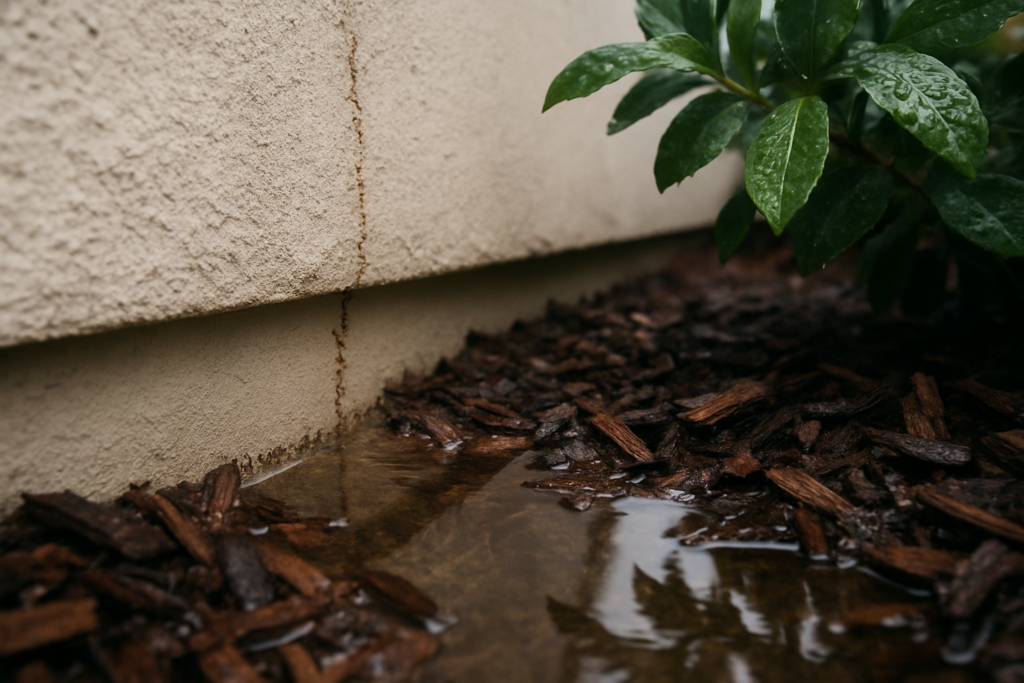
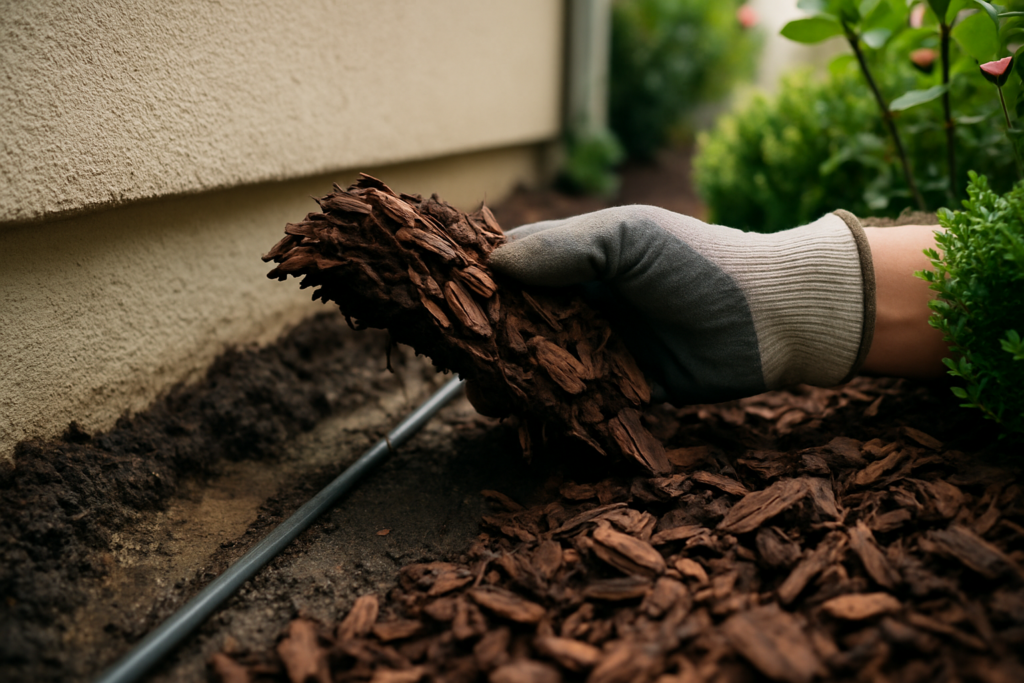
A lot of indoor flea problems have an outdoor side to them. Shady, damp areas in the yard give fleas a place to persist, especially where pets rest or move through regularly.
The first fixes are basic property habits:
- Keep lawn and ground cover trimmed: Fleas prefer protected, humid spots.
- Reduce heavy leaf litter: Organic debris creates shelter.
- Avoid overwatering: Damp soil and dense shade help pests hold on.
- Clean pet rest zones outside: Wash or replace outdoor bedding and mats.
Yard treatment has limits
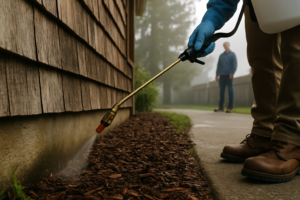
Natural outdoor control can help reduce active flea pressure, but it has boundaries. Beneficial nematodes are one option homeowners often look at because they target pests in the soil without turning the yard into a high-residue space.
Even then, expectations matter. Yard and home pest treatments address active pests only. They do not eliminate eggs or the full flea life cycle, and they should never be treated as a permanent solution. In Santa Cruz County, where pets move between home, patio, and yard year-round, reinfestation can still happen if indoor work and pet care aren't handled at the same time.
Outdoor work supports the plan. It doesn't replace indoor cleaning or pet treatment.
When to Call for Professional Eco-Friendly Help
Sometimes the right move is admitting the problem has outgrown DIY. If you've been vacuuming, washing, combing, and staying consistent but you're still finding live fleas, there may be hidden reservoirs in the structure or soft furnishings that need a more targeted approach.
A professional should also come in sooner if anyone in the home has respiratory sensitivity, if powder products make you uneasy, or if the pet is getting overwhelmed despite veterinary care. In those cases, an inspection helps separate what is active, what is likely harboring fleas, and what steps are worth continuing.
If you want a lower-toxicity approach, eco-friendly pest management gives you a better sense of how that style of service works. The important part is keeping expectations honest. Flea work is a process, not a one-shot event, and any responsible provider should explain what treatment involves and what it won't do.
Frequently Asked Questions About Non-Toxic Flea Control
Can I get rid of fleas without spraying the whole house
Yes, in some cases. A non toxic flea treatment for home can work with daily vacuuming, hot washing, steam cleaning, flea combing, and careful pet treatment. The key is consistency. If the infestation is established, you may still need vet-guided pet products or targeted professional treatment.
Is diatomaceous earth safe around kids and pets
It can be used carefully, but it isn't risk-free. Food-grade DE can irritate airways if the dust is inhaled, so it shouldn't be spread loosely in active living areas. Use it lightly, keep people and pets out during application, and vacuum residue thoroughly.
Should I use borax on my carpets
Only with caution, and not in every home. Borax can be toxic to pets if ingested in sufficient quantities, and it's less useful against some flea stages than people assume. If you have crawling children or pets that lick floors or groom heavily, I'd be very careful with it.
How often should I vacuum when I have fleas
During an active infestation, daily vacuuming is the standard that makes the biggest difference. Focus on rugs, upholstery, baseboards, under furniture, and pet areas. Keep that up until activity clearly drops and then continue regular follow-up cleaning.
Do I need to treat my pet and my house at the same time
Yes. If you only treat one side of the problem, fleas keep cycling. The pet and the environment need to be addressed together or you'll keep seeing rebound activity.
Will yard treatment solve the problem for good
No. Yard treatments can reduce active outdoor fleas, but they do not eliminate eggs or the full life cycle and should not be described as a permanent fix. They work best as support for indoor cleaning and pet-focused control.
Your Partner in Pest-Free Living
Flea control takes steady work, and a practical plan is often needed more than another product recommendation. If you're in Santa Cruz County and want help building a non toxic flea treatment for home strategy that fits your household, West Pest Co. can give you a straightforward assessment and realistic next steps.
Sources
The guidance in this article draws on consumer advice, veterinary discussion, and published research cited earlier in the piece. To avoid repeating the same links, this section keeps the source list simple rather than duplicating URLs already used above.
Key references included consumer guidance on flea control for homes, pets, and yards, published research on ectoparasiticide use in dogs and cats, and veterinary commentary on lower-toxicity flea repellent options. Those earlier citations informed the safety notes here about powders, pet exposure, and the limits of natural-only approaches.
If you're dealing with fleas and want honest guidance without heavy sales pressure, contact West Pest Co. for a straightforward assessment of what you're seeing, what a treatment would involve, and what kind of follow-up will likely be needed.