When you find pests in your home, your first instinct is probably to get them gone—fast. The main difference between a one-time treatment and a recurring plan is what happens after the first visit. A quick fix usually just tackles the pests you can see.
But a smart plan goes after the entire pest life cycle. This means one-time services can leave hidden eggs and colonies behind. This can lead to the frustrating and costly return of the problem just a few weeks later.
Why a Quick Fix Is Rarely a Real Solution
Dealing with pests is unsettling. The idea of a single treatment is appealing because you want the problem gone now. The thing one-time treatments don’t tell you, however, is that they often act like a bandage on a much deeper issue.
These treatments ignore the core reasons pests chose your Santa Cruz home in the first place. This approach is reactive, not proactive. It waits for you to see a problem before taking any action.
By the time you spot a line of ants on your kitchen counter or hear scratching in the walls, a whole colony could already be living there, hidden from view.
The Hidden Pest Problem
Pest biology is complex. A single spray might get rid of the adult pests you see, but it rarely gets deep enough to destroy the source of the problem: the nest. This is a big weakness of one-time services.
Think about these common situations we see all the time:
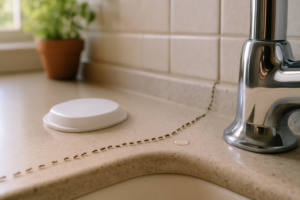
- Ant Colonies: A single Argentine ant colony can have multiple queens and thousands of workers. A quick spray might wipe out a visible trail, but the colony will just send out new ants a few days later.
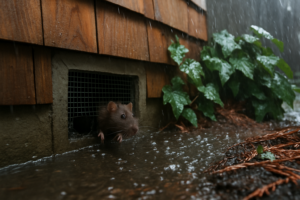
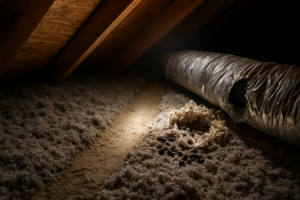
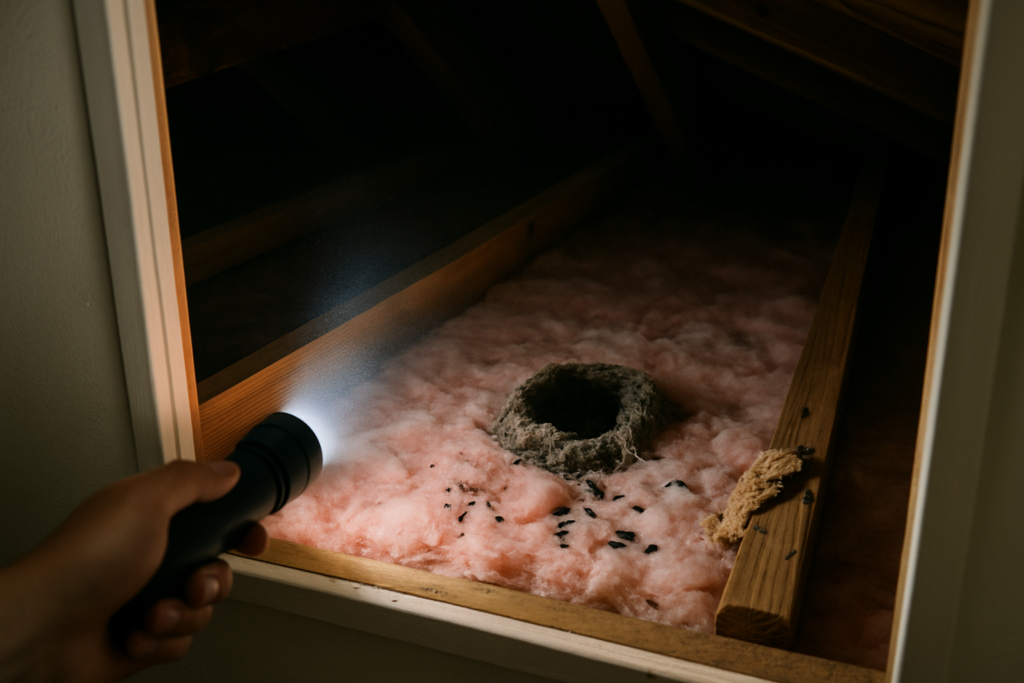
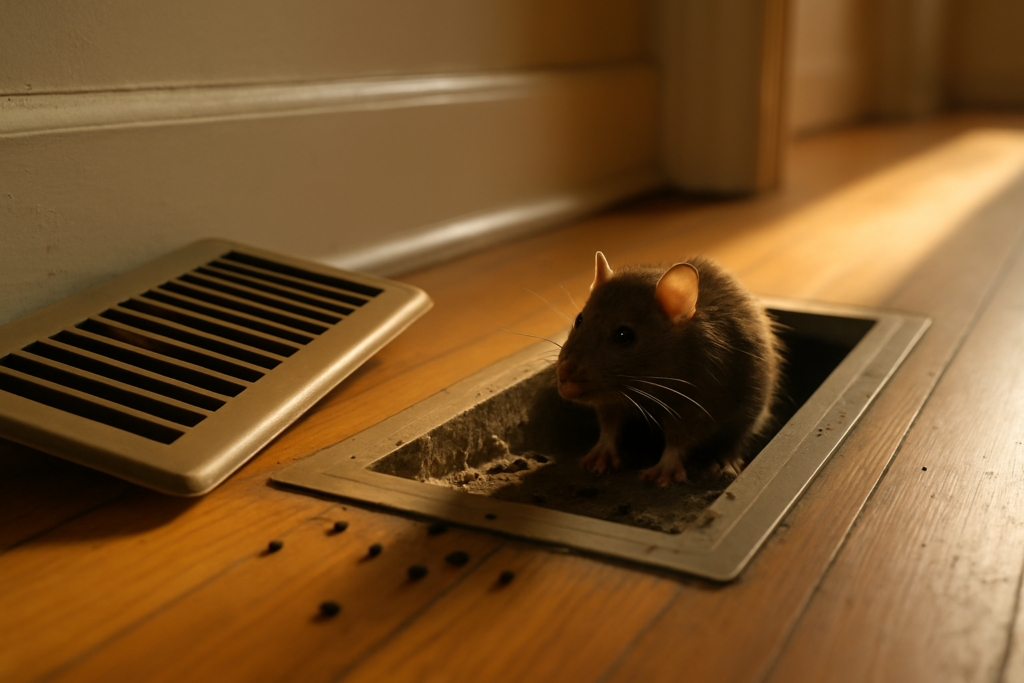
- Rodent Nests: Rodents breed quickly and build hidden nests in attics or inside walls. Removing one or two doesn't solve the problem if their entry points are still open for the next family to move in.
- Unseen Eggs and Larvae: Many insects lay eggs that are resistant to pesticides. A one-time treatment can kill the adults but leave hundreds of eggs behind to hatch, restarting the whole cycle.
The real goal of good pest control isn't just to get rid of the pests you see today. It's to break their life cycle and stop them from coming back tomorrow.
This is exactly where recurring pest plans offer a smarter, more effective approach.
One-Time Fix vs. Long-Term Prevention
Understanding the different approaches helps show why a recurring plan offers so much more value and peace of mind. A one-time spray gives you a temporary break, but it doesn’t create a lasting defense. This is a common misunderstanding, like how people might wonder if foggers work on bedbugs without knowing they miss the eggs and hidden bugs.
| Aspect | One-Time Treatment | Recurring Pest Plan |
|---|---|---|
| Focus | Reactive: Addresses visible pests | Proactive: Prevents future infestations |
| Effectiveness | Short-term, often temporary | Long-term, interrupts pest life cycles |
| Cost | Lower initial cost, higher risk of repeat fees | Predictable cost, prevents expensive emergencies |
| Strategy | Kills surface-level pests | Creates a protective barrier and addresses root causes |
A recurring plan is an investment in your home’s health. It shifts the focus from scrambling to fix a problem to confidently preventing one from ever starting. For busy homeowners in Santa Cruz County, this proactive strategy saves time, stress, and money in the long run.
Comparing One-Time vs Recurring Pest Control
Choosing between a one-time pest treatment and a recurring plan can be confusing. A single service might seem simpler, but it’s important to look at how each approach works over time. For homeowners here in Santa Cruz County, where our mild climate keeps pests active all year, understanding these differences is key to protecting your home.
Let's break down the comparison. We will look at long-term effectiveness, overall cost, and the power of prevention. This isn't just about a simple pros-and-cons list. It's about matching the service to how pests actually behave.
Effectiveness Beyond the Surface
A one-time treatment is designed to handle a visible, immediate problem. It’s a reactive measure, targeting the pests you can see right now. While it can offer temporary relief, its biggest weakness is that it often fails to address the source of the infestation.
Recurring pest plans, on the other hand, are built on a proactive idea. The goal isn't just to kill the pests you see. It's to interrupt their entire life cycle. Many insects lay eggs that are resistant to initial treatments, meaning a new generation is often ready to hatch as the effects of a single spray wear off.
This infographic shows what a one-time treatment often misses just beneath the surface.
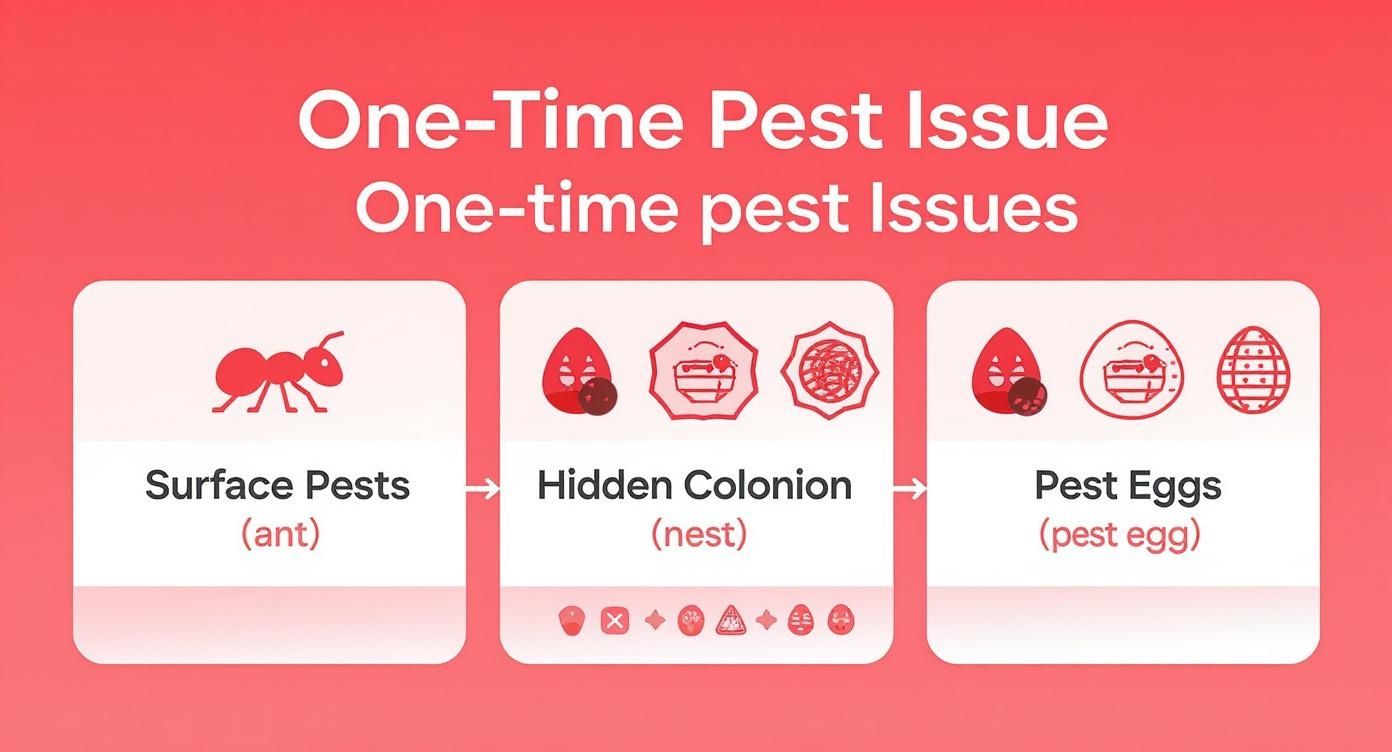
As the visual shows, getting rid of adult pests is only part of the solution. The hidden colonies and eggs are what lead to those frustrating, recurring problems. A scheduled plan is designed to target pests at every stage of their life, ensuring they never get the chance to come back.
Prevention vs Reaction The Core Difference
The biggest difference between these two models is their core strategy. One-time treatments are reactive, while recurring plans are all about prevention.
- Reactive Approach (One-Time): You see a problem, you call for a solution. This model puts the burden on you to spot an infestation, which often means pests have already been active for weeks.
- Proactive Approach (Recurring): A technician regularly inspects your property and maintains a protective barrier. This approach stops pests before they can get inside by addressing weak spots like small cracks or gaps around pipes.
A recurring plan is like having a security system for pests. It’s always active, monitoring for threats and reinforcing your home's defenses so you don't have to deal with a break-in.
This preventative mindset is key to Integrated Pest Management (IPM), the eco-conscious approach we use at West Pest Co. By focusing on exclusion and monitoring, we reduce the need for chemical applications. This is a huge benefit for families and pet owners from Aptos to Scotts Valley. To learn more, explore our guide on how often pest control should be done.
Analyzing the True Cost Over Time
At first glance, a one-time service seems cheaper. You pay a single fee, and the problem seems to be solved. But the numbers often change when you look at the bigger picture over a full year.
Consider this common scenario for a Santa Cruz homeowner:
- Spring: A surge of ants appears. You pay for a one-time treatment.
- Summer: Wasps build a nest under your roof. You call for another one-time service.
- Fall: As the weather cools, you notice signs of rodents, requiring another emergency call.
Each of these visits comes with its own fee. The combined cost of multiple "one-off" treatments can easily add up to more than the annual cost of a recurring plan. Worse, one-time services rarely include a guarantee, so if pests return a month later, you're paying all over again.
A recurring plan smooths these costs into a predictable subscription. It provides year-round protection and includes follow-up visits if any issues pop up between scheduled services. This makes budgeting for pest control simple and eliminates the stress of surprise infestations.
A Practical Comparison of Pest Control Strategies
This table outlines the key differences between a reactive one-time treatment and a proactive recurring plan for your home.
| Evaluation Criteria | One-Time Treatment | Recurring Pest Plan |
|---|---|---|
| Overall Goal | Reactive: Solves a visible, current problem. | Proactive: Prevents future problems from ever starting. |
| Effectiveness | Addresses surface pests but often misses the nest and eggs. | Targets the entire pest life cycle for long-term control. |
| Cost Structure | Unpredictable, pay-per-problem fees that can add up quickly. | Predictable, fixed payments for year-round peace of mind. |
| Prevention | Minimal to none. Only acts after an infestation is established. | Core focus. Creates a protective barrier to stop pests first. |
| Guarantee | Rarely includes a warranty; if pests return, you pay again. | Typically includes free re-service calls between visits. |
| Best For… | A single, isolated pest issue in a low-risk environment. | Santa Cruz homeowners who want consistent, year-round protection. |
While a one-time service has its place for very specific situations, a recurring plan offers a much more reliable defense for most homeowners in our area. It’s about shifting from reacting to problems to living in a home that's always protected.
How Santa Cruz County Climate Fuels Year-Round Pests
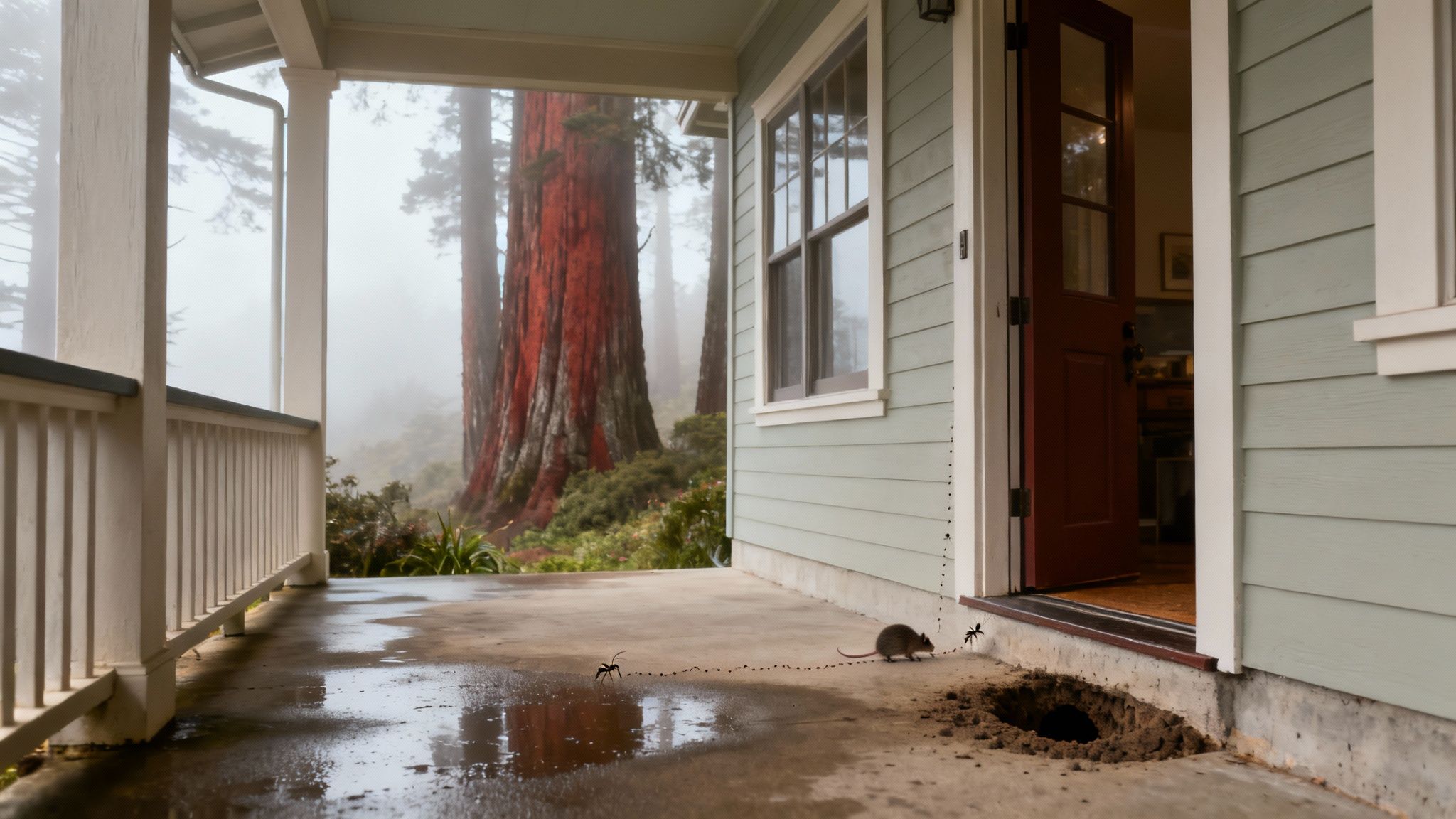
We're lucky to live here. The beautiful, mild coastal climate of Santa Cruz County is one of its biggest draws. But the same weather that lets us enjoy the outdoors all year also creates a perfect, non-stop breeding ground for pests.
Unlike places with harsh winters, our region is a permanent welcome mat for insects and rodents. There's really no "off-season" for pest problems here. A single treatment might knock out a summer ant invasion, but it does nothing to stop rats from looking for a dry home when the first winter rains hit. This is why a recurring plan isn't a luxury—it's a local necessity.
A proactive, recurring plan is a custom strategy that adapts to the pest cycles of the Central Coast, from the redwood forests of Scotts Valley to the garden homes of Aptos.
This constant activity is driven by our unique seasons. Each season brings its own set of pest challenges, creating a cycle that you have to stay ahead of.
Our Seasonal Pest Calendar
Understanding the local pest calendar is the first step in seeing why a year-round approach makes sense. Our climate dictates which pests are on the move and when they'll be trying to get into your home.
- Winter (December – February): The minute it gets cool and damp, rodents like rats and mice head indoors. They're looking for warmth and shelter. Homes in Capitola near Soquel Creek or properties in Boulder Creek are especially at risk.
- Spring (March – May): As things warm up, ants—especially Argentine ants—come out in force. They're looking for food and water, which often leads them to your kitchen.
- Summer (June – August): Warm, dry weather is peak season for yellow jackets and wasps. They build nests under eaves or in the ground. Spiders become more active, and flea and tick populations grow.
- Fall (September – November): As the air cools, rodents begin their annual search for winter shelter. Spiders often move indoors to escape the change in temperature. This is a key time to reinforce your home's defenses.
Your Home Is Part of a Larger Ecosystem
Living in Santa Cruz County means your property is part of a living ecosystem. Whether your backyard is a redwood forest or a coastal canyon, those natural landscapes are constantly pushing pests toward your home.
These environmental factors never stop. This reality is made worse by our changing weather patterns. As you can read in our guide to how milder winters lead to busier pests, even small climate shifts have a big impact on pest behavior.
This is exactly what a one-time treatment can't handle. It's a snapshot solution for a single problem, leaving your home exposed to the next wave of seasonal pests. A recurring pest plan is built for this reality. It's an ongoing shield that protects your home through every season.
The Financial Sense of Proactive Pest Management
When you think about pest control, it's easy to focus on the immediate cost. But the smartest way to look at it is as an investment in protecting your most valuable asset: your home. A recurring pest plan isn't just another monthly bill. It's a financial safeguard against the huge, unexpected costs that a sudden infestation can bring.
Many homeowners only react when a problem is already too big to ignore. By then, the damage is often done. The predictable cost of a proactive plan acts like an insurance policy, protecting you from emergencies that can cost thousands of dollars to fix.
The True Cost of a Pest Emergency
Let’s look at some real-world examples we see all the time here in Santa Cruz County. A one-time treatment might seem cheaper upfront, but it does nothing to prevent these costly disasters.
- Pantry Infestations: Pests like pantry moths can contaminate hundreds of dollars' worth of stored food in a heartbeat, forcing you to throw everything out.
- Rodent Damage: A family of rats nesting in your attic can chew through electrical wiring, creating a serious fire hazard that requires an expensive electrician visit.
- Structural Damage: While West Pest Co. doesn't handle termites, other wood-destroying pests can cause significant harm. Undetected, these pests can weaken wooden beams and support structures over time.
Viewing proactive pest management as a preventative measure rather than a reactive expense is the key to protecting your home's value.
This shift in perspective is crucial. You're not just paying to get rid of bugs. You're investing in the long-term health and safety of your home.
Comparing the Numbers
When you break it down, the financial argument for a recurring plan becomes clear. That small, consistent investment provides a massive return by preventing huge costs down the road.
Now, compare that predictable expense to the potential cost of a single, uncontrolled pest problem. A major rodent clean-out combined with attic restoration can easily top $2,500. Suddenly, the steady fee for a recurring plan looks like a very smart financial decision. You can learn more about how these costs stack up on ProdigyPest.com.
Our approach to preventative pest control is designed to provide this exact value. We focus on stopping problems before they start, saving you from the stress and financial strain of a full-blown infestation. It’s the most effective way to manage your budget and keep your home secure.
What to Expect From Your Protection Plan
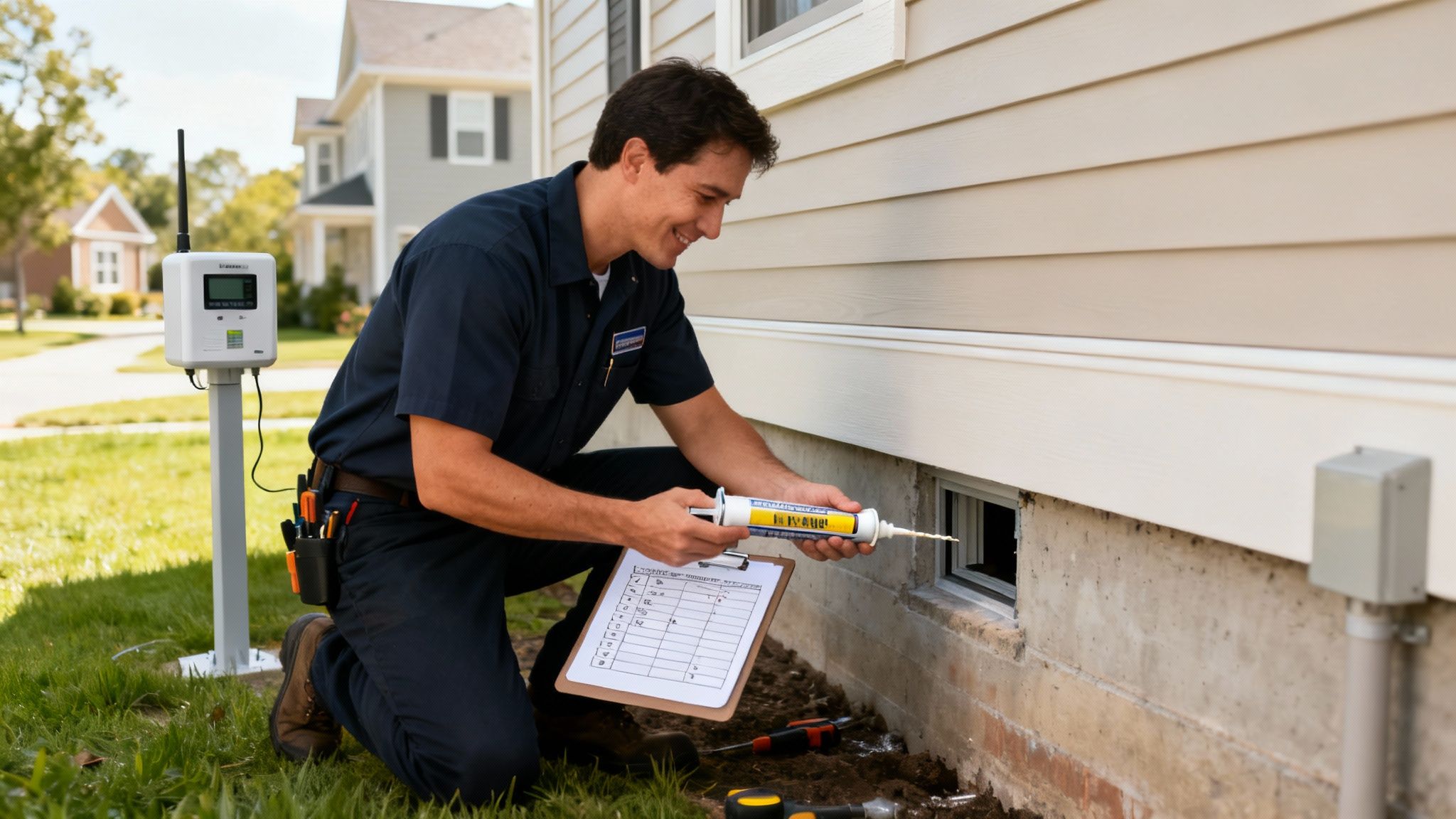
Signing up for a recurring pest plan can feel like a big step. You might wonder what the service actually looks like. Here at West Pest Co., we believe in being completely transparent, so you know exactly what you’re getting. A protection plan with us isn't a quick spray-and-go visit. It's a real partnership built on a clear, proactive strategy.
From the very beginning, our process is designed to be thorough. We don't guess about what your home needs. We kick things off with a detailed assessment to build a plan that's made specifically for your property.
Your Initial Comprehensive Inspection
Everything starts with a deep dive into your home’s current situation. This first visit is the foundation of your entire protection plan. Our goal is to see your home the way a pest does.
During this visit, a certified technician will:
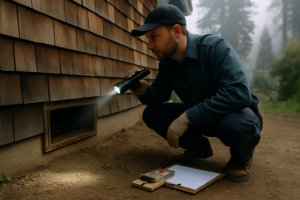
- Conduct a full property walk-through: We check the interior and exterior of your home, from the attic down to the crawl space.
- Identify current pest activity: We look for signs of active infestations, like rodent droppings or ant trails.
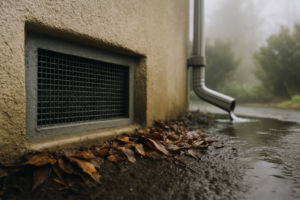
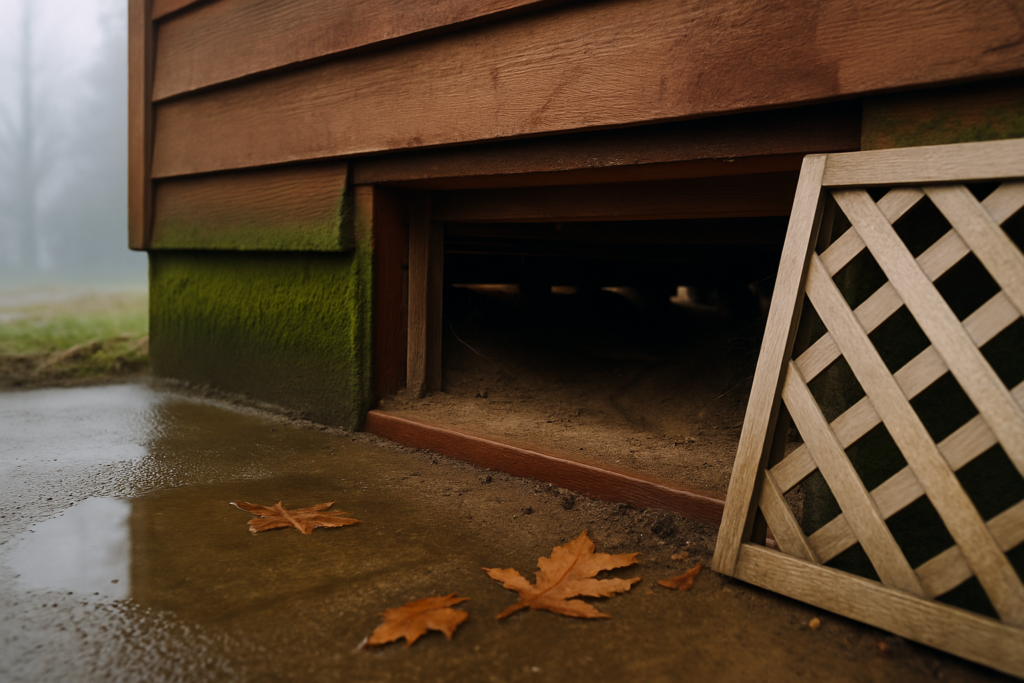
- Pinpoint potential entry points: Pests get in through the tiniest cracks. We find and document these weak spots around pipes, vents, and your foundation.
- Assess environmental factors: We take note of things that can attract pests, like dense landscaping against the house or woodpiles.
This isn't just a quick glance. You can learn more about our professional pest inspection services.
Your Customized Protection Strategy
After the inspection, we create a customized, eco-friendly strategy based on exactly what we found. This plan is your home’s personal defense blueprint. We use Integrated Pest Management (IPM), an approach that prioritizes long-term prevention and minimizes the use of chemicals.
Our service isn’t just about applying products. It’s a hands-on partnership focused on exclusion, monitoring, and proactive prevention to keep your home secure.
Your plan will detail the specific steps we'll take, such as sealing small entry points or creating a protective barrier around your home's exterior. We make sure you understand the "why" behind every action we recommend.
What Happens During a Routine Visit
Once your plan is in place, our routine service visits are all about keeping your home's defenses strong. These scheduled check-ins are quick, efficient, and designed to maintain that protective shield around your property.
During a typical quarterly visit, your technician will:
- Inspect all monitoring stations to check for any new pest activity.
- Reinforce the exterior barrier to keep pests from getting inside.
- Remove webs and nests from eaves, doorways, and windows.
- Provide a detailed service report outlining what we did and what we observed.
- Offer actionable prevention tips you can use between our visits.
This consistent approach takes the mystery out of pest control. It shows that effective, modern pest management is a thoughtful, ongoing process that provides lasting peace of mind.
Frequently Asked Questions
When it comes to protecting your home, you're bound to have questions. We hear many of the same ones from homeowners all over Santa Cruz County. We've put together some straightforward answers to help you make the best decision for your property.
Is a recurring plan worth it if I only see a few bugs?
Yes, because a recurring plan is all about proactive prevention. The goal is to stop pests before you ever see them by getting ahead of their life cycles. Only about 10-14% of U.S. homeowners are enrolled in recurring plans, even though they offer the best long-term protection.
Think of it as an investment in your peace of mind. It saves you from the higher costs and stress of dealing with a full-blown infestation down the road.
Are your plans safe for my family and pets?
Absolutely. At West Pest Co., our approach is built around eco-friendly Integrated Pest Management (IPM). This means we always prioritize non-chemical methods first, like sealing up tiny entry points.
When a product is needed, we choose the lowest-impact options available. We then apply them with precision, making sure they’re placed where pests are but away from your family and pets.
How often would you service my home?
Our most popular and effective plans are quarterly (every three months). We’ve found this frequency lines up perfectly with the seasonal pest cycles here in Santa Cruz County—from the winter rains that push rodents inside to the spring warmth that wakes up the ants.
This schedule allows our technicians to maintain a consistent, protective barrier around your property all year long. We can always customize the schedule based on your home’s specific needs.
What happens if I see pests between my scheduled visits?
Our protection plans come with free re-service calls. If a covered pest pops up between your regular appointments, just give us a call. We’ll come back out to take care of it quickly, at no extra charge to you. Your peace of mind is our top priority.
Why do one-time treatments so often fail?
One-time treatments often fall short because they don't address the entire pest life cycle. A single spray might knock down the adults you see, but it usually misses the eggs that are about to hatch. Many pests, like rats, simply can’t be controlled with one visit.
Plus, the product barriers used in these treatments typically only last about three months, leaving your home vulnerable again once they wear off. You can read about the limits of one-time services on ModernPest.com for a deeper dive.
Why should I choose a recurring plan for my Santa Cruz home?
The best time to stop a pest problem is before it starts. Given Santa Cruz County's year-round pest pressures—from coastal rodent invasions in the rainy season to springtime ant surges—prevention is key. Recurring plans offer consistent protection and peace of mind for busy homeowners who want hassle-free upkeep.
Ready to stop reacting to pests and start preventing them for good? The expert team at West Pest Co. is here to design a customized, eco-friendly protection plan that keeps your Santa Cruz home safe and secure year-round. Contact us today for a free, no-obligation estimate!